Things To Know Before Bringing Home Caucasian Shepherd Dog Puppies
A fully grown Caucasian Shepherd Dog can outweigh a grown man by fifty pounds and still be gaining muscle. That single fact separates this breed from almost every other “family dog” on the market, yet online marketplaces list Caucasian Shepherd puppies next to Labradors and Golden Retrievers as if they belong in the same category. They do not. Understanding the 6 Things To Know Before Bringing Home Caucasian Shepherd Dog Puppies is not optional homework, it is the difference between a well-managed guardian animal and a household crisis waiting to happen.

Disclosure: This post contains affiliate links. As an Amazon Associate, we earn from qualifying purchases, and at no extra cost to you.
This breed, sometimes called the Caucasian Ovcharka, was developed in the mountains of the former Soviet Union to guard livestock against wolves and bears, often unsupervised for days at a time. That working history still runs through every puppy sold today, regardless of how fluffy and appealing the eight-week-old version looks in a photo. Before signing a deposit check or clicking “buy now” on a breeder’s website, prospective owners need a clear, honest picture of what this dog actually requires.
Key Takeaways
- Caucasian Shepherds mature into 100 to 170-pound guardian dogs that need serious space, secure fencing, and are unsuitable for apartments or small urban homes.
- The breed’s temperament is fiercely protective of family and naturally distrustful of strangers, making early socialization and firm, consistent training essential rather than optional.
- Several countries and municipalities restrict or ban the breed outright in 2026, and importing puppies into places like India or the EU involves specific legal and health documentation.
- Large-breed puppies face real orthopedic and health risks, so a structured veterinary and nutrition plan from week one matters as much as picking a good breeder.
- Total lifetime cost, grooming demands, and a 10-plus year commitment mean this is a decision for experienced, well-prepared owners, not casual dog lovers.
1. Size, Space and Housing Needs Come First
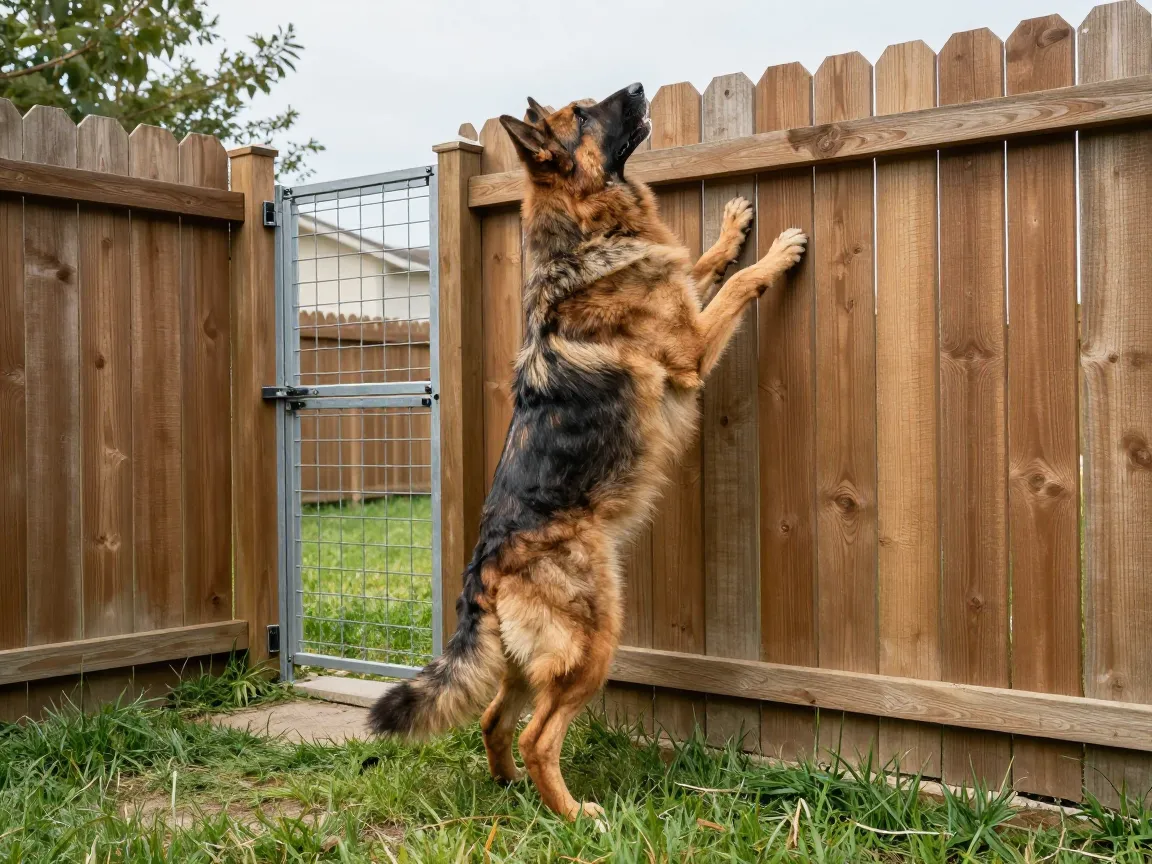
Caucasian Shepherd puppies grow at a startling pace, often gaining several pounds a week during the first year. By adulthood, males commonly weigh between 100 and 170 pounds, with some exceptional lines pushing past that range, while females typically settle a bit lower but remain a genuinely giant breed. Height at the shoulder frequently reaches 25 to 30 inches, meaning an adult dog standing on its hind legs can look a full-grown adult in the eye.
This is fundamentally not an apartment dog. Cramped indoor spaces frustrate a breed built to patrol acreage, and the resulting boredom often shows up as destructive chewing, excessive barking, or anxious pacing. Prospective owners need:
- A private, securely fenced yard, ideally at least a quarter acre, with fencing rated for large, powerful dogs.
- Fence height of six feet or more, since a determined Caucasian Shepherd can climb or push through weaker barriers.
- Reinforced gates and latches, because these dogs are strong enough to test structural weak points over time.
- Enough indoor floor space for a dog that may eventually weigh as much as a full-grown adult.
Homes without acreage, rural properties, or at minimum a large suburban lot with strong boundaries should reconsider this breed before falling in love with a puppy photo.
2. Guardian Temperament Demands Early Socialization

Caucasian Shepherds were bred to make independent decisions about threats without human direction, and that instinct has not been bred out. Within the family unit, the dog is typically calm, affectionate, and fiercely loyal, often forming an unbreakable bond with children and other pets it is raised alongside. Outside that circle, however, the same dog can be deeply suspicious of unfamiliar people, other animals, and anything it perceives as an intrusion onto its territory.
“A Caucasian Shepherd does not ask permission to protect its family, it decides, and the owner’s job is to shape that decision-making before it becomes a liability.”
This guardian temperament makes structured socialization during the critical window between eight weeks and six months absolutely non-negotiable. Puppies need controlled, positive exposure to:
- Different types of people, including children, delivery workers, and visitors, in calm, supervised settings.
- Other dogs and animals, ideally through puppy classes rather than unsupervised dog parks.
- New environments such as car rides, veterinary visits, and busy sidewalks.
- Everyday household sounds and situations, from vacuum cleaners to doorbells.
Training must be firm, calm, and remarkably consistent. Harsh punishment tends to backfire with this breed, producing fear-based aggression rather than obedience, while permissive handling allows the dog’s natural dominance to go unchecked. Professional guidance from a trainer experienced with livestock guardian or molosser breeds is strongly recommended, ideally starting the week the puppy comes home.
3. Legal Status, Import Rules and the 2026 Regulatory Outlook
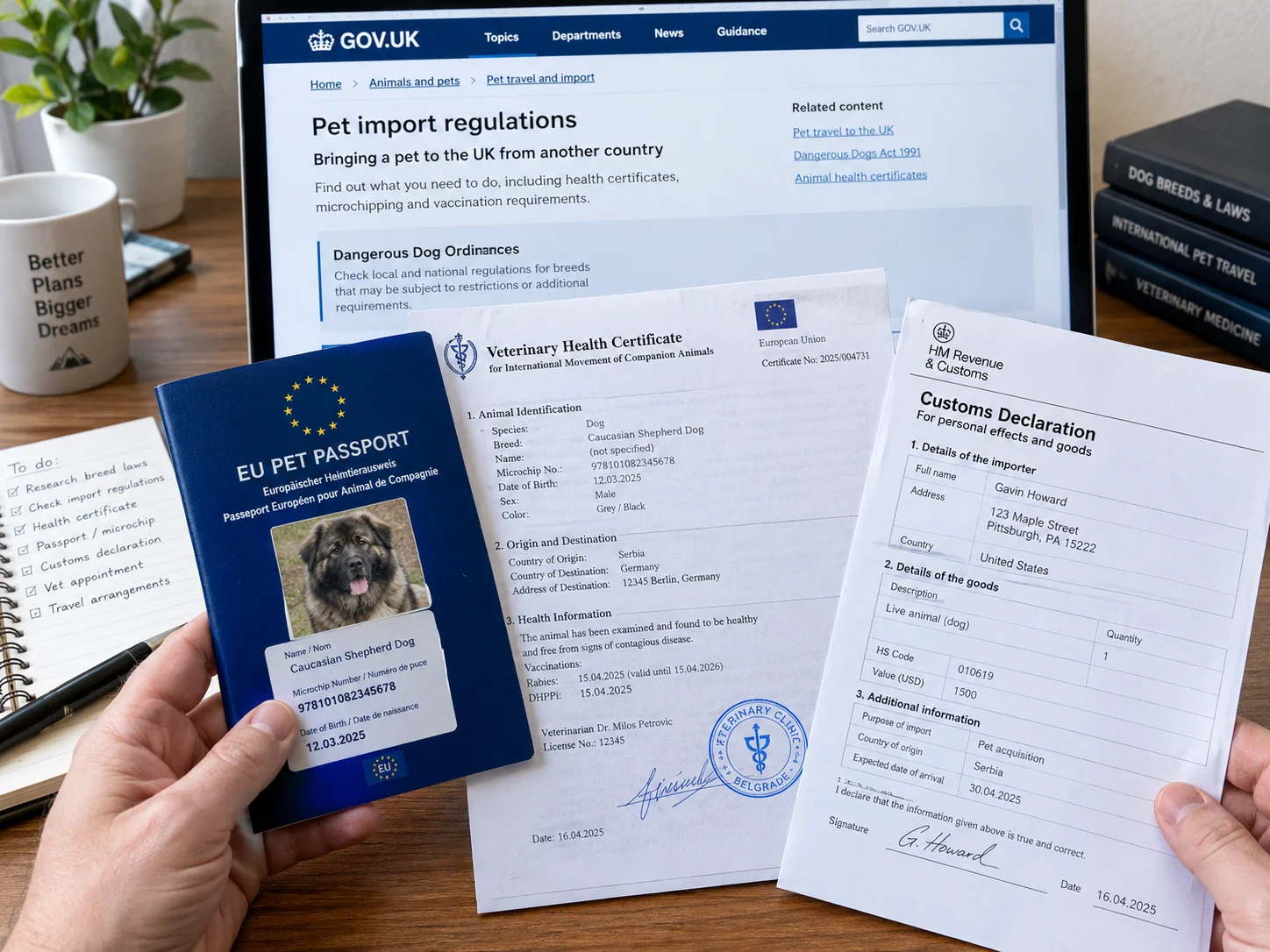
Anyone researching the 6 Things To Know Before Bringing Home Caucasian Shepherd Dog Puppies cannot skip the legal homework, because rules around this breed are tightening in several regions. Some cities and counties classify Caucasian Shepherds under “dangerous dog” or restricted breed ordinances due to their size and bite force potential, which can mean mandatory liability insurance, muzzle requirements in public, or outright bans on ownership.
Before purchasing, buyers should verify:
- Whether the breed is legal to own in their specific city, county, or state, since rules vary widely even within one country.
- Whether homeowner’s insurance or rental agreements exclude large guardian breeds.
- Local licensing requirements, including microchipping and breed-specific registration.
Import and travel add another layer of complexity. In markets like India, importing a Caucasian Shepherd puppy typically requires health certificates, rabies titer testing, and customs clearance that can take weeks to process, and buyers should confirm the puppy’s paperwork matches national import standards before money changes hands. Within the European Union, cross-border movement of dogs requires an EU pet passport, verified vaccination records, and microchip identification under harmonized pet travel regulations. Given ongoing public safety debates around large guardian breeds, further tightening of local and national rules through 2026 and beyond is a realistic possibility, so owners should treat today’s legal landscape as a moving target rather than a fixed guarantee.
4. Health Risks, Lifespan and the Puppy Veterinary Schedule
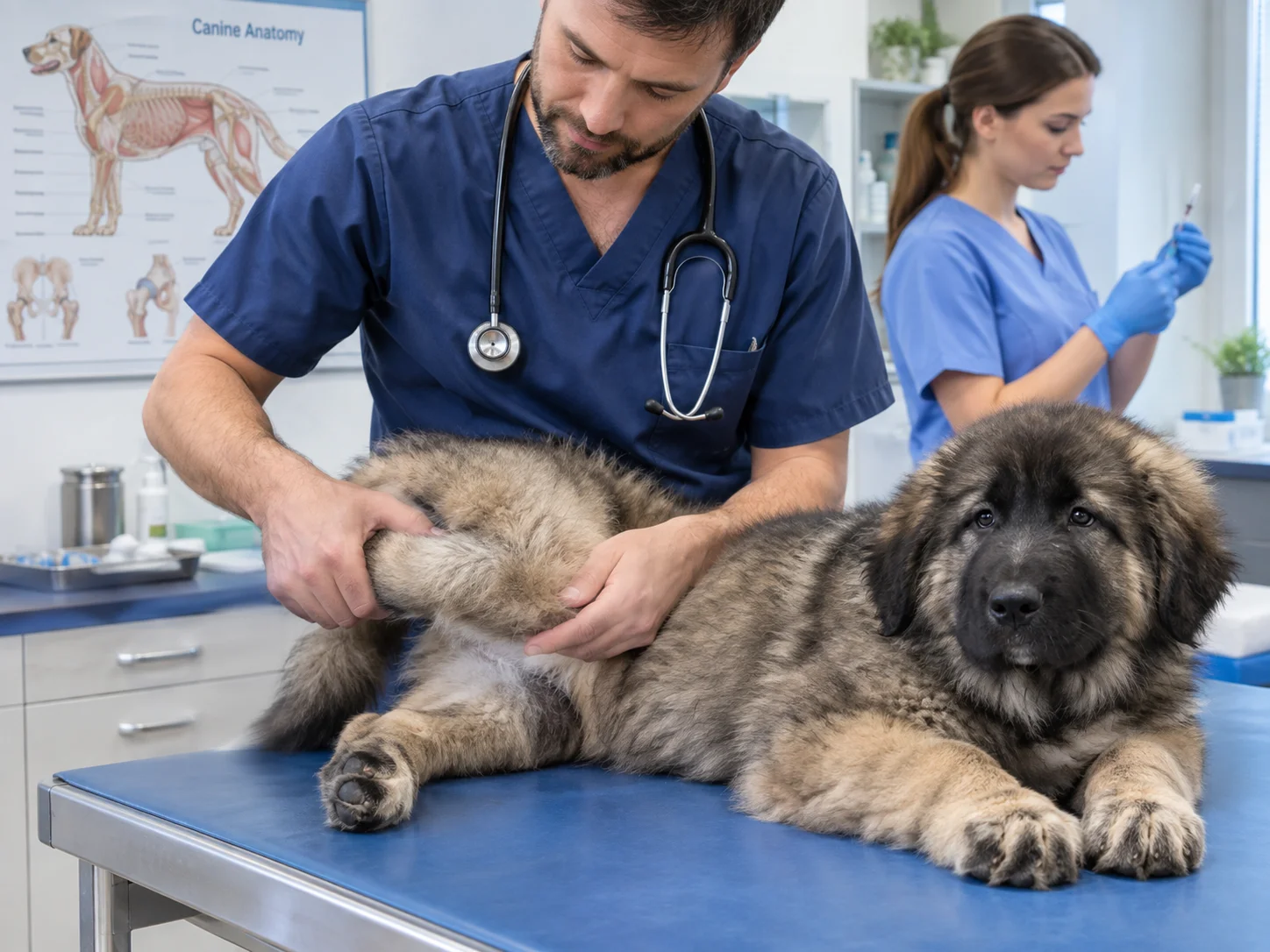
Caucasian Shepherds generally live between 10 and 12 years, a respectable lifespan for a breed of this size, but that longevity depends heavily on proactive veterinary care. Rapid growth in giant breeds places enormous stress on developing joints and bones, making orthopedic problems one of the most common concerns.
Owners should watch for and discuss these risks with a veterinarian:
| Health Concern | What It Involves | Why It Matters |
|---|---|---|
| Hip and elbow dysplasia | Malformed joint sockets during growth | Leads to pain, arthritis, mobility loss |
| Bloat (gastric torsion) | Stomach twists after eating or exercise | Life-threatening emergency in deep-chested breeds |
| Heart conditions | Cardiomyopathy and related issues | Can shorten lifespan if undetected |
| Obesity-related strain | Excess weight on joints | Accelerates dysplasia and arthritis |
A responsible puppy veterinary schedule typically includes vaccinations at roughly 6, 9, 12, and 16 weeks, deworming on a regular rotation, an early screening conversation about hip and elbow health, and a spay or neuter discussion timed carefully around growth plate closure rather than done reflexively at six months. Annual wellness exams, combined with weight monitoring throughout adulthood, meaningfully extend quality of life for this breed.
5. Nutrition, Growth and Grooming Needs Around the Clock
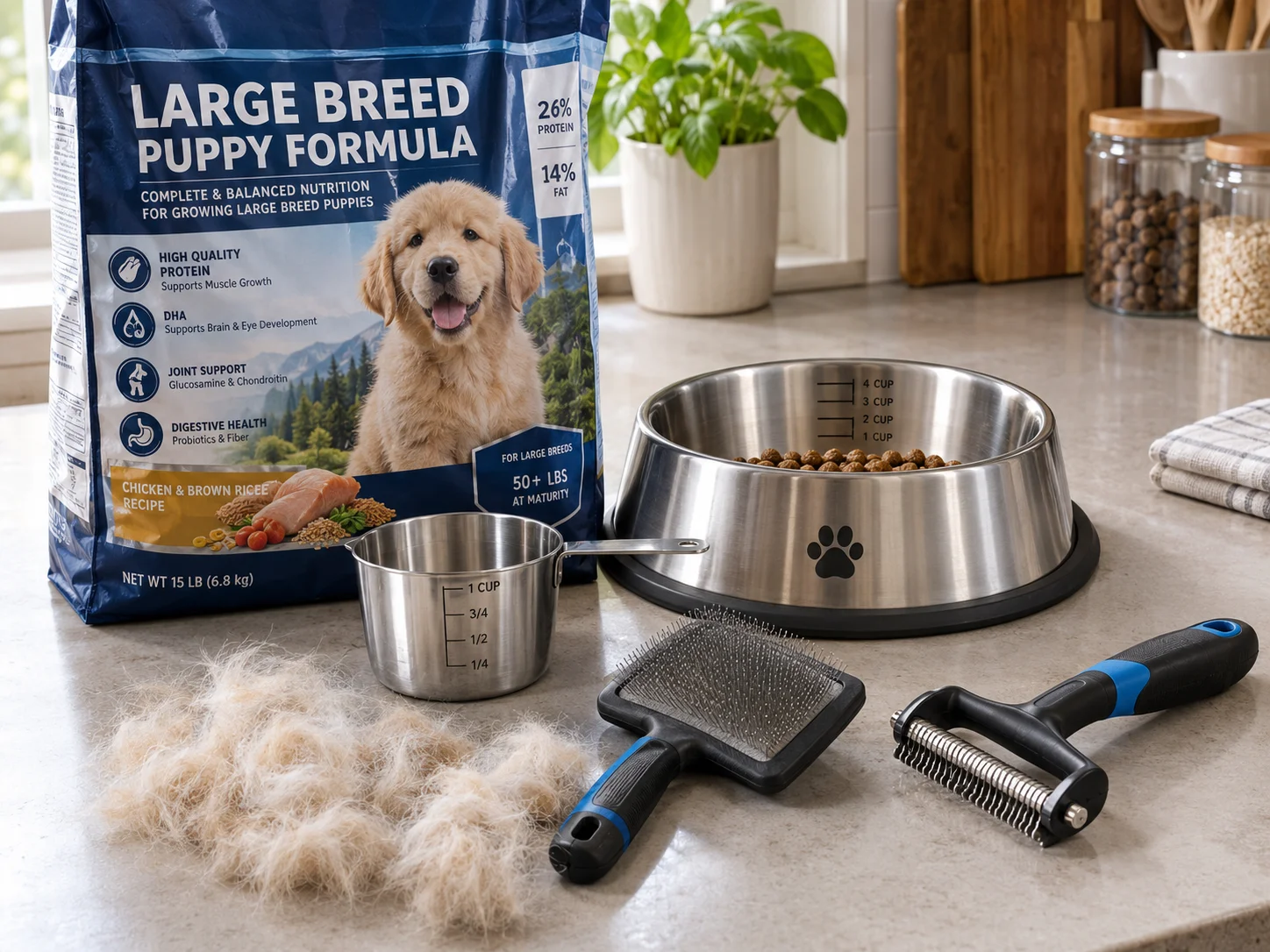
Feeding a Caucasian Shepherd puppy correctly is not the same as feeding a small or medium breed puppy more food. Uncontrolled rapid growth is directly linked to skeletal problems, so nutrition management from the very first week home is critical.
Key feeding principles include:
- A large-breed puppy formula specifically formulated with controlled calcium and phosphorus ratios to slow bone growth to a healthy rate.
- Scheduled meals rather than free-feeding, typically three to four times daily for young puppies, tapering to two meals in adulthood.
- Careful portion control even when the puppy seems constantly hungry, since lean growth outperforms fast growth for joint health.
- A gradual transition plan when switching foods or life stages, to avoid digestive upset in a breed prone to bloat.
Grooming adds another layer of ongoing household commitment. The breed’s thick double coat sheds heavily, particularly during seasonal blowouts in spring and fall, requiring brushing two to three times weekly year-round and near-daily during shedding season. Owners should expect:
- Regular nail trims, since overgrown nails affect gait in heavy dogs.
- Ear checks for moisture and debris, especially in humid climates.
- Occasional bathing, balanced against the coat’s natural weather-resistant oils.
- A genuine increase in household cleaning frequency, from vacuuming to furniture care.
Anyone unwilling to commit to this grooming rhythm will find the shedding overwhelming within the first year.
6. Cost, Breeder Selection and the Long-Term Commitment
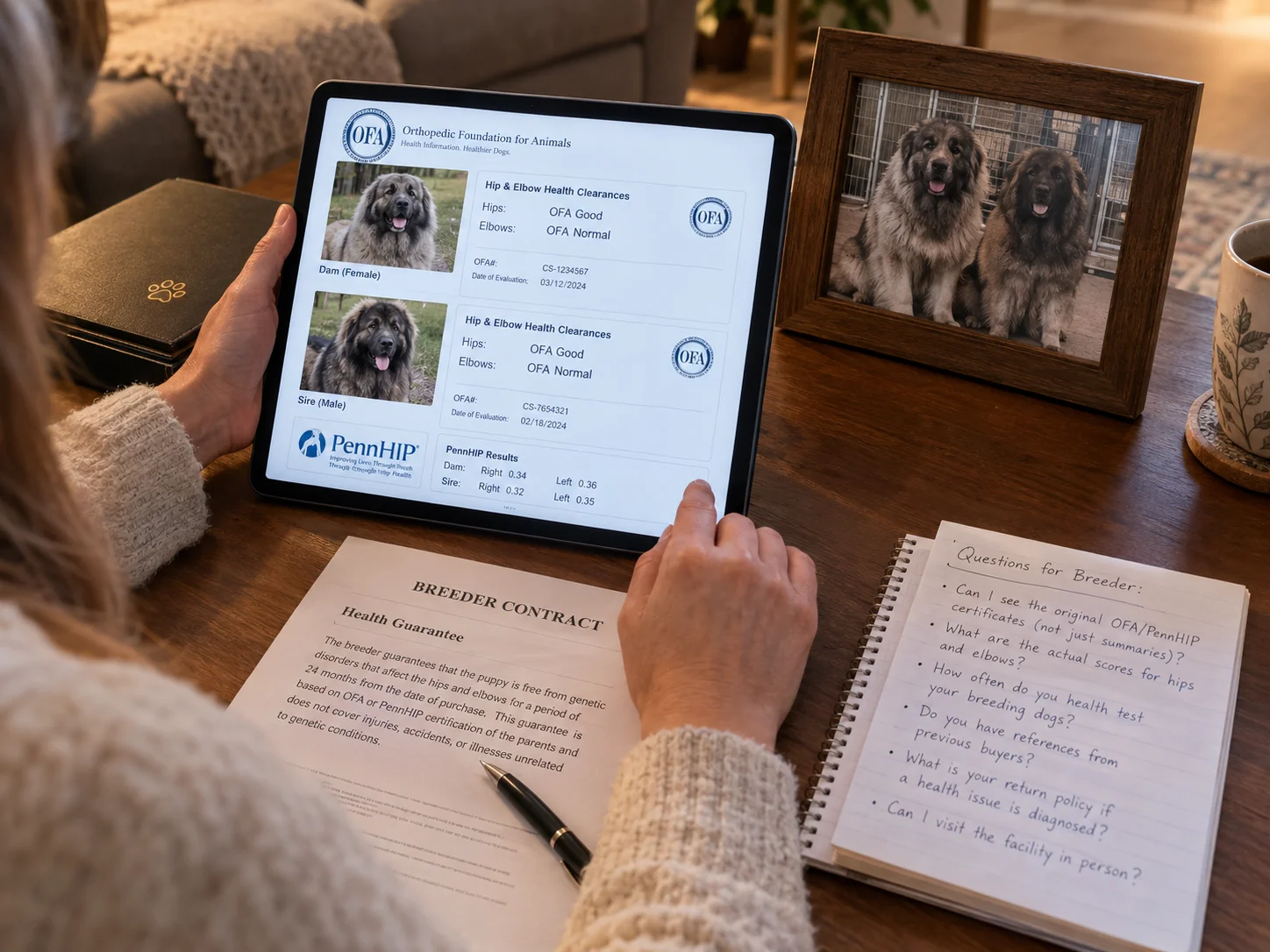
The final item among the 6 Things To Know Before Bringing Home Caucasian Shepherd Dog Puppies is arguably the most important: this is a serious financial and lifestyle commitment, not an impulse purchase. Reputable Caucasian Shepherd breeders are relatively rare outside their countries of origin, and puppy availability from health-tested, well-socialized litters is often limited, sometimes involving waitlists.
When evaluating a breeder, prospective owners should confirm:
- Health clearances for hips, elbows, and heart conditions on both parent dogs.
- Evidence of early socialization work already done with the litter before eight weeks.
- Willingness to provide references, facility visits, or video calls showing living conditions.
- A written contract addressing health guarantees and return policies.
Beyond the initial purchase, ongoing costs include large-breed food volumes, higher-dose flea and heartworm prevention, larger veterinary bills for anesthesia and medication dosing, sturdy fencing and containment infrastructure, and professional training sessions. Across a 10 to 12-year lifespan, these expenses accumulate substantially compared to smaller breeds.
This dog fits experienced owners with adequate property, time for consistent training, and a genuine understanding that a Caucasian Shepherd is a working guardian animal first and a companion second. It is not a casual “big fluffy dog” chosen because it looks impressive in photos.
Conclusion: Weighing the 6 Things To Know Before Bringing Home Caucasian Shepherd Dog Puppies
Bringing home a Caucasian Shepherd puppy is a decision that reshapes daily life for over a decade. The breed rewards owners who invest in early socialization, consistent training, controlled nutrition, and secure housing with a devoted, capable guardian unlike almost any other dog. It punishes owners who underestimate its size, instincts, or legal complexity with real safety risks and heartbreaking rehoming situations.
Before moving forward, take three concrete steps. First, verify local and regional legal status, including any 2026 breed-specific ordinances or import requirements that apply to the intended location. Second, connect with a veterinarian experienced in giant breeds to map out a growth, nutrition, and screening plan before the puppy even arrives. Third, identify a reputable breeder or rescue with verifiable health testing and be prepared to wait for the right match rather than rushing the process.
Approached with this level of preparation, a Caucasian Shepherd can become one of the most loyal, capable guardians a household will ever know. Approached casually, the same dog becomes an overwhelming mismatch. The difference lies entirely in the research done before, not after, bringing the puppy home.