Essential Tips For Caring For Your New Ragdoll Cat Kitten
A Ragdoll kitten will not reach full physical maturity until close to age four. That single fact surprises most first-time owners, who assume a cat looks “grown” by its first birthday. Ragdolls are different. They grow slowly, stay soft-natured throughout life, and depend heavily on their humans for safety since they lack the sharp defensive instincts of many other breeds. Getting the basics right early on shapes the health, temperament, and happiness of this gentle giant for years to come.
Disclosure: This post contains affiliate links. As an Amazon Associate, we earn from qualifying purchases, and at no extra cost to you.
This guide walks through 6 Essential Tips For Caring For Your New Ragdoll Cat Kitten, drawing on the latest 2026 breed-care guidance from veterinary and feline health sources. Whether a kitten is arriving home this week or has already claimed the best spot on the sofa, these tips cover nutrition, grooming, safety, litter habits, socialization, and veterinary care in practical, easy-to-follow detail.
Key Takeaways
- Ragdoll kittens need high-protein kitten food and multiple small meals daily until roughly 15 to 18 months old, since they grow slower than most breeds.
- Indoor-only living is non-negotiable for this breed because Ragdolls have low outdoor survival instincts and a famously docile temperament.
- Gentle grooming with soft-tipped tools every few days prevents mats, especially behind the ears, under the arms, and on the belly.
- A prepared “safe room” and a kitten-proofed home reduce stress and injury risk during the first days at home.
- Routine veterinary visits matter more for Ragdolls because the breed has known genetic risks, including hypertrophic cardiomyopathy.
1. Kitten-Proof The Home Before Arrival Day
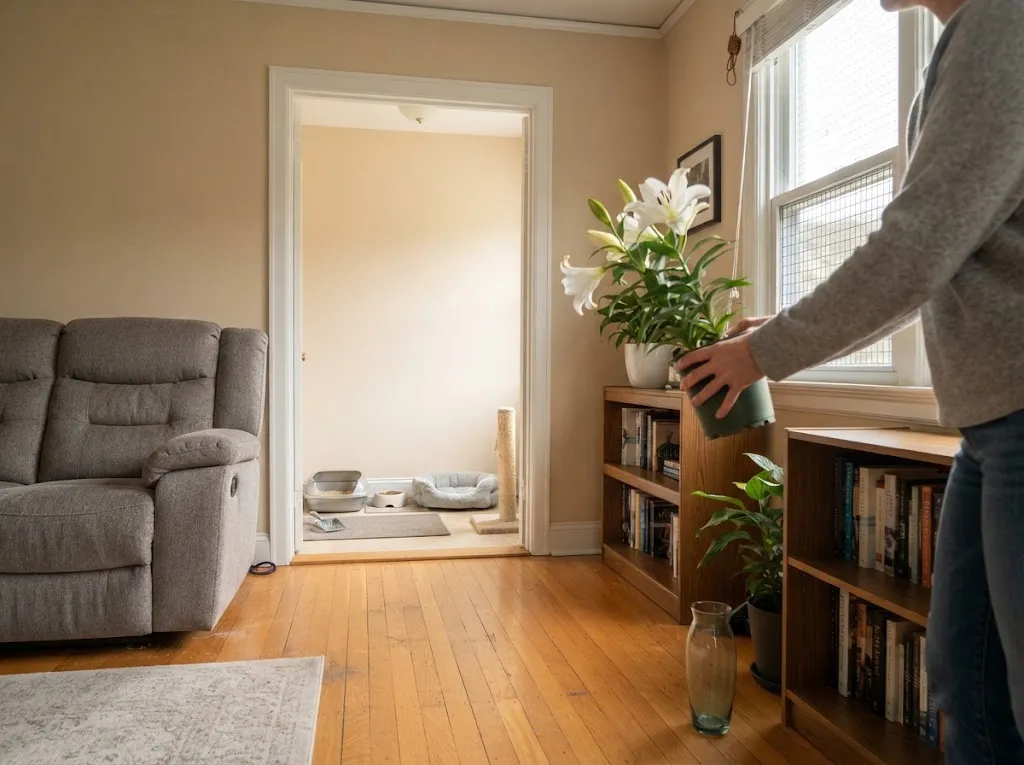
Preparing the house before the kitten steps through the door is the single most overlooked step in 6 Essential Tips For Caring For Your New Ragdoll Cat Kitten, yet it prevents the majority of early accidents and vet emergencies.
Ragdoll kittens are curious, low to the ground, and drawn to soft, hidden spaces. Before bringing one home, walk through each room with a kitten’s-eye view. Remove toxic houseplants such as lilies and poinsettias, since even small amounts can cause serious illness. Check window screens for gaps, secure loose blind cords, and tuck away small objects like hair ties, buttons, or thread that a kitten might swallow.
Recliners and pull-out sofas deserve special attention. Their internal mechanisms can trap a small kitten without anyone noticing until it is too late. Either block access to these pieces of furniture for the first few weeks or check thoroughly underneath and inside before each use.
Most breeders recommend setting up a dedicated “safe room” stocked with a litter box, food and water bowls, a cozy bed, and a scratching post. This smaller space lets the kitten acclimate gradually instead of feeling overwhelmed by an entire house on day one. After a few days of confident exploring in the safe room, the kitten can be introduced to the rest of the home one room at a time.
Key kitten-proofing checklist:
- Remove toxic plants and secure trash bins.
- Check window screens and block small gaps.
- Hide or secure cords, string, and small chewable items.
- Test recliners and sofa beds for trap hazards.
- Set up a quiet safe room with litter box, bed, food, and water.
2. Feed A High-Protein Diet Built For Slow Growth

Because Ragdolls mature slowly, their nutritional needs stretch well beyond typical kitten timelines. Most breed-specific guides recommend keeping kittens on high-quality kitten food, or an “all life stages” formula, until at least 15 to 18 months of age rather than switching to adult food at the standard 12-month mark.
During the first six months, three to four small meals a day support steady growth without overloading a still-developing digestive system. After six months, this can shift to two meals daily as the kitten matures. Grain-free dry kitten food left available throughout the day works well for grazing, while grain-free wet food offered twice daily adds valuable moisture and protein density.
“A Ragdoll kitten’s body is still building bone and muscle mass long after most breeds have stopped growing, so cutting nutrition short too early can affect lifelong health.”
Hydration deserves particular focus. Ragdolls, like many cats, do not always drink enough water on their own. Mixing a little extra water into wet food, or investing in a cat water fountain, encourages steady fluid intake and supports long-term kidney and urinary health.
Foods and habits to avoid:
- Human food scraps, especially onions, garlic, chocolate, and anything containing xylitol.
- Plastic bowls, which can harbor bacteria and contribute to feline chin acne.
- Free access to only dry food with no wet food or water encouragement.
- Sudden diet switches without a gradual transition period.
Stainless steel or ceramic bowls are the preferred choice over plastic for both hygiene and skin health reasons.
3. Groom Gently With The Right Tools And Routine
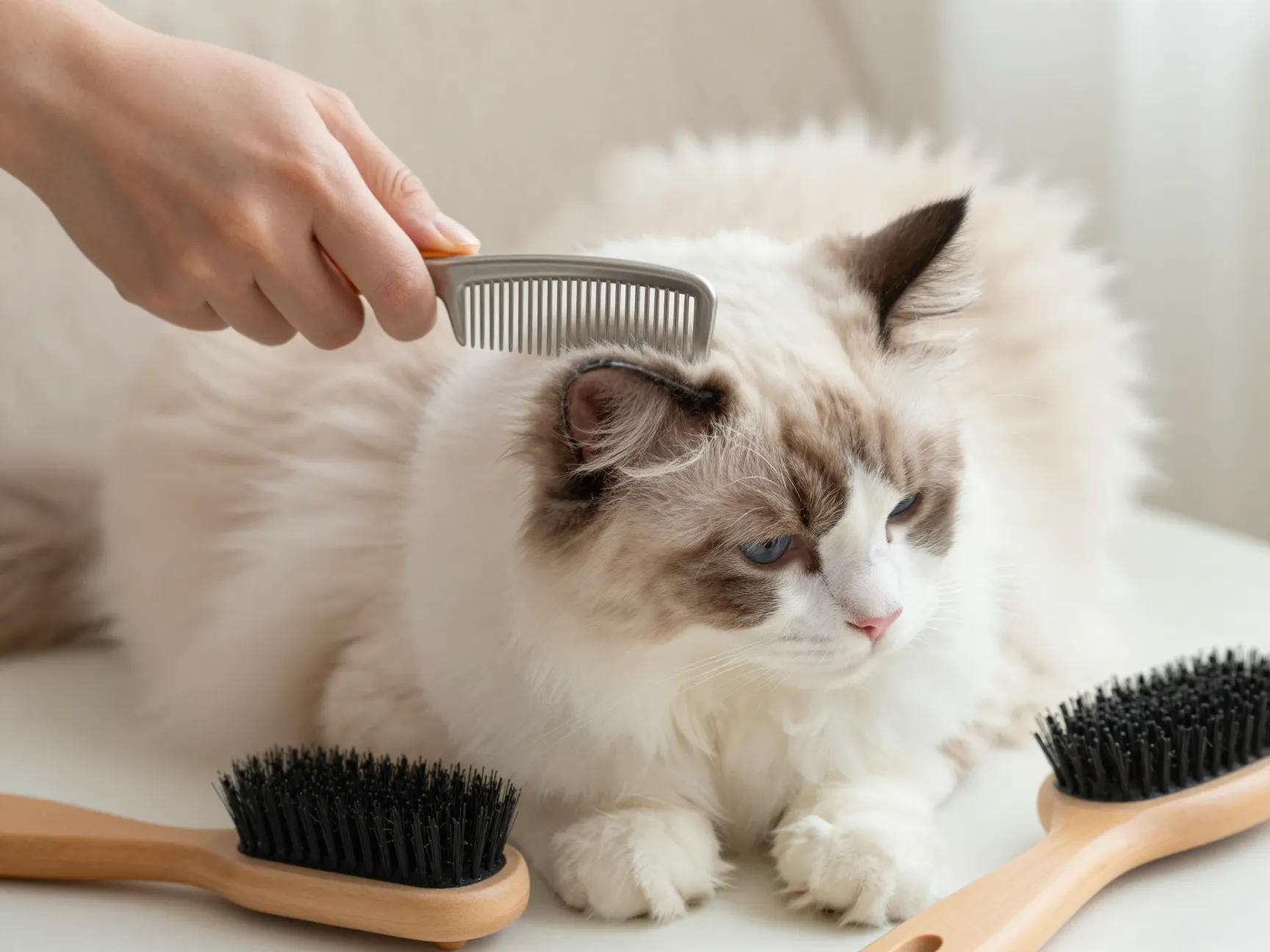
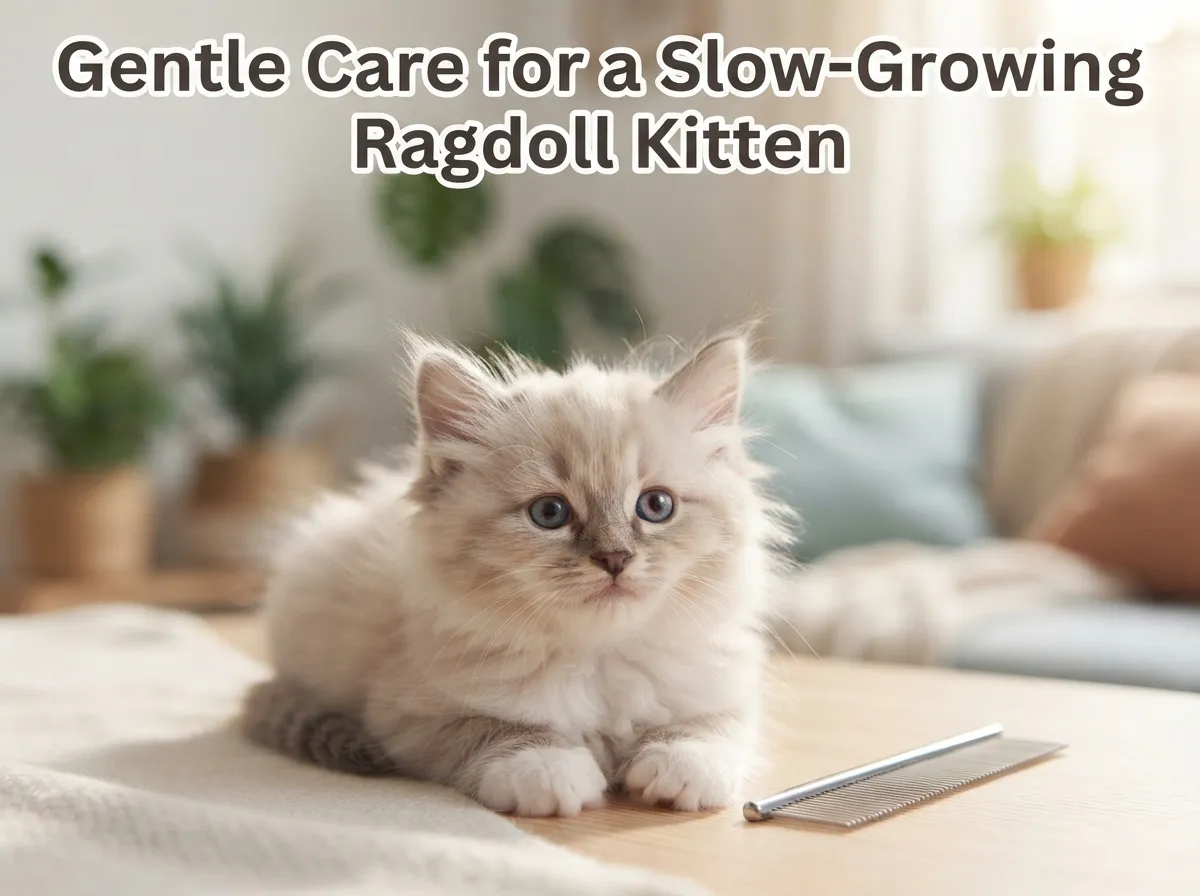
Ragdoll coats are medium-long but surprisingly fine, which means the wrong brush can do more harm than good. This is one of the more technical parts of 6 Essential Tips For Caring For Your New Ragdoll Cat Kitten, but it becomes second nature quickly once the right tools are in hand.
Stiff bristle brushes or harsh metal combs can irritate the skin and snag delicate fur. Instead, reach for a fine-toothed metal comb with blunt, rounded tips, a soft slicker brush, or a gentle rubber or boar-bristle brush. Brushing every few days, rather than daily, is usually enough to prevent tangles from forming.
Pay close attention to the areas most prone to matting:
| Priority zone | Why it matts easily |
|---|---|
| Behind the ears | Thin fur rubs against collars and bedding |
| Armpits | Constant movement causes friction |
| Belly | Soft, less-groomed fur mats quickly |
| Back legs | Fur thickens here and tangles with activity |
Bathing is rarely necessary unless the kitten gets visibly dirty. Many owners choose professional grooming once or twice a year to maintain coat condition, particularly during seasonal shedding periods. Starting nail trims, brushing sessions, and gentle ear checks while the kitten is still young builds lifelong tolerance for handling, which pays off enormously as the cat grows into a large, floppy adult that still needs regular care.
4. Set Up Reliable Litter Habits Early
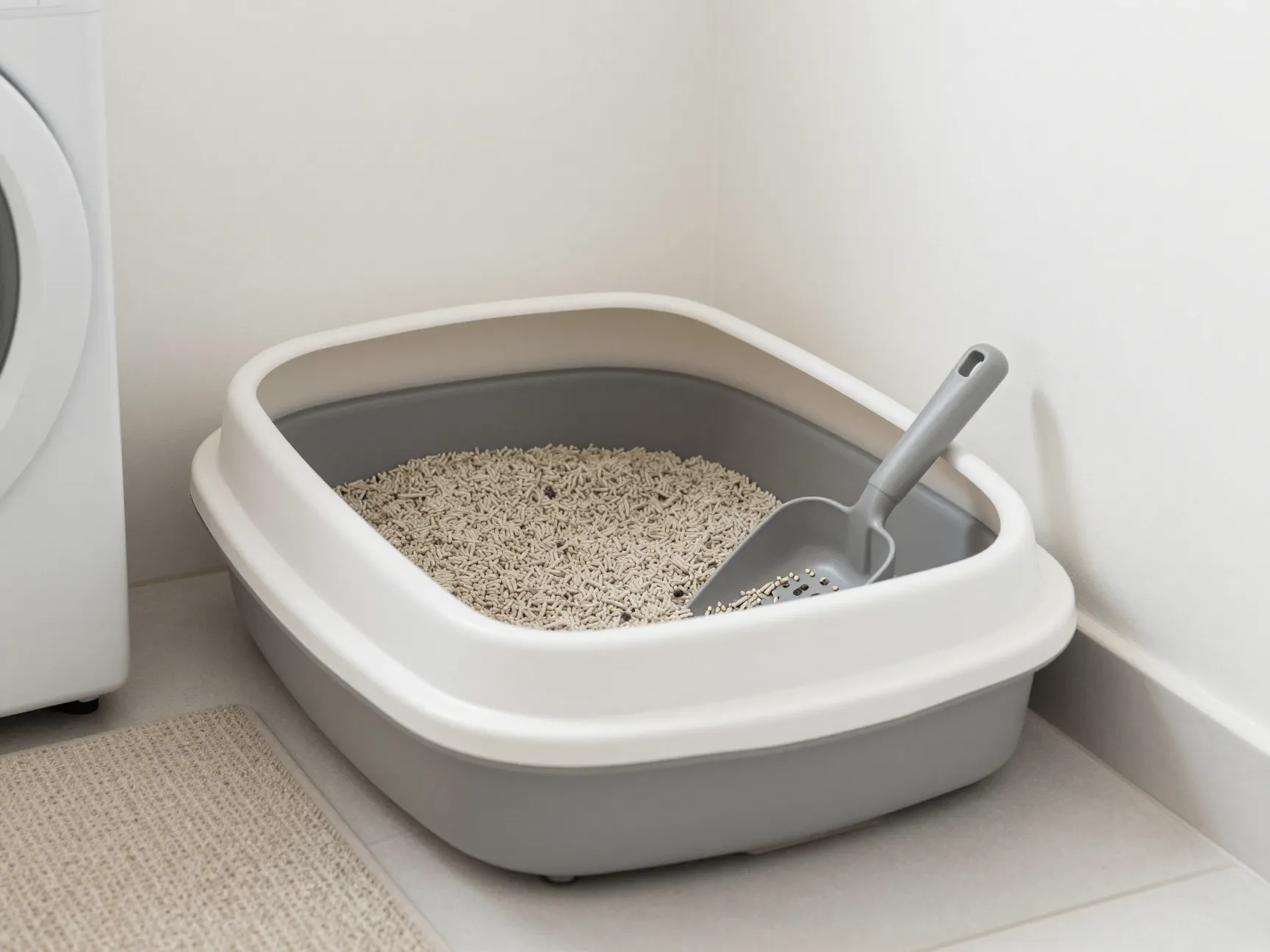
Ragdoll kittens are generally quick, clean learners when it comes to litter training, but the setup matters as much as the cat’s natural instincts. A large litter tray gives a growing kitten enough room to turn around and dig comfortably, which becomes increasingly important as Ragdolls grow into one of the larger domestic cat breeds.
Unscented clumping litter tends to be gentler on sensitive paws and noses than heavily perfumed alternatives. Placement matters too: the litter box should sit away from food and water bowls, in a quiet, low-traffic spot where the kitten feels safe using it without interruption.
Hygiene routine essentials:
- Scoop the litter box at least once daily.
- Fully clean and disinfect the box weekly with a pet-safe cleaner.
- Watch for soft stools or frequent accidents, which can signal digestive upset.
- Consider a probiotic or hairball remedy if long-haired shedding leads to occasional digestive hiccups.
Any sudden change in bathroom habits, including straining, going outside the box repeatedly, or noticeable discomfort, warrants a call to the veterinarian rather than a wait-and-see approach.
5. Prioritize Gentle Socialization And Daily Play
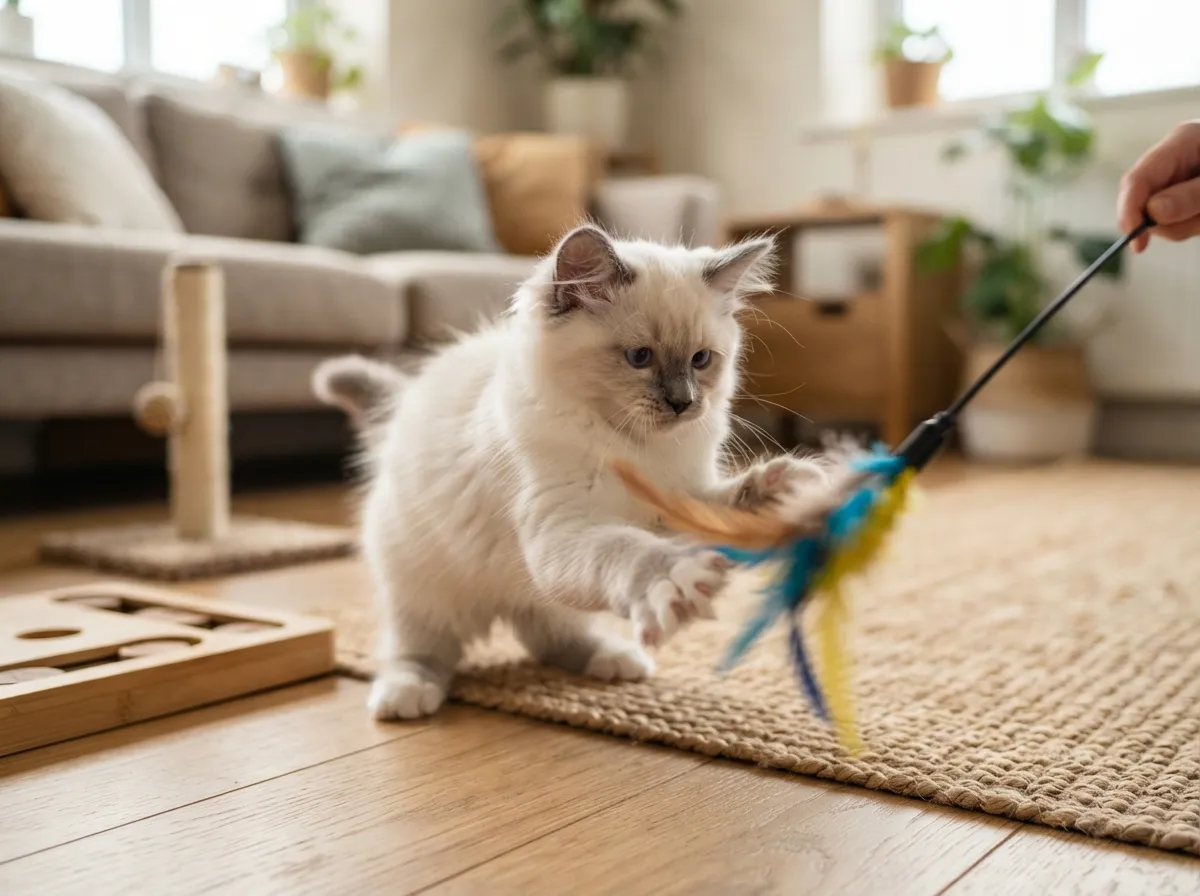
Ragdolls earned their name from their tendency to go limp and relaxed when picked up, and that same easygoing nature makes them deeply people-focused companions. This personality trait is a gift, but it also means Ragdoll kittens need consistent, gentle interaction to feel secure and confident.
Daily interactive play sessions using wand toys, puzzle feeders, and gentle chase games stimulate both the body and the mind. These short bursts of activity, ideally spread across the day in five-to-ten-minute sessions, help prevent boredom and support healthy weight management as the kitten grows.
The first few nights in a new home set the tone for the entire relationship. Keeping the environment calm, quiet, and predictable, with a comfortable bed, a few toys, a scratching post, and easy access to food and water, helps the kitten settle in without unnecessary stress. Loud noises, rough handling, or forced interactions during this window can create lasting anxiety in a breed known for its emotional sensitivity.
Handling tips worth building into daily routine:
- Always support the kitten’s full body weight when lifting, never letting the legs dangle unsupported.
- Approach calmly and let the kitten initiate contact when possible.
- Avoid sudden loud noises near the kitten’s resting or eating areas.
- Introduce new people and pets gradually, in short, supervised sessions.
Because Ragdolls can become withdrawn or anxious when left alone for long stretches, households with long working hours may want to consider a second pet companion or build a firm daily interaction routine into the schedule.
6. Schedule Consistent Veterinary Care And Monitoring
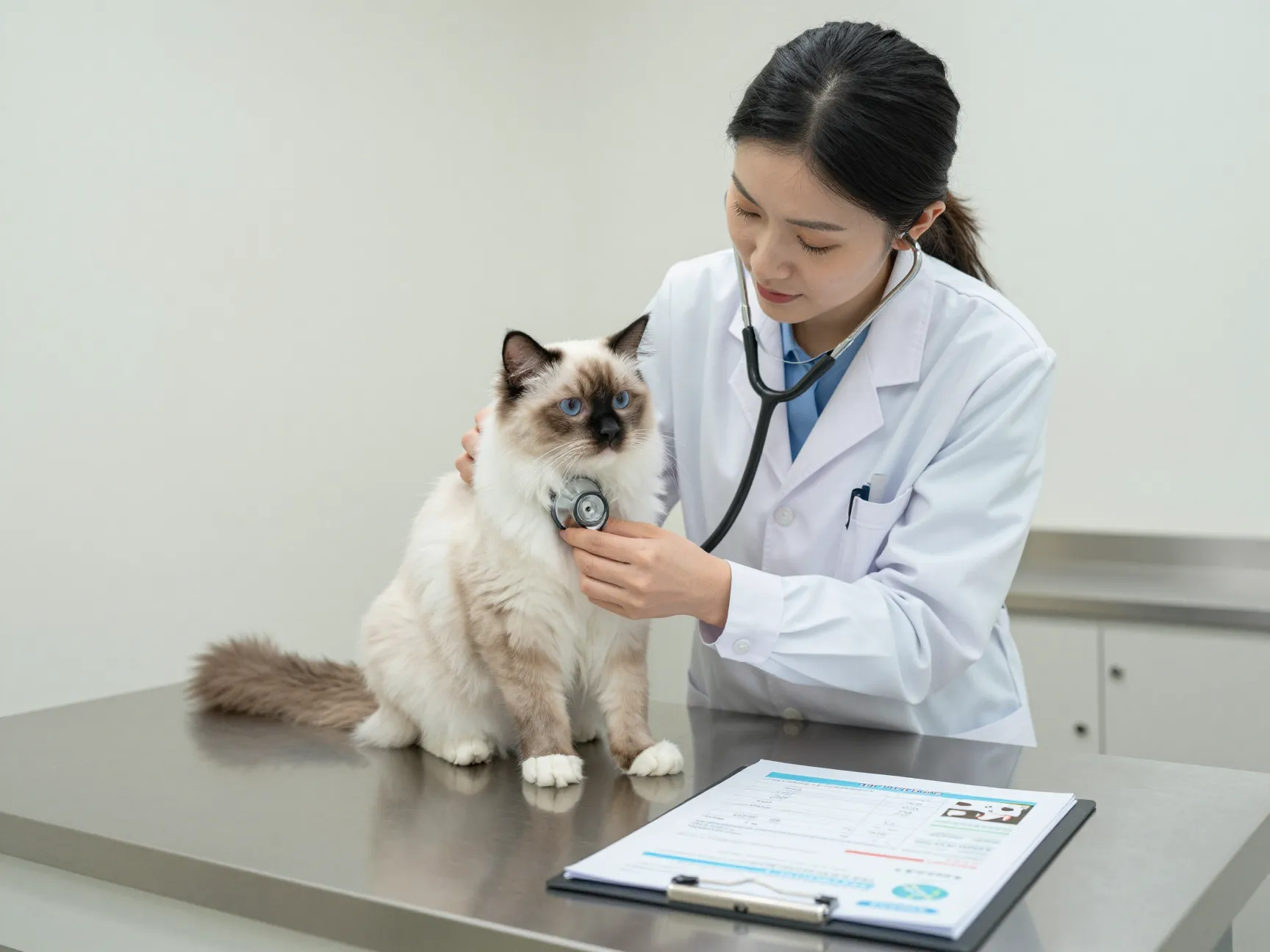
No care plan is complete without a solid veterinary foundation, which is why this closes out the list of 6 Essential Tips For Caring For Your New Ragdoll Cat Kitten. Before or immediately after bringing a kitten home, review its vaccination history, parasite treatments, and any documented prior illnesses. Scheduling an initial veterinary visit within the first week helps establish a health baseline and catch any early concerns.
Ragdolls carry a few breed-specific risk factors worth monitoring over the years, most notably hypertrophic cardiomyopathy, a heart condition that has been reported at higher rates in the breed. Routine checkups allow veterinarians to listen for early warning signs and recommend screening if needed.
Ongoing preventive care checklist:
- Core vaccinations and booster schedule as recommended by the veterinarian.
- Regular parasite prevention, including fleas, ticks, and worms.
- Dental health monitoring, since tartar buildup can start early in soft-coated breeds.
- Weight checks at each visit, since Ragdolls can gain weight easily given their large frame and gentle activity levels.
- Discussion of hereditary risk screening, particularly for heart health.
Many new owners also look into pet insurance or set aside a dedicated savings fund early on. Unexpected veterinary costs can arise quickly, and having a financial plan in place reduces stress if a health issue comes up down the road. Looking ahead, more owners are also turning to smart feeders, activity trackers, and genetic screening tools to fine-tune nutrition and catch potential health risks earlier than traditional checkups alone might allow.
Bringing It All Together
Caring for a Ragdoll kitten is less about grand gestures and more about steady, thoughtful habits repeated daily. A kitten-proofed home, a protein-rich diet suited to slow growth, gentle grooming, reliable litter habits, patient socialization, and consistent veterinary attention together form a complete foundation. Skipping any one of these areas does not necessarily cause immediate harm, but consistency across all six builds the healthiest, happiest possible start for a cat that will likely remain a soft, affectionate presence in the home for the next fifteen to twenty years.
Conclusion
Raising a Ragdoll kitten well comes down to preparation and patience rather than complicated routines. Following these 6 Essential Tips For Caring For Your New Ragdoll Cat Kitten gives new owners a clear, practical roadmap: secure the home before arrival, feed for slow, steady growth, groom with soft tools on a gentle schedule, set up litter habits that stick, prioritize calm daily play and bonding, and stay ahead of veterinary care rather than reacting to problems after they appear.
The next step is simple. Pick one tip from this list that has not yet been addressed at home, whether that is swapping to a gentler brush, scheduling that first vet visit, or finally kitten-proofing the living room, and take care of it this week. Small, consistent actions now build the foundation for a long, healthy, deeply bonded relationship with one of the most affectionate cat breeds around.