Saint Bernard Dog Aesthetic Themes For Gentle Giant Enthusiasts
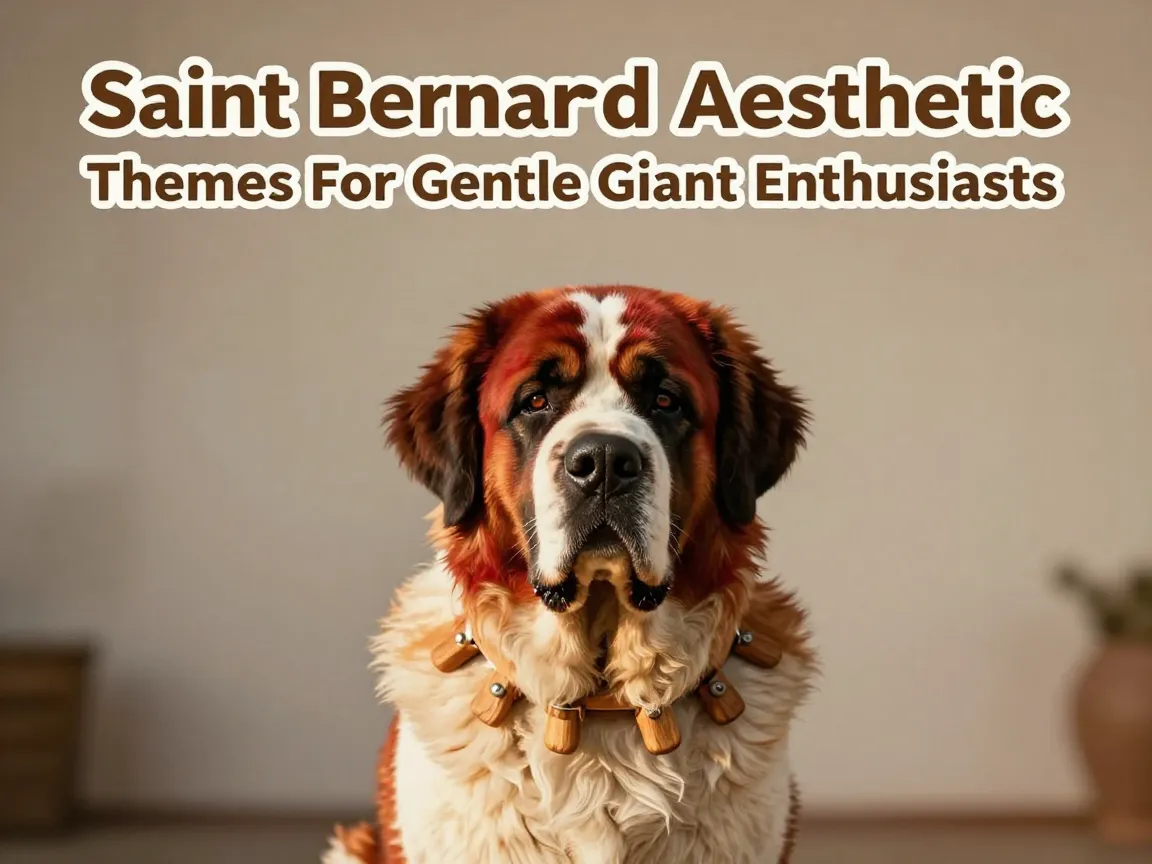
A male Saint Bernard can stand nearly 30 inches at the shoulder and tip the scale past 180 pounds, yet breed historians insist the dog’s most memorable feature has never been its size. It is the face. That heavy-browed, soulful expression has anchored the breed’s visual identity for more than two centuries, long before Instagram feeds or show-ring lighting existed to frame it. Understanding the 6 Saint Bernard Dog Aesthetic Themes For Gentle Giant Enthusiasts means looking past sheer bulk and into the details that make this breed instantly recognizable: the mask, the coat, the alpine backstory, and the emotional warmth that turns a 180-pound animal into a beloved family fixture.
Disclosure: This post contains affiliate links. As an Amazon Associate, we earn from qualifying purchases, and at no extra cost to you.
This article breaks down the visual and cultural motifs that define how Saint Bernards are photographed, judged, bred, and adored today. Whether the goal is choosing a puppy, styling a photoshoot, or simply appreciating the breed on a deeper level, these six themes offer a practical framework grounded in real breed standards and current enthusiast culture.
Key Takeaways
- The 6 Saint Bernard Dog Aesthetic Themes For Gentle Giant Enthusiasts span heritage imagery, physique, facial expression, coat color, coat texture, and companion warmth.
- Official breed standards updated and reaffirmed between 2023 and September 2026 continue to codify ideal proportions, confirming that height and mass must remain balanced, not exaggerated.
- Two coat types, smooth and rough, create distinctly different visual profiles often described as “sleek” versus “fluffy.”
- Show-ring culture is currently split between two competing visual philosophies: “Strong and Powerful” and “Cute and Cuddly.”
- No single organization has published one official “6-theme” list, but breed clubs, rescue historians, and pet media consistently converge on these same core motifs.
The Alpine Rescue Legacy Behind Every Saint Bernard Aesthetic
Every visual theme associated with this breed traces back to a single geographic origin story. Saint Bernards were developed by monks at the Great St. Bernard Hospice in the Swiss Alps, where the dogs worked as rescue animals for travelers crossing dangerous mountain passes. That working history did not just shape temperament. It shaped imagery that persists today, more than 200 years later.
The brandy barrel collar, the thick weatherproof coat, and the snowy mountain backdrop remain the most recognizable visual shorthand for the breed, even though modern Saint Bernards rarely perform actual rescue work. This heritage aesthetic shows up constantly in merchandise, holiday cards, and pet photography because it tells a story instantly: strength, loyalty, and service. Breed historians note that this alpine rescue motif is arguably the single most durable branding element in the dog world, rivaling only a handful of other breeds for sheer visual recognition.
Modern breed standards, including reaffirmations issued through official channels between 2023 and 2026, still reference the dog’s working heritage when describing correct structure. Judges and breeders are reminded that the Saint Bernard was built for endurance in harsh alpine terrain, not for show-ring spectacle alone. That functional history continues to inform which physical traits are considered aesthetically correct.
6 Saint Bernard Dog Aesthetic Themes For Gentle Giant Enthusiasts Explained
The following six themes represent the strongest points of agreement among breed clubs, veterinary behaviorists, show judges, and long-time owners. While no single governing body has published an official numbered list, these motifs appear again and again across breed standards, rescue organization materials, and enthusiast communities.
1. Alpine Rescue Heritage Aesthetic
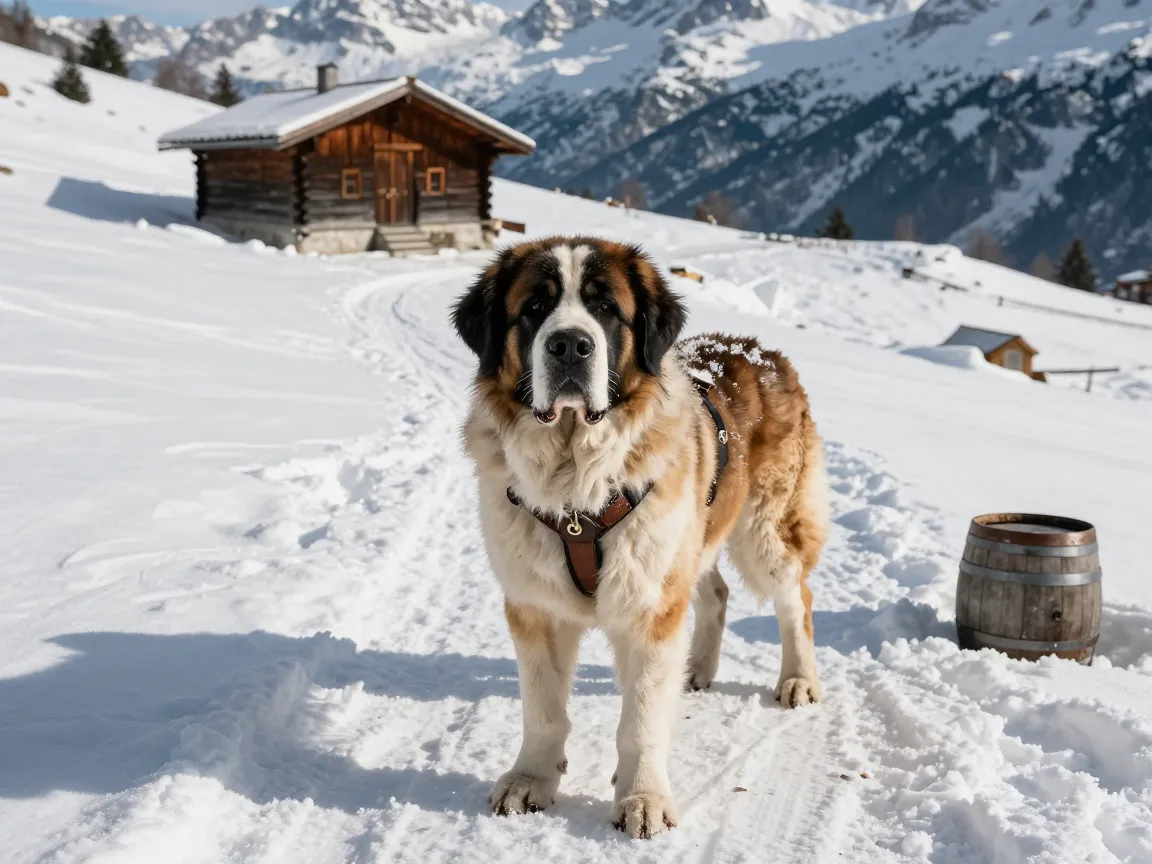
This is the foundational theme and the emotional anchor of the entire breed identity. The alpine rescue heritage aesthetic centers on imagery tied directly to the Great St. Bernard Hospice: snowy mountain passes, wooden rescue huts, and the iconic (if largely mythologized) brandy barrel collar.
Enthusiasts who lean into this theme often style photos and home decor around rustic alpine elements. Wooden signage, red plaid blankets, and vintage rescue-dog illustrations frequently accompany this aesthetic in modern pet media. It appeals strongly to owners who value the breed’s working-dog history over its more recent role as a companion animal.
Key visual markers include:
- Thick weatherproof coat visible in cold-weather settings
- Rescue-style collar or harness accents
- Mountain or snow-themed backdrops
- References to historical service, such as barrel imagery
2. Powerful Gentle Giant Physique Aesthetic
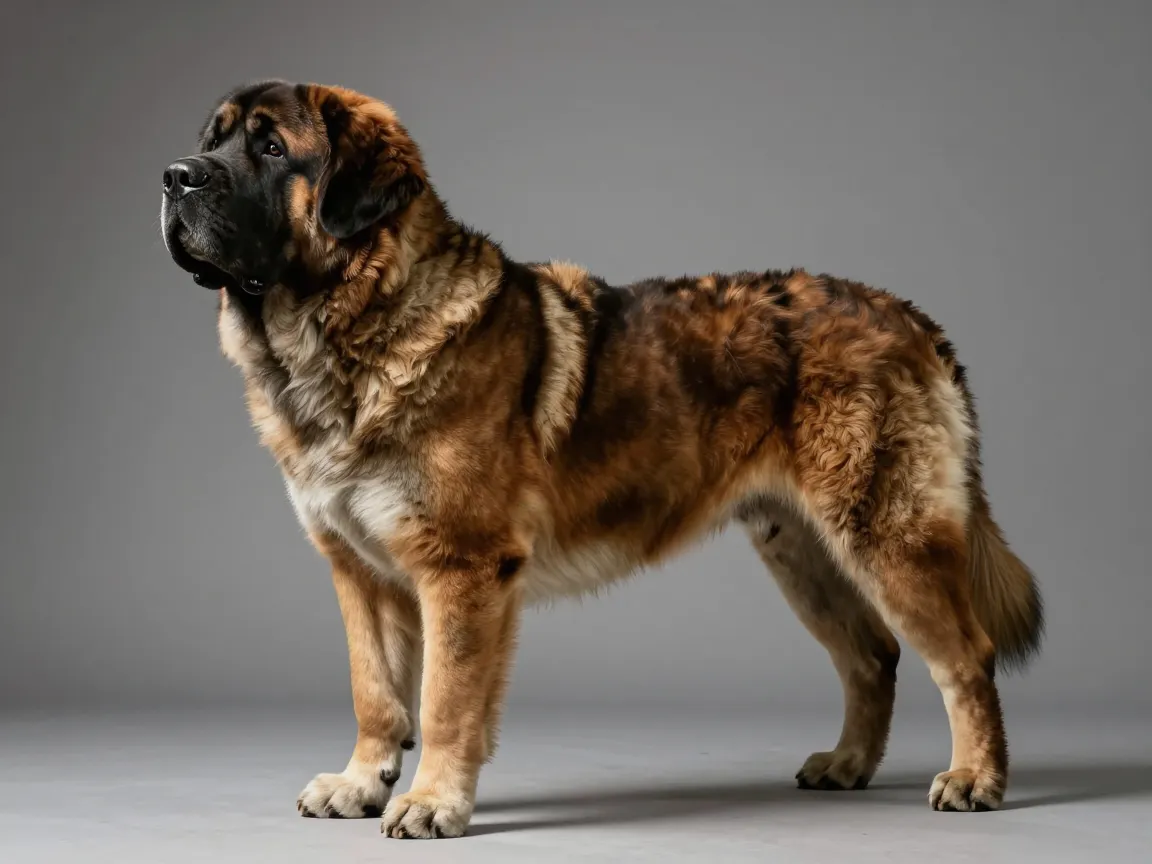
The second theme celebrates raw scale balanced with proportion. Saint Bernards are among the tallest and heaviest recognized dog breeds, but breed standards are explicit that height must never come at the expense of structural soundness.
Current codified standards describe males as ideally standing between 27.5 and 35.5 inches at the withers, with proportionate bone mass and muscling to match. Bigger is not automatically better in the eyes of experienced judges. A dog that is tall but lightly built, or heavy but poorly proportioned, is considered aesthetically incorrect regardless of raw size.
“The gentle giant physique is not about maximum size. It is about balanced power, where every inch of height is supported by matching bone and muscle.” This philosophy has guided breed standard language for decades and remains central to how judges evaluate structure today.
This theme resonates strongly with enthusiasts who admire the breed’s sheer physical presence, often described using words like commanding, substantial, or imposing, while still emphasizing the word gentle as a counterbalance.
3. Face, Mask, and Expressive Eyes Focal Aesthetic
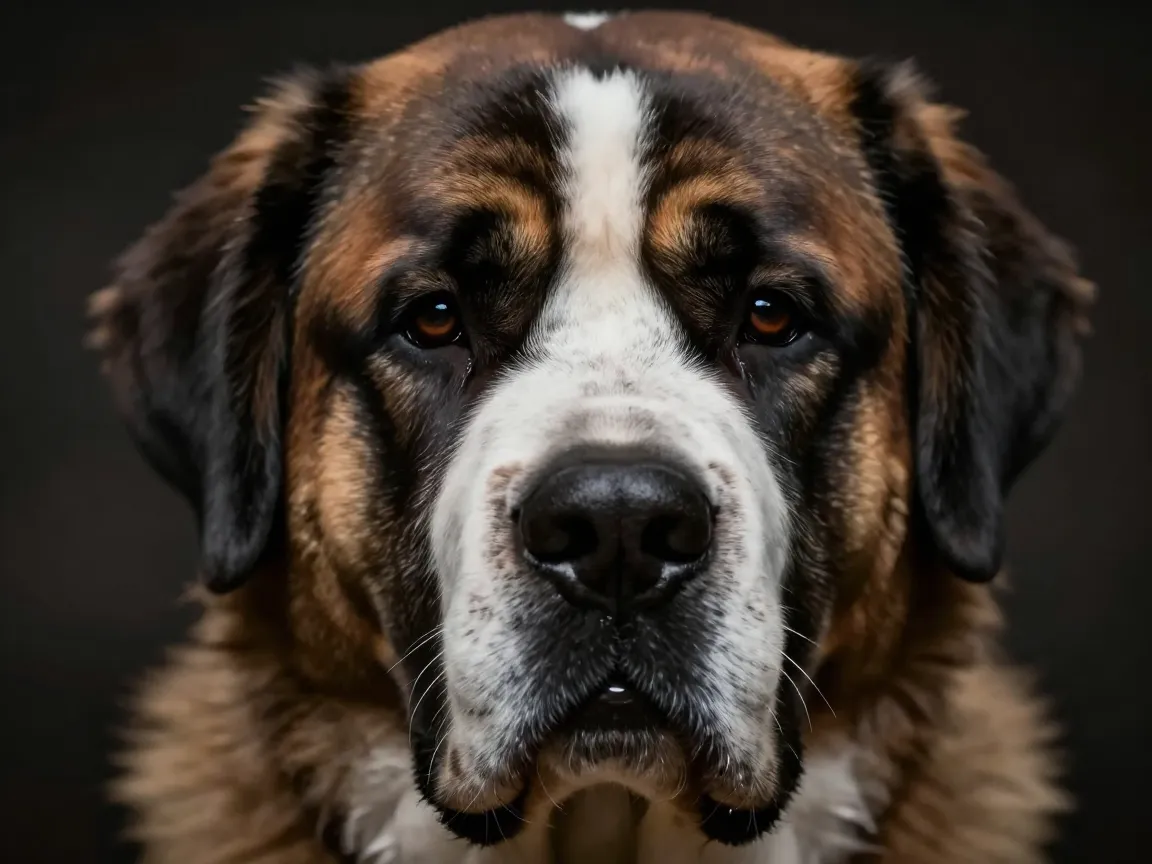
Ask any longtime Saint Bernard owner what first caught their attention, and the answer is rarely the size. It is almost always the face. This theme treats the head, particularly the facial mask markings and deep-set eyes, as the true aesthetic centerpiece of the breed.
Breed standards devote significant attention to head proportions, describing a broad skull, slight stop, and a distinctive dark mask pattern around the eyes and muzzle. The expression itself is often described as kind, intelligent, and slightly melancholic, a look that has become shorthand for the entire breed’s emotional identity.
Photographers and pet content creators frequently zoom in on this feature specifically, cropping images to emphasize the eyes and mask rather than the full body. This close-focus approach has become one of the dominant styles in modern Saint Bernard photography and social media content.
4. Coat and Color Palette Storybook Aesthetic
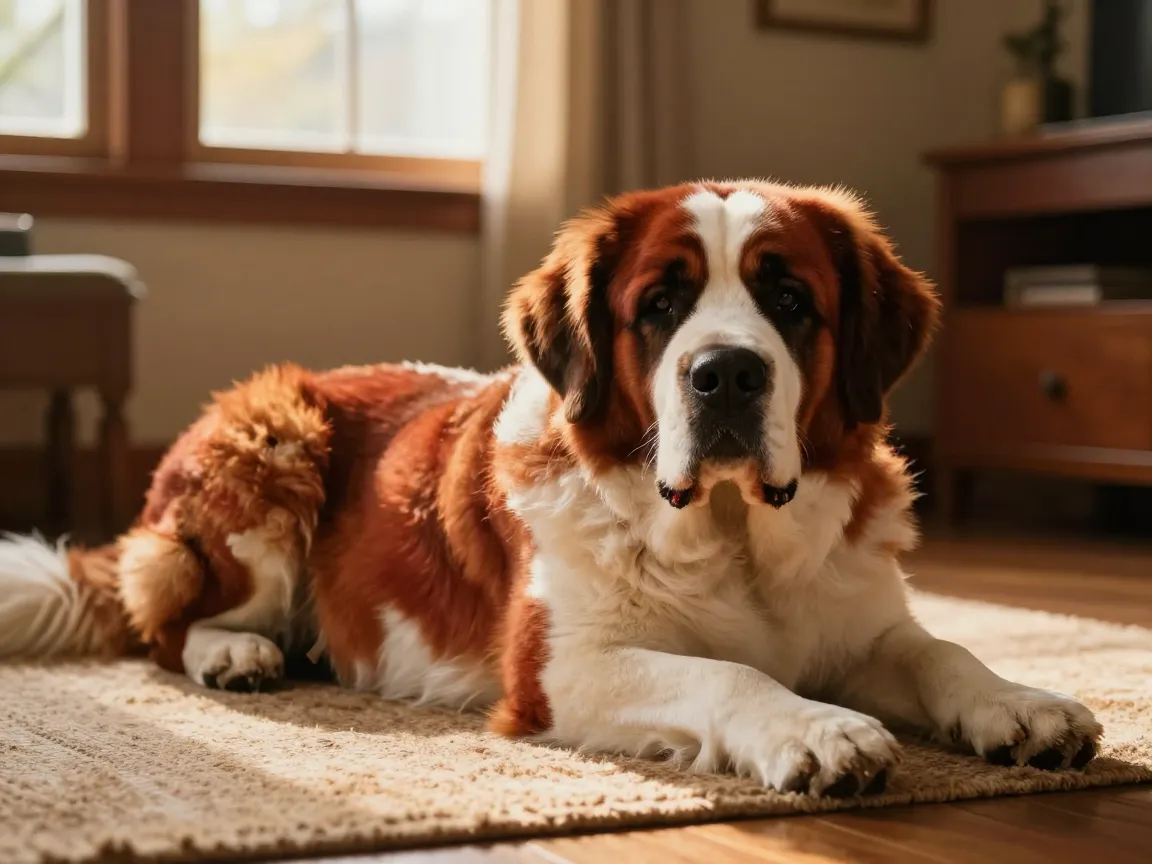
The fourth theme revolves around color. Saint Bernards are typically recognized in several classic combinations, and each carries a slightly different visual mood.
| Color Pattern | Visual Impression | Common Association |
|---|---|---|
| Red and white | Classic, warm, storybook | Traditional holiday imagery |
| Mahogany and white | Rich, deep, dramatic | Show-ring favorite |
| Brindle and white | Textured, rugged | Working-dog heritage look |
This palette has earned the nickname “storybook giant” among some enthusiasts because the red-and-white combination in particular evokes classic illustrated depictions of the breed found in older children’s books and vintage advertising. Breeders and pet photographers often lean into this nostalgic color story deliberately, styling shoots with warm lighting and cozy indoor settings that complement the red-and-white palette.
Mahogany variations tend to photograph with more visual drama and are frequently favored in competitive show settings, while brindle patterns are sometimes associated more closely with the breed’s rugged working origins.
5. Fluffy vs Sleek Dual Coat Aesthetic
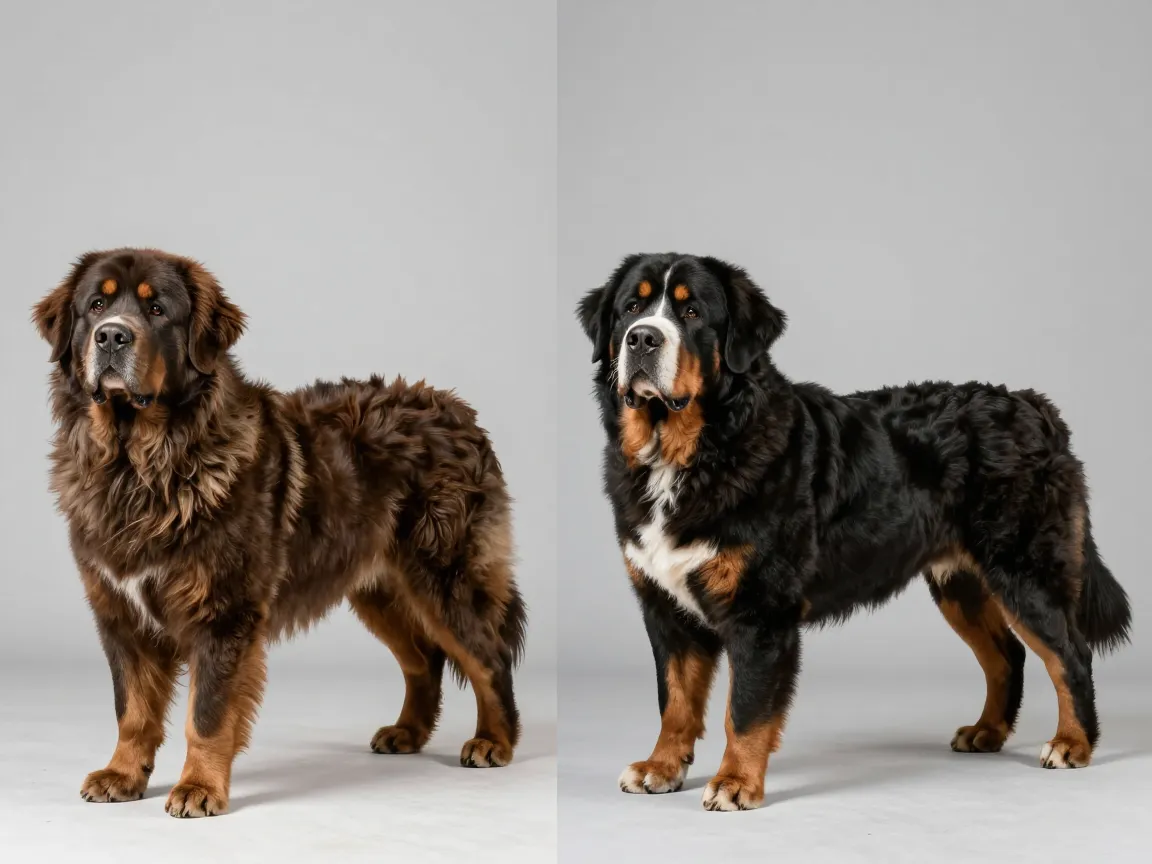
Few people outside dedicated breed circles realize that Saint Bernards come in two distinct coat types, and this creates one of the most visually striking contrasts within the breed itself.
The rough coat produces the fluffy, plush appearance most commonly associated with the breed in popular culture, complete with feathering on the legs and a thicker overall silhouette. The smooth coat, by contrast, produces a sleeker, closer-lying profile that some enthusiasts find more elegant, though it is less commonly represented in mainstream media.
This fluffy versus sleek distinction has become its own micro-aesthetic within the broader fan community. Some owners specifically seek out one coat type over the other based purely on visual preference, since both are equally valid according to official breed standards and both retain the same underlying temperament traits.
Practical considerations also shape which coat type owners gravitate toward:
- Rough coats require more frequent brushing to prevent matting
- Smooth coats shed less visibly but still shed seasonally
- Rough coats better showcase the classic storybook silhouette
- Smooth coats reveal muscle definition more clearly in photos
6. Family Companion Gentle Giant Emotional Aesthetic
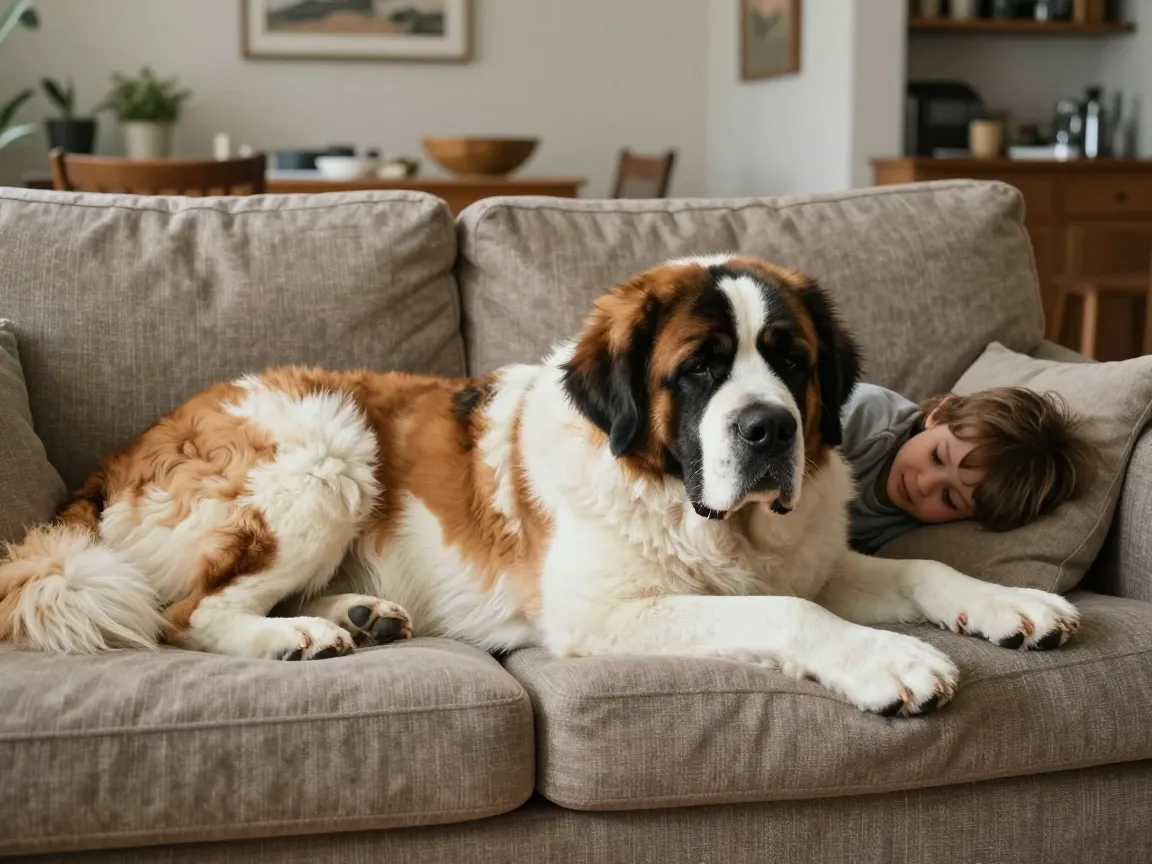
The final theme shifts focus away from physical traits entirely and toward emotional presentation. This is the aesthetic of the Saint Bernard as a devoted family member, often captured mid-nap on a couch, gently tolerating a toddler’s affection, or draped protectively near a family pet.
Modern pet-owner media has amplified this theme significantly. Viral videos and social posts frequently emphasize the contrast between the dog’s enormous size and its calm, patient demeanor around children and smaller animals. This emotional juxtaposition, huge body paired with gentle behavior, has become perhaps the single most shared aesthetic theme in contemporary Saint Bernard content.
Breed rescue organizations also lean heavily on this emotional aesthetic in adoption marketing, since it accurately reflects the breed’s well-documented temperament and helps counter outdated stereotypes about giant breeds being intimidating or aggressive.
Show Ring Trends Shaping Saint Bernard Aesthetic Themes
Beyond casual admiration, competitive dog shows have developed their own internal debate about which aesthetic direction best represents the breed. This debate has become increasingly visible in judging commentary and breed club discussions through recent years.
Two competing philosophies currently shape how Saint Bernards are presented and judged in competitive settings.
The “Strong and Powerful” school of thought prioritizes substantial bone structure, commanding presence, and a physique that visibly reflects the breed’s working heritage. Judges favoring this approach tend to reward dogs with heavier musculature and a more imposing overall silhouette, closely tied to theme two above.
The “Cute and Cuddly” school of thought, by contrast, places greater emphasis on facial softness, rounder eye expression, and an overall approachable presentation. This approach aligns more closely with theme three and theme six, prioritizing emotional appeal over raw physical dominance.
Neither philosophy has fully overtaken the other, and most respected judges attempt to balance both when evaluating dogs against the written standard. Recent reaffirmations of official breed documentation, spanning updates discussed as recently as September 2026, continue to describe an ideal that blends both qualities rather than favoring one extreme.
A useful way to compare the two show-ring philosophies:
| Aspect | Strong and Powerful Focus | Cute and Cuddly Focus |
|---|---|---|
| Physique emphasis | Heavy bone, muscle mass | Softer overall lines |
| Facial expression | Serious, commanding | Warm, rounded, gentle |
| Coat presentation | Structured grooming | Plush, huggable styling |
| Marketing appeal | Working-dog heritage | Family companion warmth |
Understanding this ongoing tension helps explain why two dogs of the same breed can look and photograph so differently, even when both are considered correct examples of the standard.
How to Choose the Right Saint Bernard Aesthetic Theme for You
Not every enthusiast needs to pick just one theme. In practice, most owners and admirers blend elements from several of the six categories described above. Still, having a clear sense of personal preference can help guide decisions around breeder selection, photography style, and even home decor choices for those who build their space around their pet.
Consider the following questions when deciding which aesthetic direction resonates most:
- Does the alpine rescue heritage story matter more, or does modern family companionship feel more relevant to daily life
- Is a fluffy rough coat preferred over a sleeker smooth coat for grooming and visual reasons
- Should photography emphasize full-body physique or close-up facial expression
- Does a warmer red-and-white palette appeal more than a dramatic mahogany presentation
- Is show-ring correctness a priority, or is companion-focused personality the main draw
There is no wrong answer. Breed standards allow for meaningful variation across coat type, color, and even build proportions, which is precisely why the 6 Saint Bernard Dog Aesthetic Themes For Gentle Giant Enthusiasts framework exists in the first place. These themes are descriptive, not restrictive, capturing the genuine diversity found within a single well-loved breed.
Frequently Asked Questions
Is there an official list of Saint Bernard aesthetic themes?
No single kennel club or breed organization has published one official numbered list. The six themes described in this article represent a synthesis of breed standard language, historical documentation, and consistent patterns found across enthusiast communities and pet media.
Which coat type is more popular, rough or smooth?
Rough coat Saint Bernards appear more frequently in mainstream media and popular culture, largely because the fluffy silhouette matches the classic storybook image many people already associate with the breed. Smooth coats remain fully standard-compliant but are less commonly featured.
Do color patterns affect a dog’s health or temperament?
No. Red-and-white, mahogany-and-white, and brindle-and-white patterns are purely cosmetic variations recognized within official breed standards. None of these color patterns influence temperament or health outcomes.
Why do Saint Bernards look different in shows versus family photos?
This often reflects the ongoing show-ring divide between “Strong and Powerful” presentation styles and “Cute and Cuddly” presentation styles. Both approaches remain within accepted breed standards but emphasize different physical and expressive qualities.
Has the official breed standard changed recently?
Breed standard language has been reaffirmed and lightly updated during periods between 2023 and September 2026, though core proportions and ideal size ranges have remained largely consistent with longstanding historical descriptions.
Conclusion
The Saint Bernard’s enduring appeal rarely comes down to any single trait. It is the combination of alpine working heritage, an unmistakably powerful yet proportionate build, an expressive face framed by a distinctive mask, a rich and varied color palette, two genuinely different coat textures, and an emotional warmth that turns a giant breed into a gentle household presence. Together, these six pillars form a practical, evidence-based way to understand the 6 Saint Bernard Dog Aesthetic Themes For Gentle Giant Enthusiasts that continue to shape how this breed is bred, judged, photographed, and loved.
Anyone drawn to this breed, whether as a prospective owner, a photographer, or simply a longtime admirer, can use this framework as a practical next step: identify which one or two themes resonate most, research breeders or rescue organizations who reflect that aesthetic honestly, and prioritize temperament and health above any single visual trait. A well-bred, well-cared-for Saint Bernard will naturally embody all six themes to some degree, because they were never truly separate qualities to begin with. They are simply different facets of the same gentle giant.