Funny Animal Videos That Will Instantly Fix Your Bad Mood
A gorilla dancing in the rain has more power to interrupt a terrible day than most ten-minute meditation apps, and it costs nothing, requires no subscription, and takes under sixty seconds to watch. That is not a throwaway claim. Across major video platforms, creators now openly market animal clips using therapeutic language, calling them “cured my bad mood” compilations or “ultimate stress relief” content, and millions of viewers keep coming back for more. This article breaks down 6 funny animal videos that will instantly fix your bad mood, explains why they work on a psychological level, and shows how to build them into a genuine, low-effort self-care habit.

Disclosure: This post contains affiliate links. As an Amazon Associate, we earn from qualifying purchases, and at no extra cost to you.
The idea is not far-fetched. Animal welfare organizations, mental health writers, and lifestyle publications have all converged on the same conclusion in recent years: short, funny or heartwarming animal clips offer a fast, accessible emotional reset. None of them claim these videos replace therapy or treat clinical depression. But as a quick mood interruption during a rough afternoon, the evidence of their popularity and their reported effects is hard to ignore.
Key Takeaways
- Funny animal videos are increasingly framed by platforms, sanctuaries, and mental health writers as legitimate, low-effort mood boosters rather than mere entertainment.
- The 6 funny animal videos that will instantly fix your bad mood highlighted here span slapstick comedy, relatable grumpiness, and heartwarming rescue stories, covering a broad emotional range.
- Short clips (20 seconds to a few minutes) are often enough to interrupt a stress spiral, according to sanctuary groups and lifestyle outlets.
- These videos work best as a supplement to broader self-care, not as a standalone fix for ongoing sadness, anxiety, or depression.
- Building a short, repeatable “mood-reset routine” around a handful of trusted clips can turn an occasional distraction into a reliable coping tool.
Why Funny Animal Videos Work as a Mood Reset
Watching an animal do something clumsy, affectionate, or absurdly dignified triggers a fast, almost involuntary emotional response. That response is not random. It draws on several well-documented psychological mechanisms that explain why so many people search for funny animal content specifically when they feel stressed, irritated, or low.
First, there is pattern interruption. A bad mood often runs on autopilot, replaying the same frustrating thought or memory. A sudden, unexpected visual, like a goat headbutting a bucket off a fence post, forces the brain to shift attention. That shift alone can loosen the grip of a negative thought loop, even briefly.
Second, there is the social bonding effect. Humans are wired to respond warmly to cute features, big eyes, soft fur, clumsy movements, because these traits resemble the cues that trigger caregiving instincts toward infants. This is sometimes called the “cute response,” and it appears reliably across cultures. Watching a sleepy kitten stumble over its own paws activates some of the same neural reward pathways as watching a human baby do something adorable.
Third, laughter itself has a measurable physiological effect. Genuine laughter, even the short burst triggered by a 15-second clip, can relax muscle tension and shift breathing patterns. Combined with the relief of a pattern interruption and a cute-response dopamine hit, a single well-chosen video can deliver a noticeable, if temporary, mood lift.
Finally, there is relatability. Many of the most-shared animal clips in 2026 lean on captions that mirror human emotion directly, think grumpy cats labeled “Cat Not Happy” paired with captions about a bad day, or gorillas “dancing” in the rain used to represent someone shaking off frustration. Seeing an animal’s exaggerated reaction mapped onto a familiar human feeling creates a sense of being understood, which itself is soothing.
“Brief, funny or cute animal clips are a low-effort, widely accessible way to lift mood, reduce stress, and provide a quick emotional reset,” is the consistent message from animal sanctuaries, mental health blogs, and lifestyle outlets alike.
None of these mechanisms require a video to be long or elaborate. In fact, most of the clips referenced below run under three minutes, and several of the most effective ones are closer to 20 seconds. Brevity appears to be part of the appeal: a quick dose of absurdity or sweetness, with no commitment required.
The 6 Funny Animal Videos That Will Instantly Fix Your Bad Mood, Ranked by Mood-Lifting Power
Not every animal video delivers the same kind of relief. Some work through pure slapstick comedy, others through warmth, and a few through sheer relatability. The list below organizes 6 funny animal videos that will instantly fix your bad mood by the type of emotional reset each one offers, so readers can pick the style that matches their particular flavor of bad day.
1. The Clumsy Goat Standoff Compilation

Nothing resets a sour mood quite like watching a goat completely misjudge a jump, bounce off a trampoline sideways, or get into a slow-motion headbutting standoff with a inflatable pool toy. Goat compilations have become a staple of the “funny pets” genre precisely because goats combine total physical confidence with a near-total lack of coordination. The contrast is what makes them funny.
Sanctuary groups specifically recommend short goat clips, often around 20 seconds long, as quick calming tools. The logic is simple: a goat’s chaotic energy is so far removed from human stress that it functions almost like a visual palate cleanser. Search for compilations tagged “funny goat fails” or “clumsy goat videos” for a reliable supply.
2. The Grumpy Cat Mirror Video
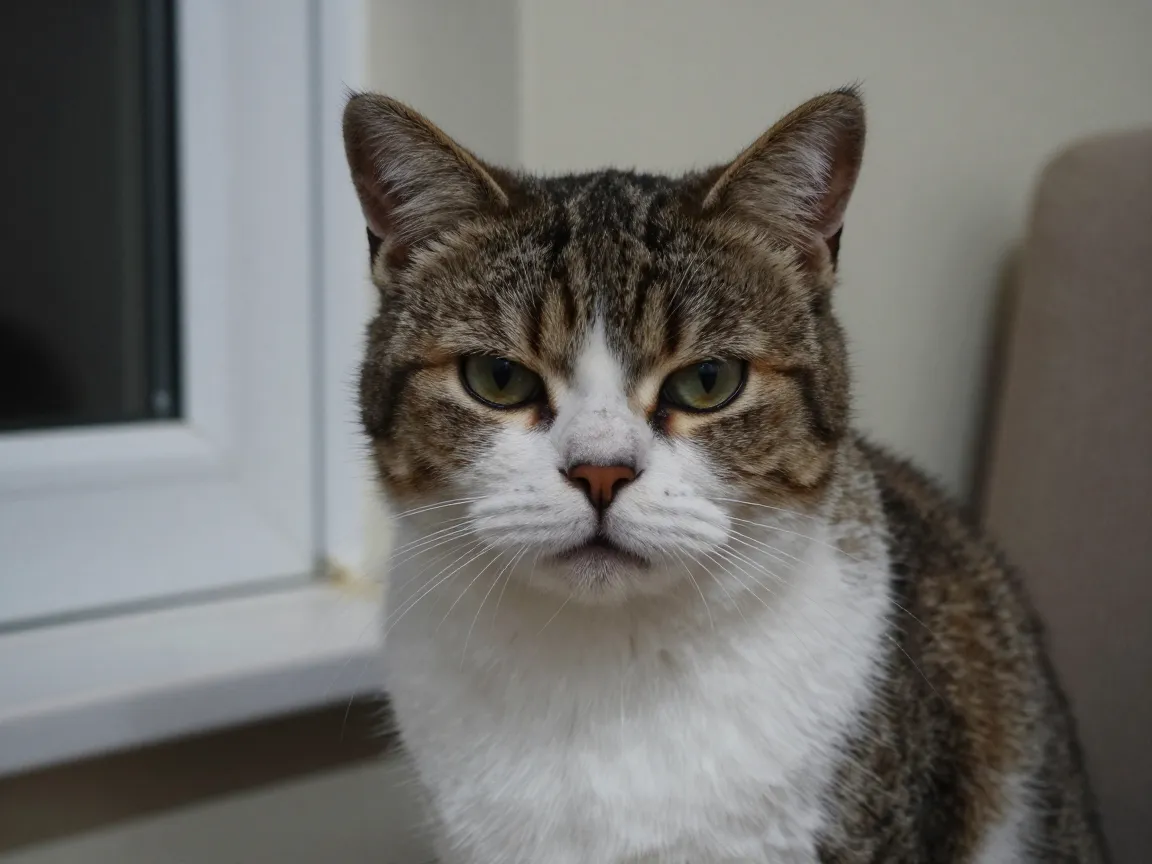
Sometimes the fastest way to feel better is to see your own irritation reflected back in an exaggerated, harmless way. Grumpy cat videos, often captioned “Cat Not Happy” or similar, lean into this directly. The cat glares, swats, or stomps off in a huff, and viewers laugh because the reaction looks exactly like how they feel inside, just without any of the real-world consequences.
This category exploded on short-form platforms through 2026, with creators pairing grumpy cat footage against captions about bad moods, annoying coworkers, or a spouse’s rough day. The emotional logic works because it validates frustration instead of asking viewers to simply “cheer up.” Seeing a cat throw a tiny tantrum gives permission to laugh at one’s own irritation rather than fight it.
3. The Gorilla Rain Dance Clip

Among wildlife footage, few clips travel as widely as gorillas appearing to dance, sway, or chest-thump joyfully in the rain. One widely shared 2026 wildlife clip used the caption framing of a spouse’s bad mood paired with gorillas seemingly dancing through a downpour, and the contrast between heavy, gray weather and the gorillas’ loose, joyful movement struck a chord with viewers everywhere.
This video works differently from the goat or cat clips. Instead of relatability through shared grumpiness, it offers a kind of aspirational reset: proof that even a miserable, rainy moment can be met with playfulness rather than dread. For anyone whose bad mood is tied to weather, a long commute, or a gray afternoon, this type of footage can reframe the moment rather than just distract from it.
4. The Rescue Kitten Transformation Montage
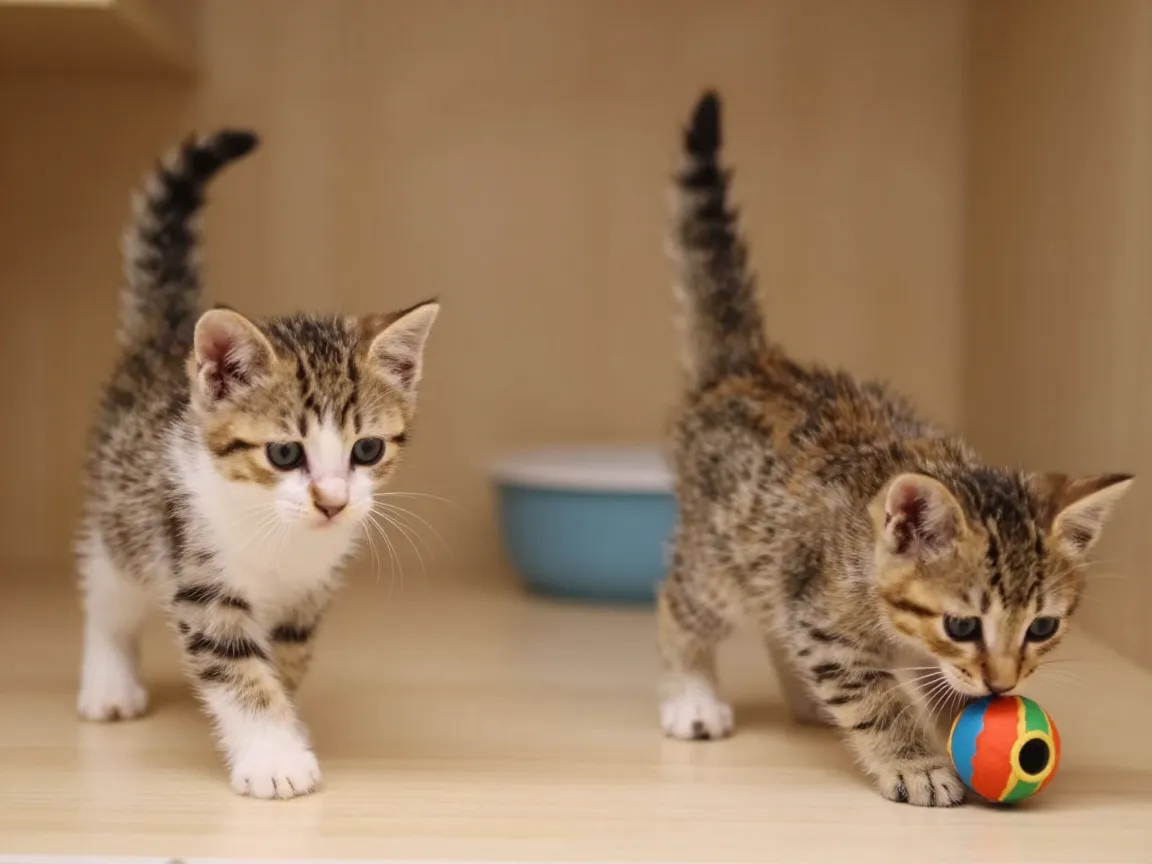
Not every funny animal video is purely comedic, and that is by design. Mental health writers covering animal content in 2026 specifically call out rescue and recovery clips, think disabled kittens learning to walk again, or tiny rescued animals slowly warming up to human caregivers, as uniquely powerful for emotional relief. These videos combine mild humor (clumsy first steps, wobbly exploration) with genuine warmth and hope.
The emotional payoff tends to run deeper than a quick laugh. Watching a vulnerable animal overcome a real obstacle, even a small one, taps into empathy and hope simultaneously. For a bad mood rooted in sadness or discouragement rather than irritation, this category often outperforms pure slapstick comedy.
5. The Horse Zoomies Blooper Reel

Horses are large, dignified, expensive animals, which is exactly what makes it so funny when one of them suddenly sprints across a paddock at full speed for no apparent reason, skids, and trots off as if nothing happened. “Zoomies” footage, originally a term for dogs sprinting in bursts of pure joy, has expanded to include horses, and the sheer size mismatch between the animal and its silly behavior makes these clips land hard.
Equine sanctuaries have specifically highlighted horse clips as calming content, noting that the combination of open space, natural light, and unexpected goofiness creates a particularly soothing viewing experience, even before the comedic payoff hits.
6. The Holiday Pet Bloopers Mashup

The newest addition to this list reflects a broader shift in how funny animal content gets used. Holiday-themed compilations, dogs tangled in string lights, cats knocking over a tree, a confused ferret in a tiny Santa hat, are increasingly marketed directly at people who are “not in the holiday spirit.” Rather than just being funny, these clips acknowledge that holidays can be a source of stress or loneliness and offer a gentle, low-pressure way to feel some seasonal joy without forcing it.
This category illustrates how far the genre has moved beyond pure slapstick. It now covers a wider emotional range, humor, warmth, nostalgia, and gentle comfort, making it useful for moods tied to specific seasons or situations rather than generic stress.
| Video Type | Primary Emotion Targeted | Typical Length | Best For |
|---|---|---|---|
| Clumsy goat standoff | Surprise and amusement | 15 to 60 seconds | Quick irritation or boredom |
| Grumpy cat mirror | Relatable frustration | 10 to 30 seconds | Feeling unfairly annoyed |
| Gorilla rain dance | Reframed perspective | 20 to 90 seconds | Gloomy weather or dread |
| Rescue kitten montage | Hope and empathy | 1 to 4 minutes | Sadness or discouragement |
| Horse zoomies reel | Pure comic relief | 30 to 90 seconds | General stress release |
| Holiday pet bloopers | Seasonal comfort | 1 to 3 minutes | Loneliness or seasonal blues |
How Experts and Platforms Frame These Videos as Self-Care
The therapeutic framing around funny animal content is not accidental marketing fluff. It reflects a genuine, multi-year trend across very different types of organizations, each arriving at a similar conclusion from a different angle.
Animal welfare organizations were among the earliest to make this connection explicit. Sanctuary groups have published guidance recommending short animal clips, often featuring goats, horses, or sleepy kittens, as quick ways to “feel better in no time.” Their framing treats these videos less like entertainment and more like a tool, something to reach for deliberately during a stressful moment, in the same category as a short walk or a few deep breaths.
Mental health, focused publications have gone further, directly addressing whether funny and cute animal videos “can be good for you.” Writers in this space point to the emotional uplift people report after watching rescue footage or playful animal clips, framing the benefit less as pure distraction and more as a genuine, if modest, mood intervention. Importantly, this framing stops short of claiming these videos treat anxiety or depression; instead, they are consistently described as “good medicine” or supportive habits, language that deliberately avoids clinical overreach.
Lifestyle and relationship-focused outlets have added a social dimension to this picture. Pieces published in 2026 argue that people who regularly share cute or funny animal clips with friends and family are doing those friends a genuine favor, not just passing time. The argument centers on connection: sharing a video that made someone laugh is a small act of care, and receiving one can briefly interrupt a stressful moment even for someone who did not go looking for comfort.
Taken together, these three perspectives, animal welfare, mental health writing, and lifestyle commentary, point to the same underlying idea. The 6 funny animal videos that will instantly fix your bad mood are not a gimmick invented for this article; they represent a documented, cross-industry pattern of recommending short animal content as an accessible, judgment-free coping tool.
It is worth noting what none of these sources claim. None of them position animal videos as a replacement for therapy, medication, or professional mental health support. The consistent, responsible framing treats these clips as a supplement, a quick tool for everyday friction rather than a solution for sustained anxiety, grief, or depression. That distinction matters, and it is echoed across nearly every credible source covering this trend.
How to Build a Five-Minute Mood-Reset Routine
A single funny video can shift a moment, but a small, repeatable routine built around a few trusted clips tends to work better over time. The goal is to remove decision fatigue, so there is no need to search endlessly for “the right video” while already in a bad mood.
The table below outlines a simple five-minute structure that borrows directly from how sanctuary groups and mental health writers recommend using these videos.
| Step | Action | Purpose |
|---|---|---|
| 1 | Name the mood in one word before watching | Creates a clear before-and-after comparison |
| 2 | Pick one saved video from a personal shortlist | Removes decision fatigue and endless scrolling |
| 3 | Watch without multitasking | Maximizes the pattern-interruption effect |
| 4 | Notice physical sensations after watching | Reinforces awareness of the shift |
| 5 | Share the clip with one other person if it helped | Extends the benefit socially |
Building a short personal shortlist is the most important part of this routine. Saving two or three favorites from each category above, one slapstick clip, one grumpy-cat-style clip, and one rescue or heartwarming clip, creates a ready-made toolkit for different flavors of bad mood. This avoids the common trap of opening a video platform intending to watch one short clip and instead losing twenty unfocused minutes to an algorithm-driven feed.
A few practical guidelines make this routine more effective:
Keep the shortlist short. Three to five saved videos are enough; more than that reintroduces the decision fatigue the routine is meant to avoid.
Watch with sound on when possible. Much of the comedic and emotional effect in goat, horse, and grumpy cat clips comes from timing and sound, a startled bleat, a frustrated meow, a sudden splash.
Treat it as a pause, not a escape hatch. The routine works best as a five-minute reset during a stressful afternoon, not as a substitute for addressing the actual source of stress afterward.
When a Funny Animal Video Is Not Enough
It is worth being direct about the limits of this approach. A clumsy goat or a dancing gorilla can interrupt a bad mood, lighten a stressful afternoon, or add a small moment of warmth to a gray day. These videos are genuinely useful for everyday friction: a frustrating commute, an annoying email, a gloomy Tuesday.
They are not designed to treat ongoing sadness, persistent anxiety, or clinical depression, and no credible source covering this trend claims otherwise. Mental health writers who cover animal video content consistently frame it as a supplement to broader self-care rather than a stand-alone solution. If a bad mood lasts for weeks, interferes with sleep, work, or relationships, or comes paired with hopelessness, that is a signal worth taking seriously and discussing with a mental health professional, not something to resolve through video content alone.
A quick way to tell the difference:
If a bad mood lifts noticeably after a short video and stays lifted for the rest of the day, the mood was likely situational, tied to a specific stressor that a quick reset was enough to interrupt.
If the low feeling returns within minutes, or if nothing seems to shift it at all, that pattern suggests something deeper is going on, and a funny animal video, however good, is the wrong tool for the job.
Frequently Asked Questions
Do funny animal videos actually reduce stress, or is that just marketing?
The effect appears to be real, at least for short-term mood shifts. Pattern interruption, the cute response, and laughter all have documented physiological effects, and the consistent recommendation of these videos by animal welfare organizations and mental health writers suggests a genuine, if modest, benefit rather than pure marketing language.
How long should a mood-boosting animal video be?
Shorter tends to work better for a quick reset. Sanctuary groups frequently recommend clips around 20 seconds long, while longer rescue or transformation videos, up to a few minutes, work well for deeper emotional lifts rather than quick distraction.
Can watching these videos replace therapy or medication?
No. Every credible source covering this trend frames funny and heartwarming animal videos as a supplement to self-care, not a replacement for professional mental health support. They work well for everyday stress but are not designed for clinical anxiety or depression.
Why do grumpy cat videos feel so satisfying when already in a bad mood?
They validate the feeling instead of demanding immediate positivity. Seeing an animal visibly annoyed, in a harmless, exaggerated way, gives permission to laugh at frustration rather than suppress it, which can feel more honest and more effective than forced cheerfulness.
Is it better to watch alone or share the video with someone?
Both offer benefits, but sharing adds a social layer. Lifestyle research on this trend suggests that sending a funny animal clip to someone else is itself a small act of connection, and that act can boost mood for both the sender and the receiver.
Conclusion: Your 6 Funny Animal Videos That Will Instantly Fix Your Bad Mood Toolkit
A bad mood rarely needs a dramatic solution. More often, it needs a brief, well-timed interruption, something unexpected enough to break the loop and warm enough to leave a lingering lift. That is exactly what the 6 funny animal videos that will instantly fix your bad mood covered here are designed to do: a clumsy goat for sudden surprise, a grumpy cat for relatable validation, a dancing gorilla for perspective, a rescued kitten for hope, a sprinting horse for pure comic relief, and a holiday pet blooper for seasonal comfort.
The next step is simple. Pick two or three favorites from the categories above, save them somewhere easy to find, and commit to the five-minute routine outlined earlier the next time a rough afternoon hits. Used this way, deliberately and in moderation, these videos become more than a distraction. They become a small, reliable piece of a broader self-care toolkit, one that costs nothing, takes almost no time, and is always just a few taps away.