Rare & Unique Dog Breeds You Probably Haven’t Met Before
Fewer than 100 Norwegian Lundehunds are registered with the American Kennel Club each year, making it the single rarest breed in the entire United States registry. That single statistic says more about the hidden corners of the dog world than most people realize. While Labrador Retrievers and French Bulldogs dominate parks and Instagram feeds, an entire category of dogs exists just outside the spotlight, bred for centuries to hunt puffins on Arctic cliffs, herd cattle in narrow English lanes, or survive on a remote Southeast Asian island. This article introduces 6 Rare & Unique Dog Breeds You Probably Haven’t Met Before, drawing on updated 2026 AKC registration data and expert breed guidance to explain why these dogs are so uncommon and what makes each one worth knowing.

Disclosure: This post contains affiliate links. As an Amazon Associate, we earn from qualifying purchases, and at no extra cost to you.
Rarity in the dog world is not a marketing gimmick. It reflects real numbers, real history, and in some cases, real conservation concern. Understanding these breeds offers a window into canine history that mainstream breed lists tend to skip entirely.
Key Takeaways
- The Norwegian Lundehund is officially confirmed as the rarest AKC-registered breed in the United States for 2026, with a genetic structure unlike any other dog.
- Several breeds on this list, including the Otterhound and Phu Quoc Ridgeback, face active population declines that concern breed conservationists worldwide.
- The AKC expanded its roster with three uncommon breeds in January 2026, reflecting growing interest in preserving working and native dog lines.
- “Rare” in expert usage typically means fewer than 300 to 1,000 annual registrations, a tiny fraction compared to popular breeds that register in the tens of thousands.
- Owning a rare breed requires extra research into health screening, breed-specific clubs, and long waitlists since local veterinarians and trainers may have little direct experience with them.
What Makes a Dog Breed Rare in 2026
Rarity is not a vague impression. Organizations like the AKC, breed-specific clubs, and researchers at groups such as World Animal Foundation define it through measurable factors: annual registration counts, total global population, geographic concentration, and the number of active breeding lines available to maintain genetic health. A breed can be ancient and well documented yet still rare if its working role disappeared or its home region never exported many dogs.
According to AKC guidance updated in September 2026, a breed generally earns the “rare” label when annual U.S. registrations fall below a few hundred, especially when compared to breeds like the French Bulldog or Labrador Retriever, which each register well over 100,000 puppies a year. Some rare breeds, such as the Norwegian Lundehund, sit at fewer than 100 registrations annually nationwide. Others, like the Otterhound, are rare on a global scale, with worldwide populations sometimes estimated in the low hundreds.
Three interconnected forces typically drive this scarcity:
- Vanishing purpose. Many of these dogs were bred for jobs that no longer exist commercially, such as puffin hunting, otter hunting, or pulling sleds across specific terrain.
- Narrow gene pools. Small founding populations mean breed clubs must carefully manage pairings to avoid health problems, which naturally limits litter numbers.
- Limited geographic reach. Breeds tied closely to one country or region, like the Phu Quoc Ridgeback in Vietnam, took decades longer to reach international recognition than breeds developed in major exporting nations.
This context matters because it reframes rarity as a story about history and biology, not simply low popularity. The six breeds covered next each represent a different chapter of that story.
Meet the 6 Rare & Unique Dog Breeds You Probably Haven’t Met Before
Each entry below covers origin, physical traits, temperament, and the specific reasons behind its rarity. These profiles pull from AKC breed data, conservation reporting, and expert commentary on native and working breeds that rarely make mainstream “top dog breed” lists.
1. Norwegian Lundehund
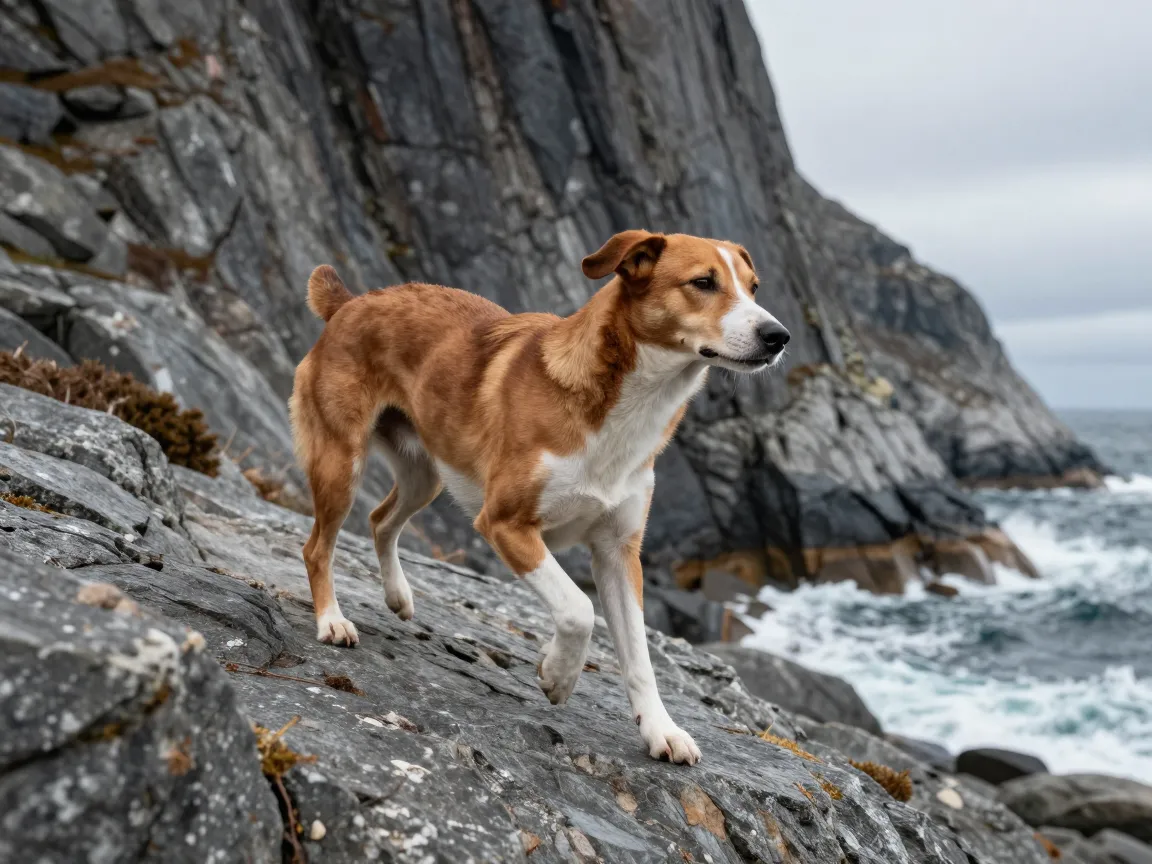
The Norwegian Lundehund holds the distinction of being the confirmed rarest breed in the AKC’s 2026 registration data, and its rarity is matched by genuinely unusual biology. This small Arctic breed was developed on the remote Norwegian island of Værøy to hunt puffins along steep sea cliffs. To do that job, it evolved physical features found in no other dog: at least six toes on each foot, joints so flexible the head can bend backward along the spine, and ears that fold shut to keep out debris while squeezing through narrow rock crevices.
When puffin hunting was banned and nets replaced dogs for bird control, the Lundehund’s job disappeared almost overnight. A distemper outbreak in the 1940s further devastated the population, and the breed nearly vanished twice in the twentieth century. Today’s Lundehunds descend from a handful of survivors, which is why breed clubs manage pairings with extreme care. Owners describe the breed as energetic, independent, and stubborn, closer in temperament to a small athletic escape artist than a typical lapdog. Anyone considering one should expect a dog that needs mental stimulation, secure fencing, and a breeder connected to international preservation programs.
2. Otterhound
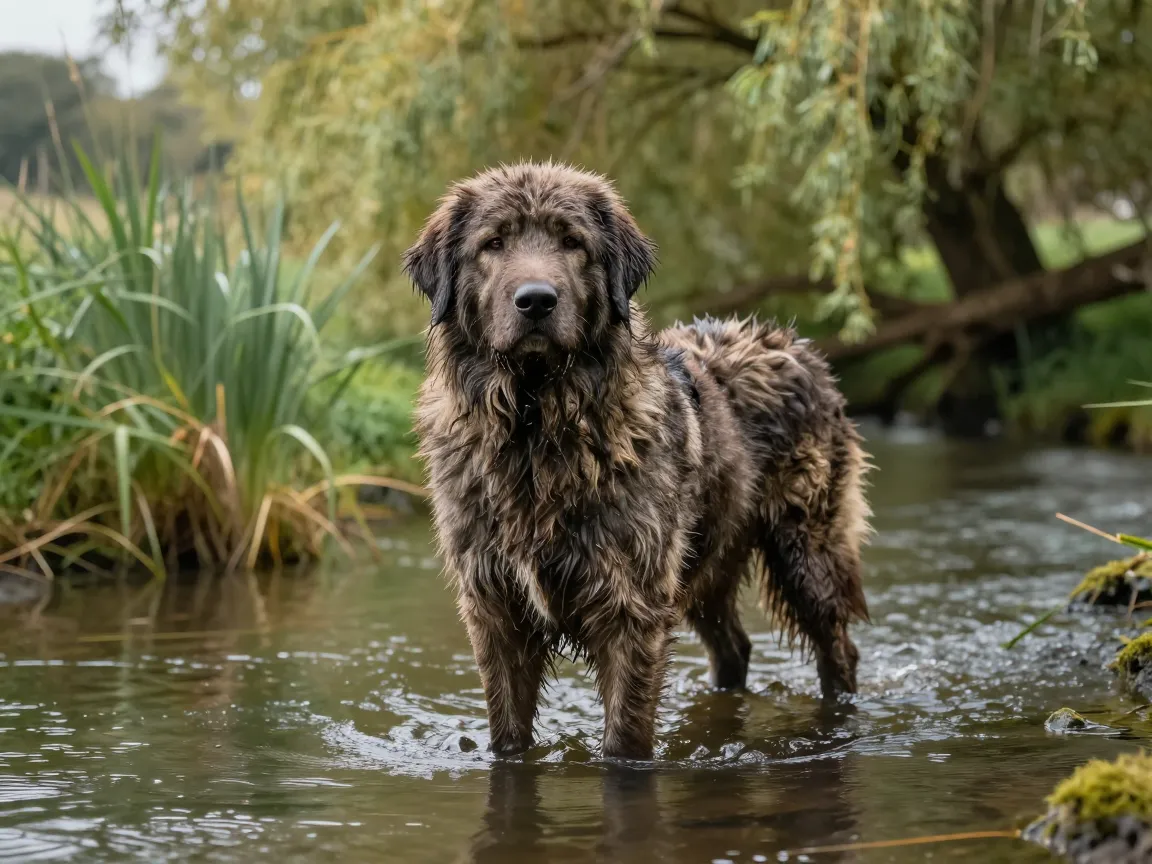
Britain’s Otterhound is often cited by kennel clubs as one of the most endangered native dog breeds in the world, with global population estimates sometimes falling below a few hundred dogs. Built with a shaggy, oily double coat and large webbed feet, this scent hound was purpose-bred in medieval England to track and hunt otters through rivers and marshland. When otter hunting was outlawed in the United Kingdom in the late twentieth century, the breed’s traditional role vanished, and registrations collapsed along with it.
Physically, the Otterhound is large, standing up to 27 inches at the shoulder, with a deep chest built for swimming and a booming bay-like bark suited for tracking across water. Temperament-wise, the breed is famously good-natured, patient with children, and slow to mature, often staying puppyish in behavior well past age two. Because litters are so infrequent, prospective owners in the United States and United Kingdom frequently join waitlists that stretch a year or more. Breed advocates consider every litter a small conservation event rather than a routine transaction.
3. Stabyhoun
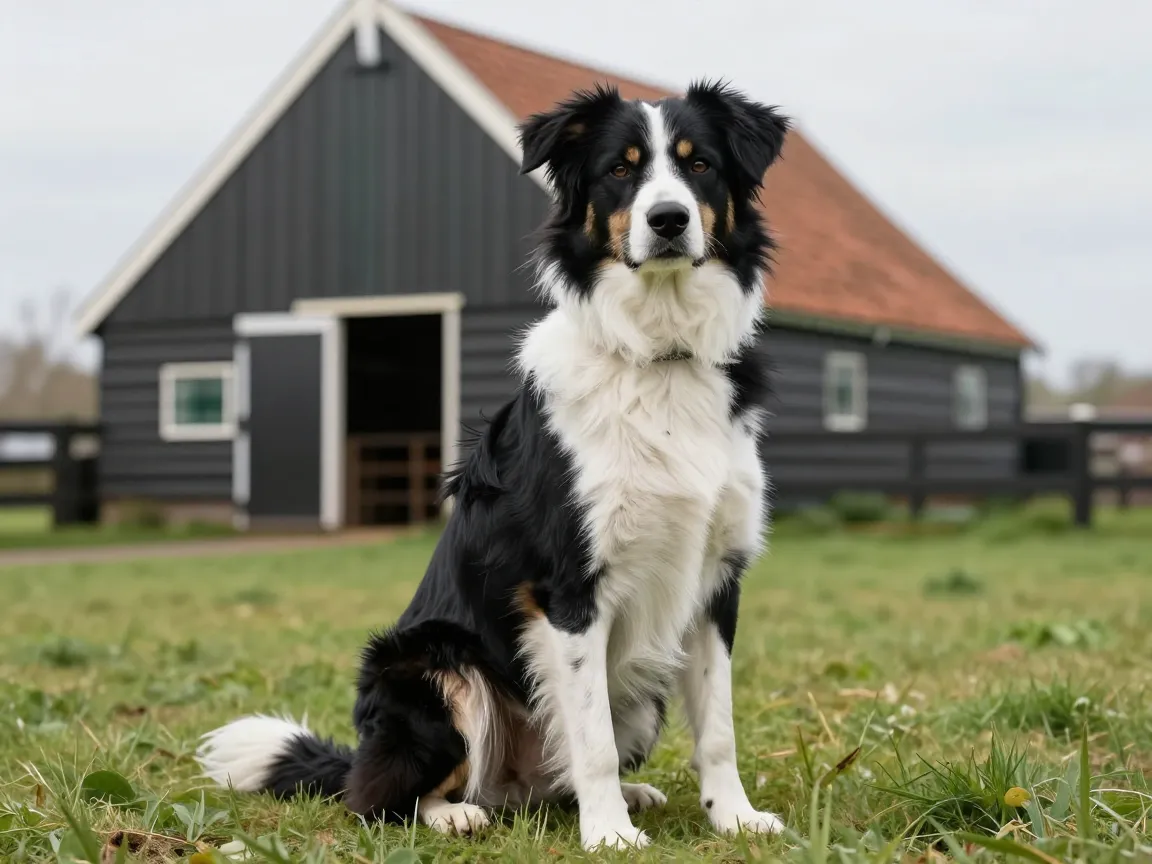
The Stabyhoun, sometimes called the Staby, hails from the Friesland province of the Netherlands, where it worked as an all-purpose farm dog: pointing birds, retrieving from water, and guarding barns against vermin. Despite centuries of usefulness, the breed rarely left its home region, which kept its global numbers small even as other Dutch and German gun dogs gained international followings.
Recognized as an AKC Foundation Stock Service breed and increasingly discussed in expert coverage of hidden working dogs, the Stabyhoun combines a silky, feathered coat with a calm, patient temperament that many trainers describe as unusually gentle for a hunting breed. It bonds tightly with one family, often showing more reserve around strangers than typical retrievers. Dutch breed societies still tightly regulate breeding to protect genetic diversity, which means litters born outside the Netherlands remain uncommon. For families wanting a versatile, biddable dog with a rich but little-known history, the Stabyhoun offers a compelling, low-drama alternative to more common sporting breeds.
4. Chinook
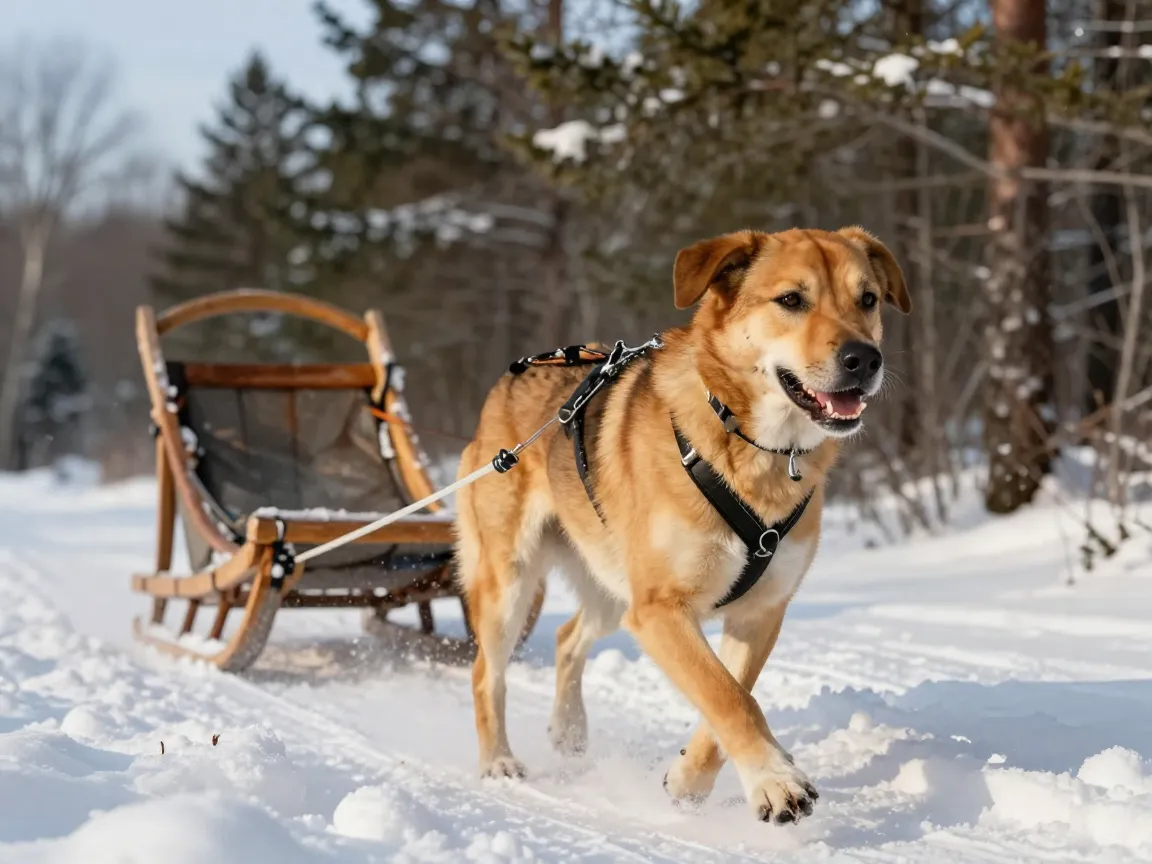
Developed in New Hampshire in the early twentieth century, the Chinook was built specifically for sled work, blending qualities of Northern sled dogs with the strength of mastiff-type breeds. At one point in the 1960s, the Chinook was recognized by the Guinness Book of World Records as the rarest dog breed on Earth, with only a small handful of dogs left alive. Dedicated breeders rebuilt the population from that brink, and the breed later earned full AKC recognition, though annual registrations remain modest compared to mainstream working breeds.
The Chinook is known for a tawny, golden-brown coat, a friendly, even temperament, and a strong drive to work in a team, whether pulling a sled or simply following household routines with quiet loyalty. Breed historians frequently point to the Chinook as proof that a near-extinct American breed can be rebuilt through disciplined, cooperative breeding programs. It remains one of the least-known truly American dog breeds, overshadowed by Huskies and Malamutes despite sharing similar sled-dog roots.
5. Phu Quoc Ridgeback
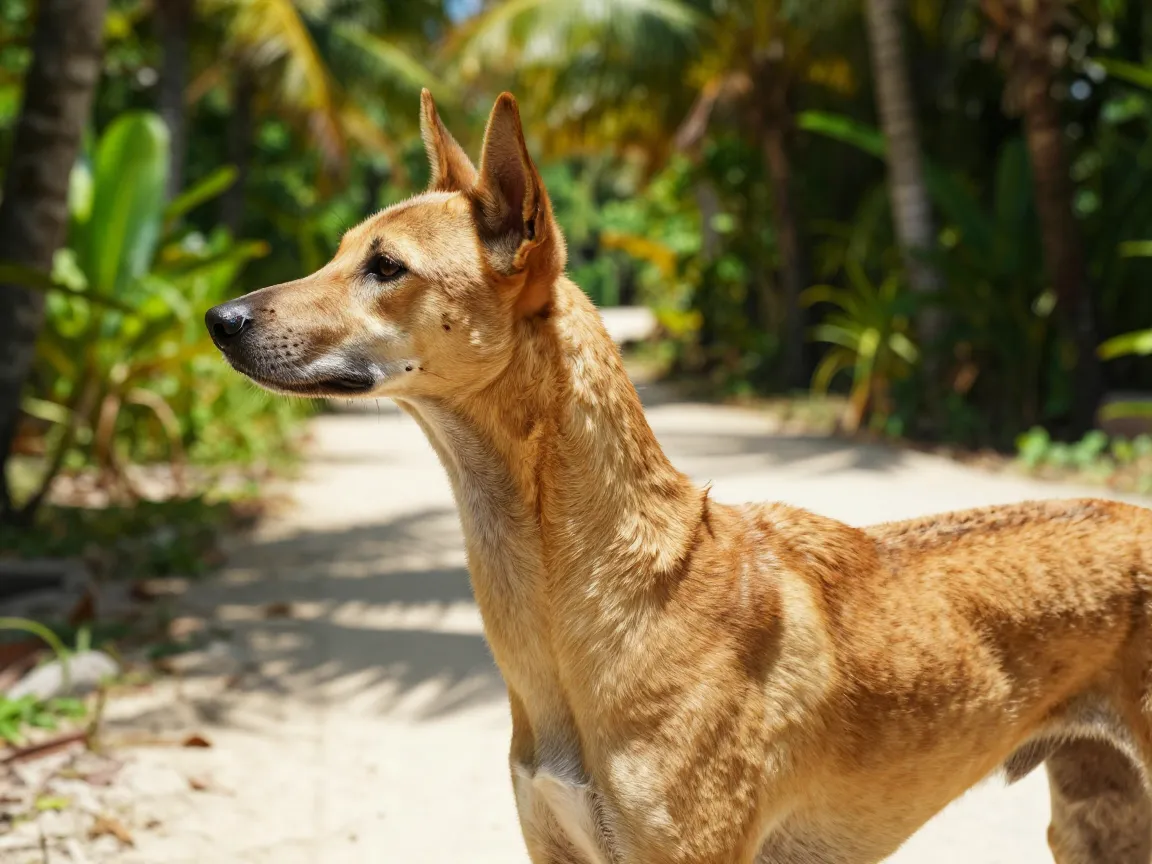
Named for Phu Quoc Island off the coast of Vietnam, this ridgeback breed is one of only three ridged dog breeds recognized worldwide, alongside the Thai Ridgeback and the Rhodesian Ridgeback. The Phu Quoc Ridgeback developed in relative isolation, hunting small game and guarding property along the island’s dense terrain. A distinctive ridge of reverse-growing hair runs down its spine, and its lean, athletic build reflects generations of independent survival with minimal human intervention.
Conservation groups and Vietnamese breed advocates have worked over the past two decades to formally document and protect the breed after its population dropped sharply due to crossbreeding with imported dogs and shrinking habitat on the island. International recognition has grown slowly, and the breed remains difficult to find outside Vietnam, though small breeding programs have started in parts of Europe and North America. Temperamentally, owners describe the Phu Quoc Ridgeback as alert, agile, and fiercely loyal to its family, traits that made it a valued guardian long before it became a subject of conservation interest.
6. Lancashire Heeler
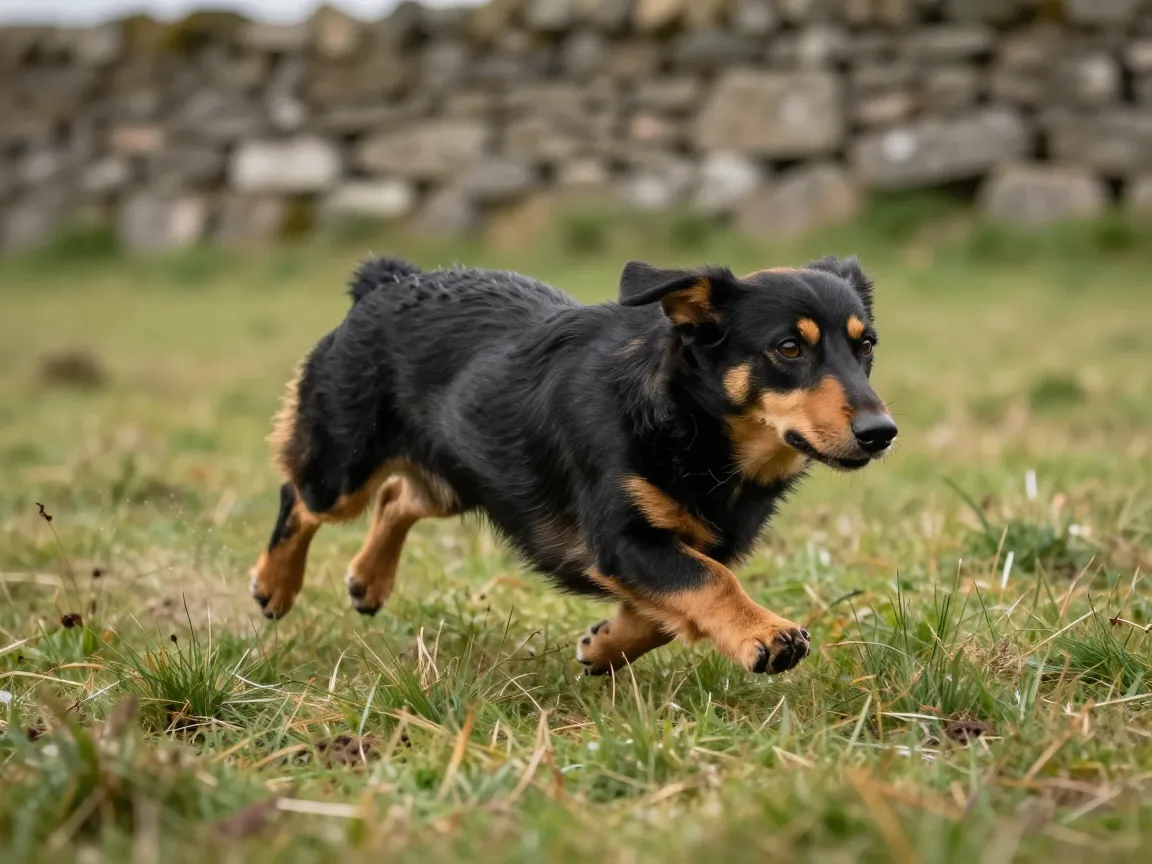
Rounding out this list is the Lancashire Heeler, a small but sturdy herding breed from northern England, historically used to nip at the heels of cattle and control vermin on farms. Standing under a foot tall at the shoulder, the Lancashire Heeler packs a surprising amount of stamina and confidence into a compact frame, closer in build to a Corgi-Dachshund blend than a typical cattle dog.
The breed’s small stature and regional obscurity kept it off international radars for generations, and it remains listed among the rarer breeds tracked by British kennel authorities. Its recent inclusion among uncommon breeds highlighted in AKC’s January 2026 roster expansion has introduced the Lancashire Heeler to a wider American audience for the first time. Owners frequently note the breed’s high intelligence, strong prey drive, and need for consistent training, since a dog originally bred to control livestock does not automatically switch off that instinct in a suburban backyard.
Quick Comparison of the 6 Rare and Unique Dog Breeds
The table below summarizes core facts about each breed, making it easier to compare origin, primary historical job, and general temperament at a glance.
| Breed | Country of Origin | Historical Role | Typical Temperament |
|---|---|---|---|
| Norwegian Lundehund | Norway | Puffin hunting on cliffs | Independent, energetic, stubborn |
| Otterhound | England | Otter hunting in rivers | Good-natured, patient, slow to mature |
| Stabyhoun | Netherlands | All-purpose farm and gun dog | Calm, loyal, reserved with strangers |
| Chinook | United States | Sled pulling | Friendly, cooperative, steady |
| Phu Quoc Ridgeback | Vietnam | Hunting and property guarding | Alert, agile, protective |
| Lancashire Heeler | England | Cattle herding, vermin control | Confident, intelligent, high-drive |
“Rare does not mean fragile or unsuitable as a pet. It means these dogs need informed owners willing to learn a breed’s true history before bringing one home.”
That guidance, echoed across expert breed commentary, applies directly to every dog on this list.
Should You Consider Adopting a Rare Breed
Choosing one of the 6 Rare & Unique Dog Breeds You Probably Haven’t Met Before is not the same experience as picking a breed from a shelter’s most-adopted list. Rare breeds come with specific practical considerations that deserve attention before committing.
- Waitlists are common. Breeders producing Otterhounds, Lundehunds, or Phu Quoc Ridgebacks may only place a handful of puppies per year, sometimes requiring waits of twelve months or longer.
- Veterinary familiarity varies. Local vets may have never treated an Otterhound’s joint issues or a Lundehund’s unusual toe structure, so owners often need to research breed-specific health concerns themselves and share documentation with their care team.
- Breed clubs matter more than usual. National breed clubs for rare dogs frequently coordinate genetic testing, pedigree tracking, and even international breeding exchanges to protect small populations, making club membership valuable for new owners.
- Training needs reflect original jobs. A Lancashire Heeler still wants to herd, and a Chinook still wants to pull, so enrichment activities should mirror each breed’s working history rather than assuming a generic obedience routine will satisfy them.
- Costs can run higher. Limited litters, international shipping in some cases, and specialized health screening frequently push purchase prices above those of more common breeds.
None of these factors should discourage a well-prepared owner. They simply shift the responsibility toward research, patience, and a genuine commitment to preserving a piece of canine history.
Frequently Asked Questions
What is currently the rarest dog breed in the United States?
According to 2026 AKC registration data, the Norwegian Lundehund holds the title of rarest breed in the country, with annual registrations regularly falling under 100.
Are rare dog breeds harder to care for than common breeds?
Not inherently, but they often require more owner research, since local trainers and veterinarians may have less direct experience with breed-specific health or behavior traits.
Did the AKC add any new rare breeds recently?
Yes. The AKC expanded its recognized roster with three uncommon breeds in January 2026, part of an ongoing effort to formally track and support lesser-known working and companion breeds.
Why are breeds like the Otterhound considered endangered?
The Otterhound lost its original purpose after otter hunting was banned in the United Kingdom, and its global population has remained critically low for decades, prompting active conservation efforts by breed clubs.
Can someone find these breeds through rescue instead of a breeder?
Rescue placements do occur but are extremely infrequent given how few of these dogs exist overall. Most prospective owners work directly with dedicated breed clubs or specialty breeders instead.
Conclusion
The six breeds profiled here, the Norwegian Lundehund, Otterhound, Stabyhoun, Chinook, Phu Quoc Ridgeback, and Lancashire Heeler, prove that dog breed diversity runs far deeper than the familiar names seen at the local dog park. Each one carries a distinct history shaped by geography, human necessity, and, in several cases, a genuine brush with extinction. Learning about 6 Rare & Unique Dog Breeds You Probably Haven’t Met Before is not just a trivia exercise; it highlights the fragile work of breed preservation happening quietly around the world in 2026.
Anyone genuinely interested in one of these breeds should start by contacting the breed’s national club, asking detailed questions about health testing and lineage, and preparing for a longer, more involved adoption process than a typical breed search. Supporting these breeders and conservation efforts, even through simple advocacy or donations to breed preservation programs, helps ensure these remarkable dogs remain part of the canine world for generations to come.