Essential Tips For Taking Your Golden Retriever Puppy To The Beach
A golden retriever puppy can lose the ability to regulate body heat in under twenty minutes on a hot, sun-baked stretch of sand. That single fact explains why veterinarians and beach-safety experts have sharpened their advice in recent years. Taking a young dog to the shore is not simply a matter of packing a towel and a ball. It requires a plan. These 6 Essential Tips For Taking Your Golden Retriever Puppy To The Beach cover the exact precautions that separate a joyful first swim from a dangerous emergency room visit.
Disclosure: This post contains affiliate links. As an Amazon Associate, we earn from qualifying purchases, and at no extra cost to you.
Golden retriever puppies are natural water lovers, but their bodies are still developing. Their coats trap heat differently than an adult dog’s, their joints are still forming, and their instincts around deep water are untested. A well-planned beach trip built around these six tips protects a puppy’s health while still delivering the fun, sensory-rich experience that makes beach days so memorable for the breed.
Key Takeaways
- Schedule beach trips during cool morning or evening hours and skip visits when temperatures climb to 85 degrees Fahrenheit or higher.
- Pack more fresh water than seems necessary, along with a travel bowl, and take hydration breaks every fifteen to twenty minutes.
- Apply pet-safe sunscreen to exposed skin, provide shade, and rinse sand and salt from the coat and paws after swimming.
- Never force a puppy into water; use a properly fitted canine life jacket and avoid deep, choppy, or very cold conditions.
- Watch closely for early heatstroke signs and know the nearest emergency veterinary clinic before arriving at the beach.
1. Time Your Visit To Avoid Dangerous Heat
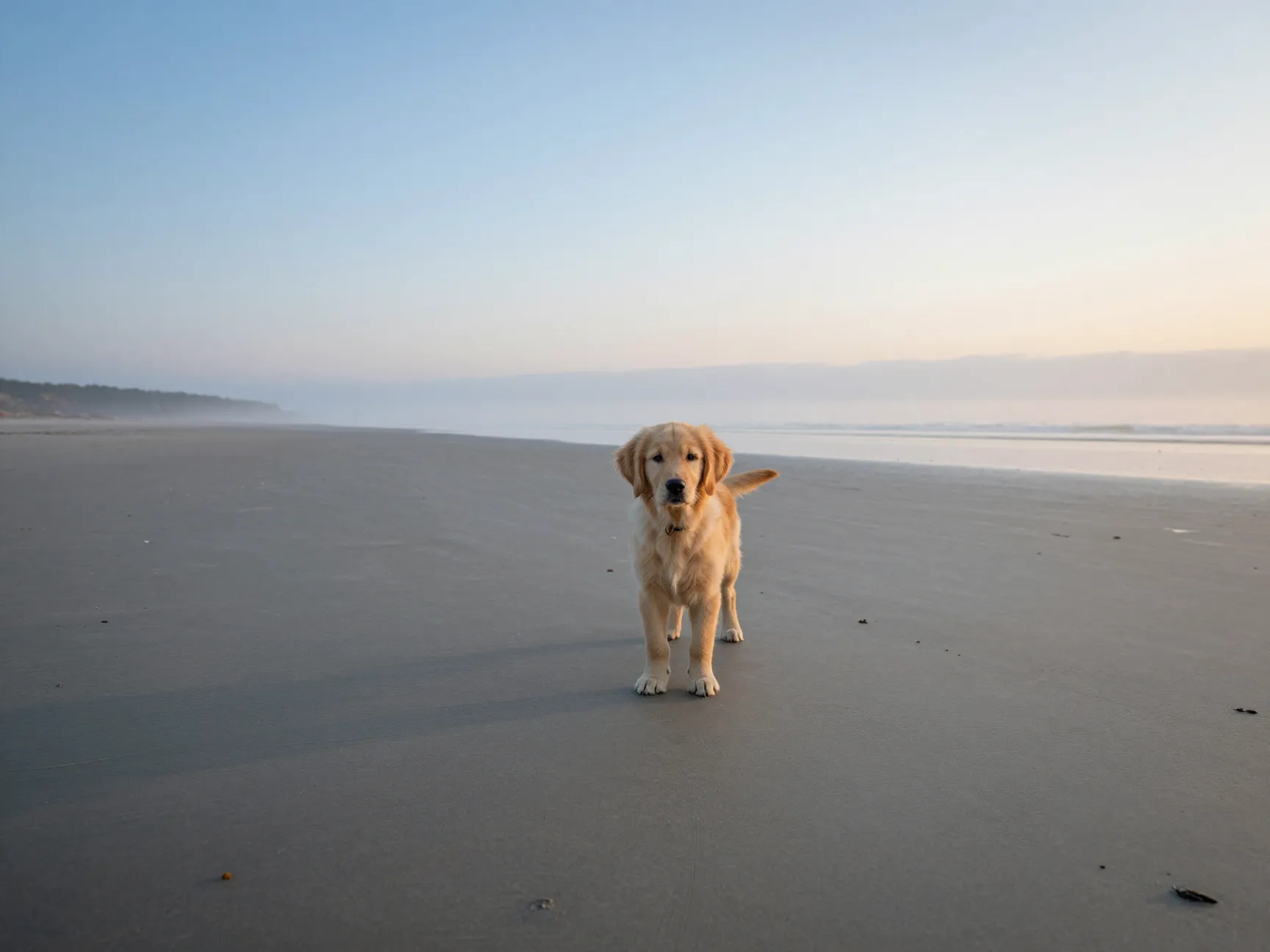
Timing is the single most important variable in beach safety for a golden retriever puppy. Thick double coats that keep the breed warm in winter become a liability under direct summer sun. Veterinary heat-safety guidance now consistently flags any temperature at or above 85 degrees Fahrenheit as a threshold where risk rises sharply for young, developing dogs.
The safest windows are early morning, before the sand has absorbed hours of sunlight, and early evening, once the heat has started to fade. Midday sun, particularly between 11 a.m. and 4 p.m., turns sand into a surface that can burn paw pads and push a puppy’s internal temperature into dangerous territory within minutes. Checking the local weather forecast the night before, along with the tide schedule, allows for a visit planned around both comfort and safety rather than convenience alone.
Short visits work better than marathon outings for puppies. A session of thirty to forty-five minutes, followed by a rest period in shade or an air-conditioned car, respects a young dog’s limited heat tolerance and shorter attention span. This approach also reduces the sunburn and dehydration risks discussed later in this guide.
2. Master Hydration Strategy Before You Even Leave Home
Saltwater might surround a beach-going puppy, but it does nothing to quench thirst. In fact, drinking seawater introduces its own set of problems. A sound hydration strategy starts before the car door even opens.
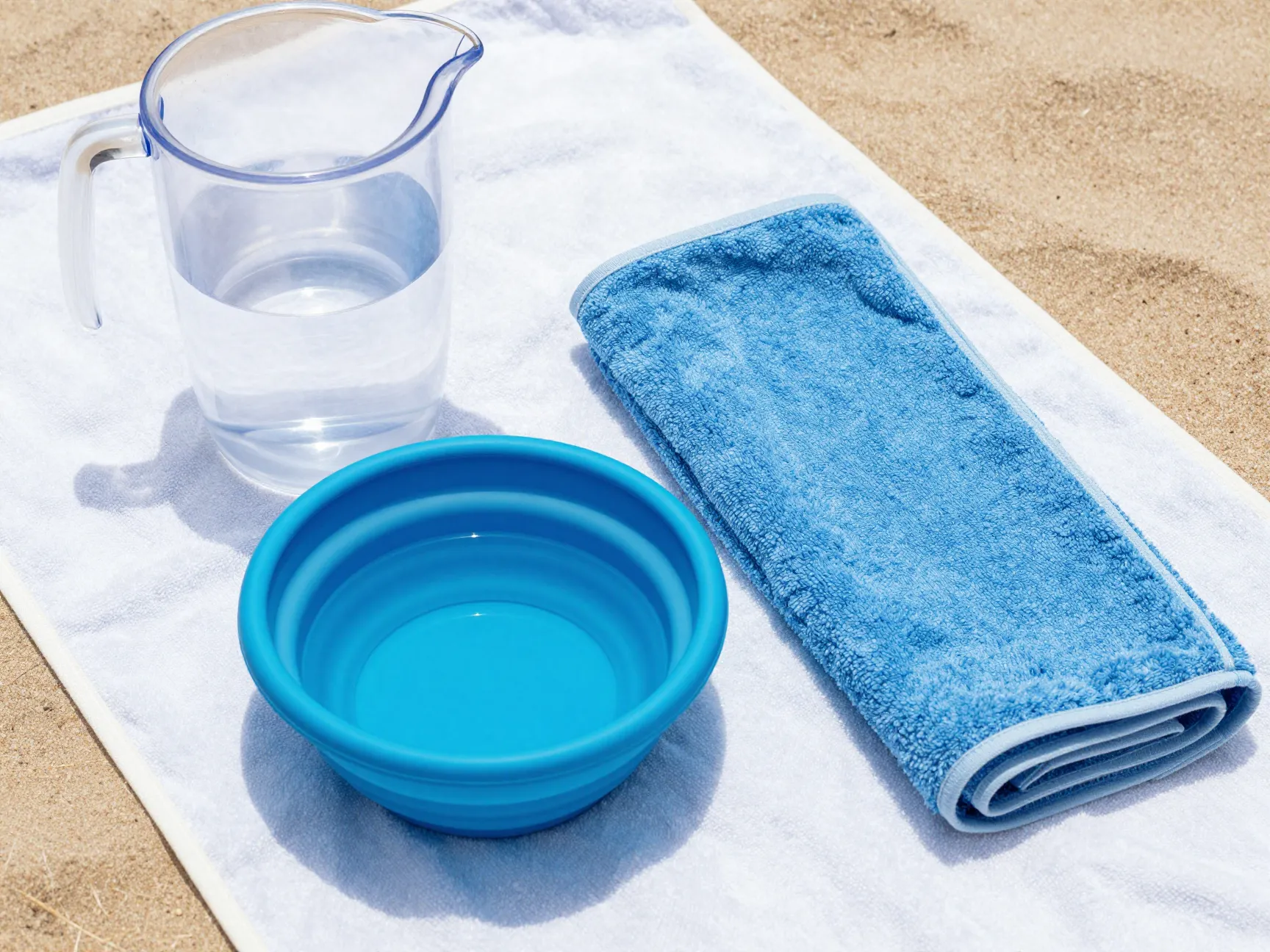
Bring more fresh water than seems logical. A good rule of thumb is to pack at least double the amount that would normally be used during a walk of similar length, since sun exposure and play both accelerate fluid loss. A collapsible travel bowl makes it easy to offer water on demand rather than waiting for a puppy to show obvious signs of thirst, which often appear too late.
Scheduling frequent hydration breaks, roughly every fifteen to twenty minutes during active play, keeps a young dog ahead of dehydration instead of playing catch-up. Signs that a break is overdue include heavy panting, a bright red tongue, or a noticeable slowdown in energy. Below is a simple reference for what to bring and how often to use it.
| Hydration Item | Purpose | Suggested Frequency |
|---|---|---|
| Fresh water jug | Primary drinking supply | Refill bowl every 15-20 minutes |
| Collapsible bowl | Easy access to water | Offer during every break |
| Electrolyte-safe additive | Supports fluid balance in long sessions | Use only if vet-approved |
| Cooling towel | Lowers body temperature between drinks | Apply during rest stops |
A puppy that refuses water repeatedly or seems disoriented needs immediate shade, water, and, if symptoms persist, a call to a veterinarian.
3. Protect Your Puppy’s Skin, Coat, and Paws From Sun and Sand
Golden retriever coats look protective, but the nose, ears, belly, and areas with thinner fur remain vulnerable to sunburn. Skin damage in dogs mirrors what happens in humans, including pain, peeling, and increased long-term skin cancer risk with repeated exposure.
A pet-safe sunscreen, free of zinc oxide and para-aminobenzoic acid, should be applied to exposed skin about twenty minutes before sun exposure begins and reapplied after swimming. Portable shade, whether a beach umbrella, a pop-up tent, or a shaded spot under a boardwalk, gives a puppy somewhere to retreat when the sun becomes too intense.
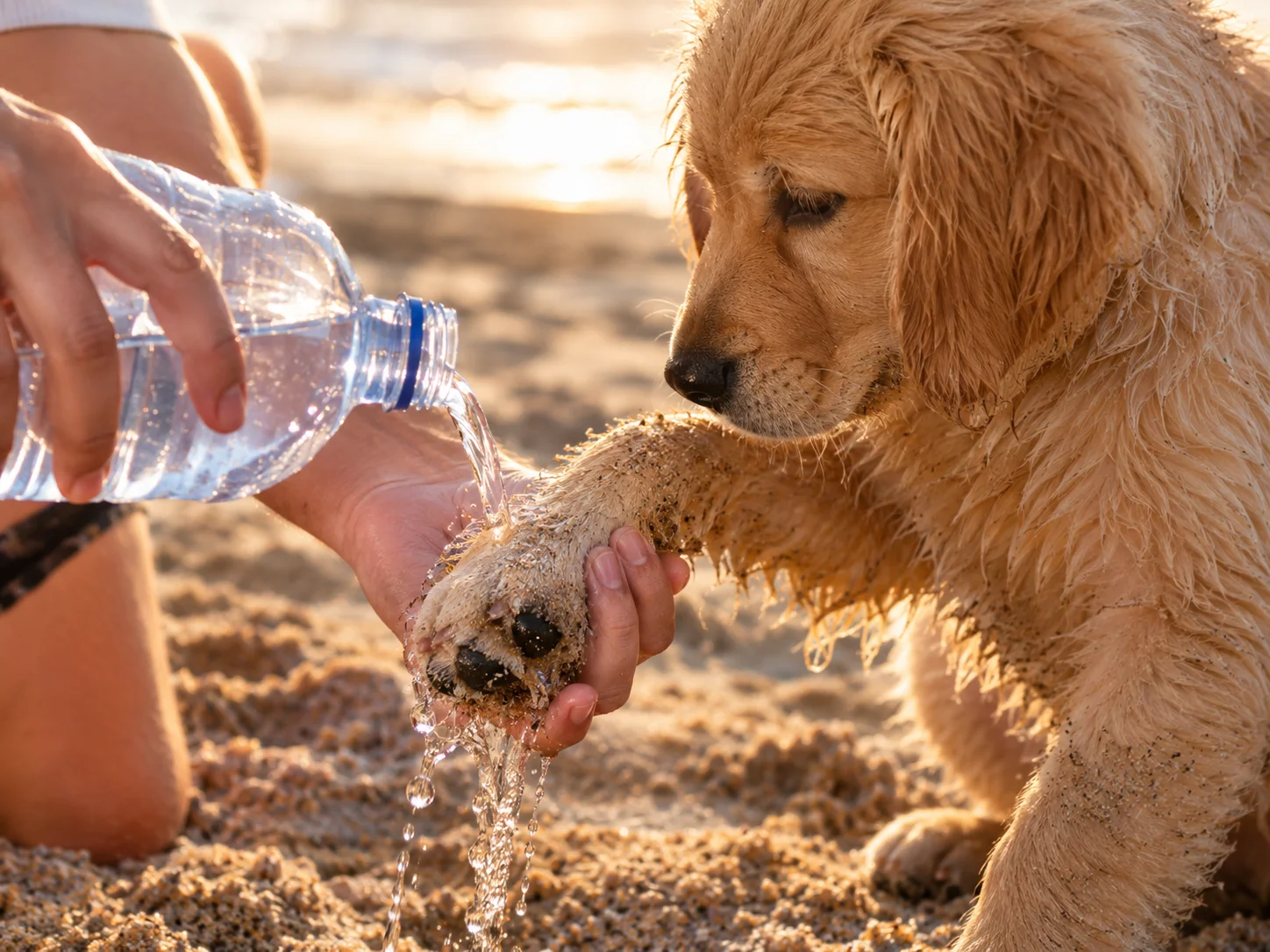
Paw pads deserve just as much attention as skin. Hot sand can cause burns within seconds, and repeated exposure to coarse, salty sand can dry out and crack paw pads over time. Testing sand temperature with a bare hand before allowing a puppy to walk on it is a quick, effective habit. After the visit, a full coat rinse with fresh water removes salt and sand before it can irritate the skin or mat the fur. A gentle pre-visit brush-out also reduces tangling once wet fur meets sand, making the post-beach cleanup considerably easier.
The following short sequence keeps coat and skin care simple and consistent:
- Brush the coat before leaving home to remove loose fur and prevent matting.
- Apply pet-safe sunscreen to the nose, ear tips, and belly.
- Check paw pads periodically for signs of heat or irritation during the visit.
- Rinse the full coat and paws with fresh water immediately after the beach.
- Dry thoroughly, paying close attention to the ears and the dense undercoat, to prevent hot spots and fungal growth.
4. Practice Water Safety and Never Force Swimming
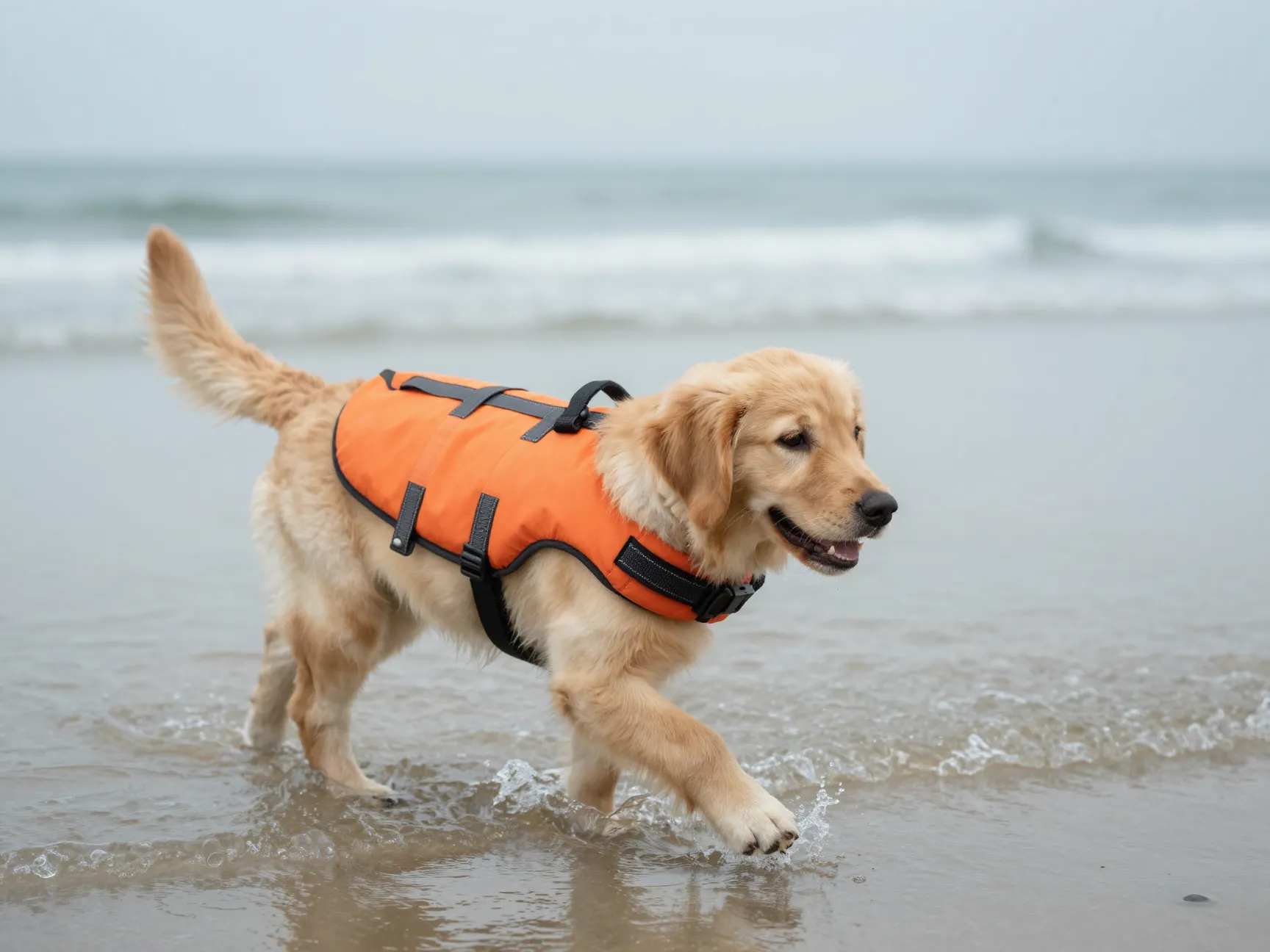
Not every golden retriever puppy takes to water immediately, despite the breed’s reputation as a natural swimmer. Forcing a hesitant puppy into waves or deep water can create lasting fear and increases the risk of a panicked, unsafe reaction in the water.
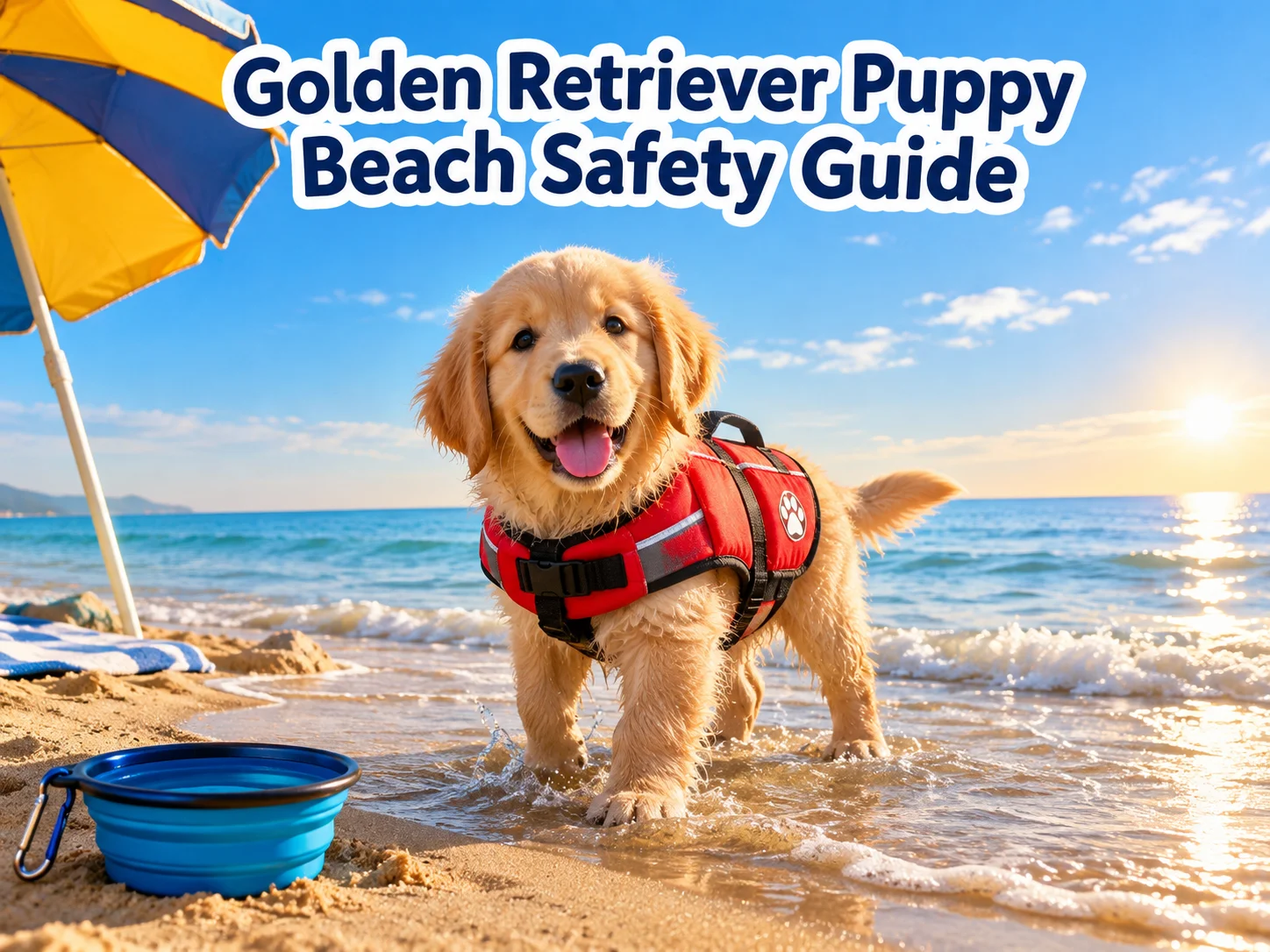
A properly fitted canine life jacket is now considered a baseline safety item rather than an optional accessory, especially for puppies still building swimming confidence and strength. The jacket should fit snugly without restricting shoulder movement and should include a handle on the back for quick retrieval if needed.
“A puppy’s first swim should feel like an invitation, not a requirement. Confidence built slowly in calm, shallow water pays off for years of safe beach visits.”
Shallow, calm water near the shoreline is the appropriate starting point. Deep water, choppy surf, strong currents, and very cold water all raise the risk of exhaustion, hypothermia, or accidental submersion. Supervision should be constant and close, with an adult always within arm’s reach during any water activity. Even confident swimmers benefit from staying in areas with visible lifeguard presence when available, since ocean conditions can change quickly.
5. Watch For Heatstroke and Know Your Emergency Response Plan
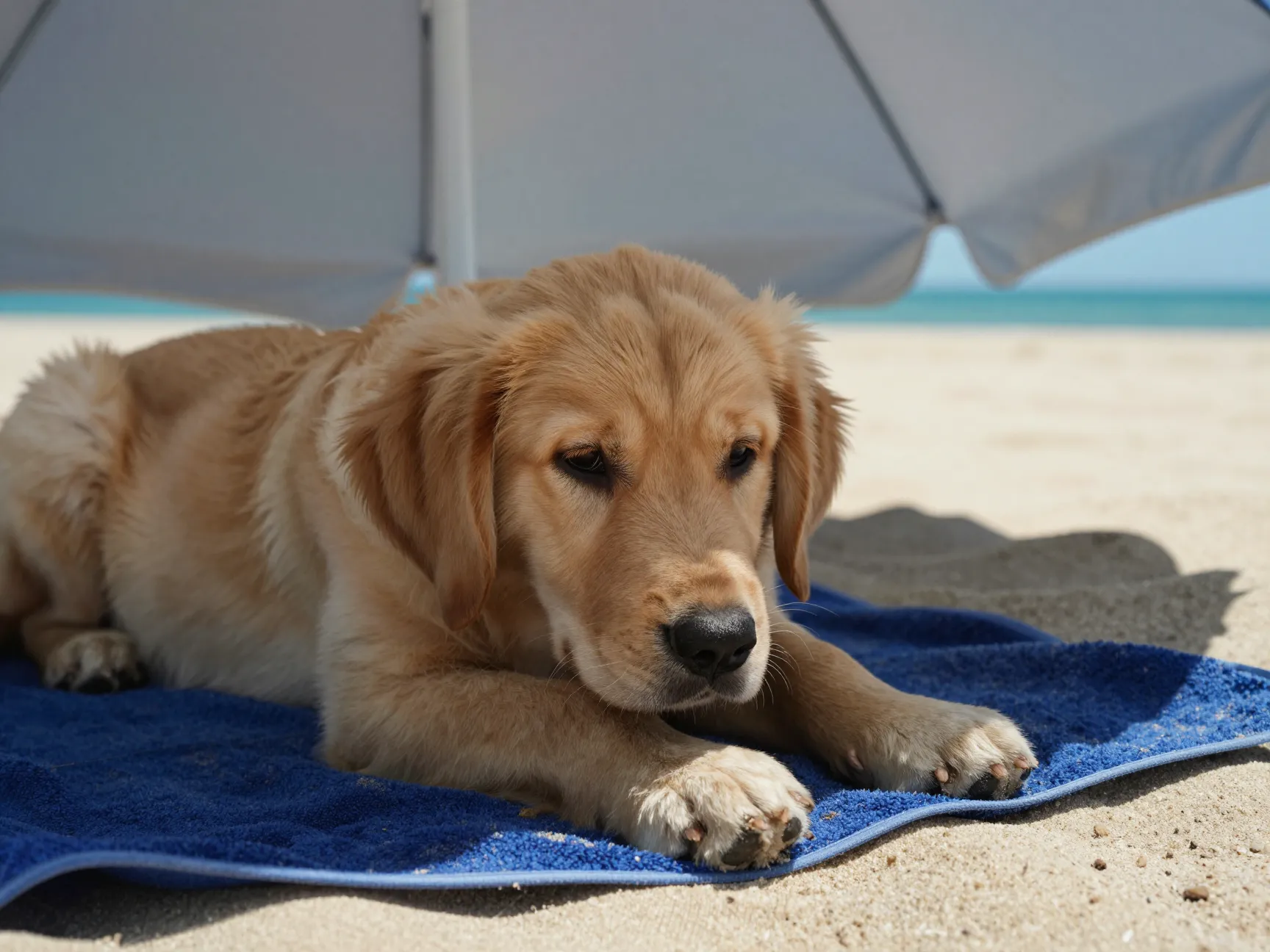
Heatstroke has become a central focus of updated beach-safety guidance for dogs, and puppies are considered especially vulnerable due to their developing thermoregulation systems. Recognizing the early warning signs allows for fast intervention before a mild issue becomes a life-threatening one.
Early signs include excessive panting, drooling, bright red or purple gums, disorientation, and reluctance to move. As heatstroke progresses, a puppy may vomit, collapse, or show signs of seizure activity. These later-stage symptoms require immediate veterinary attention.
The following steps outline an appropriate emergency response if heatstroke is suspected:
- Move the puppy to shade or an air-conditioned space immediately.
- Offer small amounts of cool, not ice-cold, water.
- Apply cool, wet towels to the neck, armpits, and groin area.
- Use a fan or air conditioning to assist cooling if available.
- Transport to the nearest veterinary clinic without delay, even if symptoms appear to improve.
Knowing the location and contact information of the closest emergency veterinary clinic before arriving at the beach removes precious time from the response process if an emergency occurs. Saving this information in a phone, along with the address of a backup clinic, is a small step that carries significant weight in a true emergency.
6. Prevent Saltwater, Sand Ingestion, and Waterborne Disease
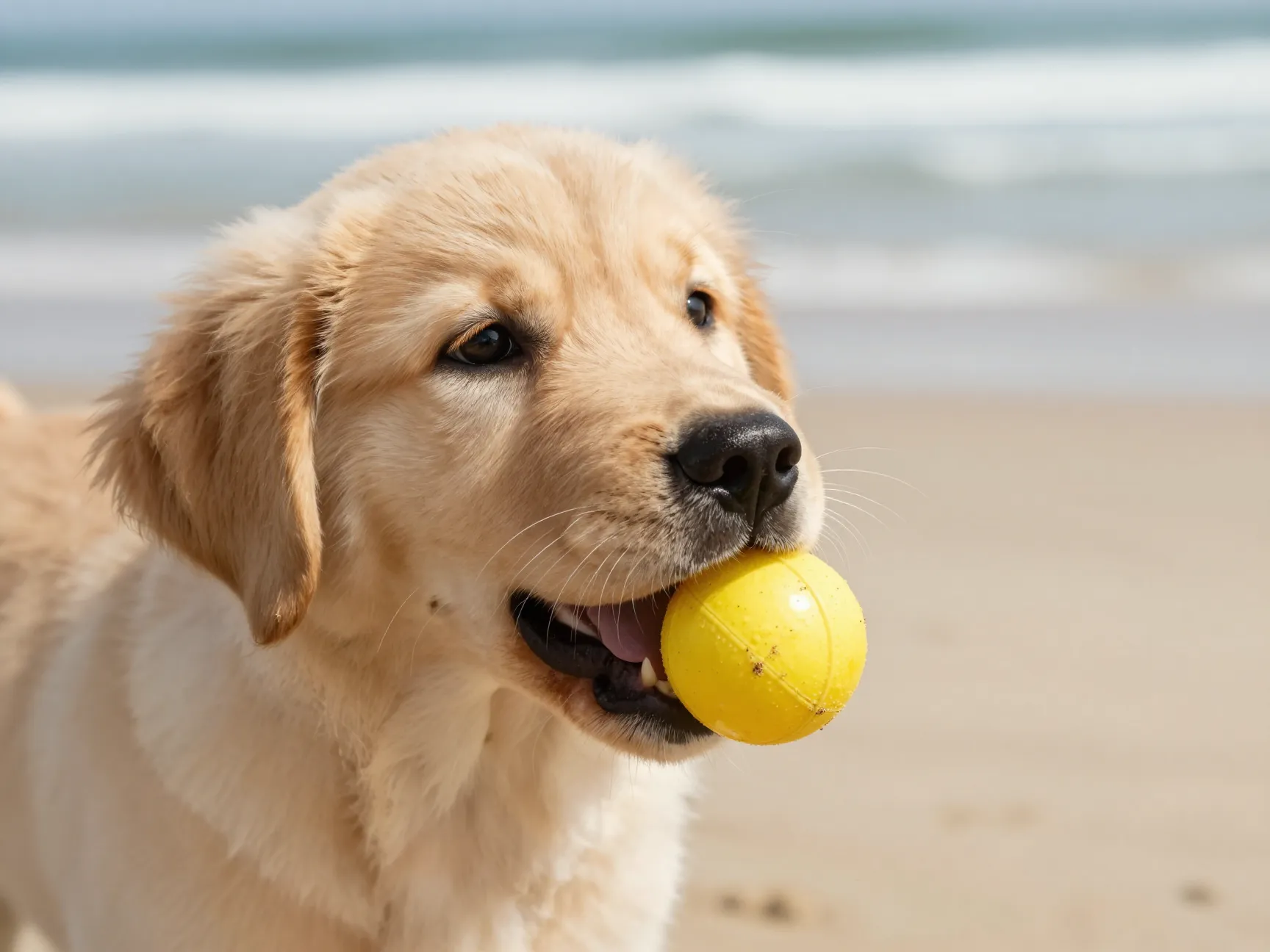
Saltwater and sand ingestion have emerged as priority risks in current beach-safety discussions, alongside more traditional concerns like sunburn and dehydration. Puppies exploring the world mouth-first are particularly prone to swallowing both.
Ingesting saltwater in significant amounts can cause a condition sometimes called beach diarrhea, along with vomiting and, in more serious cases, salt toxicity that affects the nervous system. Discouraging drinking directly from the ocean, and instead offering fresh water frequently, reduces this risk substantially. Sand ingestion, often a byproduct of retrieving toys or digging, can lead to a blockage in the digestive tract if enough accumulates, sometimes requiring surgical removal in severe cases.
Water quality itself deserves attention as well. Harmful algal blooms, sometimes visible as green, blue-green, or reddish discoloration on the water’s surface, produce toxins that are dangerous if ingested or even absorbed through the skin. Checking local water advisories before a visit and avoiding any water with unusual color, smell, or foam is a simple but effective precaution. Parasites such as giardia can also be present in standing or brackish water near some beaches, making it worth avoiding stagnant pools even when the main shoreline appears clean.
Building a Beach-Ready Packing Checklist for Your Golden Retriever Puppy
Standardized packing lists for dog beach trips have grown more detailed as awareness of heat and hydration risks has increased. A well-organized bag reduces stress during the visit and ensures nothing critical gets left behind.
A dependable checklist includes fresh water and a travel bowl, a canine life jacket, pet-safe sunscreen, a cooling towel or mat, a first-aid kit stocked for minor cuts and paw injuries, waste bags, a lightweight leash, and a portable shade shelter. Many experienced beach-goers also pack a spare towel dedicated solely to drying the puppy before returning to the car, which keeps upholstery clean and prevents a damp, sandy ride home.
A basic dog first-aid kit for beach outings should include gauze, adhesive tape, tweezers for splinter or sting removal, a digital thermometer, and saline solution for rinsing sand out of eyes. Keeping this kit in the same bag every trip removes the guesswork of last-minute packing.
Leash Rules, Recall Training, and Identification Before the Trip
Reliable recall and a strong response to the cue “leave it” are now considered essential skills before a puppy’s first unleashed beach experience. Beaches present constant distractions, from seabirds to other dogs to interesting debris washed up on shore, and a puppy without solid recall can quickly wander into an unsafe situation.
Practicing these commands in a controlled backyard setting before the beach trip builds a foundation that transfers more reliably once real-world distractions appear. Many beaches also enforce leash requirements, particularly during certain seasons or in areas near wildlife nesting sites, so checking local regulations ahead of time prevents both fines and unnecessary stress.
Current identification tags, a well-fitted collar, and a microchip registered with up-to-date contact information all provide backup layers of protection if a puppy becomes separated during a busy beach day. A recent photo of the puppy stored on a phone also helps speed up identification efforts if the unexpected happens.
Puppy-Specific Caution: Vet Clearance and Gradual Exposure
Not every young dog is ready for a beach trip on the same timeline. Veterinary clearance before the first visit confirms that a puppy’s vaccinations are current and that there are no underlying health concerns, such as joint issues or skin sensitivities, that would make beach conditions riskier.
Swimming should be introduced gradually and kept limited during early visits. A puppy’s joints and muscles are still developing, and repeated, prolonged swimming sessions before physical maturity can place unnecessary strain on growing bodies. Short, supervised sessions in calm, shallow water allow confidence to build without overexertion.
Gradual exposure also applies to sensory elements beyond water. The sound of waves, the texture of sand, and the presence of unfamiliar dogs and people can all feel overwhelming during a first visit. Allowing extra time for a puppy to explore the shoreline at its own pace, rather than rushing straight into the surf, often results in a calmer, more positive association with future beach trips.
Frequently Asked Questions
What is the best age to start following these 6 Essential Tips For Taking Your Golden Retriever Puppy To The Beach?
Most veterinarians recommend waiting until a puppy has completed its core vaccination series, typically around sixteen weeks of age, before visiting public beaches where exposure to other animals and untreated water is likely.
How long should a puppy’s first beach visit last?
Thirty to forty-five minutes is a reasonable starting point, with close attention paid to signs of fatigue, overheating, or overstimulation. Shorter visits can always be extended gradually as the puppy adjusts.
Is it safe to let a golden retriever puppy drink ocean water?
No. Ocean water can cause digestive upset and, in larger quantities, salt toxicity. Fresh water should always be available and offered frequently to discourage drinking from the sea.
Does a golden retriever puppy need a life jacket in shallow water?
A life jacket is recommended anytime a puppy is near open water, even in shallow areas, since sudden waves, drop-offs, or currents can change conditions quickly.
Conclusion
A safe, enjoyable beach day for a golden retriever puppy comes down to preparation rather than luck. These 6 Essential Tips For Taking Your Golden Retriever Puppy To The Beach, timing visits around cooler hours, prioritizing hydration, protecting skin and coat, respecting a puppy’s comfort with water, watching closely for heatstroke, and preventing saltwater or sand ingestion, form a practical framework that any owner can follow.
The next step is simple. Before the next trip to the shore, gather the essentials outlined in the packing checklist, confirm the forecast, and review recall training with the puppy at home. A little planning turns a potentially risky outing into one of the most rewarding experiences a golden retriever puppy can have.