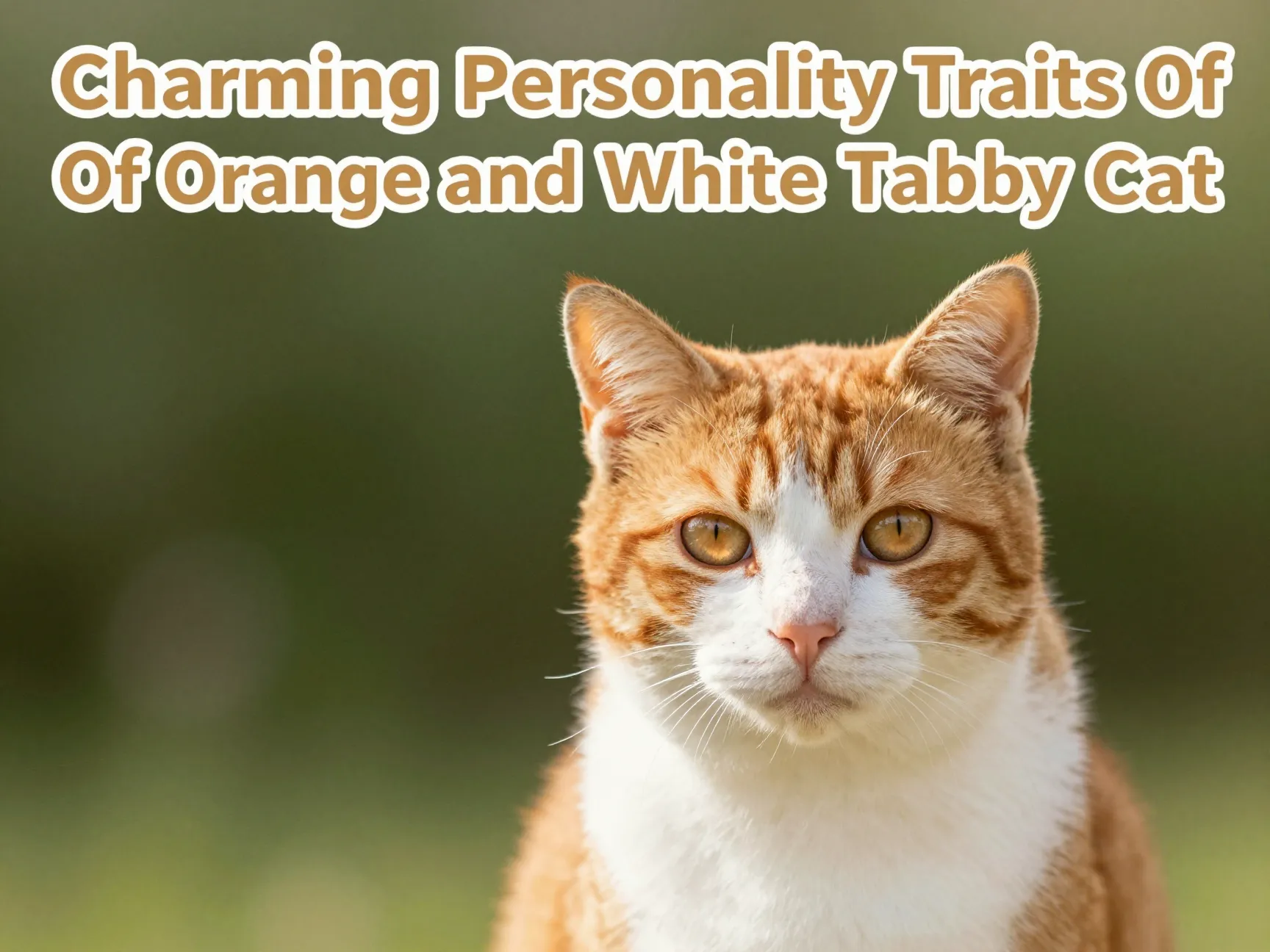
Charming Personality Traits Of The Orange And White Tabby Cat
Roughly eight out of ten orange cats are male, a genetic quirk tied to the same chromosome that carries the color itself. That single biological fact has fueled decades of folklore about orange cats being clumsy, food-obsessed clowns. But when animal behaviorists actually surveyed thousands of cat owners, a different and far more consistent picture emerged. The 6 Charming Personality Traits Of The Orange And White Tabby Cat reveal an animal that is sociable, affectionate, playful, and surprisingly communicative, not the sleepy, dim-witted stereotype often shown in cartoons and memes.
Disclosure: This post contains affiliate links. As an Amazon Associate, we earn from qualifying purchases, and at no extra cost to you.
This article breaks down what makes these bicolor cats so beloved, separates myth from measured behavior, and gives practical guidance for anyone sharing a home with one.
Key Takeaways
- Orange and white tabby cats consistently rank high in friendliness, sociability, and trainability across owner surveys and behavior studies.
- Their affectionate, “velcro cat” nature makes them prone to following owners from room to room and seeking physical closeness.
- High food motivation is a real trait worth managing, since it raises the risk of weight gain and obesity in this coloring.
- Vocal communication, playful energy, and gentle temperaments round out the profile, though individual personality still depends heavily on breed, upbringing, and environment.
- Understanding these six traits helps owners provide better enrichment, nutrition, and social interaction tailored to this cat’s needs.
Why Coat Color and Pattern May Shape the Orange and White Tabby Cat’s Personality
Cat coloring is determined by genetics, not mood or intelligence, yet the orange coloring gene sits on the X chromosome, which is why most orange cats are male. This genetic link has led some researchers to wonder whether the same hormonal and biological pathways that produce the orange pigment might also nudge certain behavioral tendencies. The white patches seen in a bicolor tabby come from a separate gene that limits pigment distribution, creating the classic orange-and-white “tuxedo-flipped” look many owners find irresistible.
Importantly, most veterinary behaviorists caution that breed, socialization, and early-life experiences shape temperament far more than coat color alone. Still, when large-scale owner surveys look at coloring patterns across thousands of cats, orange and orange-white cats show up again and again with similar behavioral clusters. That repeated pattern is exactly why the 6 Charming Personality Traits Of The Orange And White Tabby Cat have become a recognizable, almost predictable profile among cat lovers, shelter workers, and veterinarians alike.
This does not mean every orange and white cat behaves identically. It means the odds are tilted toward a specific set of charming, people-friendly behaviors that make this coloring a favorite among first-time cat owners and families with children.
The 6 Charming Personality Traits Of The Orange And White Tabby Cat
Before diving into each trait, it helps to see the full picture at once. The following six characteristics are the most frequently reported by owners, shelters, and behavior researchers studying orange and bicolor tabby cats.
Each trait below stands on its own, but together they form a temperament that is warm, engaged, and easy to live with for most households.
1. Friendly and Sociable by Nature
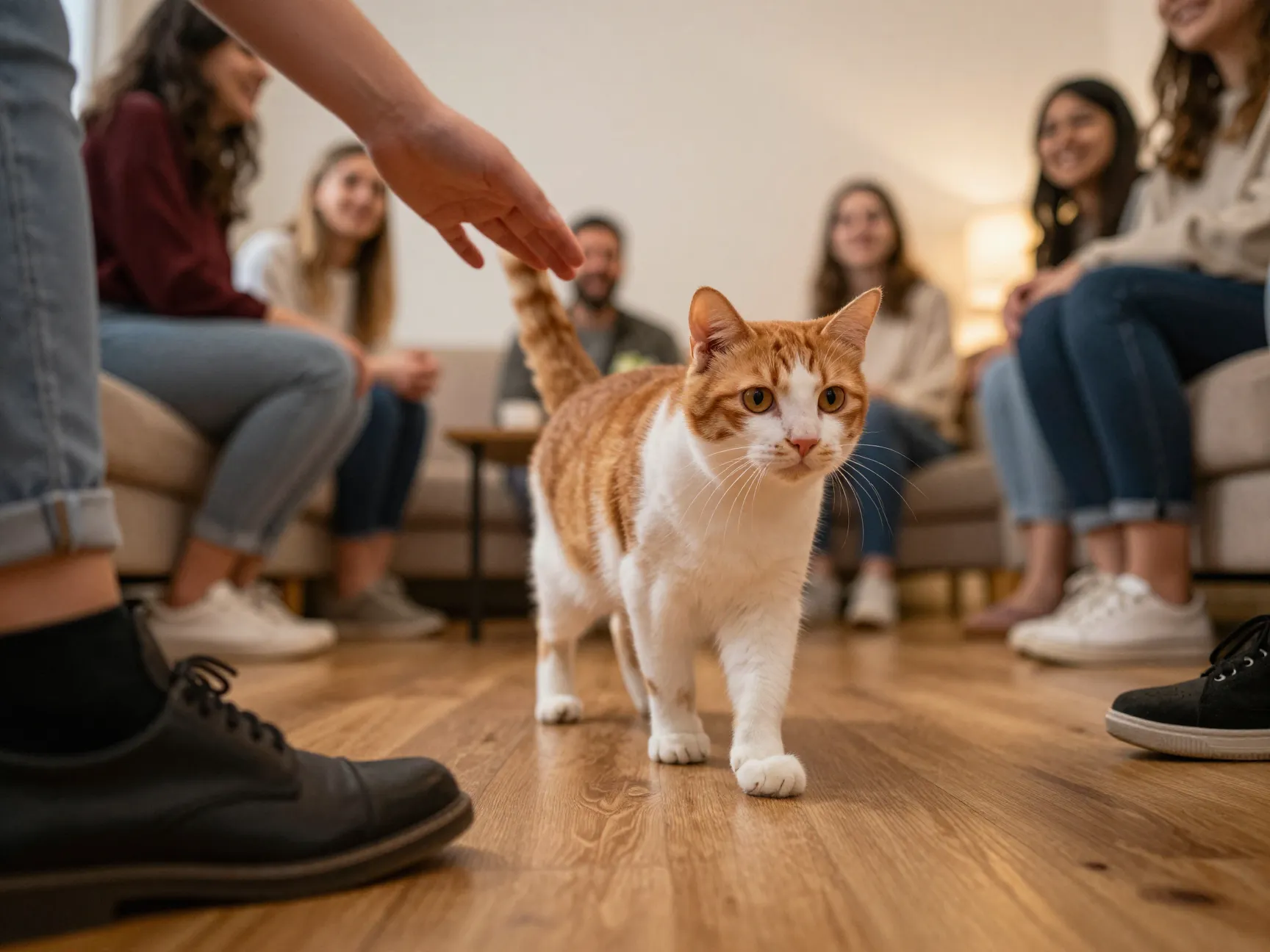
Orange and white tabby cats are frequently described by owners as approachable, curious about visitors, and quick to warm up to new people. Unlike some breeds that hide during gatherings, many of these cats will wander out to investigate guests, sniff new shoes, or hop onto a stranger’s lap within minutes.
Behavioral surveys that track coloring alongside temperament scores have repeatedly found orange cats rated higher on sociability scales compared to several other coat colors. This does not mean every orange and white cat is a social butterfly, but the trend is strong enough that shelters often note it when matching cats with adopters who want an outgoing companion.
For families with children, frequent visitors, or other pets, this friendliness translates into a smoother adjustment period. New introductions tend to go faster because the cat itself is doing some of the social work.
2. Deeply Affectionate “Velcro Cat” Tendencies
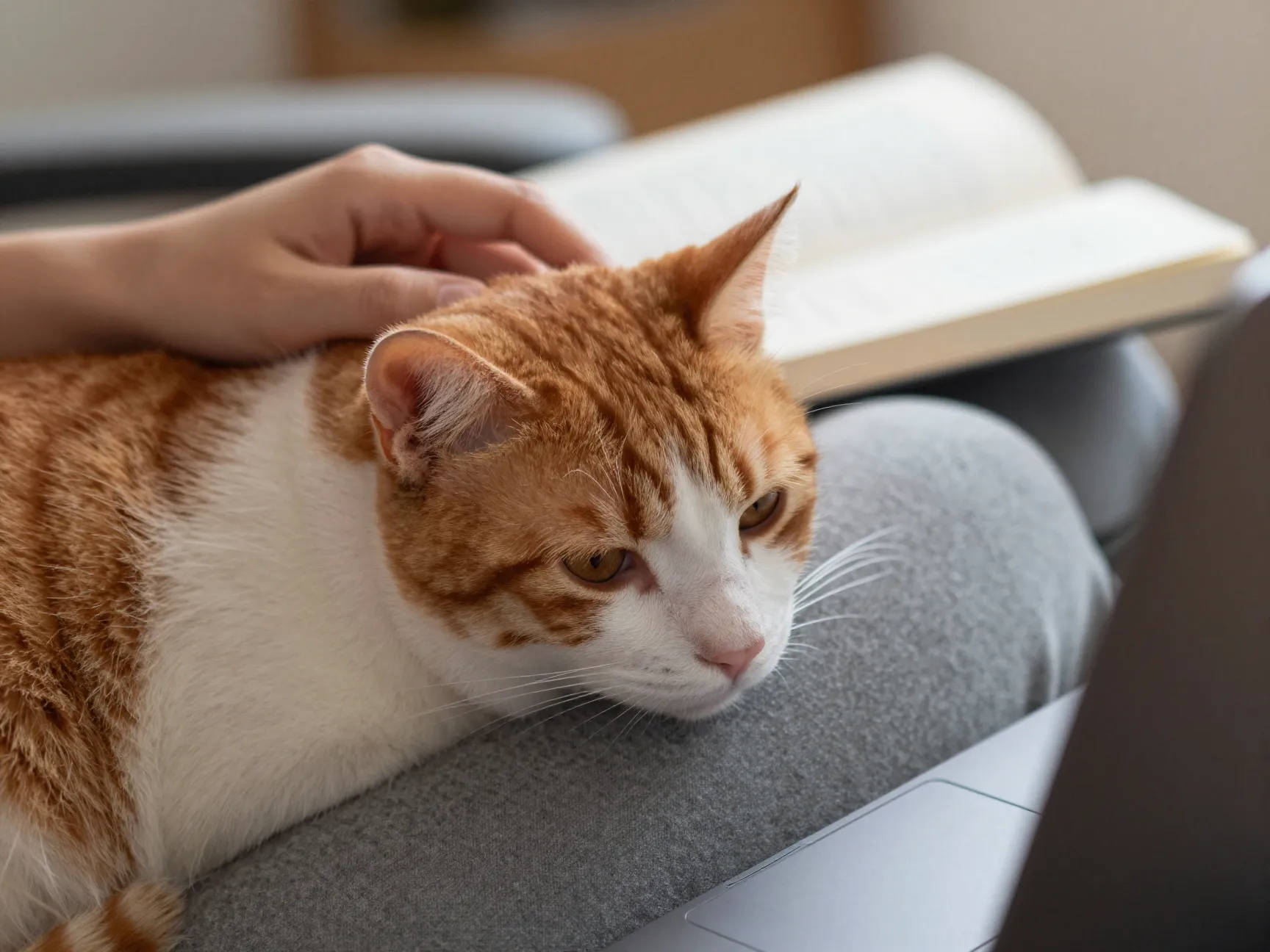
The term “velcro cat” describes felines that stick close to their humans, following them from room to room, waiting outside bathroom doors, or draping themselves across laps during work calls. Orange and white tabbies show this behavior at notably high rates, especially once they feel secure in a home.
This closeness often intensifies indoors, where the cat has fewer distractions and more opportunities for physical contact. Owners commonly report their orange and white companion sleeping on pillows, headbutting for attention, or perching on shoulders while their owner cooks or cleans.
“He is never more than one room away from me. If I close a door, he sits outside it until I open it again.” This kind of report shows up so often in owner forums that it has become a defining trait rather than an exception.
This affectionate streak makes orange and white tabbies well suited to owners who work from home or want a cat that actively participates in daily life rather than staying independent and distant.
3. Playful, Energetic, and Endearingly Goofy
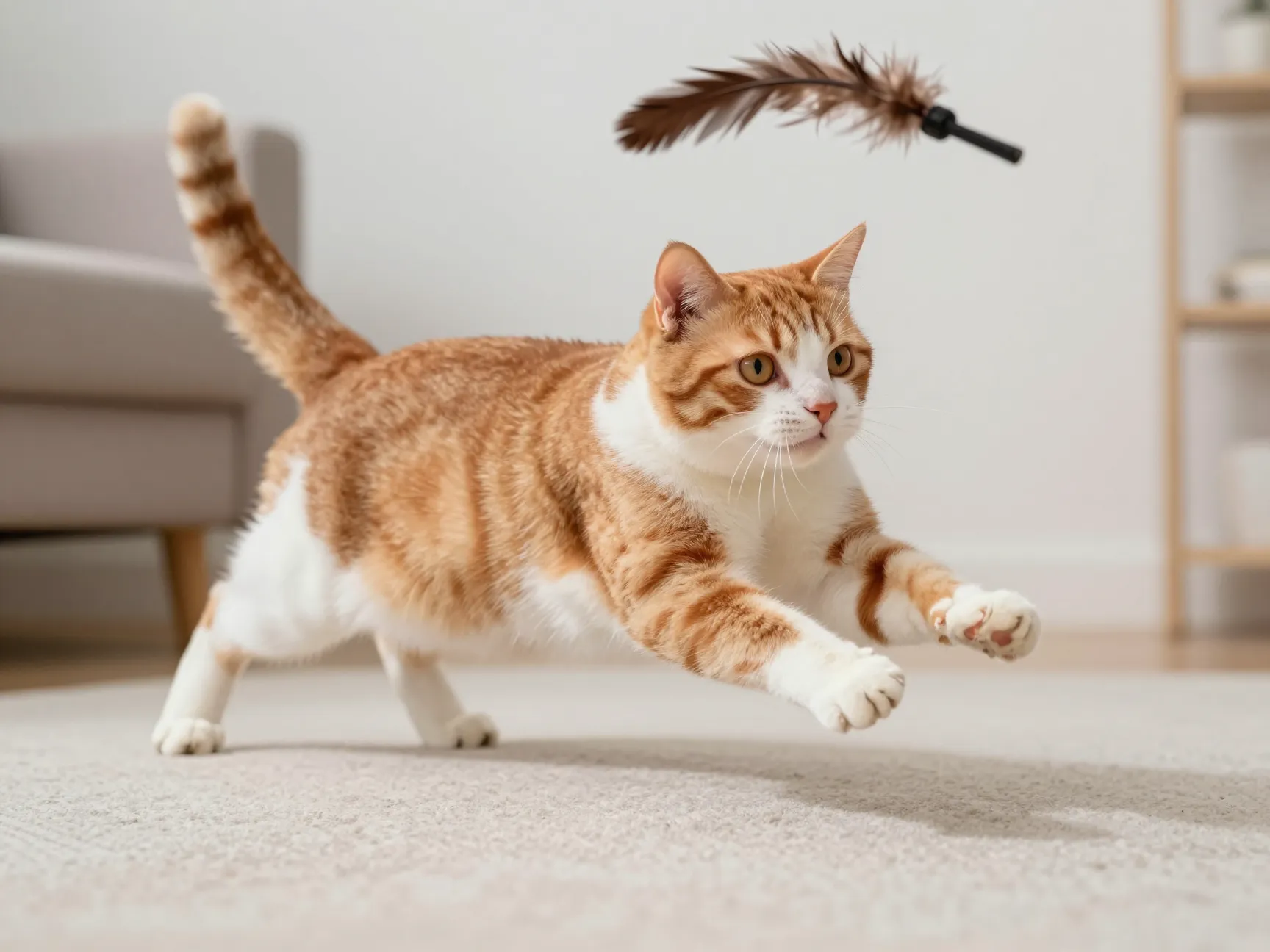
Contrary to the “lazy orange cat” meme, many orange and white tabbies display strong play drives well into adulthood. They chase toys with enthusiasm, pounce on shadows, and sometimes misjudge jumps in ways owners describe as clumsy or comical.
This goofiness is part of the charm. Videos and photos of orange cats falling off furniture, staring blankly mid-motion, or getting startled by their own tails have become internet staples precisely because the behavior is so common and so relatable.
Play sessions with interactive toys, laser pointers, or feather wands tend to be well received. Regular play also helps offset the next trait on this list, since active cats burn more of the calories they are motivated to eat.
4. Strong Food Motivation With a Real Risk of Overeating
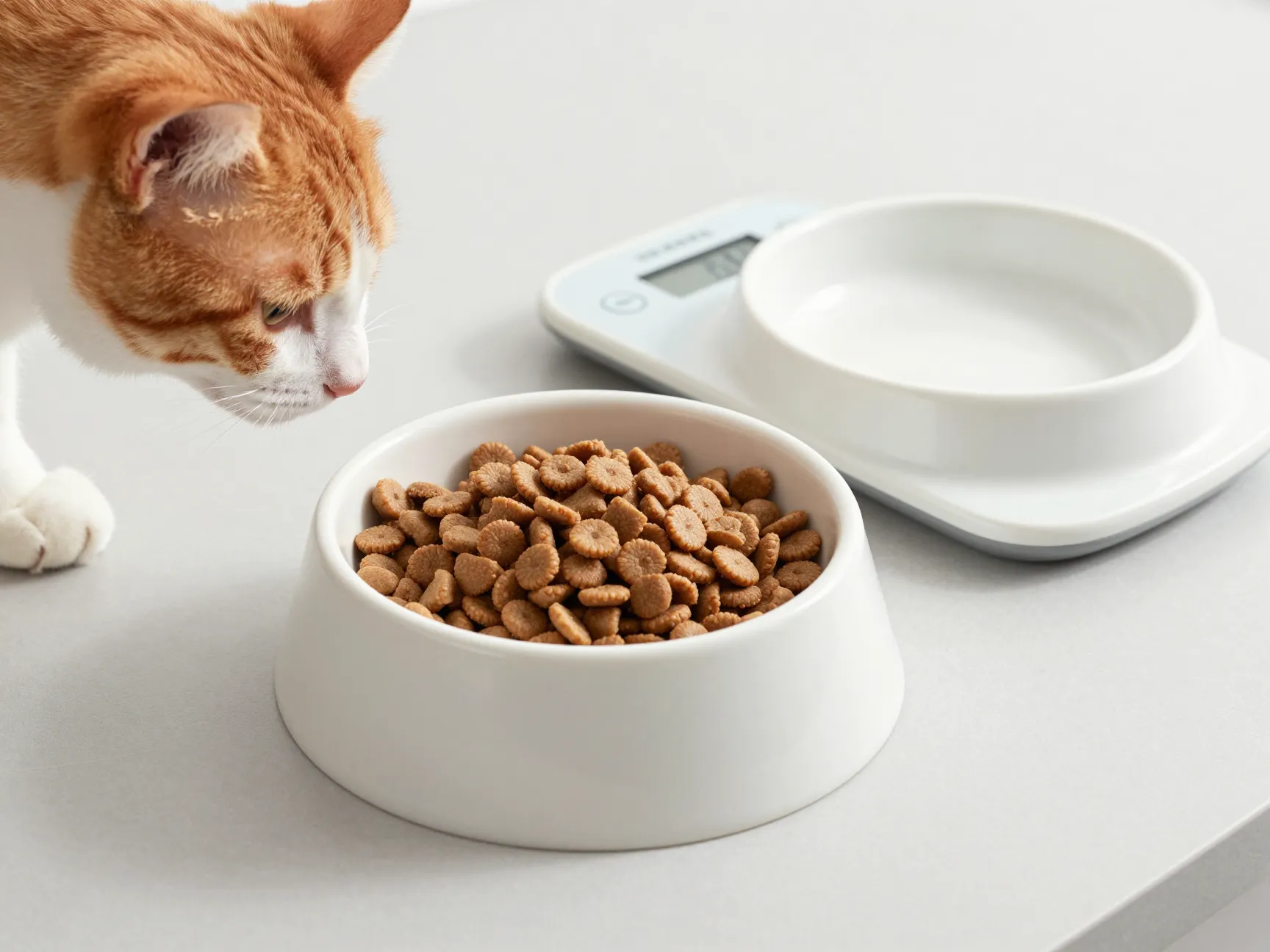
Few traits are reported as consistently as this one. Orange and white tabby cats are often described as food-driven, quick to beg, and persistent around mealtimes. Some owners half-joke that their cat would eat around the clock if given the chance.
This trait carries a practical downside. High food motivation combined with lower activity levels in some individuals raises the risk of weight gain and obesity, a concern veterinarians flag regularly for this coloring. Below is a simple comparison of feeding approaches that address this tendency.
| Feeding Approach | How It Helps | Watch For |
|---|---|---|
| Scheduled meals instead of free feeding | Reduces all-day snacking and calorie creep | Cat may vocalize loudly before mealtime |
| Puzzle feeders or slow feeders | Extends eating time, adds mental stimulation | Some cats get frustrated at first, needs training |
| Measured portions by weight | Prevents overestimating serving size | Requires a kitchen scale for accuracy |
| Routine weight checks at vet visits | Catches gradual weight gain early | Easy to skip if the cat seems “fine” |
Managing this trait early prevents joint stress, diabetes risk, and reduced mobility later in life, all of which are more common in overweight cats.
5. Vocal and Communicative With a Varied Vocabulary
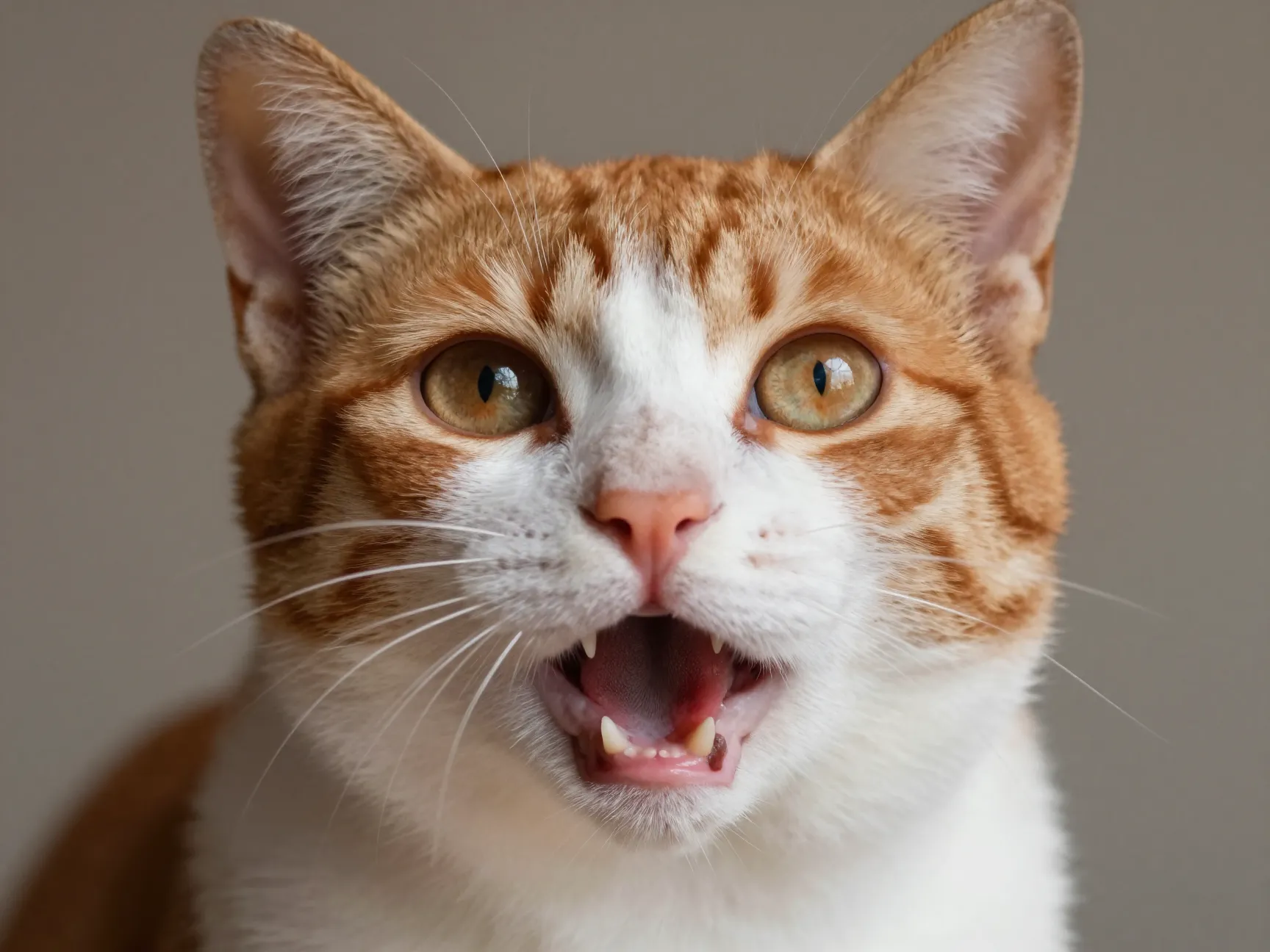
Orange and white tabbies are not shy about making their opinions known. Many owners describe a wide range of sounds, from soft chirps and trills to insistent meows that seem to demand food, attention, or door access. Some individuals even develop distinct “conversations,” responding to a human’s voice with their own vocal reply.
This chattiness is often linked to their sociable nature. A cat that wants closeness and interaction has more reason to vocalize than one that prefers solitude. Owners who enjoy an interactive pet often find this trait charming, while those wanting a quiet household should factor it into their expectations.
Training a cat to associate specific meows with specific needs, such as feeding time or wanting to go outside, can make this vocal habit easier to manage without discouraging the communication itself.
6. Gentle, Relaxed Temperament Suited to Family Life
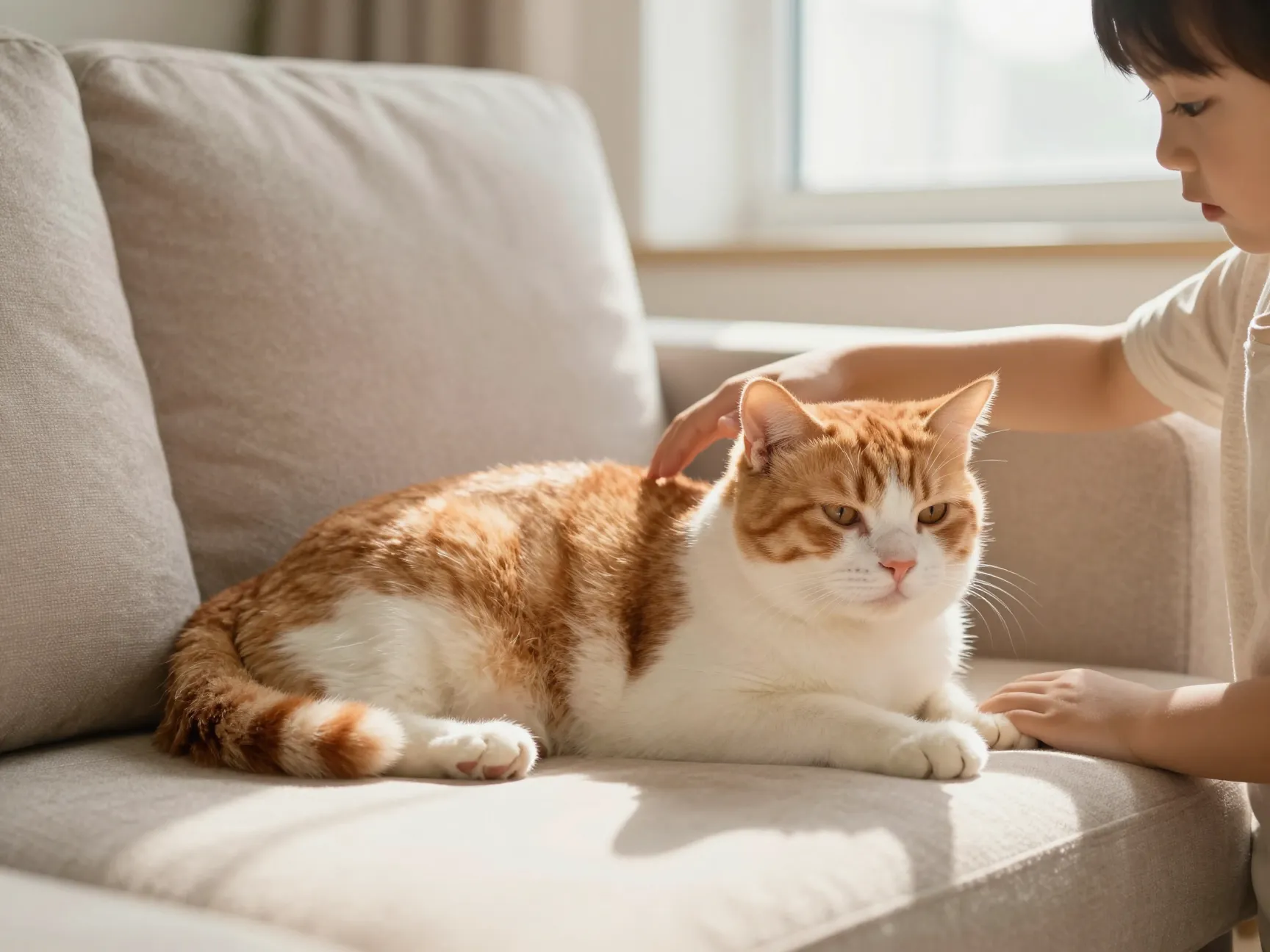
The white patches in a bicolor coat are sometimes anecdotally associated with a calmer, more even-tempered disposition, and many orange and white tabbies fit that description well. They tend to tolerate handling, adapt to household routines, and show patience with children or other pets more readily than some high-strung breeds.
This gentleness, paired with the earlier traits, is a major reason orange and white tabbies are frequently recommended for first-time cat owners and multi-pet households. They tend to integrate into existing routines rather than demanding the household reorganize around them.
None of these six traits guarantees a specific personality in any individual cat, but together they explain why this coloring has such a strong, consistent reputation among cat owners and shelter staff.
Orange Tabby Myths vs Reality
Stereotypes about orange cats have circulated for years, often contradicting each other. Some claim orange cats are lazy; others insist they are hyperactive troublemakers. Some call them “dumb,” while trainers who have worked with them report the opposite.
The table below sorts common claims into myth and evidence-supported reality based on behavior surveys and expert observation.
| Common Claim | Myth or Reality | What the Evidence Suggests |
|---|---|---|
| Orange cats are lazy | Myth | Many show strong play drive and energy, especially with regular enrichment |
| Orange cats are less intelligent | Myth | Trainability scores for orange cats are comparable to or higher than average |
| Orange cats are more food-obsessed | Reality | Owner reports and vet notes consistently flag higher food motivation |
| Orange and white cats are gentler with kids | Partially Reality | Frequently reported as calm and tolerant, though individual temperament varies |
| Male orange cats are more common | Reality | Genetic link to the X chromosome makes roughly 80 percent of orange cats male |
Understanding which claims hold up under scrutiny helps set realistic expectations. A cat’s environment, socialization history, and breed background will always interact with coloring-based tendencies, sometimes reinforcing them and sometimes overriding them entirely.
What Experts and Studies Say About These Six Traits
Veterinary behaviorists generally agree on one core point: breed and early-life experience shape temperament far more powerfully than coat color. A poorly socialized orange and white kitten can grow into a fearful, withdrawn adult, just as a well-socialized black cat can become the most outgoing cat in the house.
That said, large-scale owner surveys examining coat color alongside behavior consistently place orange cats near the top for friendliness, calmness, and trainability. Researchers studying feline temperament note that these patterns likely emerge from a combination of genetics, selective breeding history, and the simple fact that orange cats have long been popular, meaning more of them are bred and raised in attentive, socially engaged households.
The expert consensus can be summarized in three points:
Coat color correlates with certain behavior patterns but does not cause them directly.
Individual upbringing, health, and breed background remain the strongest predictors of personality.
The 6 Charming Personality Traits Of The Orange And White Tabby Cat represent a statistical trend supported by repeated survey data, not a guaranteed outcome for every cat.
This nuanced view matters for anyone choosing a cat based on coloring alone. Coloring can inform expectations, but it should never replace a proper temperament assessment, especially when adopting from a shelter where a cat’s full history may be unknown.
Living With an Orange and White Tabby: Practical Care Tips
Knowing these six traits is only useful if it translates into better daily care. The following adjustments help owners work with this personality profile rather than against it.
Provide daily interactive play using wand toys or puzzle feeders to channel the natural playfulness and energy described earlier. Fifteen minutes twice a day is often enough to satisfy an average adult cat.
Set a consistent feeding schedule with measured portions to manage the strong food drive. Weighing food rather than eyeballing it prevents slow, unnoticed weight gain over months.
Offer plenty of physical affection and lap time, since the affectionate, velcro-like bonding tendency means isolation or long stretches alone can cause stress-related behaviors like excessive vocalizing or destructive scratching.
Respond consistently to vocal cues so the cat learns which sounds get attention and which do not, reducing excessive meowing over time without ignoring genuine needs.
Introduce new people and pets gradually but with confidence, since the naturally sociable temperament usually means these cats adapt faster than more reserved breeds, though patience still matters during the first few interactions.
Schedule regular veterinary checkups that include a weight assessment, catching any obesity risk early before it develops into joint problems or metabolic disease.
These steps do not require special equipment or expensive routines. They simply align daily habits with the natural tendencies already built into this coloring’s typical temperament.
Conclusion
The 6 Charming Personality Traits Of The Orange And White Tabby Cat: friendliness, deep affection, playful energy, strong food motivation, vocal communication, and a gentle temperament, form a remarkably consistent profile across owner surveys, shelter records, and behavioral research. These traits explain why this coloring remains one of the most requested at adoption centers and one of the most photographed on social media.
None of this means every orange and white tabby will behave identically. Genetics set tendencies, not guarantees, and factors like breed, early socialization, and daily environment still shape the final personality. What the evidence does support is a clear pattern worth taking seriously when choosing a cat or trying to better understand one already at home.
Anyone living with or considering an orange and white tabby should focus on three practical next steps: schedule regular play sessions to match their natural energy, control portion sizes to manage food motivation, and lean into their affectionate nature rather than expecting an independent, hands-off pet. Doing so turns these six charming traits into a genuinely rewarding, well-balanced companionship.