Stunning Norwegian Forest Cat Therian Mask Markings & What They Mean
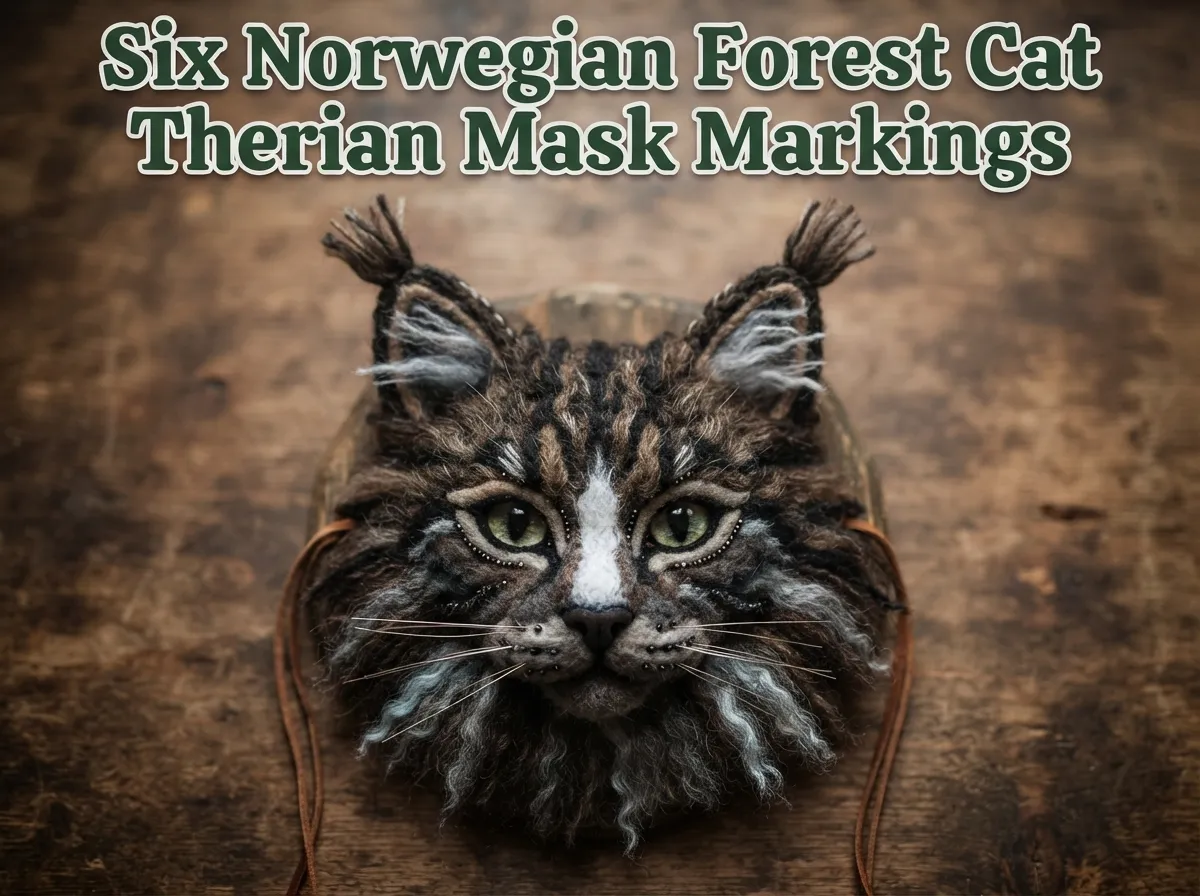
Roughly 1,000 people search for “Norwegian forest cat therian mask” every month, a small but telling number that proves this is a real, active corner of the therian and cosplay world rather than a passing trend. That statistic matters because it shows genuine demand for guidance on a topic that, surprisingly, has almost no formal documentation anywhere in cat-fancy literature or breed standards. This article fills that gap by exploring 6 Stunning Norwegian Forest Cat Therian Mask Markings & What They Mean, drawing on real breed traits, current mask-making tutorials, and the creative interpretations circulating among makers and wearers in 2026.
Disclosure: This post contains affiliate links. As an Amazon Associate, we earn from qualifying purchases, and at no extra cost to you.
Before going further, it helps to set expectations honestly. Official Norwegian Forest Cat breed standards do not define six specific mask markings with fixed meanings. What they do define is the physical appearance of the breed itself, and mask makers borrow heavily from those real-world traits to design something that feels authentic while still expressing personal identity. The six markings covered here reflect the most common design choices seen across tutorials, marketplace listings, and process videos, paired with the interpretive meanings the community has attached to them.
Key Takeaways
- No cat-fancy organization or therian authority has published an official list of Norwegian Forest Cat mask markings and meanings; this is a creative, community-driven concept.
- The six markings discussed here are based on real Norwegian Forest Cat traits, including tabby striping, smoke shading, white blazes, and heavy ear tufting.
- Breed standards for show cats explicitly disallow true “masked” or pointed patterns, so many therian mask designs are intentional artistic departures from breed authenticity.
- Meanings assigned to each marking are personal and symbolic rather than standardized, and makers are encouraged to adapt them freely.
- Materials commonly used to build these markings include yarn fur, mesh eye panels, felt, and acrylic paint, based on current tutorial content from 2025 and 2026.
The Real Story Behind Norwegian Forest Cat Therian Mask Markings
Search engines and social platforms have quietly built up a niche audience around Norwegian Forest Cat-inspired therian masks, but there is no rulebook behind it. Video creators publishing tutorials as recently as September 2026 focus almost entirely on construction, not symbolism. They explain how to layer yarn fur for the coat, attach mesh over the eyes for visibility, shape a felt or paper muzzle, and mount tufted ears using wire frames. Craftsmanship, not codified meaning, dominates the conversation.
That absence of an official meaning system is actually useful information. It means anyone approaching 6 Stunning Norwegian Forest Cat Therian Mask Markings & What They Mean should treat the “meanings” as flexible starting points rather than rigid rules. Marketplace listings on sites like Etsy and eBay describe features such as gray tabby coloration, blue and yellow cross-shaped accents, circular motifs, and painted whiskers, but sellers consistently frame these as stylistic choices left open to the buyer’s own interpretation.
Why 6 Stunning Norwegian Forest Cat Therian Mask Markings & What They Mean Still Matters
Even without an official standard, understanding the logic behind these markings helps makers create something that feels intentional rather than random. Norwegian Forest Cats are known for a thick, uneven double coat, a pronounced ruff around the neck often called a bib, muttonchop cheek fur, and heavily tufted ears built for surviving cold Scandinavian winters. These physical traits are the raw material that mask designers translate into color blocks, texture choices, and accent shapes. When a marking echoes a real trait, it reads as authentic. When it departs from real breed traits, like a full pointed mask pattern, it becomes a deliberate artistic statement instead of a copy of nature.
This is the foundation for the six markings below. Each one connects to something real about the breed, then layers on a symbolic meaning that has emerged informally through use, discussion, and repeated design choices across the therian community.
6 Stunning Norwegian Forest Cat Therian Mask Markings & What They Mean
The following six markings appear repeatedly across tutorials, finished mask galleries, and marketplace listings from 2025 through 2026. They are presented in order of how frequently they show up in current designs, along with the interpretive meaning most often attached to each one.
1. Classic Tabby Forehead Stripes
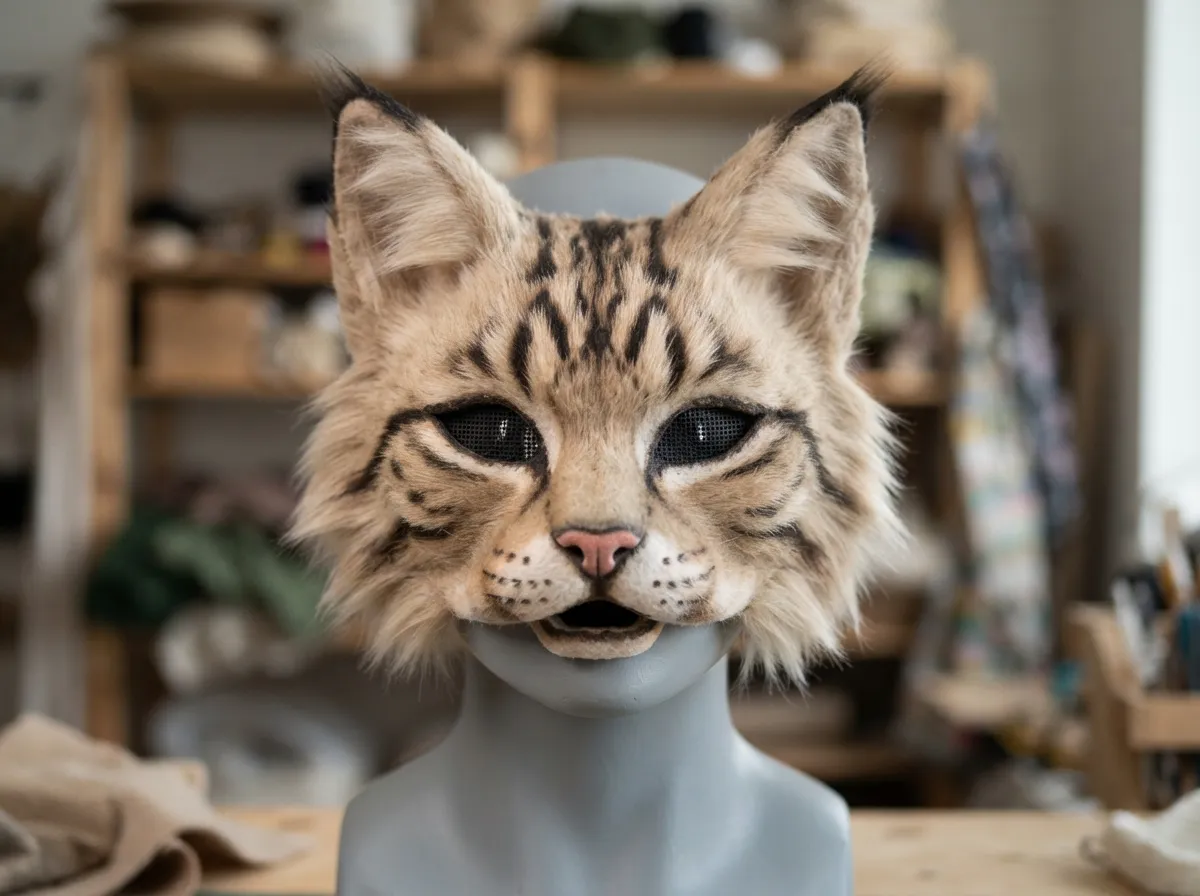
The most recognizable marking on any Norwegian Forest Cat therian mask is the classic tabby pattern across the forehead, often forming an “M” shape above the eyes. This pattern is directly borrowed from real tabby genetics, which is one of the most common coat patterns allowed under official breed standards. In the therian community, this marking is frequently described as a symbol of heritage and lineage, a visual nod to the wild ancestry shared by all domestic cats. Makers who choose bold, dark stripes on a lighter base coat are often signaling a connection to natural camouflage and survival instinct, themes closely tied to the breed’s history as a hardy forest-dwelling cat.
Construction tip: tutorials recommend building this pattern with painted felt or airbrushed fur rather than yarn, since sharp lines are harder to achieve with woven texture.
2. Silver Tipped Smoke Mask
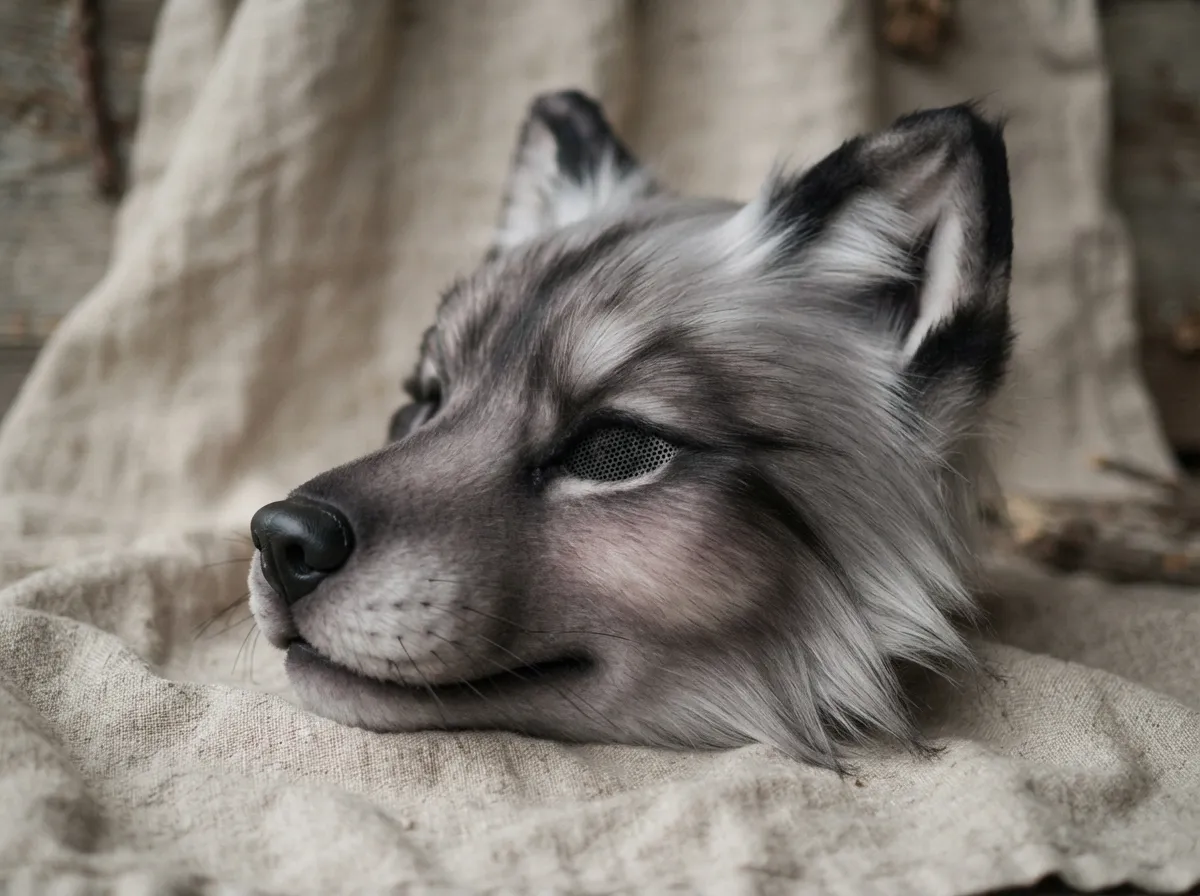
Smoke coloring happens when a cat has a light undercoat with darker tipping on the outer fur, and it is officially recognized in Norwegian Forest Cat breed standards. On a therian mask, this translates into a subtle gradient across the muzzle and cheeks, lighter near the base of the fur and darker at the tips. This marking is commonly associated with mystery and quiet observation, fitting for a therian identity built around watchfulness rather than boldness. Because the transition is soft rather than sharply defined, many makers describe this style as representing an inward, reflective personality rather than an outward, dramatic one.
3. White Blaze or Locket
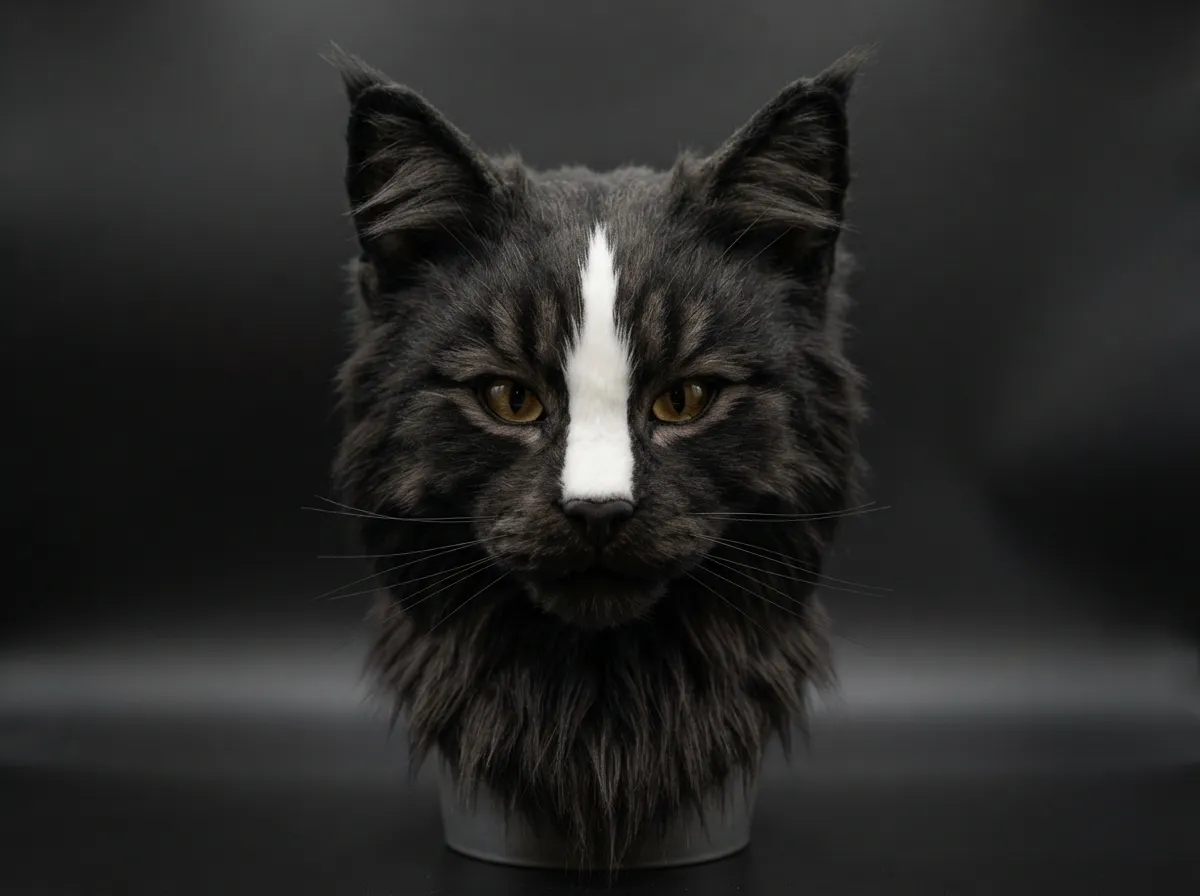
A white blaze running down the nose, or a small white locket patch on the chest, is one of the accepted white distributions in official breed standards alongside chest, belly, and paw markings. On a mask, this usually appears as a narrow white stripe from the forehead to the nose tip, or a defined patch at the throat. Within the therian community, this marking is often read as a symbol of individuality within a shared species identity. Because no two white blazes are shaped exactly alike, wearers frequently point to this marking as representing their own unique traits standing apart from a general archetype.
4. Bold Eye Rings
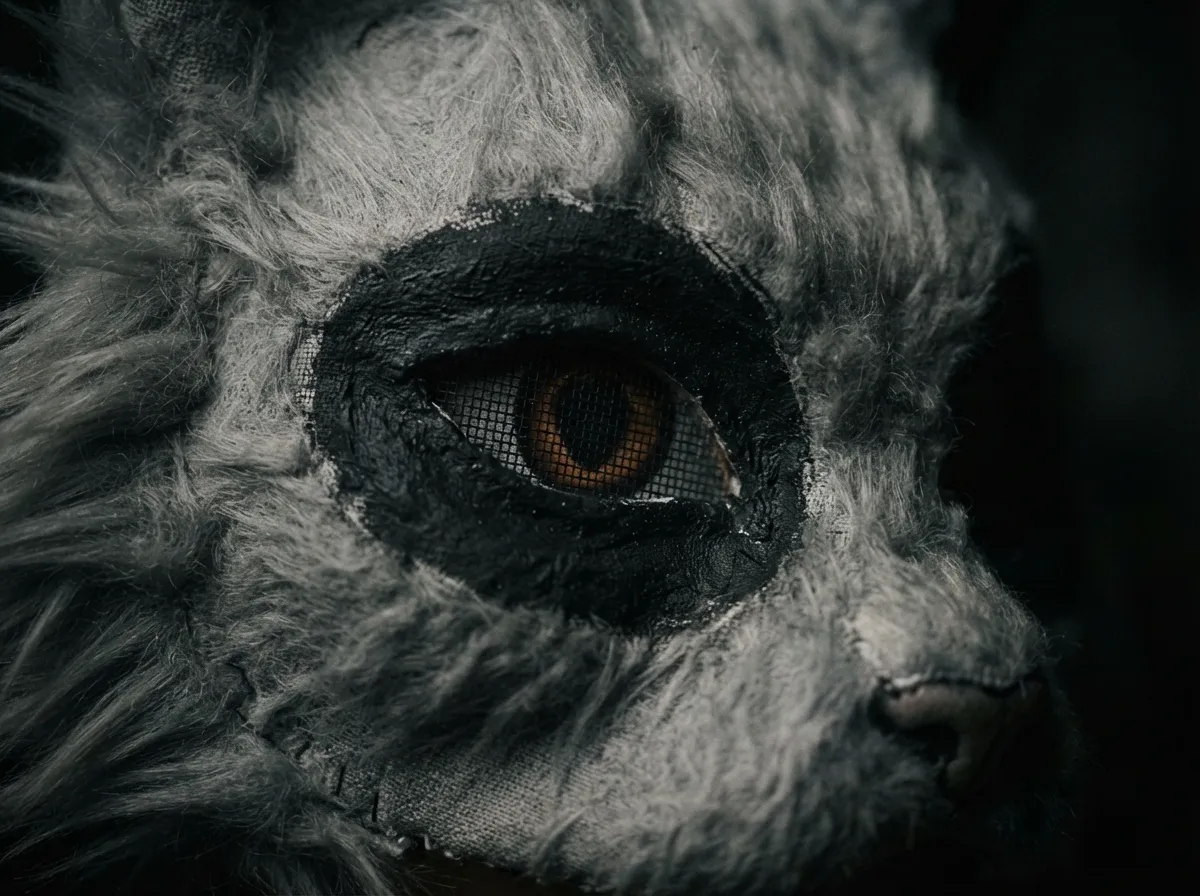
This is the marking that most clearly departs from real breed authenticity, and that departure is exactly the point. Official standards for the Norwegian Forest Cat explicitly disallow masked or pointed patterns in show cats, so a heavy, dark ring painted around each eye is an artistic choice rather than a copy of nature. Mask makers who use this technique are typically going for emotional intensity, using contrast to draw attention to the eyes as the focal point of the mask. In interpretive terms, this marking is often tied to heightened emotional expression or a more dramatic, intense version of the therian identity being portrayed.
“The markings people choose almost always trace back to something real about the breed, then get pushed further to say something personal,” is a sentiment echoed across mask-making tutorials and maker commentary throughout 2025 and 2026.
5. Ear Tuft Accents
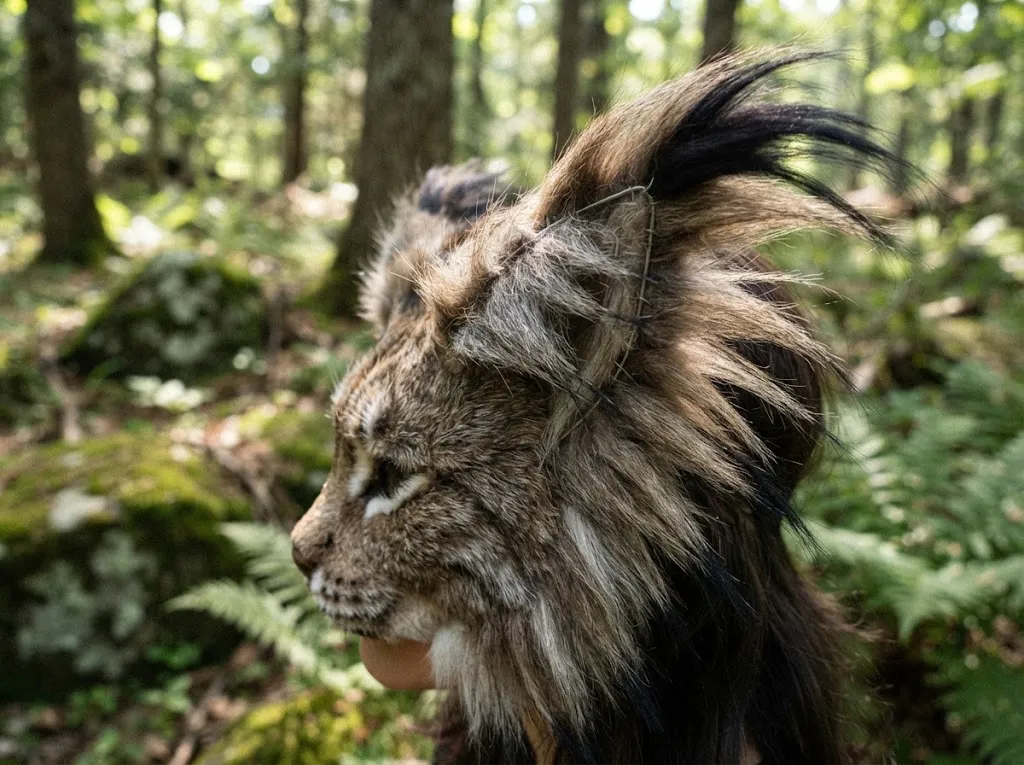
Heavily tufted ears are one of the defining physical traits of the Norwegian Forest Cat, evolved to protect against cold climates. On a mask, this is recreated using longer fur, sometimes dyed or painted at the tips to resemble lynx-style points. This marking is widely associated with heightened senses and alertness, drawing on the practical function tufted ears serve in real cats. Many makers treat visible, exaggerated ear tufting as a way to signal sharp instincts and a strong connection to wilder, less domesticated traits within their therian identity.
6. Cross or Geometric Symbol Overlays
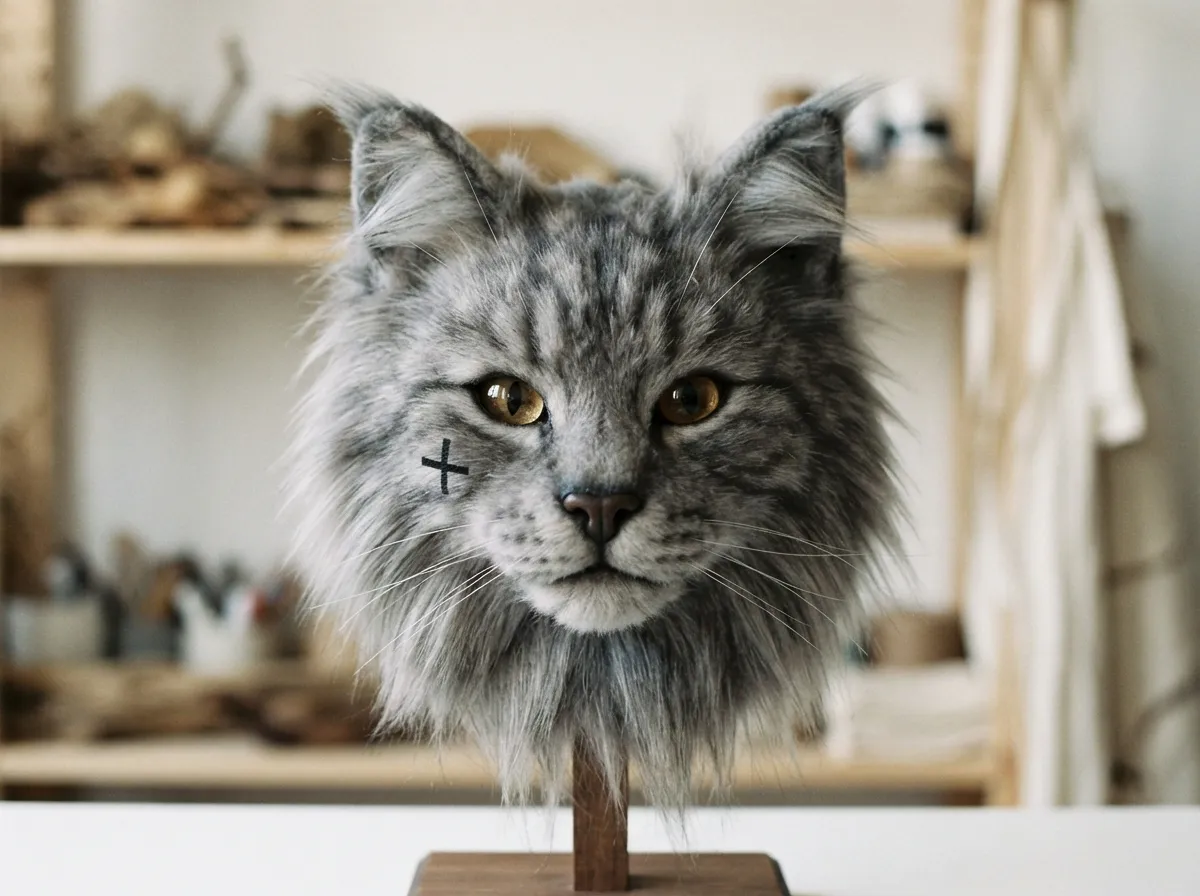
Unlike the first five markings, this one has no direct equivalent in real Norwegian Forest Cat coloring. Marketplace listings describe small painted crosses, circles, or other geometric shapes added to the cheek or forehead area purely as decorative or personal accents. Because these shapes are not tied to any real coat pattern, their meaning is entirely up to the individual maker or wearer. Some use a cross shape to represent a personal belief or milestone, while others choose a circle to represent wholeness or a completed transformation. This marking is the clearest example within 6 Stunning Norwegian Forest Cat Therian Mask Markings & What They Mean of a purely symbolic, self-defined choice rather than one rooted in breed biology.
Breed Standards Versus Therian Mask Artistry
It helps to see how real breed-approved patterns compare against the artistic liberties commonly taken in therian mask design. The table below summarizes the key differences.
| Marking Type | Allowed in Breed Standards | Common Mask Meaning |
|---|---|---|
| Classic Tabby Stripes | Yes | Heritage and camouflage |
| Silver Tipped Smoke | Yes | Mystery and quiet observation |
| White Blaze or Locket | Yes | Individuality within a shared identity |
| Bold Eye Rings | No | Emotional intensity |
| Ear Tuft Accents | Yes (natural trait) | Alertness and heightened senses |
| Geometric Symbol Overlay | No | Fully personal symbolism |
Notice that only two of the six markings, bold eye rings and geometric overlays, actually break from what official cat-fancy organizations recognize as authentic Norwegian Forest Cat coloring. The other four are grounded in real, documented breed traits, which is why they tend to feel more “natural” on a finished mask even though the meanings attached to them remain informal.
How to Choose the Right Marking for Your Therian Mask
Selecting from these six markings does not require picking just one. Most finished masks combine two or three of them to create a layered, personal design. A practical approach looks like this.
- Start with the base coat. Decide whether the mask will use a tabby, smoke, or solid gray base, since this determines how later markings will show up visually.
- Add one structural marking. Choose either tabby stripes or smoke shading as the primary pattern, since these cover the largest surface area of the mask.
- Layer in a white accent. A blaze or locket adds contrast and breaks up large blocks of color, making the mask read more clearly from a distance.
- Decide on eye treatment. Bold eye rings dramatically change the mood of the mask, so test this with removable paint or fabric before committing to a permanent version.
- Finish with ear and cheek details. Ear tufting and any geometric overlay are the final touches that personalize the mask and make it distinct from other Norwegian Forest Cat designs.
Materials matter as much as pattern choice. Current tutorials from 2025 and 2026 consistently recommend yarn or faux fur for the base coat, mesh fabric for eye visibility, felt or thin foam for the muzzle structure, and acrylic paint for fine detail work like stripes, rings, and symbols. Duck tape is also commonly used as a structural base layer before fur is applied, since it holds shape well without adding significant weight.
Frequently Asked Questions
Is there an official list of Norwegian Forest Cat therian mask markings?
No. No cat-fancy organization, therian group, or mask-making authority has published a formal, universally recognized list of six markings and their meanings. The markings covered in this article reflect common design patterns and community-attached meanings, not an official standard.
Can real Norwegian Forest Cats have masked markings?
No. Official breed standards from major registries specifically disallow masked or pointed patterns in show-quality Norwegian Forest Cats. Using a mask-style pattern on a therian mask is an intentional artistic departure from breed authenticity, not a recreation of a real cat’s coloring.
What markings are considered breed-accurate?
Tabby patterns, including classic, mackerel, and spotted variations, along with smoke, silver tabby, and various white distributions like blaze, locket, chest, belly, and paw markings, are all recognized under official breed standards.
Do I have to use all six markings on one mask?
No. Most successful designs use two or three of the six markings rather than all of them. Combining too many patterns can make a mask look cluttered rather than intentional.
What materials work best for adding these markings?
Yarn or faux fur works well for base coat texture, felt and foam are common for structural elements like the muzzle, mesh fabric is used for eye visibility, and acrylic paint handles fine detail work such as stripes and symbols.
Where can I find current tutorials for building these masks?
Short-form video platforms have hosted active tutorial content on this topic as recently as September 2026, including pattern bundles and step-by-step construction guides covering fur application, painting, and structural assembly.
Conclusion
The idea of 6 Stunning Norwegian Forest Cat Therian Mask Markings & What They Mean is best understood as a creative framework rather than an established fact, and that is not a weakness. It gives makers room to borrow real breed traits, like tabby striping, smoke shading, white blazes, and tufted ears, while still building something personal through choices like bold eye rings or geometric symbol overlays. The six markings covered here offer a practical starting point grounded in actual Norwegian Forest Cat characteristics, paired with meanings that reflect how the therian community has genuinely used them.
Anyone ready to build their own mask should start by researching current breed standard descriptions to understand which patterns are naturally accurate, then decide intentionally where to add artistic departures like bold eye rings or personal symbols. Testing marking placement with removable paint before committing to permanent fur and paint application will save time and materials. Most importantly, treat the meanings as a flexible guide rather than a fixed rulebook, since the most meaningful masks are the ones that reflect the individual wearer’s own interpretation of their Norwegian Forest Cat therian identity.