Snow Lynx Bengal Cat Traits That Make Them A Living Work Of Art
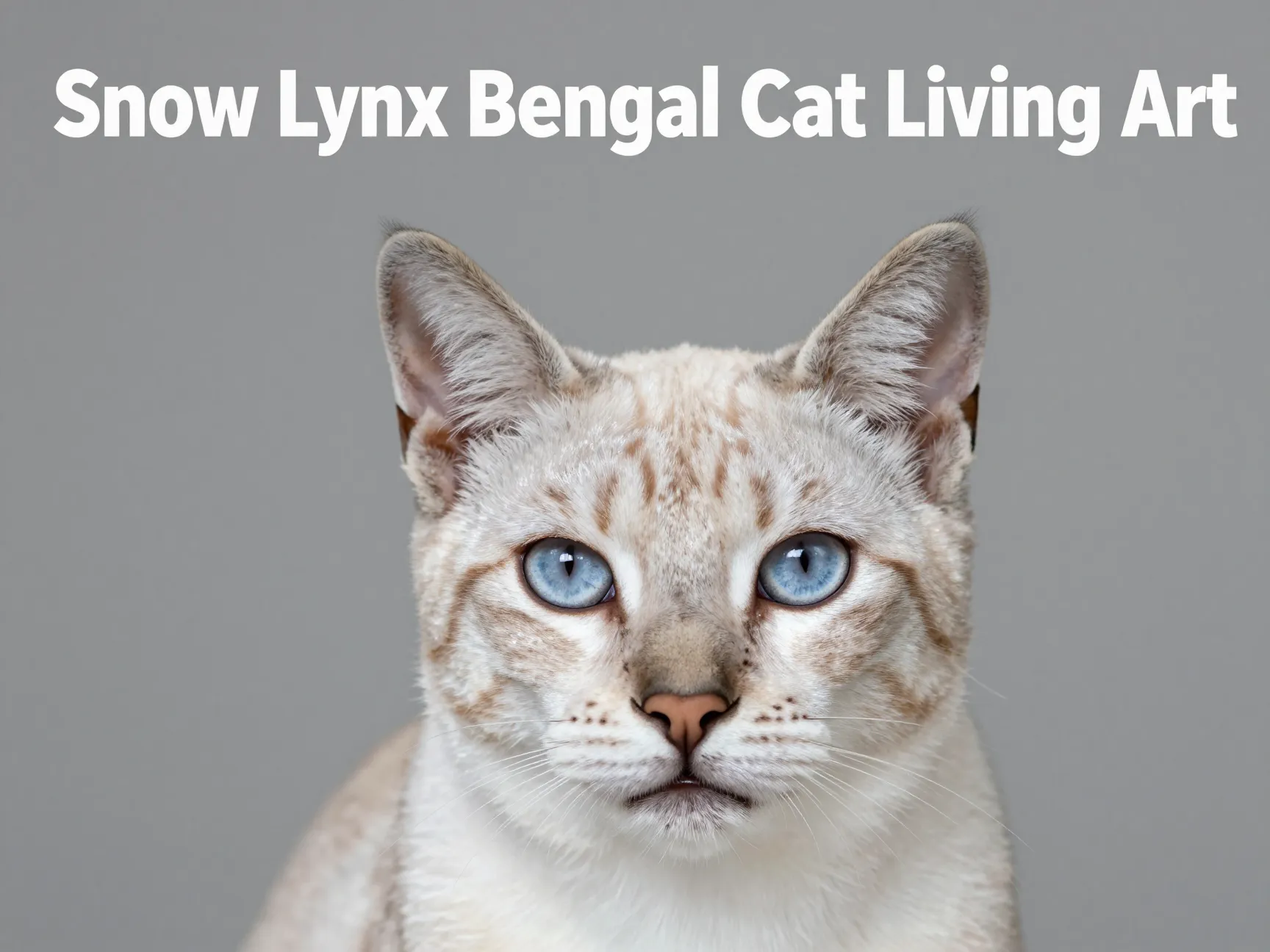
Fewer than one in five Bengal cats registered worldwide carry the recessive gene combination needed to produce the Snow Lynx pattern, according to breed color statistics tracked by major cat registries. That rarity is only part of the story. The other part is what happens when genetics, movement, and light collide on a single animal: a cat that looks less like a pet and more like a brushstroke frozen mid-motion. This article breaks down 6 Snow Lynx Bengal Cat Traits That Make Them A Living Work Of Art, explaining the science and the visual magic behind each one.
Disclosure: This post contains affiliate links. As an Amazon Associate, we earn from qualifying purchases, and at no extra cost to you.
Snow Lynx Bengals are not simply pale versions of the standard brown Bengal. They are the product of a specific genetic pathway tracing back to outcrosses with Siamese cats, and the result is a coat that behaves almost like a canvas that keeps developing after the painting has technically started. Understanding these traits helps explain why breeders, veterinarians, and everyday cat lovers keep describing this variety using words usually reserved for fine art.
Key Takeaways
- Snow Lynx Bengals get their signature pale coat and permanently blue eyes from the same recessive Siamese-linked gene, officially recognized as the Seal Lynx Point pattern by major breed standards.
- Their markings are not fully visible at birth. The pattern develops gradually over the first several months, similar to watching a photograph slowly come into focus.
- High-contrast rosettes or marbled swirls give many Snow Lynx Bengals a miniature snow leopard appearance, one of the most photographed traits in the breed.
- A pearlescent or “glitter” sheen on some coats reflects light in a way that few other domestic cat breeds replicate naturally.
- Beyond looks, Snow Lynx Bengals carry an athletic build and a famously vocal, intelligent temperament that matches their striking appearance.
Understanding the Snow Lynx Bengal Color Genetics
Before exploring the individual traits, it helps to understand where the Snow Lynx pattern comes from. Bengal cats descend from crosses between domestic cats and Asian leopard cats, bred originally to capture a wild appearance in a domesticated temperament. The Snow variety entered the picture later, when breeders introduced Siamese and Burmese bloodlines to expand the Bengal color palette.
That outcrossing introduced the albino gene series, which controls how much pigment appears in the coat. The Seal Lynx Point version of this gene, commonly called Snow Lynx, is recessive. A kitten needs two copies of the gene, one from each parent, to display the pattern. This is why Snow Lynx Bengals are statistically less common than brown or silver Bengals, and why breeders who specialize in this coloring often have long waiting lists.
Major cat registries, including The International Cat Association, formally recognize Snow Lynx as a legitimate and standard-compliant Bengal color class, alongside Seal Sepia and Seal Mink. This recognition matters because it confirms the coloring is not a novelty or a flaw. It is a documented, standardized part of the breed’s accepted genetic diversity.
With that genetic foundation established, the following six traits explain why this particular color combination produces such a visually arresting animal.
The 6 Snow Lynx Bengal Cat Traits That Make Them A Living Work Of Art
Each of the following traits contributes to an overall look that many breeders and veterinary behaviorists describe as one of the most visually complex coat patterns in the domestic cat world. Together, they explain why the phrase 6 Snow Lynx Bengal Cat Traits That Make Them A Living Work Of Art keeps appearing in breed discussions, cat shows, and social media captions.
1. Always-Blue, Crystalline Eyes That Anchor the Face
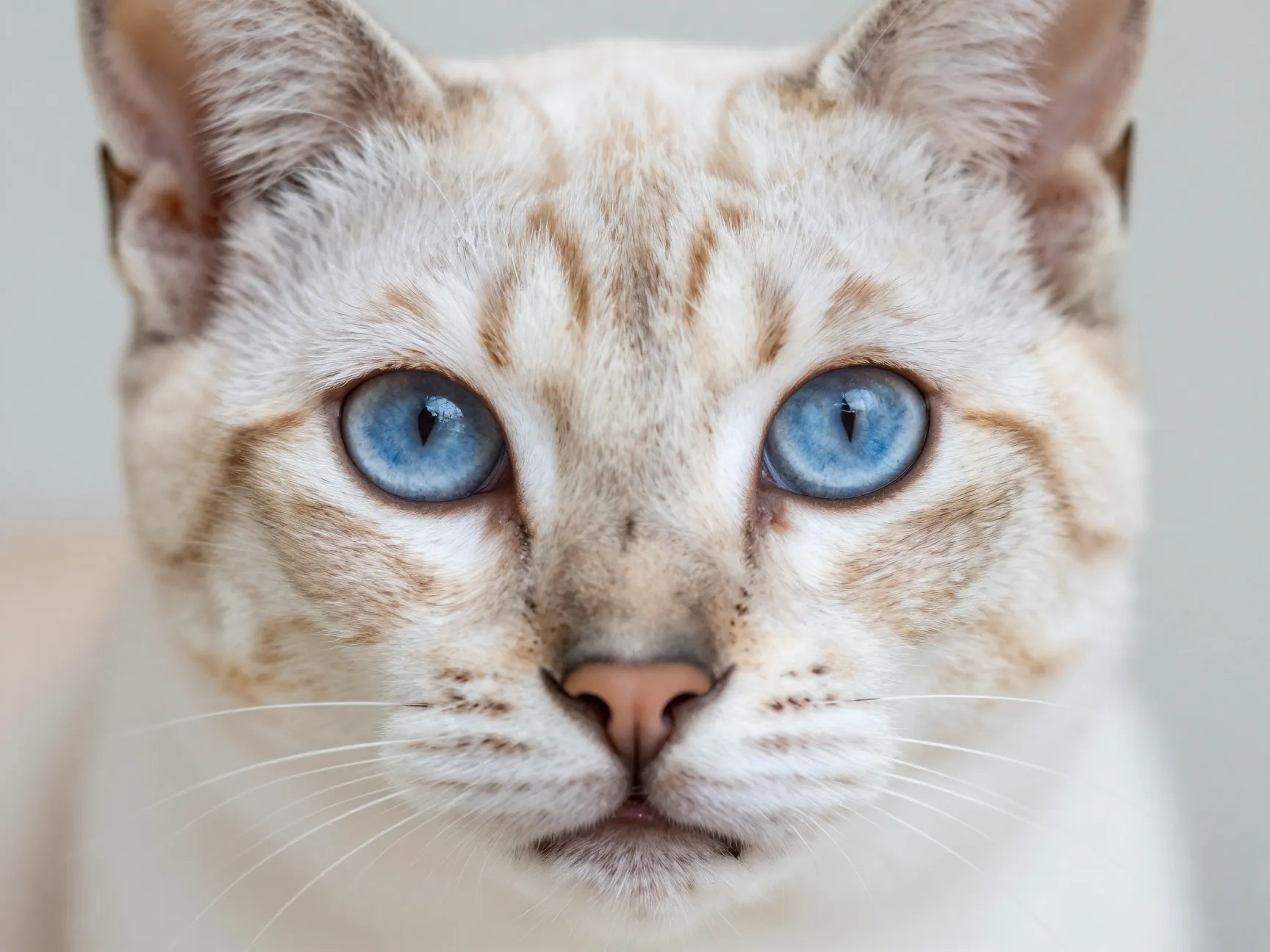
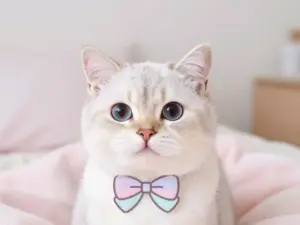
The single most distinctive feature of a Snow Lynx Bengal is its eye color. Unlike other Bengal color varieties, which can have gold, green, or hazel eyes, Snow Lynx Bengals retain blue eyes for life. This happens because the same gene responsible for the pale coat also restricts pigment development in the iris.
The blue tends to be deep and slightly icy, sometimes compared to aquamarine or pale sapphire depending on lighting. Because the surrounding fur is so light, the eyes become the visual focal point of the entire face, almost like a painter deliberately placing the brightest color at the center of a composition. Veterinary ophthalmologists note that this blue coloring is purely cosmetic and is not linked to the vision or hearing problems sometimes associated with blue-eyed white cats, since the underlying genetic mechanism is different.
2. A Pale Ivory or Cream Base Coat That Starts as a Blank Canvas
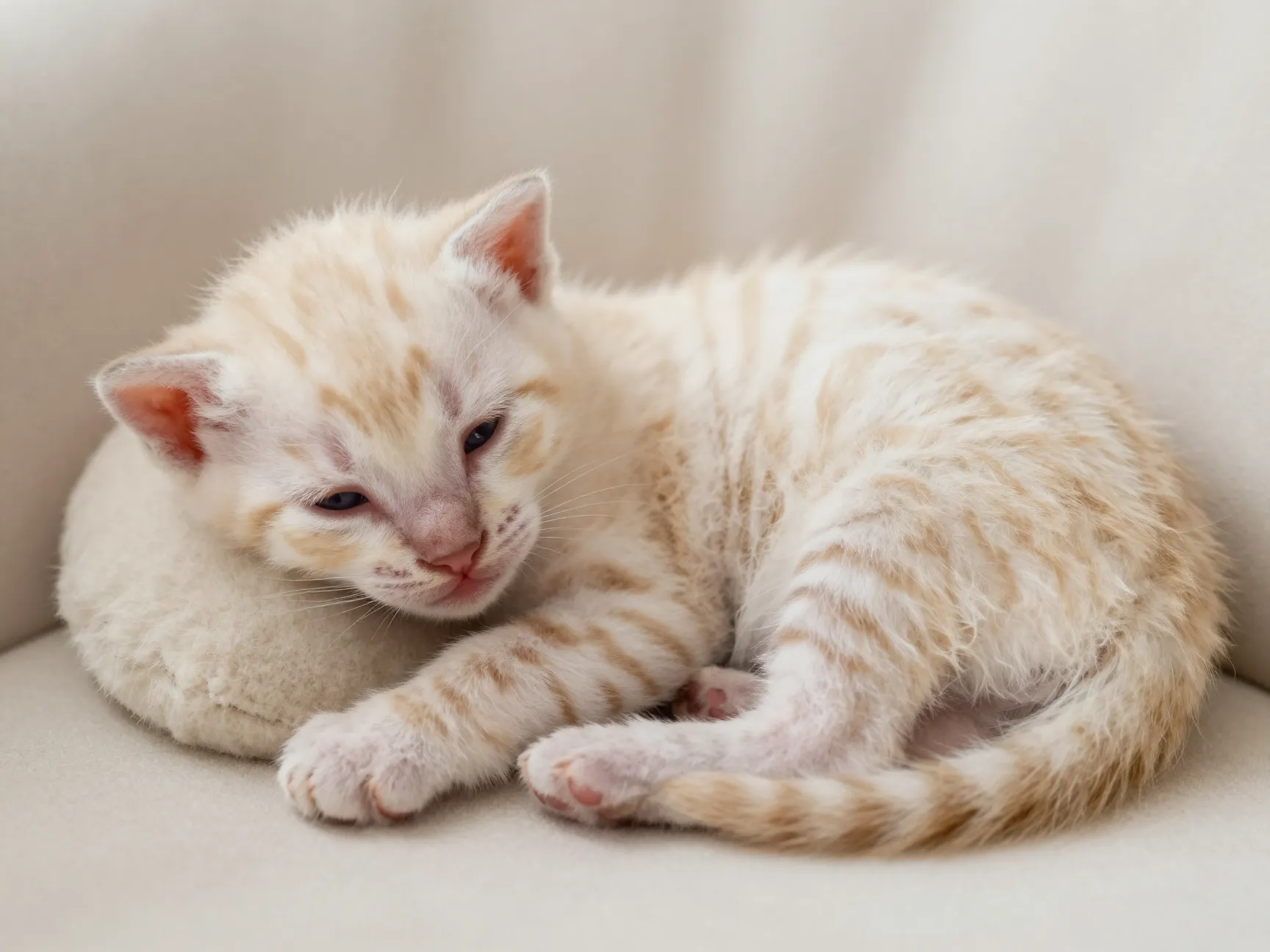
Snow Lynx Bengal kittens are born almost pattern-free. Their coats begin as a soft ivory, cream, or very light tan, with markings barely visible or completely absent. This is one of the traits that most surprises new owners, who sometimes worry their kitten will never develop the dramatic look they expected.
The lightness of the base coat is intentional from a breed-standard perspective. It creates a backdrop against which the darker rosettes or marbling can develop with maximum visual contrast later. Breeders sometimes describe this stage as “the primed canvas,” a term borrowed directly from painting, since an artist typically prepares a blank surface before applying pigment. The comparison is not just poetic. It reflects an actual, observable biological process that unfolds over the following months.
3. High-Contrast Rosetted or Marbled Patterns With a Miniature Snow Leopard Look
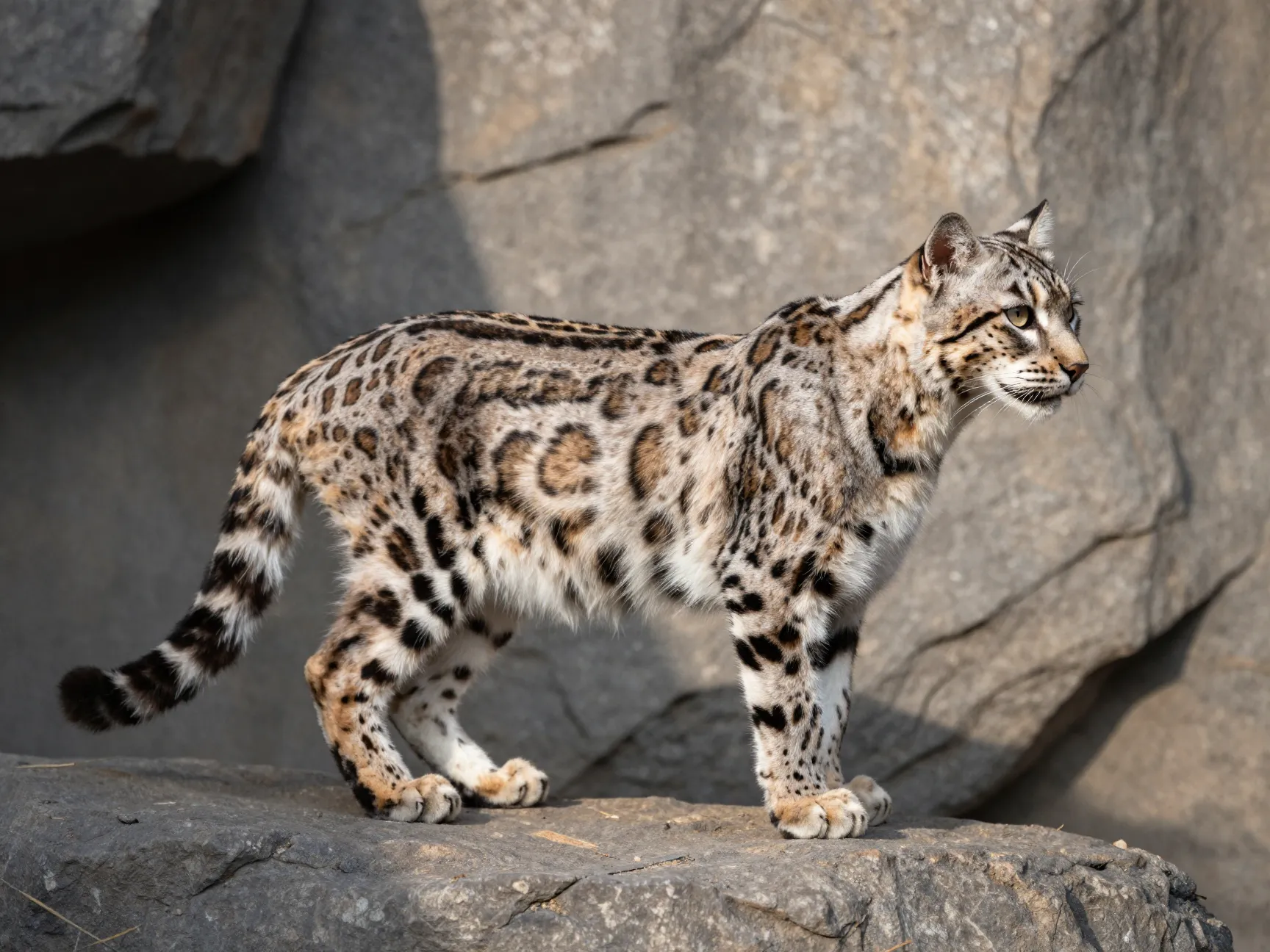
As the coat matures, the true artistry appears. Snow Lynx Bengals typically display one of two pattern types: rosetted, where dark outlined spots cluster in clover-like or arrowhead shapes, or marbled, where swirling bands of color flow across the body in a horizontal, almost painted design.
Because the background coat stays so pale, these markings show unusually high contrast compared to brown or silver Bengals. Breed enthusiasts frequently compare the resulting look to a miniature snow leopard, and the comparison holds up visually. Rosettes on a well-patterned Snow Lynx Bengal can appear two-toned, with a darker outline and a lighter center, closely mimicking the camouflage patterns seen in wild snow leopards native to Central Asian mountain ranges. This is considered one of the most desirable traits in breed-standard evaluations and cat show judging.
4. A Pearlescent or Glitter Sheen Across the Coat
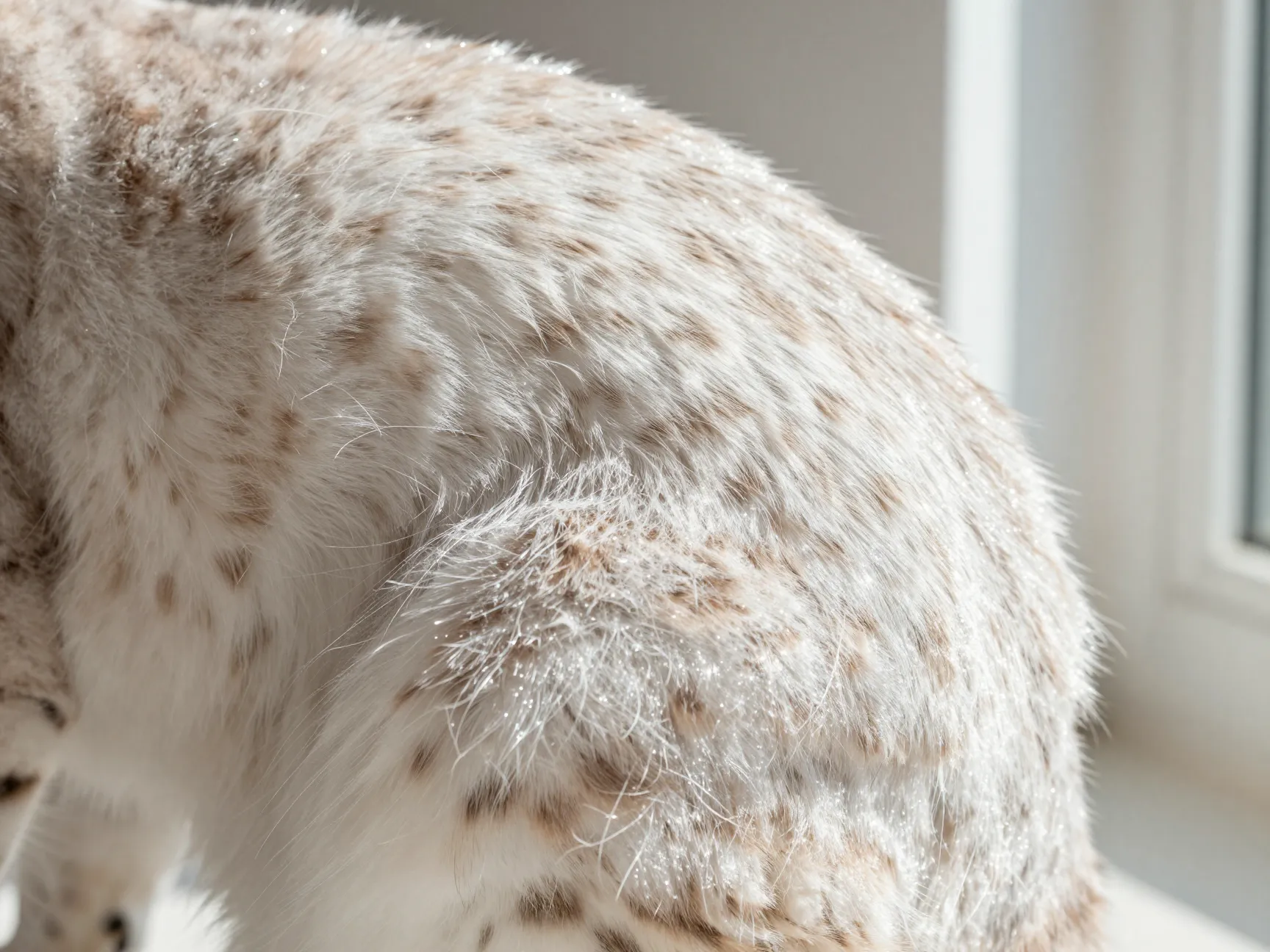
Some Bengal cats, including many Snow Lynx individuals, carry an additional coat trait separate from color and pattern: a glitter gene that gives individual hairs a translucent, almost hollow structure. When light hits the coat at certain angles, this creates a shimmering, pearlescent effect that looks strikingly similar to fine metallic dust settled on fur.
On a pale Snow Lynx base, this glitter effect is especially noticeable because there is less dark pigment to absorb the light. The overall impression under sunlight or studio photography can resemble a coat dusted with frost or crystalline particles, which is part of why breeders and cat photographers often describe these cats as “living snowflakes.” Not every Snow Lynx Bengal carries the glitter gene, since it is inherited separately from the Snow coloring itself, but when the two combine, the visual effect is considered a hallmark of exceptional breed quality.
5. An Athletic, Muscular Build That Moves Like a Miniature Wild Cat
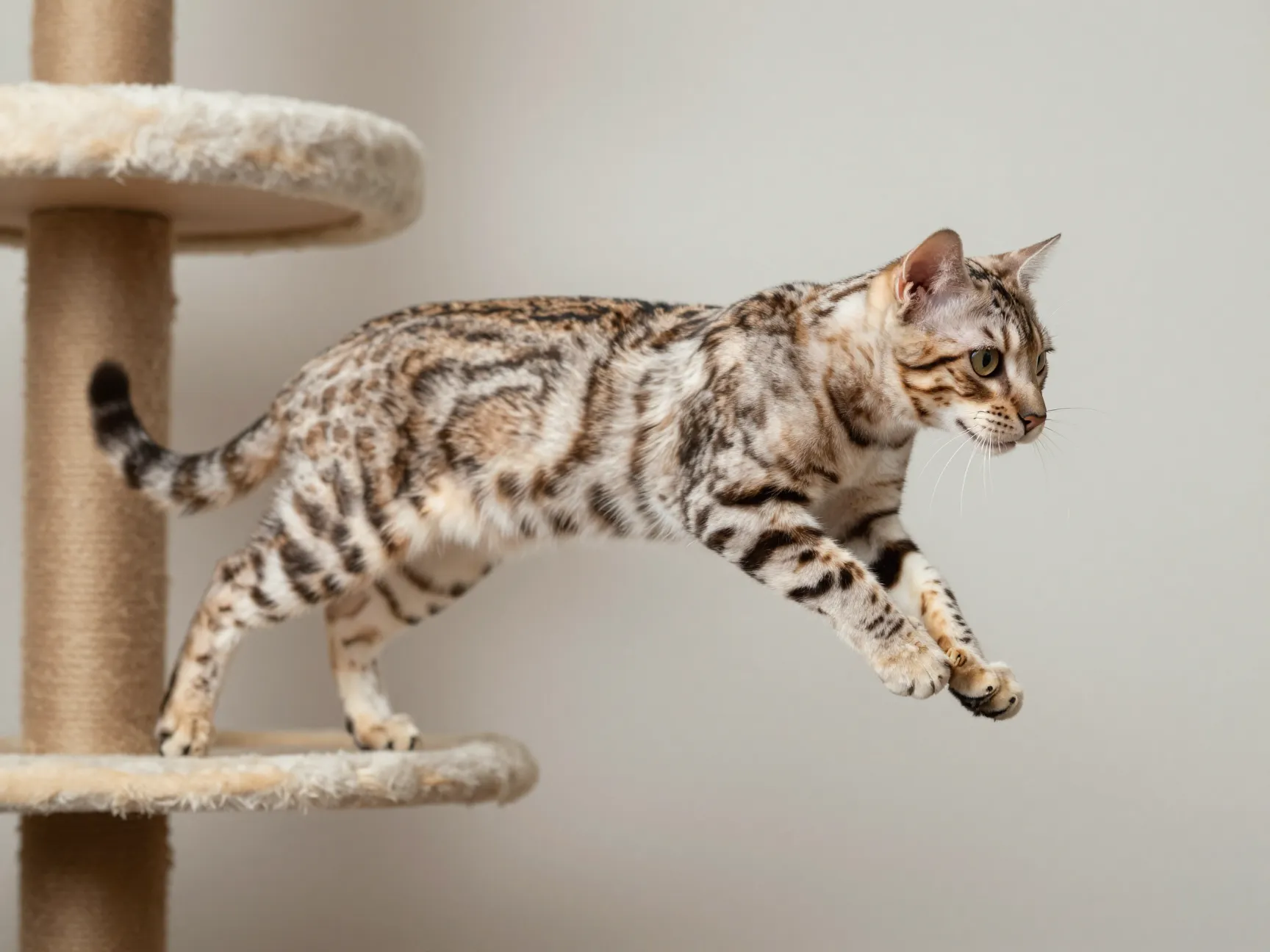
Visual patterning is only part of what makes this breed feel like a work of art in motion. Snow Lynx Bengals inherit the same athletic, muscular body structure found across all Bengal color varieties, a trait linked directly to their leopard cat ancestry. They typically have a long, low, sleek body, strong hindquarters, and a distinctive rolling gait sometimes called the “Bengal glide.”
This build is not just for show. It supports the breed’s well-documented agility, including a fondness for climbing to the highest point in any room and jumping distances that surprise first-time owners. When a Snow Lynx Bengal’s pale, patterned coat moves across furniture or leaps between surfaces, the combination of muscular movement and high-contrast markings genuinely resembles footage of a wild snow leopard navigating rocky terrain, scaled down to a domestic size.
6. An Intelligent, Vocal, and High-Energy Social Temperament
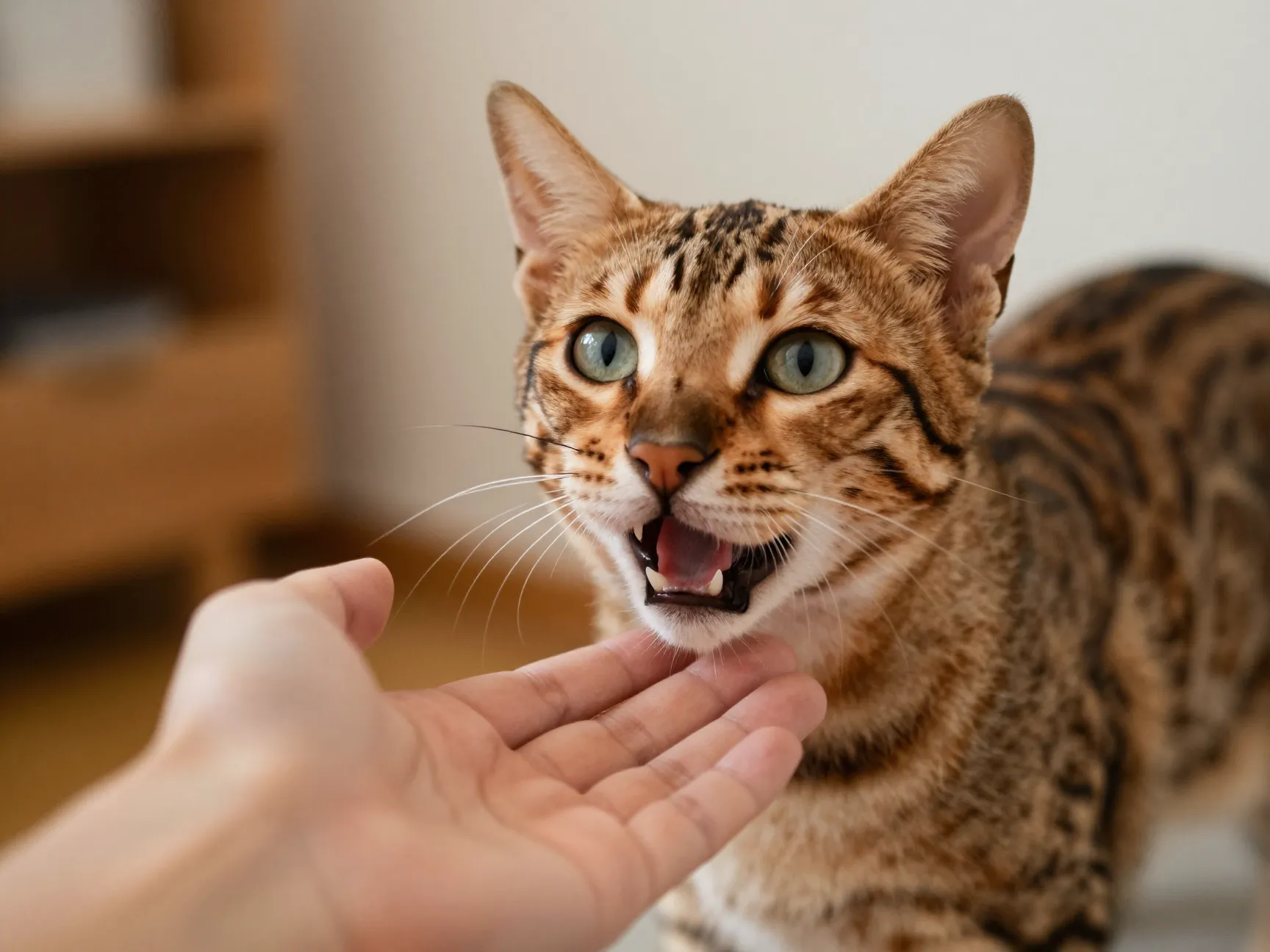
The final trait rounding out this list has nothing to do with appearance, yet it shapes how owners experience the breed’s visual traits daily. Snow Lynx Bengals, like all Bengals, are known for being highly intelligent, vocal, and socially demanding cats. They tend to form strong bonds with their households, follow people from room to room, and communicate through a wide vocabulary of chirps, trills, and meows rather than staying quiet.
This temperament matters for the “living art” framing because it means owners are not dealing with a passive display piece. The patterns and colors described above are constantly in motion, draped over an animal that is climbing, playing, problem-solving, and interacting throughout the day. Breed behavior specialists frequently note that Bengals require more mental stimulation than average domestic cats, including puzzle feeders and vertical climbing space, to prevent boredom-driven behavior.
How the Snow Lynx Bengal’s Coat Evolves From Kitten to Masterpiece
Understanding the timeline behind these traits helps explain why the “living work of art” comparison holds up scientifically rather than just poetically. The coat does not appear finished at birth. It develops in stages, much like a painting built up in layers.
| Life Stage | Coat Appearance | What Is Happening |
|---|---|---|
| Birth to 2 weeks | Nearly solid pale cream, markings faint or invisible | Pigment genes have not fully activated in the hair follicles yet |
| 4 to 8 weeks | Faint outlines of spots or marbling appear | Kitten coat begins shedding, revealing early pattern structure |
| 3 to 6 months | Rosettes or marbling darken noticeably | Adult coat starts growing in, contrast increases |
| 8 to 12 months | Pattern reaches near-final contrast and shape | Coat texture matures, glitter sheen becomes more visible |
| 18 to 24 months | Fully developed adult pattern and coat density | Physical and coat maturity typically complete |
Breeders often warn prospective owners not to judge a Snow Lynx Bengal kitten’s future looks too early. A kitten that appears almost blank at eight weeks can develop dramatic, high-contrast rosettes by its first birthday. This slow reveal is part of what makes the breed feel genuinely artistic rather than mass-produced. No two cats finish the process the same way, since pattern placement, rosette shape, and glitter intensity vary from individual to individual even within the same litter.
Why Breed Standards Treat Snow Lynx as a Recognized Masterpiece Class
It is worth noting that the Snow Lynx pattern is not an unofficial or fringe variation. Cat fancier organizations that govern Bengal breed standards, including The International Cat Association, formally classify Seal Lynx Point as a fully recognized color division eligible for championship competition. Judges evaluating Snow Lynx Bengals at cat shows look specifically for the traits outlined above: clear blue eye color, strong contrast between the pale base coat and darker markings, well-defined rosette or marble shape, and a coat that reflects light with visible glitter where the gene is present.
This formal recognition matters for anyone considering a Snow Lynx Bengal, whether for showing, breeding, or simply as a companion animal. It confirms that reputable breeders are working from an established genetic and aesthetic framework rather than an arbitrary trend. Prospective owners should always ask breeders for genetic testing records and registration paperwork, since verifying lineage helps confirm both the health background and the authenticity of the Snow Lynx classification.
What Experts and Breeders Are Saying About Snow Lynx Bengals Right Now
Recent commentary from Bengal breed specialists and feline color geneticists has increasingly framed Snow Lynx Bengals using artistic language rather than purely technical description. Terms like “living snowflakes” and “painted cats” appear frequently in breeder marketing and cat enthusiast forums, reflecting growing public appreciation for the visual complexity of the pattern.
This shift also aligns with wider interest in exotic-looking domestic cat breeds. Snow Lynx Bengals frequently appear in social media content specifically because their coat transformation photographs well at every life stage, from the pale newborn look to the fully developed adult pattern. Some breed commentators predict that demand for Snow Lynx and other Snow-variety Bengals will likely continue rising over the next several years as awareness spreads, though this outlook remains a speculative trend rather than a confirmed market statistic. Anyone considering acquiring one of these cats should treat such projections as general guidance rather than a guarantee of future availability or pricing.
Caring for the Traits That Make a Snow Lynx Bengal Special
Appreciating these six traits also means understanding basic care considerations tied to them.
- Sun exposure and coat protection. Very pale coats can be more visually sensitive to sun-bleaching over time, so indoor cats generally maintain deeper contrast longer than those with frequent direct sun exposure.
- Eye health monitoring. While the blue eye color itself is not linked to health defects in Bengals, routine veterinary eye checks remain a standard part of responsible ownership for any cat breed.
- Coat maintenance for shine. Regular brushing helps distribute natural oils that enhance the pearlescent glitter effect, keeping the coat’s light-reflecting quality visible.
- Enrichment for temperament needs. Given the breed’s high intelligence and energy, climbing towers, puzzle feeders, and interactive play sessions help prevent the destructive boredom behaviors Bengals are known for when under-stimulated.
- Nutrition supporting muscle tone. A high-protein diet appropriate for active breeds supports the lean, muscular build that gives the Snow Lynx Bengal its athletic, wild-cat silhouette.
Frequently Asked Questions
Are Snow Lynx Bengal kittens born white?
No. They are typically born a very pale ivory or cream color rather than pure white, with markings that are faint or barely visible at birth and that darken over the following months.
Do all Snow Lynx Bengals have blue eyes?
Yes. Blue eyes are a defining, permanent feature of the Seal Lynx Point genetic pattern and remain blue throughout the cat’s life, unlike some other Bengal color varieties.
What is the difference between Snow Lynx and other Snow Bengal types?
Snow Bengals include three main subtypes: Seal Lynx Point, Seal Mink, and Seal Sepia. Seal Lynx Point, commonly called Snow Lynx, produces the lightest coat and always has blue eyes, while Mink and Sepia variations can have aqua or green-gold eyes and slightly deeper base coat tones.
Does the glitter sheen appear on every Snow Lynx Bengal?
No. The glitter trait is inherited independently from the Snow coloring itself, so some Snow Lynx Bengals have a glossy but non-glittered coat, while others show a pronounced sparkling effect under light.
At what age is a Snow Lynx Bengal’s pattern fully developed?
Most individuals reach close to their final adult pattern and coat density between eighteen and twenty-four months, although noticeable contrast improvements are typically visible well before the first birthday.
Conclusion
The 6 Snow Lynx Bengal Cat Traits That Make Them A Living Work Of Art outlined here, permanently blue crystalline eyes, a pale ivory canvas coat, high-contrast rosetted or marbled patterns, pearlescent glitter sheen, an athletic snow-leopard-like build, and an intelligent, vocal temperament, combine to create one of the most visually distinctive cat varieties recognized by major breed standards today. None of these traits exist in isolation. Together they form a slow-developing, genuinely artistic transformation that unfolds over the cat’s first two years of life.
Anyone drawn to this breed should take the next step seriously: research reputable, health-tested breeders, ask for TICA or equivalent registration documentation, and be prepared for a companion whose personality is every bit as vivid as its coat. A Snow Lynx Bengal rewards patient, engaged owners with a living, breathing display of natural artistry that keeps evolving long after the kitten stage ends.