Essential Cat Meme Drawing Templates For Aspiring Artists
Seventy-four templates. That is how many cat meme designs sit inside a single design platform’s library right now, waiting for someone to stretch, redraw, or restyle them into something new. Multiply that number across half a dozen major platforms and the total library of ready-made cat meme layouts available to artists today runs into the hundreds. Yet most beginners still open a blank canvas and stare at it, unsure where to start.
Disclosure: This post contains affiliate links. As an Amazon Associate, we earn from qualifying purchases, and at no extra cost to you.
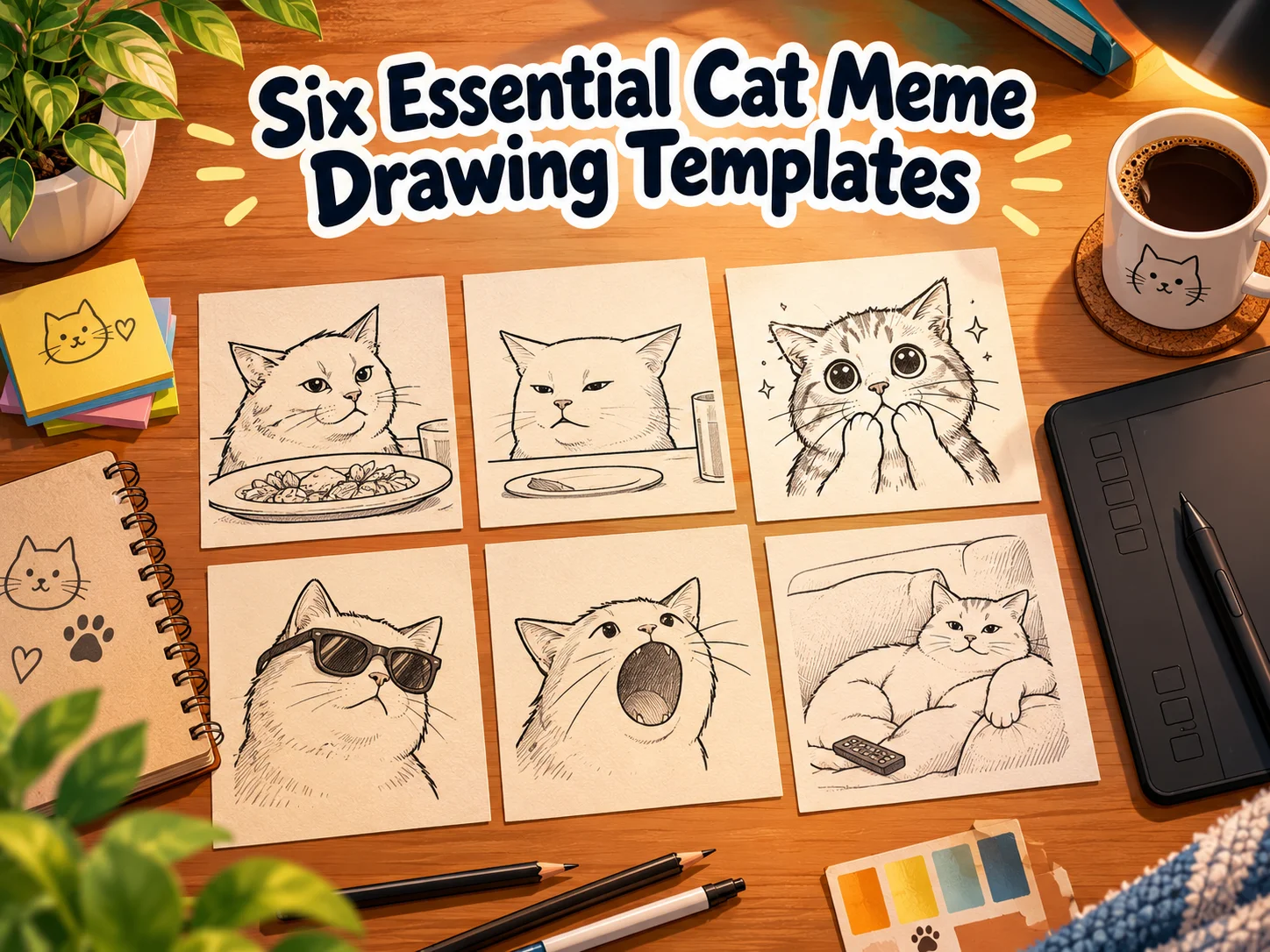
That is the gap this guide closes. The 6 Essential Cat Meme Drawing Templates For Aspiring Artists outlined below give beginners and hobbyists a structured way to practice expression, composition, and comedic timing without reinventing the wheel every time. Whether the goal is a hand-drawn illustration, a digitally colored panel, or an animated greenscreen clip, these six template types cover nearly every format found across the platforms that dominate meme creation in 2026.
Key Takeaways
- The 6 Essential Cat Meme Drawing Templates For Aspiring Artists span reaction faces, skeptical expressions, before-and-after panels, greenscreen action scenes, vector line art, and classic caption blocks.
- Major platforms such as Canva, Adobe Express, Kapwing, CapCut, Freepik, and Playground each host large, frequently updated libraries of free, customizable cat meme templates.
- These templates are useful references because they teach proportion, expression, and layout without requiring advanced drawing skill from day one.
- Exporting in formats like PNG, GIF, and MP4 lets artists move easily from static sketches to shareable animated content.
- Practicing with existing templates before drawing from scratch builds faster instincts for comedic timing and visual clarity.
Why Cat Meme Drawing Templates Matter for Aspiring Artists
Meme drawing is a distinct skill from general illustration. It demands exaggerated expression, tight cropping, and instant readability, often within a fraction of a second of screen time. Templates solve this learning curve by showing artists exactly how professional meme designers structure a face, a caption, or a two-panel joke. Instead of guessing where to place text or how wide to draw a cat’s eyes for maximum comedic effect, a template provides a tested blueprint.
This is why platforms like Canva, Adobe Express, and Kapwing have invested heavily in template libraries rather than leaving users with blank editors. Canva alone lists dozens of dedicated cat meme templates, each fully customizable with text, color, and layout changes. Adobe Express offers a similar browser-based editing experience, allowing artists to swap images, adjust captions, and export finished designs in minutes. Kapwing goes further by pairing its template collection with a dedicated Meme Maker tool, letting users upload their own cat photos or illustrations, resize for platforms like Instagram and TikTok, and export as PNG, GIF, or MP4.
For aspiring artists, this template-driven ecosystem is less about copying and more about pattern recognition. Studying how a “surprised cat” template positions the eyebrows, or how a two-panel joke balances text weight between frames, builds an internal library of comedic drawing instincts. Over time, artists graduate from tracing templates to creating original compositions that follow the same underlying logic.
It also matters because meme culture rewards speed and consistency. Viewers recognize familiar formats instantly, which means a well-structured template can carry a joke even before the artist adds a single original line. Learning these structures early gives beginners a reliable framework to fall back on when creativity stalls.
The 6 Essential Cat Meme Drawing Templates For Aspiring Artists
The following six template categories represent the most useful and widely available starting points for anyone learning to draw cat memes. Each one teaches a different technical or comedic skill, and together they cover the full range of formats found across today’s leading design platforms.
1. The Universal Reaction-Face Template
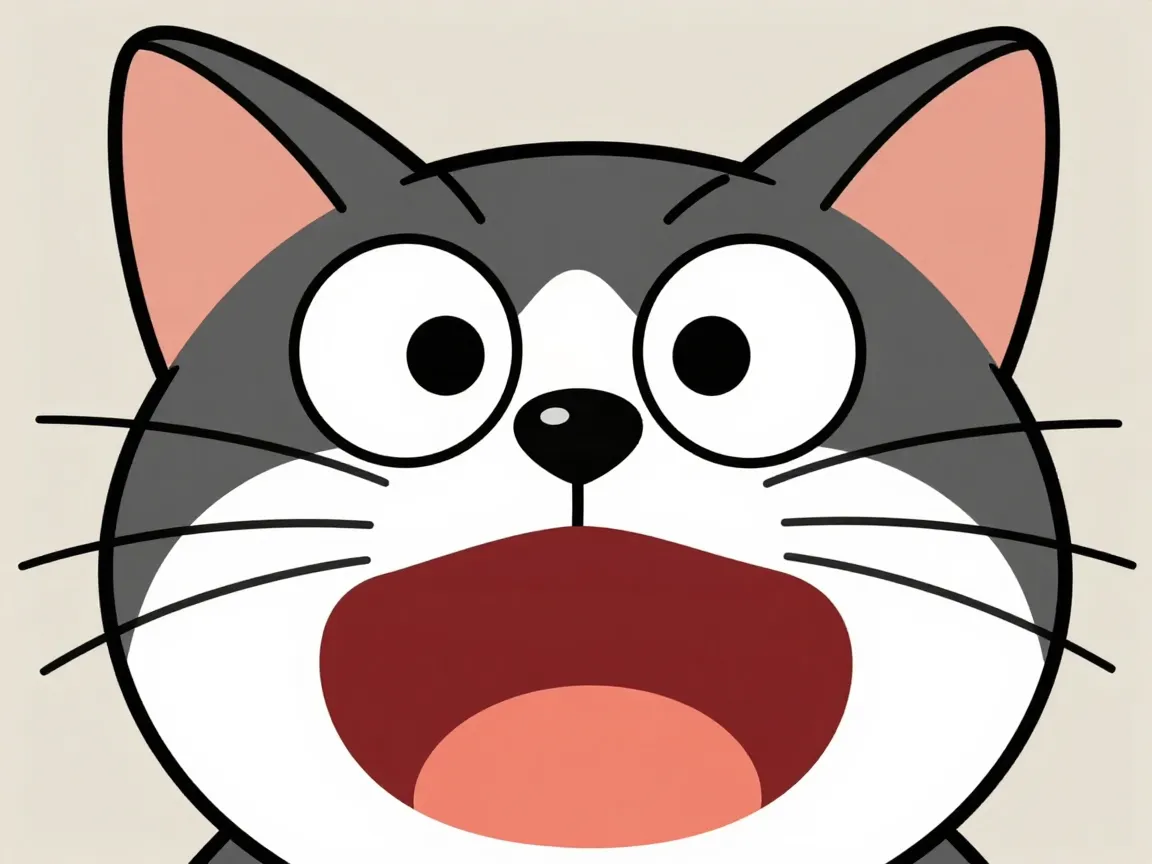
The reaction-face template is the foundation of almost every cat meme ever drawn. It focuses entirely on the eyes, mouth, and ear position to convey shock, joy, confusion, or panic in a single frame. Artists practicing this template learn to exaggerate features just enough to read clearly at thumbnail size, a skill borrowed directly from traditional cartooning.
Design platforms lean heavily on this format because it converts so well across contexts. A single reaction face can be reused for dozens of different captions, which is why libraries built around drag-and-drop caption fields, font controls, and quick color changes have become standard. Beginners should start here because mastering exaggerated facial proportions makes every other template on this list easier to draw.
2. The Side-Eye Skeptical Cat Template
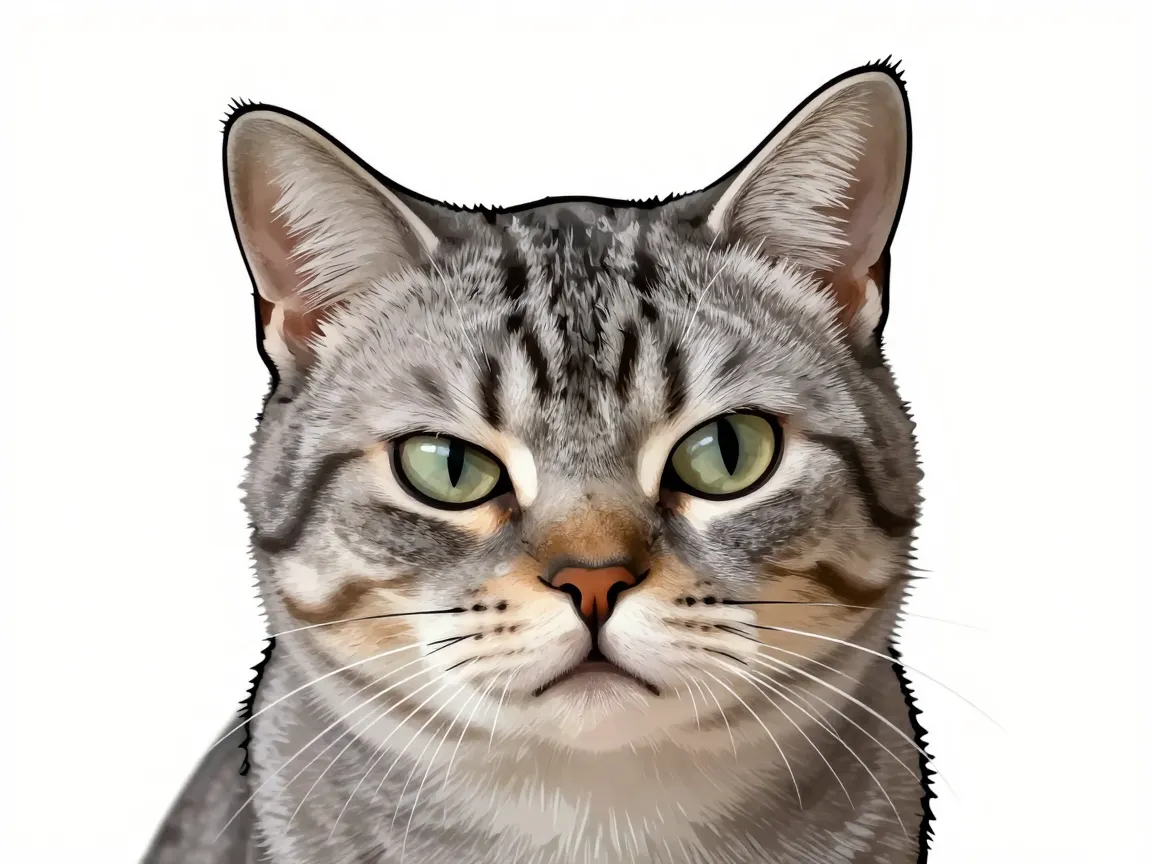
Few expressions carry as much comedic weight as a cat giving a slow, judgmental side-eye. This template teaches artists how to draw asymmetry effectively, since the joke depends on one eye narrowing while the other stays neutral or wide. It is a subtle but powerful lesson in how small facial shifts change meaning entirely.
This template style appears frequently across meme template hubs because it pairs so well with sarcastic or ironic captions. Artists working on paper or in vector software should practice drawing the same base face twice, once neutral and once skeptical, to see exactly how little needs to change for the tone to shift. This comparison exercise builds real command over subtle expression work.
3. The Two-Panel Before-and-After Cat Template
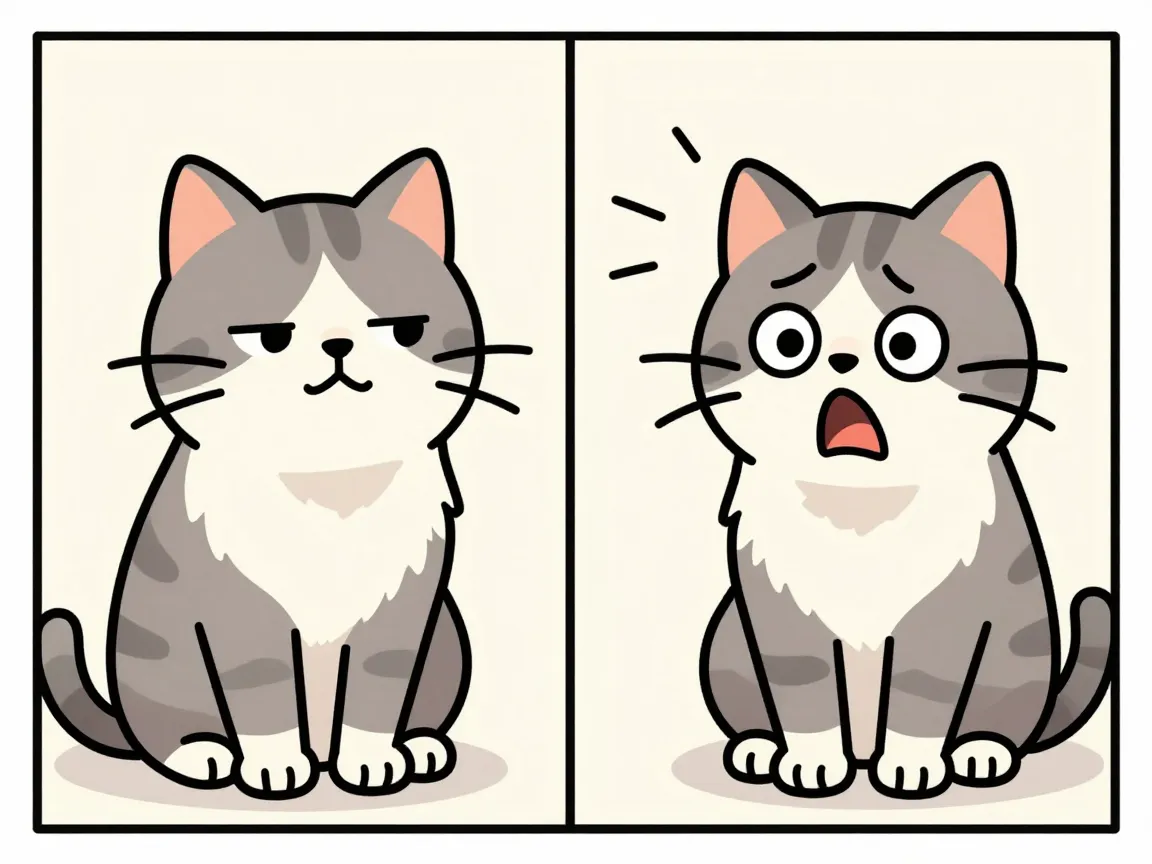
The before-and-after format is a compositional exercise as much as a drawing one. It requires artists to plan two connected scenes that tell a complete visual joke, usually contrasting expectation with reality. This template forces beginners to think about pacing, since the punchline depends entirely on the gap between panel one and panel two.
Many meme maker tools support this structure natively, offering resizable panel grids that adjust for square, vertical, or widescreen social formats. Practicing this template teaches artists how to distribute visual weight across multiple frames, a skill that transfers directly into comic strip work, storyboarding, and short-form animation.
4. The Greenscreen Action Cat Template
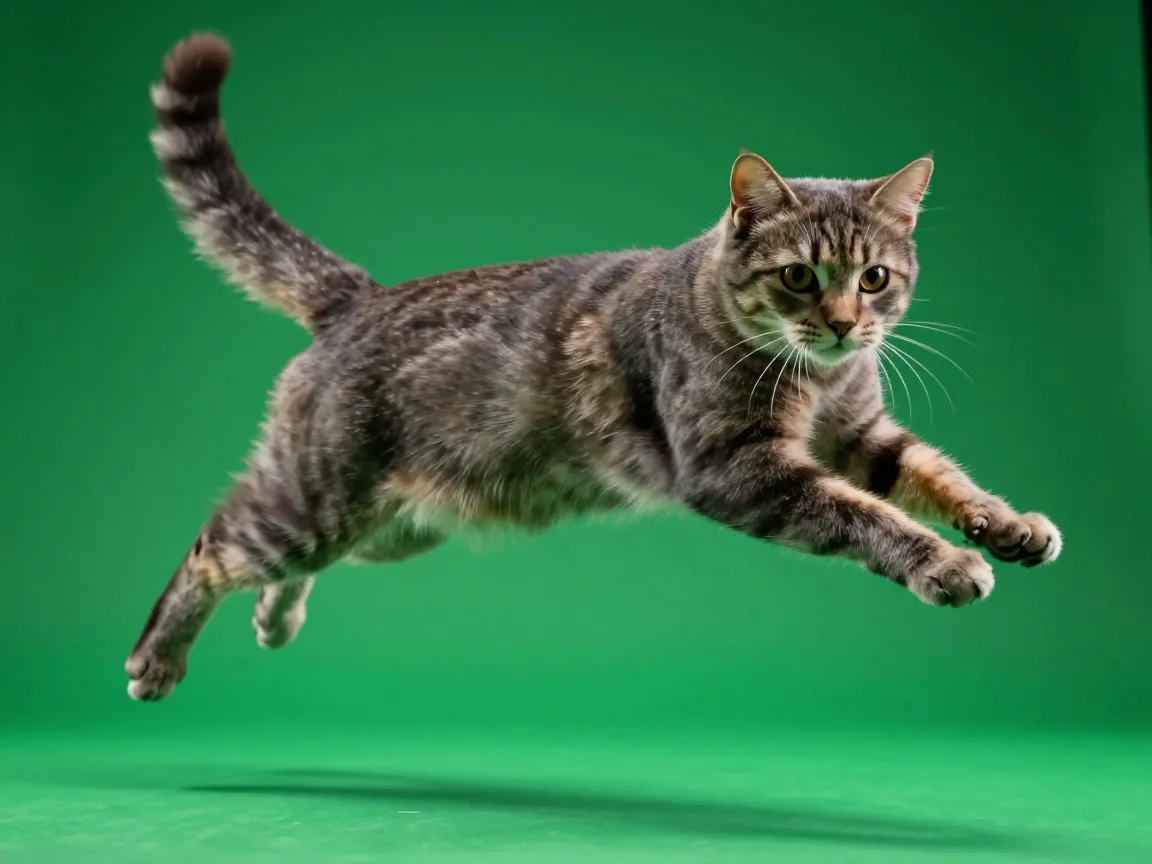
Video-first platforms have pushed the greenscreen cat template into the mainstream, particularly through short clip libraries built around dramatic or exaggerated cat poses. While these templates originate as video assets, they double as excellent drawing references because they capture dynamic motion frozen at its most expressive point, a leaping cat, a startled jump, or a dramatic turn toward the camera.
Artists can screenshot key frames from these greenscreen clips and use them as gesture-drawing references, practicing how weight shifts through a cat’s body during rapid movement. This template category also introduces aspiring artists to compositing concepts, since greenscreen formats are designed for layering original artwork or footage on top of a transparent background, a useful bridge skill for anyone moving toward digital or mixed-media meme creation.
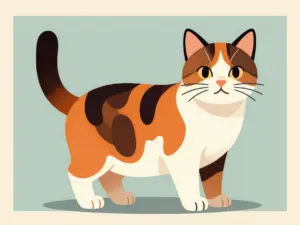
5. The Vector Line-Art Cat Template
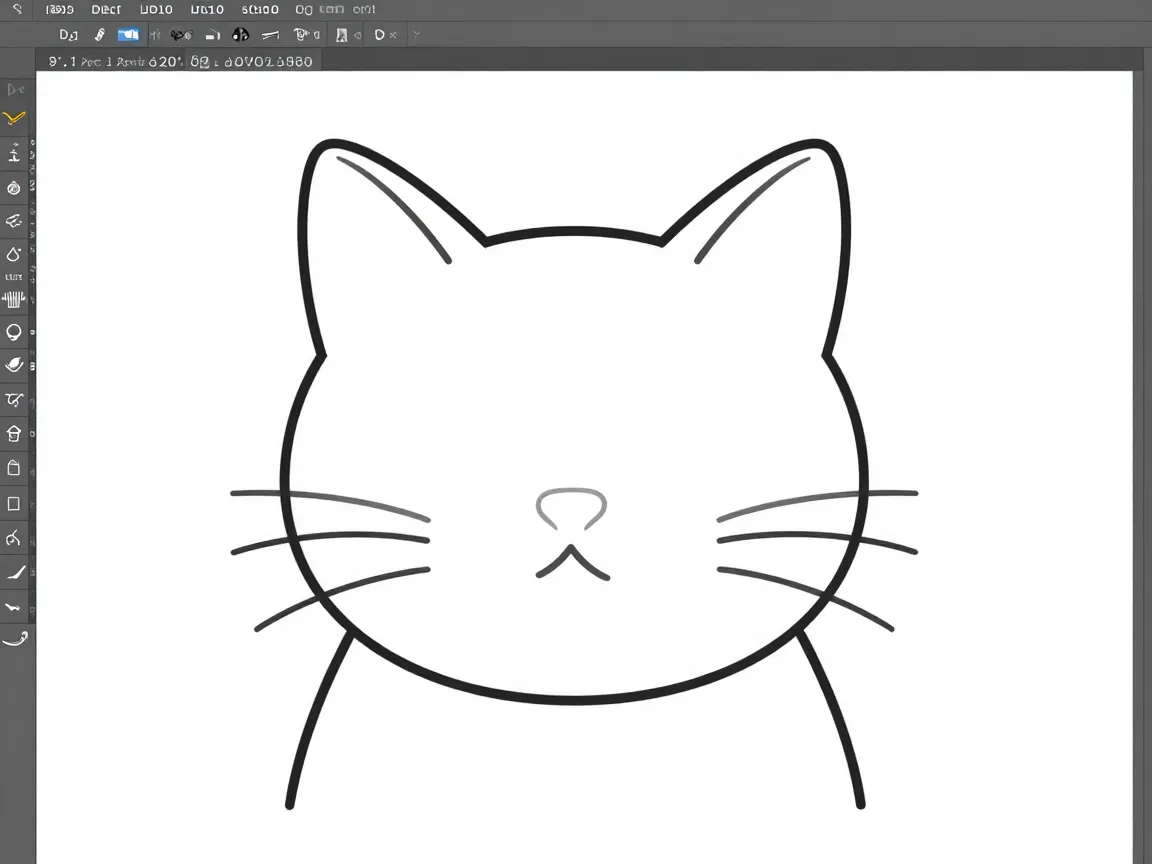
For artists who want clean, scalable results, vector-based cat meme templates offer the clearest technical training ground. These files are built for editing in vector software, which means every line, curve, and fill can be adjusted without losing quality at any size. This makes the vector template category ideal for practicing precision, since sloppy anchor points or uneven curves are immediately visible.
Marketplaces offering vector cat meme assets typically organize their libraries by relevance and update them frequently, giving artists a steady stream of fresh reference material. Working through several vector templates teaches control over line weight consistency, one of the most important technical skills for anyone hoping to produce professional-looking illustrated memes rather than rough sketches.
6. The Captioned Classic Meme-Block Template
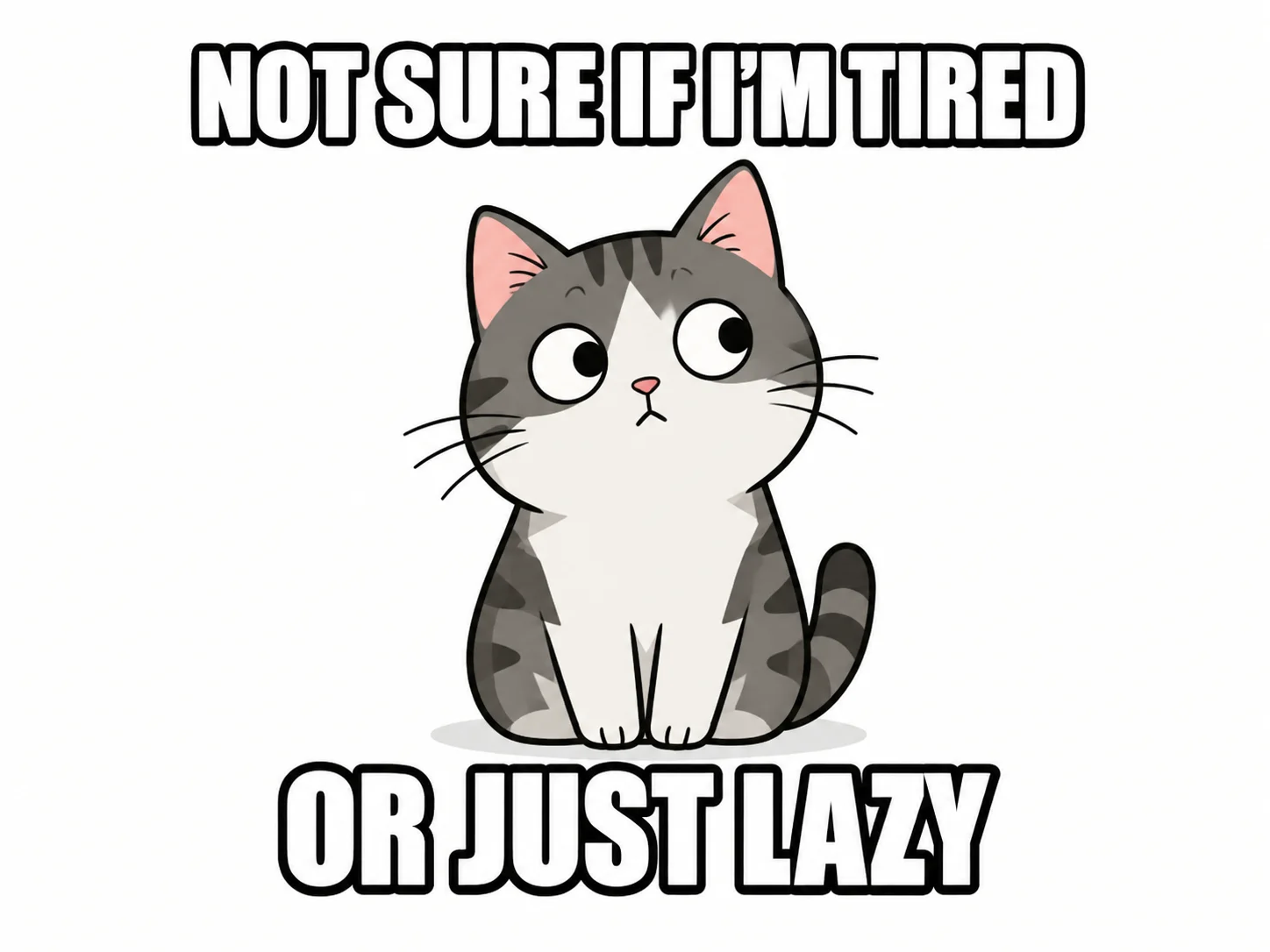
The final essential format is the traditional meme block, bold white text with black outlines stacked above and below a central image. Despite newer formats emerging every year, this classic structure remains a core reference point because it teaches typography discipline. Artists must learn how much space text needs, how large it should be relative to the image, and how to avoid crowding the composition.
This template style also reinforces a lesson every meme artist eventually learns the hard way: readability always outranks decoration. A gorgeous drawing with cluttered, illegible text will always underperform a simpler drawing with clean, well-placed captions. Practicing this format across several different cat expressions helps beginners internalize spacing rules they can apply to any future meme design.
How to Choose the Right Cat Meme Drawing Template
Not every template suits every project. Matching the right format to the right goal saves time and produces stronger results.
- Match template type to output goal. Static social posts pair best with reaction-face or side-eye templates, while short-form video content benefits more from greenscreen action formats.
- Consider skill level honestly. Beginners should start with reaction-face and side-eye templates before attempting vector line art, which demands more technical precision.
- Check export flexibility. Templates that export in multiple formats, including PNG, GIF, and MP4, offer more room to experiment across platforms without starting over.
- Prioritize customization depth. Templates with strong caption controls, font libraries, and color adjustment tools allow for more original variation, reducing the risk of work looking generic or copied.
- Test on the intended platform first. A template resized for Instagram may not translate cleanly to a widescreen video format, so previewing final dimensions before committing to a full drawing avoids wasted effort.
Tips for Customizing Cat Meme Templates Like a Pro
Templates are starting points, not finished products. The following practices help transform a generic template into something that feels original and polished.
- Redraw rather than trace whenever possible. Using a template as a proportion guide while redrawing freehand builds muscle memory far faster than direct tracing.
- Adjust one variable at a time. Change either the expression, the pose, or the caption first, then layer in additional changes once the first adjustment feels solid.
- Study negative space. Many strong meme drawings succeed because of what is left out, not just what is drawn in. Leaving breathing room around a cat’s face often improves readability more than adding detail.
- Build a personal template library. Save modified versions of favorite formats in a dedicated folder so future projects can start from a stronger, more personalized baseline rather than a generic default.
- Cross-train across formats. Practicing all six essential template types, rather than repeating just one, develops a more flexible artistic skill set that transfers well beyond cat memes specifically.
Common Mistakes to Avoid When Using Cat Meme Templates
Even with strong reference material, certain habits slow down progress or weaken final results.
- Overcrowding the composition. Adding too many visual elements, extra text, background details, or competing colors, dilutes the comedic clarity that makes meme formats effective in the first place.
- Ignoring proportion shifts. Templates are often calibrated for a specific canvas size, and stretching or squeezing a drawing to fit a different aspect ratio can distort facial proportions in ways that hurt readability.
- Relying on a single template repeatedly. Sticking to one favorite format limits skill growth. Rotating through different template types, especially the six essentials outlined above, builds a much broader technical range.
- Skipping the thumbnail test. Many memes are viewed first as tiny thumbnails on a phone screen. Failing to check how a drawing reads at small sizes often reveals problems invisible at full resolution.
- Underestimating caption placement. Text that overlaps important facial details or crowds the edges of a frame consistently performs worse than captions given clear, dedicated space.
Frequently Asked Questions
Are cat meme drawing templates free to use for practice and sharing?
Most major platforms, including Canva, Adobe Express, Kapwing, CapCut, and Playground, offer free access to a large portion of their cat meme template libraries, with straightforward editing and export options for personal or social use.
Do I need advanced software to use these templates?
No. Reaction-face, side-eye, and classic caption-block templates can be practiced with basic drawing tools or even browser-based editors. Vector line-art templates require dedicated vector software, but this can be introduced gradually as skills develop.
Which template should a complete beginner start with?
The universal reaction-face template is the strongest starting point. It teaches core expression skills that make every other template on this list easier to approach afterward.
Can these templates be used for animated content, not just static images?
Yes. Greenscreen action templates in particular are built for video and animation workflows, making them useful references for artists interested in motion-based meme content rather than static drawings alone.
How often do these template libraries get updated?
Frequently. Platforms such as Kapwing and CapCut have refreshed their cat meme collections multiple times throughout 2026, adding new poses, greenscreen formats, and caption styles on a rolling basis.
Conclusion
Mastering cat meme illustration does not require inventing new formats from nothing. The 6 Essential Cat Meme Drawing Templates For Aspiring Artists covered here, reaction faces, skeptical side-eyes, before-and-after panels, greenscreen action scenes, vector line art, and classic caption blocks, give beginners a proven framework for building real skill quickly. Each format teaches something specific: expression control, comedic pacing, motion reference, technical precision, or typography discipline.
The most effective next step is simple. Pick one template type this week, practice it five separate times using different cat expressions or poses, then move to the next format on the list. Within six weeks of rotating through all six essentials, most beginners notice a clear jump in confidence, speed, and originality. Templates are training wheels, not permanent crutches, and the artists who progress fastest are the ones who use them deliberately, then set them aside once the underlying skills become second nature.