Creative Emoji Cat Ideas To Text, Draw, And Use In Your Chats
A single cat emoji can carry more emotional weight than an entire paragraph of text. There are now more than 450 cat-related emoji and variations cataloged across major emoji databases, plus over 110 cat text emoticons that predate the modern emoji keyboard entirely. That is not a niche hobby anymore. It is a full visual language, and most people are only using a tiny fraction of it.
Disclosure: This post contains affiliate links. As an Amazon Associate, we earn from qualifying purchases, and at no extra cost to you.
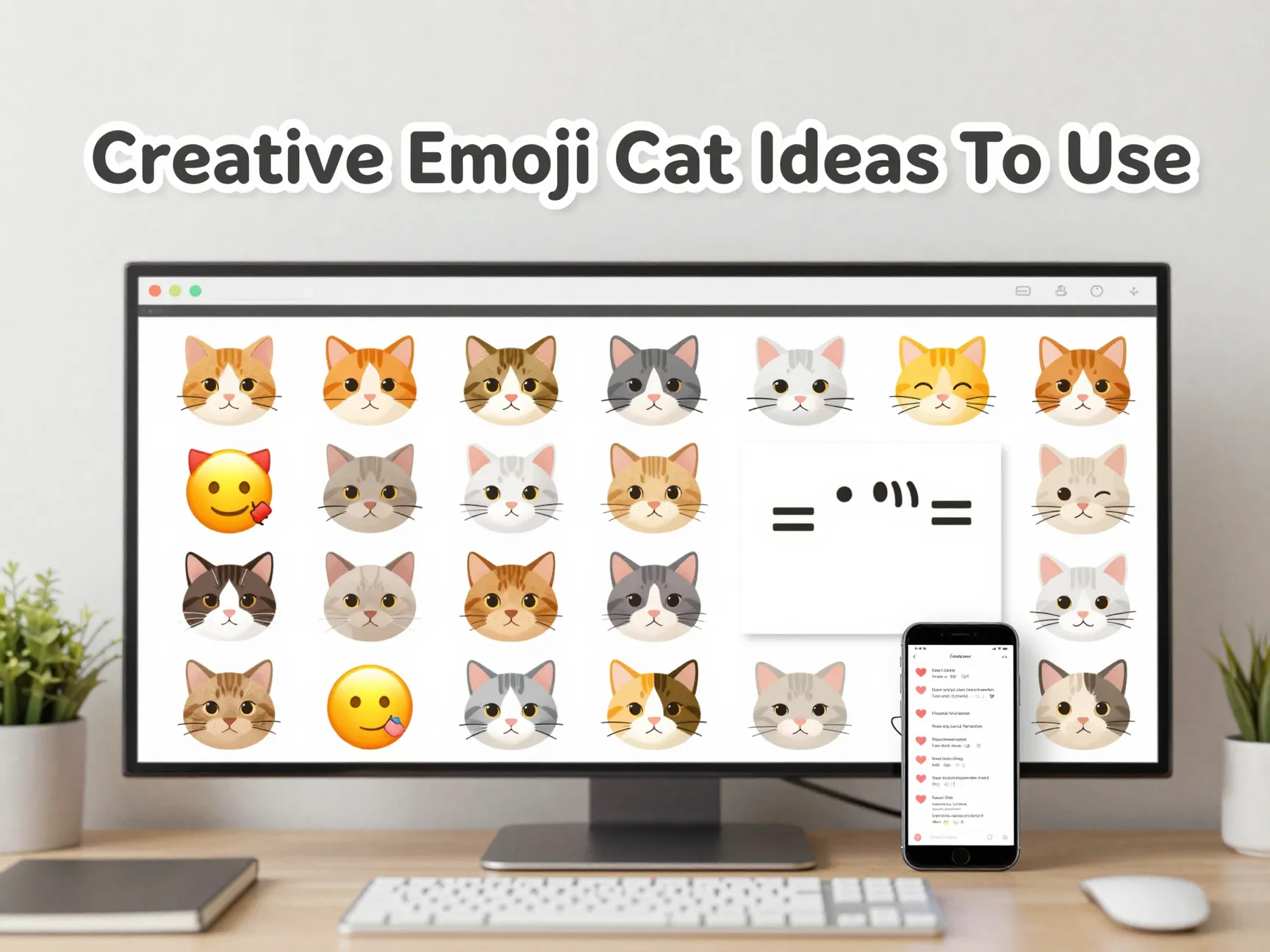
This guide breaks down 6 Creative Emoji Cat Ideas To Text, Draw, And Use In Your Chats so that anyone texting a friend, flirting with a partner, or designing a sticker pack can pull from a wider, smarter set of options. Instead of defaulting to the same grinning cat face every time, these ideas show how to build mood, tone, and personality into a message using nothing but tiny pictures of cats.
The sections below cover everything from emotional storytelling with cat faces to kaomoji text art and meme-ready designs. Each idea includes practical examples, common pairings, and a few notes on avoiding awkward misreads. By the end, choosing among 6 Creative Emoji Cat Ideas To Text, Draw, And Use In Your Chats will feel less like guesswork and more like second nature.
Key Takeaways
- The core cat emoji set includes at least 16 standard cat faces and symbols, such as 😺, 😸, 😻, 😼, 😽, 🙀, 😿, 😾, 🐱, 🐈, and 🐈⬛, each carrying a distinct emotional meaning.
- Emotional storytelling with cat faces lets a single message map a full mood arc, from delight to shock to sadness, without extra words.
- Romantic and flirty cat combos like 😽❤️🐾 or 😺💕 work well for casual affection, though some cat-plus-symbol pairings can carry suggestive undertones in certain contexts.
- Seasonal themes, kaomoji text art, and meme-style cat designs extend basic emoji into more decorative, shareable formats for social posts and video chats.
- Tone management matters. Faces like 😼 and 🙀 can read as sarcastic or dramatic if used without softening context, so pairing them with hearts or paw prints helps clarify intent.
1. Emotional Storytelling With Cat Faces01
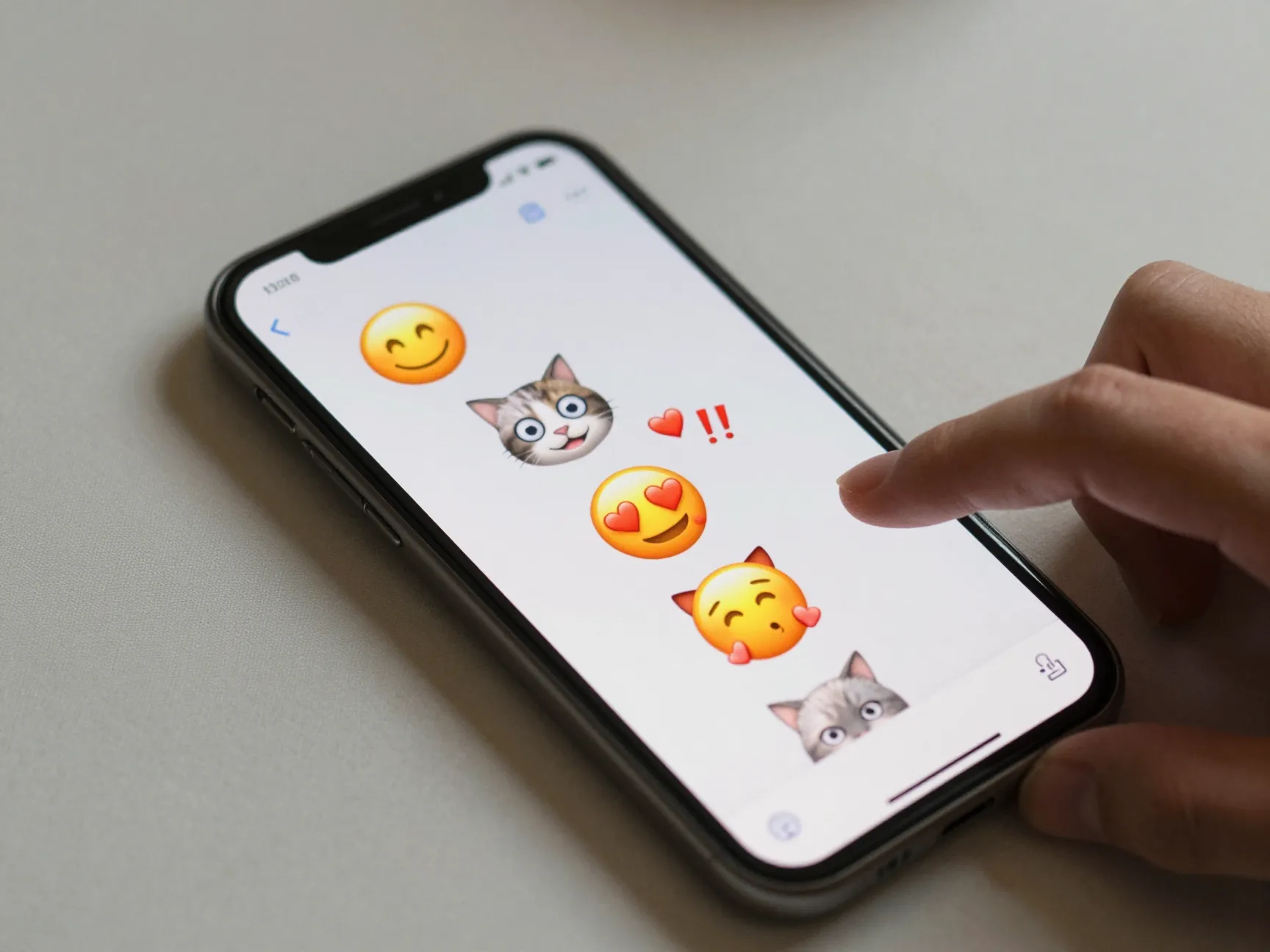
The expressive cat-face lineup is the backbone of nearly every cat emoji strategy. This set includes 😺 (smiling cat), 😸 (grinning cat with smiling eyes), 😹 (cat with tears of joy), 😻 (heart-eyes cat), 😼 (wry smile cat), 😽 (kissing cat), 🙀 (weary or shocked cat), 😿 (crying cat), and 😾 (pouting cat). Each one maps to a specific emotional register, which means a string of these faces can function like a tiny comic strip.
The trick to using this idea well is sequencing. A message that starts calm and ends dramatic reads very differently from one that jumps straight to shock. Consider these common emotional scripts:
- Adoration arc01. Pairing 😻 with red hearts signals full-on affection, often used when reacting to a cute photo or a sweet gesture from a friend.
- Disappointment arc02. Combining 😿 with rain or broken heart symbols softens bad news, turning a rejection or a canceled plan into something gentler and almost funny.
- Shock arc03. Using 🙀 alongside lightning bolts or exclamation marks captures surprise, fear, or an unexpected plot twist in a group chat story.
What makes this idea powerful is that cat faces carry more personality than generic smiley emoji. A weary cat feels more dramatic than a plain frowning face, and a wry-smile cat adds a layer of sass that a standard smirk cannot quite match. Recent emoji guides describing 6 Creative Emoji Cat Ideas To Text, Draw, And Use In Your Chats consistently point to this expressive set as the foundation for everything else on this list.
One caution worth repeating: 😼 and 🙀 are frequently misread. Without softening context, a wry-smile cat can come across as passive-aggressive, and a weary cat can look like genuine distress rather than playful drama. Adding a paw print or a heart nearby usually fixes the ambiguity.
2. Romantic And Flirty Cat Combos02
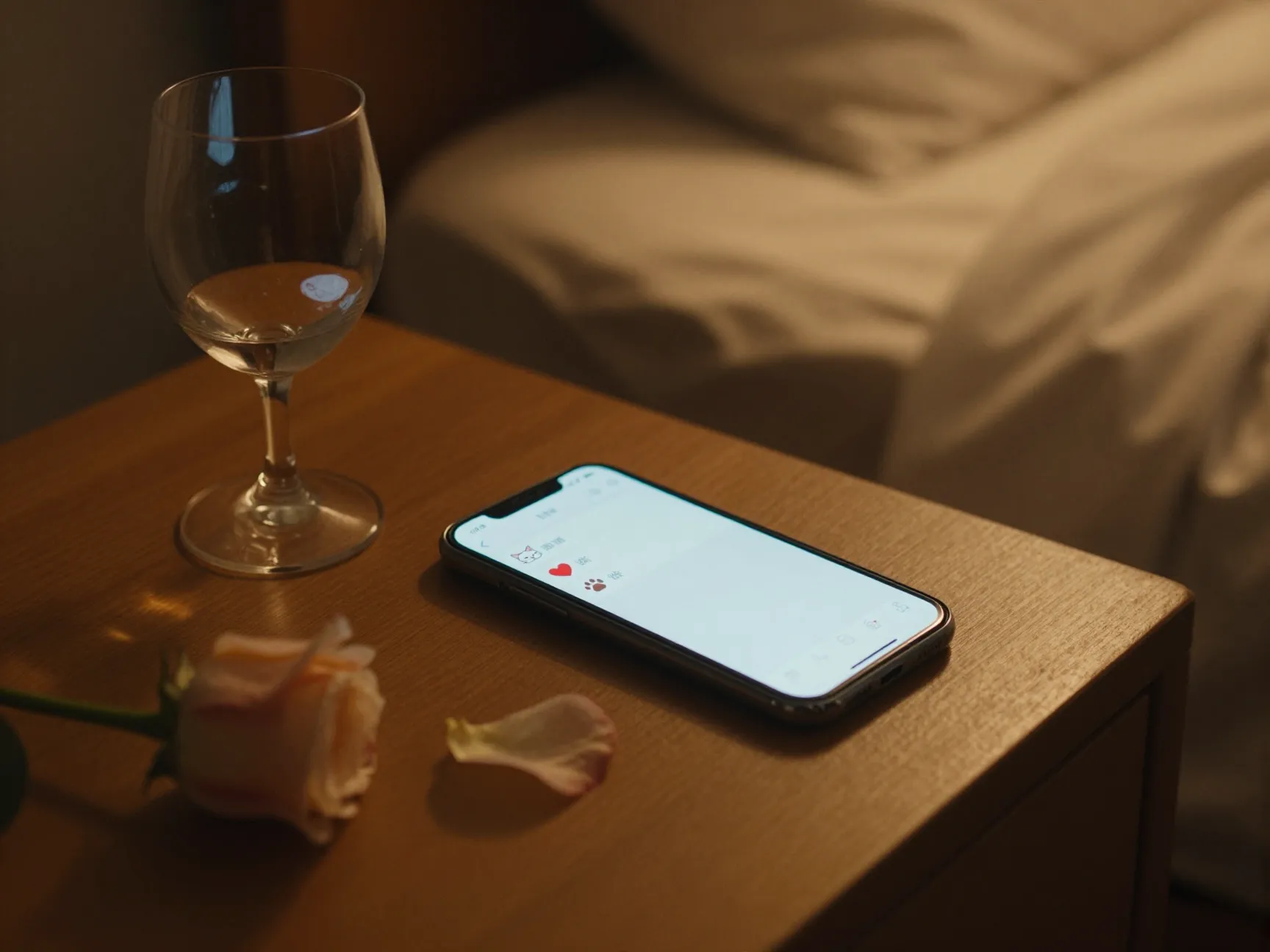
Cat emojis have quietly become a staple of flirty texting, largely because they feel softer and less overt than typical romantic symbols. A few combinations show up again and again in relationship-focused emoji guides:
The kissing cat plus heart plus paw print sequence, written as 😽❤️🐾, works well for goodnight or good-morning texts. It signals warmth and tenderness without feeling overly formal. A smiling cat paired with two hearts, written as 😺💕, is lighter and more casual, suited to daytime check-ins or a quick “thinking of you” message. For couples who share a pet or simply love cats together, 🐈❤️ references that shared identity in a cozy, domestic way.
There is a more adult layer to this idea as well. In certain flirtatious or suggestive contexts, cat emojis have taken on innuendo, especially when paired with wine glasses or other adult-leaning symbols. This usage leans on slang where “cat” carries a double meaning, and it typically appears in more mature conversations rather than everyday texting. Context and relationship familiarity matter enormously here, since the same combo can read as sweet in one chat and suggestive in another.
For anyone experimenting with romantic cat emoji combos, a simple rule helps: match the intensity of the emoji set to the actual relationship stage. Early-stage flirting benefits from lighter combos like 😺💕, while long-term partners can lean into warmer, more affectionate sequences like 😽❤️🐾 without worrying about coming across too strong.
3. Cute Everyday Pet-Life Texting03
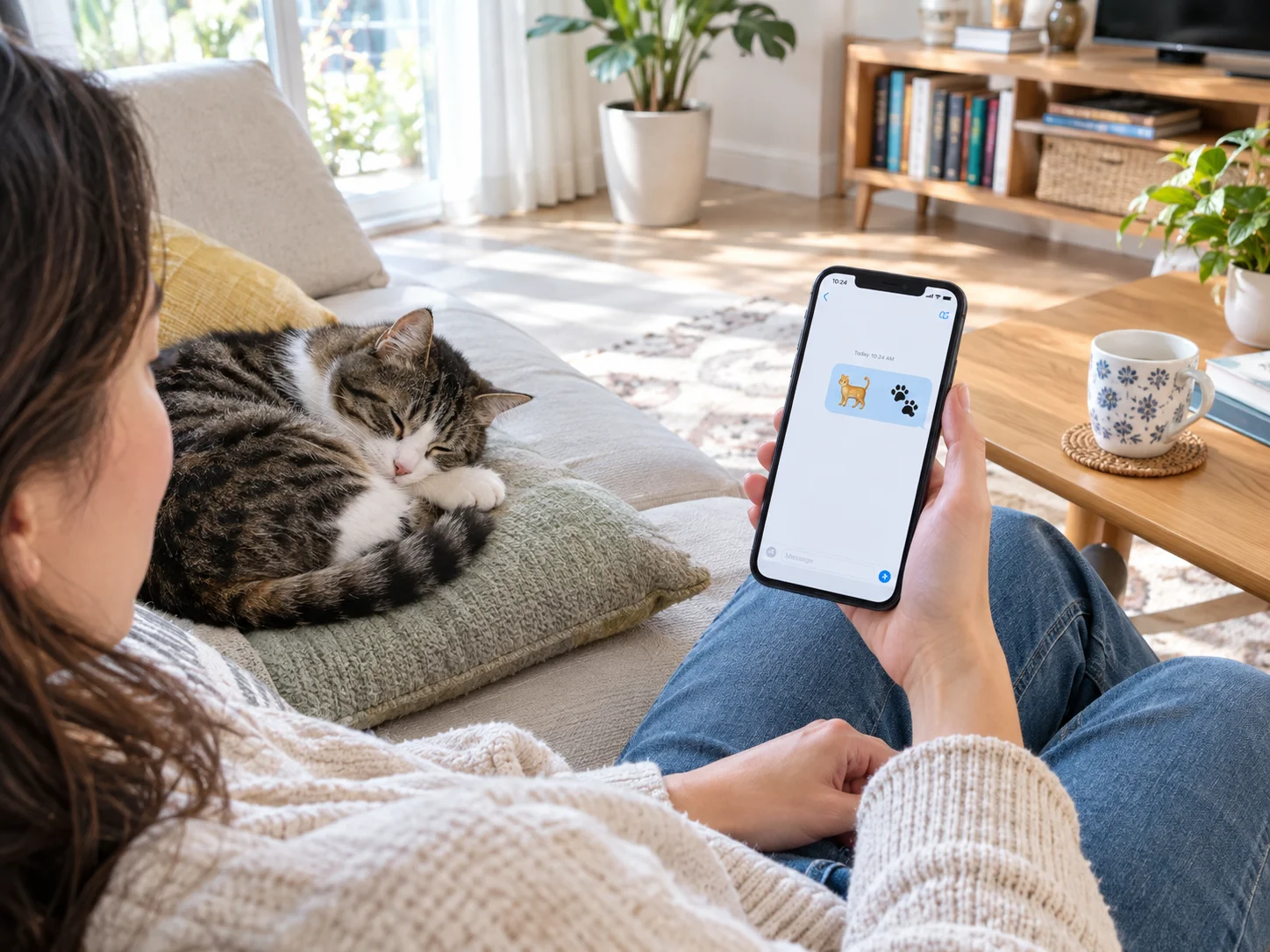
Not every cat emoji moment needs to carry deep emotion or romantic subtext. A large share of daily cat emoji use is simply narrating ordinary pet-life moments, and this is arguably the safest, most universally friendly idea on this list.
Neutral cat icons like 🐱 and 🐈 pair naturally with paw prints (🐾), sparkles, and hearts to describe everyday scenes. A few examples that show up constantly in casual chats:
Walk time 🐾🐈 works as a quick update before heading out with a pet. My cat owns this house 🐈💛 captures the lighthearted reality of living with a cat that clearly runs the household. Nap attack incoming 😽💤 describes the inevitable midday cat nap in a way that feels warm rather than dramatic.
This style leans on simpler, less emotionally loaded emoji rather than the more expressive face set from Idea 1. That makes it a reliable default for chats with coworkers, extended family, or casual acquaintances, where a heart-eyes cat might feel too intense but a plain paw print feels perfectly normal.
The table below compares the emotional intensity across a few common cat emoji categories, which helps clarify why everyday pet-life texting sits at the calmer end of the spectrum.
| Emoji Category | Example | Emotional Intensity | Best Use Case |
|---|---|---|---|
| Expressive face set | 😻 😿 🙀 | High | Emotional storytelling, dramatic reactions |
| Romantic combos | 😽❤️🐾 | Medium to high | Flirty or affectionate texts |
| Everyday pet-life set | 🐈🐾 | Low | Casual updates, family chats |
| Seasonal themes | 🐱🎃 | Medium | Holiday posts, group chats |
4. Seasonal And Aesthetic Cat Themes04

Emoji kitchens and combination catalogs have leaned heavily into seasonal cat pairings, treating the cat emoji as a flexible base that adapts to holidays, moods, and aesthetics. A few widely used recipes illustrate the pattern clearly.
The Halloween combo, 🐱🎃, pairs a cat with a pumpkin for spooky-season posts and captions. The mystical or nighttime combo, 🐱🌙, evokes a quieter, moodier aesthetic often used for late-night thoughts or dreamy captions. The cute affection combo, 🐱💕, works for Valentine’s Day, anniversaries, or simply softer everyday posts.
Seasonal cat combos are especially popular in social media captions and video chat backgrounds, where a quick visual theme sets the tone before anyone reads the actual text. Meme and video-editing platforms have picked up on this trend directly, offering templates like animated cat emoji bombs and preset cat-emoji overlays that users can drop into short videos or reaction clips. This turns a simple two-symbol combo into a shareable visual moment rather than just a text accessory.
For anyone building a content calendar around seasonal themes, cat emoji combos offer a low-effort way to signal “this post fits the mood” without writing extra copy. A cat-and-pumpkin combo instantly reads as October content, while a cat-and-moon combo suggests something calmer, more introspective, or nighttime-focused.
5. Text-Art And Kaomoji Cats05
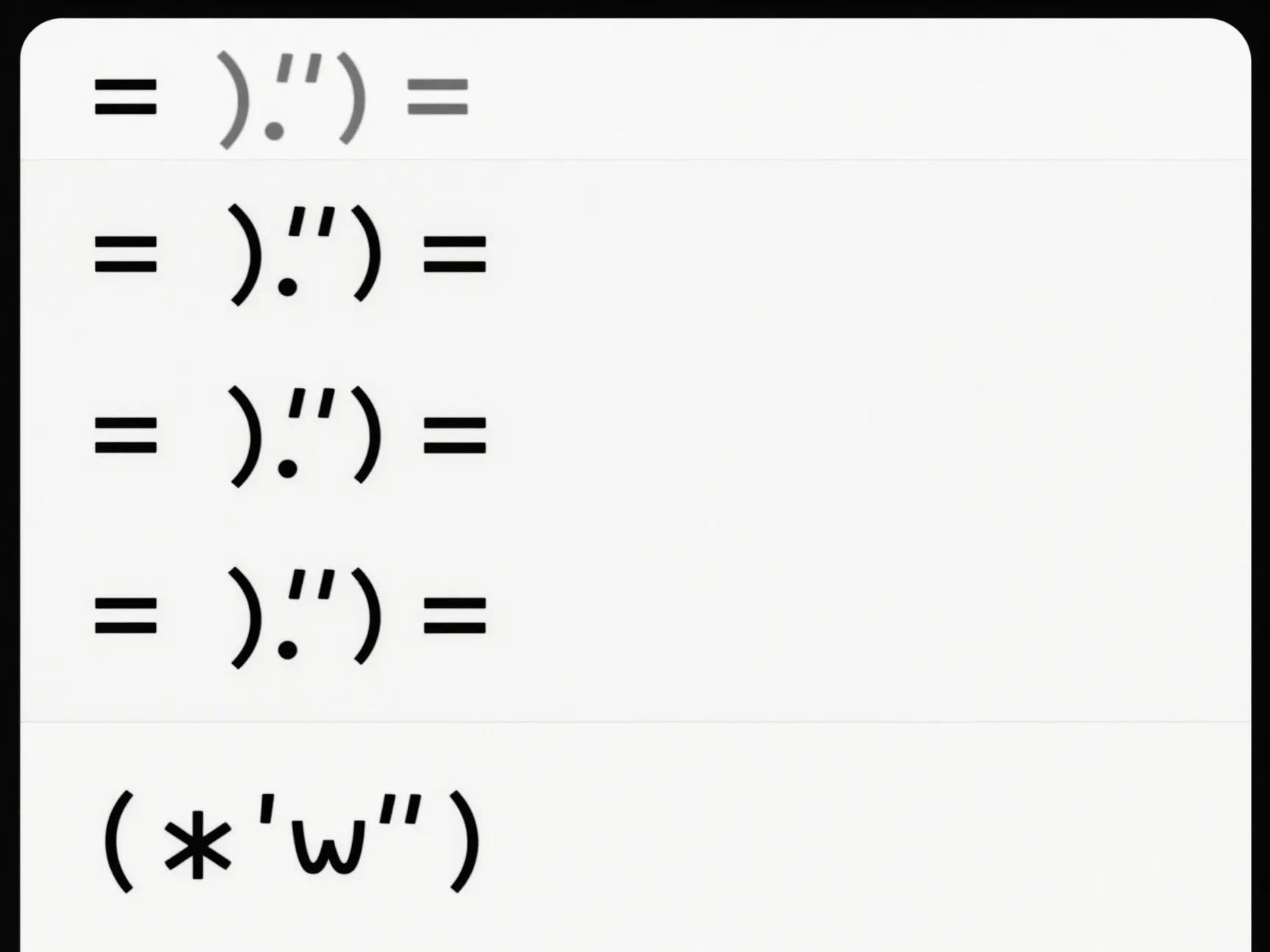
Long before emoji keyboards existed, internet users built expressive cat faces out of plain text characters. This tradition, known as kaomoji, has survived and expanded into dedicated collections offering more than 110 cat-themed text emoticons.
A few standout examples from this tradition include:
- Simple happy cat01. Written as (=^.^=), this is the most recognizable kaomoji cat, using equal signs for ears and a period-dot-period pattern for the face.
- Playful cat with paws up02. Written as =^_^=, this variant drops the parentheses for a slightly more compact, casual look often used in quick replies.
- Curious or mischievous cat03. Written as (ฅ’ω’ฅ), this style uses the ฅ character to represent raised paws, giving the face a distinctly inquisitive expression.
- Whiskered cat with paws04. Written as ฅ^•ﻌ•^ฅ, this design layers whisker-like symbols around a centered nose mark for a fuller, more detailed face.
Kaomoji cats work particularly well in contexts where standard emoji feel too plain or too colorful, such as minimalist aesthetic posts, retro-styled chats, or platforms with limited emoji rendering. Because they are built from text characters rather than image-based emoji, they also copy and paste reliably across almost any messaging app, regardless of operating system or font support.
Many copy-and-paste emoji boards now group these kaomoji alongside “neko” designs, a term borrowed from Japanese pop culture referring to cat-themed characters and imagery. This crossover has made kaomoji cats popular among people who enjoy decorative, art-like text layouts rather than straightforward emoji rows.
6. Design, Avatars, And Meme Culture06
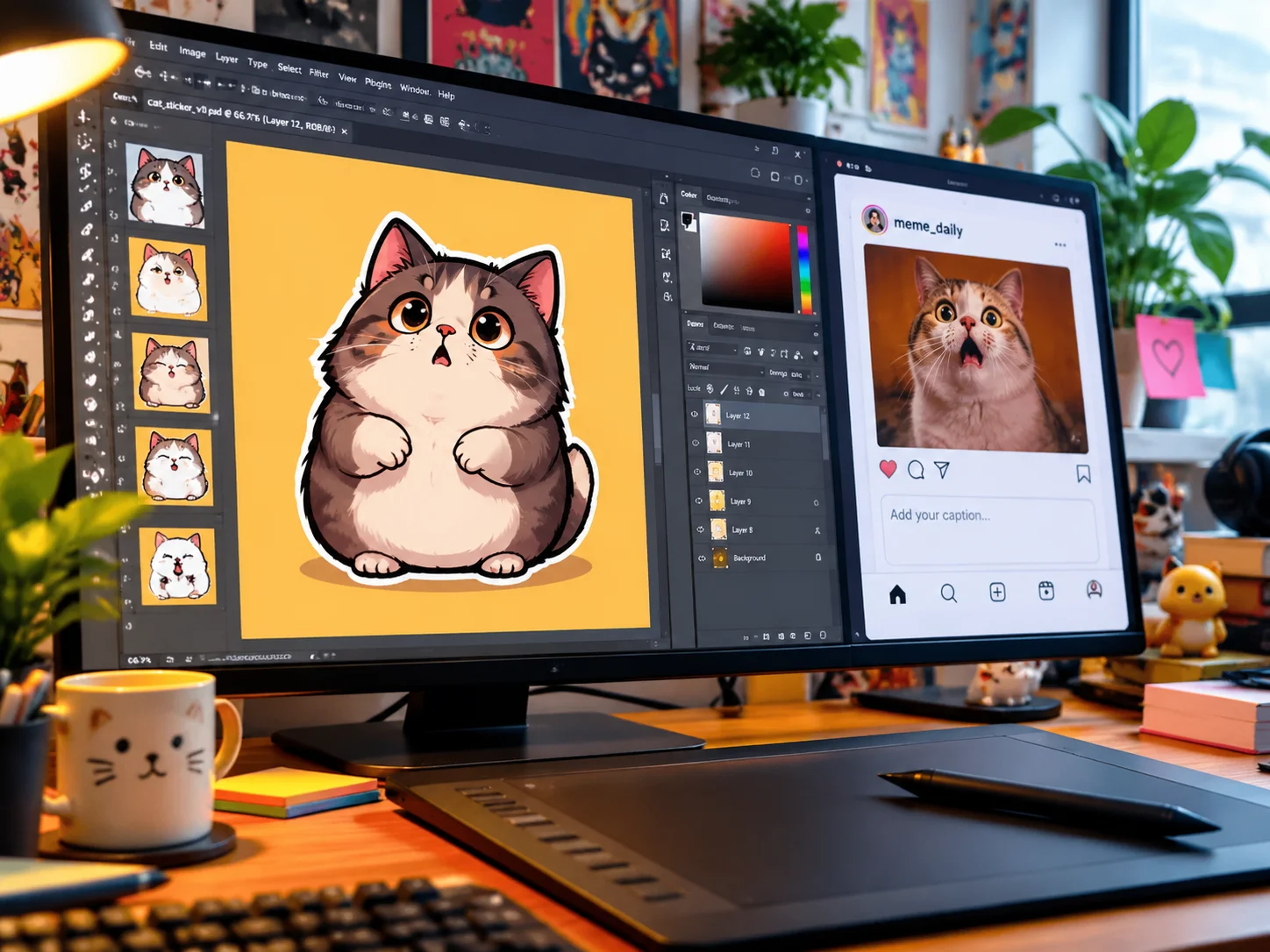
The sixth idea moves beyond individual chat messages and into the broader world of design, branding, and meme formats. Design communities have built entire libraries around cat emoji aesthetics, including chubby cat illustrations, flying cat icons, and specialized orange cat designs tailored for specific personality types or fandoms.
These designs typically serve one of three purposes. First, they function as stickers or reaction packs for messaging apps, letting users react with a custom cat illustration instead of a standard system emoji. Second, they become avatars or profile icons, particularly on platforms where users want a distinct visual identity built around a cat theme. Third, they feed directly into meme templates, where a simple cat face becomes the anchor for a repeatable joke format shared across social feeds and group chats.
Meme platforms specifically host cat-emoji-based templates that make this process easy. Rather than designing from scratch, users can pull an existing cat meme template, swap in their own caption, and share it within minutes. This lowers the barrier for turning a private joke about, say, a friend’s dramatic weary-cat reaction into a shareable graphic the whole group chat recognizes.
“A cat emoji is rarely just a cat. It is shorthand for a mood, a relationship dynamic, or an inside joke that would take a full sentence to explain otherwise.”
This idea also connects back to the earlier five. A kaomoji cat from Idea 5 might get redrawn as a sticker under Idea 6. A seasonal combo from Idea 4 might become the basis for a holiday meme template. The six ideas are not strictly separate categories so much as different layers of the same creative toolkit.
How To Choose The Right Cat Emoji Idea For Each Chat
Selecting among these six approaches depends heavily on the relationship, platform, and tone of a given conversation. The list below offers a quick decision guide.
- For close friends and dramatic storytelling01, lean on the expressive face set from Idea 1, since the emotional range supports longer, more animated exchanges.
- For romantic partners02, choose combos from Idea 2, adjusting intensity based on how established the relationship is.
- For family members and casual acquaintances03, default to the calmer pet-life style in Idea 3, which avoids any risk of misread intensity.
- For social media captions and holiday posts04, pull from the seasonal themes in Idea 4 to match the visual mood of the moment.
- For aesthetic or retro-styled platforms05, use the kaomoji text art from Idea 5, especially where emoji rendering is inconsistent.
- For sticker packs, avatars, or shareable jokes06, apply the design and meme approaches from Idea 6 to build something reusable.
Avoiding Common Misreads With Cat Emoji
Even with six solid creative directions, tone management remains the biggest risk factor in cat emoji use. Certain faces carry ambiguity that flat text cannot always resolve on its own.
The wry-smile cat, 😼, often reads as sarcastic or smug rather than affectionate, which can land poorly in a serious or formal exchange. The weary cat, 🙀, is frequently used for comedic shock, but without supporting context it can look like genuine alarm or distress. Both of these faces benefit from a softening companion symbol, such as a heart or a paw print, when the intended tone is playful rather than pointed.
A simple habit solves most of this: pause before sending a message built entirely around one ambiguous cat face, and ask whether the recipient has enough context to read it correctly. If there is any doubt, adding one clarifying word or a softer emoji nearby removes most of the risk.
Bringing The Six Ideas Together In Daily Chats
The strongest cat emoji users rarely stick to just one of these six ideas. A typical week of texting might mix emotional storytelling in a group chat, a romantic combo sent to a partner, a casual pet-life update to a sibling, and a seasonal meme shared on a group thread around a holiday. Treating these ideas as a flexible toolkit, rather than six separate rules, is what makes cat emoji feel natural rather than forced.
Anyone looking to expand their own cat emoji vocabulary can start small. Pick one idea from this list that fits a current habit, such as swapping a plain smiling cat for a more specific expressive face, and build outward from there. Over time, the combination of expressive faces, romantic combos, everyday updates, seasonal themes, kaomoji art, and meme-ready designs adds up to a genuinely versatile way of communicating.
Conclusion
Cat emoji have grown from a handful of simple faces into a sprawling creative system covering emotion, romance, daily life, seasonal aesthetics, text art, and meme culture. The 6 Creative Emoji Cat Ideas To Text, Draw, And Use In Your Chats outlined here give a practical starting point for using that system with more intention. Rather than defaulting to the same one or two cat faces in every conversation, try matching the emoji style to the actual mood, relationship, and platform at hand.
The next step is simple: pick one idea from this list, whether that is a new romantic combo, a kaomoji cat for a retro-styled chat, or a seasonal pairing for an upcoming holiday post, and try it in a real conversation this week. Small experiments like this are the fastest way to build a richer, more expressive cat emoji habit that actually fits personal texting style.