Reasons Why the Silly Nub Cat Meme Took Over the Internet
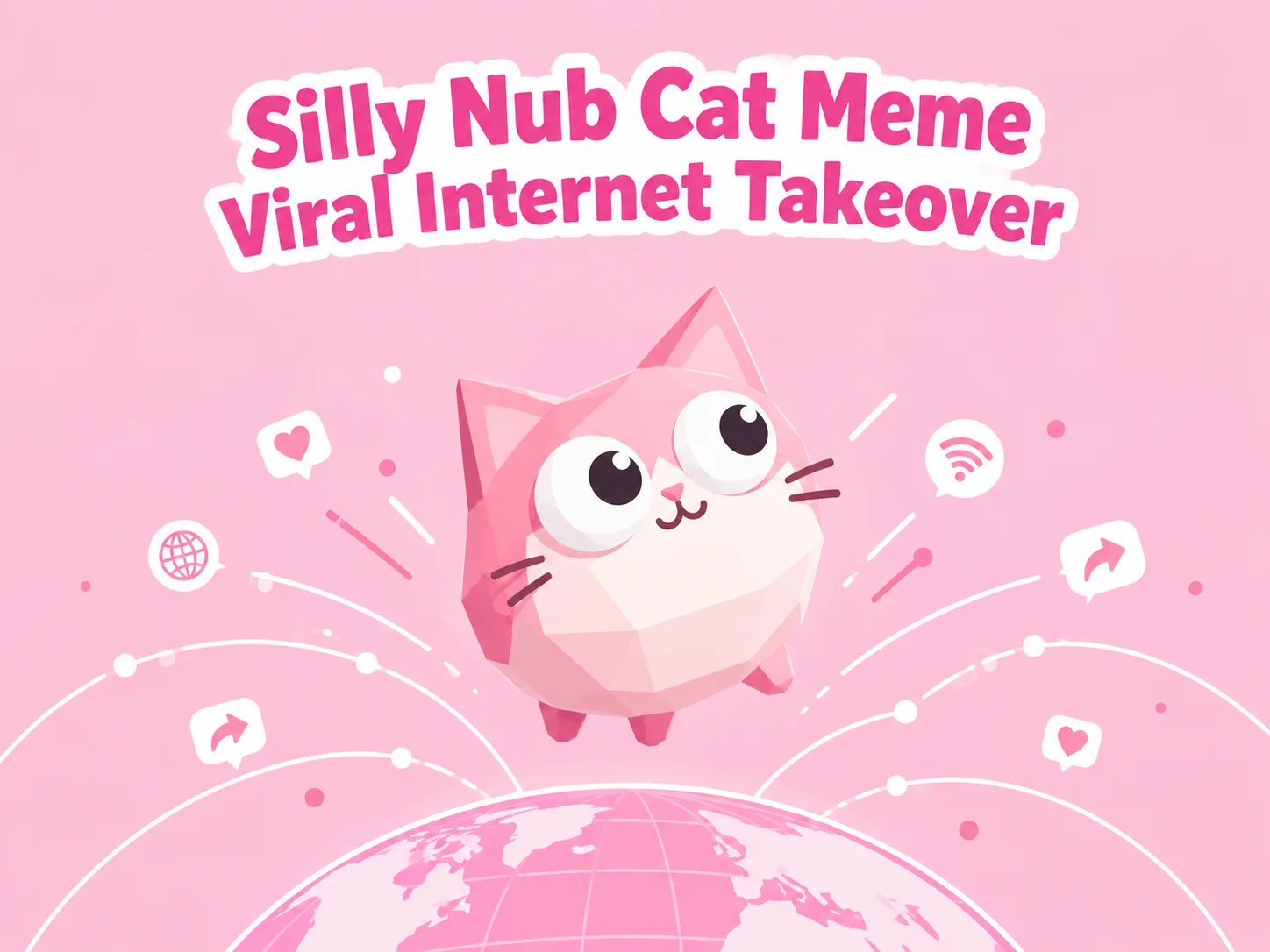
A single cartoon cat with a stubby, potato-shaped body has generated more short-form video views in the past year than most national news broadcasts combined. That cat is Nub, and understanding why a low-poly, googly-eyed feline became a cross-platform phenomenon requires more than luck. This article breaks down 6 Reasons Why the Silly Nub Cat Meme Took Over the Internet, tracing the character from a single Instagram account to a global remix template used by creators, merchandisers, and even crypto communities.
Disclosure: This post contains affiliate links. As an Amazon Associate, we earn from qualifying purchases, and at no extra cost to you.
The Nub cat meme did not spread by accident. It followed a pattern that other viral characters, from Pepe the Frog to Duolingo’s owl, have used before it: a strong visual hook, a serialized story, easy-to-copy assets, and a community willing to argue about it online. Each of these ingredients plays a distinct role, and together they explain why Nub is still climbing engagement charts in 2026 rather than fading like most internet jokes.
Key Takeaways
- The official Instagram account functions as the “canon” source for Nub’s design and story, giving the meme a consistent visual identity that fans can trust and copy.
- Serialized “NUB LORE” video reels turned a static image into an ongoing narrative, which is a proven driver of repeat engagement on short-form platforms.
- Free GIFs, 3D models, and stickers lowered the technical barrier for remixing, letting anyone insert Nub into new jokes without design skills.
- Multilingual adoption across Chinese social platforms and Bollywood-adjacent meme pages expanded Nub’s audience well beyond its original English-speaking base.
- A 2026 mass-unfollowing controversy proved that even negative attention can extend a meme’s shelf life by triggering algorithmic redistribution.
What Is the Nub Cat Meme, and Why Does It Matter
Before unpacking the 6 Reasons Why the Silly Nub Cat Meme Took Over the Internet, it helps to define what Nub actually is. Nub is a rounded, low-detail cartoon cat character with a simplified body, minimal limbs, and an exaggeratedly innocent facial expression. The design is intentionally basic, which is precisely what makes it so easy to reproduce, animate, and parody.
Nub’s central home is an Instagram account that functions as the authoritative source for the character’s look, personality, and ongoing storylines. Fans and casual scrollers alike treat this account as the “canon” version of Nub, meaning that when a new meme, sticker, or video clip appears elsewhere, people instinctively check it against the original account for accuracy. This centralized point of reference gives the meme a stability that many internet jokes lack. Most viral content fragments quickly once it leaves its original platform, but Nub has managed to keep a recognizable core identity even as it spreads across TikTok, Instagram Reels, Discord servers, and meme-sharing forums.
That stability matters because it turns Nub from a one-off joke into a character people can follow over time. A meme that only exists as a single static image usually burns out within weeks. A meme with an ongoing narrative and a trusted “source of truth” can last for years, which is exactly the trajectory Nub has followed.
6 Reasons Why the Silly Nub Cat Meme Took Over the Internet
The sections below walk through the specific mechanisms behind Nub’s rise. Each numbered reason reflects a distinct layer of the meme’s growth strategy, from storytelling structure to commercial merchandising to outright controversy.
1. Serialized NUB LORE Videos Turned a Static Joke Into an Ongoing Story
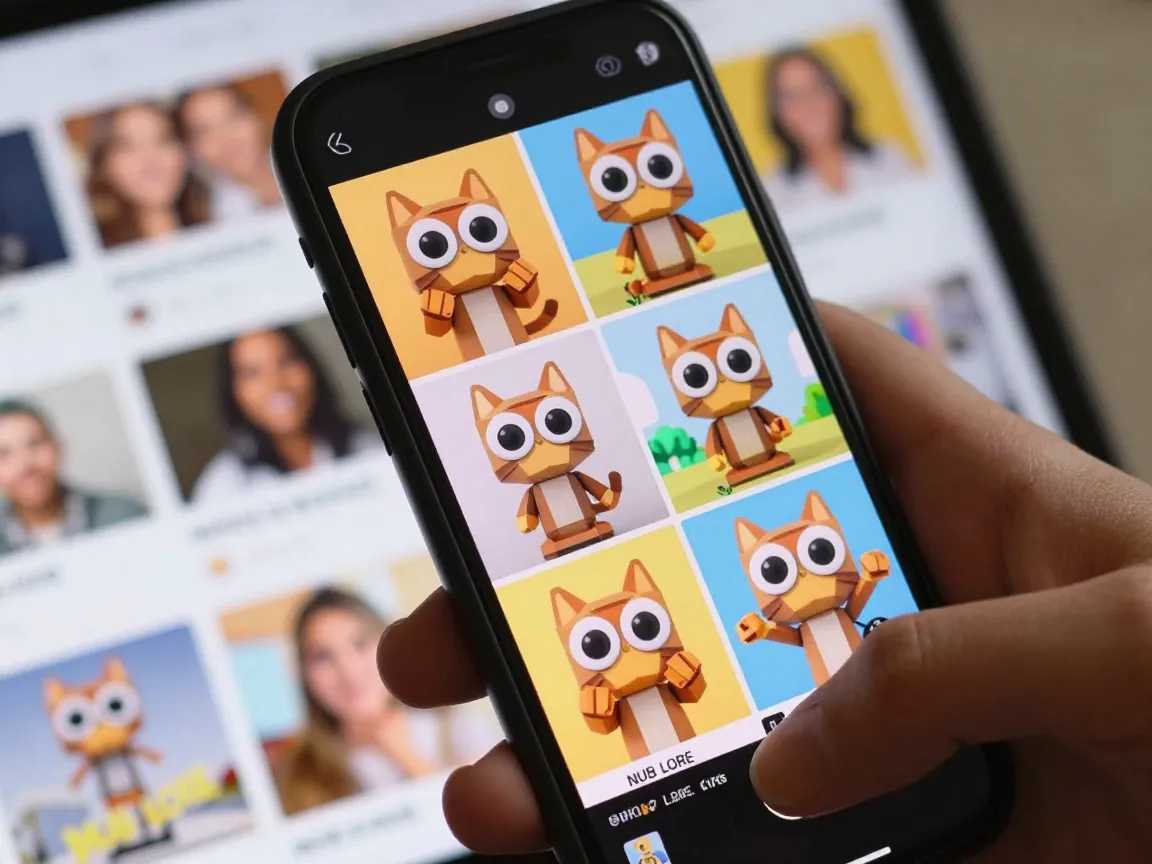
The single biggest accelerant behind the Nub cat meme’s growth has been the rise of short-form “NUB LORE” compilation videos and reels. Rather than presenting Nub as a one-time punchline, these videos string together clips, callbacks, and running jokes into a loosely serialized narrative. Viewers do not just watch a funny cat image; they follow a story with continuity, inside references, and evolving character traits.
This format matters because short-form video platforms reward exactly this kind of content. Algorithms on TikTok, Instagram Reels, and YouTube Shorts favor videos that keep people watching until the end and that encourage repeat visits to catch up on “the next episode.” A meme with lore functions almost like a miniature soap opera. People do not just share it once and move on; they return for updates, which keeps engagement metrics high over an extended period rather than spiking once and disappearing.
The serialized structure also gives creators an easy content pipeline. Instead of needing a completely new joke every time, they can reference established lore, remix previous jokes, or build on running gags. This lowers the creative burden for meme accounts while increasing the total volume of Nub-related content in circulation, which compounds the character’s visibility across every platform it touches.
2. Cross-Platform Meme Infrastructure Made Nub Impossible to Contain
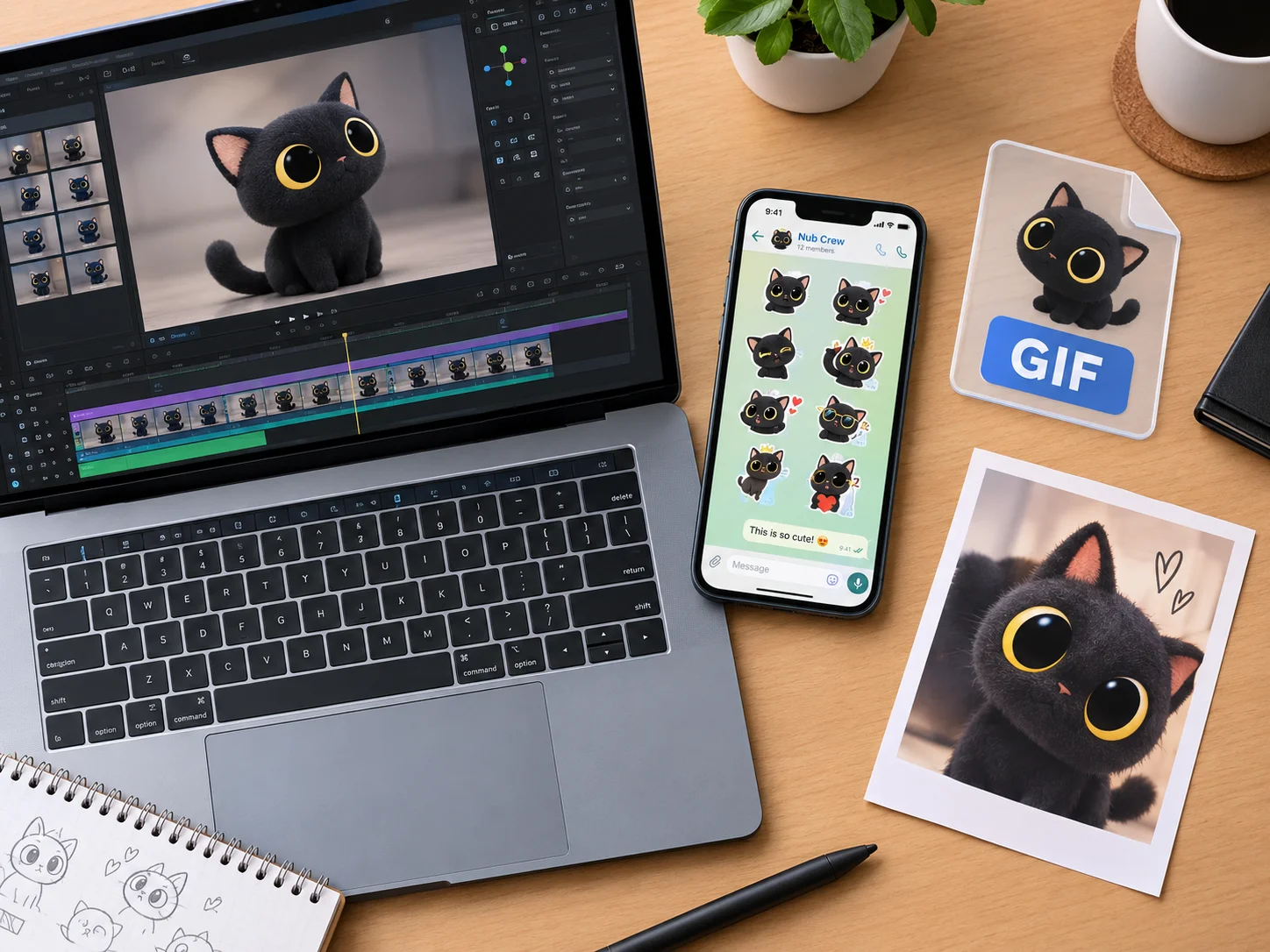
By 2026, Nub was no longer confined to a single image format or a single app. Free GIFs, ready-made 3D models, sticker packs, and reaction images allowed the character to move fluidly between messaging apps, video editors, and social feeds. This kind of infrastructure is what separates a fleeting joke from a durable meme franchise.
Consider how this plays out in practice. A user on a messaging app can drop a Nub sticker into a group chat without any design skill. A video editor working on a Reels compilation can pull a ready-made 3D Nub model into an animation without building a character from scratch. A forum poster can grab a transparent GIF and paste it directly into a comment thread. Each of these use cases removes friction, and removing friction is one of the most reliable ways to accelerate meme adoption.
Table 1 below summarizes how different asset types support different platforms and use cases.
| Asset Type | Primary Platform Use | Why It Spreads Fast |
|---|---|---|
| Stickers | Messaging apps, group chats | One-tap sharing, no editing needed |
| GIFs | Forums, comment sections | Universally supported file format |
| 3D Models | Video editing, animation | Reusable for custom scenes and skits |
| Reaction Images | Social feeds, quote posts | Instant emotional shorthand |
This layered infrastructure means that even people who never visit the original Instagram account still encounter Nub constantly, because the assets circulate independently of the source. The meme effectively became self-sustaining infrastructure rather than a single piece of content.
3. Dedicated Meme Portals Turned Nub Into a Reusable Template
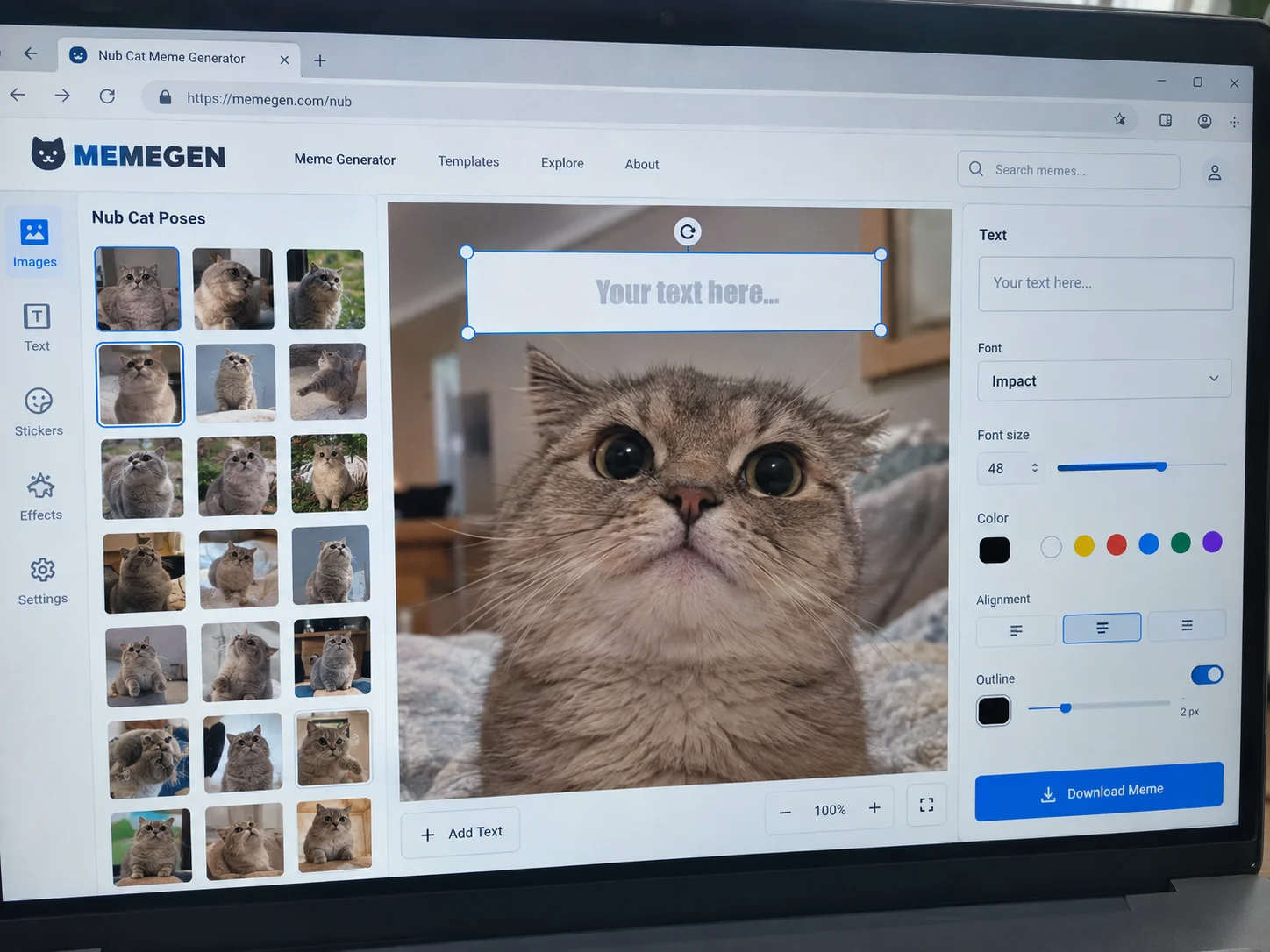
A meme that only exists as one image has a short lifespan. A meme that becomes a template, something people can insert their own captions and context into, can survive indefinitely. Dedicated meme portals and framing tools built specifically around Nub have supported exactly this kind of remix culture.
These portals typically offer pre-cropped images, blank caption spaces, and simple editing tools that let anyone drop new text or context onto a familiar Nub pose. This is the same mechanism that has kept other long-running memes alive for years: the format becomes more important than the original joke. Once a character becomes a template, it can absorb an almost unlimited number of new jokes, current events, and inside references, because the underlying structure never has to change.
This template status is a major reason the meme has resisted the typical burnout cycle. Instead of one joke going viral and dying, Nub effectively hosts hundreds of smaller jokes simultaneously, each remixed by a different creator for a different audience. The character becomes less like a punchline and more like a blank canvas with a recognizable face.
4. Global and Multilingual Adoption Multiplied the Audience
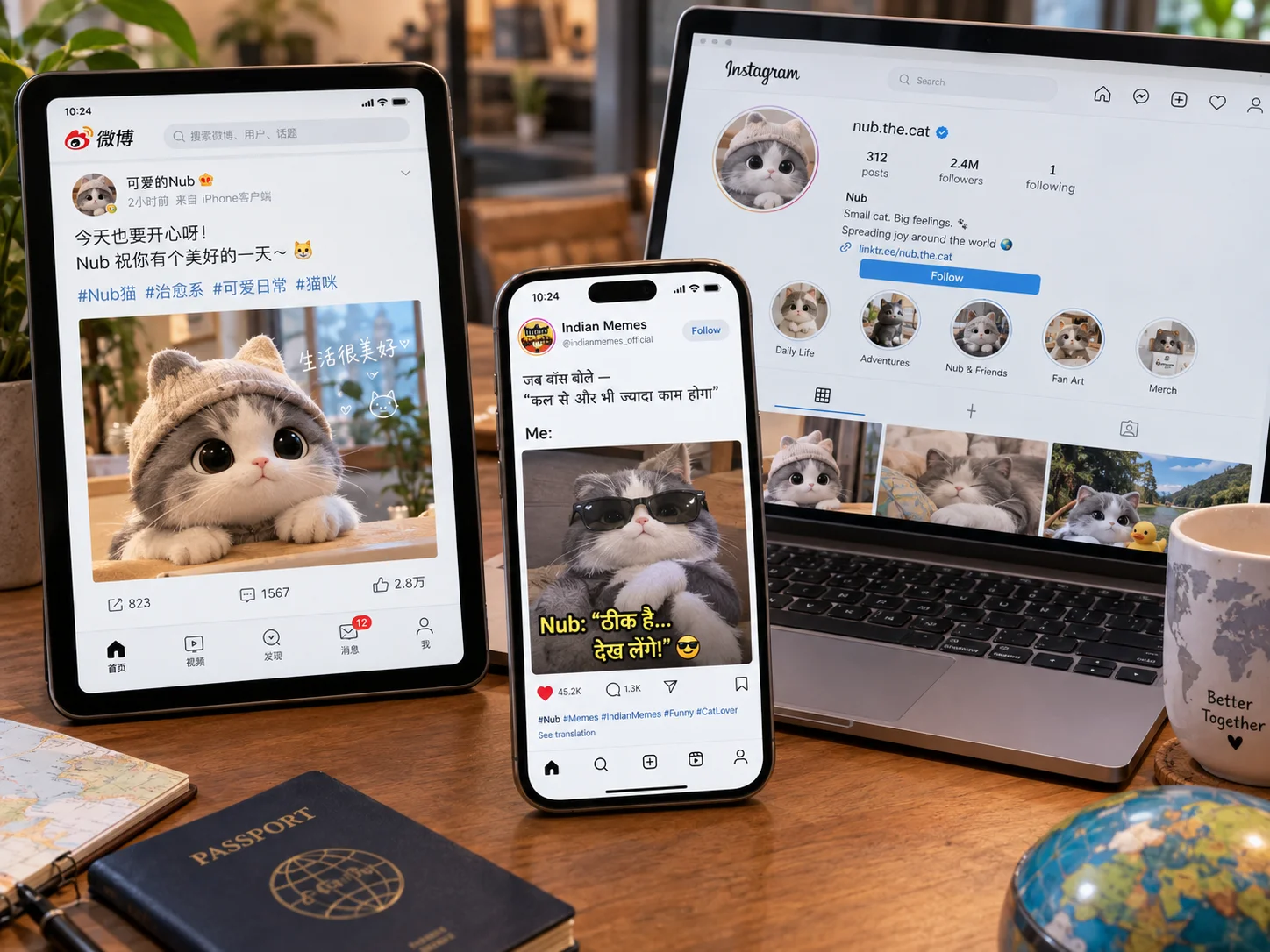
Most internet memes stay confined to the language and culture where they originated. Nub broke that pattern by spreading into non-English meme ecosystems, including Chinese social media communities and Bollywood-adjacent meme pages. This kind of multilingual adoption is rare, and it dramatically expands the potential audience for any piece of content.
Several factors make Nub particularly well suited to this kind of cross-cultural spread. The character’s simple, rounded design does not rely on text-based wordplay, which means jokes built around Nub translate visually even when captions are rewritten in a different language. A cat with an exaggerated, universally readable expression communicates emotion without requiring viewers to understand the original context or dialect.
This matters enormously for total reach. A meme that only works in one language caps its own audience at that language’s user base. A meme that works visually, regardless of the caption language, can be adopted independently by creators in dozens of countries, each producing local variations that feed the same overall wave of attention. The result is a compounding effect: every new regional adoption adds another entirely separate audience pool without cannibalizing the original one.
5. Official Merchandise Signaled Legitimacy and Kept the Meme Visible
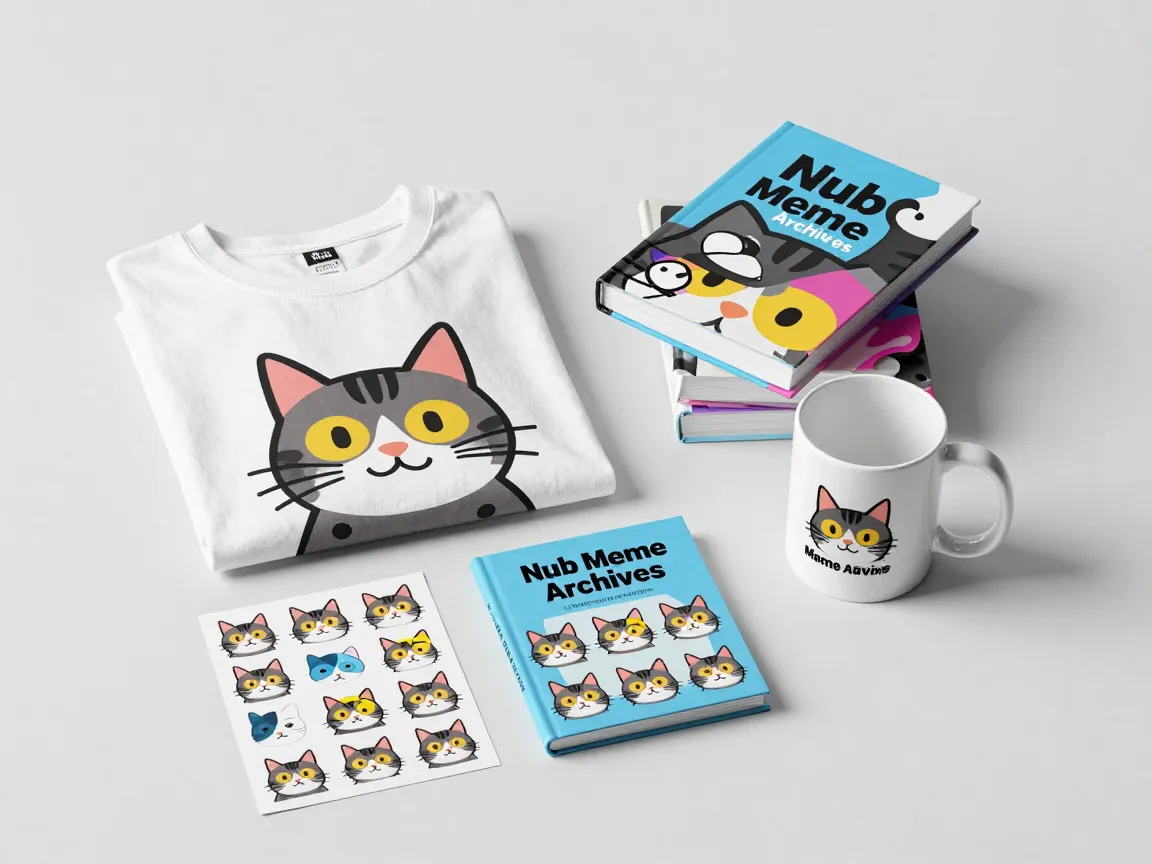
Internet jokes that never leave the digital world tend to fade once the initial novelty wears off. Nub avoided that fate partly through official merchandise and curated meme collections that gave the character a physical and commercial presence. When a meme becomes a product, it sends a signal to fans and casual observers alike that the joke has staying power worth investing in.
Merchandise serves a few practical functions beyond simple revenue. It creates physical reminders of the character in everyday life, from apparel to accessories, which keeps Nub visible even to people who are not actively browsing social media. It also provides a sense of legitimacy; a meme with an official product line feels more established and less like a fleeting trend, which encourages new fans to take it seriously rather than assuming it is already outdated.
Curated meme collections, whether presented as digital archives or printed compilations, serve a similar function by treating Nub content as something worth preserving rather than disposable. This framing subtly shifts public perception from “another internet joke” to “an ongoing cultural reference,” which supports longer-term relevance.
6. Community Drama and Algorithmic Attention Kept Nub in Circulation
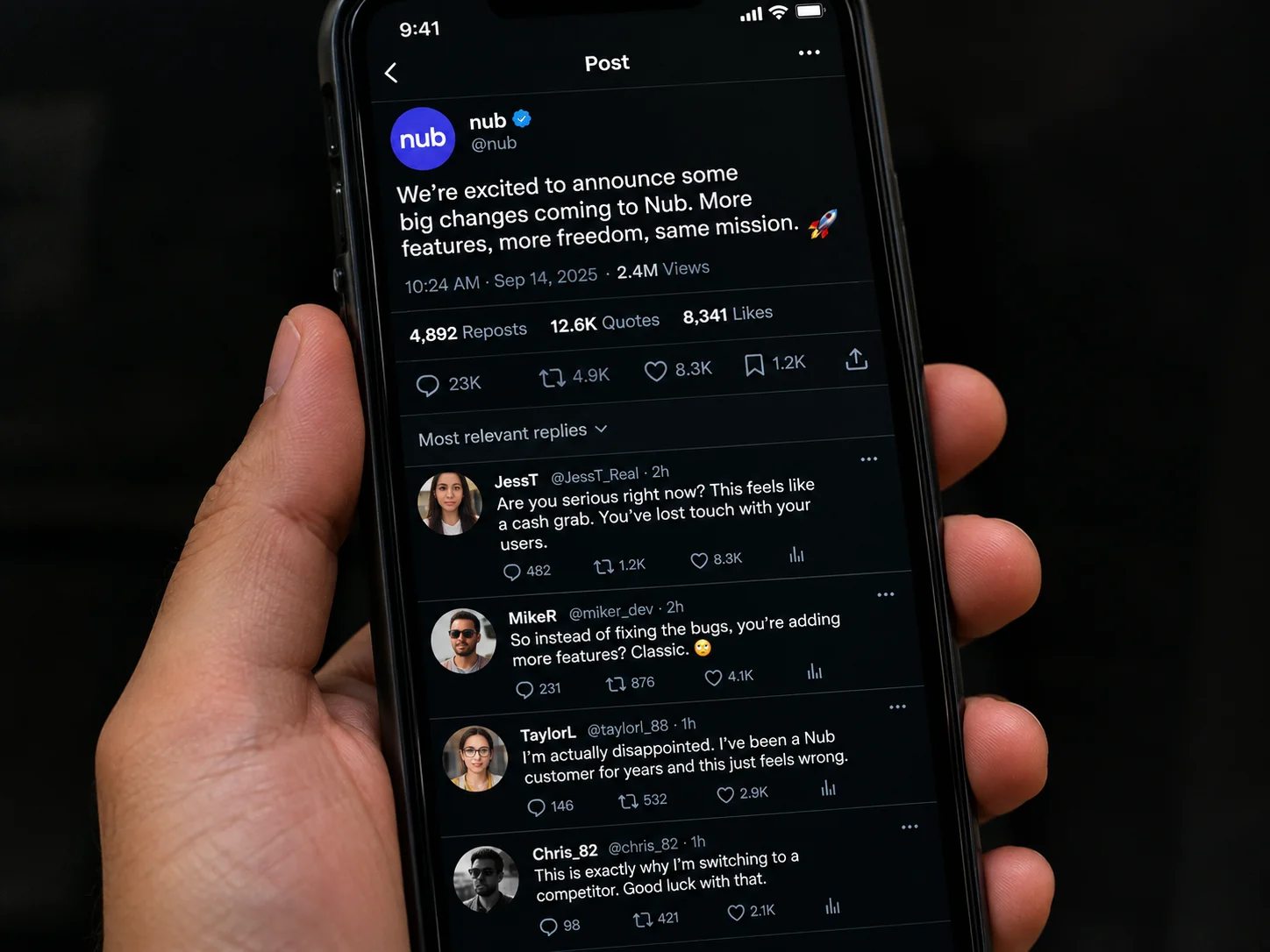
Perhaps the most counterintuitive driver behind Nub’s continued visibility is controversy. In 2026, the community around Nub experienced a notable mass-unfollowing episode, where a significant portion of the audience publicly left the official account in response to a shift in tone or content direction. On the surface, this might look like a setback. In practice, it did the opposite.
“Controversy does not kill attention online. It redistributes it, often to a wider audience than the original content ever reached.”
Social platforms are built around engagement signals, and controversy generates an unusually high volume of comments, shares, and quote posts, all of which most recommendation algorithms interpret as a sign of relevance. A mass-unfollowing episode, precisely because it is dramatic and emotionally charged, tends to get discussed, screenshotted, and debated far beyond the immediate fan community. This pulls in new viewers who had never heard of Nub before, many of whom become curious enough to investigate the original content for themselves.
This dynamic connects to a deeper tension running through the entire meme. Fan commentary consistently points to a push and pull between Nub’s wholesome, silly visual style and an increasingly edgier sense of humor in some of the surrounding content. That tension is not a flaw; it is arguably part of the appeal. A character that can be simultaneously cute and slightly subversive appeals to a wider emotional range than a meme that only occupies one tone. When that tension boils over into visible community disagreement, it generates exactly the kind of engagement spike that keeps a meme circulating in recommendation feeds.
The Controversy and Community Drama Fueling the Nub Cat Meme’s Growth
Understanding the sixth reason above requires a closer look at how online communities actually behave when a beloved character shifts direction. The 2026 mass-unfollowing episode did not happen in a vacuum. It followed a familiar pattern seen across other online fandoms: a shift in content tone, a vocal segment of the audience expressing disapproval, and a broader wave of commentary that ultimately amplified the very content it was criticizing.
This pattern matters for anyone trying to understand modern meme culture. Attention online rarely disappears; it simply moves. When part of an audience leaves loudly, that departure itself becomes a story, discussed on other platforms, referenced in commentary videos, and debated in comment sections. Each of those secondary discussions introduces the original meme to people who were not previously following it.
There is also a licensing dimension worth noting. Nub’s 3D model and many derivative assets circulate under loose but generally respected attribution norms, meaning creators can build new content using existing character models without needing formal permission for every use, as long as they credit the source appropriately. This informal but functional system removes a major barrier that often limits how quickly a character can be adopted across a creator ecosystem. Compare this to characters locked behind strict corporate licensing, where every derivative use requires legal clearance. Nub’s more relaxed approach lets far more creators experiment, remix, and publish quickly, which directly feeds the volume of content driving the meme’s visibility.
The combination of a passionate fanbase, an evolving tone that occasionally sparks backlash, and an easy-to-use licensing structure creates a feedback loop. Drama draws attention, attention draws new creators, and new creators produce more content using freely available assets, which then has the potential to spark its own future drama. This loop is unusual, but it is a recognizable pattern among the internet’s most durable memes.
What’s Next for the Silly Nub Cat Meme Phenomenon
Speculation about where any meme goes next is inherently uncertain, but the current trajectory offers some reasonable signals. Meme portals and trend-tracking platforms increasingly frame Nub alongside other characters that have crossed over into speculative financial ecosystems, including crypto and meme-coin communities. This is a notable shift, because it suggests Nub is being evaluated not just as entertainment but as a recognizable brand asset with potential monetization value beyond traditional merchandise.
Several factors make this crossover plausible. Meme coins and crypto projects have a well-documented history of adopting recognizable internet characters as mascots, betting that existing fan recognition will translate into community interest and speculative trading activity. A character with Nub’s visual simplicity, cross-platform asset library, and multilingual fanbase fits the profile of characters that have previously made this jump successfully.
That said, this kind of integration carries risk. Crypto and meme-coin associations can sometimes damage a character’s broader reputation if the financial project underperforms or attracts controversy of its own. Whether Nub’s stewards pursue this path carefully, or avoid it altogether, will likely shape public perception over the next several years.
Beyond speculative finance, the more predictable path forward involves continued expansion of the existing formula: more serialized lore content, more localized adaptations in new language markets, and continued merchandise releases timed to keep the character visible during slower news cycles. Given how consistently each of the 6 Reasons Why the Silly Nub Cat Meme Took Over the Internet has reinforced the others, it seems likely that incremental growth, rather than a single dramatic breakthrough, will define Nub’s next phase.
How the Six Factors Reinforce Each Other
None of these six reasons operates in isolation. The serialized lore videos generate raw content volume. The cross-platform infrastructure of GIFs, stickers, and 3D models distributes that content efficiently. The meme portals turn individual pieces of content into reusable templates. Multilingual adoption multiplies the potential audience for every template. Merchandise adds commercial legitimacy that keeps the character relevant between viral spikes. And community drama periodically resets algorithmic attention, pulling in new audiences who then discover everything else.
This layered structure is arguably the real answer to why the meme has persisted rather than fading after a typical few-week hype cycle. Most viral content relies on a single mechanism, usually novelty, and burns out once that novelty wears off. Nub instead built a small ecosystem where multiple independent growth mechanisms reinforce one another, which is a far more resilient structure than any single viral post could ever achieve.
Conclusion
The Nub cat meme did not become an internet fixture through luck alone. Each of the 6 Reasons Why the Silly Nub Cat Meme Took Over the Internet, serialized video lore, flexible cross-platform assets, reusable meme templates, multilingual adoption, official merchandise, and recurring community drama, addressed a different obstacle that normally causes memes to fade quickly. Together, they built a self-reinforcing system that keeps generating fresh content, fresh audiences, and fresh reasons for algorithms to keep pushing Nub into more feeds.
For creators and marketers studying viral content strategy, Nub offers a useful case study. A character does not need complex artwork or a massive production budget to succeed online. It needs a consistent visual identity, an ongoing story, easy-to-remix assets, and a community engaged enough to occasionally argue about where the character should go next. Anyone looking to understand modern internet culture, or to build a lasting meme or brand character of their own, would do well to study how each of these six factors worked together rather than focusing on any single viral moment. The next step for interested readers is simple: follow the official channels, watch how new lore episodes get released, and pay attention to how quickly new remixes appear across platforms. That pattern is likely to repeat with whichever character eventually follows Nub’s playbook.