Golden British Longhair Cat Breeds With Luxurious, Sun-Kissed Coats
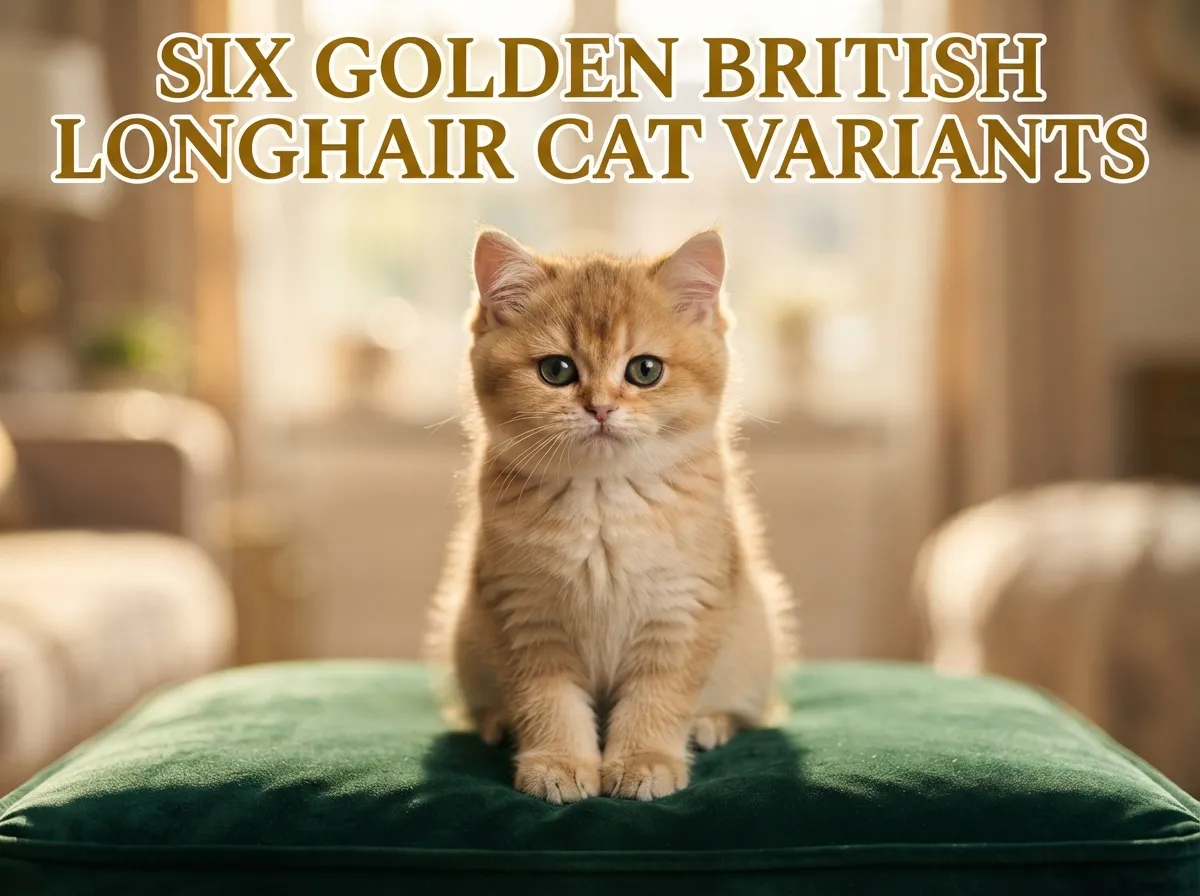
A single Golden British Longhair kitten with championship-quality tipping can sell for more than $3,000 in 2026, and demand has outpaced supply at several UK and US catteries this year. That price tag is not marketing hype. It reflects genetics that took decades to refine, producing a coat that genuinely looks like it was dipped in honey and warmed by the sun.
Disclosure: This post contains affiliate links. As an Amazon Associate, we earn from qualifying purchases, and at no extra cost to you.
This guide breaks down the 6 Golden British Longhair Cat Breeds With Luxurious, Sun-Kissed Coats that define the current golden trend, explains the genetic codes behind each shade, and offers practical advice for anyone considering one of these plush, round-faced companions. Whether the goal is buying a kitten or simply understanding what makes these cats so photogenic, the details below cover coat science, cost, temperament, and care.
Key Takeaways
- The 6 Golden British Longhair Cat Breeds With Luxurious, Sun-Kissed Coats are technically color variants of one breed, distinguished by codes such as ny11, ny12, ay11, ay12, by11, and cy11.
- Golden coats combine a honey or apricot undercoat with darker tipping, differing from silver cats, which have a white base coat.
- Most golden British Longhairs have green or blue-green eyes, creating a striking contrast against the warm coat tones.
- Prices typically range from $1,200 to $2,500, with show-quality lines reaching $3,000 or more.
- Life expectancy averages 12 to 16 years, making them a long-term companion investment rather than a short-lived novelty pet.
What Makes a Golden British Longhair So Sun-Kissed
The term “sun-kissed” is not just poetic branding. It describes a specific genetic outcome. A Golden British Longhair is the longhaired counterpart of the British Shorthair, sharing the same sturdy, cobby body and round, sweet face, but carrying a gene for medium-to-long fur instead of the classic short plush coat. When that longhair gene pairs with the golden color group, the result is a dense, flowing coat in warm honey, apricot, or caramel tones.
Two coat patterns dominate the golden category. Shaded golden features a rich cream undercoat with tipping that is evenly distributed across the back, sides, and face, giving a soft, blended glow. Chinchilla golden has a paler honey base with lighter, more delicate tipping concentrated mainly along the spine and outer coat, producing a brighter, almost luminous golden shimmer. Both patterns fall under the same broader golden group but create noticeably different visual effects when the cat moves through sunlight.
Eye color plays a major supporting role in the sun-kissed look. Breed standards updated for 2026 confirm that golden and silver color groups are strongly associated with green or blue-green eyes. The contrast between deep emerald irises and a warm golden coat is part of why breeders market these cats as luxurious rather than simply colorful.
“The golden group is not one color. It is a family of honey-based tones, each shaped by how tipping interacts with the undercoat,” note breed-standard documents used by British Longhair clubs across Europe.
Unlike the historic blue-grey, copper-eyed British cat that most people picture when they think of the breed, golden variants have only recently surged in popularity. Breed guides updated in August 2026 point to a clear shift in owner interest toward golden and silver cats throughout the mid-2020s, driven partly by social media exposure and partly by specialized catteries branding themselves explicitly around golden bloodlines.
The 6 Golden British Longhair Cat Breeds With Luxurious, Sun-Kissed Coats
The following six variants represent the core lineup currently recognized by breeders and color-code systems. Each is technically a color and pattern combination within the British Longhair breed, but hobbyists and catteries commonly refer to them as distinct “types” because of how differently they present.
1. Black Golden Shaded British Longhair (NY11)
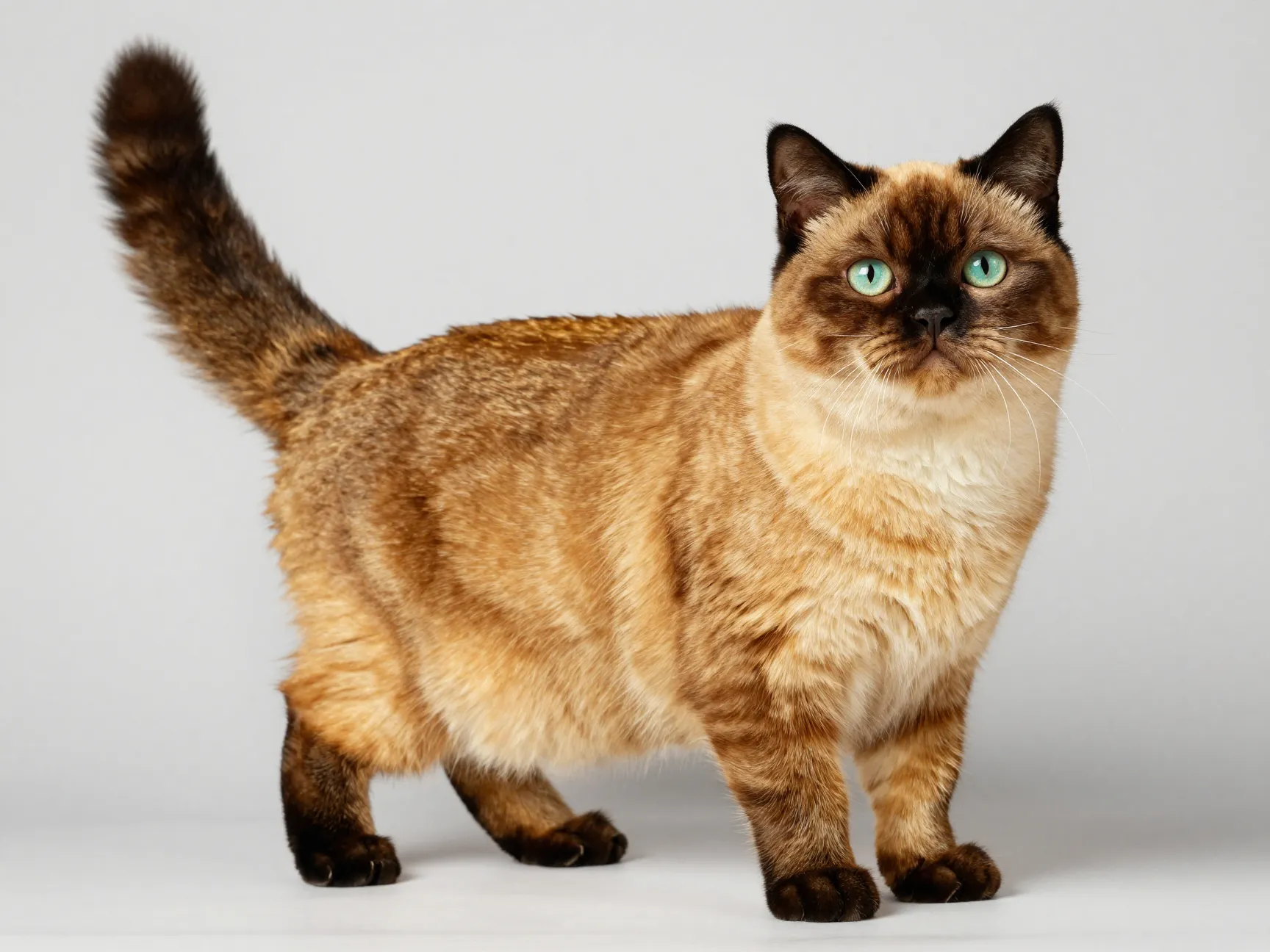
The black golden shaded, coded ny11, is often considered the flagship golden variant. It pairs a rich cream-to-honey undercoat with black tipping spread evenly across the back, sides, and mask. The tipping is dense enough to create depth without hiding the warm base tone, giving the coat a glowing, almost bronzed appearance in direct light.
This variant typically carries deep green eyes, which many breeders consider the gold standard for showing the color to its best advantage. Catteries specializing in AY, NY, and CY golden codes frequently feature ny11 cats as their signature breeding stock because the contrast between black tipping and golden base photographs exceptionally well. Individual show cats with names like Robert or Edith, both coded NY11 or NY12 in recent cattery profiles, illustrate the trend toward saturated golden tones and even black tipping in current breeding programs.
2. Black Golden Chinchilla British Longhair (NY12)
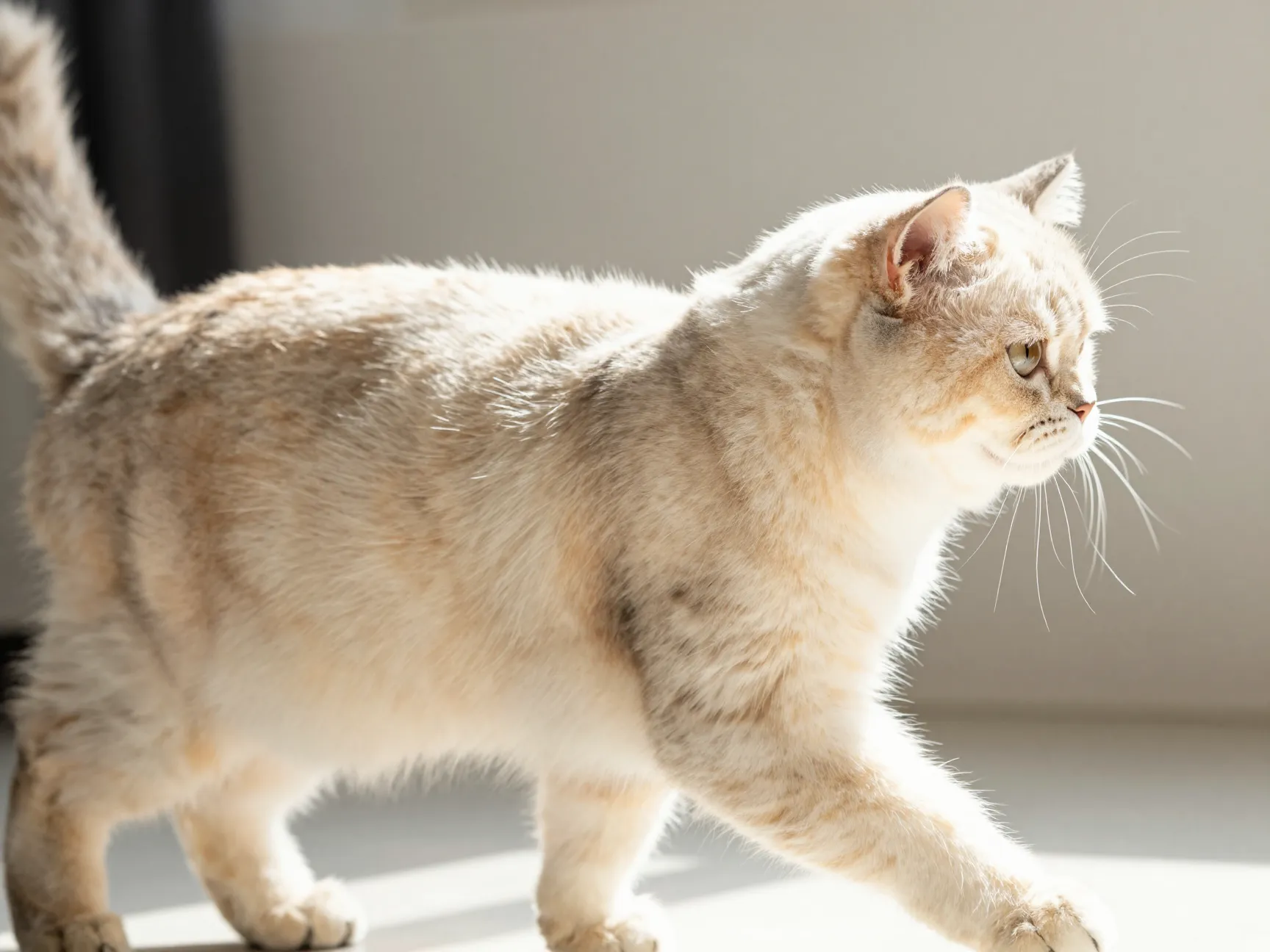
The black golden chinchilla, coded ny12, is the lighter, more delicate sibling of the shaded version. Instead of dense, evenly spread tipping, the chinchilla pattern applies tipping sparingly, mainly along the top of the coat, leaving the honey undercoat far more visible.
The result is a brighter, almost glowing golden effect that many describe as looking sun-bleached even without any tipping variation caused by actual sunlight. This subtlety makes ny12 cats slightly harder to breed consistently, since uneven tipping distribution can quickly make the coat look patchy rather than luminous. American catteries such as British Glory have advertised litters featuring black golden chinchilla kittens with green eyes, reflecting steady demand for this refined, high-contrast look.
3. Blue Golden Shaded British Longhair (AY11)
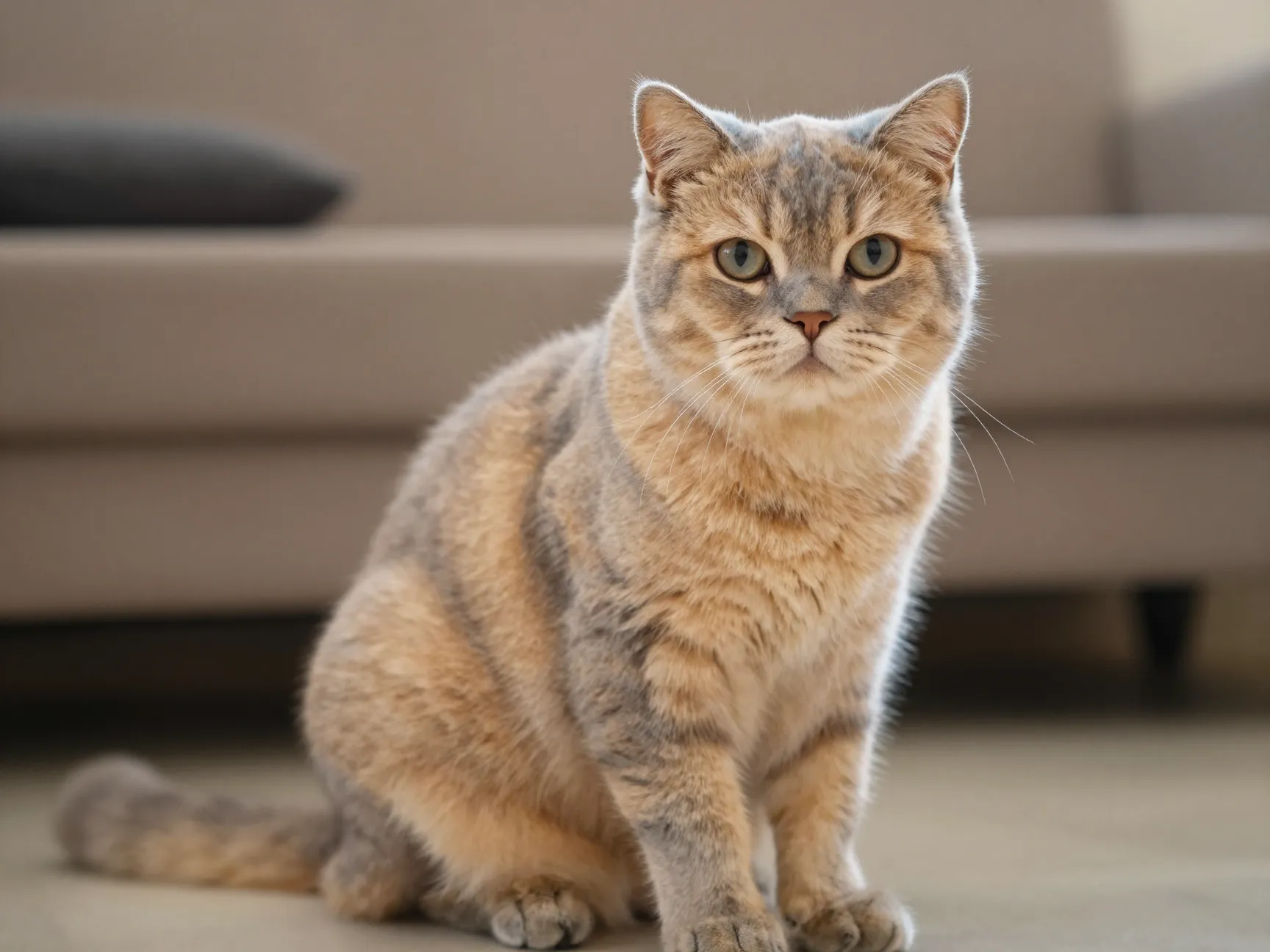
Blue golden shaded, coded ay11, swaps the black tipping of the ny11 variant for a softer blue-grey tipping. The underlying honey base remains warm, but the cooler tipping tone creates a more muted, dusky version of the golden glow. Some breeders describe this combination as looking like golden light filtered through a light haze.
Blue golden cats have become one of the more sought-after options among catteries branding themselves around golden coloring, largely because the blue tipping softens the overall contrast and appeals to owners who want the golden effect without the boldness of black tipping. Catteries specializing in black golden, blue golden, and silver lines frequently list ay11 kittens as a mid-range option between the striking ny11 and the paler chinchilla types.
4. Blue Golden Chinchilla British Longhair (AY12)
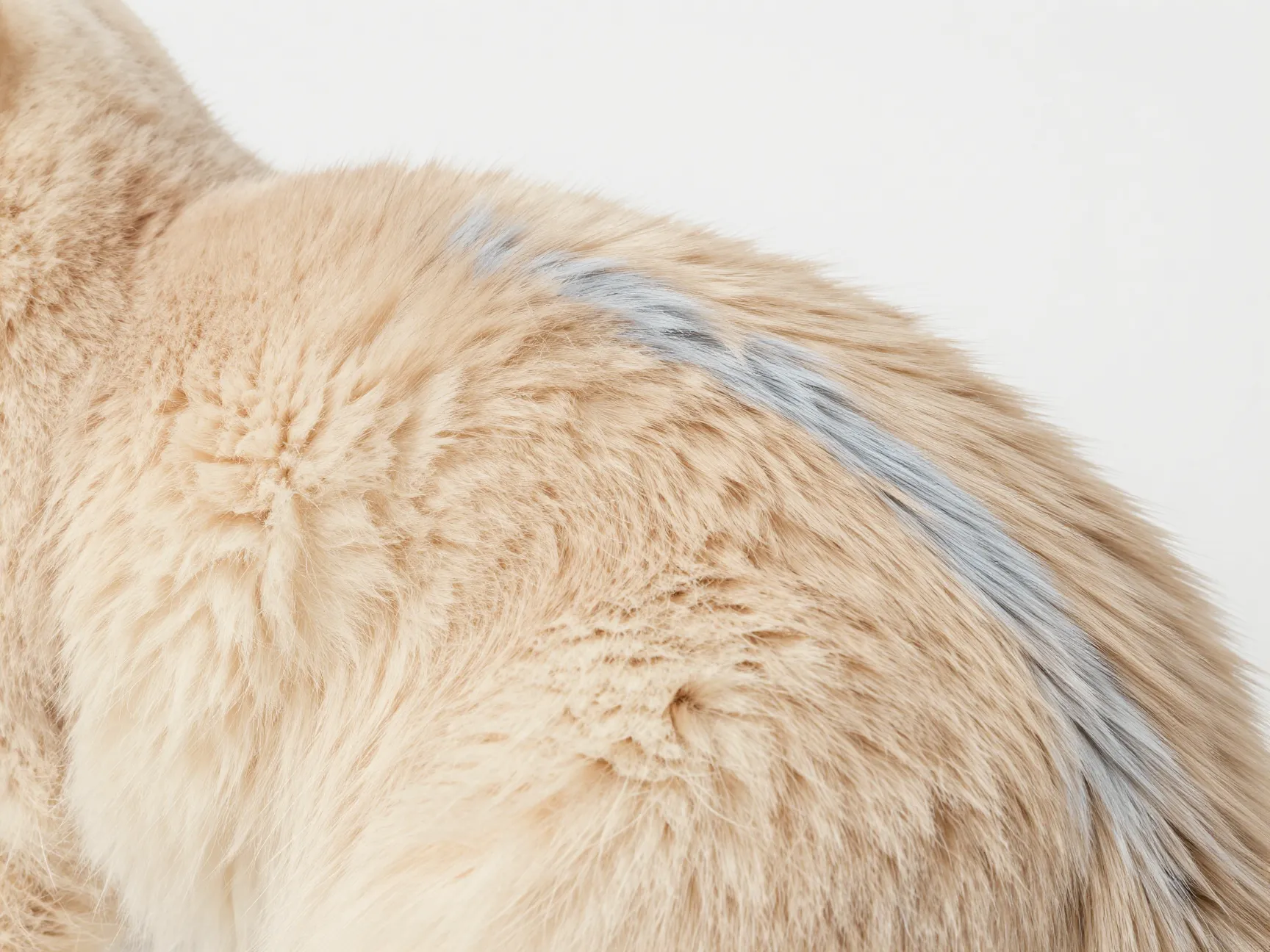
The blue golden chinchilla, coded ay12, applies the same light-touch tipping technique used in ny12 but with blue-grey instead of black tipping. This produces one of the softest, most pastel-leaning versions of the golden group, where the honey undercoat practically dominates the coat’s appearance.
Because the tipping is both cooler in tone and lighter in density, ay12 cats often appear almost silvery-gold depending on the lighting, which makes them popular for photography-focused catteries. Breeders note that achieving a clean, consistent ay12 coat requires careful line breeding, since even small inconsistencies in tipping placement are more visible against such a pale base.
5. Chocolate Golden Shaded British Longhair (BY11)
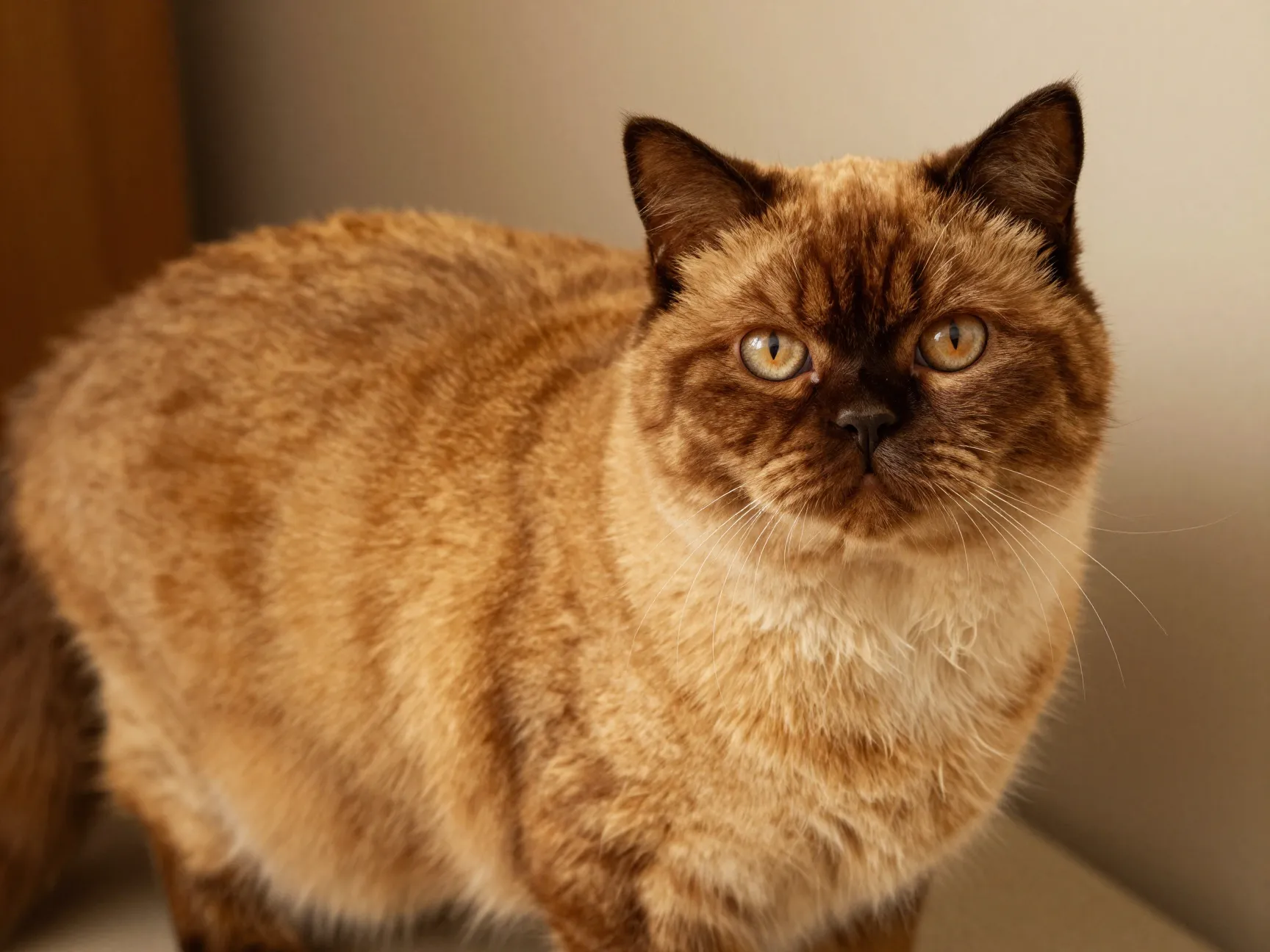
Chocolate golden shaded, coded by11, is one of the rarer variants on this list. It combines the warm honey base with rich chocolate-brown tipping, producing a deeper, warmer overall coat tone compared to the black or blue tipped versions. The chocolate tipping tends to blend more smoothly into the golden undercoat, since both colors sit closer together on the warm end of the color spectrum.
Because chocolate coloring itself is less common in British Shorthair and Longhair lines, by11 kittens are harder to find and often command higher prices than the more established ny11 or ay11 variants. Breed overviews updated for 2026 specifically flag chocolate golden shades as part of a growing category of rare, high-demand fashionable colors within golden breeding programs.
6. Lilac Golden Shaded British Longhair (CY11)
Lilac golden shaded, coded cy11, is the rarest of the six variants and arguably the most delicate in appearance. It pairs the honey undercoat with a soft, dusty pink-grey tipping that creates a gentle, almost powdery finish over the golden base. The overall effect is subtle rather than bold, appealing to owners who want something unusual without heavy contrast.
Lilac golden cats are frequently mentioned alongside chocolate golden as part of the rare shade category driving current breeder interest. Because lilac coloring already requires a specific combination of recessive genes even before factoring in the golden group, cy11 kittens are typically the most expensive and hardest to source among all six variants, often requiring buyers to join waiting lists at specialized catteries.
Comparing the Six Golden Variants at a Glance
The table below summarizes the key visual and genetic differences among the 6 Golden British Longhair Cat Breeds With Luxurious, Sun-Kissed Coats discussed above.
| Variant | Code | Tipping Color | Overall Look | Rarity |
|---|---|---|---|---|
| Black Golden Shaded | NY11 | Black | Deep, bronzed glow | Common |
| Black Golden Chinchilla | NY12 | Black, light | Bright, luminous | Moderate |
| Blue Golden Shaded | AY11 | Blue-grey | Dusky, muted gold | Moderate |
| Blue Golden Chinchilla | AY12 | Blue-grey, light | Pastel, almost silvery gold | Moderate |
| Chocolate Golden Shaded | BY11 | Chocolate brown | Warm, blended tone | Rare |
| Lilac Golden Shaded | CY11 | Pink-grey | Soft, powdery finish | Very rare |
Cost, Lifespan, and What Drives the Price
Golden British Longhair kittens generally cost between $1,200 and $2,500 from established catteries. Show-quality or championship-line kittens, particularly rare variants like chocolate golden or lilac golden, can exceed $3,000. Several factors push prices higher: pedigree depth, coat evenness, eye color saturation, and whether the cattery is registered with a recognized body such as TICA.
Life expectancy for the breed sits between 12 and 16 years when cats receive proper nutrition, regular veterinary care, and an indoor lifestyle. This relatively long lifespan is one reason breeders and buyers alike treat the purchase as a long-term commitment rather than an impulse decision. Marketplace listings throughout late August and September 2026 continued to show steady kitten availability across UK platforms, alongside consistent demand from US-based buyers seeking specific color codes like black golden chinchilla.
Temperament and Everyday Life With a Golden British Longhair
Despite their glamorous coats, golden British Longhairs are known for calm, affectionate temperaments rather than high-energy antics. Cattery profiles describing individual golden shaded cats consistently emphasize traits like gentle sociability, comfort around children, and a strong preference for indoor living over outdoor exploration. These are not working cats bred for hunting instincts; they are companion cats bred for beauty and temperament in equal measure.
Owners should expect a moderately independent but affectionate companion. Golden British Longhairs tend to enjoy quiet lap time and predictable routines more than constant interactive play, making them a good fit for households that want a low-drama, high-comfort pet.
Grooming and Coat Care Essentials
The medium-to-long coat that gives these cats their sun-kissed appearance also requires consistent upkeep. Without regular care, the same plush fur that looks luxurious in photos can quickly mat, especially around the neck ruff and hind legs.
Recommended care routine:
- Brush the coat two to three times per week using a wide-tooth comb followed by a slicker brush to prevent matting.
- Check the undercoat during seasonal shedding periods, since golden cats often carry a dense double coat that sheds heavily in spring and autumn.
- Bathe only when necessary, using a cat-safe shampoo that will not strip natural oils responsible for the coat’s warm sheen.
- Trim nails every two to three weeks and check ears weekly, since longhaired breeds can trap debris more easily than shorthaired cats.
- Schedule annual veterinary checkups that include dental evaluation, since British Longhairs can be prone to weight gain if not monitored.
Diet also affects coat quality. High-quality protein sources support the density and shine that make golden tipping stand out, while omega fatty acid supplements are commonly recommended by breeders to maintain coat luster year-round.
Frequently Asked Questions
What is the difference between golden and silver British Longhairs?
Golden cats have a warm honey or apricot base coat with darker tipping, while silver cats have a white or pale silver base. Both can appear in shaded or chinchilla patterns, but the underlying base color is the defining difference.
Are golden British Longhairs a separate breed from British Shorthairs?
No. The British Longhair is considered a longhaired variant of the British Shorthair, sharing the same body type and standards but carrying the gene for longer fur. Golden coloring can appear in both coat lengths.
Which golden variant is the rarest among the 6 Golden British Longhair Cat Breeds With Luxurious, Sun-Kissed Coats?
Lilac golden shaded, coded cy11, is generally considered the rarest and most expensive, followed closely by chocolate golden shaded.
Do golden British Longhairs need more grooming than other coat colors?
Coat color does not affect grooming needs, but coat length does. Because these cats carry the longhair gene, they require more frequent brushing than short-coated British cats regardless of golden, silver, or classic coloring.
How much does a Golden British Longhair typically cost in 2026?
Most kittens sell for $1,200 to $2,500, with show-quality or rare-color kittens reaching $3,000 or higher depending on cattery reputation and color rarity.
Conclusion
The 6 Golden British Longhair Cat Breeds With Luxurious, Sun-Kissed Coats represent one of the most visually striking developments in modern cat breeding, blending decades-old British body standards with a warm, honey-toned color palette that photographs beautifully and ages gracefully over a 12 to 16 year lifespan. From the bold contrast of black golden shaded to the delicate rarity of lilac golden shaded, each variant offers a slightly different take on the same core promise: a sturdy, round-faced companion wrapped in a coat that genuinely looks touched by sunlight.
Anyone considering one of these cats should start by identifying which specific variant appeals most, then research registered catteries that can provide documented color codes and health records. Ask breeders directly about parent lineage, coat evenness, and eye color development before committing, since these factors influence both price and long-term satisfaction. A well-chosen golden British Longhair is not just a pet purchase; it is a multi-decade companionship decision worth researching as carefully as the breed itself deserves.