Cat Icons That Double As Funny Memes For Digital Communication
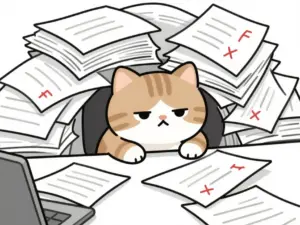
A single cat photo has replaced entire paragraphs of text. Icons8 alone hosts nearly 3,900 free “funny cat meme” icons across flat, glyph, and outline styles, and that number keeps climbing every quarter. That is not a niche hobby collection, it is a sign that cat imagery has become one of the most efficient shorthand systems in modern chat culture. When a coworker sends a screaming orange cat instead of typing “I am overwhelmed,” everyone in the group chat understands instantly. This article breaks down 6 Cat Icons That Double As Funny Memes For Digital Communication, explains why they work so well, and shows how to use them without looking like you are trying too hard.
Disclosure: This post contains affiliate links. As an Amazon Associate, we earn from qualifying purchases, and at no extra cost to you.
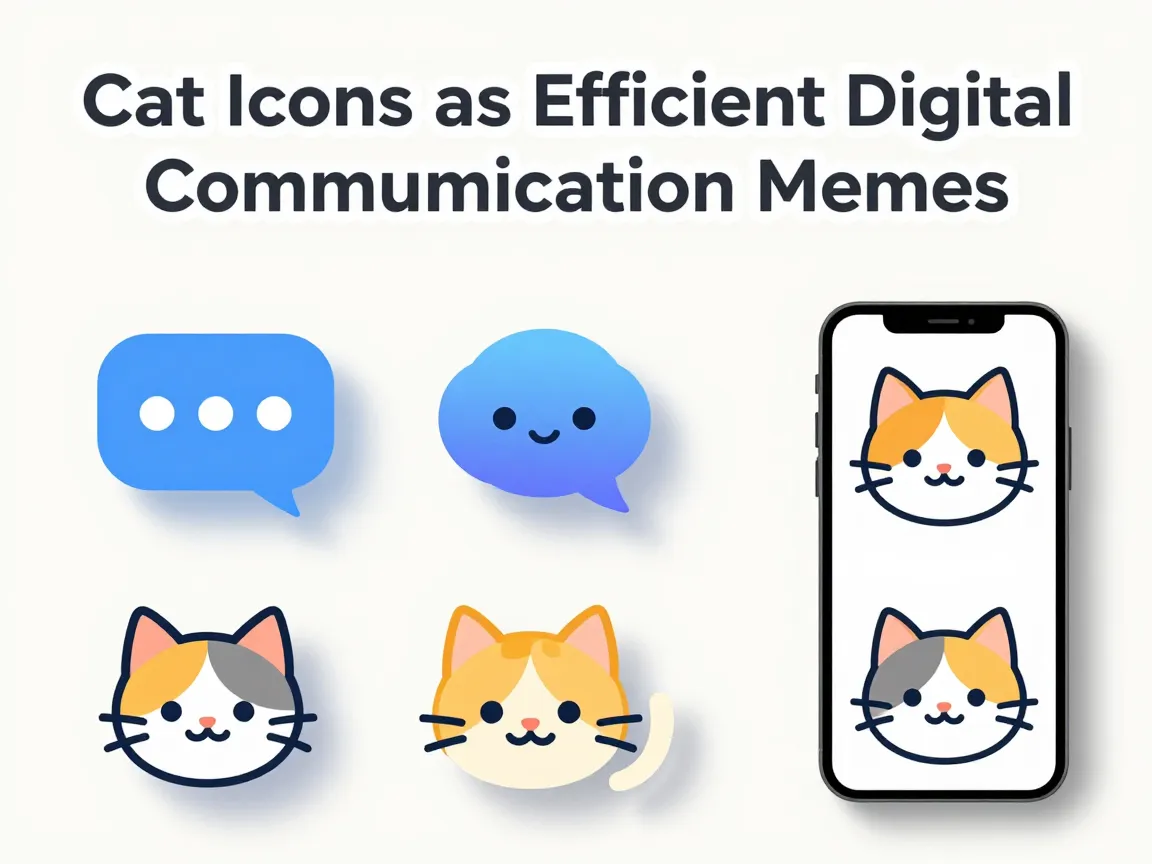
Cat icons succeed where words often fail because a cat’s face does half the emotional labor for you. Flattened ears, wide pupils, and dramatic poses read as universal signals of stress, joy, or sarcasm, even across language barriers. That is why platforms like Canva and PlaygroundAI keep expanding their cat meme template libraries, and why AI image tools now let anyone generate a custom cat icon from a text prompt in seconds. The demand is not slowing down, it is accelerating.
Key Takeaways
- Cat icons function as visual shorthand, letting people express complex emotions like sarcasm, shock, or defeat without typing a single sentence.
- The 6 Cat Icons That Double As Funny Memes For Digital Communication covered here include Smudge the Cat, Grumpy Cat, Keyboard Cat, Vibing Cat, Crying Cat, and stacked cat emoji clusters.
- Icon marketplaces and AI generation tools have turned cat memes into reusable, on-demand assets rather than one-off jokes.
- Choosing the right cat icon depends on matching the cat’s expression to the exact tone you want, from playful smugness to genuine distress.
- Overusing emoji stacks or recycling the same reaction too often can dilute their impact, so intentional, occasional use works best.
Why Cat Icons Dominate Digital Communication
Cat icons did not become popular by accident. Cats are naturally expressive animals. Their wide eyes, sudden pounces, and exaggerated stillness translate easily into still images and short clips that carry emotional weight without any caption at all. Academic research on cat meme videos has even framed them as tools for shared emotional processing, not just throwaway jokes. People use them to process frustration, celebrate small wins, or signal solidarity in a group chat when words feel like too much effort.
Marketplaces have responded to this demand at scale. Icons8’s library of thousands of cat meme icons spans multiple design styles, meaning a designer building an app interface can pull a “grumpy cat” glyph the same way they would pull a settings gear icon. Canva’s meme template section and PlaygroundAI’s newly expanded cat meme templates make it trivial for non-designers to drop a cat face onto any image and caption it in under a minute. Meanwhile, AI-driven tools like Pippit’s Image Studio let users type a description, pick a visual style such as pixel art or papercut, and generate a finished cat icon ready for download and editing.
This convergence of supply and demand explains why cat icons now sit alongside traditional emoji as a recognized layer of digital language. They are fast, they are funny, and they rarely need translation.
The 6 Cat Icons That Double As Funny Memes For Digital Communication
The following six entries represent the most consistently used cat icons across chat apps, comment sections, and social platforms today. Each one carries a distinct emotional signature, which is exactly why they have survived years of meme cycles without losing relevance.
1. Smudge The Confused Screaming Cat
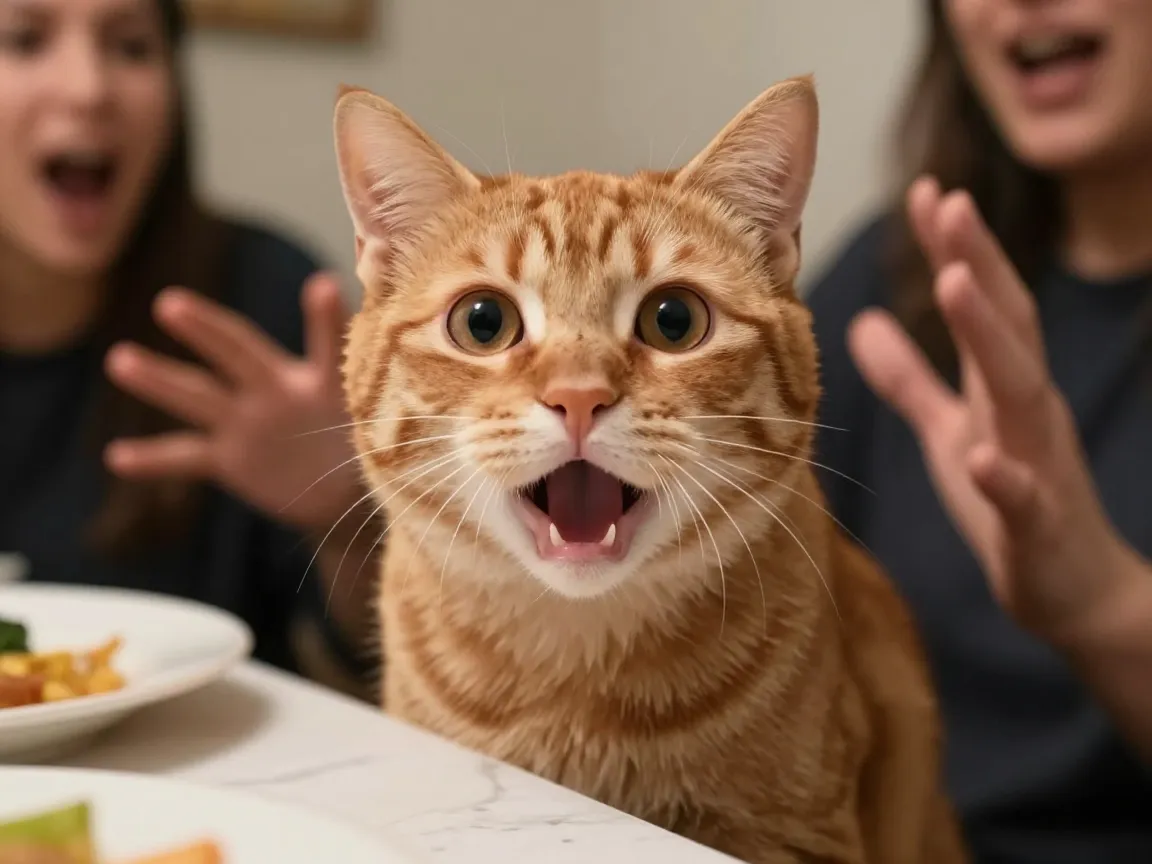
This orange tabby, famously photographed sitting wide-eyed at a dinner table beside a woman appearing to yell at him, has become the go-to icon for confusion, overwhelm, or being unfairly blamed for something. The image works because Smudge’s expression sits perfectly between shock and mild panic. People drop this cat into a chat when they want to say “I have no idea what is happening right now” without typing a single word. It remains one of the most recognizable reaction images in circulation, frequently topping round-ups of the most-used cat meme GIFs.
2. Grumpy Cat, The Permanent Expression Of Disapproval
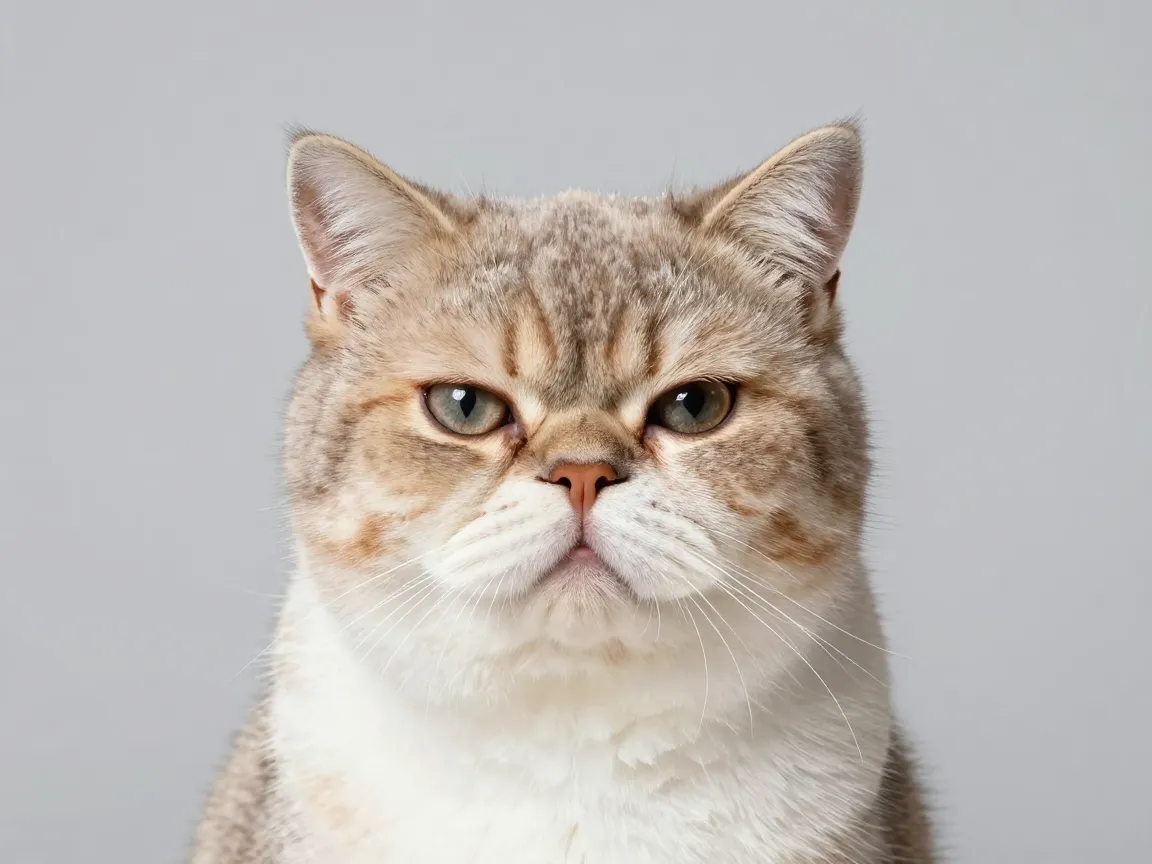
Tardar Sauce, better known as Grumpy Cat, built an entire cultural legacy around one unchanging facial expression. Her naturally downturned mouth and flat stare became shorthand for irritation, disapproval, or flat-out refusal. Even years after the original cat’s fame peaked, the icon persists because it captures a feeling almost everyone has: pure, wordless annoyance. Sending a Grumpy Cat image in response to a bad meeting invite or a canceled plan communicates exasperation faster than any sentence could.
3. Keyboard Cat, The Universal Signal For “Wrap It Up”
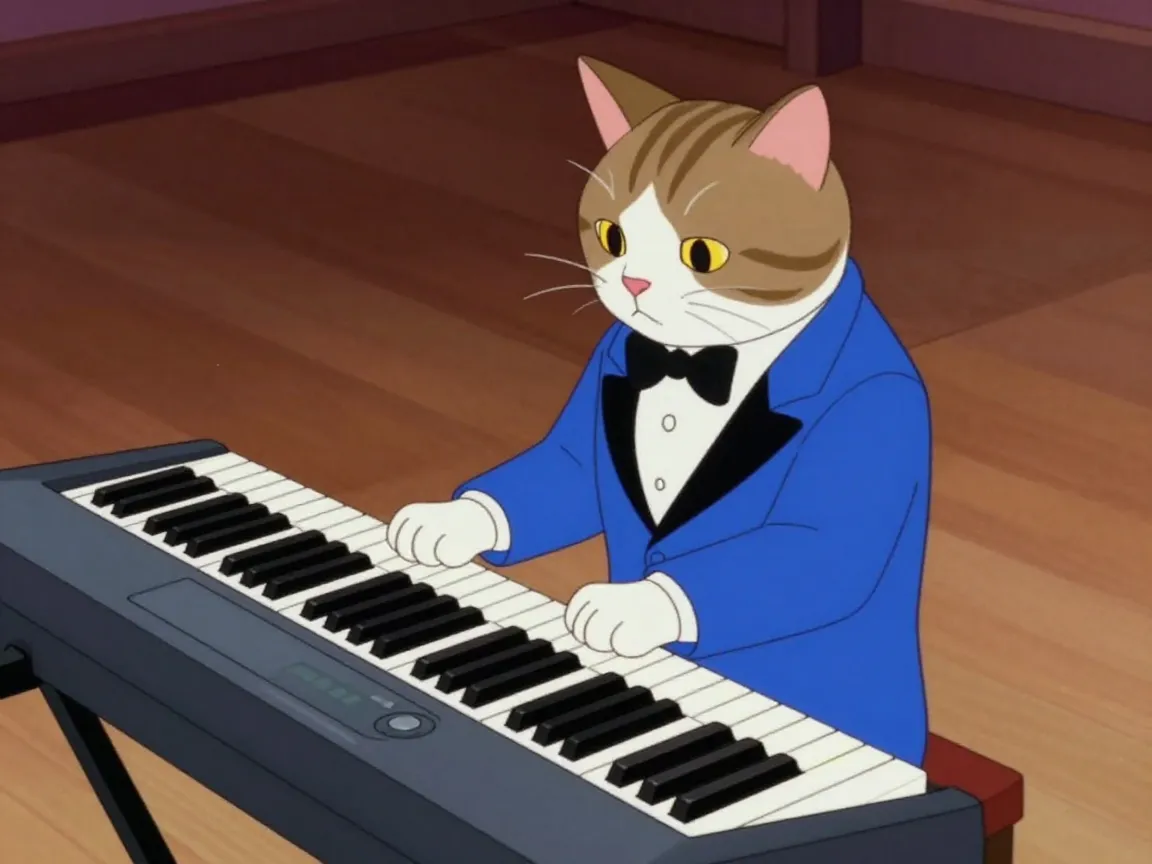
Keyboard Cat shows a cat appearing to play a small piano, historically used online to musically “play someone off” after an awkward or embarrassing moment. In digital communication today, this icon signals sarcasm about timing, a gentle way of saying “that conversation is over” or “moving on now.” Its longevity comes from its flexibility. It works in professional group chats as a lighthearted nudge and in casual friend groups as pure comedy.
4. Vibing Cat, The Icon Of Effortless Confidence
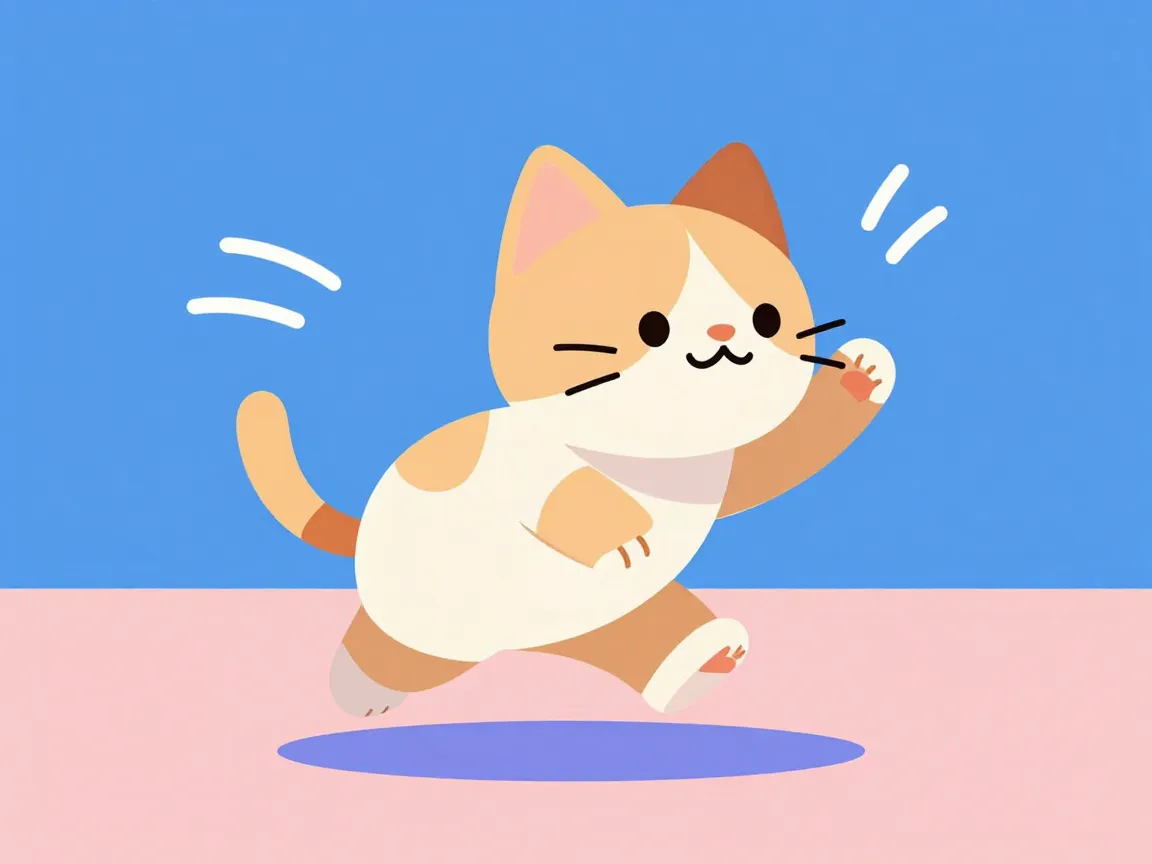
Also known as CatJam, this bouncing, rhythmic cat animation has become the icon people reach for when something feels satisfying, smooth, or simply good. It pairs naturally with music references or moments of quiet triumph, like finishing a task right before a deadline. Its popularity also feeds into a broader trend where cat imagery signals confidence and self-assurance, seen in TikTok overlays that pair cat emojis with phrases suggesting someone is “unbothered and put together.”
5. Crying Cat, The Shorthand For Defeat And Disappointment
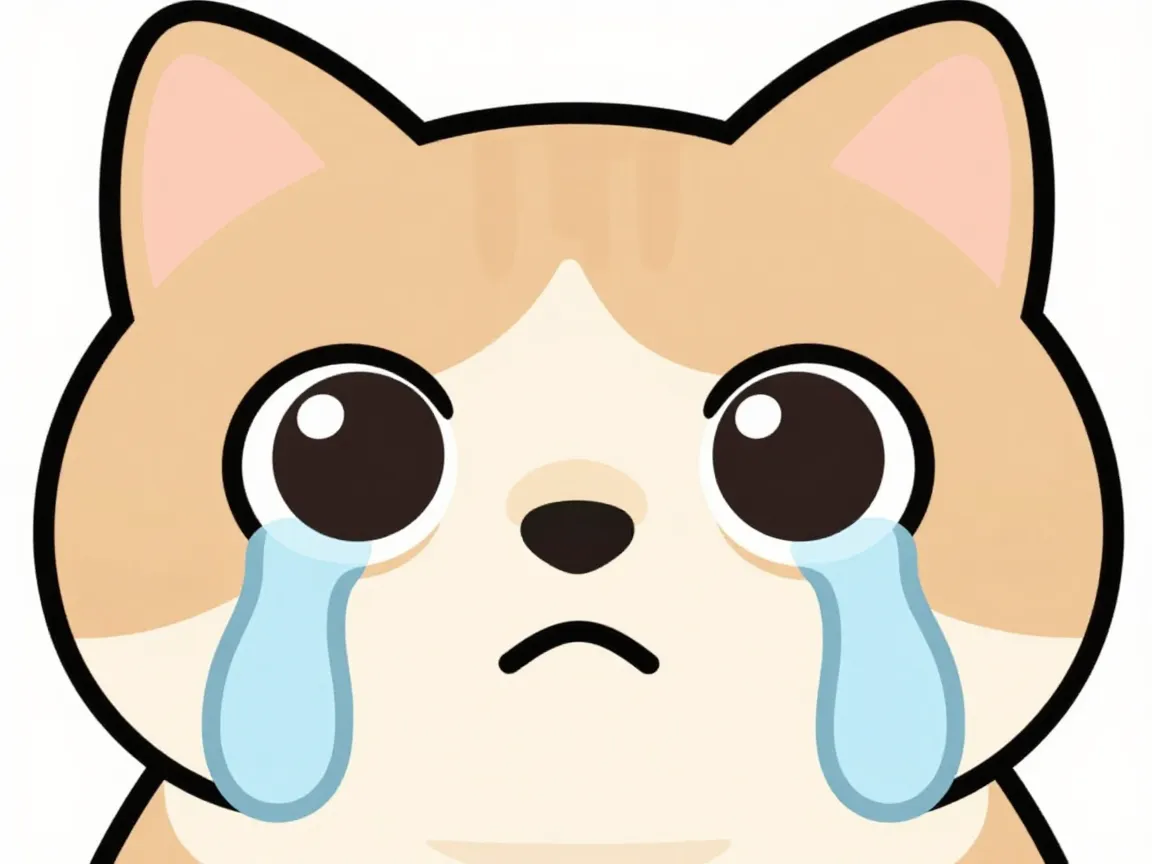
Whether it appears as a classic tears-streaming cat face or the newer “Crying Banana Cat” variant, this icon communicates sadness, defeat, or theatrical disappointment. It is commonly used after a loss in a game, a canceled plan, or a joke about personal shortcomings. The Banana Cat version specifically has gained traction because its simplified, rounded design reads as both sad and slightly comedic, softening the emotional weight while still getting the point across.
6. The Stacked Cat Emoji Cluster
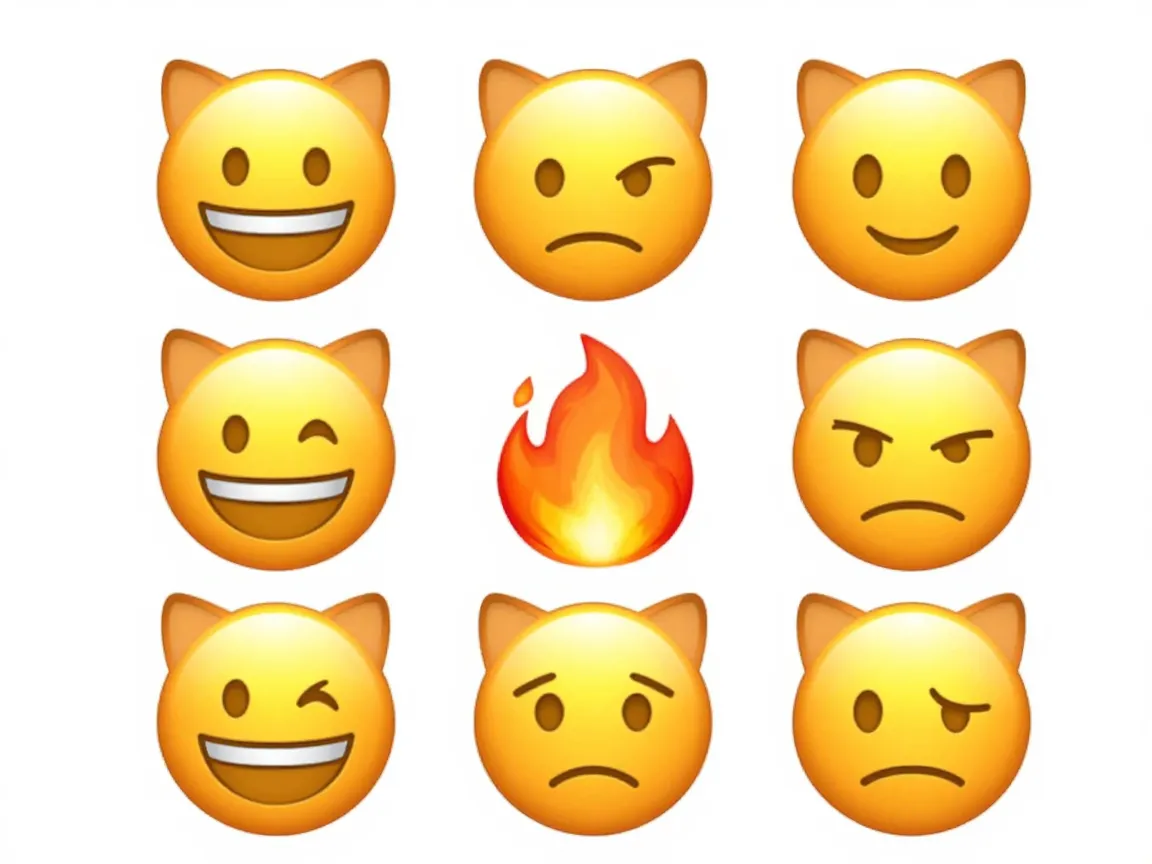
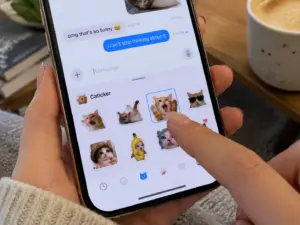
Beyond static images and GIFs, Unicode cat-face emojis themselves function as icons. The grinning cat, the tears-of-joy cat, the wry-smile cat, and the weary cat each carry specific meanings that people choose deliberately over human-face equivalents to signal playful satire. A newer trend takes this further by stacking emojis, such as a cat paired with a flame or a nail-polish symbol, to create compact codes for confidence or smug charm. Analysts tracking this trend recommend limiting stacks to three or four emojis so the message stays legible rather than cluttered.
Quick Comparison Table
| Icon | Primary Emotion Signaled | Best Used For |
|---|---|---|
| Smudge The Confused Cat | Shock, overwhelm | Reacting to unexpected news |
| Grumpy Cat | Disapproval, irritation | Rejecting a bad idea or plan |
| Keyboard Cat | Sarcastic closure | Ending an awkward exchange |
| Vibing Cat | Confidence, satisfaction | Celebrating a small win |
| Crying Cat | Defeat, disappointment | Reacting to a loss or letdown |
| Stacked Cat Emoji Cluster | Smugness, playful confidence | Short captions on social clips |
“A single frame of these cats instantly communicates sarcasm, annoyance, chaos, or resigned acceptance, effectively functioning as a visual idiom in online conversation.”
That observation, echoed across multiple culture round-ups of the most iconic meme cats, sums up exactly why these six icons keep resurfacing year after year. They are not static images frozen in internet history. They are living shorthand that adapts to whatever context a conversation needs.
How To Choose The Right Cat Icon For Any Conversation
Picking the correct cat icon is less about randomness and more about matching tone to context. A mismatch can confuse the recipient or send the wrong emotional signal entirely.
Match The Expression To The Actual Feeling
Before sending any cat icon, pause and ask whether the expression genuinely fits the moment. A Grumpy Cat reaction to genuinely bad news can read as dismissive rather than funny, while Crying Cat fits better for something disappointing but not serious.
Read The Room Before Using Sarcastic Icons
Keyboard Cat and smug emoji stacks work well in casual or established friend groups but can feel out of place in more formal digital spaces, such as work Slack channels with people you do not know well.
Keep Emoji Stacks Short
Stacking more than four cat-related emojis in a row tends to lose clarity fast. The most effective combinations, like a cat paired with a single flame symbol, keep the message immediately readable.
Consider The Platform’s Visual Culture
TikTok and Instagram comment sections tend to favor stacked emoji codes and short animated GIFs like Vibing Cat, while group texts and email-adjacent chat apps often lean toward static images like Grumpy Cat or Smudge.
Refresh Your Rotation Occasionally
Relying on the same cat icon for every reaction eventually loses its punch. Rotating between the six icons above, or generating a fresh custom cat image through an AI tool, keeps reactions feeling intentional rather than automatic.
Where These Cat Icons Come From And Where They Are Headed
The supply chain behind cat icons has changed dramatically. A few years ago, most cat memes originated from a single viral photo or video clip that spread organically. Today, three forces are shaping how these icons get made and shared.
First, dedicated icon marketplaces treat cat memes as structured design assets. Thousands of variations exist in different visual styles, meaning a cat icon can be dropped into an app, a website, or a sticker pack with the same ease as any other UI element.
Second, template platforms have industrialized meme creation. Instead of hunting for the perfect image, users select a pre-built cat meme template, swap in their own caption, and share it within seconds. This lowers the barrier to entry so far that meme creation is no longer limited to skilled editors.
Third, generative AI tools now let anyone describe a cat icon in plain language and receive several stylistic options, from pixel art to papercut illustration, ready for immediate download. This means custom cat icons tailored to a specific inside joke or niche audience can be produced without any design skill at all.
Together, these three shifts explain why the six icons covered in this article are unlikely to disappear anytime soon. Even as new cat characters emerge, the underlying demand for expressive, instantly recognizable cat imagery in digital communication keeps growing.
Frequently Asked Questions
What makes cat icons more effective than plain text for reactions?
Cat expressions carry built-in emotional cues, like wide eyes for shock or flattened features for irritation, that people recognize instantly, cutting down on the need for lengthy explanations.
Are these six cat icons the same across every platform?
The core expressions remain consistent, but the specific format varies. Some platforms favor static images, others favor short GIFs, and some rely on Unicode emoji versions built directly into keyboards.
Can businesses use cat icons in professional communication?
Occasionally and carefully. Lighthearted internal team chats can benefit from a well-placed Grumpy Cat or Keyboard Cat reaction, but customer-facing or formal communication generally should avoid them.
Is it better to use a real cat photo meme or a Unicode cat emoji?
It depends on context. Photo-based memes like Smudge or Grumpy Cat carry more personality and humor, while Unicode emojis are faster to type and universally supported across nearly every messaging app.
How many cat emojis should be stacked together for clarity?
Most current guidance suggests limiting stacks to three or four symbols. Beyond that, the combined message becomes harder to read at a glance and loses its intended punch.
Conclusion
Cat icons have quietly become one of the most efficient tools in digital communication, and the six examples explored in this guide to 6 Cat Icons That Double As Funny Memes For Digital Communication show exactly why. Smudge the Confused Screaming Cat, Grumpy Cat, Keyboard Cat, Vibing Cat, Crying Cat, and stacked cat emoji clusters each solve a different communication problem, from expressing shock to signaling smug confidence, all without requiring a single typed sentence.
The next time a conversation calls for a fast, universally understood emotional cue, consider reaching for one of these six icons rather than typing out an explanation. Start small: pick one or two that match personal communication style, practice using them intentionally rather than randomly, and stay open to trying newly generated cat icons from template platforms or AI tools as fresh variations continue to emerge. Digital communication keeps evolving, and cat icons show no sign of stepping out of the spotlight.