Westie Dog (West Highland Terrier) Facts That Prove Their Big Personality
A West Highland White Terrier weighs about as much as a bag of mulch, yet countless owners swear their dog acts like a seventy-pound guard dog trapped in an eighteen-pound body. That gap between size and swagger is not an accident of one quirky pup. It is a documented pattern across the breed, and it is exactly why anyone researching this dog eventually lands on the same question: what are the 6 Westie Dog (West Highland Terrier) facts that prove their big personality, and why does a small white terrier command so much attention?

Disclosure: This post contains affiliate links. As an Amazon Associate, we earn from qualifying purchases, and at no extra cost to you.
The answer involves centuries of farm work, a stubborn streak bred on purpose, and a temperament that modern veterinary and pet-care experts describe in terms usually reserved for much larger working breeds. This article breaks down the six most compelling, research-backed facts about Westie personality, explains why each one matters for daily life with the breed, and offers practical guidance for anyone considering or already living with one of these small dogs with an outsized presence.
Key Takeaways
- Westies typically weigh only 15 to 20 pounds, but their confidence, alertness, and self-assurance mirror traits seen in much larger breeds.
- Their history as farm ratters explains the high prey drive, tenacity, and boundless energy that define the modern Westie.
- These dogs are natural watchdogs that bark readily and stay mentally engaged, which makes early training and enrichment essential.
- Westies are intelligent and learn quickly, but boredom brings out a stubborn, independent streak that owners must plan for.
- With a 2024 AKC ranking of 41st among all breeds in the United States, steady demand shows their bold character continues to win over families.
The 6 Westie Dog (West Highland Terrier) Facts That Prove Their Big Personality at a Glance
Before diving into each fact individually, it helps to see how the Westie’s physical stats compare with its behavioral reputation. On paper, this breed looks like a lap dog. In practice, most owners describe something closer to a small, opinionated companion who insists on being part of everything happening in the house.
| Trait | Typical Westie Reality |
|---|---|
| Weight | 15 to 20 pounds |
| Height | 10 to 11 inches at the shoulder |
| Lifespan | 13 to 15 years |
| Energy level | Medium to high |
| Personality descriptors | Confident, strong-willed, cheeky, jaunty, affectionate |
| Family and child compatibility | Rated around 4 out of 5 in current breed guides |
| Daily exercise need | About one hour |
| 2024 AKC popularity rank | 41st out of all recognized breeds |
This table sets the stage for the six specific facts below, each of which draws on current breed data, veterinary observations, and training research to explain exactly where that big personality comes from and how it shows up day to day.
1. Westies Carry Themselves Like Much Bigger Dogs

The single most repeated observation across current breed profiles is simple: Westies do not act like small dogs. Pet-care platforms consistently describe them as confident, independent, and lively, language typically applied to dogs several times their size. One widely cited 2025-2026 breed profile calls the Westie “a big personality wrapped in a little package,” a phrase that has become something of an industry shorthand for the breed.
This is not exaggeration for marketing purposes. Owners routinely report that their Westie approaches new people, unfamiliar dogs, and even larger animals with the same self-assured posture a Labrador or German Shepherd might display. There is little hesitation and almost no sense that the dog recognizes its own small stature as a limitation.
“A big personality wrapped in a little package” is how one major pet retailer’s 2025-2026 breed guide sums up the West Highland Terrier, and it is a description that fits nearly every owner testimonial about the breed.
For prospective owners, this trait means socialization still matters, even though the dog seems naturally bold. A confident dog that has not been properly introduced to new situations can become confident and reactive at the same time, which is a very different outcome than confident and well-adjusted.
2. Their Compact Size Sharply Contrasts With Their Energy and Attitude
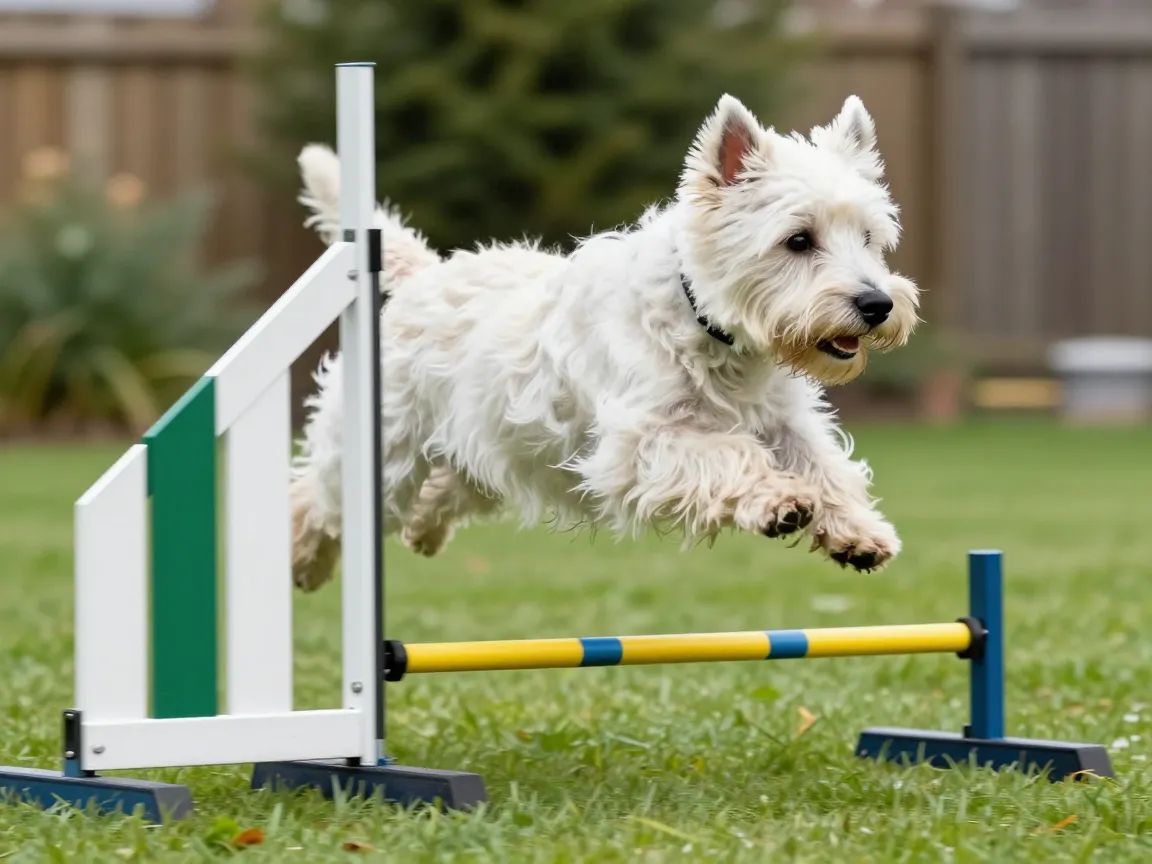
Multiple 2026 breed profiles quantify the Westie as a genuinely small dog, typically 15 to 20 pounds with a medium-to-high energy level and a lifespan averaging 13 to 15 years. That combination of small body, above-average energy, and long lifespan means owners are signing up for well over a decade of an animated, engaged companion, not a quiet, low-maintenance lapdog.
One 2026 breed guide from a pet-insurance-adjacent platform summarizes the Westie in three words: confident, entertaining, courageous. Notably, none of those descriptors reference appearance or size. The personality is presented as the primary selling point of the breed, not a secondary trait layered on top of a cute look.
This mismatch between size and energy has practical consequences. A dog this small can technically live in a studio apartment, but the energy level demands daily structured activity regardless of square footage. Owners who assume a small dog automatically means a low-energy dog are often surprised within the first few months of ownership.
3. Watchdog Instincts Make Westies Vocal, Alert Little Sentries

Up-to-date veterinary and behavior sources describe Westies as alert, opinionated, and notably vocal. Multiple training guides note that Westies function as small watchdogs, quick to bark at unfamiliar sights, sounds, or visitors at the door. This is not incidental noise; it is a direct expression of the breed’s need to feel in control of its environment and its instinct to alert the household to anything unusual.
A widely referenced pet-health overview highlights that Westies need consistent mental stimulation because they are intelligent enough to learn quickly but become bored easily, and boredom often shows up as excessive barking or self-directed mischief. In other words, the same sharpness that makes them excellent watchdogs can tip into a nuisance if the dog’s mind is left idle for too long.
The table below summarizes how this watchdog tendency typically plays out at different life stages.
| Life Stage | Typical Watchdog Behavior | Recommended Response |
|---|---|---|
| Puppyhood | Barking at new noises, curious investigation | Early socialization, calm exposure to new sounds |
| Adolescence | Increased barking at strangers or other animals | Consistent training commands, structured routines |
| Adulthood | Reliable alerting, but can become excessive if bored | Daily exercise plus mental enrichment activities |
| Senior years | Alertness may soften slightly, but instincts remain | Maintain routine, adjust exercise to comfort level |
Owners who channel this instinct with training rather than trying to eliminate it tend to have the best results. A Westie that barks once to alert and then settles on command is a very different experience than one that barks continuously with no off switch.
4. Their Ratting Heritage Fuels Relentless Tenacity

The roots of Westie personality trace directly back to their original job. These dogs were bred to hunt small rodents on Scottish farms, work that demanded a dog small enough to squeeze into tight burrows but tough enough to face down prey without backing off. That combination of small size and fearless follow-through is precisely what modern owners now describe as “big-dog bravery” packed into a tiny frame.
Current breed references note that this hunting background explains the Westie’s high prey drive, boundless energy, and persistence in the face of obstacles. A dog bred to dig after rodents for hours does not simply switch that drive off because it now lives in a suburban backyard. Many owners notice their Westie digging in garden beds, chasing squirrels with single-minded focus, or refusing to abandon a toy that has rolled under furniture.
This heritage also explains why Westies generally need close to an hour of exercise daily. That activity level is not arbitrary; it mirrors the stamina requirements of a working farm dog, even though most modern Westies will never see a rodent burrow in their lives.
Understanding this history reframes behaviors that might otherwise seem stubborn or difficult. A Westie that will not give up on a chase is not being defiant. It is behaving exactly as its ancestors were bred to behave for generations.
5. Westies Are Smart, Fast Learners With a Genuine Stubborn Streak
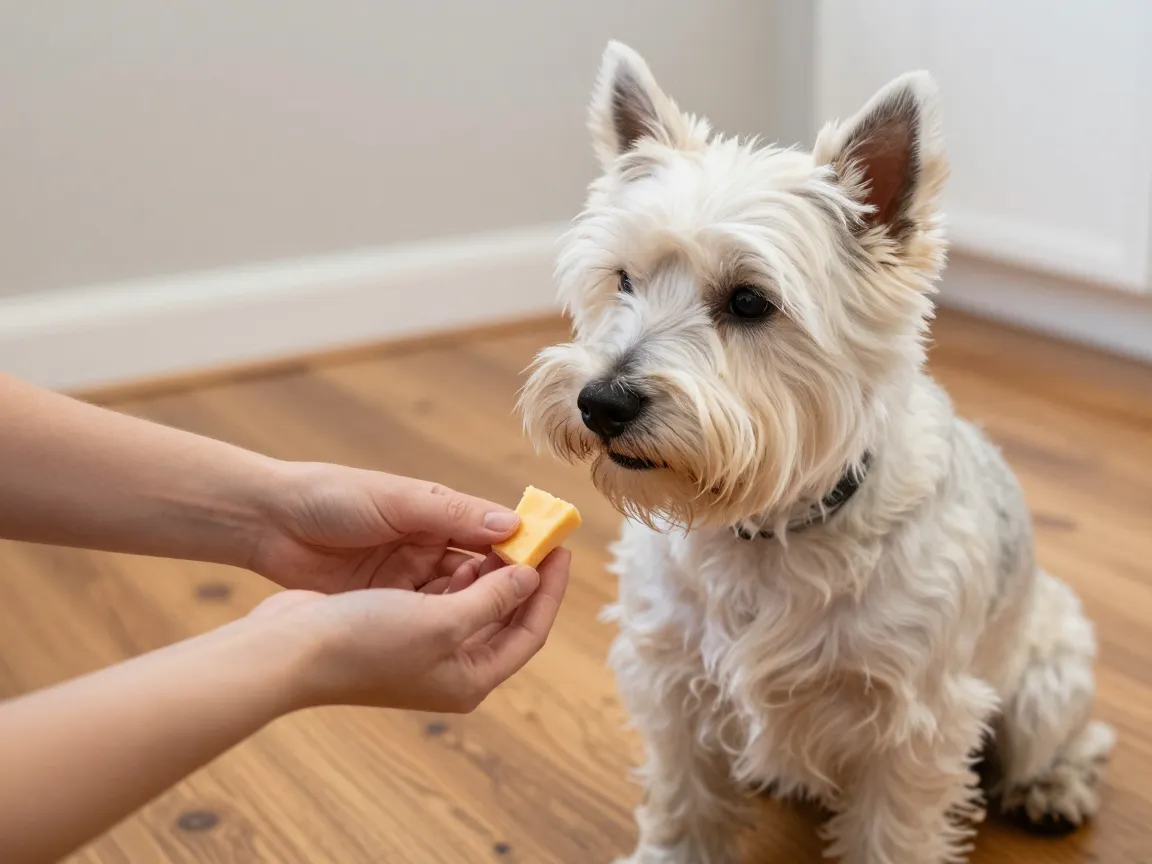
Intelligence and stubbornness sound contradictory, but in Westies they exist side by side. Training resources consistently describe the breed as quick to learn new commands and tricks, particularly when training sessions are short, positive, and engaging. At the same time, these same sources warn that Westies are prone to inventing their own entertainment when they become bored, and that self-directed streak can look a lot like defiance to an unprepared owner.
This is a hallmark of a strong-willed personality rather than a training failure. Purina’s current breed library describes Westies as “friendly, strong-willed,” and separately as “courageous, cheeky, jaunty and affectionate,” language that acknowledges both the charm and the challenge in the same breath.
Practical training takeaways for this trait include the following list of proven approaches.
- Keep training sessions short, ideally five to ten minutes, since Westies lose focus quickly once a task feels repetitive.
- Use high-value rewards such as small pieces of real meat or cheese, since food motivation tends to be strong in this breed.
- Introduce variety early, rotating between obedience commands, simple tricks, and scent-based games to satisfy their sharp minds.
- Avoid harsh corrections, since a strong-willed dog often responds to pressure with more resistance rather than compliance.
- Build in daily mental enrichment, such as puzzle feeders or short training refreshers, to prevent boredom-driven mischief.
Owners who treat training as an ongoing, engaging partnership rather than a one-time obedience course tend to get the most consistent results from this breed.
6. Westies Are Engaged Companions, Not Passive Lap Dogs

Perhaps the clearest evidence supporting the idea of the 6 Westie Dog (West Highland Terrier) facts that prove their big personality is how these dogs choose to spend their time with people. Contemporary behavior guides are explicit on this point: Westies are not passive lap dogs. They are described as engaged, opinionated companions who want to participate in whatever their owner is doing, whether that is gardening, walking, working from a home office, or simply moving from room to room.
This participatory nature also shows up in family settings. Recent breed analyses rate Westies around 4 out of 5 for compatibility with families and older children, praising their affectionate, playful side while also noting an important caveat: their confident nature means they generally will not tolerate rough handling, and some individuals can be possessive over food or favorite toys. This is a breed that gives warmth and loyalty freely but expects respectful treatment in return.
A commonly cited 2026 breed guide captures this balance well, describing Westies as “confident and cheerful, tenacious in the most charming way” while also noting they “will not back down from a challenge.” That single line arguably summarizes the entire personality profile of the breed better than any other description available.
What These 6 Westie Dog (West Highland Terrier) Facts Mean for Prospective Owners
Taken together, these six facts paint a consistent picture. The Westie’s big personality is not a marketing exaggeration; it is a documented, expert-supported pattern rooted in the breed’s working history, reinforced by modern temperament studies, and confirmed by veterinary and training professionals across multiple current sources.
For someone deciding whether a Westie fits their household, three practical questions matter most.
First, is there time for roughly an hour of daily exercise plus additional mental stimulation? Second, is there tolerance for a dog that will bark to alert and occasionally test boundaries out of sheer confidence? Third, is there willingness to use positive, engaging training methods rather than rigid, repetitive drills?
Households that can answer yes to all three tend to report extremely positive experiences. Insurance and pet-care industry guides published in 2026 consistently frame Westies as highly adaptable small dogs suitable for apartments, first-time owners, and families, provided their energetic, tenacious personality is channeled appropriately rather than ignored.
Frequently Asked Questions About Westie Personality
Are Westies good for first-time dog owners?
Yes, with realistic expectations. Their intelligence makes training achievable, but first-time owners should be prepared for a genuinely energetic, opinionated dog rather than a quiet companion animal.
Why do Westies bark so much?
Barking is tied to their watchdog instincts and their history as alert farm dogs. Boredom can increase barking further, so consistent exercise and mental stimulation typically reduce excessive vocalization.
Do Westies get along with children?
Current breed guides rate Westies around 4 out of 5 for compatibility with families and older children. They tend to do best with children who understand how to handle a small, confident dog respectfully.
How much exercise does a Westie actually need?
Most current sources recommend approximately one hour of daily exercise, combining walks with active play or mental enrichment to match their medium-to-high energy level.
Is the Westie’s popularity still growing?
The breed held 41st place in the American Kennel Club’s 2024 popularity rankings, a slight improvement over the previous year, suggesting steady, ongoing interest rather than a decline in demand.
Conclusion
The 6 Westie Dog (West Highland Terrier) facts that prove their big personality all point toward the same conclusion: this breed’s compact size has almost nothing to do with how it experiences the world. From confident body language and vocal watchdog instincts to a hunting-driven tenacity and a genuine need to participate in daily life, every trait reinforces the same reputation that has kept Westies steadily popular for generations of owners.
Anyone considering this breed should treat that big personality as the central planning factor, not an afterthought. That means committing to daily exercise, using positive and engaging training methods, and accepting that a small white terrier will likely have strong opinions about almost everything happening in the house. For those ready to meet that energy with structure and affection, the reward is a companion whose loyalty, humor, and courage regularly exceed what its eighteen pounds would suggest.
Prospective and current owners looking for next steps should consult a veterinarian about an appropriate exercise and enrichment plan, connect with a certified positive-reinforcement trainer during the puppy stage, and research reputable breeders or rescue organizations that prioritize temperament testing. These practical steps translate the breed’s well-documented personality traits into a manageable, rewarding daily routine.