Cute Boyfriend Drawing Ideas Featuring Your Golden Retriever
A single Pinterest idea board built around “golden retriever boyfriend drawing” quietly logs hundreds of searches every month, proof that this specific mashup of romance art and dog portraiture has found its own devoted, if small, fan base. It is not a viral trend with millions of views. It is something better: a niche with staying power, built by people who genuinely love drawing their partner and their dog together.
Disclosure: This post contains affiliate links. As an Amazon Associate, we earn from qualifying purchases, and at no extra cost to you.
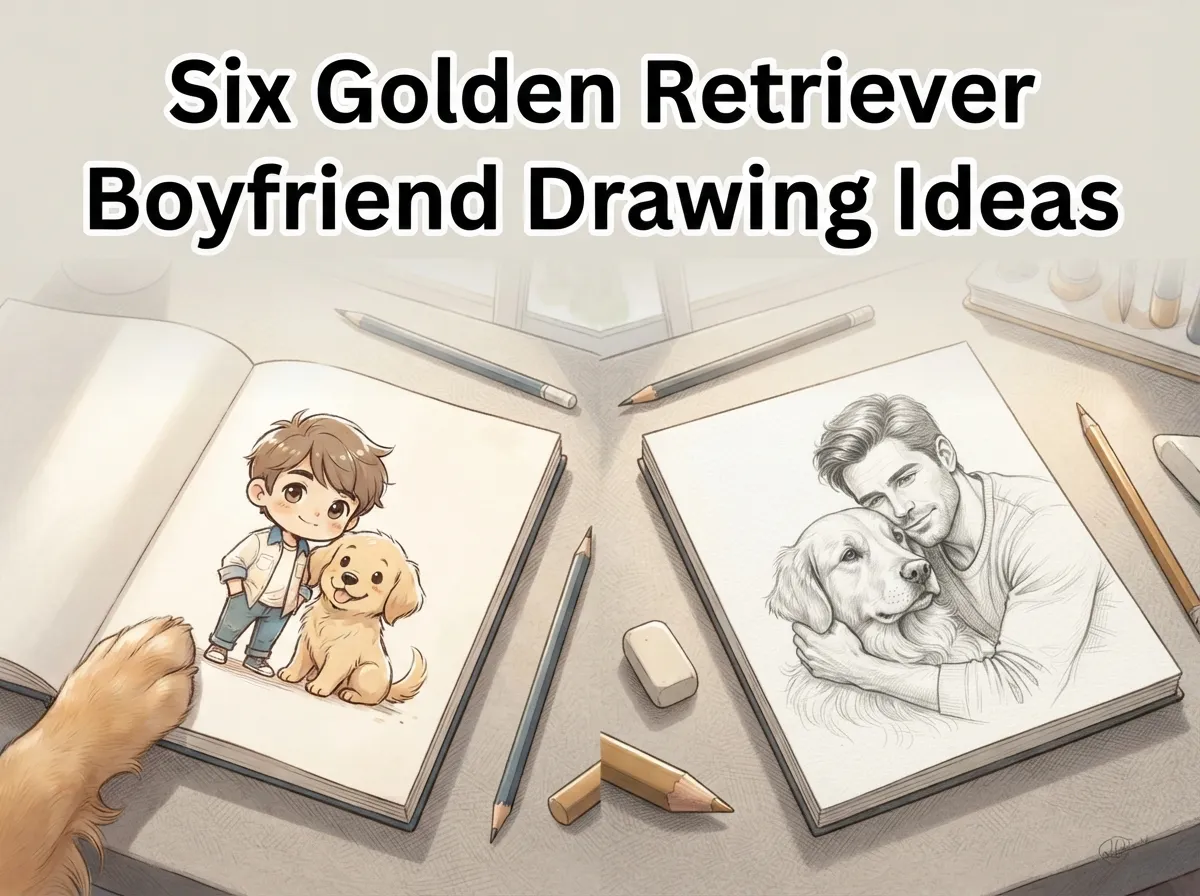
If you have ever tried to sketch your boyfriend and then given up because the dog kept stealing the spotlight, this guide solves that problem. Below are 6 Cute Boyfriend Drawing Ideas Featuring Your Golden Retriever that balance both subjects, plus the technical groundwork that makes a fluffy, golden-coated dog look right every single time you draw him.
Key Takeaways
- The “golden retriever boyfriend” concept blends couple illustration with dog portraiture, and structured, repeatable poses make it far easier to draw than freehand attempts.
- Getting the golden retriever’s proportions right first (head shape, ear fluff, fur direction) matters more than getting the boyfriend right, because inconsistent dog anatomy is what breaks a series.
- The 6 Cute Boyfriend Drawing Ideas Featuring Your Golden Retriever in this article cover cuddling, playing, resting, walking, celebrating, and chibi diary formats, so you can build a full themed set.
- Simple guide shapes (circles for the head, ovals for the muzzle, cross-guidelines for symmetry) work for beginners and advanced artists alike.
- Keeping fur color, ear length, and tail shape consistent across all six drawings is what makes the dog “recognizable” as your actual pet rather than a generic cartoon dog.
Why Golden Retriever Boyfriend Art Keeps Winning Hearts Online
Golden retrievers already carry a reputation in pop culture shorthand. Calling a partner a “golden retriever boyfriend” has become common online slang for someone affectionate, loyal, a little goofy, and endlessly enthusiastic to see you. That personality maps almost perfectly onto the actual dog breed, which is exactly why illustrators keep pairing the two. A 2023 social post that reimagined a real couple as cartoon dogs, with the boyfriend drawn as a golden retriever and the girlfriend as a border collie mix, is a good example of how naturally this visual language clicks for people describing their own relationships.
Dedicated idea boards curating “golden retriever boyfriend art” have grown around this concept, gathering soft color palettes, gentle expressions, and romantic poses that artists borrow and adapt. These references are not templates to trace exactly. They are compositional starting points: how close should the dog sit to the boyfriend, where should the light fall, what expression reads as “happy” versus “sleepy.” Once you understand why this niche resonates, sketching your own version becomes less about copying a trend and more about documenting a real relationship in a format that already has emotional shorthand built in.
The appeal is also practical. A dog adds movement, texture, and warmth to what might otherwise be a static portrait of two people standing side by side. Fur, a wagging tail, and floppy ears give an illustration personality that a plain couple sketch sometimes lacks. That is the real reason this genre keeps growing even without going mainstream viral.
What You Need to Know Before Drawing Your Golden Retriever
Before diving into scene ideas, it helps to nail the dog itself. A golden retriever that looks slightly “off” will distract from even the most romantic composition, so spend a few extra minutes here.
Getting the Proportions Right
Multiple respected tutorials agree on a similar starting method: block in the head, chest, and body using simple circles before adding any detail. One widely used approach draws three guiding circles for the head, chest, and hindquarters, then checks proportions before committing to final lines. This keeps the dog from ending up with a head too small for its body or legs that look stretched.
Golden retrievers have a few anatomical signatures worth memorizing:
- A broad, slightly domed forehead that rounds into a medium-length muzzle
- Long, feathered ears that hang close to the face rather than standing up
- A deep chest with visible feathering along the back of the front legs
- A thick, plume-like tail that often curls slightly upward when the dog is happy
- Warm amber or dark brown eyes with a small white highlight for expression
Beginner-friendly methods aimed at younger or newer artists simplify this even further, using basic ovals for the body, a guideline cross on the face to place the eyes and nose symmetrically, and simple paw shapes before layering in fur texture and color. This approach works well if your goal is a cute, cartoonish retriever standing next to a more detailed boyfriend character.
Choosing a Style That Matches Your Story
Cartoon-style guidance for cute dog drawings suggests keeping outlines clean, grouping fur strokes instead of drawing every single hair, exaggerating the ears slightly for charm, and always giving the eyes a bright highlight dot. A gently wagging tail, drawn with a soft curve rather than a straight line, instantly signals personality and warmth. Decide early whether your six drawings will be realistic pencil studies, soft chibi cartoons, or somewhere in between, since mixing styles across a themed set can make the collection feel disjointed.
6 Cute Boyfriend Drawing Ideas Featuring Your Golden Retriever You Can Start Today
Once the dog’s basic structure feels comfortable, it is time to build out a full set. These 6 Cute Boyfriend Drawing Ideas Featuring Your Golden Retriever are ordered to move naturally from quiet, intimate moments to more playful, celebratory ones, so they work well as a single connected series or a rotating diary-style project.
1. Morning Cuddle Puddle
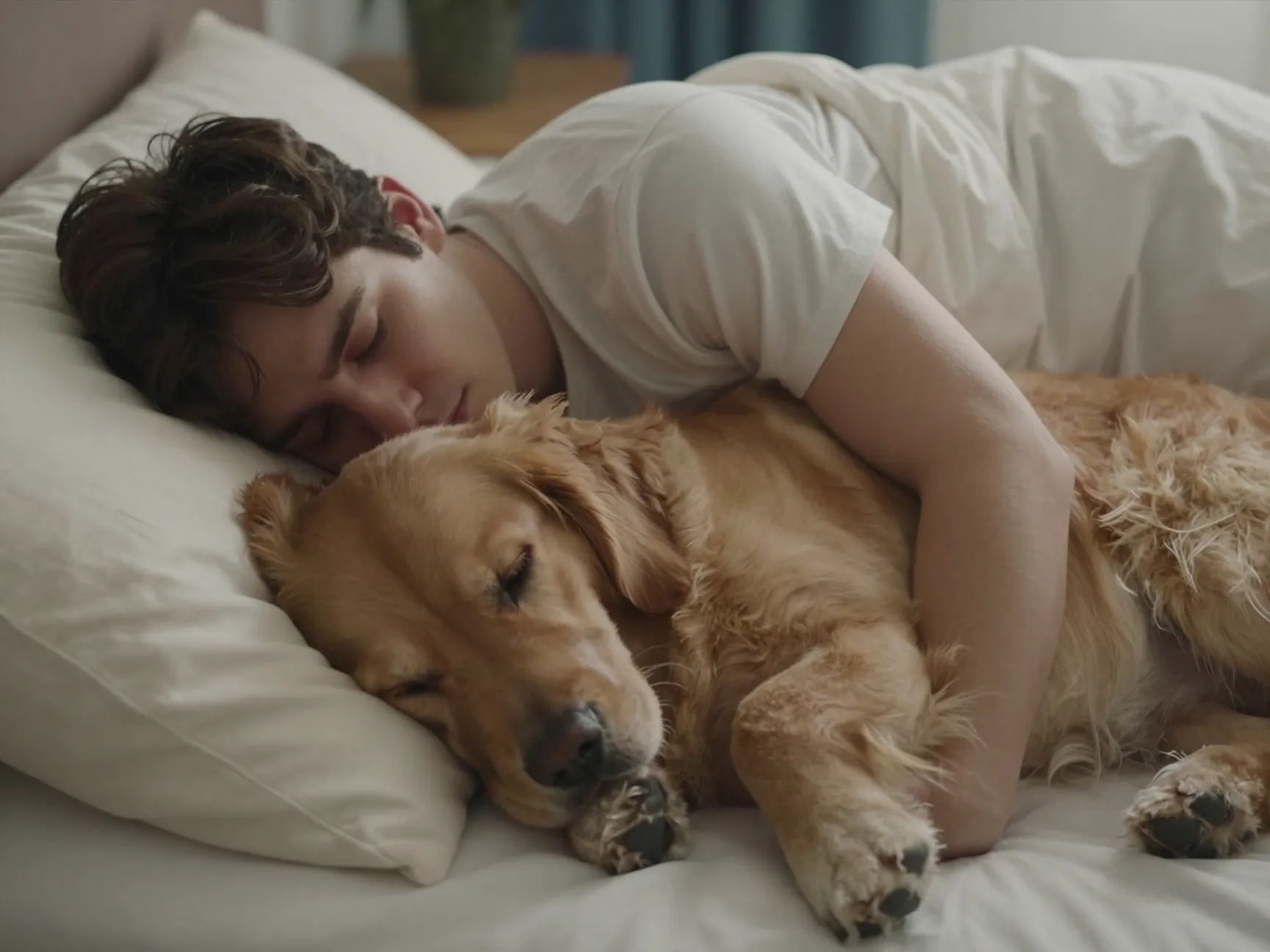
Start with the coziest scene in the set: the boyfriend still half-asleep in bed, one arm draped over the golden retriever curled against his chest. This pose is forgiving for beginners because both subjects are mostly still, which means less worry about dynamic motion lines. Focus energy on soft blanket folds, messy bedhead, and the dog’s relaxed ears flopping over the pillow. A warm, low-contrast color palette of creams, soft browns, and muted blues sells the sleepy mood instantly.
2. Fetch in the Park
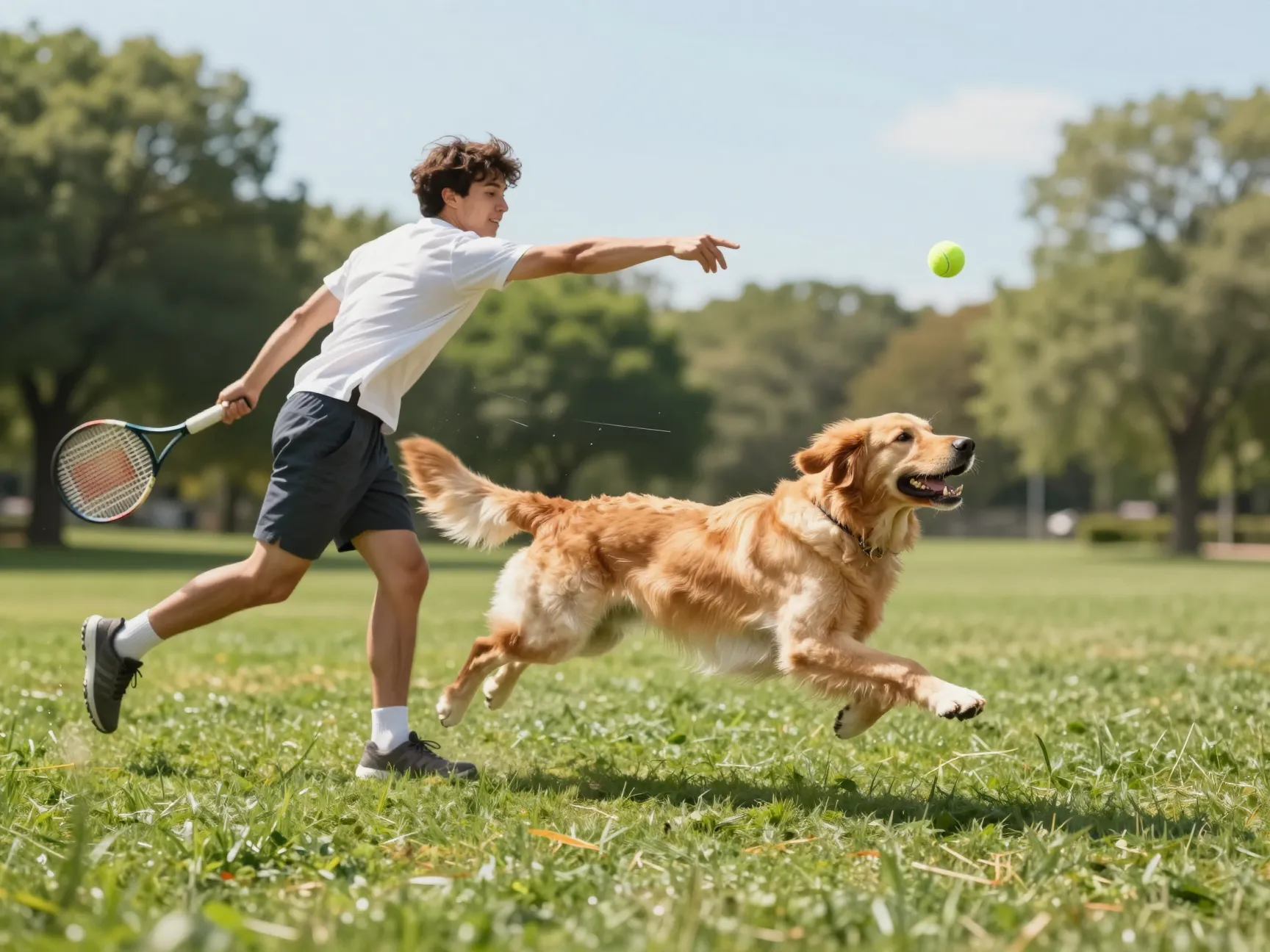
Shift into motion with a scene of the boyfriend mid-throw, arm extended, while the retriever leaps toward a tennis ball caught mid-air. This idea borrows directly from playful golden retriever concepts often listed in broader drawing round-ups, reframed here as a shared activity rather than a solo dog sketch. Keep the dog’s legs in a stretched, galloping position and add a few motion lines behind the tail to suggest speed. This is the most energetic of the six drawings, so it works well as a mid-set contrast to the quieter cuddle scene.
3. Couch Nap Together
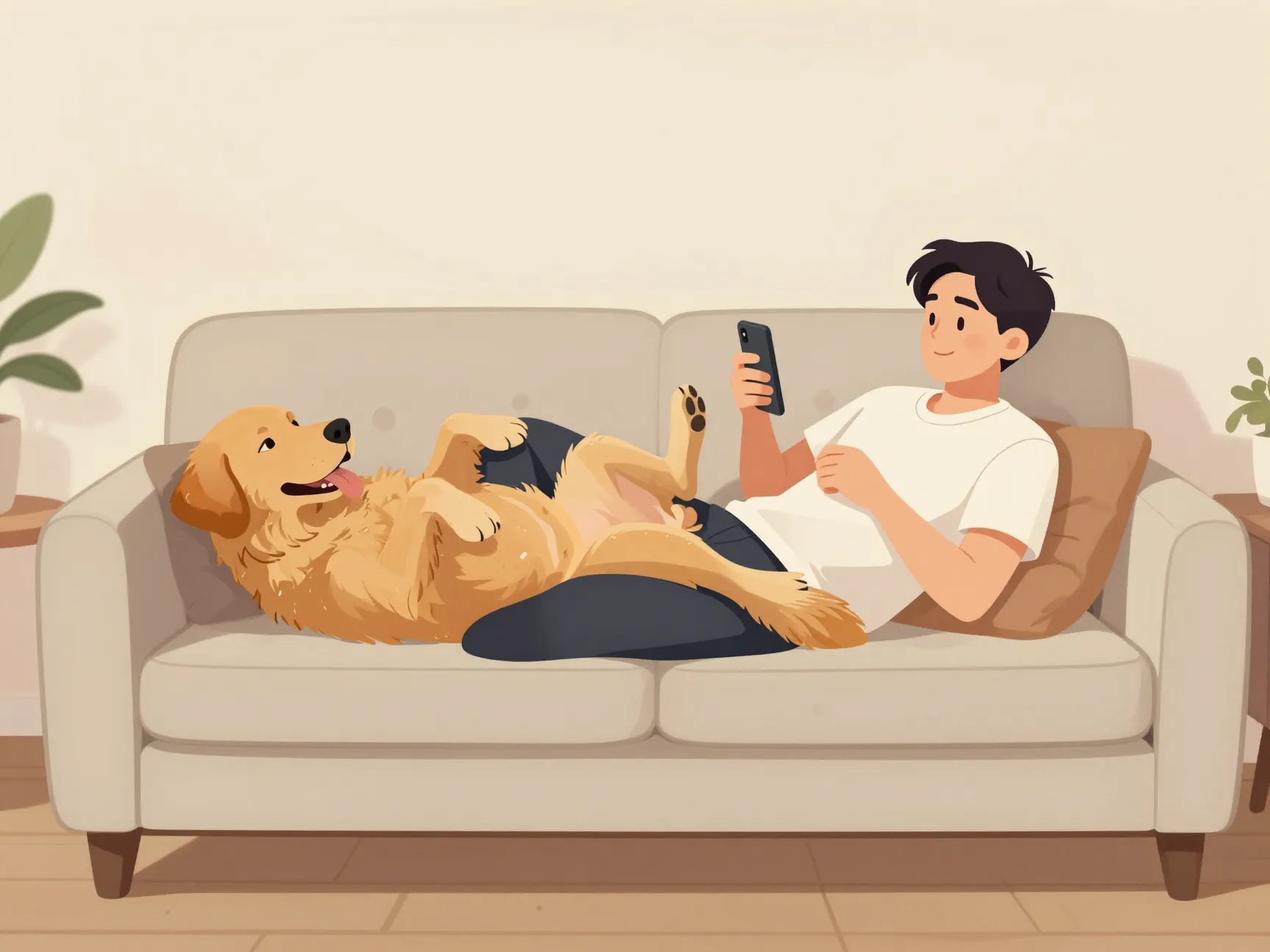
A simpler companion to the bedroom scene, this one places the boyfriend slouched on a sofa, phone or book forgotten in one hand, with the retriever sprawled belly-up across his lap. The exaggerated “melted” dog pose, legs splayed, tongue slightly out, is a favorite pose in cute cartoon retriever guides because it reads as pure contentment with very few lines. This drawing is ideal for practicing loose, relaxed body language on both characters.
4. Walking Hand in Paw
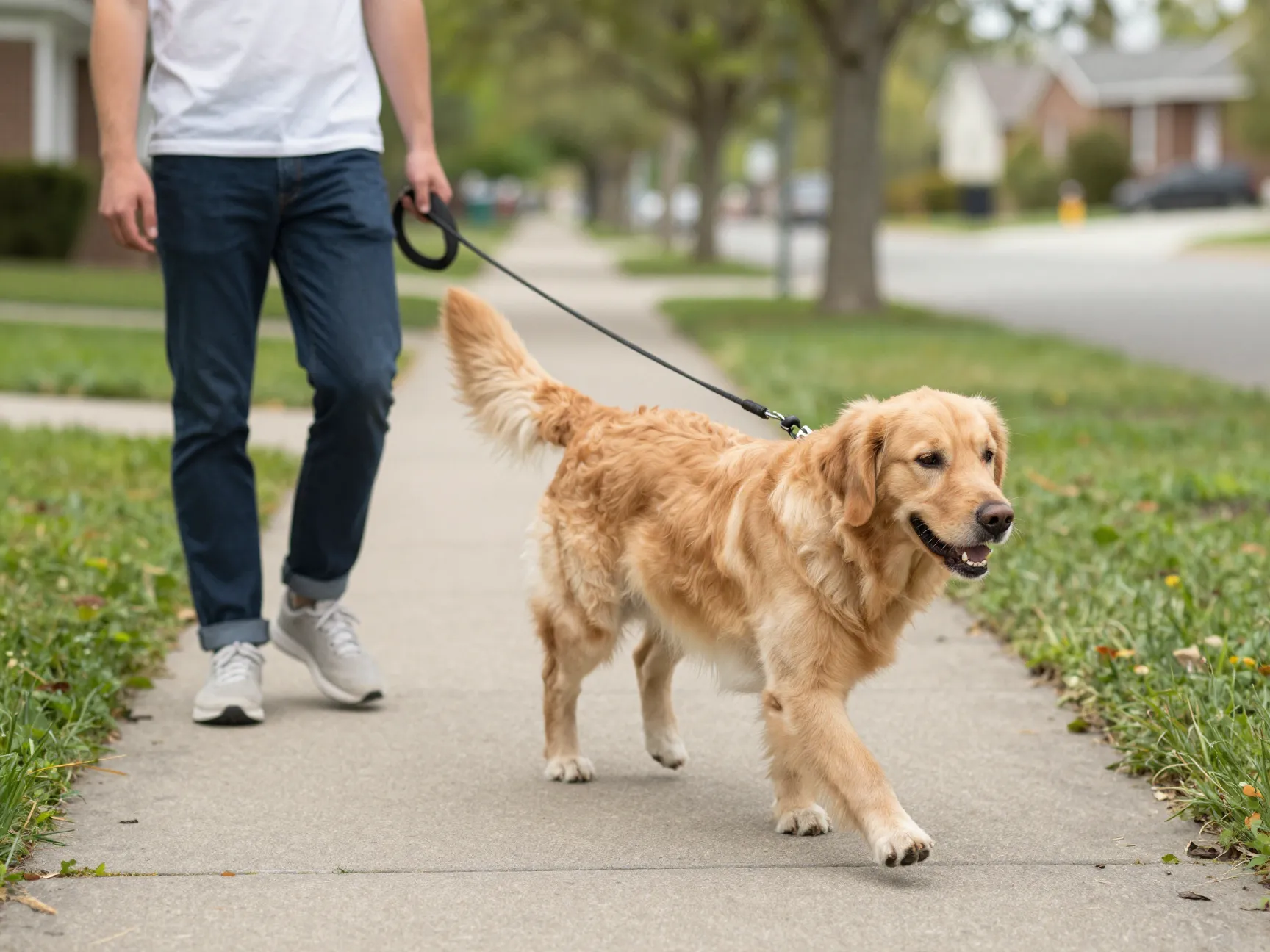
Give the pair somewhere to go: a neighborhood sidewalk, a tree-lined path, or a beach boardwalk, with the boyfriend holding a leash loosely in one hand while the retriever trots slightly ahead, nose forward, tail up. Structured drawing sequences that build a dog step by step, starting with the eye, then the forehead, muzzle, ear, neck, legs, and tail before adding zigzag fur texture, are especially useful here since the dog is shown from a three-quarter walking angle rather than sitting still.
5. Birthday Surprise Scene
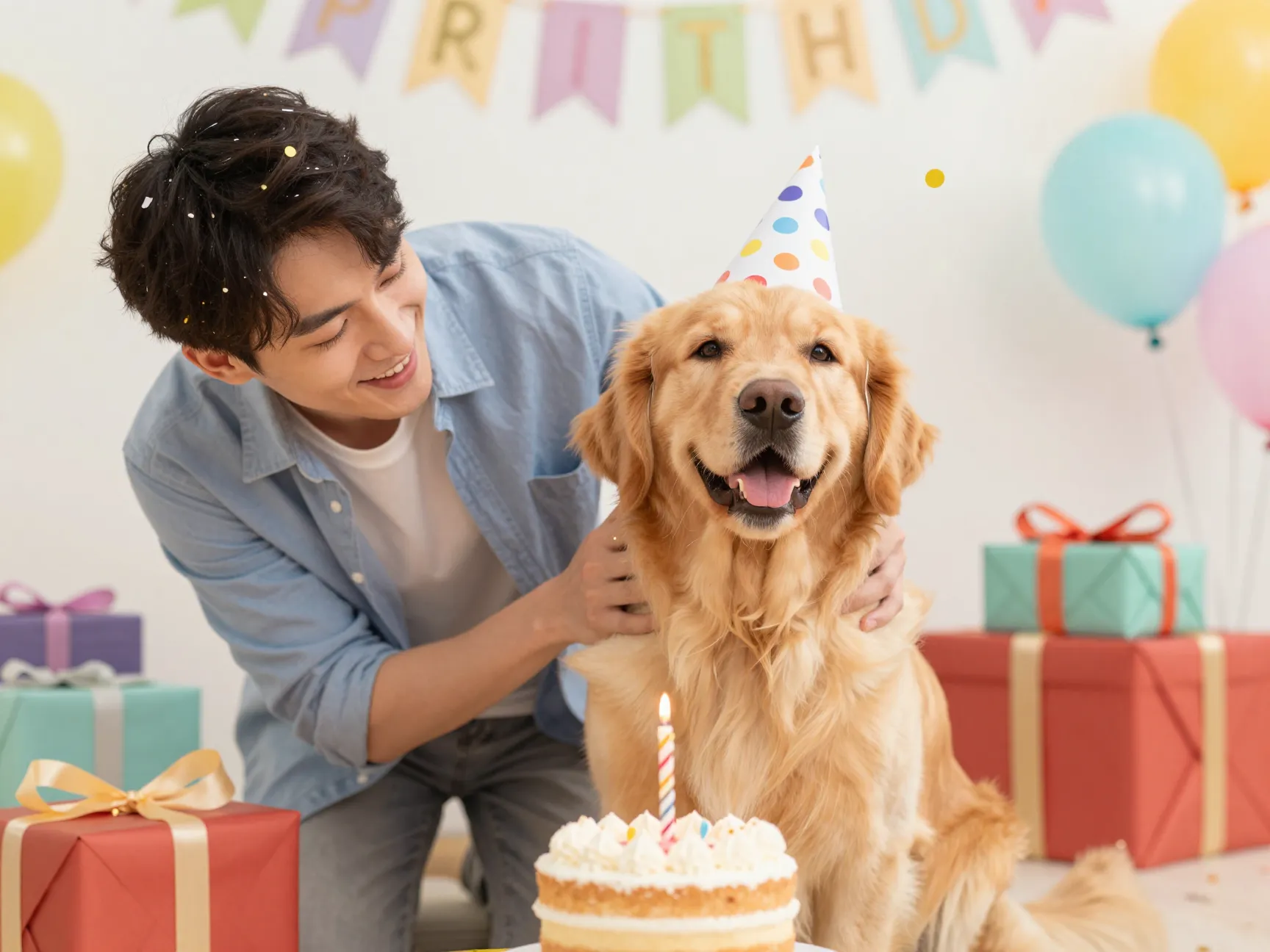
Add a celebratory beat to the set with the retriever wearing a small paper party hat, sitting beside a cake or a stack of wrapped gifts, while the boyfriend leans down laughing. This idea works well as a “special occasion” entry in a longer illustrated diary, and it gives you a reason to practice smaller props like candles, ribbon, and confetti without overcomplicating the main subjects.
6. Diary-Style Chibi Strip
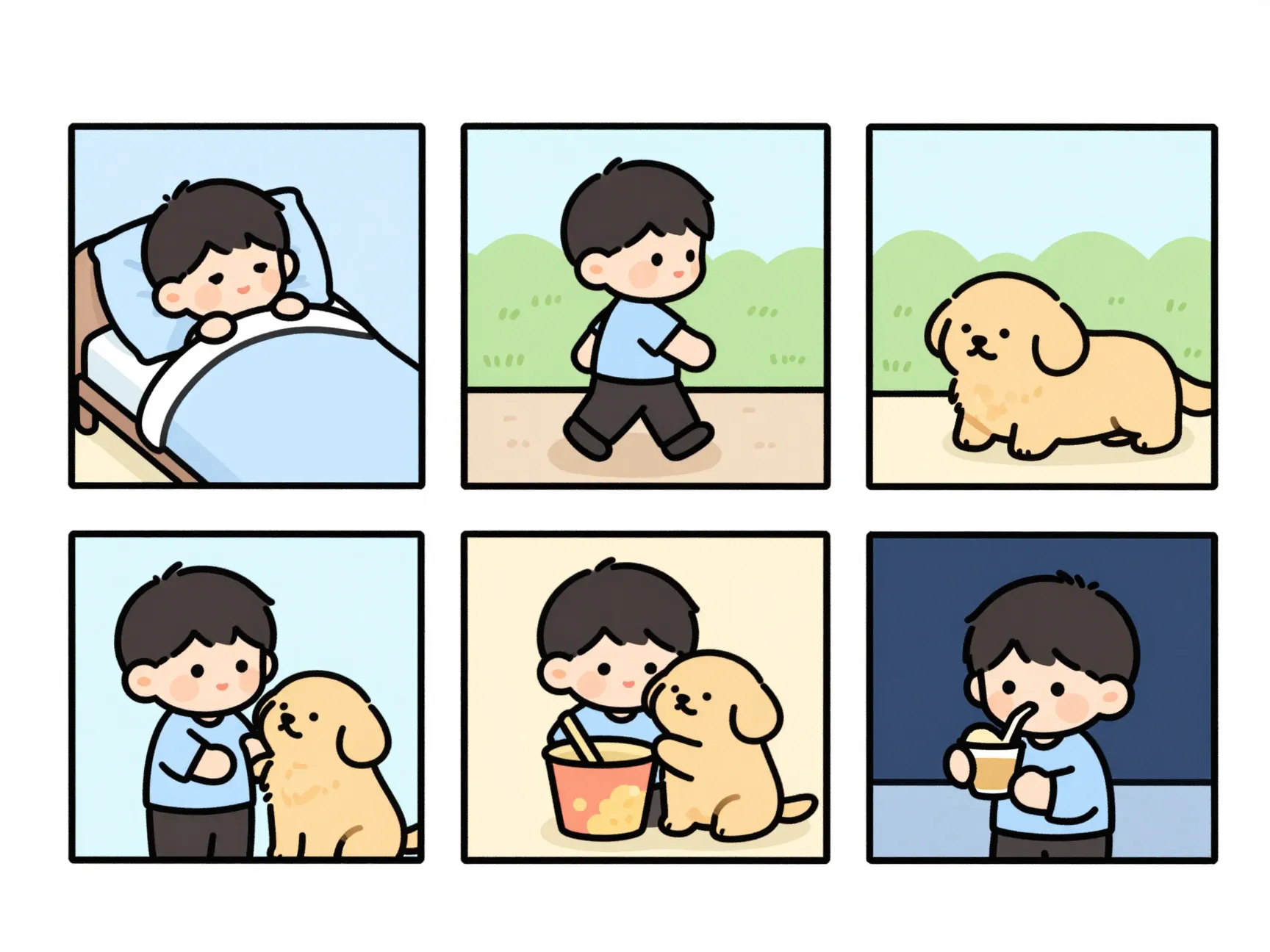
Close the set with a lighter, more playful format: a four-panel mini comic drawn in chibi proportions, where a rounder, big-headed version of the boyfriend and an equally rounded puppy version of the retriever go through a tiny daily routine, waking up, walking, snacking, and settling in for the night. Chibi-style simplification, using basic circles and ovals before adding fur texture, is well suited to this format because it keeps each panel quick to draw while still feeling personal and cute.
| Idea | Mood | Skill Focus |
|---|---|---|
| 1. Morning Cuddle Puddle | Cozy, intimate | Soft shading, static poses |
| 2. Fetch in the Park | Energetic, playful | Motion lines, dynamic legs |
| 3. Couch Nap Together | Relaxed, comedic | Loose body language |
| 4. Walking Hand in Paw | Cheerful, outdoorsy | Three-quarter angle walking |
| 5. Birthday Surprise Scene | Festive, warm | Small props, expressions |
| 6. Diary-Style Chibi Strip | Light, playful | Simplified proportions |
How to Keep Your Golden Retriever Consistent Across All 6 Cute Boyfriend Drawing Ideas
The single biggest challenge in any multi-scene project is not drawing one great dog. It is drawing the same dog six times in a row without it drifting into a different-looking animal by the final panel. A few habits solve this.
First, build a simple reference sheet before starting the series. Sketch the retriever’s head from the front, side, and three-quarter angle on one page, noting ear length, muzzle width, and eye placement. Refer back to this sheet every time a new pose starts, rather than relying on memory.
Second, lock in the color palette early. Golden retrievers range from pale cream to deep copper, and switching shades between drawings, even slightly, makes the dog feel like a different pet. Mix a small reference swatch of the exact fur tone and keep it visible while coloring each piece.
Third, pay attention to fur direction, not just fur color. Guides that emphasize long strokes for fur and feathering, following the natural direction fur grows along the chest, back, and legs, note that inconsistent fur direction is one of the fastest ways to make a dog look anatomically wrong even when the outline is correct. Checking chest and back fur direction against your reference sheet before finishing each piece keeps the whole series visually unified.
Finally, keep the tail and ear shapes as your “signature” details. These two features are the most recognizable parts of a golden retriever’s silhouette, and getting them consistent matters more than perfecting smaller details like paw shape or nose texture.
Tools and Techniques That Make These Drawings Pop
You do not need professional equipment to bring these 6 Cute Boyfriend Drawing Ideas Featuring Your Golden Retriever to life, but a few material choices make a noticeable difference.
For traditional pencil work, a range of graphite grades helps separate light and dark fur areas without relying purely on line density. A softer pencil, roughly 2B to 4B, works well for the deeper shadows under the ears and along the belly, while a harder pencil handles lighter highlight areas on the top of the head and back.
For colored or digital work, building fur in layers rather than one flat color pass creates believable texture. Start with a base coat, add a mid-tone shadow layer along the body’s natural curves, then finish with small, individual highlight strokes along the head and back where light would naturally catch the fur. This layered approach mirrors the small, grouped fur-texture technique recommended in cartoon-style retriever guides and translates well whether you are working in pencil, marker, or a drawing tablet.
Digital artists benefit from working in separate layers for the boyfriend character, the dog, and the background, since this makes it far easier to adjust proportions or reposition the retriever without redrawing the entire scene. It also speeds up producing all six pieces, since backgrounds like a bedroom, a park, or a living room can often be reused or lightly modified between drawings.
Whatever medium is chosen, sketch loosely first. Nearly every reputable golden retriever tutorial, whether aimed at beginners or more advanced artists, starts with light guide shapes before any confident final lines are added. Skipping this step is the most common reason both the dog and the human character end up looking stiff or oddly proportioned in the final piece.
Frequently Asked Questions
Do I need to be good at drawing dogs to attempt these ideas?
No. Starting with simple guide shapes, circles for the head and chest, ovals for the muzzle, and a cross-guideline for symmetry, makes even the more detailed poses approachable for beginners. Confidence builds quickly once the basic proportions feel familiar.
Should the boyfriend or the dog be drawn first?
Draw whichever subject anchors the pose. In cuddling or napping scenes, the dog’s body often shapes how the boyfriend’s arm or lap is positioned, so sketching the dog first can help. In walking or fetch scenes, the boyfriend’s stance usually sets the scene, so starting there works better.
What if my golden retriever looks different in every drawing?
Build a one-page reference sheet showing the dog’s head from three angles, plus notes on ear length and fur color, and check it before starting each new piece. This single habit fixes most consistency problems.
Are these ideas suitable for digital art tablets as well as traditional pencil drawing?
Yes. All six concepts translate well to either medium. Digital tools make it easier to reuse backgrounds and adjust proportions layer by layer, while traditional pencil work offers more control over soft fur shading through varied pencil grades.
Conclusion
A golden retriever brings warmth, motion, and instant personality to any couple illustration, which is exactly why this specific niche of boyfriend-and-dog art continues to attract dedicated fans even without mainstream viral status. The 6 Cute Boyfriend Drawing Ideas Featuring Your Golden Retriever covered here, from a quiet morning cuddle to a playful chibi diary strip, give a complete, emotionally varied set that can be tackled in any order and any skill level.
Start with the pose that feels most natural to your relationship and your current drawing comfort. Build a quick reference sheet of your dog’s head and proportions before committing to the full set, and keep fur color and tail shape consistent throughout. Whether the final result ends up in a sketchbook, a digital portfolio, or framed on a wall, the goal is the same: a small, personal record of two of the most loyal, affectionate characters in your life, drawn side by side.