Beautiful And Rare Dog Breeds You’ve Probably Never Seen Before
Fewer than 200 Catalburuns exist on the entire planet. That single number says more about the hidden world of dog breeds than any glossy dog-show broadcast ever could. While Labrador Retrievers and French Bulldogs dominate American living rooms, an entire category of extraordinary dogs lives quietly on the margins, so uncommon that most veterinarians will never treat one in their careers. This guide to 6 Beautiful And Rare Dog Breeds You’ve Probably Never Seen Before pulls back the curtain on these overlooked animals, using the latest American Kennel Club registration data and breed recognition news from 2026 to explain why they remain so scarce, and what makes each one worth knowing.
Disclosure: This post contains affiliate links. As an Amazon Associate, we earn from qualifying purchases, and at no extra cost to you.
The timing matters. In January 2026, the AKC formally welcomed three new breeds into its official ranks, pushing the total number of recognized breeds from 202 to 205. Just months later, in April 2026, the organization released its updated rankings of the rarest breeds in the country, based on 2025 registration numbers. Together, these two data points paint a fascinating picture of a dog world that is both expanding and, paradoxically, home to breeds so uncommon they risk disappearing from public awareness entirely.
Key Takeaways
- The Norwegian Lundehund currently holds the title of rarest AKC-recognized breed in the United States, according to 2025 registration data published in April 2026.
- The AKC’s official list of the ten rarest breeds also includes the Sloughi, Azawakh, Chinook, Cesky Terrier, Canaan Dog, and several others with only a few hundred registered dogs nationwide.
- In January 2026, the AKC added three more uncommon breeds to its recognized roster: the Russian Tsvetnaya Bolonka, the Basset Fauve de Bretagne, and the Teddy Roosevelt Terrier.
- Global populations for some breeds featured in this list, including the Otterhound and Catalburun, number in the low hundreds to under a thousand worldwide.
- Understanding why a breed is rare, whether due to niche working roles, geographic isolation, or limited breeding programs, helps set realistic expectations for anyone considering ownership.
What Makes a Dog Breed Truly Rare in 2026
Rarity in the dog world rarely means “brand new.” Most of the breeds discussed in this article about 6 Beautiful And Rare Dog Breeds You’ve Probably Never Seen Before have existed for centuries, sometimes millennia. What separates them from popular companions like Golden Retrievers or Poodles is registration volume, not age or pedigree quality.
The AKC tracks rarity primarily through annual registration statistics. A breed lands on the “rarest” list when very few puppies are registered with the organization each year, often because of small breeding populations, limited geographic distribution, or a historically narrow working purpose that never translated into mainstream pet ownership. The April 2026 rankings confirmed that the same ten breeds occupy both the bottom of the rarity list and the bottom of the overall popularity rankings, which tells a clear story: these dogs are not experimental or newly invented. They are old, proven breeds that simply never caught on with the general public.
Several factors consistently explain this scarcity:
- Historical isolation. Breeds like the Norwegian Lundehund developed in remote regions, such as Norwegian fishing villages, where they served one narrow purpose and had little exposure to broader breeding populations.
- Specialized working roles. Many rare breeds, including sighthounds like the Sloughi and Azawakh, were bred for very specific tasks, such as coursing game across desert terrain, that became less relevant as hunting practices changed.
- Limited import and breeding programs. Some breeds only recently arrived in the United States or have small numbers of dedicated breeders working to maintain genetic diversity without inflating population size too quickly.
- Low public awareness. Without major media exposure or celebrity ownership, many wonderful breeds simply never enter the public consciousness the way popular retrievers and bulldogs do.
This context matters before diving into the list itself. Rarity here is not a marketing gimmick. It reflects genuine scarcity, often just a few hundred to a few thousand dogs worldwide.
6 Beautiful And Rare Dog Breeds You’ve Probably Never Seen Before
The following six breeds represent a mix of AKC-ranked rarities and globally scarce dogs celebrated in recent breed guides throughout 2026. Each one combines striking appearance with a fascinating history, and each remains something most dog lovers have genuinely never encountered in person.
1. Norwegian Lundehund
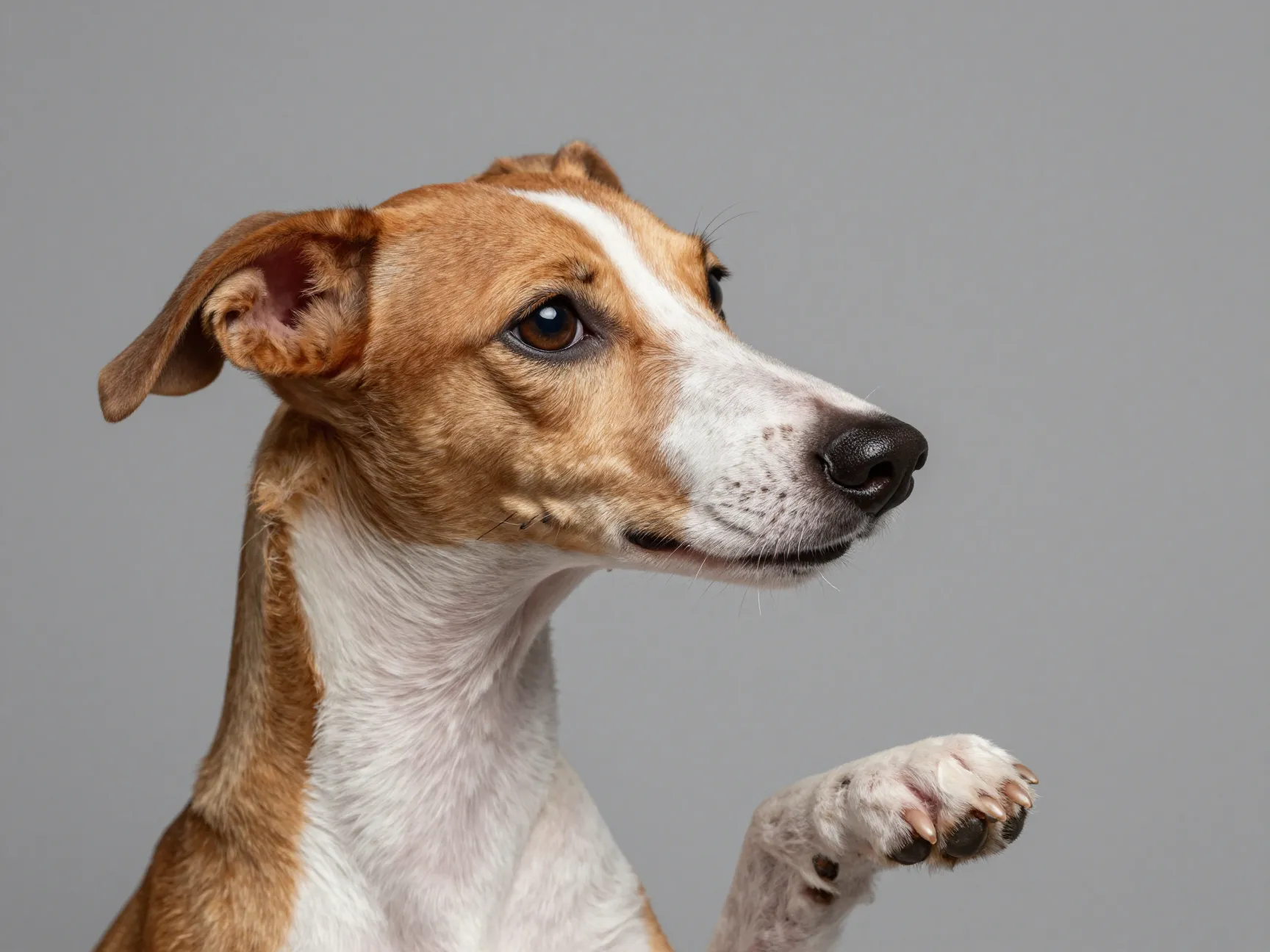
The Norwegian Lundehund holds a title no other AKC breed can currently claim: the single rarest breed registered in the United States, according to the AKC’s own 2025 data released in April 2026. This small, agile dog was originally bred along the rugged coastline of Norway to hunt puffins, climbing steep cliffs and squeezing into narrow rock crevices to retrieve birds and eggs.
What makes this breed physically extraordinary is a set of anatomical features found in no other dog. The Lundehund has six fully functional toes on each foot, extraordinarily flexible joints that allow its head to bend backward along its own spine, and ear canals that can close completely to keep out dirt and moisture while burrowing. These adaptations made it a near-perfect puffin-hunting specialist, but they also make it one of the most biologically unique dogs in existence.
Puffin hunting became illegal in Norway decades ago, and the breed nearly vanished entirely during a distemper outbreak in the mid-20th century that reduced the population to just a handful of survivors. Careful breeding programs have since stabilized numbers, but the Lundehund remains scarce worldwide, and sightings in the United States are exceptionally uncommon even among devoted dog enthusiasts.
2. Sloughi
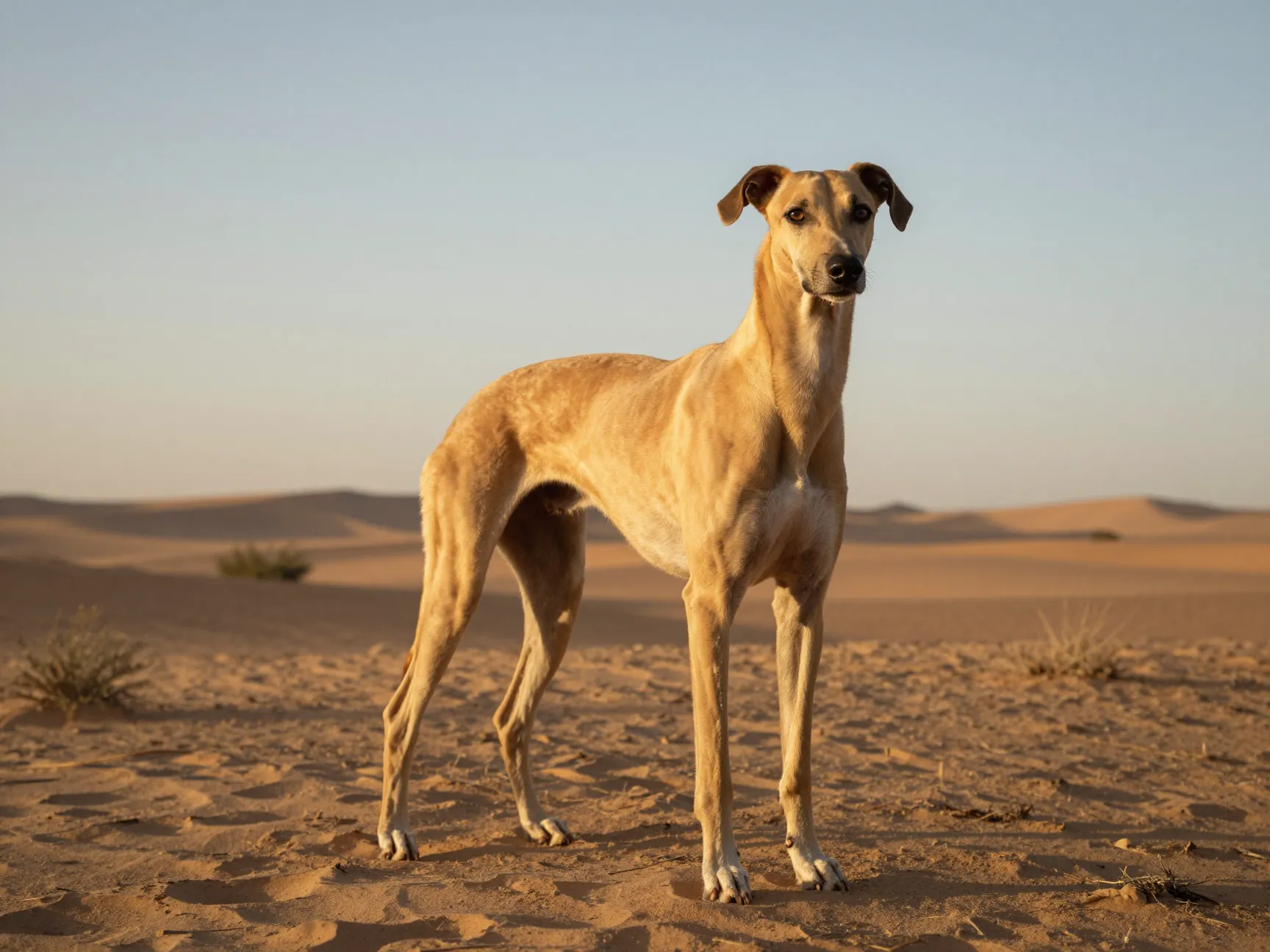
The Sloughi is a sleek, short-haired sighthound from North Africa, prized historically by nomadic peoples across Morocco, Algeria, and Tunisia for hunting gazelle and other swift desert game. Its build resembles a Greyhound crossed with a Saluki: lean muscle, a deep chest, and long legs built for explosive speed across open terrain.
Unlike many sighthounds, the Sloughi is known for a quiet, almost reserved temperament. Breed enthusiasts often describe it as dignified rather than hyperactive, with a strong bond to its family and a natural wariness around strangers. This aloof but loyal personality made it an effective guardian as well as a hunter in its native regions.
According to AKC rarity rankings published in April 2026, the Sloughi sits near the very top of the least-registered breeds in the United States, with only a few hundred dogs recognized nationally. PetMD’s updated rare-breed overview echoes this, noting extremely limited numbers even among specialty breed clubs. Its combination of striking desert-adapted physique and near-total public obscurity makes it a defining entry among 6 Beautiful And Rare Dog Breeds You’ve Probably Never Seen Before.
3. Azawakh
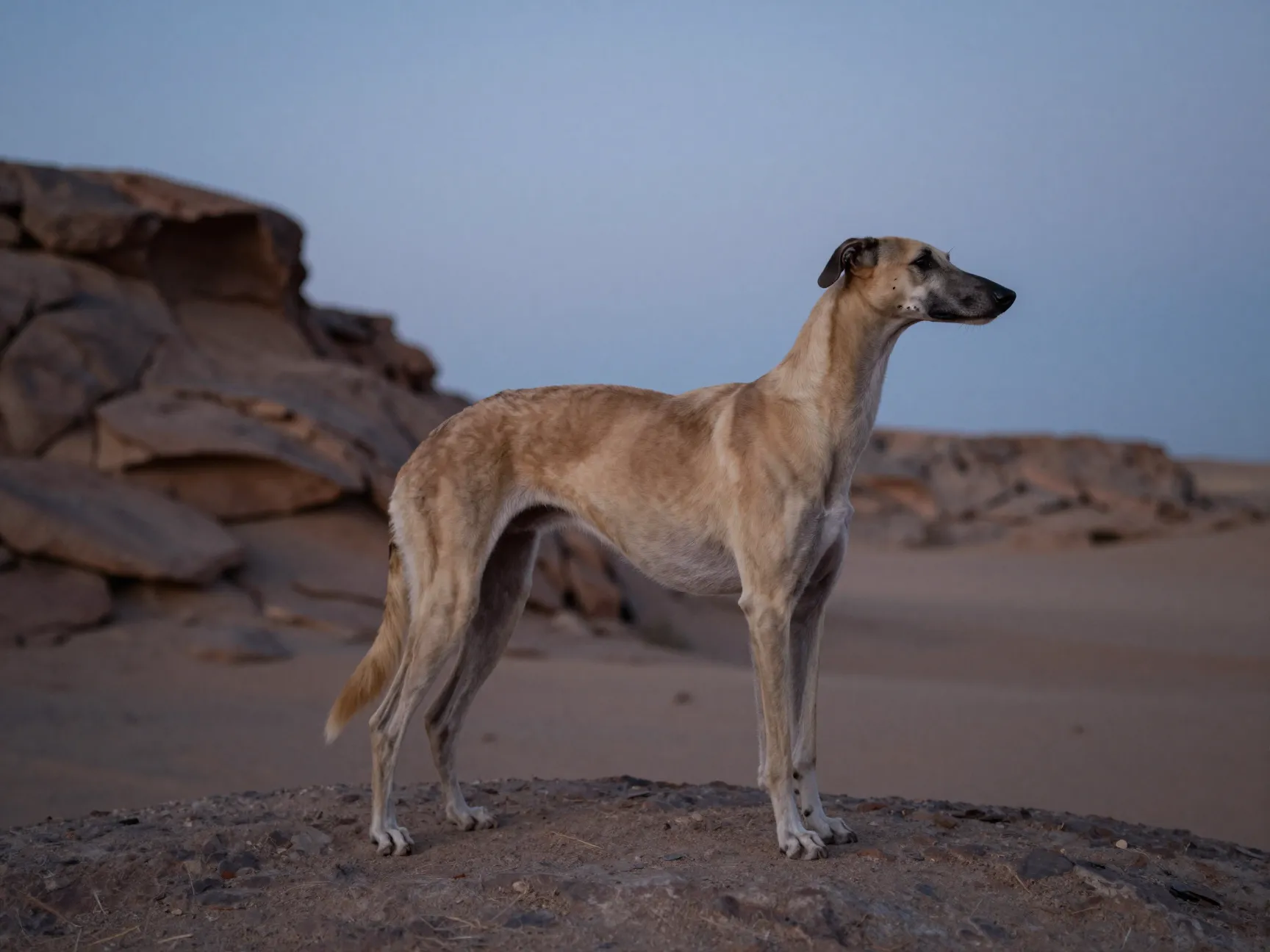
Few breeds embody elegance quite like the Azawakh, a tall, remarkably slender sighthound originating from the Sahara Desert and the Sahel region spanning Mali, Niger, and Burkina Faso. Bred by nomadic Tuareg and other pastoral communities, the Azawakh served dual roles as a hunting companion and a vigilant guardian of livestock and camps.
Physically, the breed is almost architectural in appearance, with visible ribs, a deep tuck at the waist, and long, narrow legs that give it exceptional speed across open ground. Despite this delicate look, the Azawakh is a hardy, weather-resistant dog capable of enduring extreme desert heat and cold desert nights.
Recent rare-breed guides published in January 2026 describe the Azawakh as “exceedingly rare,” estimating only a few thousand individuals exist worldwide, a number that includes dogs still living in their native African range as well as small breeding populations in Europe and North America. AKC data confirms the breed’s place among the ten least-registered dogs in the United States. Media coverage throughout 2026 has repeatedly framed the Azawakh as a breed most people have simply never heard of, let alone seen in person.
4. Otterhound
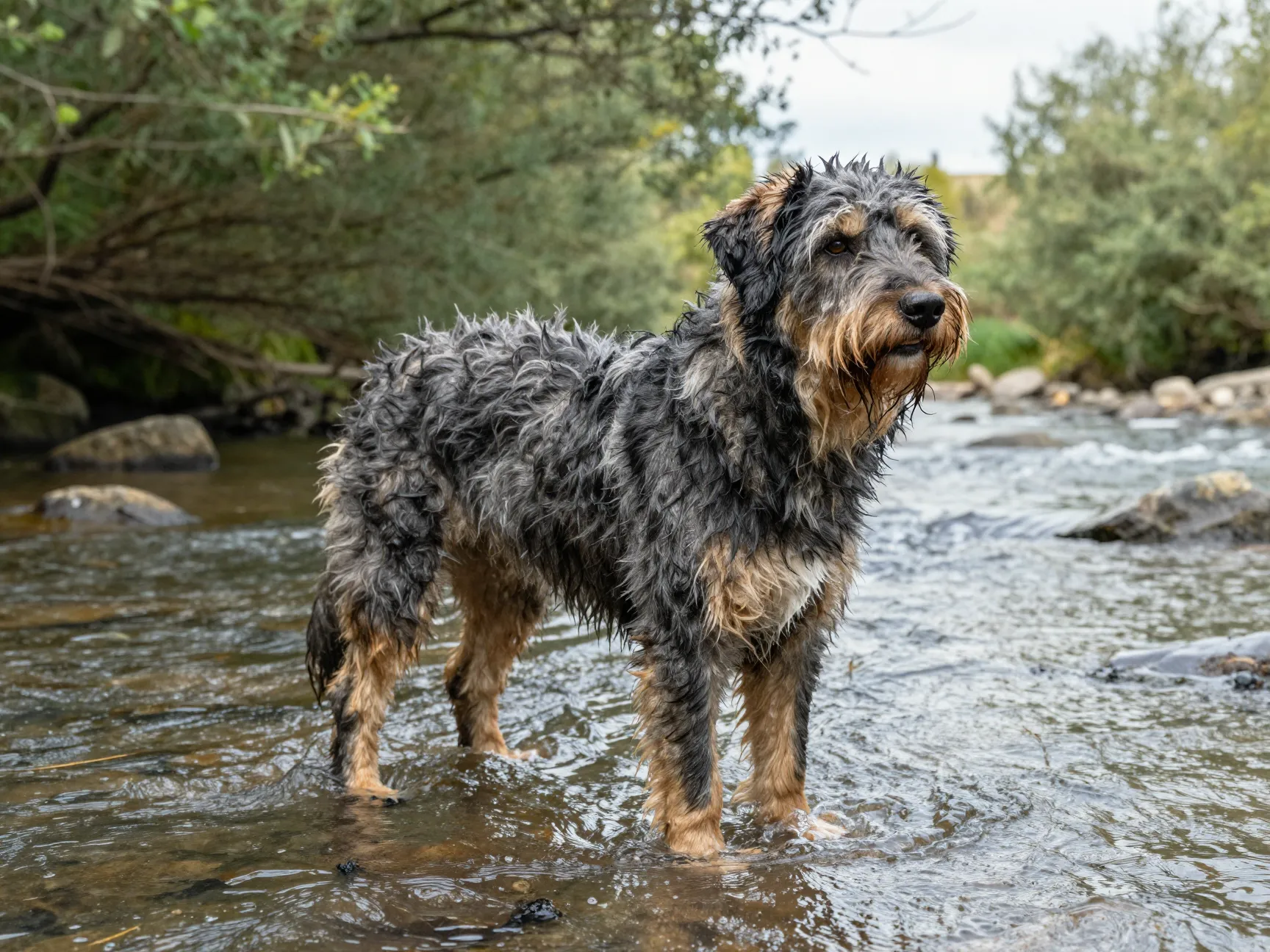
The Otterhound is a large, shaggy-coated scent hound developed in England specifically to hunt otters along riverbanks, a task that required a dog capable of swimming for extended periods, tracking scent both on land and in water, and working in packs across difficult terrain. Its double coat, webbed feet, and deep, resonant bark all evolved specifically for this demanding job.
When otter hunting was banned in England in 1978 due to declining otter populations, the breed lost its original purpose almost overnight. Without a working role to sustain breeding numbers, the Otterhound population collapsed and has never fully recovered. Current estimates place the global population at fewer than 1,000 dogs, a figure repeated consistently across multiple rare-breed roundups published throughout 2025 and 2026.
Despite its scarcity, the Otterhound retains a friendly, boisterous personality and a distinctive shaggy, weather-resistant coat that gives it an almost bear-like appearance. It remains one of the most frequently cited examples in “dogs you’ve never heard of” lists precisely because sightings are so exceptionally uncommon, even at major dog shows.
5. Stabyhoun
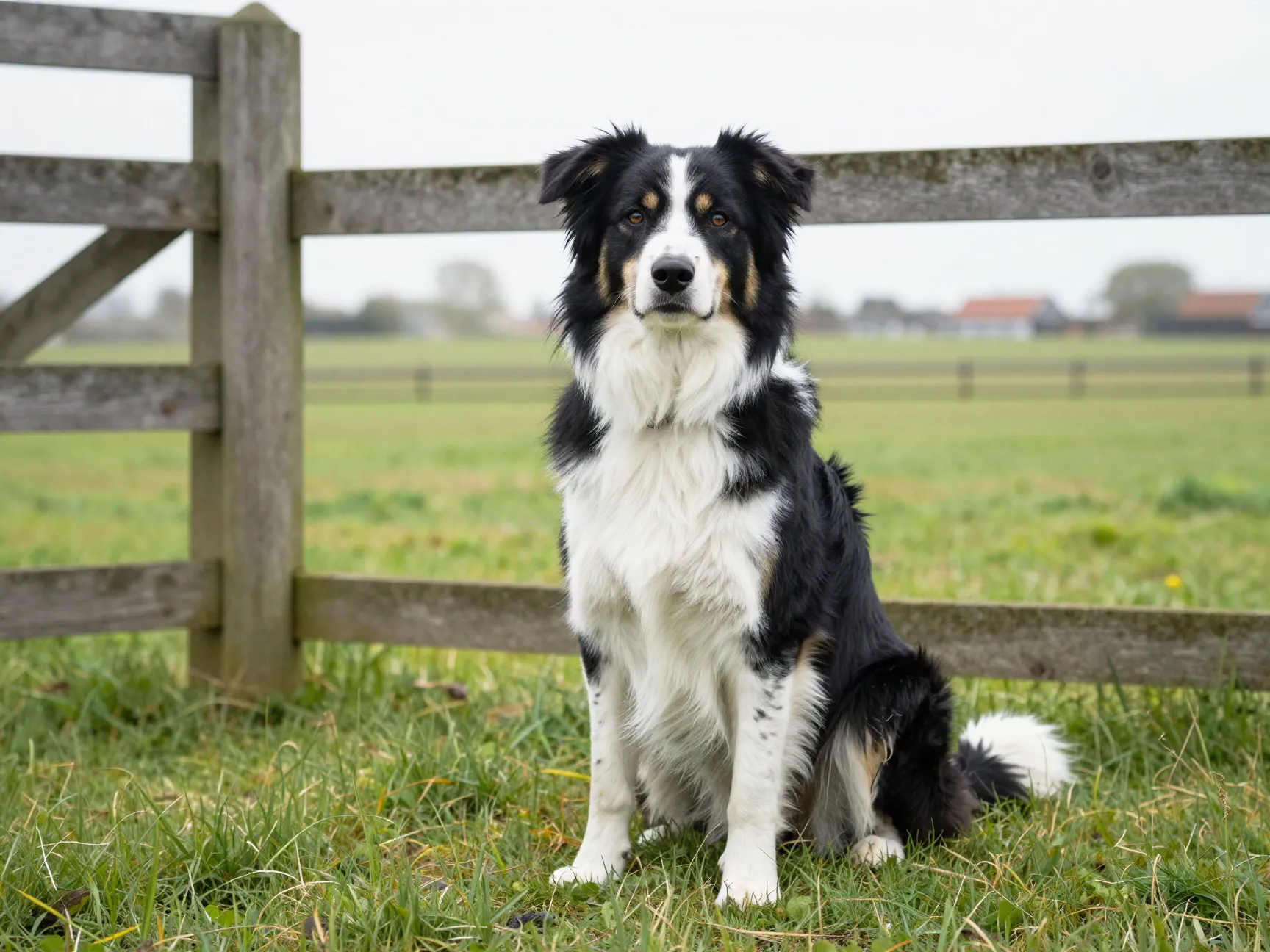
The Stabyhoun is a versatile Dutch farm dog originating in the Friesland province of the Netherlands, historically valued for its ability to hunt, retrieve waterfowl, and guard property, all in a single adaptable companion. Its name translates roughly to “stay by me,” reflecting the close working bond it formed with Frisian farming families for generations.
This breed features a striking black-and-white or brown-and-white coat with feathering along the legs and tail, giving it an elegant, almost setter-like silhouette. Temperament-wise, the Stabyhoun is known for being gentle, patient, and remarkably good with children, traits that made it a trusted family dog on Dutch farms for centuries.
A detailed rare-breeds feature updated in September 2026 places the global Stabyhoun population at approximately 6,000 dogs, with only around 300 living in the United States. That scarcity stems largely from the breed’s late arrival to American shores and the small, dedicated network of breeders working to preserve its genetic health without over-expanding the population. For most American dog owners, the Stabyhoun remains a complete unknown, despite its long history and gentle disposition.
6. Catalburun
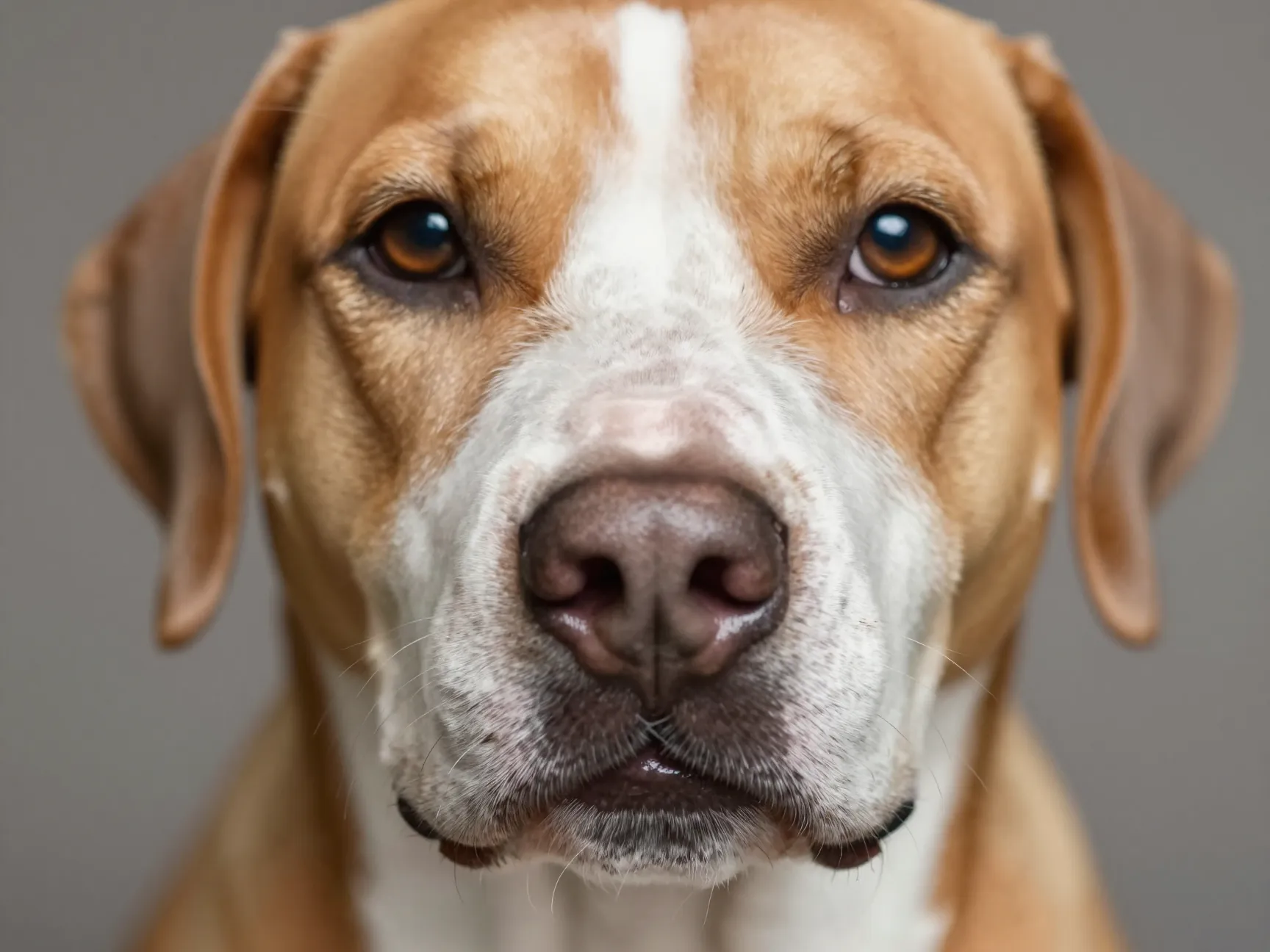
No breed on this list is rarer than the Catalburun, a Turkish pointer distinguished by an unmistakable physical trait: a split, or double, nose that gives the breed its name, which translates to “fork nose” in Turkish. This unusual feature is believed to enhance scenting ability, making the Catalburun a prized hunting dog in its native region despite its extremely limited numbers.
Developed in the Tarsus region of southern Turkey, the Catalburun was bred primarily for bird hunting, combining a keen nose with a compact, athletic build suited to working in dense brush and rugged terrain. A January 2026 guide to the world’s rarest dog breeds estimated the total population at only about 200 individuals, making it one of the scarcest purebred dogs on Earth. Because the breed has never been formally recognized by major kennel clubs like the AKC, reliable population tracking is difficult, and most estimates rely on regional breeding records within Turkey itself.
For dog enthusiasts searching for the single most obscure entry among 6 Beautiful And Rare Dog Breeds You’ve Probably Never Seen Before, the Catalburun is very likely it.
Where These Rare Breeds Rank on the AKC’s Official List
To put these six breeds in broader context, it helps to see how they compare against the AKC’s full rankings of the least-registered breeds in the United States, based on 2025 data released in April 2026.
| Rank | Breed | Region of Origin | Primary Historic Role |
|---|---|---|---|
| 1 | Norwegian Lundehund | Norway | Puffin hunting |
| 2 | Sloughi | North Africa | Sighthound coursing |
| 3 | Grand Basset Griffon Vendéen | France | Scent hound hunting |
| 4 | Harrier | England | Pack hunting hare |
| 5 | Chinook | United States | Sled pulling |
| 6 | Cesky Terrier | Czech Republic | Vermin hunting |
| 7 | Belgian Laekenois | Belgium | Herding and guarding |
| 8 | Azawakh | Sahara/Sahel | Sighthound hunting and guarding |
| 9 | Finnish Spitz | Finland | Bird hunting |
| 10 | Canaan Dog | Middle East | Herding and guarding |
Notice that four of the six breeds profiled in this article, the Norwegian Lundehund, Sloughi, and Azawakh, appear directly on the AKC’s official rarest-breed list. The Otterhound, Stabyhoun, and Catalburun are not currently tracked in the same AKC dataset, either because they fall outside AKC recognition or because their population figures come from independent breed clubs and international sources rather than official U.S. registration numbers. This distinction is worth remembering: “rare” can mean rare within AKC records specifically, or rare on a truly global scale, and the two measurements do not always overlap perfectly.
New Rare Breeds Recognized by the AKC in 2026
The rare-breed landscape shifted meaningfully at the start of 2026. On January 1, 2026, the AKC formally recognized three additional breeds, expanding its total roster from 202 to 205 recognized breeds. This announcement, first made in late December 2025, brought official AKC status to the following dogs:
- The Russian Tsvetnaya Bolonka, a small, affectionate companion breed developed in the former Soviet Union, known for its curly, non-shedding coat and playful personality.
- The Basset Fauve de Bretagne, a compact, wire-coated scent hound from Brittany, France, historically used for hunting small game in dense underbrush.
- The Teddy Roosevelt Terrier, a small American terrier breed named after the president, prized for its intelligence, working drive, and adaptability on farms.
While none of these three newly recognized breeds appear on the current top-ten rarest list, their formal AKC recognition matters for a simple reason: it typically marks the beginning of increased visibility, more structured breeding oversight, and eventually, gradual growth in registration numbers. Breeds recognized decades ago, including several already on the rarest list, followed a similar path from obscurity toward slow, steady public awareness. Watching how these three new entries perform over the next several years will offer a useful case study in how rare breeds either grow into modest popularity or remain perpetually uncommon.
Should You Consider Adopting One of These Rare Breeds
Rarity brings real responsibilities that potential owners should weigh carefully before pursuing any of these breeds.
Limited breeder access. Because populations are so small, finding a reputable breeder often means joining a waiting list, traveling significant distances, or working directly with breed-specific clubs and international contacts.
Genetic diversity concerns. Small breeding populations can increase the risk of hereditary health issues if breeders do not carefully manage pairings. Prospective owners should always ask about health testing and genetic screening protocols.
Specialized needs. Many rare breeds, including the Sloughi and Azawakh, were developed for specific climates and working roles. Owners should research exercise requirements, coat care, and temperament traits thoroughly before committing.
Veterinary knowledge gaps. Because these breeds are so uncommon, local veterinarians may have little or no direct experience treating them. Locating a vet familiar with sighthound-specific health concerns, for example, can take extra effort.
Community and support. Joining national or international breed clubs connects new owners with experienced mentors, health resources, and a broader support network that can prove invaluable, especially for a first-time rare-breed owner.
None of these challenges should discourage a well-prepared, committed owner. They simply underscore that adopting a rare breed requires more research and patience than choosing a more common companion animal.
Frequently Asked Questions
What is currently the rarest dog breed in the United States?
According to AKC registration data released in April 2026, the Norwegian Lundehund holds the top spot as the least-registered breed in the country, based on 2025 figures.
Are these six rare breeds recognized by the AKC?
The Norwegian Lundehund, Sloughi, and Azawakh are all officially AKC-recognized breeds. The Otterhound and Stabyhoun have separate recognition status depending on the kennel club, while the Catalburun currently lacks AKC recognition entirely.
Why did the AKC add new breeds in 2026?
The AKC regularly evaluates breeds that meet specific population, documentation, and breed-club criteria. In January 2026, the Russian Tsvetnaya Bolonka, Basset Fauve de Bretagne, and Teddy Roosevelt Terrier met those standards, expanding the total recognized breed count to 205.
Is a rare breed harder to care for than a common one?
Not necessarily in terms of daily care, but rare breeds often require more effort to find reputable breeders, locate experienced veterinarians, and access breed-specific health information.
Do rare breeds make good family pets?
Many do. The Stabyhoun, for example, is specifically noted for its gentle nature around children, while the Otterhound is known for a friendly, easygoing temperament despite its working-dog origins.
Conclusion
The world of purebred dogs extends far beyond the familiar faces seen at the dog park or in television commercials. This closer look at 6 Beautiful And Rare Dog Breeds You’ve Probably Never Seen Before, the Norwegian Lundehund, Sloughi, Azawakh, Otterhound, Stabyhoun, and Catalburun, reveals just how much diversity and history exists within the broader canine world. Each of these breeds carries centuries of purpose, from puffin hunting on Norwegian cliffs to otter tracking along English rivers, and each now faces the modern challenge of surviving in extremely small numbers.
For anyone intrigued by what they have read, the next step is simple: reach out to breed-specific clubs, attend specialty dog shows where rare breeds sometimes appear, and talk directly with experienced breeders before making any adoption decisions. Supporting responsible breeding programs, whether through adoption, financial contribution, or simply spreading awareness, helps ensure these remarkable dogs remain part of the world’s canine heritage for generations to come.