Facts About Full Grown Havanese Dogs: Size, Temperament & Care
A full grown Havanese rarely tips the scale past 13 pounds, yet this small dog was bred to herd livestock in Cuba’s mountain villages and still carries that working confidence in every bounce of its step. That contrast between fragile-looking fluff and genuine sturdiness surprises many new owners. Understanding the real facts about full grown Havanese dogs, including their size, temperament, and care needs, helps owners avoid common mistakes and build a healthier, happier life with this popular companion breed.

Disclosure: This post contains affiliate links. As an Amazon Associate, we earn from qualifying purchases, and at no extra cost to you.
This article breaks down six essential facts about full grown Havanese dogs that every current or prospective owner should know. From the official breed standard to hidden health risks and the true cost of grooming, these facts are grounded in current veterinary and breed club guidance for 2026.
Key Takeaways
- A full grown Havanese typically stands 8.5 to 11.5 inches tall and weighs between 7 and 13 pounds, according to the official breed standard.
- Temperament is defined by a cheerful, social, people-focused personality that makes Havanese poor candidates for long hours alone.
- Daily exercise needs are moderate but consistent, roughly 30 to 60 minutes split across walks and play.
- Full-length coats require near-daily brushing and professional grooming every four to eight weeks, a real time and cost commitment.
- Average lifespan runs 14 to 16 years, but owners should watch for patellar luxation, hip dysplasia, cardiac issues, and emerging chondrodystrophy-related spinal concerns.
1. Full Grown Havanese Size Follows a Strict Breed Standard

The single most consistent fact about full grown Havanese dogs involves their size. According to the official breed standard recognized by major kennel clubs, an adult Havanese should measure between 8.5 and 11.5 inches at the shoulder. Weight typically falls in the range of 7 to 13 pounds, though many healthy adults settle closer to 9 to 11 pounds.
Havanese reach their full adult height by around 8 to 10 months of age, but body filling out, chest depth, and coat maturity can continue developing until 12 to 18 months. This is one of the smaller members of the toy and companion dog group, yet the breed standard specifically calls for a body that is slightly longer than tall, giving the Havanese a sturdier, less fragile frame than many other toy breeds.
Dogs that fall noticeably outside this range are not automatically unhealthy, but significant deviation can signal mixed ancestry or, in rare cases, underlying growth or endocrine issues worth discussing with a veterinarian. Breed clubs as of 2024 through 2026 have maintained this standard without major revision, underscoring its long-term reliability as a benchmark for what a properly bred, full grown Havanese should look like.
| Measurement | Standard Range |
|---|---|
| Height at shoulder | 8.5 to 11.5 inches |
| Weight | 7 to 13 pounds |
| Body shape | Slightly longer than tall |
| Age at full height | 8 to 10 months |
| Age at full physical maturity | 12 to 18 months |
2. Temperament Defines the Full Grown Havanese Experience More Than Size Does

Ask any long-time Havanese owner what matters most, and size rarely comes up first. Temperament is the defining trait. The breed is consistently described as cheerful, social, and intensely people-focused, traits that were deliberately selected for centuries because these dogs were bred as companions to Cuban aristocracy rather than as working or guarding animals.
A full grown Havanese tends to display several hallmark personality traits.
Affectionate bonding. Havanese form strong attachments to their families and often follow owners from room to room, sometimes earning the nickname “Velcro dog.”
High sociability. Most Havanese greet strangers, children, and other pets with curiosity rather than suspicion, making the breed a poor choice for households wanting a natural watchdog.
Sensitivity to mood. These dogs pick up on household tension or owner stress quickly and can become anxious in chaotic or frequently changing environments.
Trainability. Intelligence combined with a strong desire to please makes the Havanese relatively easy to train using positive reinforcement, though repetitive or harsh methods backfire quickly.
Separation intolerance. Perhaps the most important temperament fact for potential owners: full grown Havanese dogs do not do well left alone for long stretches. Extended isolation frequently triggers destructive behavior, excessive barking, or anxiety-related issues.
“The Havanese was bred to be a lap dog and companion first. Every temperament trait in the modern breed traces back to that original purpose.”
This people-focused nature is not a flaw to manage but a defining feature to plan around. Households with someone home most of the day, or the ability to bring the dog along on errands and outings, tend to see the best behavioral outcomes.
3. Exercise Needs Are Moderate But Non-Negotiable
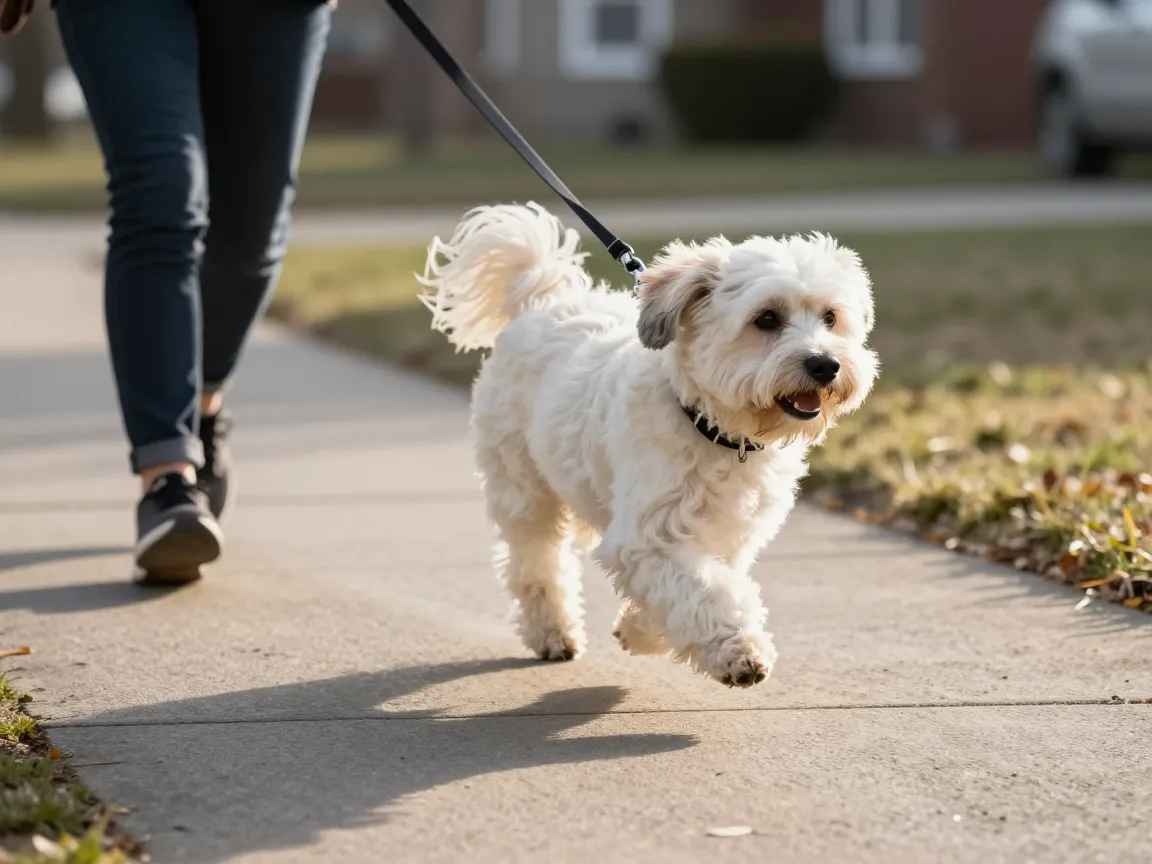
A common misconception holds that small companion breeds need little physical activity. Full grown Havanese dogs actually benefit from consistent daily movement, even though the total volume is modest compared to larger working breeds.
Veterinary behaviorists generally recommend 30 to 60 minutes of combined activity per day, split across two or three sessions. This can include:
- Structured walks01 covering 15 to 20 minutes at a moderate pace, ideally twice daily.
- Indoor play sessions02 using fetch, tug, or puzzle toys, especially valuable during extreme weather.
- Mental enrichment activities03 such as scent games, basic obedience drills, or trick training, which tire out a Havanese’s active mind as effectively as physical exertion.
- Social outings04 to dog-friendly parks or pet stores, satisfying the breed’s strong social drive while providing light exercise.
Without adequate outlets, a full grown Havanese can develop excess energy that manifests as barking, chewing, or attention-seeking behavior. Conversely, over-exercising young puppies before growth plates close can contribute to orthopedic stress, so intensity should scale gradually with age.
Because of their small size, Havanese are well suited to apartment living, but that convenience does not eliminate the need for daily activity. Owners who treat exercise as optional often see the behavioral downsides show up within weeks.
4. Grooming a Full Grown Havanese Is a Serious Time and Cost Commitment
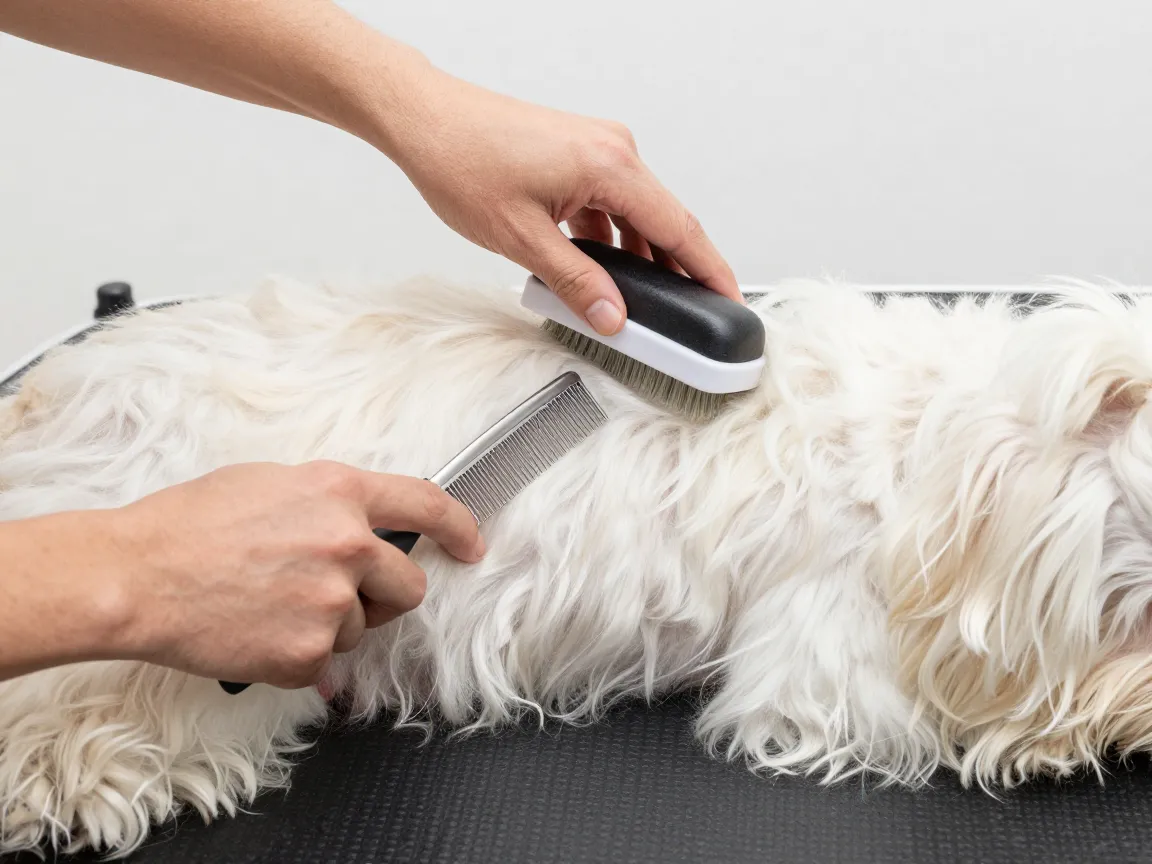
Among the six facts about full grown Havanese dogs, grooming demands the most ongoing effort from owners who want to maintain the breed’s signature full-length coat. The Havanese coat is a long, silky double coat that, left untrimmed, can grow to touch the floor. This look is stunning at dog shows but genuinely high-maintenance in daily life.
Owners keeping the full-length coat should expect to brush their dog nearly every day to prevent matting, particularly behind the ears, under the legs, and around the collar area. A slicker brush and metal comb are standard tools, and many owners incorporate a detangling spray to ease the process.
Professional grooming appointments every four to eight weeks are typical, covering sanitary trims, nail care, and bath services even for owners who brush at home. Many families instead opt for a shorter “puppy cut” or “teddy bear trim,” which dramatically reduces daily brushing time while sacrificing some of the breed’s traditional show-coat appearance. This is one of the most practical decisions new owners face, and there is no wrong answer as long as the coat is kept mat-free.
Comparing coat maintenance approaches
| Coat Style | Daily Brushing Time | Professional Grooming Frequency |
|---|---|---|
| Full-length show coat | 15 to 30 minutes | Every 4 to 6 weeks |
| Shorter puppy or teddy bear cut | 5 to 10 minutes | Every 6 to 8 weeks |
Grooming costs add up over a Havanese’s 14-plus year lifespan, and this recurring expense should factor into any adoption decision alongside food, veterinary care, and supplies.
5. Routine Care Extends Well Beyond the Coat

Grooming headlines often focus on hair, but full grown Havanese dogs need attention across several other routine care categories to stay healthy long term.
Dental care. Small breeds, including the Havanese, are prone to dental crowding and plaque buildup. Daily or near-daily tooth brushing, along with dental chews and periodic professional cleanings, helps prevent early tooth loss and gum disease.
Nail trimming. Because Havanese are relatively low-impact walkers, nails often do not wear down naturally. Trimming every three to four weeks prevents overgrowth, splitting, and altered gait.
Ear checks. Floppy, hair-covered ears can trap moisture and debris. Weekly checks and occasional gentle cleaning reduce the risk of ear infections, a common complaint in small breeds with pendant ears.
Eye care. Tear staining is common in white or light-coated Havanese. Daily wiping with a damp cloth keeps the face clean and helps owners spot early signs of eye irritation or infection.
Weight monitoring. Given their small frame, even modest weight gain represents a significant percentage increase in body mass. Regular weigh-ins and portion control protect joints already at risk for orthopedic issues.
Treating these routine tasks as a package rather than isolated chores gives owners a more complete picture of their dog’s health between veterinary visits.
6. Lifespan Is Strong, But Specific Hereditary Risks Deserve Attention

Full grown Havanese dogs enjoy one of the longer lifespans among companion breeds, typically living 14 to 16 years with proper care. Overall health status is generally favorable compared to many purebred dogs, but recent veterinary data highlights several hereditary and orthopedic risks worth monitoring closely.
Patellar luxation. This kneecap dislocation issue remains one of the most frequently reported orthopedic conditions in small breeds, including the Havanese, with prevalence estimates in recent breed health surveys running noticeably higher than in medium and large breeds.
Hip dysplasia. Despite their small size, Havanese can develop hip dysplasia, making it worth requesting hip screening documentation from breeders when possible.
Cardiac conditions. Heart murmurs and mitral valve disease appear at elevated rates in aging Havanese, reinforcing the value of regular veterinary auscultation starting in middle age.
Eye disorders. Cataracts and progressive retinal atrophy have been documented in the breed, with genetic testing increasingly available to screen breeding stock.
Chondrodystrophy and spinal health. A growing area of veterinary focus for 2026 and beyond involves chondrodystrophy, a skeletal trait affecting cartilage and disc development that is present in many short-legged and small breeds. Emerging research is examining how this trait relates to intervertebral disc disease risk in Havanese, and forward-looking breed health guidance now recommends earlier monitoring for back pain, reluctance to jump, or mobility changes.
Comprehensive condition mapping published by veterinary health organizations in recent years has consolidated much of this information, giving owners and breeders clearer prevalence data than was available a decade ago. The consensus heading into 2026 is that full grown Havanese dogs remain a generally healthy, long-lived breed, provided owners stay proactive about orthopedic screening, dental hygiene, and weight management rather than reactive only after symptoms appear.
What These Six Facts Mean for Prospective Owners
Taken together, these six facts about full grown Havanese dogs paint a clear picture. This is a small, sturdy, emotionally attuned companion breed that thrives on daily interaction, moderate but consistent exercise, and a grooming routine that many owners underestimate before bringing a puppy home. Breed standard organizations have kept size and structure expectations stable through 2024 to 2026, while veterinary guidance has sharpened around orthopedic and spinal health monitoring.
Prospective owners should weigh the following before committing to the breed:
- Daily availability. Households with long work hours or frequent travel should consider whether a Havanese’s separation intolerance fits their lifestyle.
- Grooming budget. Factor in either significant at-home brushing time or a recurring professional grooming expense across a 14-plus year lifespan.
- Veterinary screening. Ask breeders about hip, patella, cardiac, and eye testing on parent dogs, and discuss chondrodystrophy-related spinal risk with a veterinarian as the dog ages.
Frequently Asked Questions
How big does a full grown Havanese actually get?
Most adults reach 8.5 to 11.5 inches tall and weigh between 7 and 13 pounds, following the official breed standard.
Are full grown Havanese dogs good with children and other pets?
Generally yes. Their social, cheerful temperament makes them well suited to multi-pet and family households, though small size means supervision around very young children is wise.
How much grooming does a full grown Havanese really need?
Owners keeping the full-length coat should plan on near-daily brushing plus professional grooming every four to eight weeks. Shorter trims reduce but do not eliminate this workload.
What is the average lifespan of a Havanese?
Most live 14 to 16 years, among the longer lifespans in the companion dog category, assuming proactive orthopedic and dental care.
What health issues should owners watch for most closely?
Patellar luxation, hip dysplasia, cardiac disease, eye disorders, and emerging chondrodystrophy-related spinal concerns represent the primary hereditary and orthopedic risks documented in recent breed health data.
Conclusion
Full grown Havanese dogs offer a rare combination: a genuinely small, apartment-friendly size paired with a sturdy build, a cheerful and deeply people-focused temperament, and a lifespan that outlasts many other breeds when health risks are managed proactively. The six facts outlined above, covering size standards, temperament, exercise needs, grooming demands, routine care, and hereditary health risks, give current and future owners a realistic, current picture grounded in 2026 breed and veterinary consensus.
The most useful next step for any prospective owner is direct action rather than more research. Schedule a consultation with a veterinarian familiar with small breed orthopedic and cardiac screening before adopting. Ask breeders for documented hip, patella, and eye testing on parent dogs. Budget realistically for either daily home grooming or a recurring professional grooming expense. And most importantly, be honest about daily availability, since this breed’s wellbeing depends heavily on consistent companionship. Dogs that receive this level of informed, proactive care tend to reward their owners with well over a decade of the affectionate, cheerful companionship the Havanese breed was created to provide.