Easy And Cute Animal Drawing Ideas To Spark Your Creativity
A single circle and two ovals are all it takes to create a drawing that makes someone smile. That is the quiet secret behind the internet’s current obsession with cute doodles: the most shareable, most repeated animal sketches online are almost never anatomically precise. They are built from three or four basic shapes, a pair of oversized eyes, and a rounded line that softens every edge. This article breaks down 6 Easy And Cute Animal Drawing Ideas To Spark Your Creativity that follow this exact formula, so beginners and seasoned doodlers alike can fill a sketchbook page in minutes rather than hours.
Disclosure: This post contains affiliate links. As an Amazon Associate, we earn from qualifying purchases, and at no extra cost to you.
Whether the goal is a daily sketch habit, a warm-up before digital illustration work, or simply a low-pressure creative outlet, these ideas are designed to be approachable. None require advanced shading skills or expensive materials. Each one leans on proportion, simplification, and a bit of personality to turn a basic shape into something genuinely endearing.
Key Takeaways
- Cute animal drawings rely on simplified shapes like circles, ovals, and curves rather than realistic anatomy.
- Exaggerated features such as big eyes, chubby cheeks, and rounded limbs are what make a sketch feel “cute” instead of just simple.
- The 6 Easy And Cute Animal Drawing Ideas To Spark Your Creativity in this guide can each be completed in under ten minutes, making them ideal for quick sketchbook practice.
- Varying line thickness, softening edges, and leaving some areas unfinished are small techniques that make basic doodles look more polished.
- Practicing the same animal in multiple poses or expressions builds confidence faster than drawing a new subject every time.
Why Simple Animal Sketches Build Real Drawing Skills
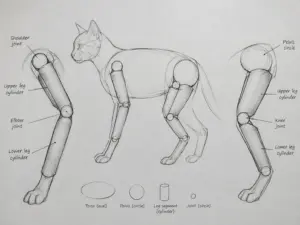
Many beginners assume that “easy” drawing ideas are a shortcut that skips real learning. The opposite is closer to the truth. Breaking an animal down into circles, ovals, and curved lines is a foundational drawing technique used by illustrators long before any cute doodle trend existed. It teaches proportion, spatial planning, and confident line work without the pressure of getting fur texture or muscle structure exactly right.
Current drawing guides consistently point to the same three pillars for cute animal illustration: start with basic shapes, exaggerate the eyes and cheeks, and keep the linework soft and rounded. This approach works because cuteness in visual design is a proportion trick. Large heads relative to small bodies, big eyes relative to the face, and short limbs all mimic the features people instinctively find endearing in baby animals. Once a beginner understands this formula, almost any animal can be redrawn in a cute style, from a common house cat to an unusual creature like a frog or a sea urchin.
There is also a practical reason simple animal sketches are so popular right now. Short, low-stakes drawing sessions fit into busy schedules far better than long, detailed study sessions. Many of today’s most-followed drawing guides frame these animal doodles as part of a five-minute sketchbook warm-up or a daily creative routine rather than a serious art project. That framing removes the fear of making mistakes, which is often the biggest barrier for people who want to draw but feel intimidated by realism.
The 6 Easy And Cute Animal Drawing Ideas To Spark Your Creativity
Each of the following ideas uses the same core method: block in simple shapes first, then refine with soft, rounded lines and exaggerated facial features. None require perfect symmetry. Small wobbles in the line actually add to the handmade charm that makes these sketches feel warm and personal rather than clinical.
1. The Circle-Head Bunny With Oversized Ears
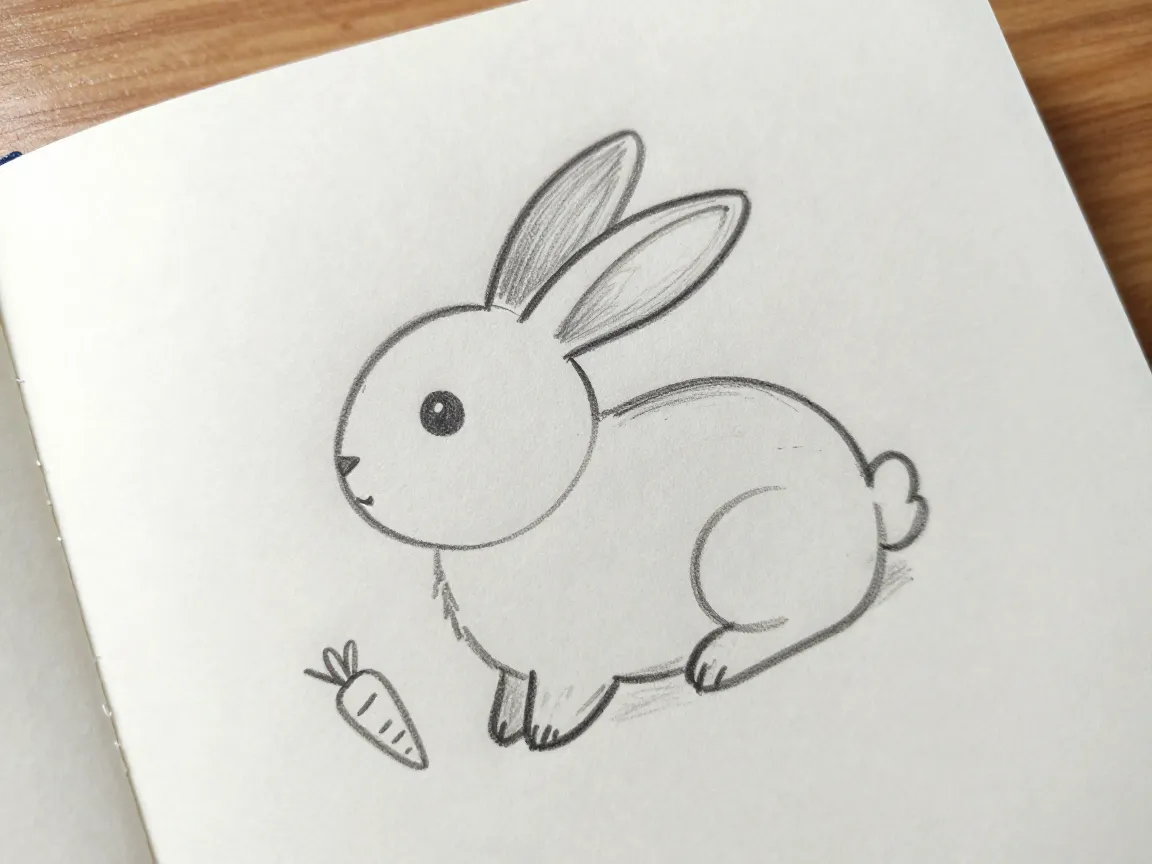
Start with one large circle for the head and a smaller oval beneath it for the body. Add two long, slightly curved ears extending upward from the top of the head, letting them flop gently to one side for extra charm. Place two large dot eyes low on the face, a small triangle or oval nose, and a simple curved “w” shape for the mouth. Many beginner guides use the bunny as the very first lesson in cute animal drawing because the proportions are forgiving. Even if the ears are uneven or the body oval is slightly off-center, the final sketch still reads as instantly recognizable and cute. For extra personality, try adding a tiny carrot beside the bunny or giving it one ear that sticks straight up and one that flops down.
2. The Chubby Cat With Triangle Ears
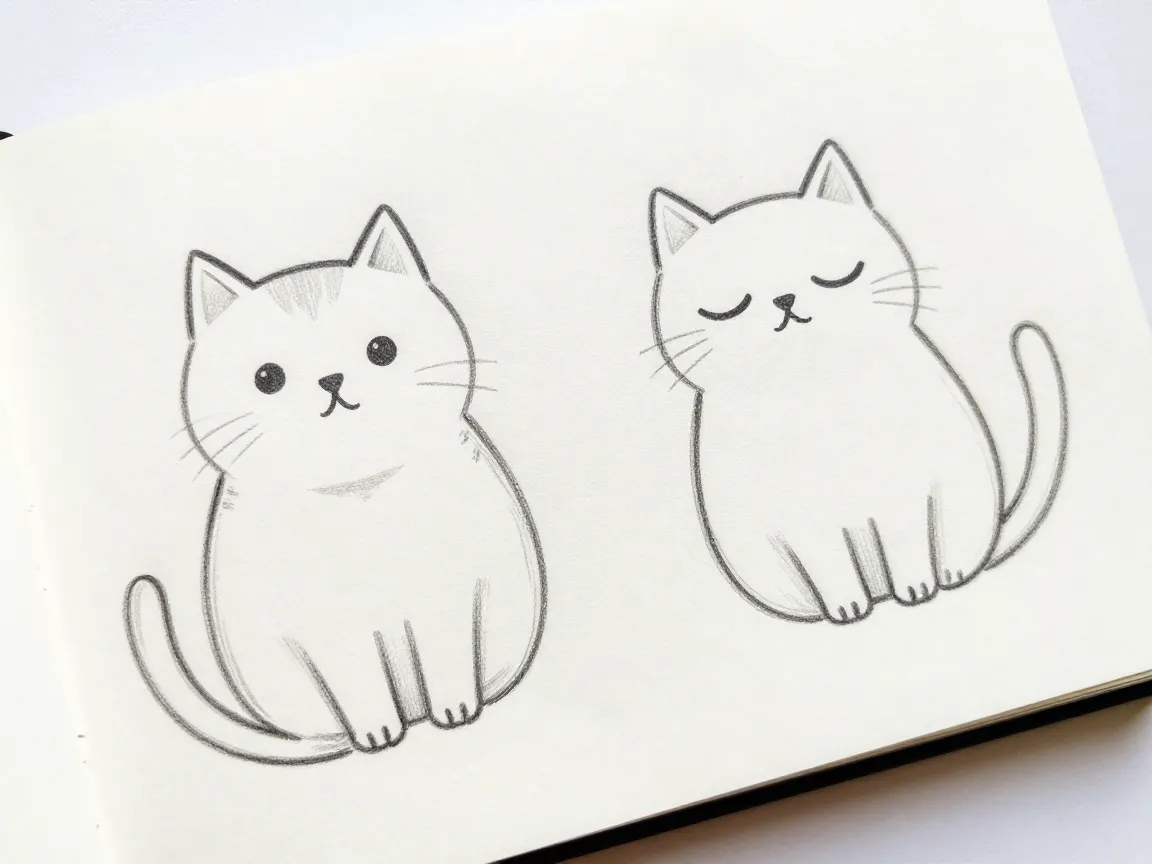
Draw a rounded circle for the head and attach two small triangles on top for the ears. Beneath the head, sketch a slightly larger oval or rounded rectangle for the body, keeping the proportions chubby rather than slender. Add two dot or oval eyes, a small triangular nose, and three short whisker lines on each side of the face. A curved tail that wraps around the body adds motion and personality. This cat design appears across nearly every major list of easy cute animal drawing ideas because it can be completed in under five minutes and still looks polished. Variations include a sleepy version with closed, curved eyes or a playful version with one paw raised.
3. The Rounded Puppy With Floppy Ears
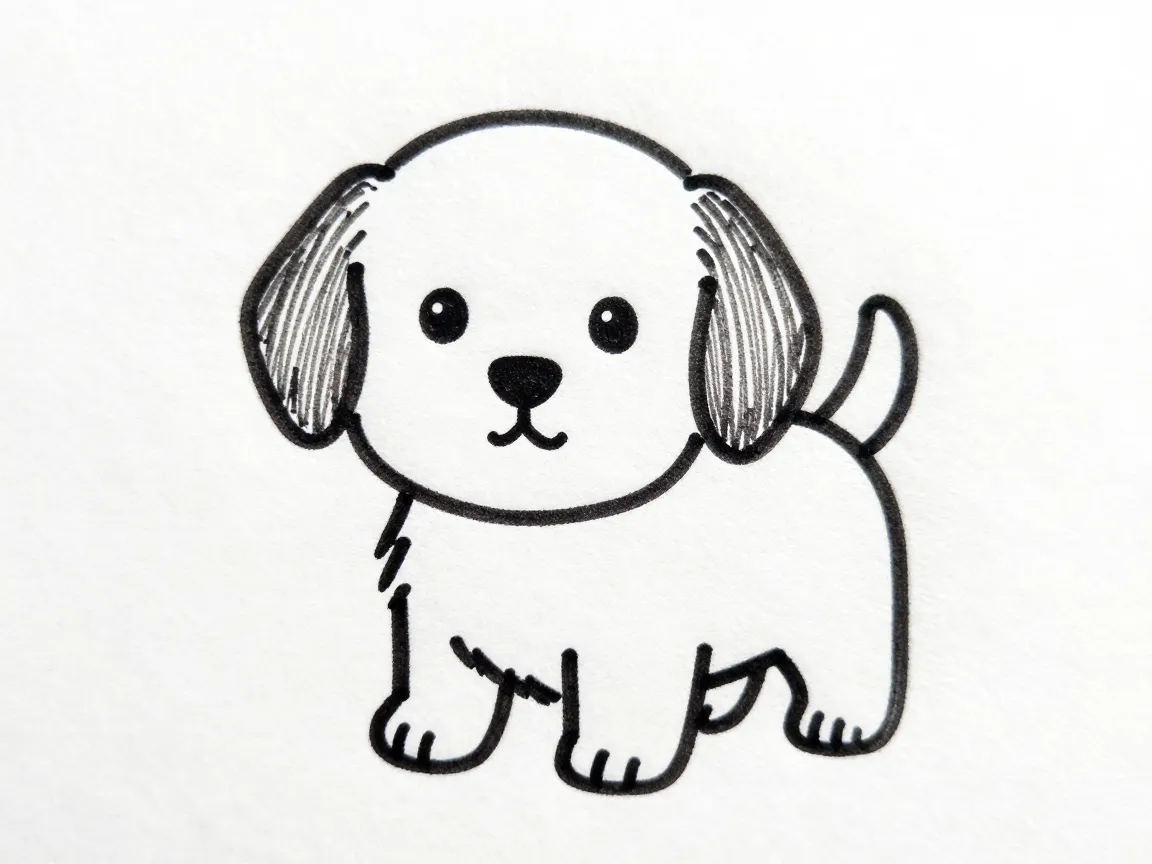
For a cute dog sketch, begin with a circle for the head and a rounded oval for the body, similar to the cat but with longer, droopier ears instead of triangles. Let the ears hang down past the jawline in soft curved shapes. Keep the eyes large and slightly spaced apart, and add a small oval nose at the center of the face with a short line extending down to a simple smiling mouth. Short, stubby legs and a small curved tail complete the look. Dogs are frequently listed among the most requested beginner animal subjects because the floppy ear variation offers an easy way to practice asymmetry while keeping the overall design simple and approachable.
4. The Round Panda With Patchwork Eyes
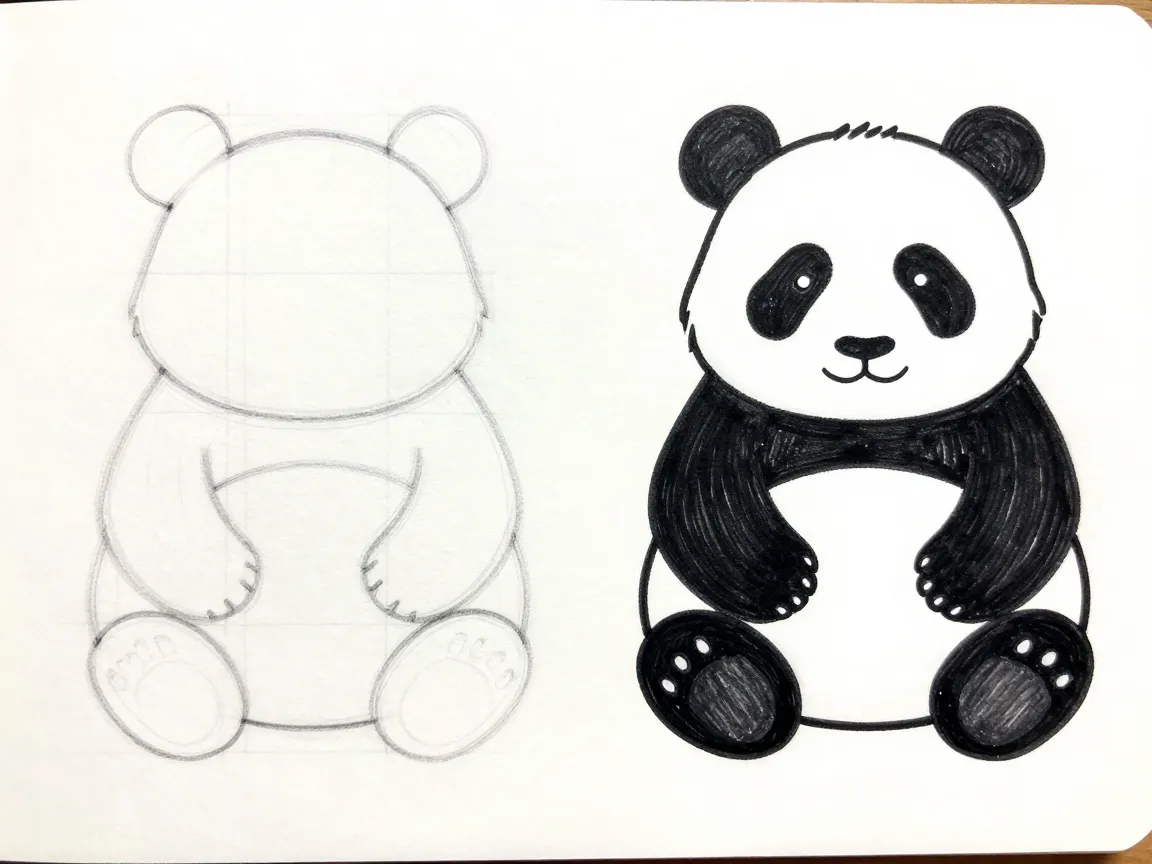
Pandas are a favorite among cute animal drawing lists because their natural black-and-white markings translate perfectly into a simplified cartoon style. Draw one large circle for the head and a slightly smaller rounded shape for the body. Add two small rounded ears at the top corners of the head. For the face, sketch two black oval “patches” around the eyes, then place a smaller dot eye inside each patch. Keep the limbs short and stubby, almost like little rounded tabs rather than detailed legs and arms. Because the panda’s markings are already graphic and high-contrast, this sketch looks finished and polished with very little additional shading, making it an efficient choice for a quick confidence-building session.
5. The Low-Slung Capybara With a Flat Smile
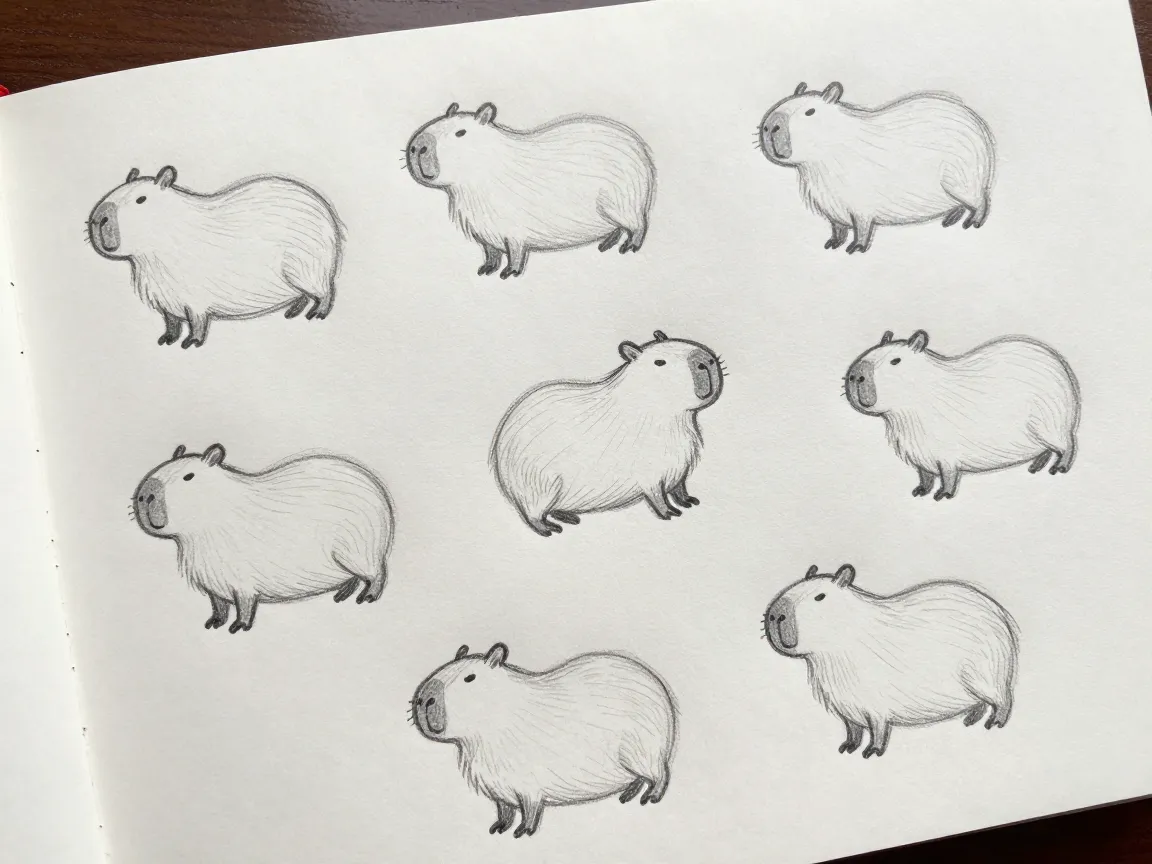
Capybaras have become a standout trend in recent easy-drawing guides because their natural body shape is already close to a cute cartoon. Start with a long oval for the body, positioned horizontally and low to the ground, then add a slightly smaller rounded shape for the head at one end. Keep the legs very short and almost hidden beneath the body outline. The key detail is the face: small, high-set eyes, tiny rounded ears, and a wide, flat mouth that curves gently upward into a calm smile. This relaxed, low-energy expression is what gives the capybara its signature charm and makes it a satisfying subject for a quick, playful doodle session.
6. The Smiling Frog With Oversized Eyes
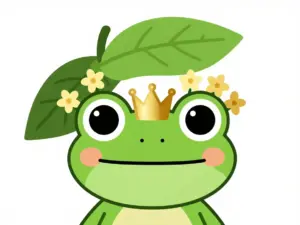
Not every cute animal drawing idea needs to be a typical pet. A frog offers a fun way to practice turning an unconventional creature into something charming. Draw a wide, slightly flattened oval for the body, then add two large round eyes sitting directly on top of the head, rather than on the sides as they would appear in real life. Give the frog two long, bendy legs tucked beneath the body, with small webbed feet. A wide, curved smile across the lower half of the face instantly makes the creature feel friendly rather than slimy or strange. Adding a simple lily pad beneath the frog or a small fly nearby gives the sketch a sense of place without requiring any extra drawing skill.
Tools and Techniques That Make Any Animal Sketch Cuter
Choosing the right idea is only half the process. The techniques used while drawing matter just as much as the subject itself. A handful of simple adjustments can transform a flat, stiff sketch into one that feels alive and charming.
The table below summarizes the core techniques that consistently appear across current beginner drawing guides.
| Technique | What It Does | Easy Way to Apply It |
|---|---|---|
| Vary line thickness | Adds depth and visual interest | Press slightly harder on outer edges, lighter on inner details |
| Exaggerate eyes | Creates instant cuteness and expression | Make eyes roughly one-third the size of the head |
| Round every corner | Softens the overall mood | Avoid sharp angles on ears, paws, and tails |
| Leave some lines unfinished | Keeps the sketch feeling loose and energetic | Let a few outer strokes trail off near the edges |
| Practice multiple expressions | Builds confidence and range | Redraw the same animal happy, sleepy, and surprised |
“Cuteness in drawing is less about talent and more about proportion. Anyone who can draw a circle can draw something cute.”
Line variation deserves special attention because it is one of the fastest ways to make a simple sketch look more intentional. Instead of tracing every shape with a single, uniform line, try pressing slightly harder on the outer silhouette of the animal and lightening the touch on interior details like whiskers or fur texture. This single habit, often recommended in traditional drawing guides, gives even a five-minute doodle a sense of depth and craftsmanship.
Another underused technique is leaving part of the drawing unfinished. Rather than outlining every single edge with equal weight, let a few strokes near the ears, tail, or paws trail off into nothing. This creates a sense of energy and movement, and it mimics the loose, confident sketching style seen in professional concept art. It also takes pressure off beginners who worry about perfect, closed lines everywhere.
Finally, practicing the same animal in different poses and expressions is one of the most effective ways to build real skill quickly. Drawing a cat from the front, then from the side, then with a sleepy expression and finally a surprised one, teaches far more about proportion and construction than repeatedly drawing five different animals only once each. Many current digital art tutorials specifically recommend this repetition-based approach for anyone trying to develop a consistent, recognizable cute style.
Turning Any Animal Into a Cute Character
One of the more interesting shifts in recent drawing guidance is the move beyond typical pets like cats and dogs toward unusual or even “creepy” creatures reimagined as cute characters. Spiders, sea urchins, and frogs are increasingly common subjects precisely because the transformation from unsettling to adorable is so dramatic and satisfying to practice.
The method stays consistent regardless of the animal. Identify the creature’s most recognizable feature, then exaggerate it in a friendly way. A spider’s many legs can be softened into a few curved, bouncy limbs. A sea urchin’s spines can be shortened and rounded so they look more like a pincushion than a hazard. The goal is always to add a smile, soften the silhouette, and enlarge the eyes, since these three adjustments do most of the work in shifting the emotional tone of a drawing.
This approach also opens the door to combining animals with simple props or settings, which adds personality without requiring new technical skills. A bunny beside a carrot, a frog on a lily pad, or a cat curled up on a tiny pillow all use the same basic shapes already practiced, just arranged with one additional simple object. These small additions are often what separate a forgettable doodle from one that feels like a complete, shareable illustration.
Building a Simple Habit Around These Six Ideas
The real value of the 6 Easy And Cute Animal Drawing Ideas To Spark Your Creativity covered here comes from repetition, not perfection. A single bunny sketch is a nice five-minute exercise. Ten bunny sketches across two weeks, each slightly different in pose or expression, start to build genuine drawing fluency.
A simple way to structure practice is to rotate through the ideas on a loop rather than trying to master one animal before moving to the next. Monday might be the bunny, Tuesday the cat, Wednesday the capybara, and so on, cycling back through the list every week. This keeps the practice varied enough to stay interesting while still reinforcing the same core shape-based thinking each time.
Consider tracking progress with a short list like this one, checked off daily or weekly:
- Sketch one animal from the list using only basic shapes, no shading.
- Redraw the same animal with one new expression or pose.
- Add one simple prop or background element, such as a flower or lily pad.
- Try the animal in a different size, either miniature or oversized, to practice scaling.
- Combine two animals from the list into a single small scene.
This kind of structured but flexible routine mirrors the daily sketchbook habits recommended across current beginner drawing resources, where short, consistent sessions consistently outperform occasional long ones in building lasting skill.
Frequently Asked Questions
Are these animal drawing ideas suitable for complete beginners with no art experience?
Yes. Each idea relies on basic shapes like circles and ovals, which require no prior drawing training. The focus is on proportion and simplification rather than technical skill, making this approach accessible to anyone holding a pencil for the first time.
What materials work best for these cute animal sketches?
A regular pencil and plain paper are enough to start. For a cleaner finished look, a fine-tip black marker can be used to trace the final lines once the pencil sketch feels right. Digital drawing tablets also work well, especially for experimenting with line thickness and color.
How long should each drawing take?
Most of the ideas on this list can be completed in five to ten minutes once the basic shape method feels familiar. The goal is quick, low-pressure practice rather than a long, detailed illustration session.
Can these techniques be used on animals not included in this list?
Absolutely. The same formula, basic shapes, exaggerated eyes, rounded lines, and a friendly expression, can be applied to almost any animal, from elephants and foxes to less common creatures like turtles or owls.
What is the biggest mistake beginners make with cute animal drawings?
The most common mistake is adding too much detail too soon. Overly complex fur texture, sharp angles, or realistic proportions can undo the cute effect. Keeping shapes simple and rounded is usually more effective than adding extra lines.
Conclusion
Cute animal drawing does not require natural talent, expensive supplies, or years of practice. It requires a willingness to simplify. The 6 Easy And Cute Animal Drawing Ideas To Spark Your Creativity outlined in this guide, the bunny, the cat, the puppy, the panda, the capybara, and the frog, all rely on the same small set of principles: basic shapes, oversized eyes, soft rounded lines, and a touch of personality.
The next step is simple. Pick one animal from this list, set a timer for ten minutes, and sketch it using nothing but circles, ovals, and curves. Repeat it the next day with a new expression. Over a couple of weeks, these small, low-pressure sessions build genuine confidence and a visible improvement in line quality and proportion. There is no need to wait for inspiration or the “right” moment to start. A blank page and one circle are enough to begin.