Scottish Shorthair Cat Characteristics That Make Them Irresistible
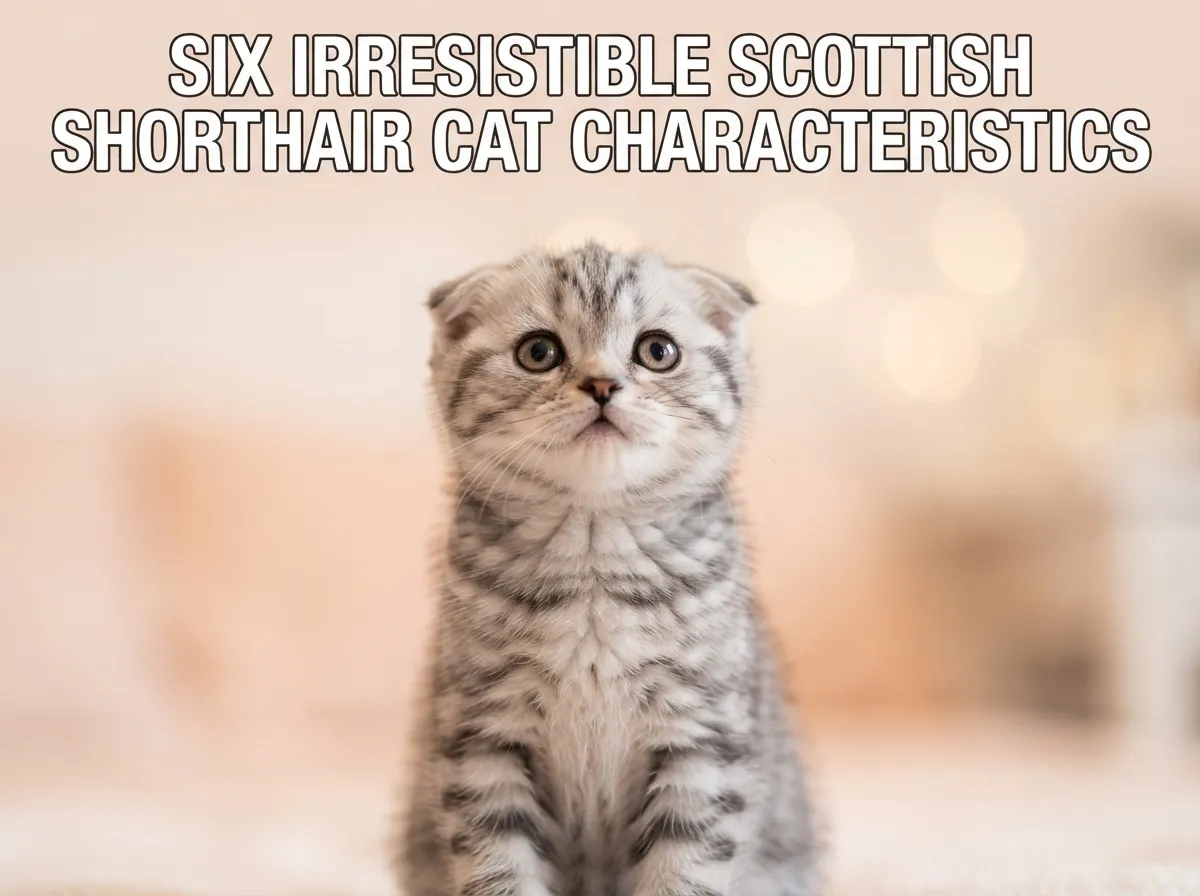
A Scottish Fold kitten is born with ears standing perfectly straight. Nothing about its appearance hints at what is coming. Then, around four weeks of age, those ears begin to fold forward and down, finishing their transformation by roughly three months old. That single genetic quirk has helped turn a regional Scottish farm cat into one of the most recognized and requested breeds in the world. But ears are only one part of the story. The 6 Scottish Shorthair Cat Characteristics That Make Them Irresistible go far beyond a single folded ear or a round face, they combine body shape, coat, temperament, and behavior into a package that veterinary clinics, breed registries, and cat owners alike describe as almost universally endearing.
Disclosure: This post contains affiliate links. As an Amazon Associate, we earn from qualifying purchases, and at no extra cost to you.
This article breaks down exactly what makes this breed group so beloved, using current standards from major cat registries and veterinary sources, and explains what any prospective owner should know before bringing one home.
Key Takeaways
- Scottish Shorthairs are medium-sized cats with a rounded “teddy-bear” build, typically weighing 3 to 6 kilograms and living 12 to 15 years.
- Their signature look combines a rounded head, large expressive eyes, and either folded or straight ears, depending on the specific variety.
- The dense, plush coat comes in a wide range of colors and requires only weekly brushing, making grooming simple.
- Temperament is calm, gentle, and people-oriented, with a kitten-like sweetness that many owners say lasts a lifetime.
- Prospective owners should understand breed-specific health risks, including cartilage and kidney concerns, before adopting.
Understanding the 6 Scottish Shorthair Cat Characteristics That Make Them Irresistible
Before exploring each individual trait, it helps to understand where this breed sits within the larger cat world. “Scottish Shorthair” is often used as an umbrella term covering both the folded-ear Scottish Fold and the straight-eared Scottish Straight, both part of the broader Scottish breed group recognized by major registries including CFA and TICA. Despite the ear difference, both varieties share the same body type, coat texture, and general disposition, which is exactly why the 6 Scottish Shorthair Cat Characteristics That Make Them Irresistible apply across the group as a whole.
These cats are not oversized. According to current veterinary and insurance profiles, adult females typically weigh between 3 and 4.5 kilograms, while males range from 4 to 6 kilograms. Height at the shoulder generally falls between 20 and 30 centimeters, and a well-cared-for Scottish Shorthair can be expected to live 12 to 15 years. That combination of moderate size and a long, healthy lifespan (when properly bred and screened) is part of what makes them such practical, long-term companions.
| Trait | Typical Range |
|---|---|
| Weight (female) | 3-4.5 kg |
| Weight (male) | 4-6 kg |
| Height | 20-30 cm |
| Lifespan | 12-15 years |
| Coat type | Short, dense, plush |
| Grooming needs | Low, weekly brush |
With that baseline established, here are the six defining characteristics that consistently draw people toward this breed.
1. Teddy-Bear Build and Rounded Proportions
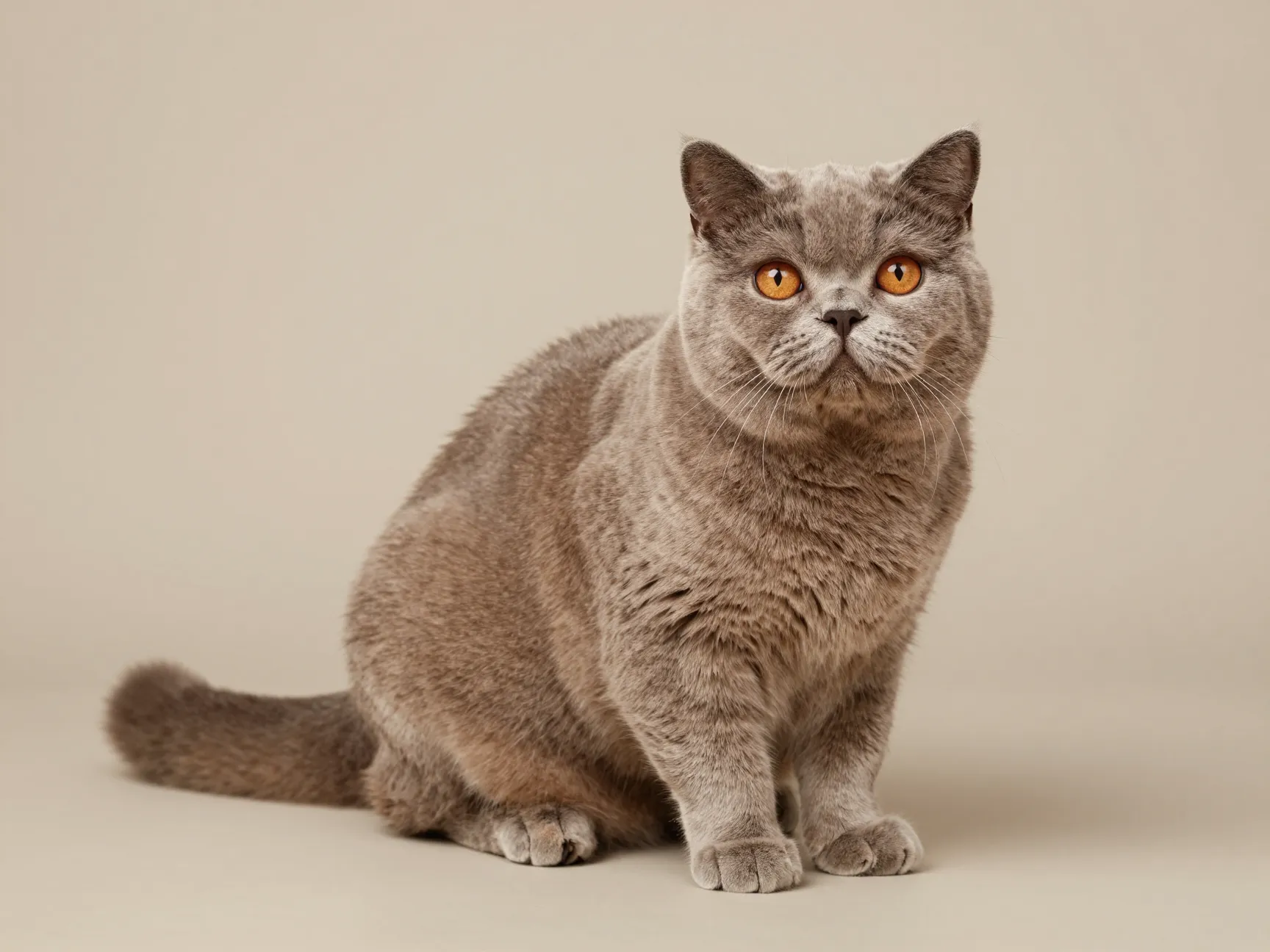
The single most recognizable trait of the Scottish Shorthair is its overall roundness. Breed standards describe an evenly balanced, well-rounded frame, a round head, a short thick neck, and prominent cheeks that give the face a soft, cushioned appearance. Registries specifically use the word “round” to describe nearly every visible feature, the head, the eyes, the body, even the paws.
This is not an accident of a single body part. It is the combined effect of a compact skeletal structure, well-padded musculature, and a coat that sits close to the body without emphasizing sharp lines. The result is what breed enthusiasts and veterinary sources alike call the “teddy-bear” look. Unlike leaner, more angular breeds, the Scottish Shorthair’s silhouette reads as soft and huggable from almost any angle, which is a major reason it photographs so well and generates such strong emotional appeal online and in person.
“Their rounded frame, round head, and large expressive eyes give them a permanently soft, plush appearance that many owners describe as looking like a living stuffed animal.”
This physical trait also has a practical side. The compact, well-padded body tends to feel warm and comfortable to hold, which reinforces the cat’s reputation as an excellent lap companion.
2. Distinctive Ears and Wide, Expressive Eyes
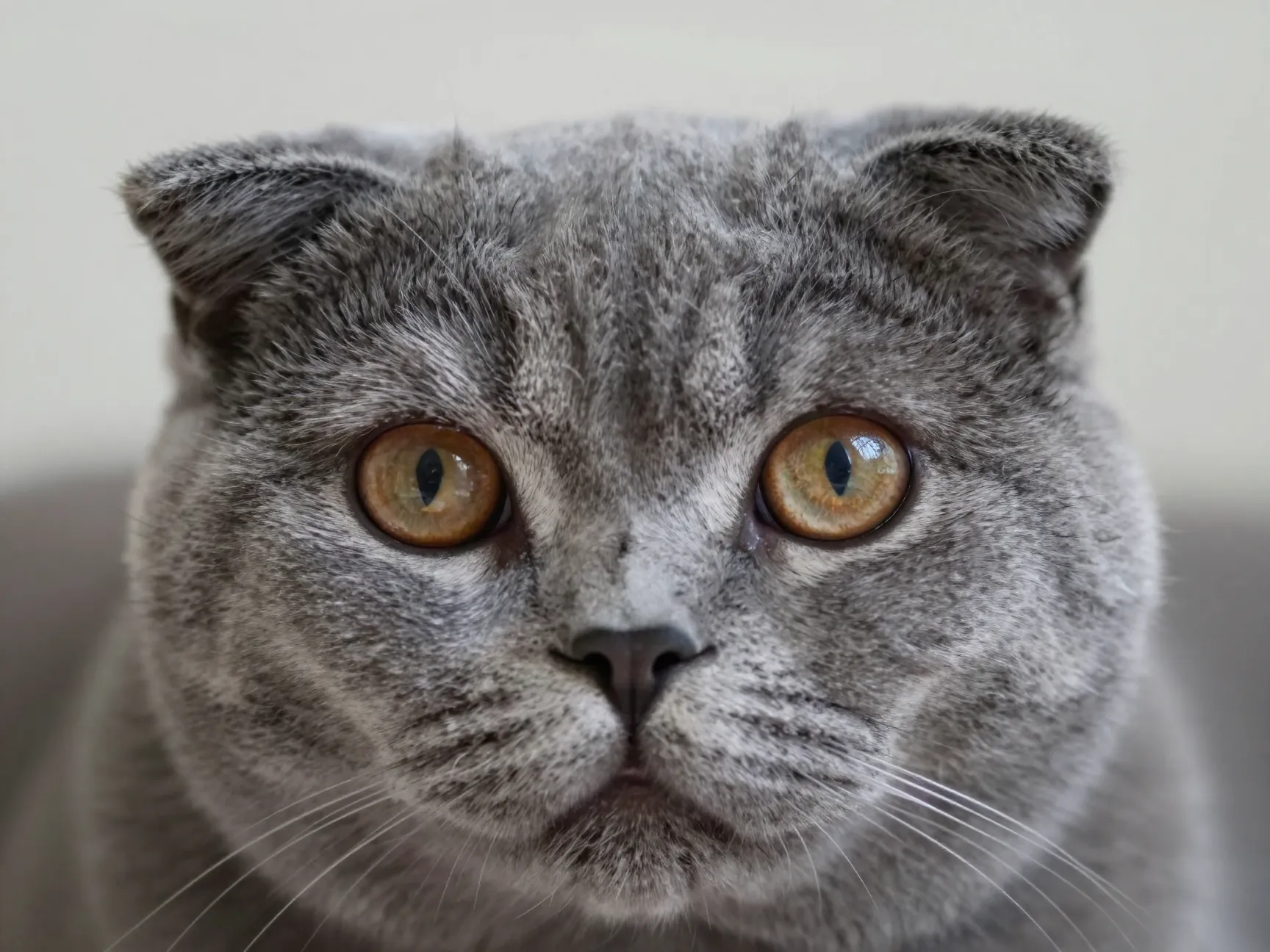
Ear shape is where the two varieties within the breed group visibly diverge, yet both contribute to the same irresistible facial expression. In the Scottish Fold variety, the ears fold forward and down due to a genetic mutation affecting cartilage development. Kittens are born with straight ears that begin folding around four weeks of age and complete the process by about three months old. In the Scottish Straight variety, the ears remain upright, described by major registries as small to medium in size with distinctly rounded tips.
Whether folded or straight, the ears sit low on a rounded head, which shifts visual attention to the eyes, and those eyes are large, wide open, and round, often matching or complementing the coat color. This combination produces what many breeders call a “knowing” or “wise” expression, a face that appears simultaneously curious and calm. It is a subtle but powerful detail: the eyes and ears work together to create an expression that reads as alert without looking anxious, and sweet without looking passive.
This facial structure is a primary driver behind the breed’s massive popularity in photos and videos, but it is also tied to genuine health considerations discussed later in this article, particularly for the folded-ear variety.
3. Plush, Low-Maintenance Coat in Endless Colors
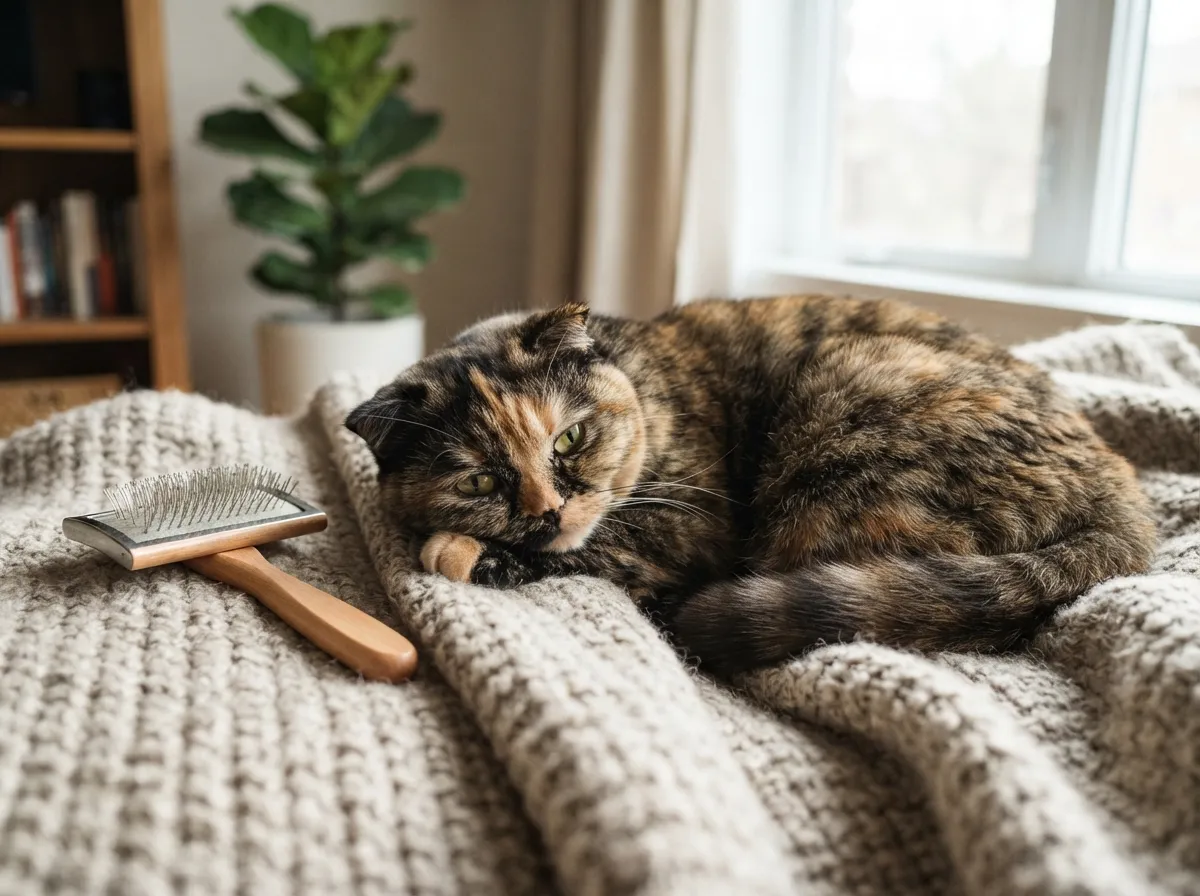
The coat is short to medium-short, dense, and notably plush to the touch. Veterinary sources describe the texture as insulating yet easy to manage, which is a rare combination. Many short-coated breeds have thinner, less protective fur, while long-haired breeds require intensive daily grooming. The Scottish Shorthair sits in a practical middle ground: enough density to feel luxurious and to genuinely keep the cat warm, but short enough that a weekly brush is generally sufficient to keep shedding and matting under control.
Color variety is another major selling point. Registries recognize an extensive range of coat colors and patterns, from solid grays and creams to tabbies, tortoiseshells, and bicolors. Eye color frequently corresponds to coat color, which means no two Scottish Shorthairs look quite the same, even though they share the same basic body shape and facial structure. This variety allows prospective owners to find a color pattern that appeals to them personally while still getting the same breed temperament and care requirements.
For busy households, first-time cat owners, or anyone who wants a low-maintenance grooming routine without sacrificing a visually striking pet, this combination of density and simplicity is a significant part of the appeal.
4. Gentle, Calm Temperament Suited to Any Home
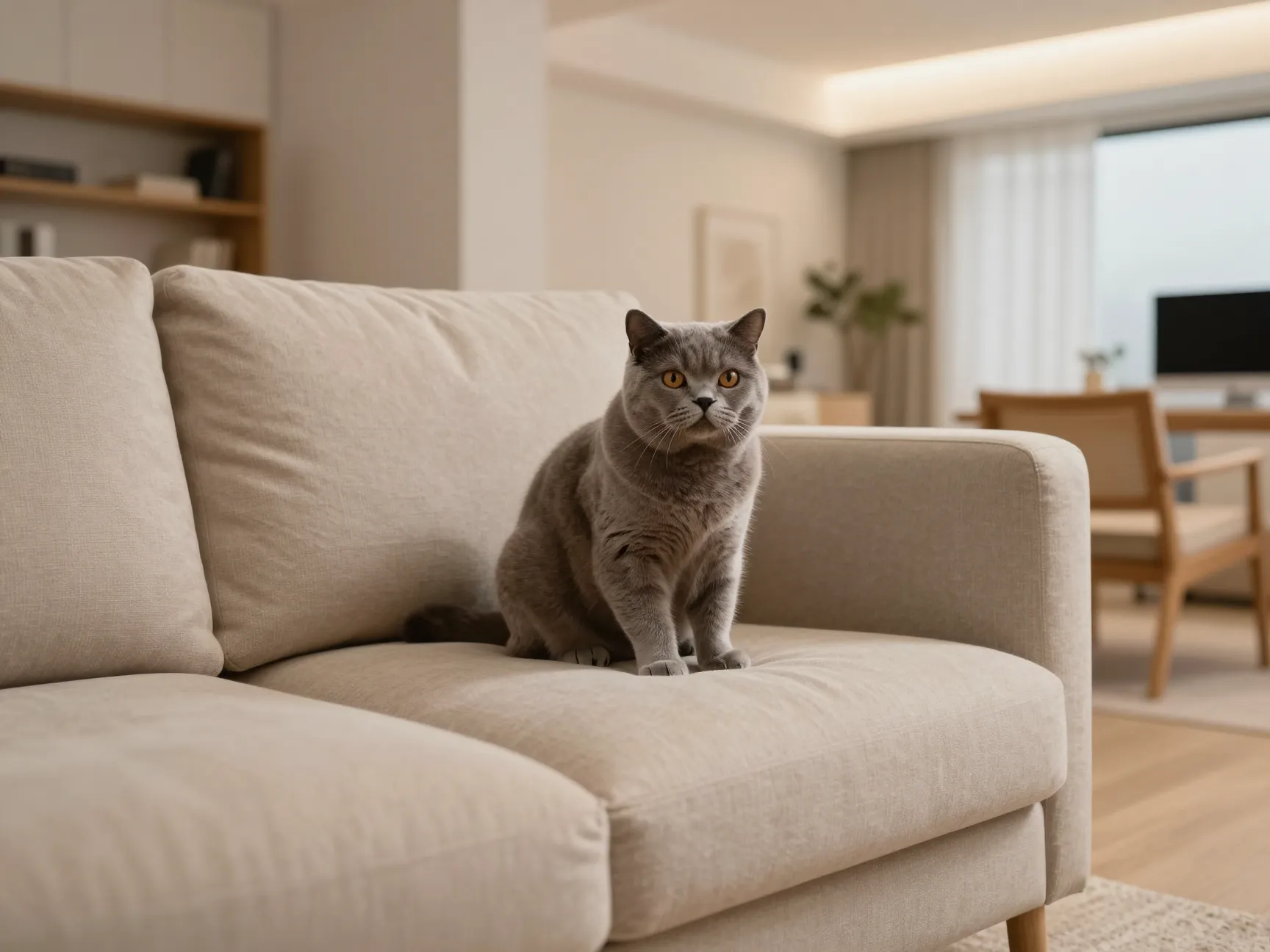
Temperament may be the most important of the 6 Scottish Shorthair Cat Characteristics That Make Them Irresistible, because it determines how well the cat actually fits into daily life. Veterinary behavior profiles consistently describe Scottish Shorthairs as gentle, quiet, calm, and placid. They are not classified as highly active cats, and they tend to be undemanding and relatively unvocal compared to more talkative breeds.
This calm baseline makes them particularly well suited to indoor and apartment living. A cat that does not require large amounts of physical space to run and climb, and that does not vocalize loudly for attention, fits naturally into smaller homes or households with close neighbors. Clinics that specialize in breed-specific guidance note that this easygoing nature also makes Scottish Shorthairs adaptable to a wide variety of living conditions, from quiet single-person apartments to busier family homes.
Importantly, calm does not mean withdrawn. These cats are still friendly and social; they simply express that friendliness in a gentle, low-key way rather than through constant demands for interaction.
5. Playful Curiosity Wrapped in a Laid-Back Personality
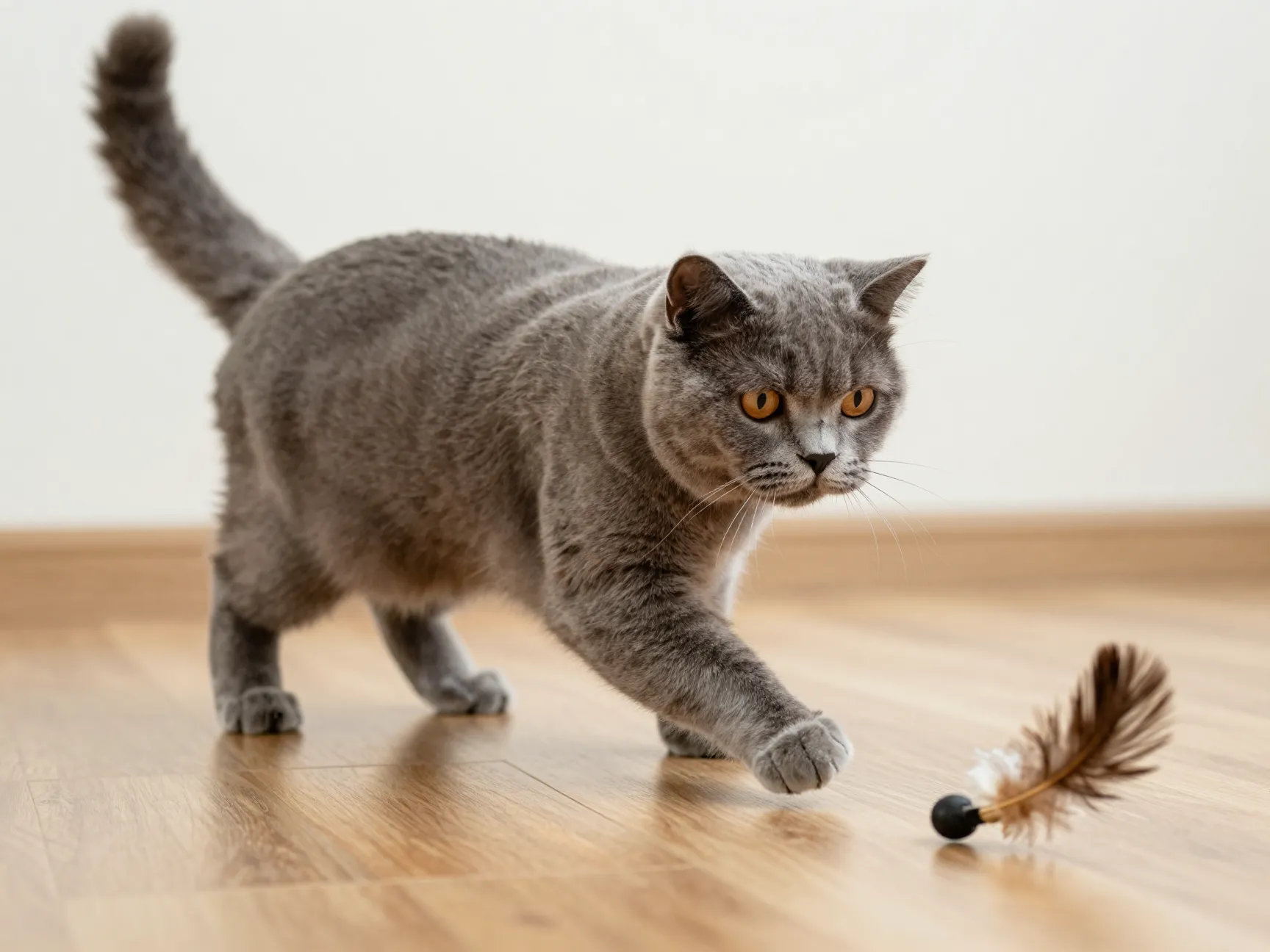
Despite their relaxed demeanor, Scottish Shorthairs are not passive lumps of fur. Breed guides describe them as having surprisingly strong characters and even skilled hunting instincts, a trait that can catch new owners off guard given how mellow the cat appears most of the time. This creates an appealing contrast: a cat that spends much of the day calmly observing its surroundings but that can suddenly become intensely focused and playful when a toy, a moving object, or a small household pest catches its attention.
Registries also describe the breed as intelligent, inquisitive, and loyal, often noting that these cats will follow their owners from room to room simply to stay involved in whatever is happening. This is a meaningfully different behavior pattern from more independent breeds, which tend to observe from a distance rather than actively participate.
The result is a cat that offers genuine interaction and entertainment without the constant high-energy demands of more athletic breeds. Owners get engagement on their own terms: a cat that is content to nap nearby for long stretches, then just as content to chase a toy or investigate a new object the moment it appears.
6. Kitten-Like Sweetness That Lasts a Lifetime
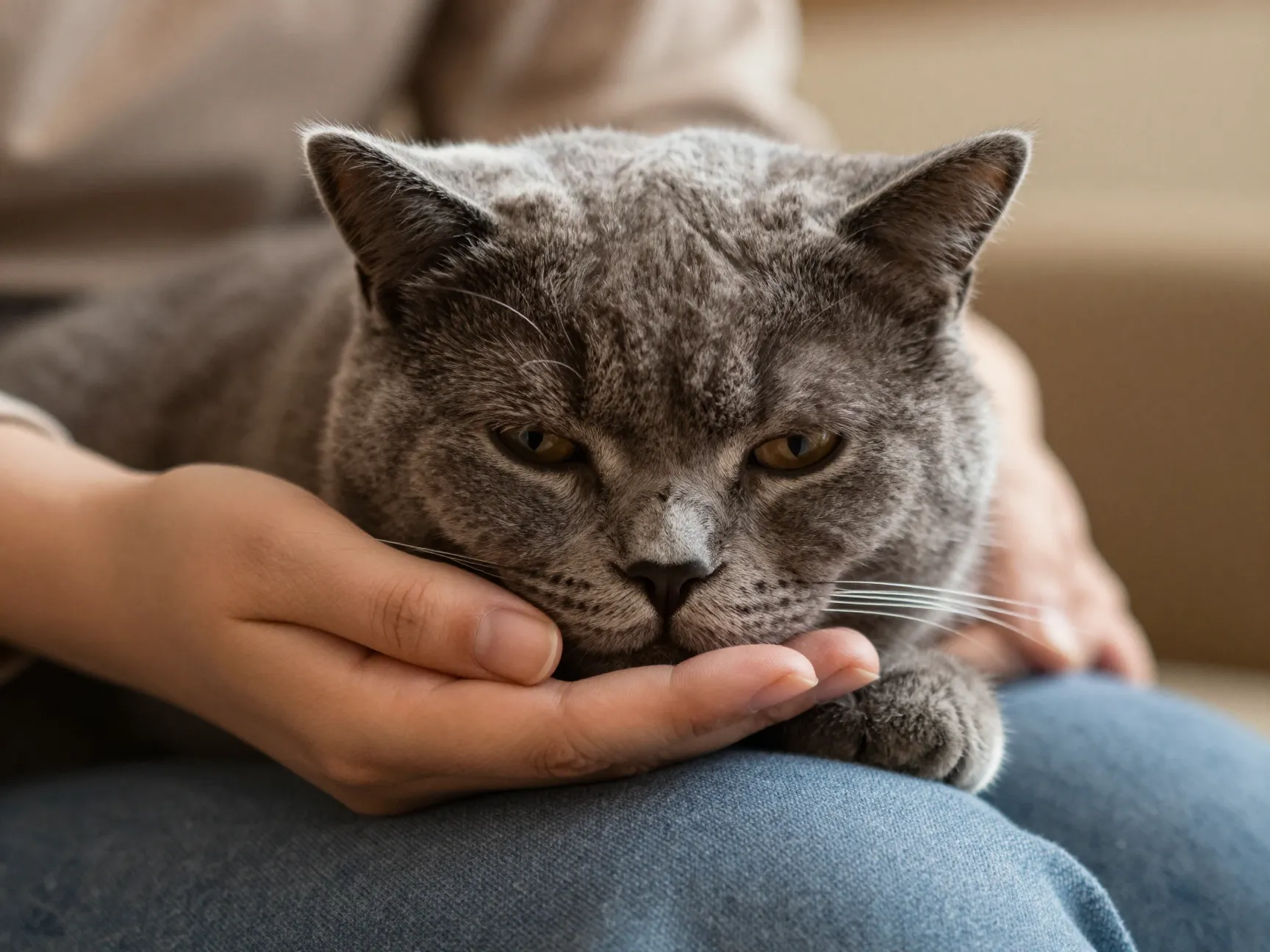
Perhaps the most emotionally compelling of the 6 Scottish Shorthair Cat Characteristics That Make Them Irresistible is how long the kitten-like disposition persists. Most cat breeds mellow significantly as they age, trading playful curiosity for a more reserved, adult demeanor. Scottish Shorthairs, and Scottish Straights in particular, are frequently described as retaining a sweet, kitten-like disposition well into adulthood and even into their senior years.
This shows up in practical ways: continued interest in toys, a tendency to seek out laps and close physical contact, and an ongoing eagerness to be near people rather than simply tolerating their presence. Clinics that work with families and multi-pet households note that this sustained sweetness, combined with the calm temperament described earlier, makes Scottish Shorthairs particularly compatible with children and other cat-friendly pets, including dogs. The breed’s easygoing nature tends to hold up well even in louder, more chaotic home environments.
For owners who specifically want a cat that behaves like an affectionate kitten for most of its 12 to 15 year lifespan, this trait alone is often the deciding factor in choosing the breed.
Health Considerations Behind the Charm
No discussion of this breed would be complete without addressing the health realities behind its appearance. The same genetic mutation responsible for the folded ear in Scottish Folds also affects cartilage and bone development throughout the body, a condition known as osteochondrodysplasia. Reputable breeders and veterinary sources treat this as a serious welfare consideration, and responsible breeding programs screen carefully to reduce severity and avoid breeding two folded-ear cats together.
Beyond the ear-related mutation, current health profiles list several other concerns to monitor across the breed group, including brachycephalic-related breathing traits in some individuals, polycystic kidney disease, and cardiomyopathy. None of these conditions are unique to Scottish Shorthairs, but their prevalence is higher than average in this breed group, which makes health screening and a relationship with a knowledgeable veterinarian genuinely important.
Prospective owners should ask breeders directly about:
- Health screening for cardiomyopathy and polycystic kidney disease.
- The parentage of any folded-ear kitten, to confirm it was not bred from two folded-ear parents.
- Mobility signs in the cat’s parents and littermates, since cartilage issues can affect joints beyond the ears.
- Registry certification, since major organizations maintain specific breeding guidelines for this group.
Understanding these risks does not diminish the breed’s appeal. It simply ensures that owners can enjoy the 6 Scottish Shorthair Cat Characteristics That Make Them Irresistible while making informed, responsible choices about where a kitten comes from.
Scottish Shorthair vs British Shorthair: Spot the Difference
Because the two breeds share a plush coat and a round build, they are frequently confused. Recent comparative analyses clarify some meaningful differences that matter for anyone deciding between them.
| Feature | Scottish Shorthair | British Shorthair |
|---|---|---|
| Size | Medium, 3-6 kg | Larger, generally heavier |
| Coat density | Dense and plush | Very dense, classic “teddy-bear” |
| Temperament | Inquisitive, family-following | Calm, more self-contained |
| Affection style | Overtly affectionate, people-focused | Independent, less demanding |
| Ear shape | Folded or straight | Straight, rounded tips |
The core distinction lies in personality expression. British Shorthairs tend to be more independent and self-sufficient, comfortable spending time alone. Scottish Shorthairs lean more people-focused, often following family members around the house and seeking closer physical contact. For anyone specifically drawn to a highly affectionate, socially engaged companion cat, this difference often tips the decision toward the Scottish variety.
Frequently Asked Questions About the 6 Scottish Shorthair Cat Characteristics That Make Them Irresistible
Are Scottish Shorthairs good for first-time cat owners?
Yes. Their calm temperament, low grooming needs, and adaptability to apartments make them a manageable choice for people new to cat ownership, provided the owner researches breed-specific health screening beforehand.
Do all Scottish Shorthairs have folded ears?
No. The Scottish breed group includes both the folded-ear Scottish Fold and the straight-eared Scottish Straight. Both share the same body type, coat, and temperament.
How much grooming does a Scottish Shorthair need?
Very little. A weekly brush is generally enough to manage shedding and keep the dense, plush coat healthy, since the coat is short and does not mat easily.
Are Scottish Shorthairs good with children and other pets?
Generally, yes. Their gentle, easygoing nature and tolerance for busier environments make them well suited to households with children and cat-friendly dogs, though every individual cat’s personality can vary.
What health issues should owners watch for?
Key concerns include osteochondrodysplasia (linked to the fold mutation), polycystic kidney disease, cardiomyopathy, and in some individuals, brachycephalic-related breathing traits. Regular veterinary checkups and screening from a reputable breeder help manage these risks.
Conclusion: Bringing Home Your Own Irresistible Scottish Shorthair
The 6 Scottish Shorthair Cat Characteristics That Make Them Irresistible, a rounded teddy-bear build, distinctive ears and expressive eyes, a plush low-maintenance coat, a gentle calm temperament, playful curiosity, and lasting kitten-like sweetness, combine to explain why this breed group has become such a favorite among cat lovers worldwide. These traits are not superficial. They reflect a genuine, well-documented personality profile backed by veterinary and registry sources, one that consistently suits families, apartment dwellers, and first-time owners alike.
Anyone considering this breed should take one clear next step: work only with breeders who openly discuss health screening for cardiomyopathy, kidney disease, and cartilage-related conditions, and who can explain the parentage of any folded-ear kitten. Pairing that due diligence with regular veterinary care ensures a Scottish Shorthair can live out its full 12 to 15 year lifespan as the affectionate, round-eyed companion it was born to be.