Reasons Your Golden Retriever’s Happy Smile Is So Contagious
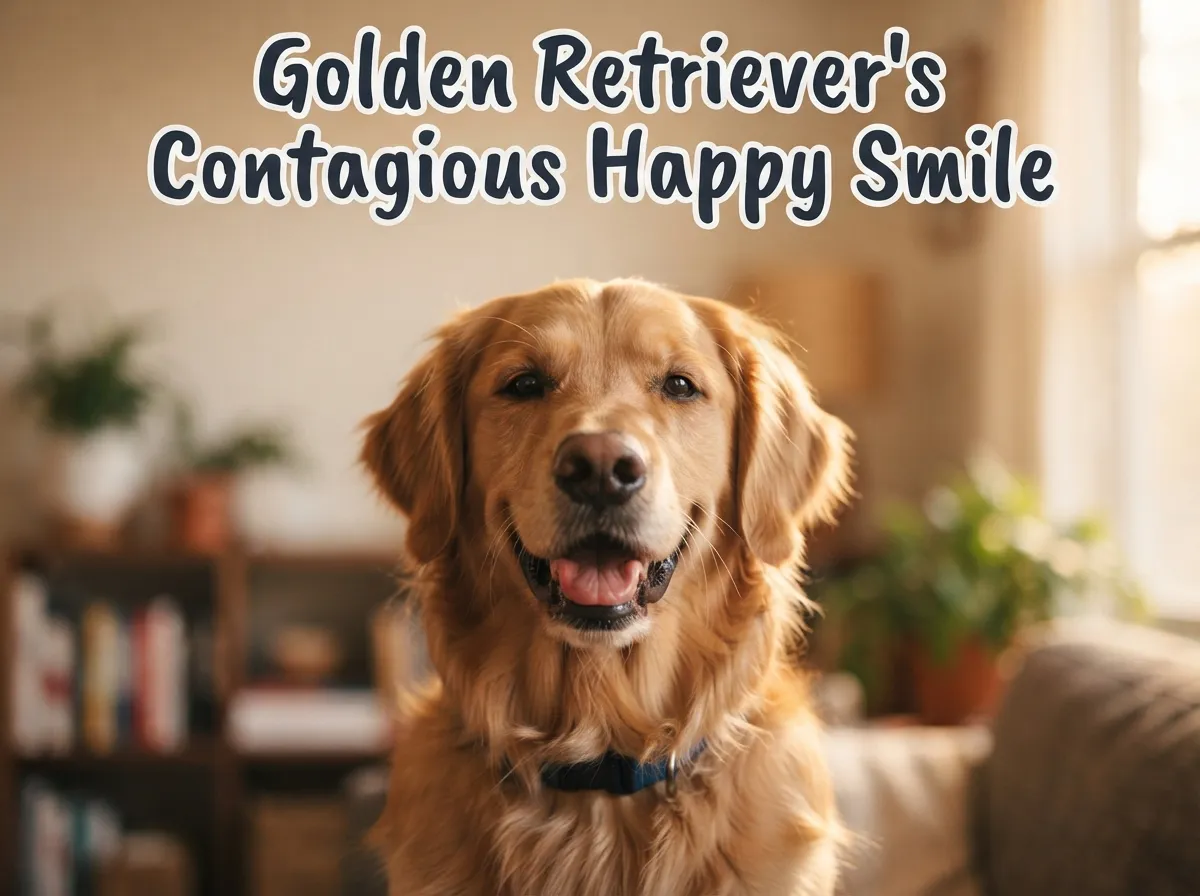
A Golden Retriever’s grin can shift the mood of an entire room in under three seconds. That is not sentimental exaggeration. Neuroimaging researchers scanning dog brains in 2026 found that the sight of a happy human face lights up the same reward regions in a dog’s brain that fire when it eats a treat or greets a favorite person. The reaction runs both directions. When people study 6 Reasons Your Golden Retriever’s Happy Smile Is So Contagious, they are really studying a two-way biological feedback loop between species, one built on hormones, facial mimicry, and thousands of years of shared history.
Disclosure: This post contains affiliate links. As an Amazon Associate, we earn from qualifying purchases, and at no extra cost to you.
This article breaks down the science, the behavior, and the everyday moments that explain why one dog’s grin can lift dozens of human moods in a single afternoon.
Key Takeaways
- Dogs experience genuine emotional contagion, meaning a Golden Retriever’s happiness can physically transfer to the people around it through shared hormonal and neural responses.
- Eye contact between dogs and humans raises oxytocin in both species, strengthening the bond and amplifying the impact of a happy expression.
- 2026 brain-imaging research shows a dog’s reward circuits activate specifically in response to happy human faces, creating a reinforcing loop of shared joy.
- Golden Retrievers are consistently ranked among the most naturally cheerful breeds, which is why their smiles feel especially infectious compared with more reserved breeds.
- Not every open-mouthed expression means happiness; context, body posture, and situation matter for reading a Golden’s true emotional state.
The Science Behind 6 Reasons Your Golden Retriever’s Happy Smile Is So Contagious
Scientists once assumed dogs simply reacted to rewards like food or play. Newer research paints a richer picture. A 2026 thesis on dog-owner emotional contagion concluded that dogs are highly sensitive to human emotional signals and respond with measurable changes in behavior and physiology, not just trained reflexes. Earlier experimental work had already shown that dogs’ stress hormones and even memory performance shift in response to an owner’s stress level, confirming that emotional states genuinely pass between species.
The transfer happens through several channels working together. National Geographic has reported that dogs pick up on hormonal cues such as oxytocin, subtle changes in body odor, and shifts in vocal tone, all of which allow a human’s mood to become biologically contagious for a dog. The same research noted that dogs show a spike in cortisol when they hear a crying baby, mirroring the human stress response almost exactly. If that mechanism works for distress, it logically works in reverse for joy, which is a major reason 6 Reasons Your Golden Retriever’s Happy Smile Is So Contagious keeps surfacing in behavioral science discussions.
The clearest evidence arrived in August 2026, when a widely covered neuroimaging study found that pictures of happy human faces triggered increased activity in a dog’s temporal cortex and caudate nucleus. Those brain regions handle higher-level thinking and reward processing. In plain terms, a dog’s brain treats a smiling human face as something genuinely rewarding, similar to receiving a favorite toy. When an owner smiles back at a grinning Golden Retriever, the dog’s brain registers a reward, which encourages the behavior to repeat. That feedback loop is the biological engine behind a Golden’s seemingly endless supply of cheerful expressions.
6 Reasons Your Golden Retriever’s Happy Smile Is So Contagious
Golden Retrievers did not earn their reputation for cheerfulness by accident. Their temperament, biology, and history with humans combine to make their happiness spread faster and stick around longer than it might with other breeds. The following six reasons explain the mechanics behind that contagious grin.
1. Oxytocin And Eye Contact Create A Feedback Loop

Gentle, sustained eye contact between a dog and a human raises oxytocin levels in both parties. Oxytocin is often called the bonding hormone because it strengthens attachment and trust. A 2025 psychology explainer described this exchange as a biochemical conversation: the dog looks, the human’s oxytocin rises, the human relaxes and smiles, and the dog’s oxytocin rises in response. Golden Retrievers are unusually persistent about maintaining eye contact with their owners, which means this hormonal loop runs more often and more intensely than it does with breeds that are less socially focused. Every extended gaze becomes another small dose of shared calm and connection.
2. Their Brains Reward Them For Reading Human Faces

The 2026 neuroimaging findings mentioned earlier are not just an academic curiosity. They explain why a Golden seems to actively seek out a person’s face rather than just reacting passively to noise or movement. Because the temporal cortex and caudate nucleus activate when a dog sees a happy human expression, the dog is neurologically motivated to keep checking in on faces. Golden Retrievers, bred for close cooperative work with humans, tend to be especially attentive to facial cues. That built-in motivation to watch and respond to expressions is a major part of why their own happy expressions feel so directly aimed at the people nearby.
3. Emotional Contagion Runs In Both Directions
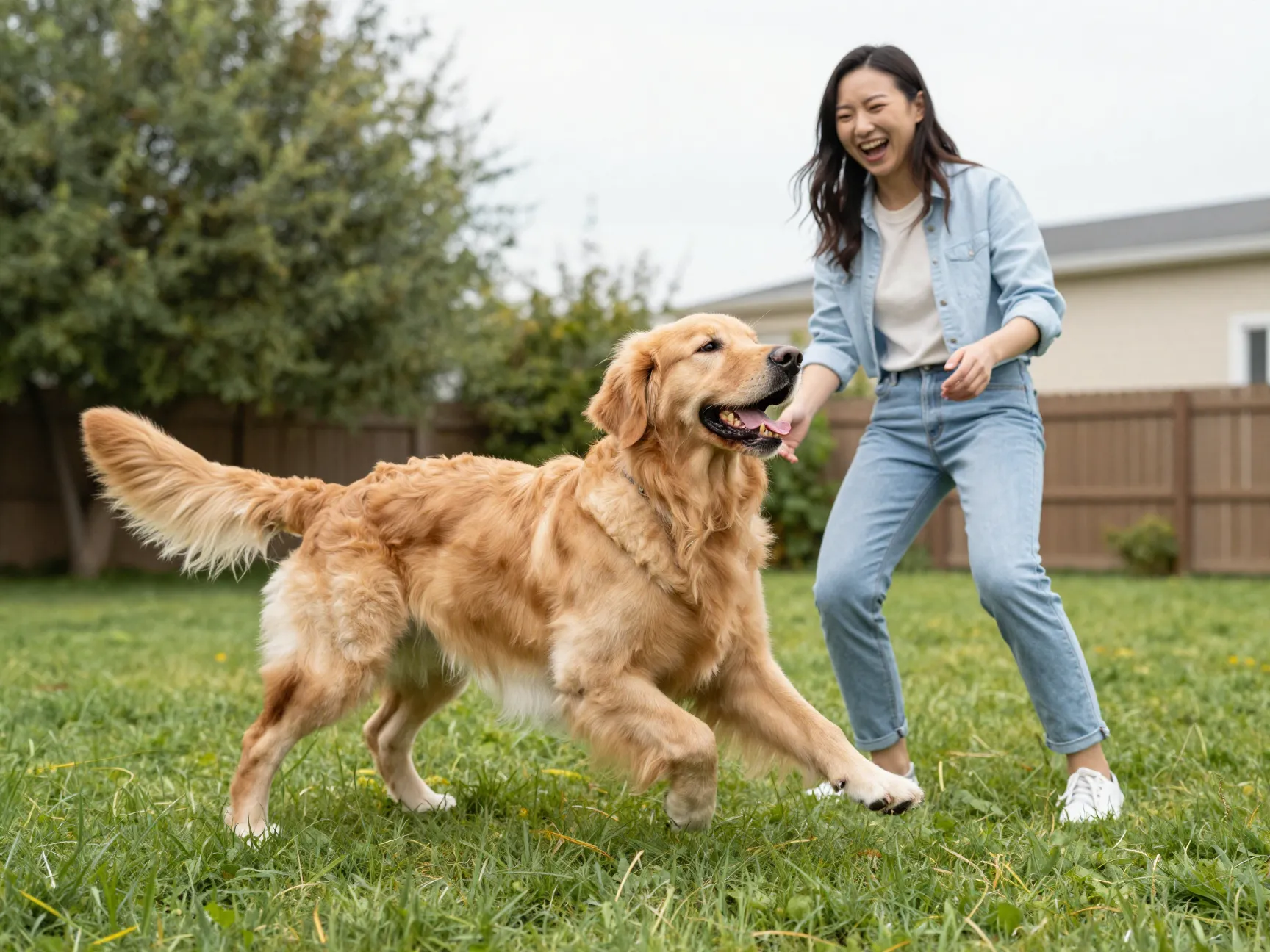
Emotional contagion is the scientific term for catching someone else’s mood without conscious effort, the same reason a baby’s laughter spreads through a waiting room. Research on dog-owner emotional contagion confirms this effect operates in both directions between species. A stressed owner can raise a dog’s cortisol levels. A calm, playful owner can shift a dog toward the same relaxed state. Because Golden Retrievers default to an upbeat baseline mood, they tend to nudge that shared emotional channel toward positivity more often than breeds with more anxious or reserved temperaments. Their contagious smile is really contagious calm and joy traveling through an already open emotional pathway.
4. Golden Retrievers Are Wired For Optimism And Trust

Breed profiles consistently describe Golden Retrievers as friendly, affectionate, playful, and eager to please, with optimism and resilience listed among their defining traits. A 2025 overview of the happiest dog breeds singled out Goldens for their curiosity and trust, noting that these qualities show up in a near-constant cheerful demeanor rather than occasional bursts of excitement. Another breed review from the same year highlighted the American Kennel Club’s own observation that Golden Retriever happiness is widely described as contagious, driven largely by the breed’s emotional sensitivity and eagerness to please. This is not a fluke of individual dogs; it is a consistent pattern across the breed, which means most Golden owners can expect this effect reliably.
5. Dogs Synchronize Behavior With Household Emotions
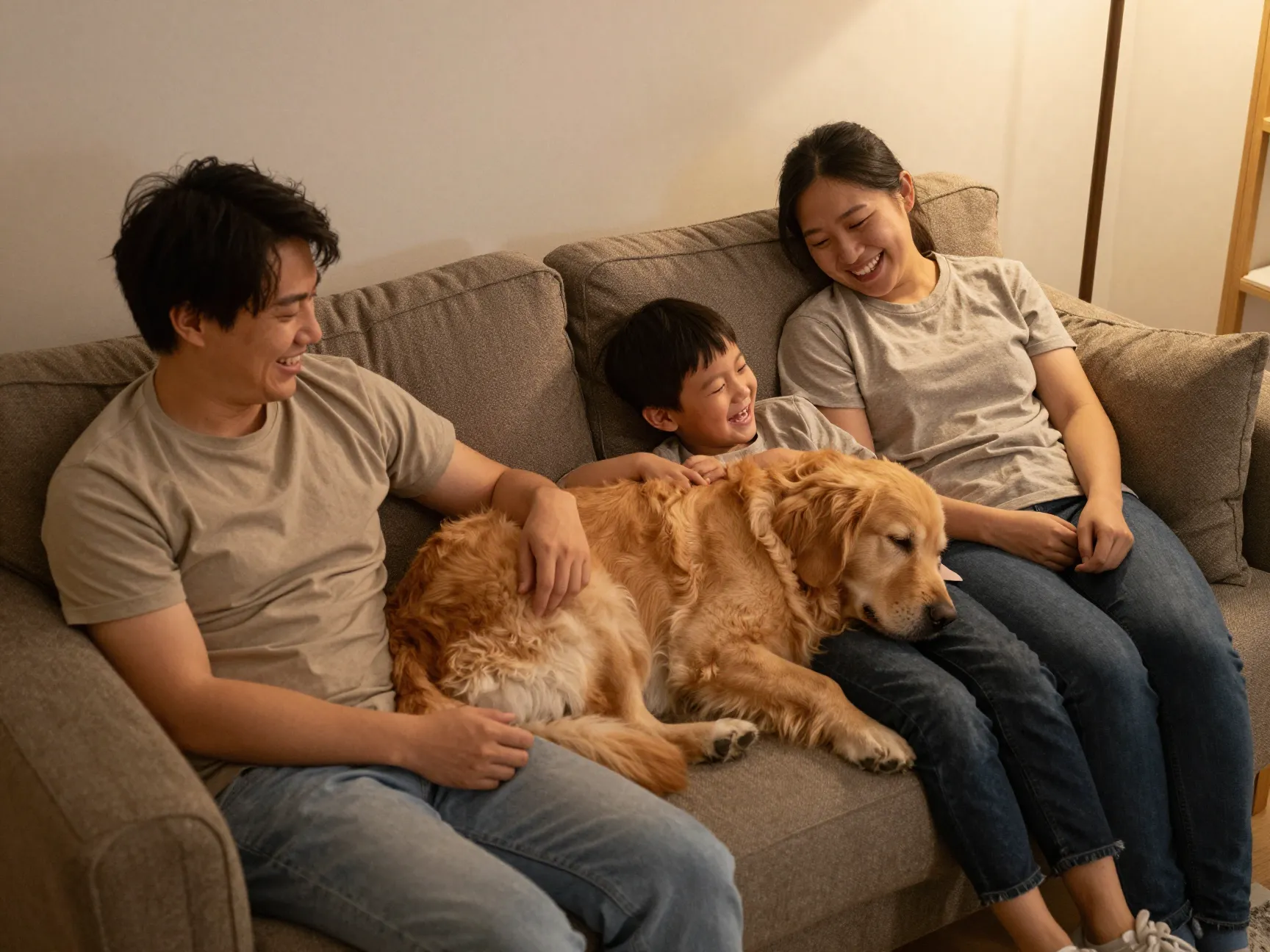
Canine behavior researchers associated with the Family Dog Project have documented that dogs can distinguish between emotional expressions, follow human eye gaze, and synchronize their own behavior with the emotional tone of a household. A 2026 summary of this research explained that dogs often become excited during happy family moments and settle into calm when their owners relax. This synchronization is a key piece of what some trainers call laughter contagion, where a relaxed, smiling dog and a laughing human reinforce each other’s joyful behavior in a loop that builds rather than fades. Golden Retrievers, with their strong social attentiveness, tend to synchronize especially quickly, which is part of why a single happy moment with a Golden can turn into a much longer stretch of shared good mood.
6. Long-Term Bonds Intensify The Effect

A 2026 analysis of emotional contagion in working animals found that the duration and closeness of a dog-owner relationship strengthens how strongly moods transfer between them. Long-term bonds appear to make dogs more responsive to human emotional signals overall. Golden Retrievers are frequently kept as long-term family dogs rather than working or rotating companions, which means the bond between a Golden and its household often has years to deepen. That extended closeness compounds every one of the previous five reasons, which is why a family’s longtime Golden Retriever often seems to have an even more powerful contagious smile than a newer dog might.
The table below summarizes how each reason contributes to the overall effect.
| Reason | Core Mechanism | Why It Matters For Goldens |
|---|---|---|
| Oxytocin and eye contact | Hormonal bonding loop | Goldens maintain eye contact often |
| Brain reward for reading faces | Neural activation in reward regions | Bred for close human cooperation |
| Two-way emotional contagion | Shared cortisol and mood shifts | Naturally upbeat baseline mood |
| Optimism and trust | Breed temperament | Consistently ranked happiest breed |
| Behavioral synchronization | Mirroring household emotional tone | Highly socially attentive |
| Long-term bond strength | Duration of relationship | Typically long-term family dogs |
When A Smile Is Not Really Happiness
Reading a Golden Retriever’s expression correctly matters more than most owners realize. Breed-specific guidance explains that a genuine happy smile usually features relaxed lips, soft eyes, and a loose, wiggly body. That combination signals contentment rather than a single facial feature acting alone.
Context changes everything, though. The same guidance warns that panting from heat, physical pain, or an allergic reaction can look nearly identical to a happy pant. There is also what experts call an aggressive smile, where a dog bares its teeth as a warning display rather than a friendly greeting. This expression can appear deceptively similar to a relaxed grin if an owner only glances quickly.
The safest approach is to read the whole dog, not just the mouth. A genuinely happy Golden Retriever typically shows several signals together:
- Loose, wagging tail moving in broad sweeps rather than a stiff, rapid flick
- Soft, blinking eyes rather than a hard, fixed stare
- Relaxed ears in their natural position rather than pinned back
- A body that leans toward people rather than away from them
- Open, easy panting rather than short, tense breathing
Veterinary behavior experts at VCA Animal Hospitals note that dogs pick up subtle visual cues from posture and facial expression, combined with vocal tone, to understand human moods. They also describe dogs as showing a susceptibility to emotional contagion comparable to a toddler’s. This comparison cuts both ways: just as a toddler’s smile is usually sincere but can occasionally mask discomfort, a dog’s smile deserves the same careful, whole-picture attention rather than a snap judgment.
“Dogs get the message from subtle visual cues combined with tone of voice, and many scientists view dogs as susceptible to emotional contagion much like toddlers are.”
Some professional breeders and trainers add another layer to this picture. A 2025-2026 breeder discussion noted that dogs sometimes appear to smile specifically in response to a human smiling or laughing first, suggesting a learned element alongside the instinctive one. In other words, part of a Golden’s grin may be an imitation strategy the dog has learned works well for maintaining closeness with its favorite people, not purely an automatic reflex.
The Ripple Effect On Human Wellbeing
The contagious nature of a Golden Retriever’s smile does not stop at a momentary mood boost. Pet-care research summarizing recent studies has found that owners of naturally cheerful breeds like Golden Retrievers report lower stress levels, more physical activity, improved mental health, and a stronger sense of companionship compared with people who do not own dogs.
These benefits line up with the biological mechanisms already described. Veterinary behavior guidance from 2026 points out that dogs attuned to human emotion can comfort an owner during a difficult moment and just as easily share in an owner’s happiness when the mood in the house is already good. That dual function, comfort during sadness and amplification during joy, is part of what makes dogs such effective emotional partners for the humans who live with them.
The mechanism behind the wellbeing boost includes a few overlapping factors:
- Regular walks and play sessions required by an active breed like the Golden Retriever increase daily physical movement
- Consistent eye contact and physical affection maintain elevated oxytocin levels throughout the day
- A predictable, cheerful household presence can lower background anxiety over time
- Shared happy moments reinforce positive routines, from morning greetings to evening walks
- The dog’s own resilience and optimism act as a kind of emotional anchor during stressful periods
Researchers expect this area of study to expand quickly. Given the 2026 neuroimaging results showing dog brains responding directly to human expressions, scientists anticipate more detailed work on how a pet’s joyful expression measurably affects human reward circuitry and stress hormones. Future studies are also expected to compare breed differences more closely, examining exactly how traits found in Golden Retrievers, including their tendency toward relaxed facial expressions and steady eye contact, translate into specific, measurable improvements in owner wellbeing.
Frequently Asked Questions
Is a Golden Retriever’s smile a real emotion or just a physical reflex?
Most experts describe it as both. The relaxed mouth and soft eyes typically reflect a genuine internal state of contentment, driven by hormones like oxytocin. At the same time, some of the expression may be a learned social behavior the dog has picked up because it reliably produces a positive reaction from humans.
Can other dog breeds show this same contagious smile effect?
Yes, emotional contagion has been documented across dog breeds generally. Golden Retrievers stand out because their baseline temperament is unusually upbeat, social, and eager to please, which makes the contagious effect more frequent and more noticeable compared with more reserved or independent breeds.
How can an owner tell a happy pant from a stressed pant?
Look at the whole body, not just the mouth. A happy Golden Retriever typically shows a loose tail wag, soft blinking eyes, relaxed ears, and a body leaning toward people. A stressed or overheated dog often shows tense muscles, pinned ears, avoidance behavior, or short choppy breathing rather than an easy, open pant.
Does making eye contact with a Golden Retriever actually change brain chemistry?
Yes. Research on the dog-human bond shows that gentle, sustained eye contact raises oxytocin levels in both the dog and the human. This is one of the clearest biochemical explanations for why the bond with a Golden Retriever can feel so calming and mutually rewarding.
Will a Golden Retriever’s happiness decrease stress in the whole household?
Evidence suggests it can. Studies summarized in pet-care research link ownership of naturally cheerful breeds to lower stress and improved mental health outcomes for owners. The effect appears to come from a combination of increased physical activity, consistent affection, and the emotional synchronization dogs display with the households they live in.
Conclusion
A Golden Retriever’s grin is not simply a cute expression captured in photos and videos. It is the visible result of shared hormones, mirrored brain activity, and a temperament built over generations to connect closely with people. Understanding 6 Reasons Your Golden Retriever’s Happy Smile Is So Contagious offers a clearer picture of why one dog’s mood can lift an entire household, and why that effect tends to grow stronger the longer the bond lasts.
Owners who want to strengthen this connection can start with small, consistent habits: make regular eye contact during calm moments, respond warmly when a dog offers a relaxed, open-mouthed expression, and stay alert to the difference between a genuine happy signal and a stress-related one. Paying attention to the whole dog, not just the mouth, protects both the animal’s wellbeing and the emotional benefits that flow back to every person in the home. The science is still developing, but the pattern is already clear: a Golden Retriever’s joy is designed to be shared, and every attentive owner has the ability to keep that cycle of happiness going.