Meme Cats Doodle Ideas For Hilarious And Viral Artwork
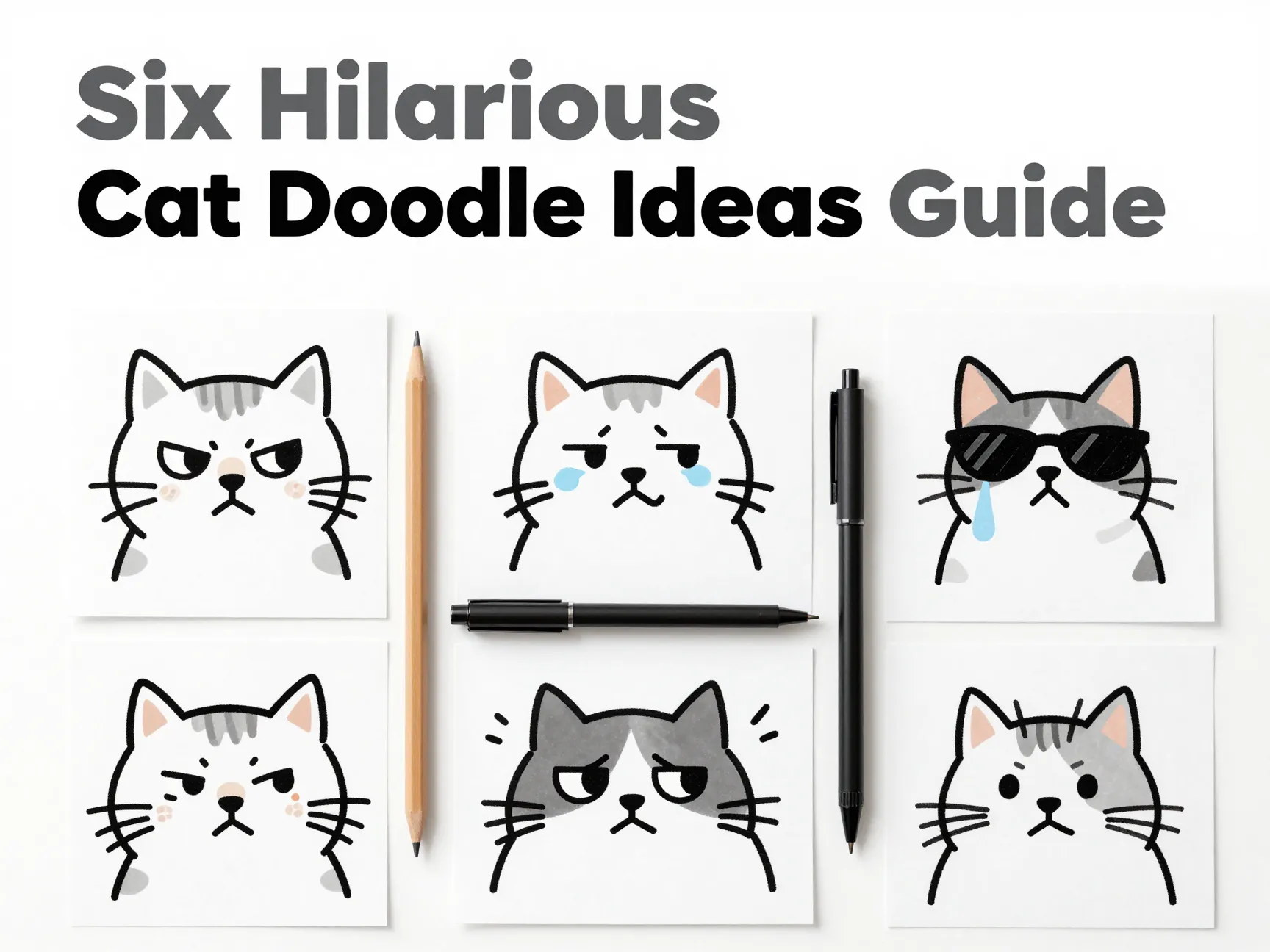
A single grumpy cat photo turned into a meme has generated more shared laughter online than most Hollywood punchlines ever will. Cat memes are not a passing trend; they are a stable creative economy, with stock libraries alone stocking more than four thousand cat-meme illustrations for people to license and remix. If a static photo can carry that much weight, a hand-drawn doodle version can carry even more personality, humor, and shareability. This guide breaks down 6 Meme Cats Doodle Ideas For Hilarious And Viral Artwork that any artist, hobbyist, or content creator can sketch, digitize, and post today.
Disclosure: This post contains affiliate links. As an Amazon Associate, we earn from qualifying purchases, and at no extra cost to you.
Whether the goal is a sticker pack, a T-shirt design, a TikTok overlay, or just a doodle to make friends laugh in a group chat, these ideas are built on proven meme formats that already have massive recognition. Instead of guessing what might land, this article draws on documented viral templates, doodle guides, and design-platform trends to hand over six concepts that are ready to sketch.
Key Takeaways
- Meme cat artwork is a large, ongoing content category, not a fading fad, supported by thousands of stock illustrations and active AI meme-builder tools in 2026.
- The strongest doodle ideas combine one exaggerated emotion (rage, panic, smugness, exhaustion) with one instantly recognizable, relatable situation.
- Simple shapes such as circles, ovals, and short whisker lines are enough to build a shareable meme cat; polish comes from expression, not anatomical detail.
- Popular reference formats like Side Eye Cat, Grumpy Cat, and Crying Cat remain reliable starting points because audiences already recognize the emotional shorthand.
- Matching a doodle style to its output platform, whether static image, sticker, or short video, significantly affects how far the artwork travels.
Why Meme Cat Doodles Keep Going Viral
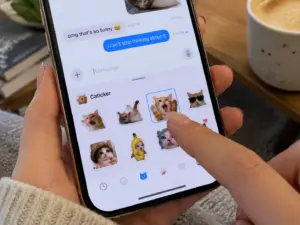
Cat memes work because cats already have exaggerated, readable faces. Round eyes, flat expressions, and dramatic body language translate naturally into cartoon form. Design platforms have leaned hard into this. Canva keeps a dedicated, continually updated cat meme template section specifically so users can “create more hilarious moments online” with cats. AI-assisted tools have gone even further; platforms now let a person type a short prompt and receive a fully captioned cat meme template in seconds, using recognizable characters such as Side Eye Cat, Grumpy Cat, Banana Cat Crying, and Maxwell the Cat.
Short-form video platforms have reinforced this pattern. Editing tools now treat cat memes as their own category, with labeled collections for formats like “Funny Phone Cats” and “Cat hitting cat,” some racking up thousands of uses. Template bundles built specifically for 2026 trends include Shocked Cat Meme, Cat Side Eye Meme, and Cat Hitting Cat Meme clips designed for TikTok-style remixing. This tells creators something important: the audience already knows these formats. A doodle does not need to invent a new joke structure; it needs to visually reinterpret a joke structure people already laugh at.
There is also a seasonal angle. Cat meme compilations tied to calendar events, such as New Year-themed feline joke roundups, show that timely doodle sets can ride existing search and sharing spikes. A cat demanding shrimp on New Year’s Eve, translated into a quick doodle, taps into a wave of attention that a generic drawing would miss entirely.
6 Meme Cats Doodle Ideas For Hilarious And Viral Artwork
Each of the following concepts pairs a well-known meme cat emotion with a doodle-friendly visual approach. These ideas work equally well in a sketchbook, a digital drawing app, or as reference for an AI-assisted meme generator. The goal with any entry in this list of 6 Meme Cats Doodle Ideas For Hilarious And Viral Artwork is contrast: calm versus chaos, tiny cat versus giant problem, or serious face versus silly caption.
1. The Middle-Finger Argument Duo
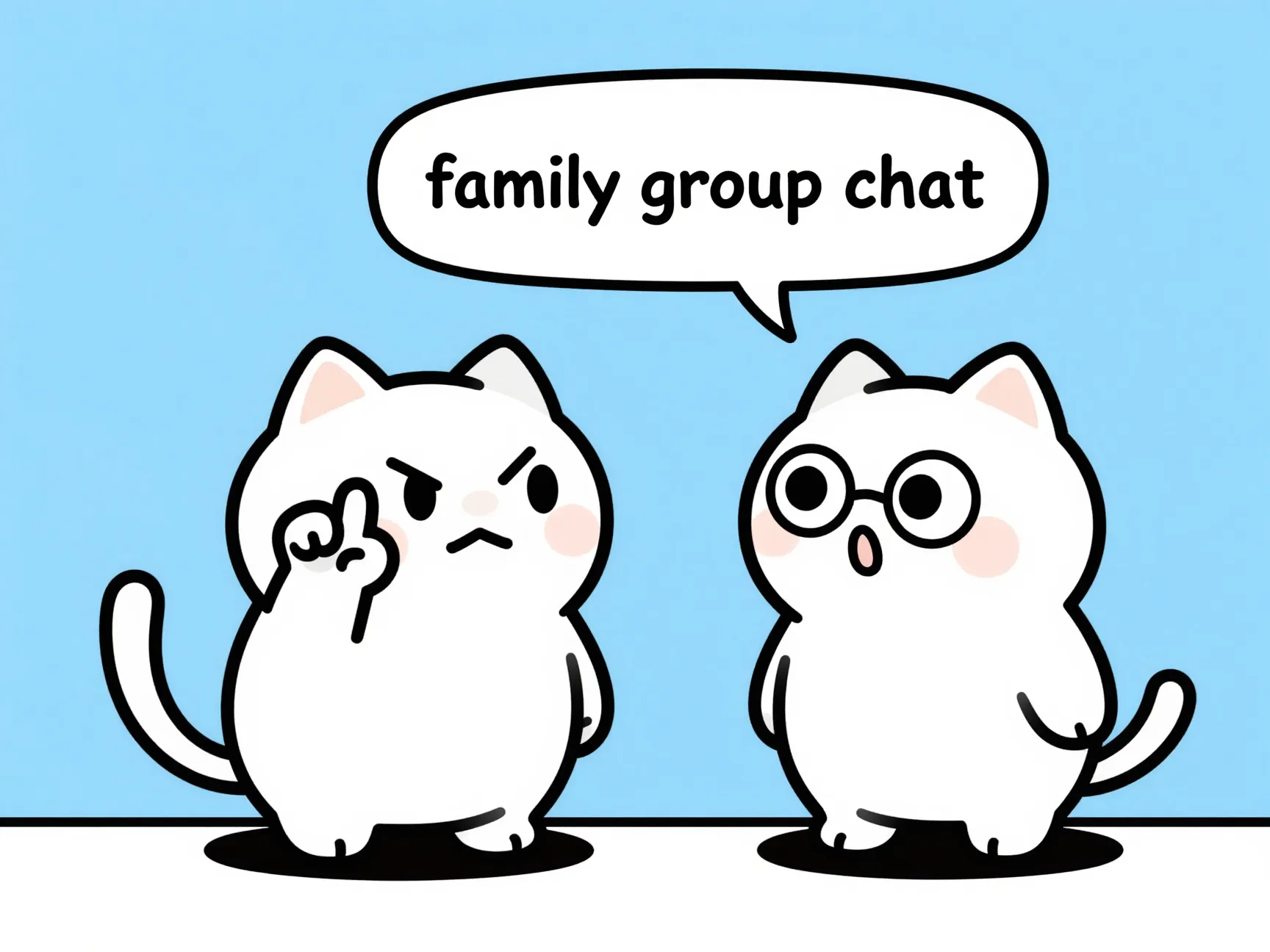
This idea comes straight from one of the most shared cat meme scenes of 2026: two cats locked in a chaotic, almost human argument, one throwing up a rude paw gesture while the other reacts in shock. To turn this into a doodle, draw two round-bodied cats facing each other on a flat line, exaggerate one cat’s paw into a comically oversized gesture, and give the second cat huge, startled circle eyes. Keep the linework loose and thick, almost like a comic strip panel, so the drama reads instantly even at a small thumbnail size. Add a simple speech bubble with a short, punchy caption such as “family group chat” to give it instant relatability.
This works well as a two-panel sticker or a single wide image for social captions. The visual contrast between casual body posture and an aggressive gesture is what makes it funny, so avoid over-detailing the background; a plain color or a single horizon line keeps focus on the cats.
2. The Exam-Overload Tabby
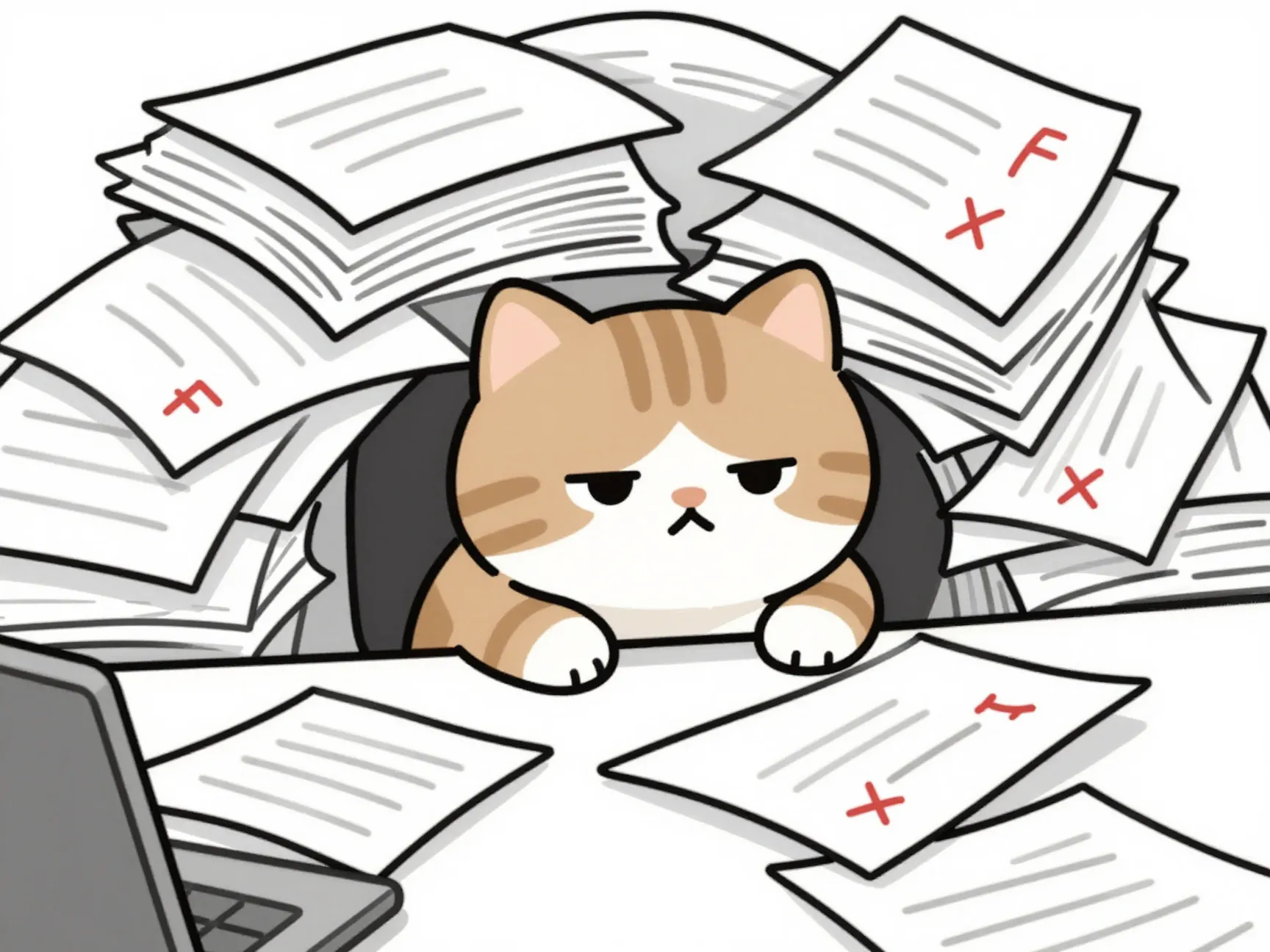
A second proven format features a sad tabby cat completely overwhelmed by a stack of exam papers. This translates beautifully into doodle form because it relies on scale exaggeration rather than complex shading. Draw a small, round tabby cat with droopy half-closed eyes and a flat mouth, then surround it with an oversized pile of paper sheets, some falling off the desk, a couple with red “F” marks or crossed-out grades doodled on top.
The comedic tension comes from the size mismatch: tiny cat, giant paper mountain. This idea performs well as a caption template for anyone posting about school stress, work deadlines, or tax season, which is exactly why crying-cat-at-a-computer and crying-cat-doing-taxes formats have become their own recognized meme sub-family. A version with a laptop instead of paper works for a “Monday email overload” caption, extending one drawing into multiple contexts.
3. The Cool Cat in Sunglasses and a Detective Hat
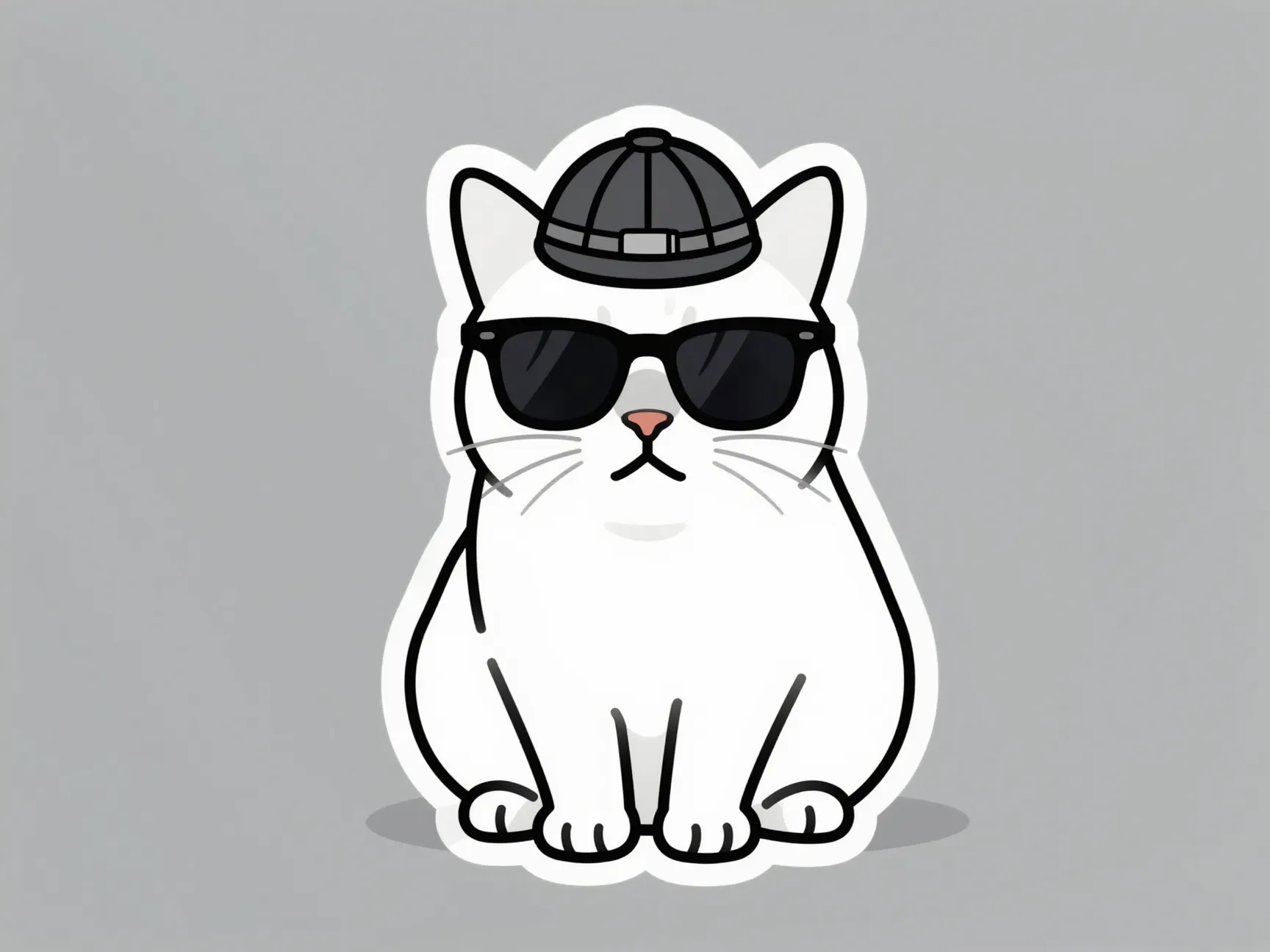
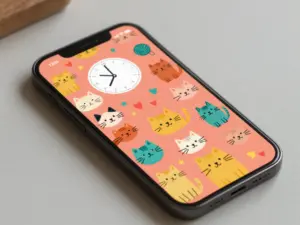
Doodle guides focused on silly cat drawings consistently point to costume-style additions as an easy way to add humor without needing advanced drawing skills. A basic round or oval cat body, drawn with simple curved ears and a short tail, becomes instantly funnier with two small additions: a pair of flat sunglasses drawn as two connected rectangles, and a tiny detective hat perched slightly off-center on the head.
The trick to making this idea land is confidence in the pose. Give the cat a slight forward lean, front paws together, chin tilted up, as if it is above whatever drama is happening around it. This “unbothered swagger” pose is one of the most repeated tropes across cool-cat meme categories, appearing in app-based cat emoji builders under labels like “Cool Cat, Sunglasses, swag vibes.” It transfers directly into apparel design, sticker packs, and profile picture art because it reads as a personality statement rather than a reaction to a specific event.
4. The Side-Eye Judgment Cat
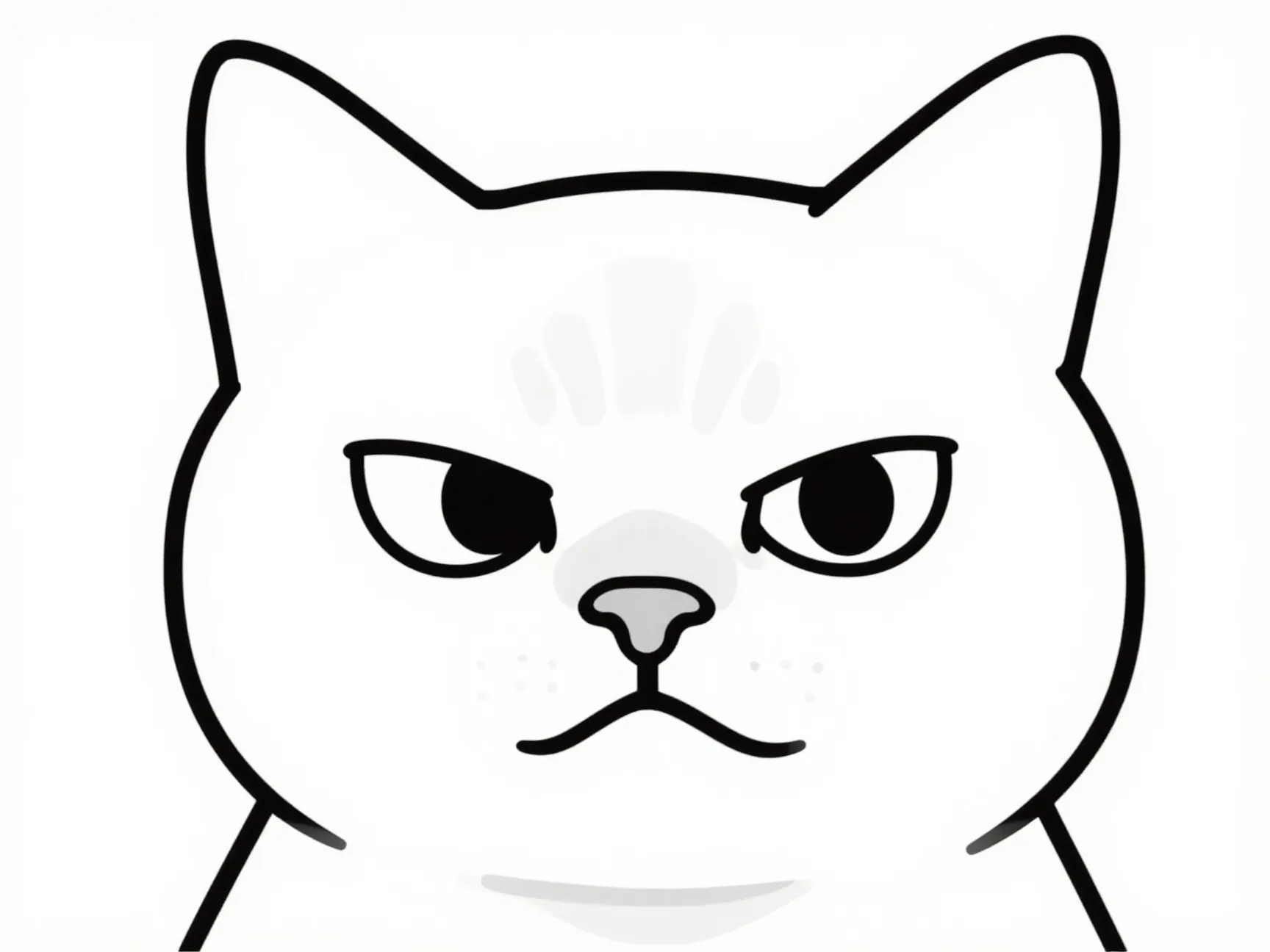
Few expressions carry as much comedic weight as a single sideways glance. The side-eye cat format has become one of the most recognized reaction templates across meme-builder platforms, sitting alongside Grumpy Cat and Banana Cat Crying as a go-to option in template libraries. As a doodle, this idea is deceptively simple to execute but hard to get exactly right, which is part of its charm.
Draw the cat’s head facing mostly forward, but shift both pupils toward one corner of the eyes, almost touching the eyelid line. Keep the mouth flat and slightly downturned. No dramatic body language is needed; the entire joke lives in that eye placement. This makes the side-eye cat one of the fastest doodles on this list to produce, ideal for quick daily posting, reaction comments, or as a recurring “signature” character across a social account’s content calendar. Pair it with short captions like “sure, okay” or “we’ll talk later” for maximum relatability.
5. The Screaming or Crying Meltdown Cat
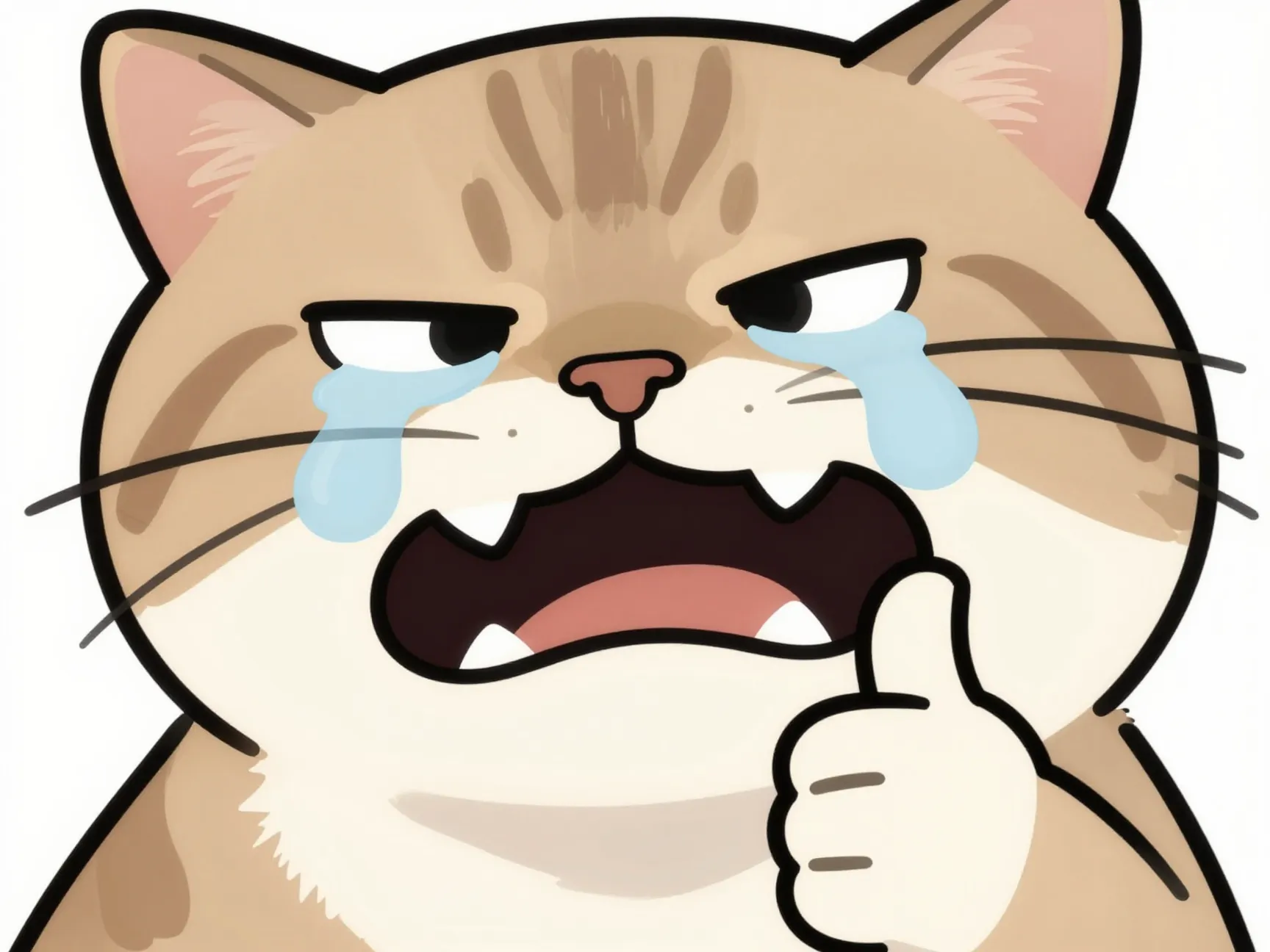
The crying cat meme family has expanded into at least a dozen recognizable templates, including Thumbs Up Crying Cat, Screaming Crying Cat, and Distorted Cat Meme. Each pairs a specific emotional situation with a physically distorted, exaggerated face. For a doodle version, push the cat’s mouth into a wide, jagged-edged oval, squeeze the eyes into tight, wavy lines streaming with thick tear droplets, and tilt the head backward slightly to suggest a full emotional collapse.
What separates this idea from a simple sad-face doodle is the addition of a small, ironic detail that clashes with the meltdown, such as a thumbs-up gesture held stiffly at chest height while everything else about the face says the opposite. This mismatch between gesture and expression is exactly what makes the Thumbs Up Crying Cat format so shareable; it visualizes forced positivity during a genuinely hard moment, which is an extremely common feeling people want to express but rarely say outright.
6. The Everyday Vignette Cat
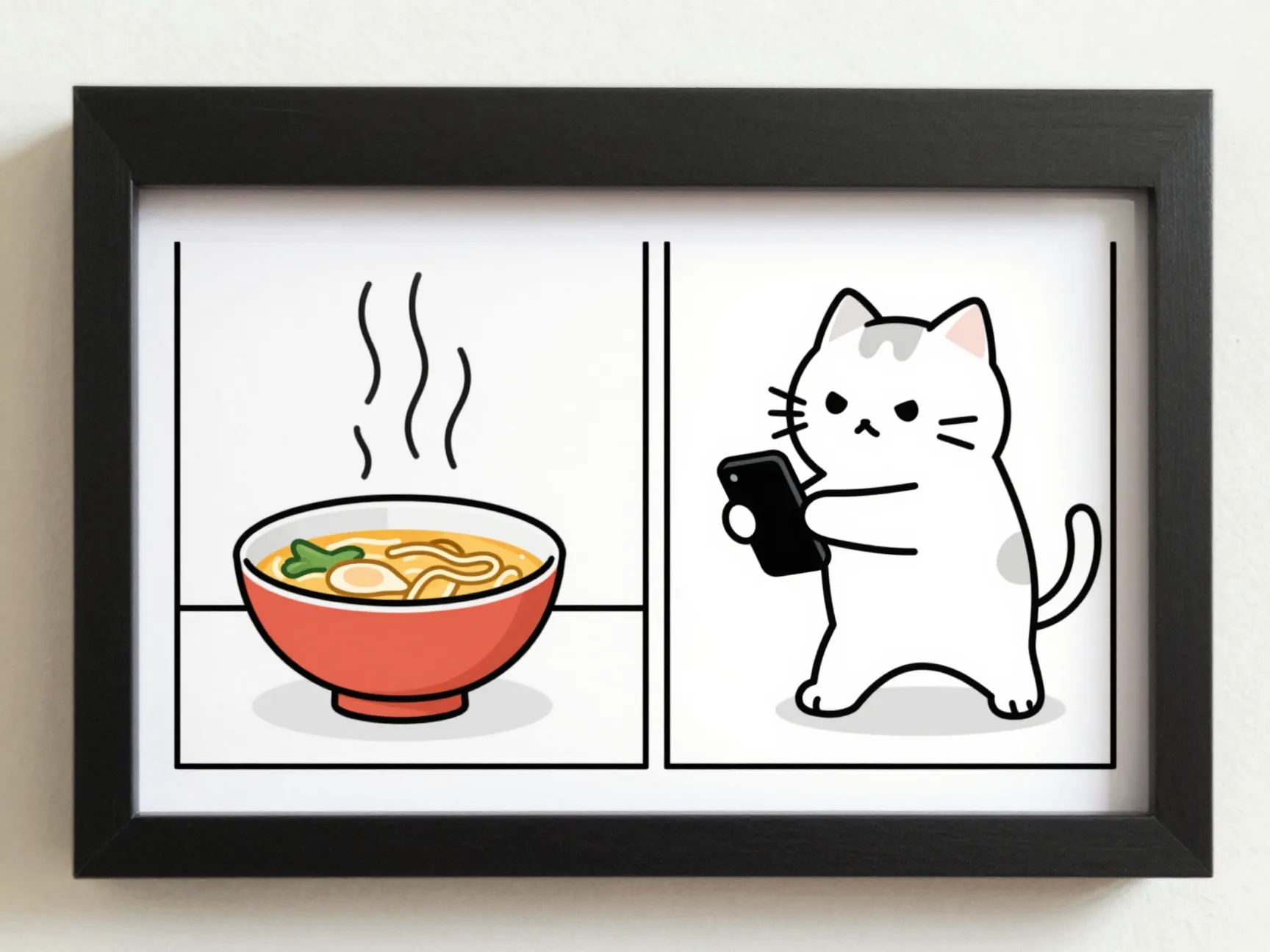
The sixth idea shifts away from pure reaction faces toward a small storytelling moment, a technique used by illustrators who adapt viral cat photos into cartoon panels while keeping the original meme context recognizable. Design communities have shown how placing an expressive cat in a specific situational vignette, such as slurping a bowl of ramen or sleeping through an alarm, creates an instantly readable micro-story without needing any caption at all.
To execute this, choose one everyday scenario: oversleeping, snack-stealing, or staring blankly at a phone screen. Draw the cat mid-action, with one clear prop (a clock, a bowl, a phone) and one clear expression. Keep detail minimal everywhere except the face and the single prop, since that contrast is what makes the panel readable at a glance on a crowded social feed. This idea works especially well as part of a themed series, for example, “A Week in the Life of a Very Tired Cat,” posted daily across seven days to build repeat engagement.
The following table summarizes how these six ideas differ in style, effort, and best use case.
| Doodle Idea | Core Emotion | Drawing Difficulty | Best Format |
|---|---|---|---|
| 1. Middle-Finger Argument Duo | Chaotic rage | Moderate | Two-panel sticker |
| 2. Exam-Overload Tabby | Overwhelm | Easy | Caption template |
| 3. Cool Cat in Sunglasses | Confidence | Easy | Apparel, profile art |
| 4. Side-Eye Judgment Cat | Skepticism | Very easy | Daily reaction post |
| 5. Screaming or Crying Meltdown | Distress with irony | Moderate | Reaction image set |
| 6. Everyday Vignette Cat | Relatable routine | Moderate to hard | Themed series |
Tools and Tips to Create Your Own Meme Cat Doodles
Producing any of these 6 Meme Cats Doodle Ideas For Hilarious And Viral Artwork does not require professional illustration training. Doodle guides consistently teach the same basic approach: start with simple geometric shapes, then layer expression and small props on top.
Follow this simple build order for any of the six ideas above.
- Base Shape First. Sketch a circle or oval for the head and a slightly larger rounded shape for the body. Do not worry about proportions matching a real cat; meme cats are intentionally stylized.
- Expression Second. Add eyes, mouth, and eyebrow-style lines before anything else. This is where the entire joke lives, so spend the most time here. Oversized eyes read as shock or innocence, thin slanted eyes read as judgment or annoyance, and wavy eyes read as crying or panic.
- One Prop Only. Add a single clear object, such as a hat, a phone, sunglasses, or a paper stack. Multiple props compete for attention and slow down how quickly a viewer understands the joke.
- Bold Outlines. Use a thicker line weight for the outer silhouette than for internal details. This keeps the doodle readable even when shrunk down to a thumbnail on a phone screen.
- Caption Space. Leave blank space above or below the cat for text. Many viral formats succeed because the image and caption are designed together rather than the caption being squeezed in afterward.
A growing number of digital tools now support this workflow directly. AI meme and design platforms let a person describe a scene in plain language and have the system suggest a matching cat template and caption automatically, which is useful for testing multiple caption ideas quickly before committing to a final hand-drawn version. Video editing platforms have also built out meme-cat-specific template libraries for short clips, meaning a static doodle can be animated into a short loop using existing motion presets rather than manual frame-by-frame animation.
For anyone drawing digitally, a basic tablet app with layer support is enough. Sketch the base shape on one layer, expression on a second, and props on a third. This makes it far easier to swap a sunglasses prop for a detective hat without redrawing the whole cat, which speeds up producing a full themed series.
How to Choose the Right Meme Cat Doodle for Your Platform
Not every idea from this list performs the same way on every platform, so matching format to audience matters as much as the drawing itself.
Static image platforms, such as Instagram feed posts or Pinterest boards, favor doodles with strong single-frame readability. The Side-Eye Judgment Cat and the Cool Cat in Sunglasses both work extremely well here because the joke lands in under a second, which matches how quickly users scroll.
Caption-driven platforms, including meme aggregators and group chats, favor the Exam-Overload Tabby and the Screaming or Crying Meltdown Cat, since both formats are built around pairing a strong visual with a specific, relatable line of text. These formats also tend to get reused with different captions by other people, extending the reach of the original doodle far beyond the original post.
Short-form video platforms reward motion and sequence. The Middle-Finger Argument Duo and the Everyday Vignette Cat translate well into short animated loops or slideshow-style video edits, particularly since editing tools now maintain dedicated cat meme video categories with formats like “cat hitting cat” already proven to draw high view counts.
Merchandise and print platforms, such as T-shirt or sticker shops, tend to favor doodles with a single strong pose and minimal background clutter. The Cool Cat in Sunglasses and the Side-Eye Judgment Cat again perform well here, since both reduce cleanly to a solid, centered graphic that prints clearly at small sizes.
A simple rule of thumb: if the drawing needs a caption to be funny, it belongs on a caption-driven platform. If the drawing is funny with zero text at all, it belongs on merchandise, profile art, or quick-scroll feeds.
Frequently Asked Questions
What makes a cat doodle go viral instead of just being cute?
Virality tends to come from emotional recognition rather than drawing quality. A doodle that instantly communicates rage, panic, smugness, or exhaustion through the eyes and mouth alone will spread faster than a technically polished but emotionally neutral drawing.
Do these doodle ideas work for beginners with no formal art training?
Yes. Every idea on this list is built from basic shapes such as circles, ovals, and simple curved lines. The comedic effect relies on expression and situational context, not anatomical accuracy or shading skill.
Should meme cat doodles reference existing viral formats or be fully original?
A hybrid approach tends to perform best. Referencing a recognizable emotional template, such as side-eye judgment or crying-cat meltdown, gives viewers an instant frame of reference, while an original pose, prop, or caption keeps the artwork from feeling like a direct copy.
What software or tools are recommended for turning a sketch into a shareable meme?
Basic drawing apps with layer support work well for hand-drawn versions. For faster iteration, AI-assisted meme and design platforms can generate matching captions or suggest template variations, and short-video editors with built-in cat meme categories can help animate a static doodle into a loopable clip.
How often should a themed doodle series be posted to build an audience?
Consistency matters more than frequency. A short, well-paced series, such as six related doodles posted across two weeks, tends to build stronger recognition than a single burst of unrelated cat drawings posted all at once.
Conclusion
Meme cat doodles succeed because they compress a big, relatable feeling into a tiny, instantly readable image. Across all 6 Meme Cats Doodle Ideas For Hilarious And Viral Artwork covered here, the pattern repeats: pick one strong emotion, build it from simple shapes, add a single clear prop or caption, and match the final style to wherever it will actually be shared. None of these ideas require advanced illustration skill, and several, particularly the side-eye cat and the sunglasses-wearing cool cat, can be sketched in under a minute once the basic shape system becomes familiar.
The next step is practical: pick one idea from this list, sketch three quick variations tonight, and post the strongest version to a single platform that matches its format. Track which pose or expression gets the fastest reaction, then build a short themed series around it. Small, consistent testing like this is how a simple doodle habit turns into a recognizable, shareable meme cat style over time.