Fantasy Animals Drawing Concepts To Spark Your Imagination
Fantasy creature tutorials have quietly become one of the fastest-growing corners of drawing instruction, with major guide libraries expanding past 60 dedicated lessons in 2026 alone. That surge is not an accident. Artists are discovering that fantasy animals are not random monster mashups but disciplined design exercises rooted in real biology, ecology, and mechanics. This guide breaks down 6 Fantasy Animals Drawing Concepts To Spark Your Imagination, drawn from current tutorial trends, digital workflows, and community challenges that professional illustrators and hobbyists are using right now to build creatures that feel alive on the page.
Disclosure: This post contains affiliate links. As an Amazon Associate, we earn from qualifying purchases, and at no extra cost to you.
Whether a sketchbook habit or a serious concept-art ambition is the goal, these six approaches give a repeatable framework. Instead of staring at a blank page hoping inspiration strikes, each concept below offers a clear starting point and a method for finishing what gets started.
Key Takeaways
- Fantasy creatures read as believable when they are built on real animal anatomy, with only a few features changed, such as wings, horns, or proportions.
- Ecology and habitat details, like diet, predator-or-prey role, and environment, transform a random hybrid into a creature with a backstory.
- Function-first design means wings, fins, and claws must look mechanically capable of what the creature actually does.
- A structured digital workflow, sketch, refine, outline, color, shade, texture, speeds up finishing fantasy animal illustrations.
- Decorative pattern techniques and AI-assisted prompt tools are now mainstream ways to generate fresh fantasy animal ideas quickly.
Why Fantasy Animal Anatomy Is the Foundation of Every Great Design
Before getting into the six specific concepts, it helps to understand the single idea tying them all together: fantasy animals succeed or fail based on anatomy. Recent fantasy drawing guides consistently point to the same lesson. Start from a familiar animal skeleton or silhouette, then change only a handful of key features. A dragon that borrows the wing structure of a bat, the body language of a lizard, and the hunting posture of a big cat will always look more convincing than one invented from scratch with no biological reference at all.
This anatomy-first approach matters because the human eye is extremely good at spotting things that look wrong, even when it cannot explain why. A wing that is too small for a creature’s body, or legs that could never support its weight, will quietly undermine an otherwise beautiful drawing. Borrowing structure from real animals, then adjusting proportions deliberately, keeps a fantasy creature grounded even when its colors, textures, or elemental powers are wildly imaginative.
With that foundation in place, the following six concepts build on anatomy with ecology, function, workflow, texture, and idea generation, giving a complete toolkit for original fantasy animal art.
1. Hybrid Anatomy Mashups Built From Three Favorite Animals
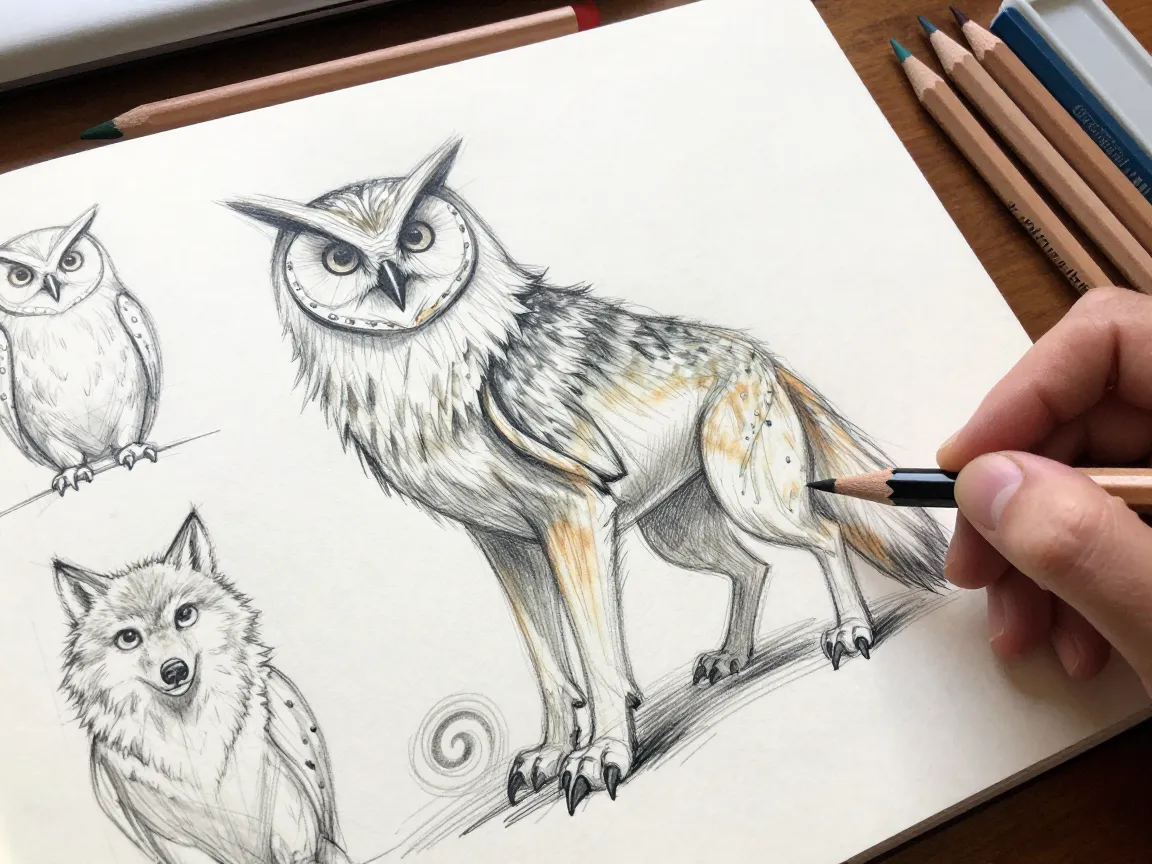
Hybrid anatomy is the most direct of the 6 Fantasy Animals Drawing Concepts To Spark Your Imagination, and it is also the easiest entry point for beginners. The method is simple: pick three animals, then assign each one a specific body region. A popular community-run challenge format asks artists to combine body parts from three favorite animals, choose a limited color palette, and decide on a single dominant texture such as fur, scales, or feathers.
A practical way to try this concept:
- List three animals that already feel visually interesting together, such as an owl, a wolf, and a chameleon.
- Assign body regions: owl for the head and wing shape, wolf for the torso and legs, chameleon for the tail and skin pattern.
- Sketch a simple gesture line first, then build the hybrid shapes around it.
- Limit the color palette to three or four shades so the mashup reads as one cohesive animal rather than three competing parts.
The biggest mistake with hybrid anatomy is overcrowding the design with too many borrowed features. Three source animals is usually the sweet spot. Beyond that, the creature starts to look cluttered rather than mythical.
2. Ecology-Driven Fantasy Animal Design Concepts
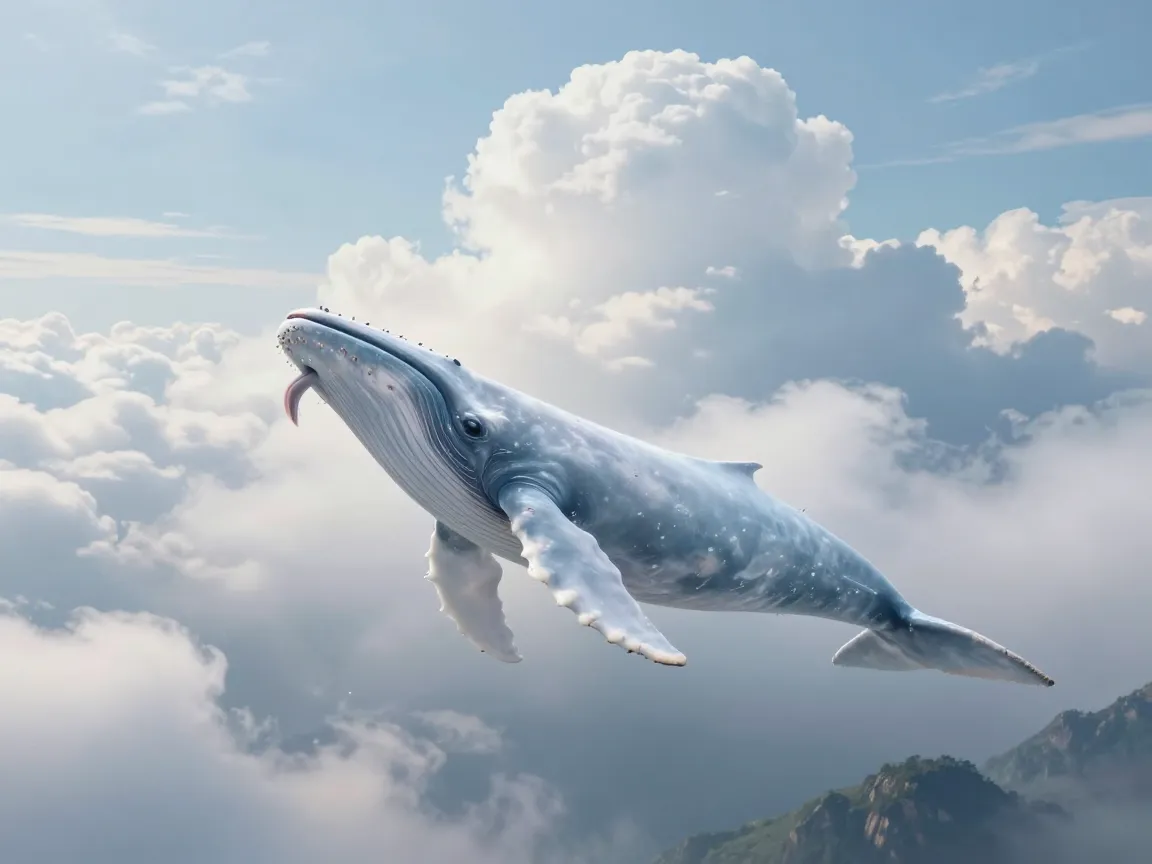
The second of the 6 Fantasy Animals Drawing Concepts To Spark Your Imagination shifts focus from body shape to backstory. Ecology and habitat thinking is now treated as essential, not optional, by current fantasy art guides. The idea is straightforward: before finalizing a design, decide what the creature eats, whether it hunts or gets hunted, and how its environment has shaped its body over time.
This single step adds believability that pure anatomy tricks cannot achieve alone. Consider a few examples drawn from current design trends:
| Habitat Concept | Likely Body Features |
|---|---|
| Cloud-feeding sky whale | Vast, thin wings, filter-feeding mouth, pale translucent skin |
| Lightning-harvesting beast | Metallic scales, antenna-like horns, storm-resistant hide |
| Clocktower-nesting creature | Compact wings for tight spaces, grasping claws, nocturnal eyes |
| Deep-cave dweller | No pigmentation, oversized ears or whiskers, reduced eyesight |
Asking three questions before sketching, what does it eat, where does it sleep, and what is its biggest threat, turns a random hybrid into a creature with a lived-in world behind it. This is the same narrative-rich thinking that beginner-focused challenges now require explicitly, pushing artists to describe habitat and special abilities alongside the visual design itself.
3. Function-First Wings, Fins, Horns, and Claws
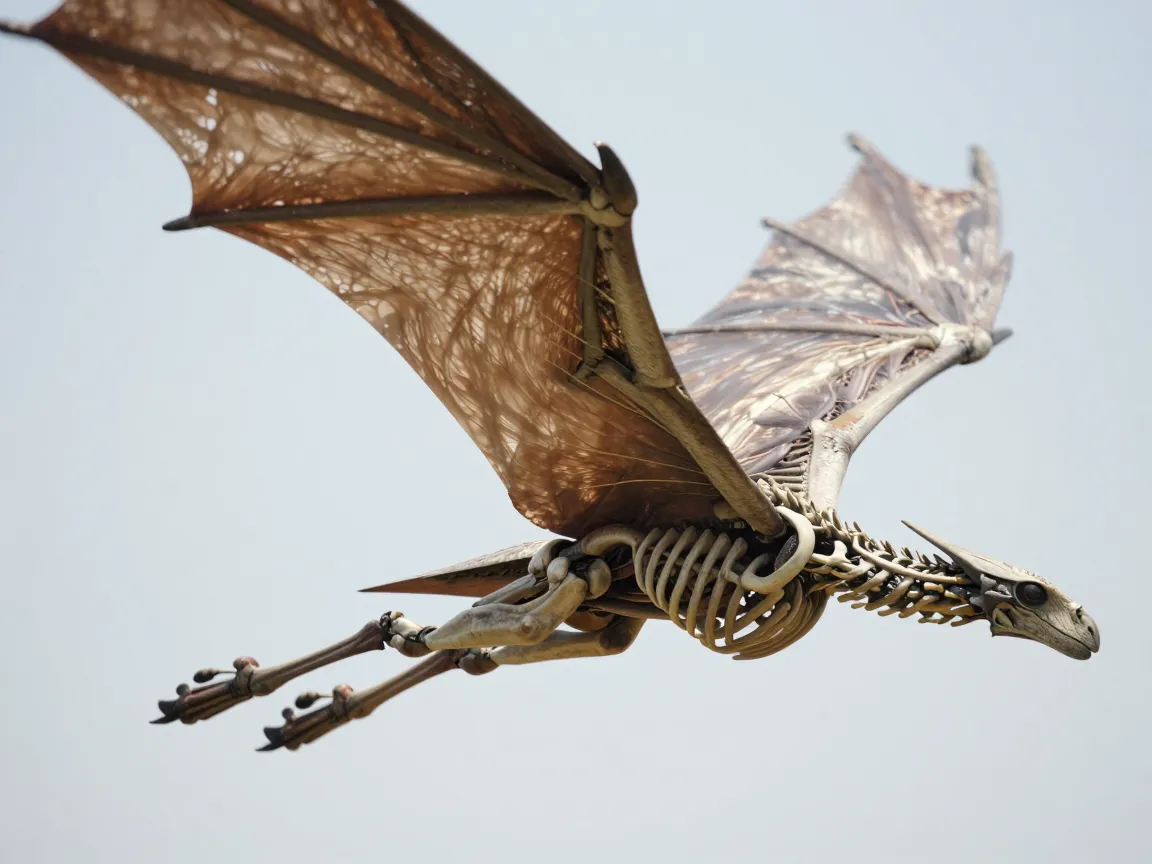
Function-first design is arguably the most technical of the 6 Fantasy Animals Drawing Concepts To Spark Your Imagination, but it pays off enormously in believability. The principle is simple: every notable feature on a fantasy animal should look capable of doing its job. Wings should appear large enough and light enough to support flight. Fins need a shape that could plausibly steer a body through water. Horns and claws should have an obvious mechanical purpose, whether that is defense, digging, or display.
Flying creatures offer the clearest example of this concept in action. Design guidance consistently emphasizes three requirements for believable flight:
- Lightweight bone structure, often suggested through thinner limbs and a slender torso.
- Large wing surface area relative to body size, since small wings on a big body break the illusion of flight.
- A streamlined overall silhouette that reduces visual drag, similar to how birds and bats are shaped.
A practical exercise for mastering function-first design involves starting from simple geometric shapes, ovals for the torso, triangles for wings, cylinders for limbs, and only adding detailed anatomy once those basic shapes already suggest the creature’s implied motion. This shape-first method, popularized in recent fantasy creature tutorials, prevents artists from getting lost in detail before the pose and proportions actually work.
“A wing that cannot plausibly lift its own creature off the ground breaks believability faster than any color choice ever could.”
4. Structured Step-by-Step Digital Workflow for Fantasy Creatures
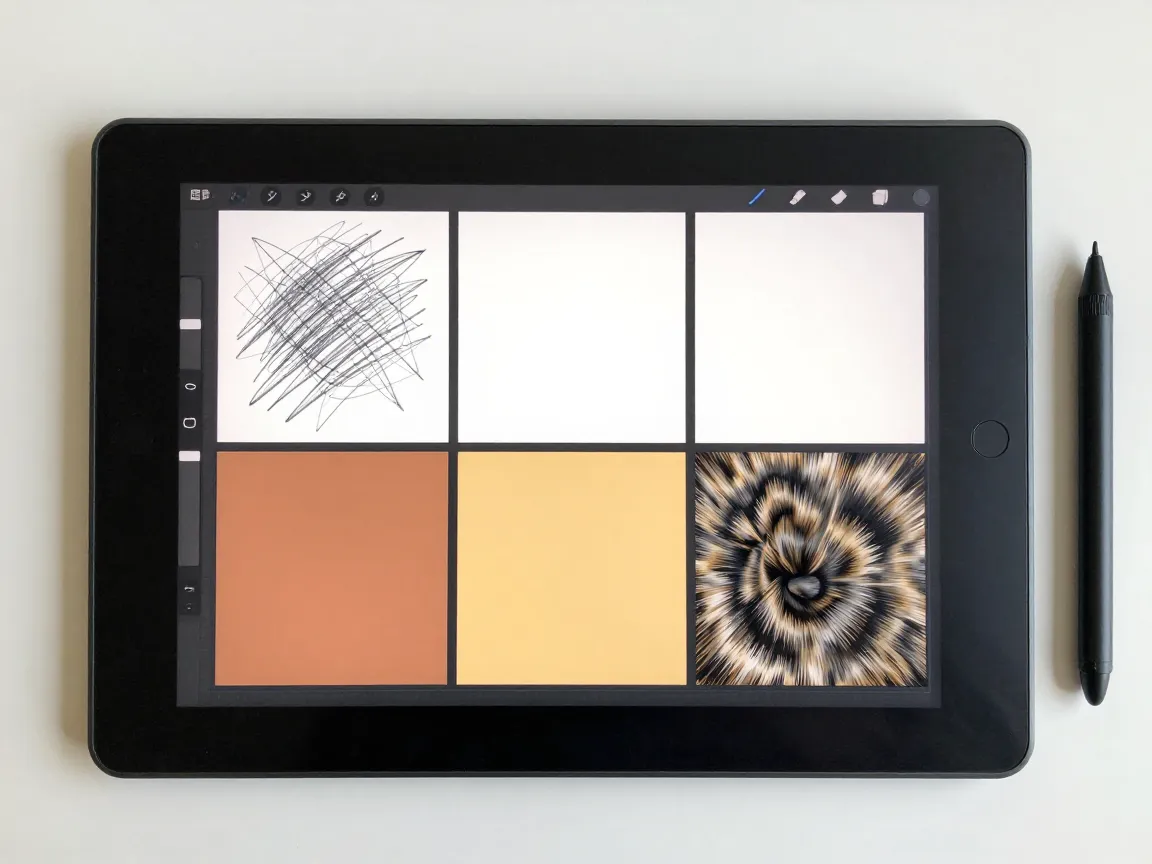
The fourth of the 6 Fantasy Animals Drawing Concepts To Spark Your Imagination is less about imagination and more about finishing what gets started. Many artists have brilliant fantasy animal ideas that never leave the sketch stage simply because they lack a repeatable process. A widely used digital workflow, refreshed in 2026 for tablet illustration apps, breaks the process into six clear stages.
- Rough sketch. Block in the overall gesture and pose without worrying about details.
- Background planning. Decide on a simple environment that supports the ecology concept chosen earlier.
- Outline. Clean up the sketch into confident, final line work.
- Base color. Apply flat colors to establish the overall palette early.
- Shading. Add light and shadow to give the creature volume and depth.
- Texture. Layer in fur strokes, scale patterns, or feather details last, once the form is solid.
Following this order matters. Artists who jump straight to texture before the shading is settled often end up redoing significant portions of the drawing. Working in digital apps makes this workflow especially efficient, since each stage can sit on its own layer, allowing adjustments without destroying earlier work.
5. Decorative Pattern and Zentangle-Style Fantasy Animals
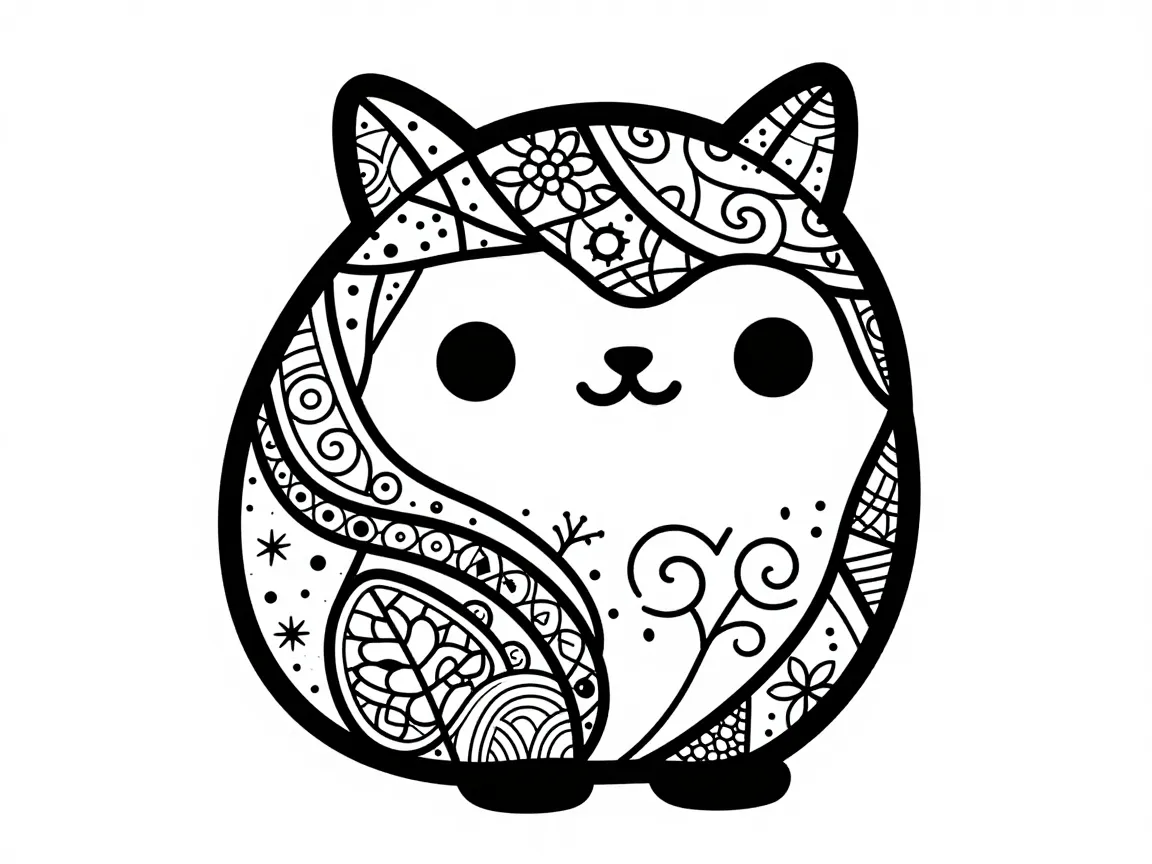
Not every fantasy animal needs to look fierce or biologically rigorous. The fifth concept among the 6 Fantasy Animals Drawing Concepts To Spark Your Imagination leans into decoration rather than realism. Zentangle and ornamental pattern techniques have grown popular for cute, approachable fantasy creatures, combining bold outlines with floral motifs and repeating decorative patterns.
This approach works particularly well for artists who find pure anatomy study intimidating or who want a more relaxing, meditative drawing session. The basic method involves three layers:
- A simple, bold outline of a cute fantasy animal shape, often rounded and friendly rather than sharp or predatory.
- Division of the body into sections using flowing lines, similar to stained glass panels.
- Filling each section with a different repeating pattern, such as dots, swirls, florals, or simple geometric shapes.
Because this method prioritizes pattern over strict anatomical accuracy, it is forgiving for beginners while still producing visually rich, shareable results. It has also become popular in hobbyist communities specifically because the repetitive line work doubles as a calming, low-pressure creative practice rather than a technical exercise.
6. AI-Assisted Prompts and Community Challenges for Idea Generation
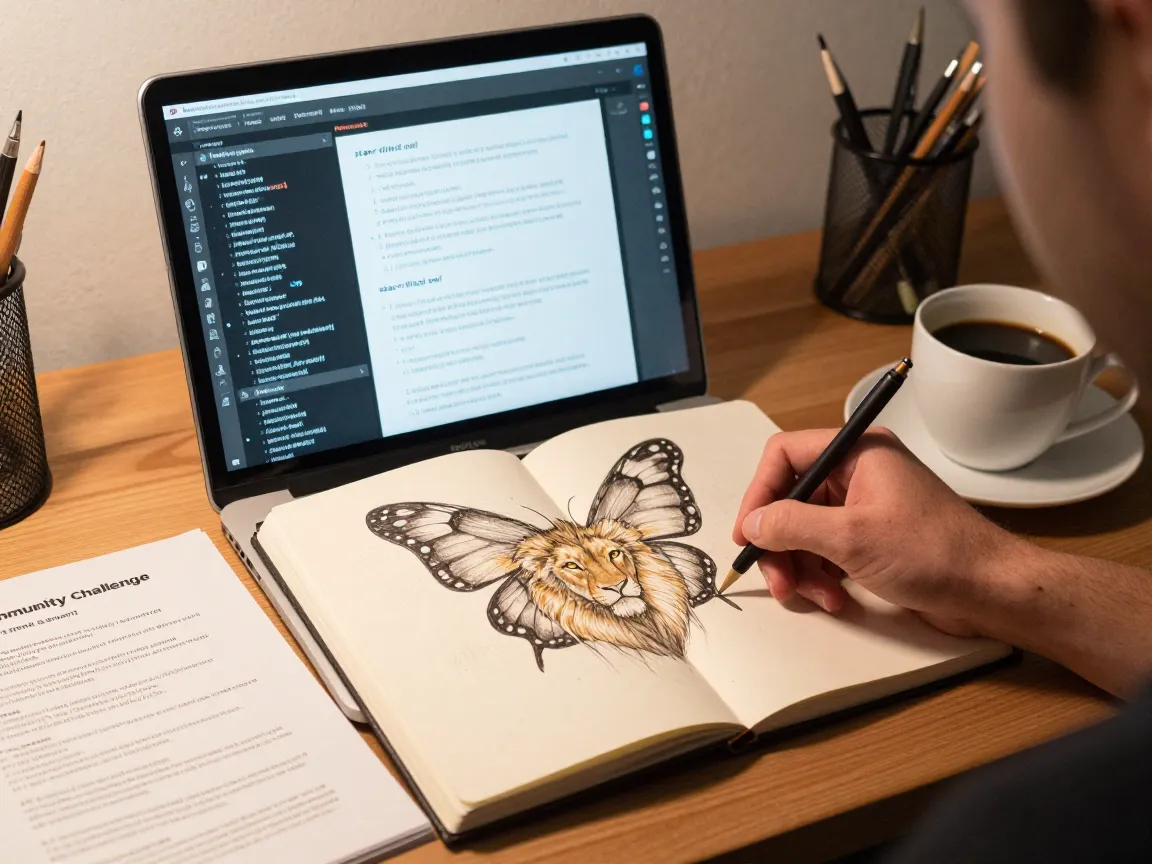
The final entry among the 6 Fantasy Animals Drawing Concepts To Spark Your Imagination addresses a problem every artist eventually faces: running out of fresh ideas. AI-assisted prompt platforms have become a significant recent development in fantasy creature design, offering curated scenarios such as feathered serpents, star-filled owls, ghostly foxes, butterfly-winged lions, and hybrid dragon-manticore beasts.
These tools function less like finished artwork generators and more like concept sparks. A useful workflow looks like this:
- Browse a prompt library or AI gallery for fantasy creature combinations that spark curiosity.
- Pick one element from the prompt, such as “butterfly wings” or “star-filled fur,” rather than copying the entire concept.
- Combine that single element with the anatomy, ecology, and function principles already covered above.
- Sketch an original interpretation rather than tracing or directly copying the AI-generated image.
Structured community challenges serve a similar purpose for artists who prefer human-guided prompts over AI tools. These challenges typically guide participants through choosing favorite animals, limiting color palettes, defining textures, and describing habitat and abilities, essentially packaging several of the concepts above into one guided exercise. Both approaches, AI prompts and structured challenges, share the same underlying value: they remove the blank-page problem and replace it with a concrete starting point to react to and improve upon.
How to Combine All 6 Fantasy Animal Drawing Concepts Into One Creature
Each of the six concepts above works well on its own, but the strongest fantasy animal designs typically blend several together. A practical combination sequence looks like this:
- Start with hybrid anatomy to choose the base body plan from two or three real animals.
- Apply ecology-driven thinking to decide the creature’s diet, habitat, and role as predator or prey.
- Check every major feature against function-first standards, making sure wings, claws, or fins look mechanically plausible.
- Move into the structured digital workflow, sketch, outline, color, shade, texture, to carry the design through to a finished piece.
- Decide whether decorative patterning fits the creature’s personality, reserving zentangle-style detailing for friendlier or more whimsical designs.
- Return to prompt libraries or challenge formats whenever a second or third creature idea is needed, keeping a steady pipeline of fresh concepts.
This layered approach explains why so many current tutorial libraries, from expanded fantasy drawing catalogs to pencil-and-watercolor beast guides, keep circling back to the same handful of principles. Anatomy, ecology, function, workflow, texture, and idea generation are not separate schools of thought; they are stages of a single, repeatable design process.
Common Mistakes to Avoid When Drawing Fantasy Animals
Even with a solid framework, a few recurring mistakes show up often in fantasy animal sketches. Watching for these early saves significant rework later.
Table below summarizes the most frequent issues and simple fixes.
| Mistake | Why It Hurts the Design | Quick Fix |
|---|---|---|
| Too many source animals in one hybrid | Creature looks cluttered and unreadable | Limit to two or three clear sources |
| Skipping ecology questions | Creature feels random with no backstory | Define diet, habitat, and predator role first |
| Wings or fins too small for body size | Breaks believability of movement | Increase surface area relative to torso |
| Jumping straight to texture detail | Wastes time redoing shading later | Follow sketch, outline, color, shade, texture order |
| Copying AI prompts exactly | Produces generic, unoriginal results | Use one element, then build an original interpretation |
Avoiding these five issues alone resolves the majority of problems seen in early fantasy animal sketches, regardless of skill level.
Frequently Asked Questions
What is the easiest fantasy animal drawing concept for beginners?
Hybrid anatomy mashups are usually the most approachable starting point, since the process only requires choosing two or three familiar animals and deciding which body part comes from each one.
Do fantasy animals need to follow real anatomy rules?
Not strictly, but creatures that bend real anatomy rather than ignoring it entirely tend to look far more convincing. Borrowing a real skeleton structure and adjusting only a few features is the most reliable method.
How important is color palette in fantasy animal design?
Very important. Limiting a palette to three or four colors keeps a hybrid creature visually unified, especially when its body combines features from several different source animals.
Can AI tools replace hand-drawn fantasy animal sketches?
AI prompt platforms are best used as idea generators rather than replacements for original drawing. Picking a single element from a generated concept and building an original interpretation tends to produce more satisfying, personal results than copying an AI image directly.
What is the best way to practice all six concepts at once?
Working through a single creature using the combination sequence outlined above, hybrid anatomy, ecology, function, workflow, texture, and idea refinement, gives practical experience with every concept in one project rather than treating them as separate exercises.
Conclusion: Turning 6 Fantasy Animals Drawing Concepts To Spark Your Imagination Into Finished Art
Fantasy animal design rewards artists who treat imagination as a structured skill rather than a random spark. The 6 Fantasy Animals Drawing Concepts To Spark Your Imagination covered here, hybrid anatomy, ecology-driven storytelling, function-first mechanics, structured digital workflow, decorative patterning, and prompt-based idea generation, offer a complete toolkit for building creatures that feel believable, original, and finished.
The most useful next step is simple: pick just one concept from this list and apply it to a single sketch this week. Choose three animals for a hybrid, or answer the three ecology questions for an existing sketch sitting unfinished in a sketchbook. Momentum builds quickly once a clear starting point replaces the blank page. Over time, layering two or three of these concepts together will naturally produce the kind of original, well-reasoned fantasy creatures that stand out in any portfolio or sketchbook collection.