English Springer Spaniel Facts Every Potential Owner Should Know
A springer spaniel can burn through a two-mile hike before breakfast and still have energy left to shred a couch cushion by noon. That single detail explains why shelters across the United States and United Kingdom regularly take in adult Springers surrendered by well-meaning families who underestimated the breed. Anyone weighing this dog deserves a clear-eyed look at the 6 English Springer Spaniel Facts Every Potential Owner Should Know before signing an adoption contract or handing over a deposit to a breeder.

Disclosure: This post contains affiliate links. As an Amazon Associate, we earn from qualifying purchases, and at no extra cost to you.
This breed is not a bad dog. It is, in fact, one of the most affectionate and biddable sporting breeds in existence. But affection and trainability do not cancel out the physical, medical, and behavioral realities that come with owning a working gundog bred for stamina, drive, and close partnership with humans. The sections below break down what current veterinary research, breed clubs, and health registries say buyers need to understand in 2026.
Key Takeaways
Before diving into the details, here is a quick snapshot of what matters most.
The 6 English Springer Spaniel Facts Every Potential Owner Should Know center on exercise, temperament, health screening, and daily care commitments that do not fade after puppyhood.
- Springers need 60 to 90 minutes of vigorous daily exercise plus mental stimulation, not just a short walk around the block.
- Temperament is loving and people-focused, but the breed suits active, experienced owners far better than first-time or sedentary households.
- Average lifespan runs 12 to 14 years, and while the breed scores better than many purebreds on overall health, it is not risk-free.
- Hip, elbow, eye, ear, and liver conditions remain the top veterinary concerns, and 2024-2025 screening protocol updates have raised the bar for responsible breeding.
- Grooming, ear maintenance, structured training, and portion-controlled feeding are ongoing, non-negotiable parts of ownership.
Why the 6 English Springer Spaniel Facts Every Potential Owner Should Know Matter Before You Buy
English Springer Spaniels were developed in England as versatile hunting companions, bred to flush and retrieve game across long days in rough terrain. That working heritage did not disappear when the breed became a popular family pet. Modern Springers, whether from field-trial lines or show lines, still carry the genetic blueprint for high drive, sharp senses, and near-constant motion.
Breed clubs, veterinary researchers, and national kennel organizations have spent the past two years updating health guidance, tightening screening requirements, and publishing new findings on inherited disease. That means the information a buyer needed five years ago is already partially outdated. The facts below reflect the most current understanding of what living with this breed actually involves, from the first six months of puppyhood through the senior years.
1. Energy Level and Exercise Demands Are Genuinely High
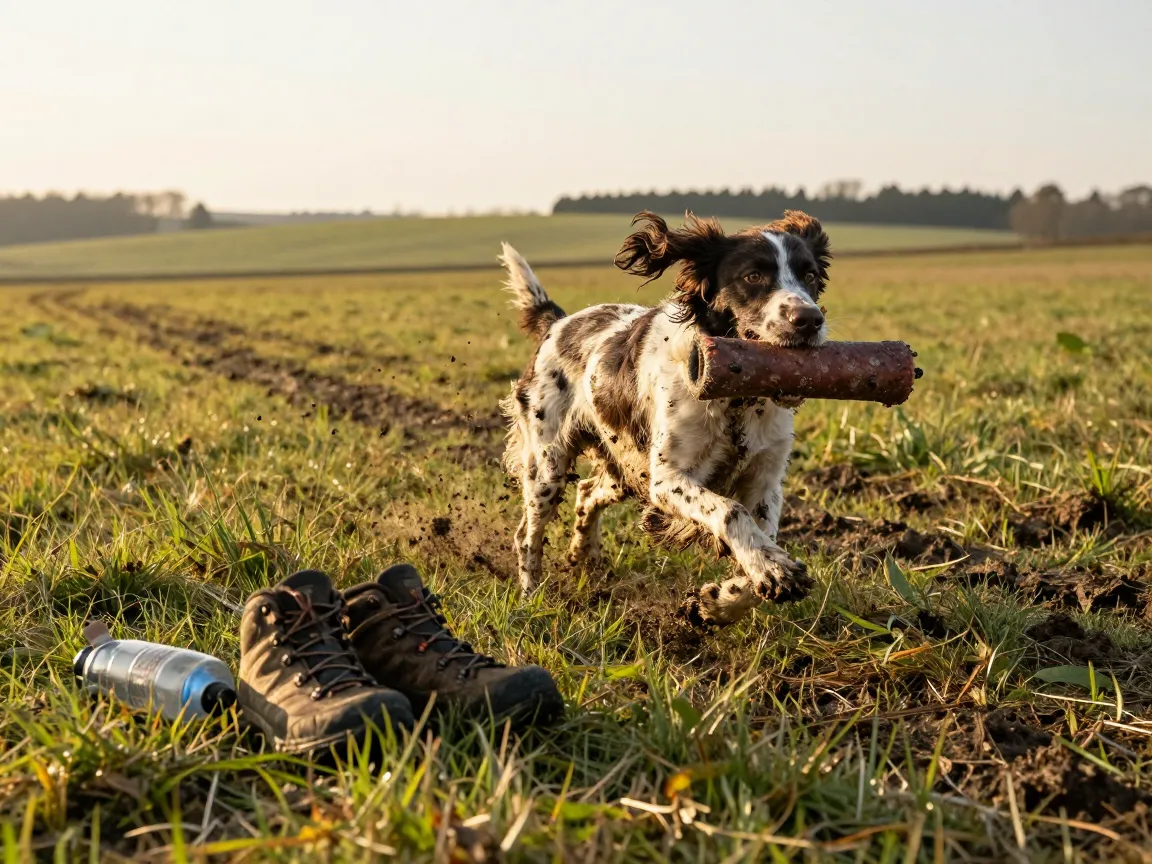
English Springer Spaniels are not moderately active dogs. They are bred from working gundog stock selected over generations for endurance in the field, and that trait has not softened through decades of companion breeding. A healthy adult typically needs at least 60 to 90 minutes of vigorous physical activity daily, split across multiple sessions, along with mentally engaging tasks like scent work, retrieving games, or structured obedience drills.
Owners who provide only a short leash walk often end up with a dog that channels unspent energy into digging, chewing, excessive barking, or restless pacing. This is not defiance; it is a working breed with no outlet for its instincts. Households with a securely fenced yard, access to open space, or a genuine commitment to daily runs, hikes, or dog-sport activities like agility and flyball tend to see far better behavioral outcomes than those relying on brief neighborhood strolls.
“A tired Springer is a well-behaved Springer, but tired means genuinely exercised, not just let outside for ten minutes.”
Puppies present a particular challenge because their joints are still developing, so exercise must be measured and low-impact until growth plates close, typically around 12 to 18 months. Overexertion during this window can contribute to orthopedic problems later in life, which ties directly into the health concerns discussed further down this list.
2. Temperament Is Affectionate, but Best Suited to Experienced, Active Owners

Springers are consistently described by breed clubs and veterinary behaviorists as loving, eager to please, and deeply attached to their families. They typically bond closely with children, enjoy being part of household activity, and show genuine enthusiasm for human company. This is part of why the breed remains popular among families who understand what they are signing up for.
The caveat matters just as much as the compliment. That same eagerness and sensitivity can translate into separation anxiety, excessive vocalization, or destructive behavior when the dog is left alone for long stretches without preparation. Springers generally do best with owners who have flexible schedules, prior dog-handling experience, or the resources to provide daycare, dog walkers, or companion animals during long workdays.
Breed temperament also varies somewhat by line. Field-bred Springers, selected primarily for hunting performance, tend to run hotter, faster, and more independently than show-bred lines, which are often calmer and more oriented toward companionship. Prospective owners should ask breeders directly which lineage a puppy comes from, since this single detail can shift daily energy and trainability expectations considerably.
First-time dog owners are not automatically disqualified from Springer ownership, but they should go in with realistic expectations, a training plan, and ideally some mentorship from an experienced trainer or breed-specific rescue organization.
3. Lifespan and Health Profile Are Better Than Average, But Not Risk-Free
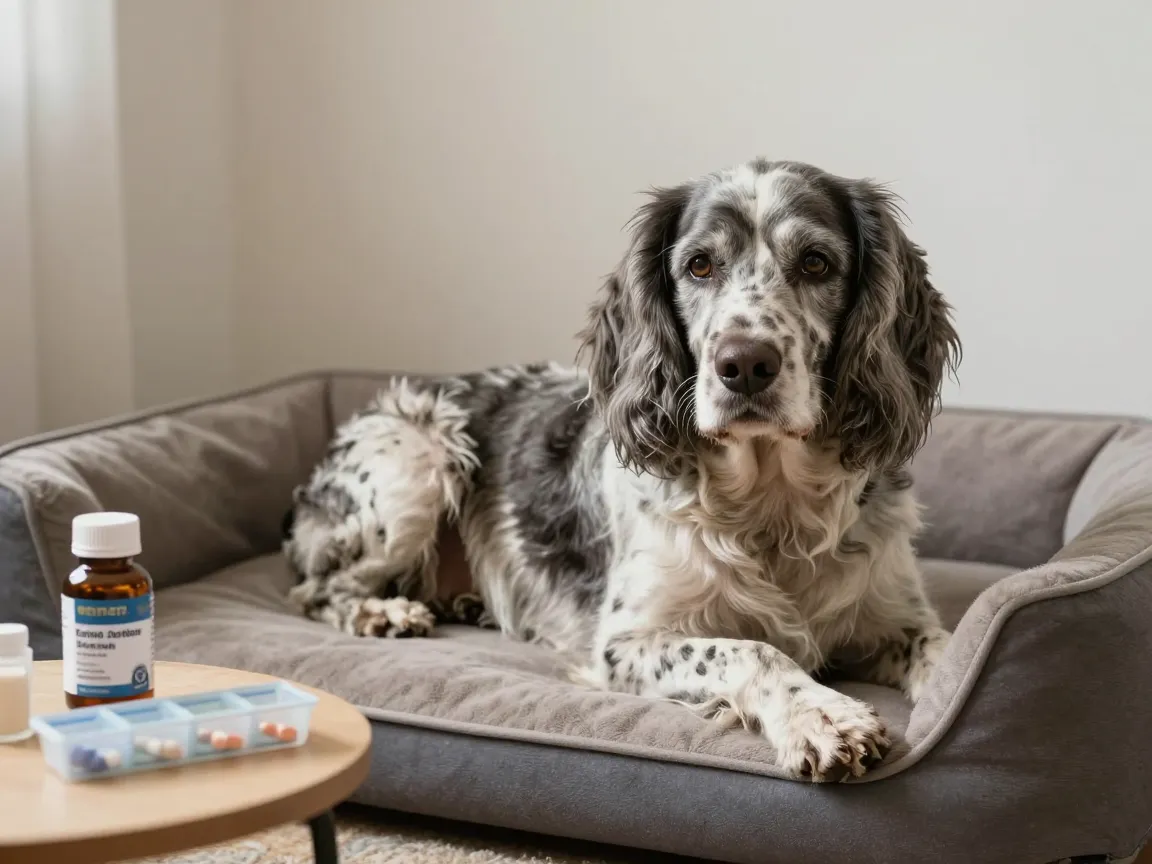
English Springer Spaniels typically live between 12 and 14 years, which places them above the average lifespan for medium and large purebred dogs. Breed health surveys conducted by kennel clubs and veterinary schools generally rank the Springer as having a comparatively favorable overall health profile relative to many other purebred lines.
That relatively good standing should not be mistaken for a clean bill of health. The breed carries documented predispositions toward several orthopedic, sensory, and organ-related conditions, and inherited disease remains a real consideration for any buyer. A longer average lifespan simply means a Springer owner is likely to be managing chronic conditions, such as arthritis or ear disease, over a longer stretch of years rather than facing an early, catastrophic health failure.
The distinction matters practically. Owners should budget not just for the acute cost of a health emergency but for ongoing veterinary care, joint supplements, prescription ear treatments, and periodic diagnostic screening across the dog’s entire adult life, not only in its senior years.
4. Common Health Issues Span Ears, Hips, Elbows, Eyes, and Liver

Veterinary literature and breed-specific health surveys consistently point to a recurring cluster of conditions in English Springer Spaniels. Understanding these in advance allows buyers to ask informed questions of breeders and to budget appropriately for preventive care.
| Body System | Common Condition | Screening or Management |
|---|---|---|
| Ears | Chronic otitis, infections | Regular cleaning, veterinary checks |
| Hips | Hip dysplasia | Hip scoring of breeding stock |
| Elbows | Elbow dysplasia | Elbow grading before breeding |
| Eyes | Progressive retinal atrophy, cataracts | DNA testing, annual eye exams |
| Liver | Copper storage disease, phosphofructokinase deficiency | Bloodwork, genetic screening |
Two additional issues have moved to the front of veterinary conversations recently. Progressive retinal atrophy, or PRA, continues to be tracked through DNA panels that identify carrier and affected status well before symptoms appear, allowing breeders to avoid producing puppies at risk of blindness. Separately, researchers have documented a springer-specific anemia and myopathy syndrome linked to phosphofructokinase deficiency, an inherited enzyme disorder that affects red blood cells and muscle function. Epilepsy has also received renewed research attention, with newer studies working to clarify inheritance patterns and improve early identification.
Breed health organizations tightened screening standards during 2024 and 2025, expanding recommended genetic panels and pushing for hip and elbow evaluations to become standard practice rather than optional extras. For any buyer, requesting documentation of these screenings from a breeder is no longer a nice-to-have question; it is a core part of due diligence, on par with checking vaccination records.
Official breed standards have also shifted in tone. Kennel clubs increasingly frame physical conformation not just as an aesthetic checklist but as something directly tied to functional health, meaning a dog’s structure should support natural movement, breathing, and joint function rather than working against it. This shift reflects broader efforts across the dog breeding world to prioritize welfare over appearance alone.
5. Grooming, Ear Care, and Diet Require Ongoing Commitment
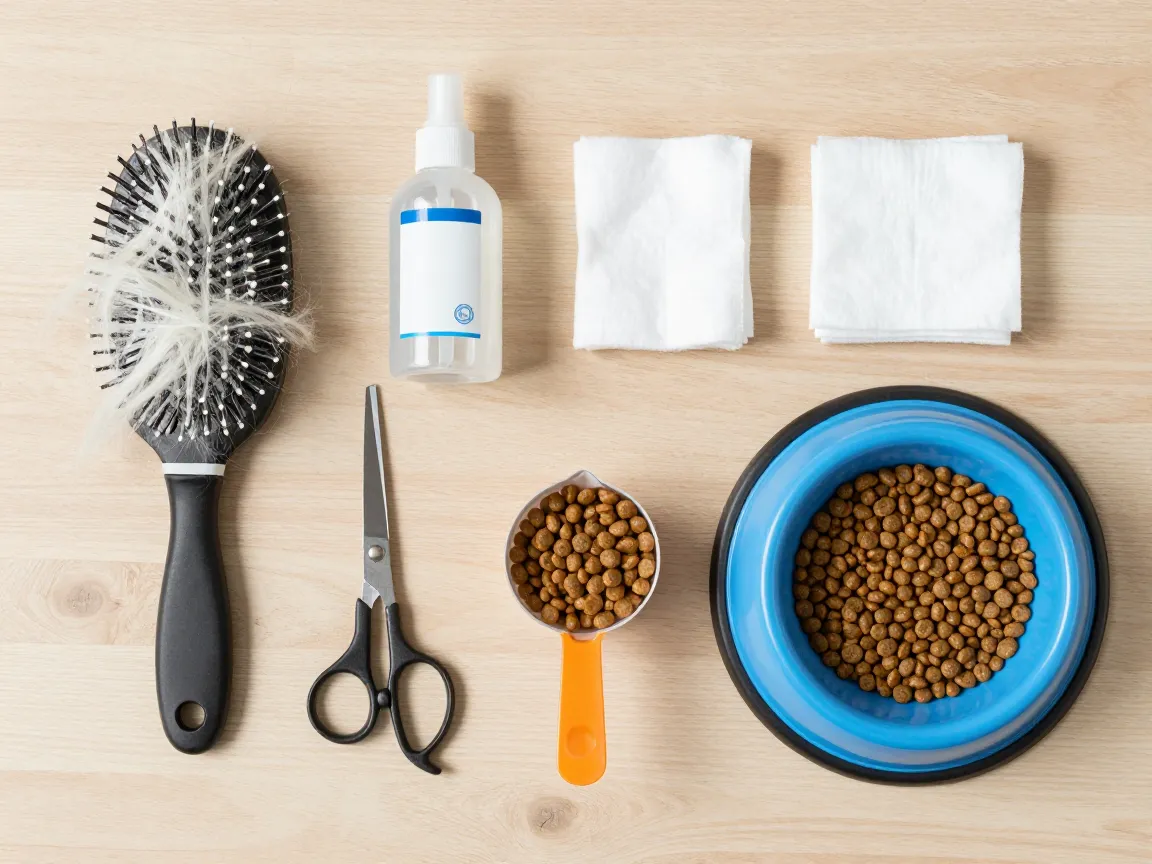
The Springer’s dense, silky double coat is attractive, but it is also a recurring maintenance job. Regular brushing, at minimum two to three times per week, prevents matting, particularly around the ears, legs, and feathering on the chest and belly. Many owners schedule professional grooming every six to eight weeks to manage coat length and trim excess hair around the paws and ears.
Ear care deserves its own emphasis because it connects directly to one of the breed’s most common health complaints. The Springer’s long, low-hanging ears trap moisture and reduce airflow, creating conditions favorable to bacterial and yeast infections. Weekly ear checks and cleaning, using a veterinarian-approved solution, should be treated as a standing appointment rather than an occasional chore. Left unaddressed, chronic ear infections can become painful, expensive, and in some cases require surgical intervention.
Diet and weight management round out the daily care picture. Springers are prone to weight gain if calorie intake is not matched to their activity level, and excess weight directly worsens the risk of hip and elbow problems already present in the breed’s genetic profile. Portion-controlled feeding, limited high-calorie treats, and a diet formulated for the dog’s age and activity level all help protect joint health over the long term. Owners working with active field-line dogs may need higher-calorie formulations than those with a more sedentary show-line companion, which is another reason to discuss diet specifics with a veterinarian familiar with the individual dog’s lineage and body condition.
6. Training, Mental Enrichment, and Line Differences Shape Everyday Behavior
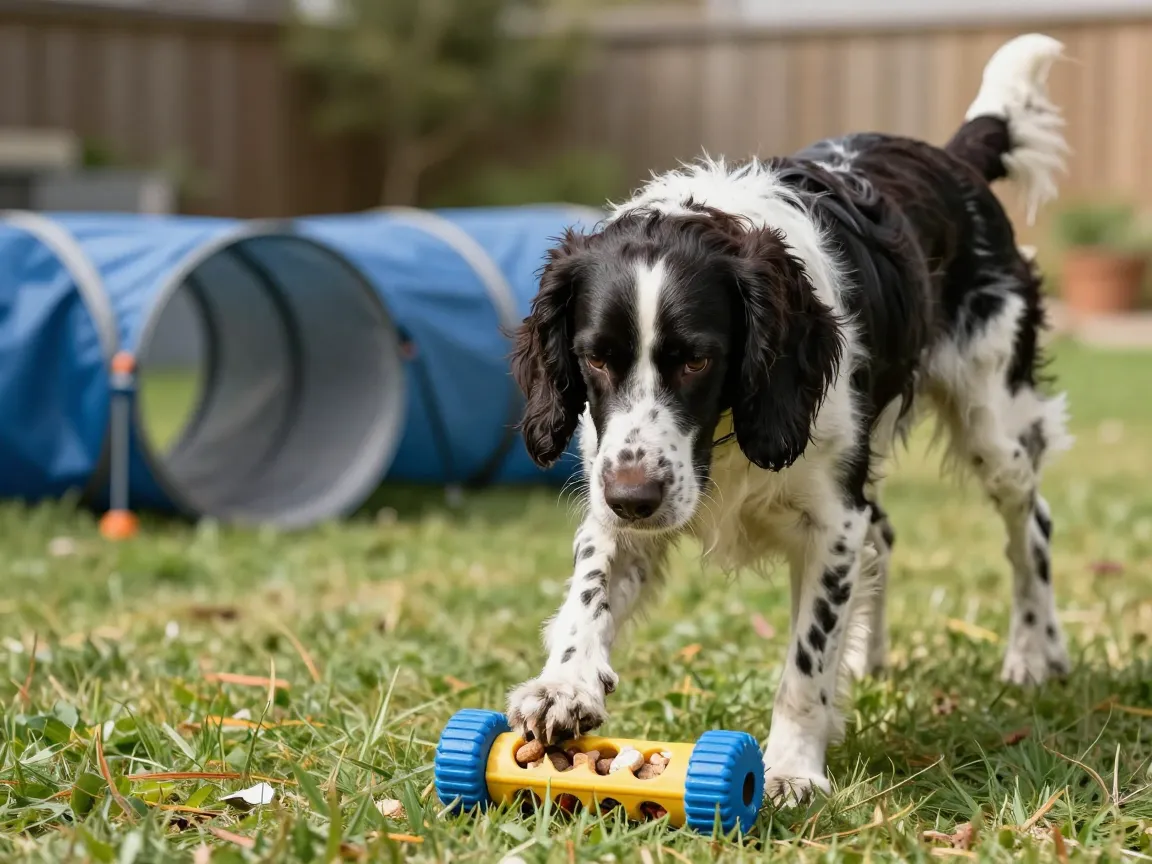
Springers are intelligent, quick learners who respond well to positive reinforcement training, which makes them relatively straightforward to teach basic obedience, recall, and retrieving games. That same intelligence, however, means an under-stimulated Springer can become a bored, anxious, or mischievous one. Structured daily training sessions, puzzle toys, scent games, and consistent rules from puppyhood onward all contribute to a well-adjusted adult dog.
Separation-related behavior deserves particular attention. Because the breed forms strong attachments to its people, gradual crate training and planned alone-time exercises from an early age help prevent full-blown separation anxiety later. Owners who skip this step often find themselves dealing with destructive chewing, excessive barking, or house-soiling that stems from distress rather than disobedience.
Line differences, mentioned earlier in the temperament discussion, also affect training approach. Working and field-trial Springers often display sharper prey drive and higher independence in the field, which can make off-leash reliability around wildlife more challenging. Show-line dogs typically settle more easily into a companion role but still require the same foundational training.
One rare but serious behavioral condition deserves direct mention: so-called “rage syndrome,” a sudden, unpredictable aggressive episode documented in a small subset of English Springer Spaniels, more frequently reported in certain lines. While uncommon, its severity means prospective buyers should ask breeders directly about any history of the condition in a puppy’s bloodline and should discuss temperament testing protocols used during breeding selection. Reputable breeders will not shy away from this conversation, and a willingness to discuss it openly is itself a good sign of transparency.
Conclusion: Putting the 6 English Springer Spaniel Facts Every Potential Owner Should Know Into Action
The English Springer Spaniel remains one of the most rewarding companion breeds for the right household: energetic, intelligent, deeply loyal, and generally healthier than many purebred alternatives. But rewarding is not the same as easy. The 6 English Springer Spaniel Facts Every Potential Owner Should Know outlined above make clear that this breed asks for daily exercise, consistent training, careful grooming and ear maintenance, portion-controlled feeding, and a genuine commitment to health screening and veterinary follow-through across a 12-to-14-year lifespan.
Before bringing a Springer home, take these concrete next steps. Talk candidly with breeders about hip and elbow scores, eye and DNA testing results, and any known history of anemia-myopathy syndrome, epilepsy, or rage syndrome in the bloodline. Ask specifically whether the puppy comes from field-trial or show lines, since that single detail shapes energy level and training needs for years to come. Map out a realistic daily exercise and enrichment plan before adoption day, not after. Finally, budget for ongoing veterinary care, professional grooming, and quality nutrition as a routine part of dog ownership rather than an occasional expense. Buyers who go in prepared on all these fronts tend to build the kind of long, healthy partnership this breed is genuinely capable of offering.