Beautiful Cavalier King Charles Spaniel Tricolor Photos & Facts
Only three coat combinations have ever been accepted by major kennel clubs for the Cavalier King Charles Spaniel, and tricolor is one of the rarest to see done well in the show ring. Breeders who specialize in this pattern say a truly balanced tricolor coat, with crisp white, deep black, and warm tan arranged in the right places, takes generations of careful pairing to achieve consistently. This guide on 6 Beautiful Cavalier King Charles Spaniel Tricolor Photos & Facts breaks down exactly what makes this coloring so visually striking, what the breed standard actually requires, and what every prospective owner should know about health, lifespan, and temperament before falling for those big dark eyes.

Disclosure: This post contains affiliate links. As an Amazon Associate, we earn from qualifying purchases, and at no extra cost to you.
Tricolor Cavaliers are not simply “black and white dogs with some brown.” Their markings follow a specific genetic and structural pattern that has been refined since the breed’s modern reconstruction in the early twentieth century. Understanding that pattern, plus the health realities that come with the breed today, matters just as much as admiring the photos.
Key Takeaways
- Tricolor is one of four officially recognized Cavalier King Charles Spaniel colors, featuring a pearly white base, black patches, and tan markings on the face, chest, and legs.
- Adult tricolor Cavaliers typically weigh between 13 and 18 pounds and stand 12 to 13 inches tall, with an average lifespan of 9 to 14 years.
- Mitral valve disease and syringomyelia remain the two most significant health concerns in the breed, and 2024 to 2026 research continues to refine how they are linked and managed.
- MRI-based breeding recommendations and cardiac screening protocols are actively reducing disease transmission in responsibly bred lines.
- Coat color has no bearing on health, temperament, or show quality beyond the breed standard’s cosmetic preferences.
What Makes the Tricolor Cavalier King Charles Spaniel Coat So Striking
The tricolor pattern in Cavalier King Charles Spaniels combines a predominantly white coat with well-distributed black patches and rich tan markings. According to the current breed standard, the tan should appear above the eyes, on the cheeks, inside the ears, on the chest, legs, and underside of the tail. Judges in conformation rings look for symmetry: matching patches on both sides of the face, a clean white blaze running up the muzzle, and a distinct black saddle across the back that does not blend messily into the white.
This pattern is genetically distinct from the black and tan variety, which lacks the white base entirely, and from the solid ruby coloring, which is a deep reddish-brown all over. Blenheim, the chestnut-and-white combination, remains the most common color seen in pet homes, but tricolor has grown steadily in popularity thanks to its dramatic, almost painterly appearance in photographs.
Breed clubs in the United States, United Kingdom, and Australia all recognize tricolor as a standard color, meaning it carries equal standing to Blenheim, black and tan, and ruby in the show ring. No color is considered “rarer” in a way that increases monetary value from a breed-standard perspective, though regional demand can shift prices. Reputable breeders emphasize that chasing a specific color at the expense of health testing is one of the most common mistakes new owners make when searching for a puppy.
6 Beautiful Cavalier King Charles Spaniel Tricolor Photos & Facts You Need to See
The following six facts capture the visual and practical details that make tricolor Cavaliers such a photogenic and beloved variety. Each one pairs a distinctive visual trait with the factual context behind it.
1. The Classic Black Saddle Creates a Dramatic Silhouette
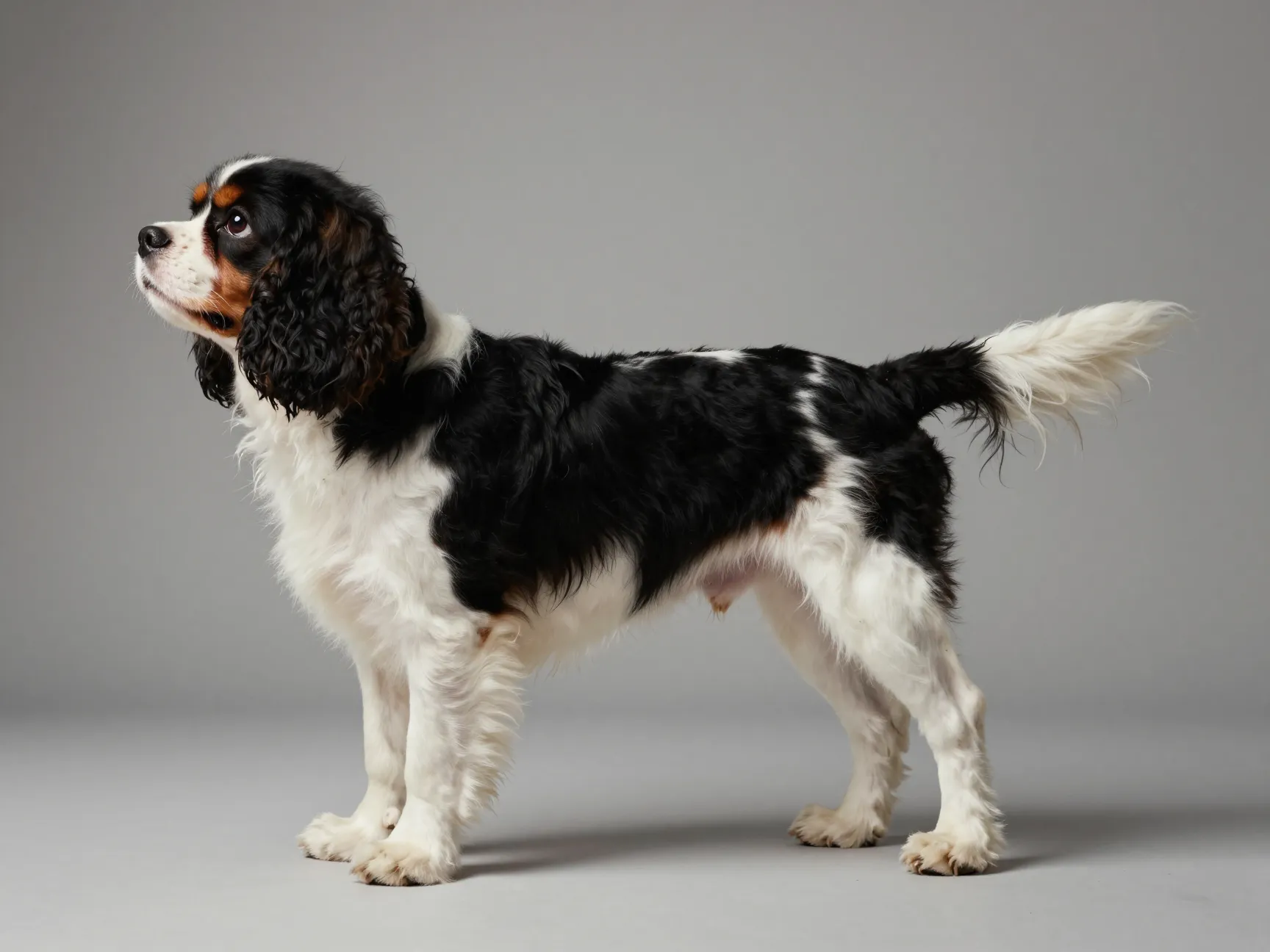
One of the most photographed features of a tricolor Cavalier is the black saddle patch that drapes over the back like a cape. This patch typically extends from the shoulders to the base of the tail and gives the dog a striking two-tone silhouette when viewed from above or in profile. Breed standard judges favor a saddle that is solid and well-defined rather than broken into scattered spots, since a clean saddle photographs and shows more elegantly.
2. Tan Eyebrow Markings Give an Expressive, Almost Human Look

The small tan spots positioned directly above each eye are sometimes called “eyebrows,” and they are a hallmark of the tricolor pattern. These markings, combined with the breed’s naturally large, dark, rounded eyes, create an unusually expressive face that many owners describe as almost human in its range of emotion. Photographers who specialize in pet portraiture often note that tricolor Cavaliers photograph exceptionally well in close-up headshots because of this contrast.
3. The White Blaze Down the Muzzle Adds Visual Balance
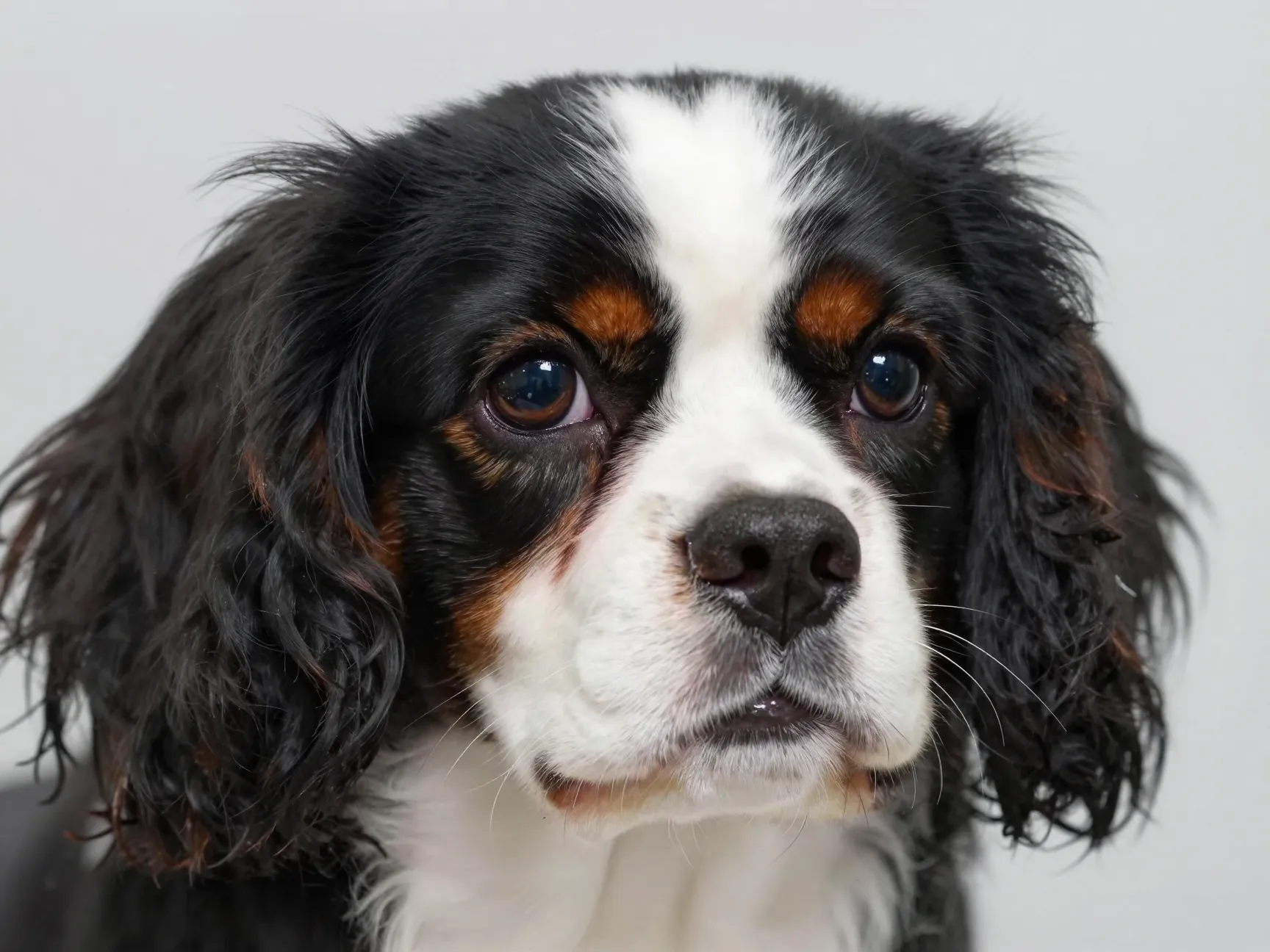
A well-placed white blaze running from the forehead down to the nose is considered a defining trait of a high-quality tricolor coat. This blaze separates the black facial patches on either side and creates a sense of symmetry that judges specifically evaluate during conformation shows. In pet lines, the blaze can vary in width and straightness, but breeders working toward the show standard select for a narrow, even stripe.
4. Feathered Ears and Tail Showcase the Silkiest Fur on the Body
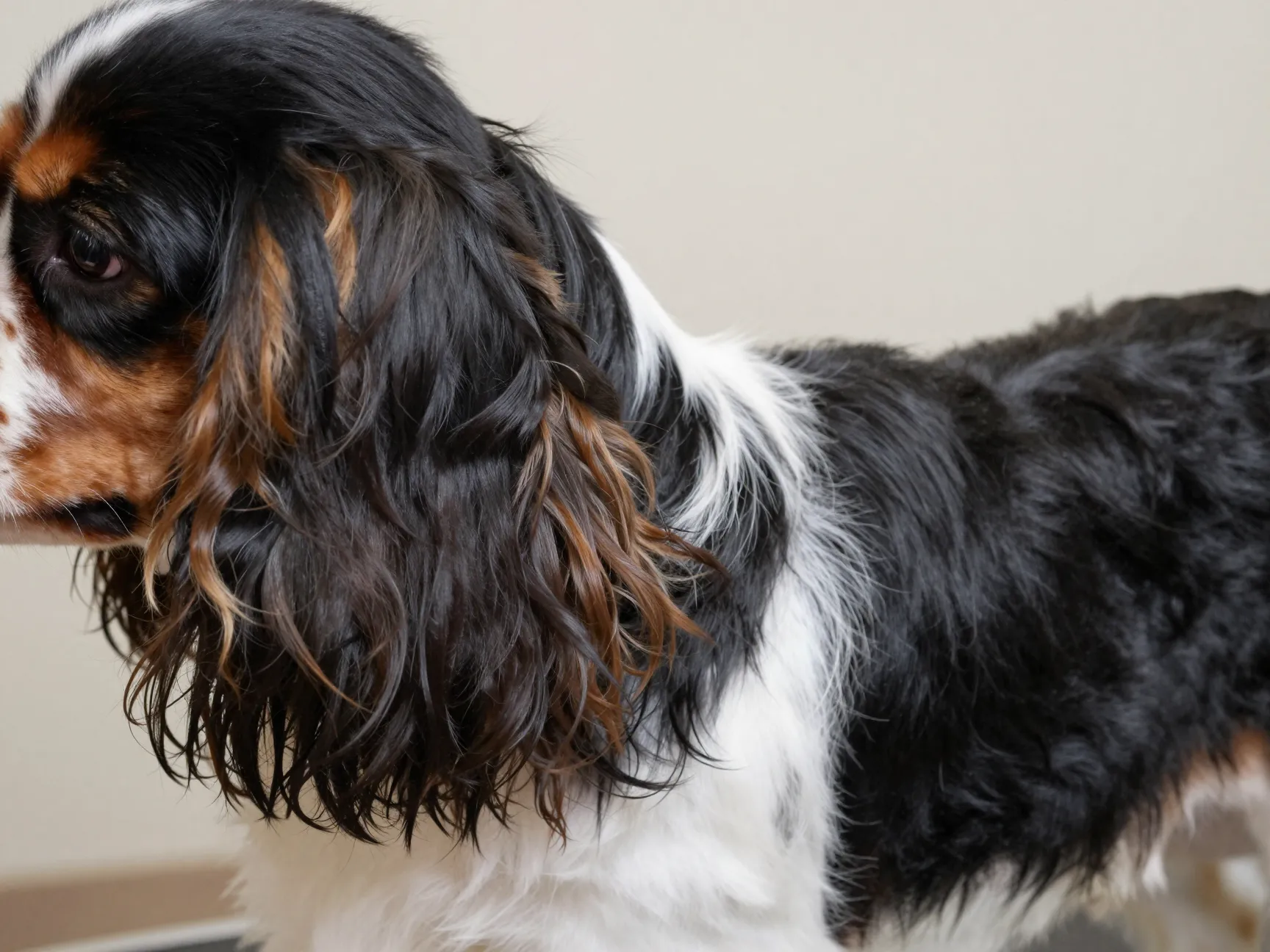
Cavalier King Charles Spaniels are known for long, silky feathering on their ears, chest, legs, and tail, and tricolor dogs display this texture with dramatic color contrast. The ears often carry a mix of black and tan feathering, while the tail typically shows tan underneath with black or white along the top. This feathering requires regular brushing, generally two to three times per week, to prevent matting and to keep the dramatic color transitions looking crisp for photos.
5. Puppy Coats Look Different From Adult Coats

Tricolor puppies are born with markings that can shift noticeably as they mature. A puppy that appears mostly black and white at eight weeks may develop richer, more visible tan markings by the time it reaches full adult coat around 12 to 18 months. This transition is one reason experienced breeders caution against judging final coloring too early, and it explains why puppy photos and adult photos of the same dog can look surprisingly different.
6. No Two Tricolor Patterns Are Exactly Alike
Despite following the same general breed standard, the precise placement, size, and shape of black patches and tan points vary from dog to dog, making every tricolor Cavalier’s coat genuinely unique. Some dogs display heavier black coverage across the body, while others show mostly white with smaller, more concentrated black patches. This natural variation is part of why tricolor Cavaliers remain a favorite subject for breed photographers and why so many owners describe their dog’s markings as one of a kind.
Size, Weight, and Lifespan of Tricolor Cavalier King Charles Spaniels
Coat color has no effect on the physical structure of a Cavalier King Charles Spaniel. Tricolor dogs follow the same size and lifespan expectations as every other color variety recognized by the breed standard.
| Trait | Typical Range |
|---|---|
| Height | 12 to 13 inches at the shoulder |
| Weight | 13 to 18 pounds |
| Lifespan | 9 to 14 years |
| Coat type | Silky, moderate length, feathered |
| Grooming frequency | Brushing 2 to 3 times weekly |
| Exercise needs | 30 to 60 minutes daily |
These figures represent averages across responsibly bred lines. Individual dogs can fall outside this range depending on genetics, diet, and overall health management. Lifespan in particular depends heavily on cardiac health, which brings the discussion to the breed’s most pressing challenge.
Health Realities Behind Every Tricolor Cavalier King Charles Spaniel Photo
Behind the charming photos, Cavalier King Charles Spaniels as a breed carry a well-documented health burden that any serious buyer needs to understand before committing to one, regardless of coat color.
Mitral valve disease remains the single most common cause of death in the breed. Studies consistently show that a majority of Cavaliers will develop some degree of mitral valve degeneration by middle age, and many will show detectable murmurs well before age five. This progressive condition weakens the heart’s ability to pump blood efficiently and, left unmanaged, leads to congestive heart failure.
Syringomyelia, a neurological condition in which fluid-filled cavities form within the spinal cord near the brainstem, is the other dominant concern. Long-term surveillance data out of Australia through 2026 indicates that prevalence rates have remained persistently high in the breed despite decades of awareness campaigns, though incremental improvement is visible in lines that undergo MRI screening before breeding.
“The dog you fall in love with in a photo is the same dog whose heart and spine deserve a thorough veterinary history before you sign anything.”
A 2024 research paper examining the relationship between mitral valve disease and syringomyelia found meaningful overlap between the two conditions in affected dogs, suggesting shared genetic pathways or at least a common vulnerability in the breed’s skull and cardiac anatomy. This has pushed some veterinary researchers to argue that screening protocols should evaluate both systems together rather than in isolation.
MRI-based breeding recommendations published in veterinary science journals, including guidance featured in Frontiers in Veterinary Science, now encourage breeders to scan potential breeding dogs and avoid pairing two dogs that both show early syrinx formation, even if neither is symptomatic. Breeders who follow these protocols are gradually shifting the genetic odds in favor of healthier offspring, though the changes take multiple generations to show population-wide results.
Genetic researchers have also cataloged a broader set of disease-associated variants circulating within the Cavalier gene pool beyond heart and neurological disease, including markers linked to certain eye conditions and joint disorders. This genetic load is part of why responsible breeders now run panel testing rather than relying solely on physical exams.
Beyond the headline conditions, Cavaliers are also prone to a range of gastrointestinal issues, including sensitivity to rich foods and a tendency toward pancreatitis in some individuals. Owners often need to manage diet more carefully than they might expect for a small companion breed.
On the treatment side, ongoing research into pimobendan, a medication used to support heart function, has produced encouraging updates as of September 2026. Current findings continue to support the drug’s role in slowing the progression from early-stage mitral valve disease to symptomatic heart failure when started at the appropriate clinical stage, giving veterinarians a more evidence-based timeline for intervention rather than waiting until symptoms appear.
Quick Health Snapshot
- Mitral valve disease develops in a large share of Cavaliers by middle age and remains the leading cause of death.
- Syringomyelia prevalence has stayed elevated despite years of screening efforts, per long-term Australian surveillance data.
- MRI screening before breeding is the most evidence-backed tool currently available for reducing syrinx transmission.
- Pimobendan therapy, started at the right disease stage, shows continued promise for slowing heart failure progression.
- Gastrointestinal sensitivity and joint concerns round out the list of issues owners should discuss with a veterinarian.
Show Ring Desirability vs Everyday Pet Suitability
There is an important distinction between how tricolor Cavaliers are judged in the show ring and what actually matters for a happy pet at home. Conformation judges reward symmetry, saddle definition, and blaze placement because those traits reflect adherence to the written breed standard. None of these cosmetic details affect a dog’s ability to be a loving companion, a good walking partner, or a calm presence in a family household.
Current consensus among veterinarians and breed clubs is that pet suitability should be evaluated on health testing results, temperament, and the breeder’s transparency about known conditions in the dog’s lineage, not on coat pattern. A tricolor puppy from a health-tested litter is a far safer choice than a show-perfect coat from a breeder who skips cardiac and MRI screening.
Prospective owners searching for 6 Beautiful Cavalier King Charles Spaniel Tricolor Photos & Facts online should treat the photos as inspiration, not as a substitute for asking breeders direct questions about:
- Cardiac clearance results for both parent dogs, ideally rechecked annually.
- Whether either parent has undergone MRI screening for syringomyelia.
- Documented lineage history for early-onset heart or neurological disease.
- General temperament and socialization practices used with the litter.
- Ongoing breeder support after the puppy goes home.
Frequently Asked Questions
Is tricolor a rare Cavalier King Charles Spaniel color?
No. Tricolor is one of four officially recognized colors alongside Blenheim, black and tan, and ruby. It is less common in pet homes than Blenheim but is not classified as rare by major kennel clubs.
Do tricolor Cavaliers have different health risks than other colors?
Coat color itself has no documented link to disease risk. Mitral valve disease and syringomyelia affect the breed broadly, regardless of coloring.
How can owners tell if a tricolor puppy’s markings will change?
Markings often deepen and shift slightly between eight weeks and 18 months of age as the adult coat comes in fully, so early puppy photos may not reflect the dog’s final appearance.
What is the average price difference between tricolor and other colors?
Pricing varies more by breeder reputation, health testing, and regional demand than by color itself, though tricolor sometimes commands a modest premium in markets where it is less common.
Conclusion
Tricolor Cavalier King Charles Spaniels earn their reputation as one of the breed’s most photogenic varieties through a combination of dramatic black saddles, expressive tan eyebrow markings, and crisp white blazes that create striking visual contrast in every photo. This article on 6 Beautiful Cavalier King Charles Spaniel Tricolor Photos & Facts has walked through the specific markings that define the pattern, realistic size and lifespan expectations, and the serious health considerations, particularly mitral valve disease and syringomyelia, that every prospective owner needs to weigh before choosing this breed.
Anyone considering a tricolor Cavalier should move past the photos and start with a breeder conversation: ask for cardiac clearances, MRI screening history, and a clear look at the dog’s family health record. Pairing that due diligence with routine veterinary checkups and a diet suited to the breed’s gastrointestinal sensitivities gives any tricolor Cavalier the best possible chance at a long, comfortable life alongside its unmistakably beautiful coat.