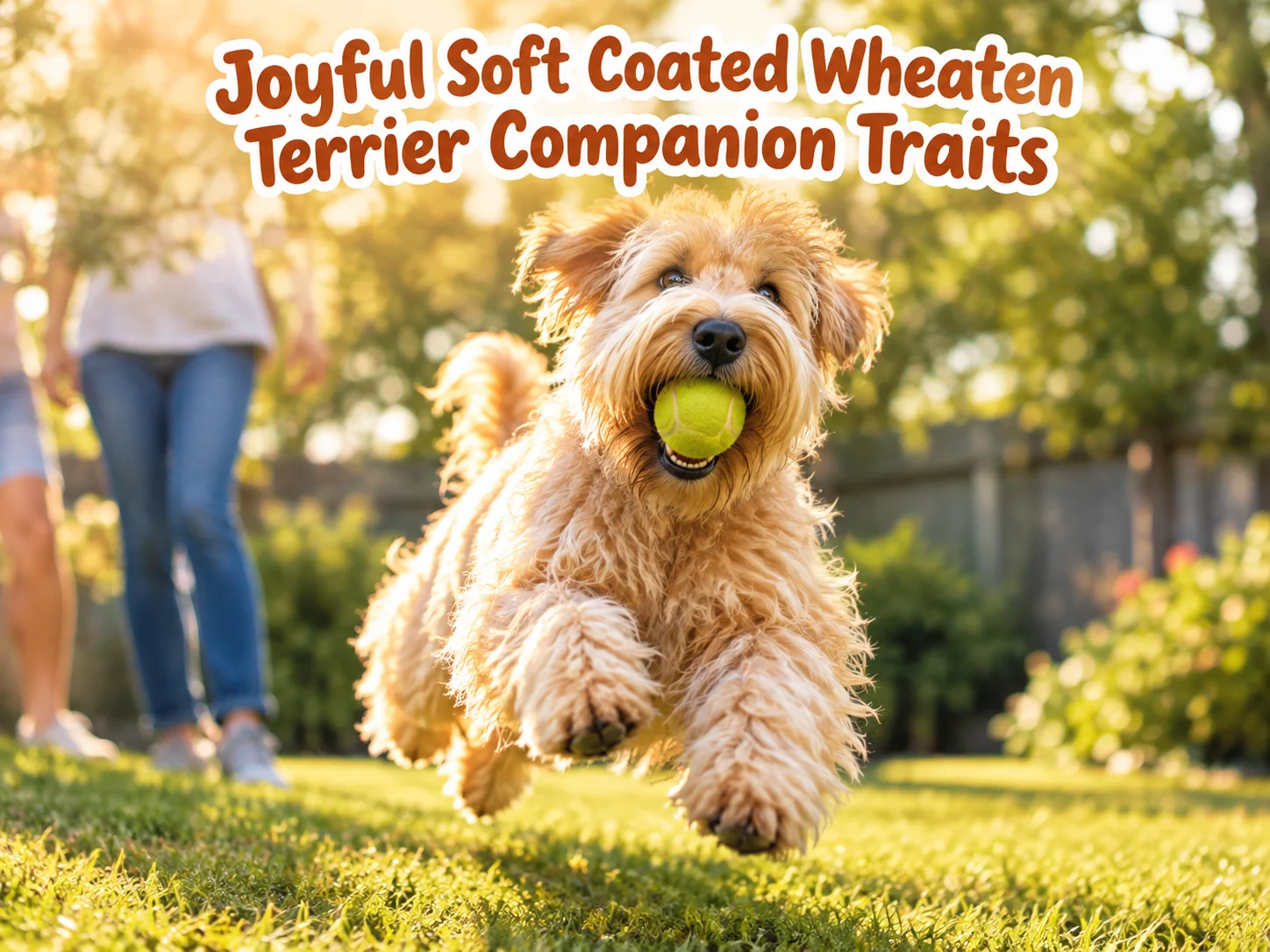
Soft Coated Wheaten Terrier Traits That Make Them A Joyful Companion
A dog that greets every family member as if they just returned from a year away, every single day, is not an exaggeration when talking about the Soft Coated Wheaten Terrier. Breed clubs and veterinary behaviorists consistently rank this Irish terrier among the most emotionally expressive companion breeds, and owners often describe living with one as sharing a home with a permanently good mood. Understanding the 6 Soft Coated Wheaten Terrier Traits That Make Them A Joyful Companion helps explain why this medium-sized, silky-coated dog has earned such devoted followers across the United States, Ireland, and beyond.
Disclosure: This post contains affiliate links. As an Amazon Associate, we earn from qualifying purchases, and at no extra cost to you.
This article breaks down the personality traits, physical qualities, and behavioral patterns that define the breed, drawing on decades of consistent recognition from major kennel clubs. Whether someone is considering adding a Wheaten to their household or already shares a couch with one, these six traits explain the science and the heart behind the breed’s reputation for happiness.
Key Takeaways
- The Soft Coated Wheaten Terrier combines a cheerful, steady temperament with strong people-oriented affection, making it one of the most emotionally engaged terrier breeds.
- Its playful, bouncy energy and confident nature set it apart from scrappier terrier cousins, though it still needs consistent, positive training due to its intelligent and headstrong streak.
- The breed excels as a family dog, particularly with socialized children, and functions as an alert but non-aggressive watchdog.
- High energy levels mean daily exercise and mental enrichment are non-negotiable for a well-balanced Wheaten.
- The soft, silky wheaten coat is not just a physical trait; it reflects the breed’s overall gentle, approachable presence.
What Sets This Breed Apart
Originating in Ireland as an all-purpose farm dog, the Soft Coated Wheaten Terrier was bred to herd, guard, and hunt vermin, all while living closely alongside families. That working history shaped a dog that is sturdy enough for outdoor labor yet soft enough in temperament to be trusted around livestock and children. Major kennel clubs, including the American Kennel Club and The Kennel Club in the United Kingdom, classify the Wheaten within the terrier group, but breed standards consistently note its softer edges compared to breeds like the Fox Terrier or the Jack Russell.
Physically, the breed stands roughly 17 to 19 inches at the shoulder and weighs between 30 and 40 pounds, giving it a solid but not overwhelming presence in a household. Its most recognizable feature, the silky wheaten-colored coat, requires regular grooming but does not shed heavily, making it a frequent recommendation for allergy-conscious families. Understanding this physical and historical foundation makes the following six traits easier to appreciate, since each one connects directly to how the breed was developed and why it continues to be cherished today.
The 6 Soft Coated Wheaten Terrier Traits That Make Them A Joyful Companion
Each of the following traits has been documented repeatedly by breed clubs, veterinary behaviorists, and long-time owners. Together, they form a complete picture of why this breed is often described as having a permanent sense of joy.
1. Cheerful, Steady Joy-of-Life Temperament
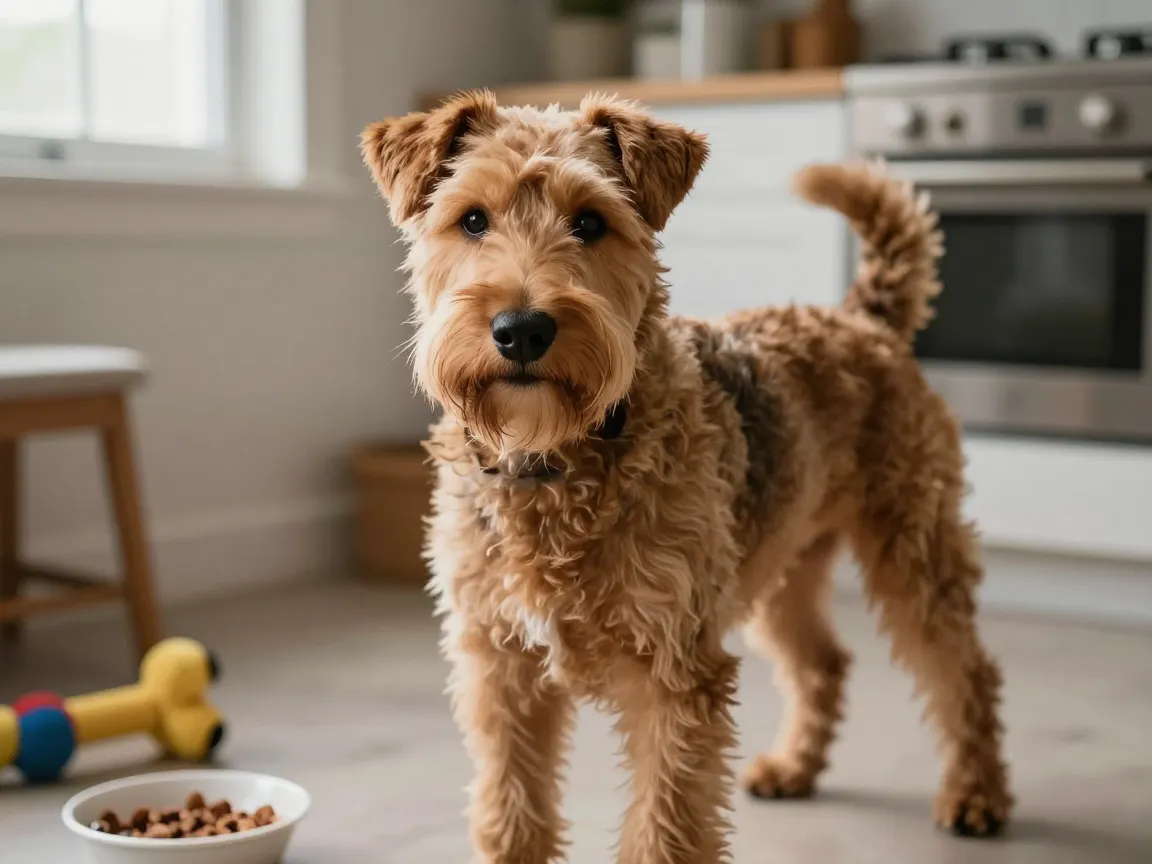
The single most cited characteristic of the Soft Coated Wheaten Terrier is what breed enthusiasts call its “joy of life.” This is not simple hyperactivity. It is a consistent, stable good mood that shows up in daily routines, not just during exciting moments. A Wheaten greets breakfast with the same enthusiasm as a trip to the park, and this evenness makes the breed easier to live with than dogs whose moods swing based on stimulation levels.
“The Wheaten’s cheerful disposition is not situational happiness. It is closer to a personality baseline that owners can count on day after day.”
This steady positivity also makes the breed more resilient during household changes, travel, or minor disruptions in routine. Dogs with this kind of temperament tend to recover faster from stressful events, which is valuable for families with unpredictable schedules or frequent guests.
2. Affectionate And Strongly People-Oriented Velcro Dog Traits
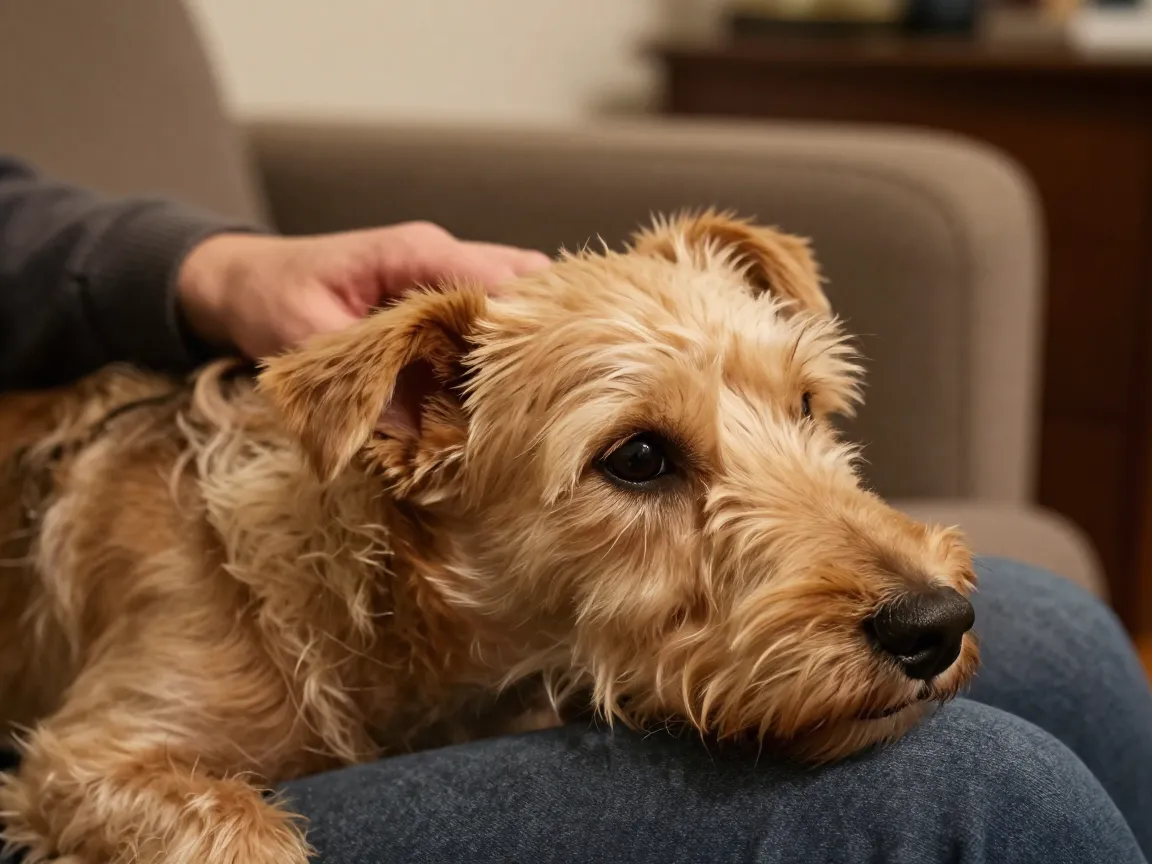
Wheatens are frequently described using the term “velcro dog,” meaning they prefer to be physically close to their people at nearly all times. This is not clingy anxiety in most well-socialized individuals; it is a genuine preference for companionship. The breed was developed to work alongside farmers rather than independently, and that history shows up clearly in modern behavior.
Owners often report their Wheaten following them from room to room, resting a paw on a lap during quiet moments, or leaning into a hug rather than pulling away. This trait makes the breed a poor candidate for households where the dog would spend long hours alone, but an excellent fit for anyone seeking a constant companion.
3. Playful, Bouncy, And Fun-Loving Personality
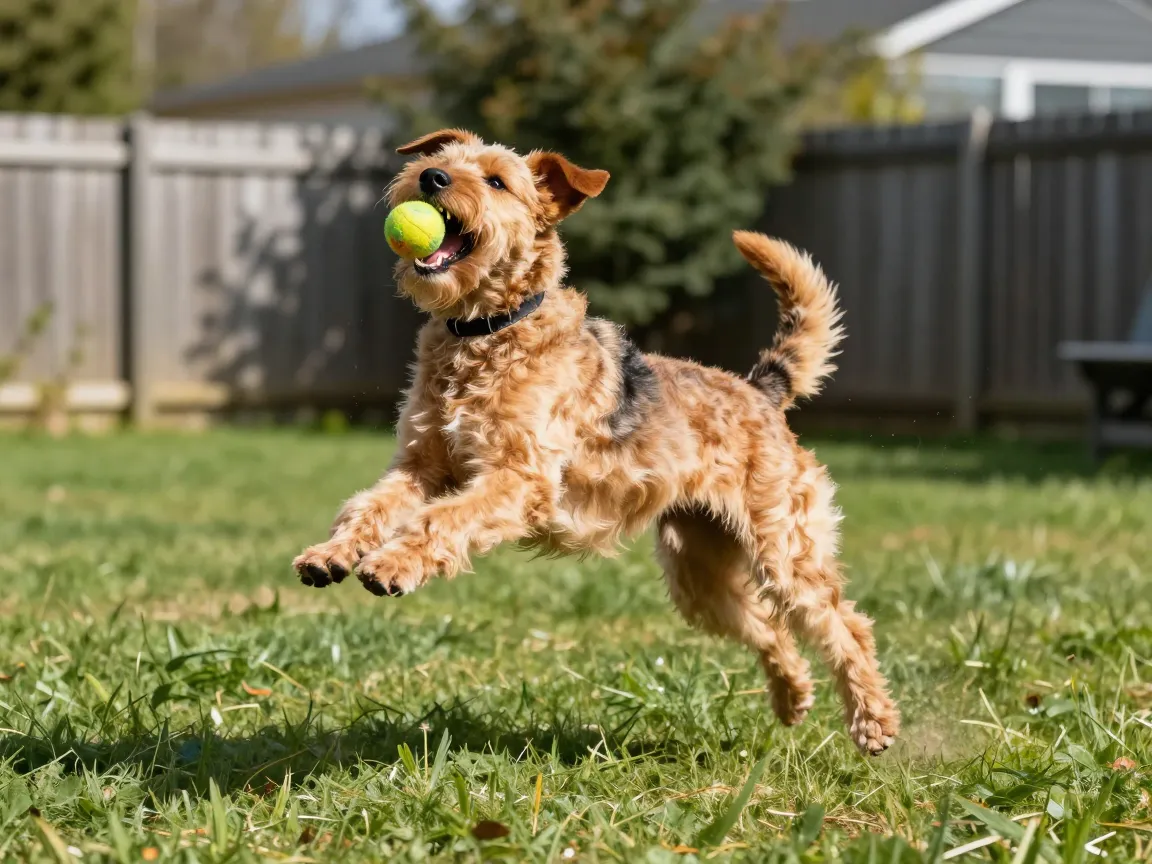
The breed’s nickname among some fanciers is the “Wheaten wiggle,” a reference to the full-body wag and bounce the dog displays when excited. This playful energy tends to last well into adulthood, unlike some breeds that mellow significantly after the first two years. Fetch, tug, agility courses, and simple backyard chase games all tend to bring out this bouncy enthusiasm.
Below is a quick comparison of how this playful trait typically expresses itself across life stages:
| Life Stage | Typical Play Behavior | Energy Focus |
|---|---|---|
| Puppy (0-12 months) | Constant bouncing, mouthing, chasing | Exploration and socialization |
| Adult (1-7 years) | Structured play, fetch, agility | Physical and mental stimulation |
| Senior (8+ years) | Gentle play, short bursts of bounce | Comfort and low-impact activity |
This sustained playfulness is one of the clearest expressions among the 6 Soft Coated Wheaten Terrier Traits That Make Them A Joyful Companion, since it directly translates into an entertaining, engaging household presence.
4. Excellent Family Dog, Especially With Socialized Children
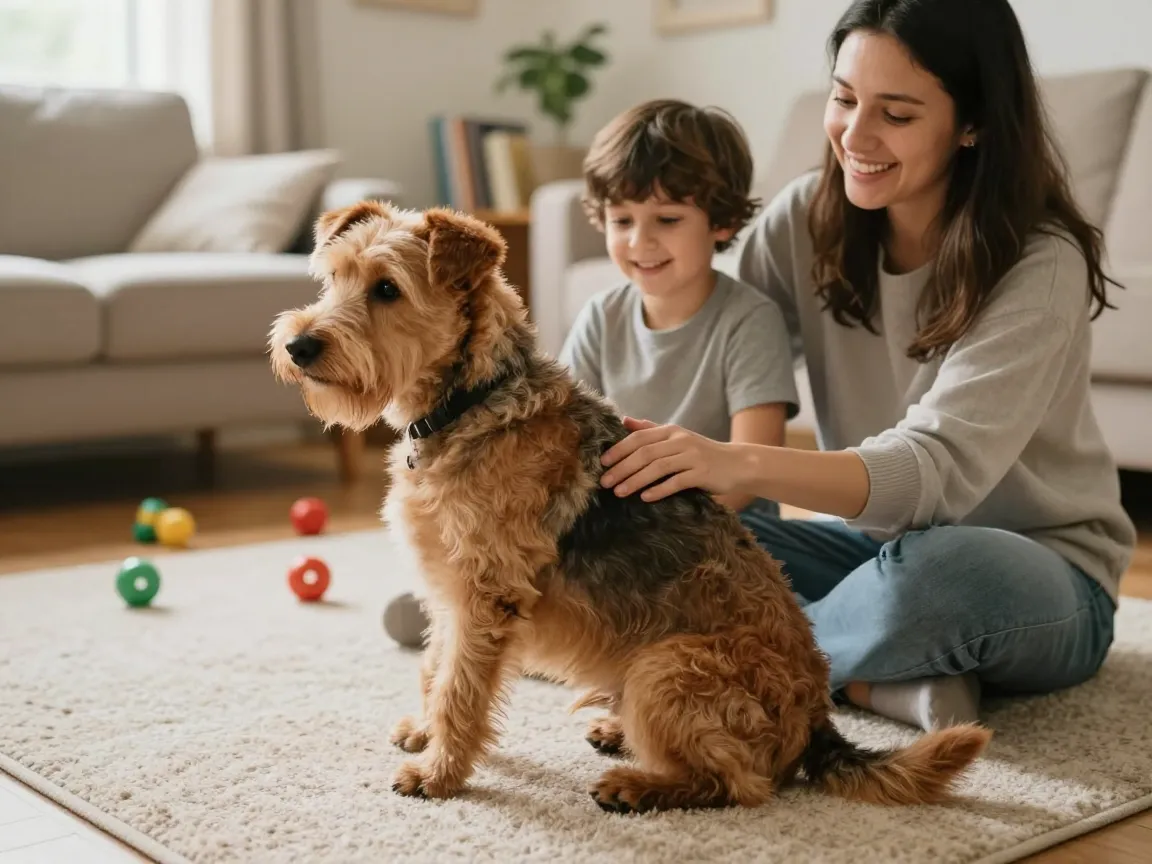
Breed standards and rescue organizations consistently rate the Soft Coated Wheaten Terrier as one of the better terrier choices for families with children. Its patient, non-scrappy demeanor allows it to tolerate the noise and unpredictability of a busy household better than many other terrier breeds. That said, early and ongoing socialization remains essential, since any dog, regardless of breed tendency, benefits from structured exposure to children of different ages and behaviors.
Key factors that support successful Wheaten and child relationships include:
- Early puppy socialization classes that expose the dog to varied noises, movements, and handling.
- Supervised early interactions between the dog and children, with clear boundaries taught to both.
- Consistent, calm household energy, since Wheatens mirror the emotional tone of their environment.
- Ongoing positive reinforcement training that reinforces gentle behavior around smaller family members.
5. Confident, Good-Tempered, And Less Scrappy Than Many Terriers

Many terrier breeds carry a reputation for being reactive toward other dogs or quick to assert themselves. The Soft Coated Wheaten Terrier stands out for having a notably milder, more confident temperament rather than a defensive or scrappy one. This does not mean the breed lacks courage or awareness; it simply channels those qualities differently than breeds developed primarily for vermin hunting or dogfighting history.
This confident-but-calm quality makes the Wheaten easier to introduce to new dogs, new environments, and new people compared to breeds with a hair-trigger temperament. It also contributes to the breed’s reputation as a “soft” terrier, a description that refers to both coat texture and personality disposition.
6. Intelligent, Loyal, Alert, And Deeply Bonded To The Family
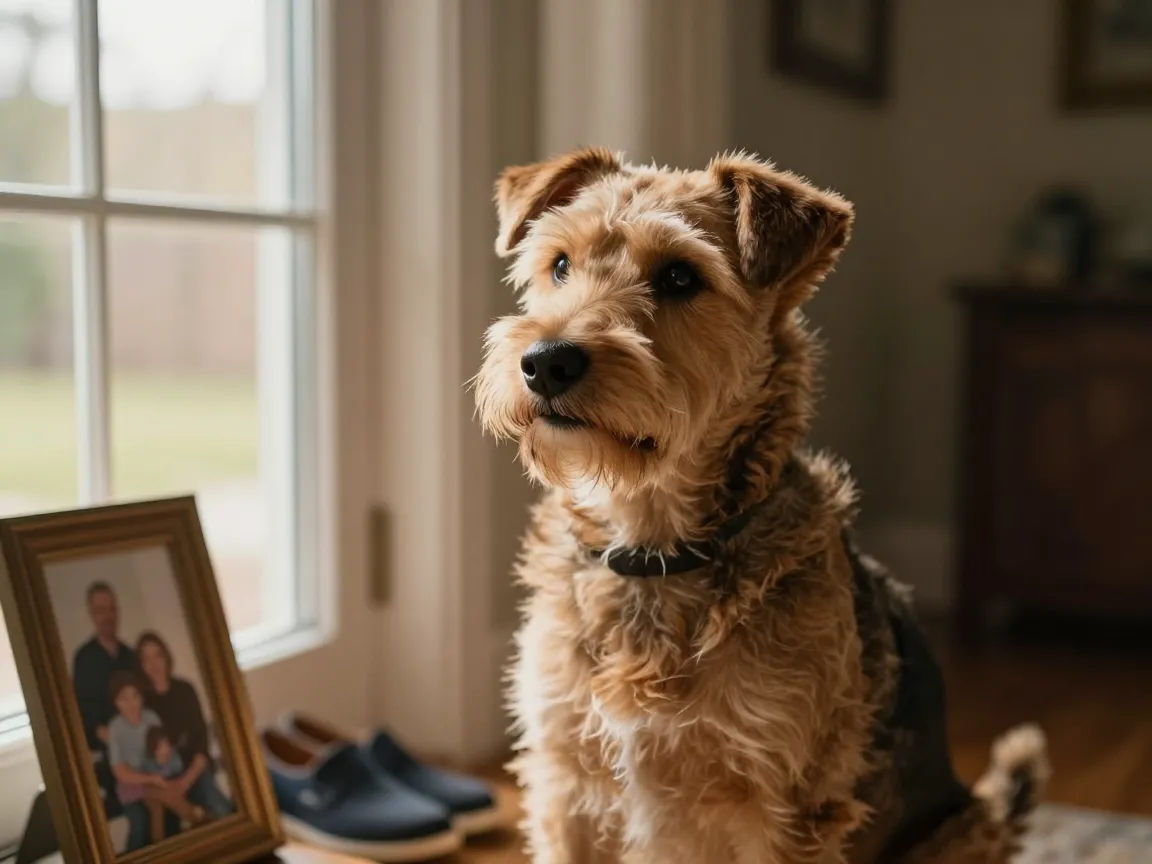
The final trait on this list is really a combination of related qualities: intelligence, loyalty, and alertness, all wrapped around a deep emotional bond with the household. Wheatens are quick learners, which is a double-edged trait since it also means they can be somewhat headstrong or independent-minded if training lacks consistency. Positive reinforcement methods, using rewards rather than punishment, tend to produce the best results with this breed’s intelligent but occasionally stubborn nature.
At the same time, this intelligence supports the breed’s function as an alert, reliable watchdog. Wheatens will typically notify their family of unusual sounds or visitors at the door, but they rarely escalate to excessive aggression, a balance that many households find ideal. Their deep loyalty means most Wheatens form intense attachments to their family unit, often showing preference for consistent daily caregivers while remaining friendly toward extended family and guests.
Living With These 6 Soft Coated Wheaten Terrier Traits Day To Day
Understanding these six traits in theory is different from managing them in daily life. The breed’s high energy levels mean that a Wheaten left without adequate exercise or mental engagement can develop problem behaviors, including excessive barking, chewing, or restlessness. Most adult Wheatens benefit from at least 45 to 60 minutes of active exercise daily, combined with mental enrichment activities such as puzzle feeders, scent games, or basic obedience practice.
Grooming is another practical consideration tied directly to the breed’s physical traits. The soft, silky wheaten coat does not shed in the traditional sense, but it does mat easily without regular brushing, typically three to four times per week, along with professional grooming every six to eight weeks. This grooming routine, while a commitment, is part of why the breed appeals to households managing allergy sensitivities.
Training deserves particular attention given the breed’s intelligent but occasionally headstrong nature. The following approaches tend to work well:
- Start training early, ideally during the critical socialization window between 8 and 16 weeks of age.
- Use short, engaging sessions rather than long repetitive drills, since Wheatens can lose interest quickly with monotonous exercises.
- Rely on positive reinforcement, using treats, praise, or play as rewards rather than corrective or punitive methods.
- Maintain consistency across all household members, since mixed signals can encourage the breed’s independent streak to take over.
- Incorporate regular mental stimulation, since a bored Wheaten is more likely to become a mischievous one.
Health considerations also factor into the overall picture of raising a joyful, well-balanced Wheaten. The breed is known to be prone to certain conditions, including protein-losing enteropathy and protein-losing nephropathy, along with renal dysplasia in some lines. Reputable breeders typically screen for these conditions, and prospective owners should ask for health clearances before committing to a puppy. Regular veterinary checkups throughout the dog’s life help catch these issues early, supporting the long, active companionship the breed is known for.
Frequently Asked Questions About Soft Coated Wheaten Terrier Traits
Are Soft Coated Wheaten Terriers good with other pets?
Generally yes, particularly when socialized early. Their less scrappy, more confident temperament compared to other terriers tends to support smoother introductions to other dogs and even cats in many households.
How much exercise does a Wheaten actually need?
Most healthy adults need roughly 45 to 60 minutes of active exercise daily, combined with mental enrichment. Puppies and seniors typically need shorter, gentler sessions adjusted to their developmental stage or physical limitations.
Do their personality traits make them prone to separation anxiety?
Their strong people-oriented, velcro-dog nature can make some individuals prone to separation-related stress if left alone for extended periods without gradual conditioning. Building independence skills early, through short, positive alone-time exercises, helps prevent this.
Is the breed’s coat truly non-shedding?
The coat sheds minimally compared to double-coated breeds, but it requires frequent brushing to prevent matting. No dog breed is entirely non-shedding or completely hypoallergenic, though the Wheaten is often recommended for allergy-sensitive households.
Which trait tends to surprise new owners the most?
Many new owners are surprised by how strongly the affectionate, people-oriented trait shows up in daily life. The breed’s constant desire for physical closeness is more intense than some anticipate, especially compared to more independent terrier breeds.
Conclusion
The 6 Soft Coated Wheaten Terrier Traits That Make Them A Joyful Companion, cheerful steadiness, deep affection, playful energy, family compatibility, confident good temper, and intelligent loyalty, work together to create a breed that consistently ranks among the most beloved companion dogs recognized by major kennel clubs. These are not isolated qualities but interconnected pieces of a personality shaped by centuries of working closely alongside Irish farming families.
Anyone considering this breed should weigh the practical commitments alongside the emotional rewards: regular grooming, consistent exercise, positive training, and health screening from a reputable breeder. Current Wheaten owners can reinforce these joyful traits by prioritizing daily enrichment, maintaining training consistency, and scheduling regular veterinary care. The result, for those willing to meet the breed’s needs, is a companion whose good mood and loyalty rarely waver.