Grooming Tips To Keep Your Pretty White Cat Looking Pristine
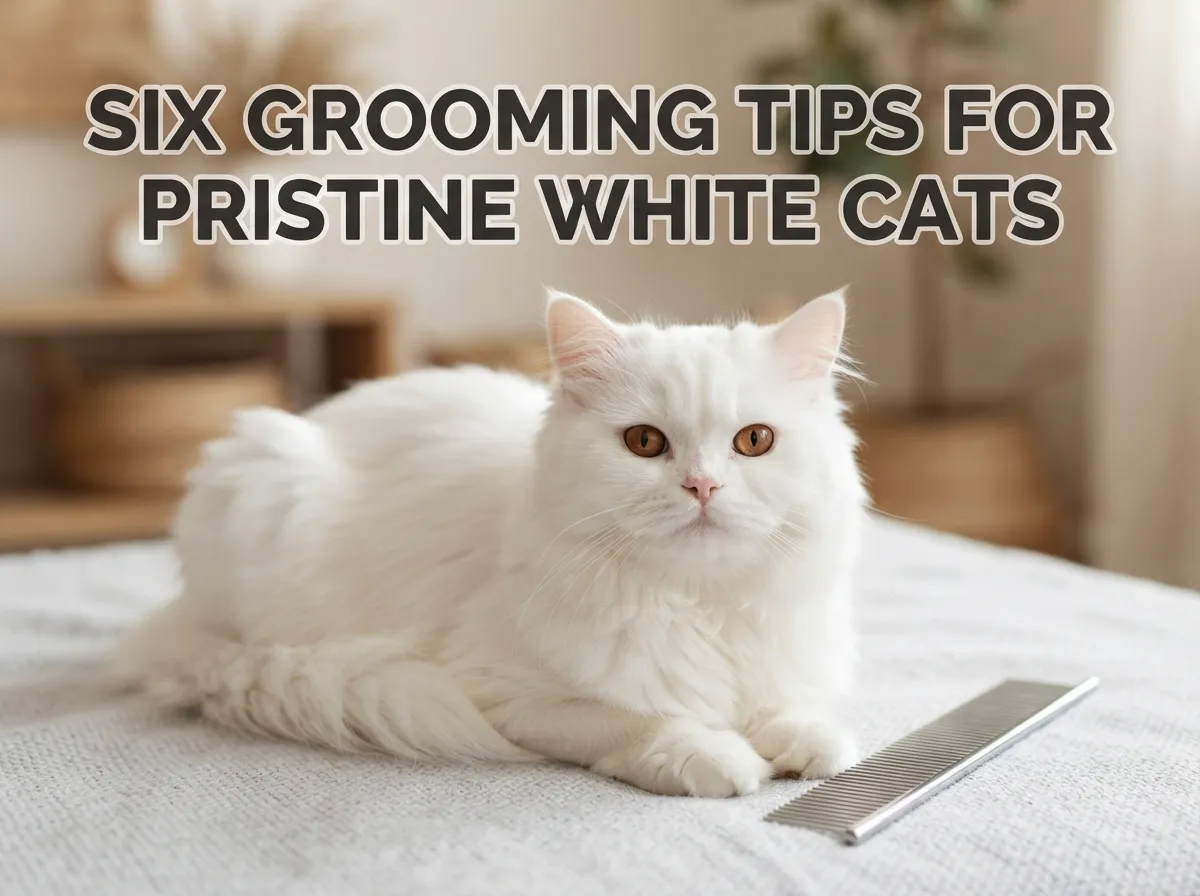
A white cat’s coat shows dirt within hours of exposure to dust, oil, or a dirty litter box, unlike darker coats that can hide the same grime for days. That single fact explains why owners of white cats often feel like they are fighting a losing battle against yellowing fur, tear stains, and dingy patches. The good news is that a losing battle becomes a winnable one with the right routine. These 6 Grooming Tips To Keep Your Pretty White Cat Looking Pristine focus on practical, veterinarian-backed habits that fit into a normal week, not an unrealistic spa schedule.
Disclosure: This post contains affiliate links. As an Amazon Associate, we earn from qualifying purchases, and at no extra cost to you.
White cats are not simply “high maintenance” by accident. Their fur lacks the pigment that helps mask everyday grime, so every smudge, tear stain, or flea dropping stands out instantly. Understanding this helps reframe grooming as prevention rather than damage control. The following sections break down exactly what to do, how often to do it, and which products and techniques actually protect that bright white coat instead of dulling it.
Key Takeaways
- Brushing two to three times weekly for short-haired cats and daily for long-haired white cats prevents most staining and matting before it starts.
- Bathing should be occasional, not frequent, using cat-specific, gentle or whitening shampoos rinsed thoroughly to avoid residue that dulls the coat.
- Tear staining often has a medical cause, so a veterinary check should come before any cosmetic stain remover, and hydrogen peroxide products should never go near the eyes.
- Trimming sanitary-area fur and doing quick daily wipe-downs between baths are two of the fastest ways to stop visible discoloration.
- A clean litter box and dust-free environment reduce how quickly a white coat turns dingy, making grooming easier overall.
1. Brush On A Consistent Schedule To Prevent Staining Before It Starts
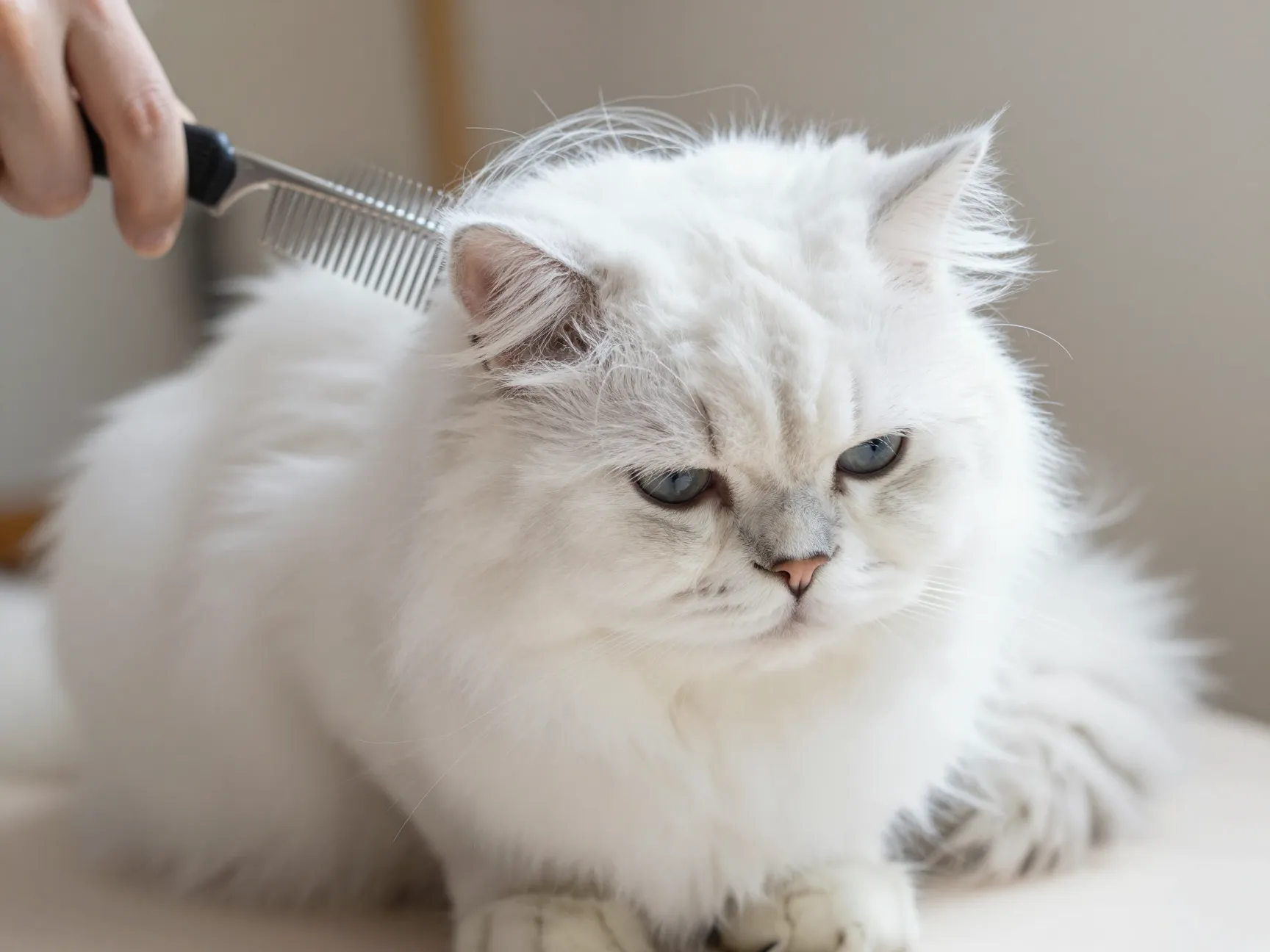
Brushing is the single most important habit in any list of 6 Grooming Tips To Keep Your Pretty White Cat Looking Pristine, because it removes loose hair, surface dirt, and dander before they can settle into the coat and cause visible dullness. Most short-haired white cats do well with brushing two to three times per week, while long-haired breeds such as white Persians or Maine Coons benefit from daily or near-daily sessions to prevent mats and tangles that trap dirt.
The technique matters as much as the frequency. Brush in the direction the hair grows, using a wide-toothed metal comb or a slicker brush designed for the coat length. Rough pin brushes can snag and break hair shafts, leading to split ends and a frizzy look that makes white fur appear less glossy. Teflon-coated or wide-toothed metal combs glide through the coat with less friction and are widely recommended for long-haired white cats because they detangle without damaging texture.
Pay special attention to areas where dirt and discoloration accumulate fastest: behind the ears, in the armpits, along the belly, and around the hind legs. These spots collect oil, dust, and sometimes litter debris, and because they are lower-contact zones during self-grooming, cats often miss them entirely. A quick daily pass with fingers to loosen dead hair, followed by combing from head to tail, catches problems early.
Keep sessions short and positive. Five to ten minutes with praise or a treat afterward teaches the cat that brushing is a pleasant routine rather than a wrestling match. Cats that associate grooming with rewards are far more likely to sit still for the full session, which means fewer missed spots and a more consistently clean coat over time.
Quick brushing checklist:
- Choose the right tool for coat length: metal comb for most cats, slicker brush for dense undercoats.
- Brush in the direction of hair growth, never against it except when loosening dead fur first.
- Focus on ears, armpits, belly, and hind legs where staining starts.
- Keep sessions under ten minutes and end with praise or a treat.
- Check the skin underneath for redness, flakes, or parasites while brushing.
2. Bathe Sparingly With Cat-Specific, Whitening-Safe Shampoo
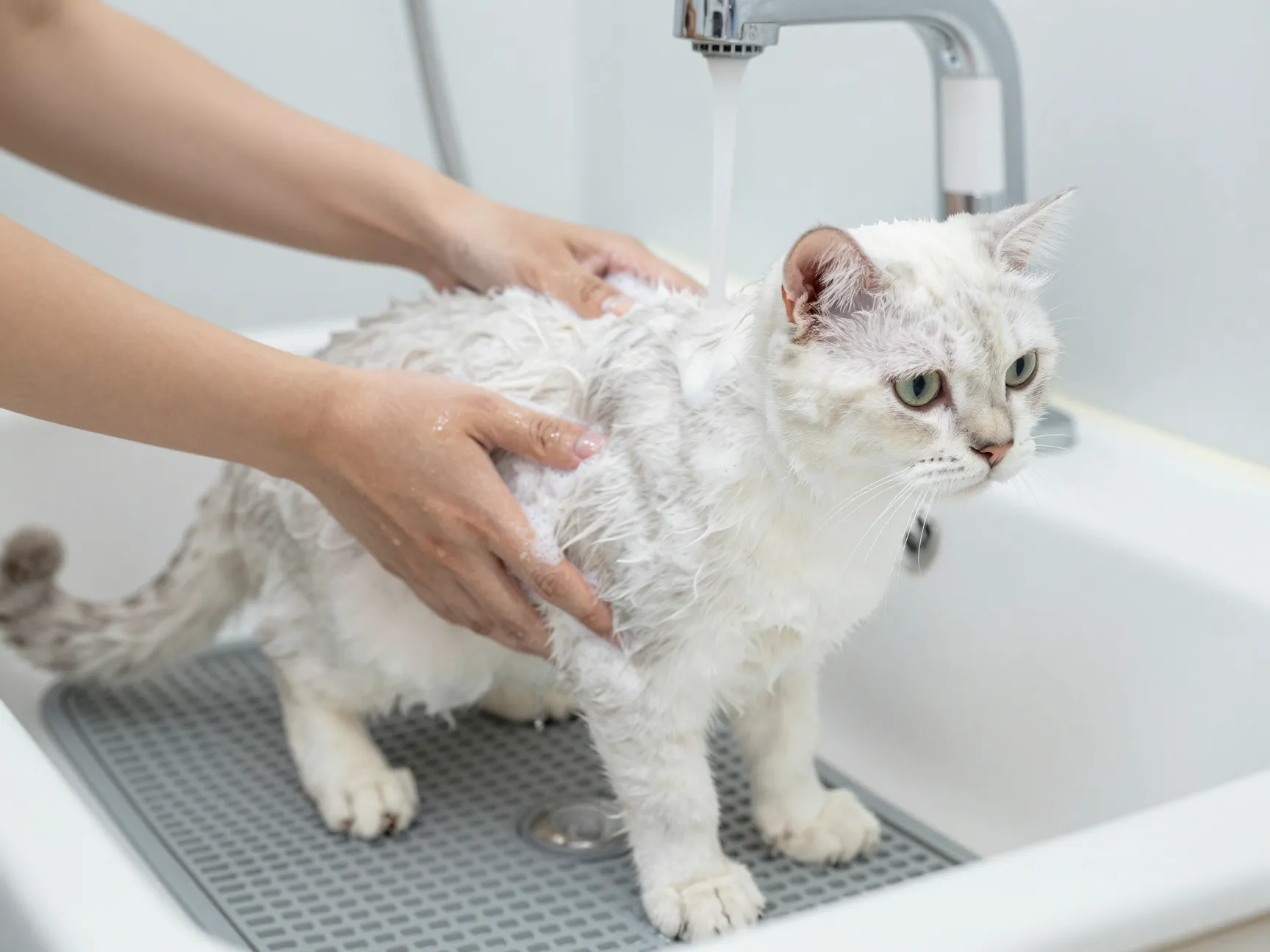
Bathing should support brushing, not replace it. Most white cats do not need weekly baths; a monthly or as-needed schedule based on how quickly the coat picks up environmental grime works better for most households. Bathing too often can strip natural oils, leaving the coat dry and more prone to static and tangling, which paradoxically makes it look duller rather than brighter.
When a bath is necessary, use a shampoo formulated specifically for cats, ideally one designed for light or white coats. These products are pH-balanced for feline skin and often contain mild brighteners that lift dinginess without harsh bleaching agents. Blue-based or whitening shampoos can be effective, but they should never sit on the fur for more than the manufacturer’s recommended time, typically just a few minutes, because prolonged contact risks tinting the coat an unwanted shade or irritating sensitive skin.
Preparation matters for both safety and coat quality. Trim nails before the bath to reduce scratching risk during handling, place a non-slip mat in the sink or tub to prevent slipping and panic, and gently place cotton balls just inside the ear openings to keep water out. Choose a moment when the cat is calm, ideally after a play session that has burned off excess energy.
Detangle the coat thoroughly before wetting it. Mats become tighter and harder to remove once soaked, and shampoo cannot distribute evenly over knotted fur. A pre-bath comb-through ensures the shampoo reaches the skin and rinses out completely, since leftover residue is one of the most common causes of a dull, slightly gray-looking coat after bathing.
Rinse longer than feels necessary. Residual shampoo, even gentle formulas, can attract dirt faster once the cat is dry, undoing the benefit of the bath within days. A second full rinse cycle with lukewarm water is a small extra step that pays off in a cleaner coat that lasts longer between baths.
3. Manage Tear Stains The Safe Way
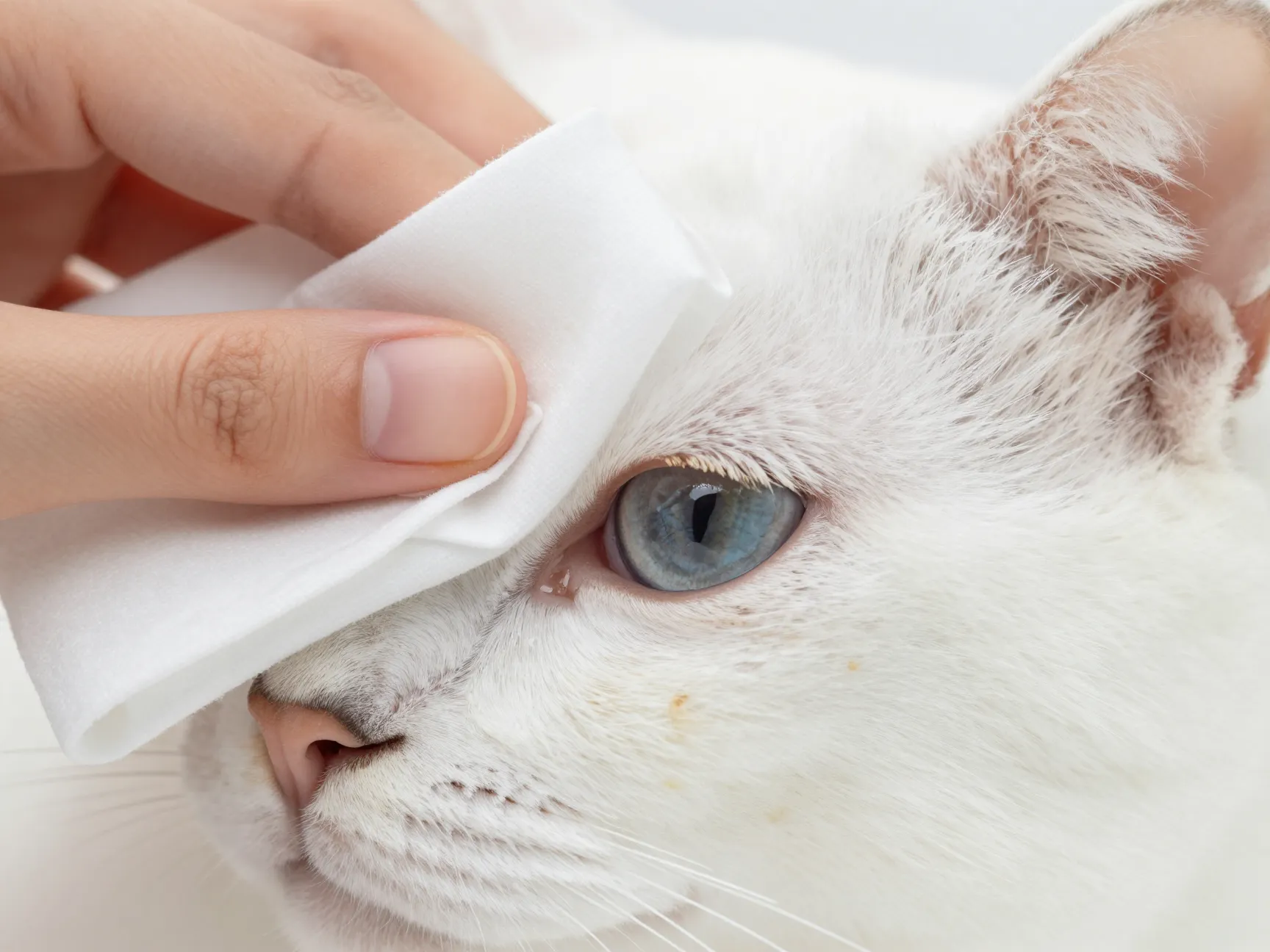
Tear staining is one of the most visible and frustrating issues for owners of white cats, and it deserves a section of its own among these 6 Grooming Tips To Keep Your Pretty White Cat Looking Pristine because the wrong approach can cause real harm. Excessive tearing, medically called epiphora, is not always cosmetic. It can signal conjunctivitis, blocked tear ducts, eyelid structural issues, or even an eyelash growing in the wrong direction. Any white cat with persistent rust-colored staining under the eyes should see a veterinarian before any cosmetic treatment is attempted, so an underlying medical cause is not missed.
Once a veterinarian rules out disease, cosmetic management becomes reasonable and often quite effective. The safest approach uses simple tools: a soft cloth or cotton pad dampened with lukewarm water, or a gentle eye-specific wipe made for pets. Wipe from the inner corner of the eye outward, using a fresh section of cloth for each pass to avoid spreading bacteria or debris back onto the fur.
Trimming the fur immediately around the eyes, when done carefully, reduces how much moisture and tear residue collects on hair strands in the first place. Owners who are not confident using small scissors near a cat’s face should leave this step to a professional groomer or veterinary technician rather than risk an accidental nick.
One point deserves strong emphasis: hydrogen peroxide-based stain removers should never be used near a cat’s eyes. These products carry a genuine risk of severe ocular damage if they make contact with the eye itself, and veterinary sources are consistent in warning against their use on the face. Any commercial tear-stain product should be discussed with a veterinarian first, since some contain ingredients that are unsafe for repeated use around delicate facial skin.
“Cosmetic tear-stain removal should always come after a veterinary check, never before. Treating the stain without treating the cause simply masks a problem that may need medical attention.”
After cleaning, dry the area gently with a fresh, soft cloth. Leaving the fur damp encourages bacterial growth, which can actually worsen staining and create an unpleasant odor over time.
4. Trim Sanitary Areas To Stop Fecal And Urine Staining
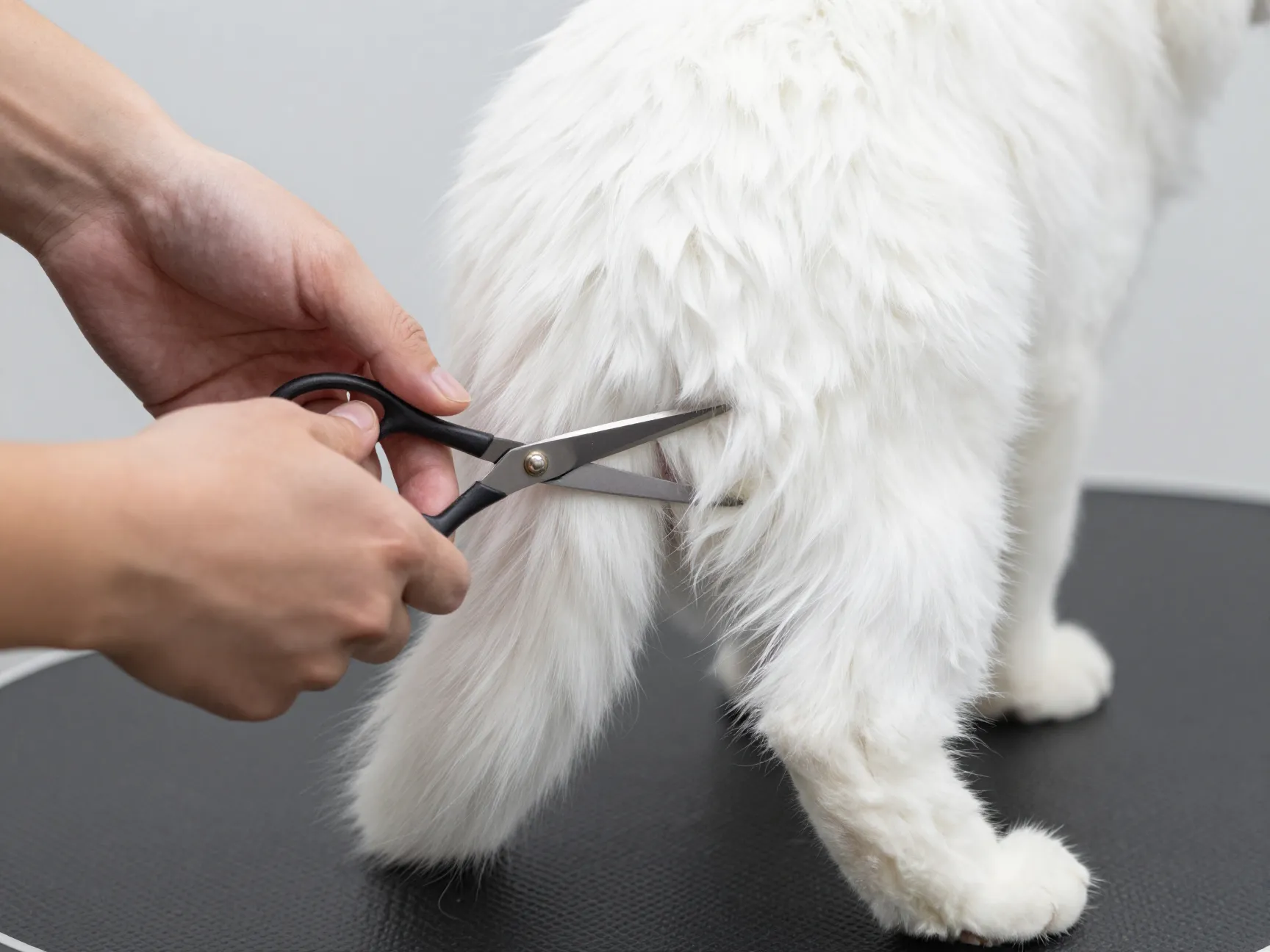
Fluffy white coats show fecal and urine staining almost immediately, which makes trimming the fur around the sanitary area and under the tail one of the most practical tips on this list. Long fur in this region traps waste against the skin, leading to visible discoloration, matting, and in some cases skin irritation or infection if left unaddressed.
A simple trim every few weeks, keeping the hair short and clean in this zone, dramatically reduces how often stains appear. This is especially important for long-haired breeds and for senior cats or those with mobility issues who may not groom themselves as thoroughly as they once did.
Owners who feel confident with small, blunt-tipped scissors can do this at home in short, careful sessions, always trimming with the grain of the fur and never pulling the skin taut in a way that risks a nick. However, this is an area where caution outweighs ambition. Professional groomers and veterinary staff are trained to handle sanitary trims safely and quickly, and scheduling this as part of a regular grooming visit removes the risk of injury for owners who are uncomfortable with the task.
Signs it is time for a sanitary trim:
- Visible mats or clumps near the base of the tail.
- Yellow or brown discoloration on fur around the hindquarters.
- A noticeable odor even after regular litter box cleaning.
- Fur sticking together after using the litter box.
Pairing this trim with the daily wipe-down described in the next section closes most of the gap that leads to embarrassing, hard-to-remove stains on an otherwise pristine white coat.
5. Use Daily Wipe-Downs And A Clean Environment Between Full Grooming Sessions
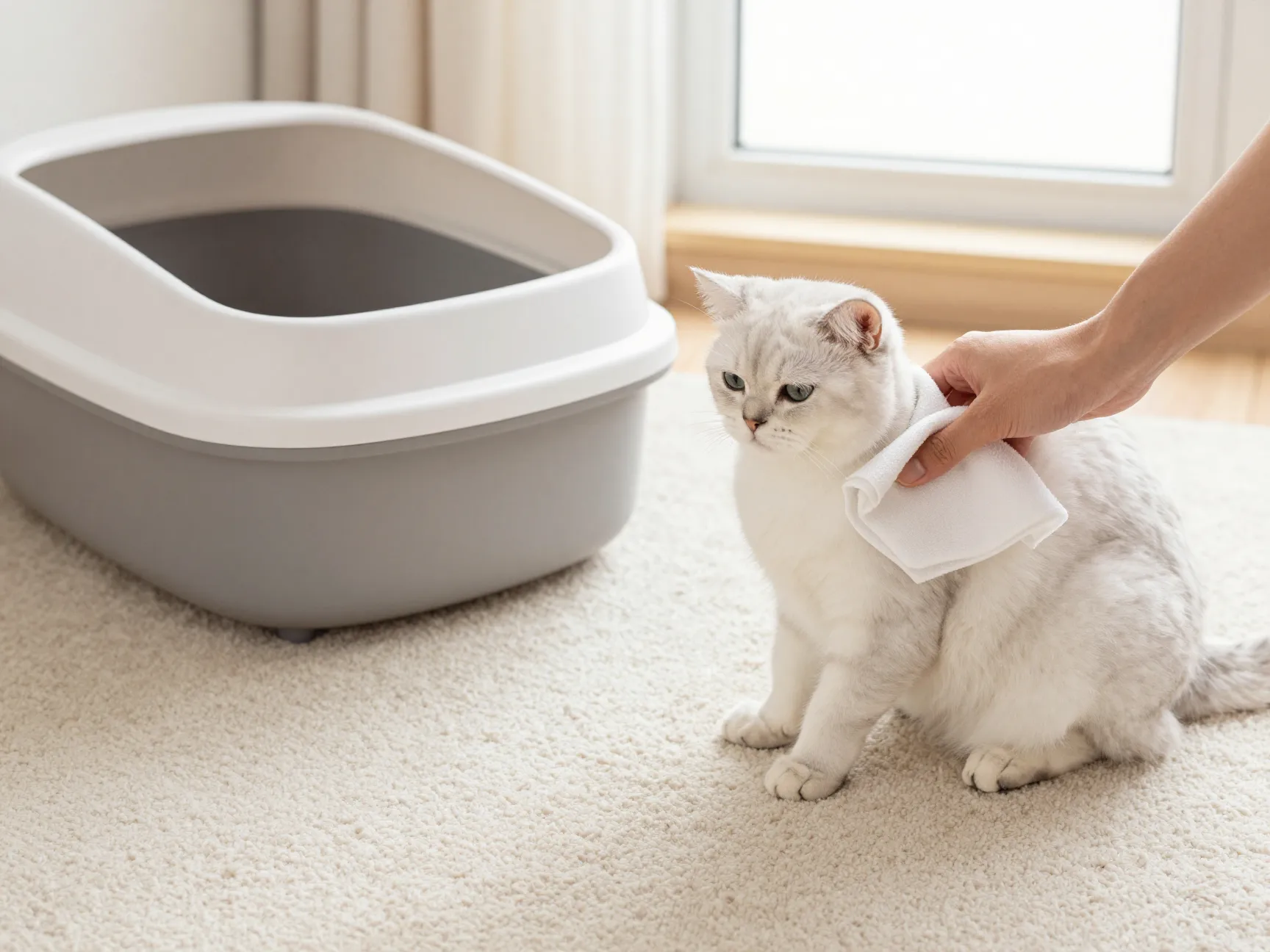
Full baths and thorough brushing sessions cannot happen every single day, but a quick wipe-down can, and it is one of the most underrated tips for maintaining a bright white coat. A damp microfiber cloth or a pet-safe grooming wipe passed gently over the paws, face, and belly lifts surface dirt before it has a chance to set into the fur. This takes less than two minutes but prevents the slow buildup that eventually requires a full bath to correct.
Environmental cleanliness plays an equally large role. A dirty litter box is one of the fastest ways a white cat’s paws and belly fur become stained, since cats walk through soiled litter and then track or lick it onto other parts of the body. Scooping at least once daily and doing a full litter change on a regular schedule reduces this source of discoloration significantly.
Dust control around the home also matters more than most owners realize. Cats that spend time on windowsills, under furniture, or near heating vents pick up airborne dust that settles into light-colored fur and creates a grayish cast over time. Regular vacuuming and dusting of the cat’s favorite resting spots, along with washing bedding weekly, keeps the environment from undoing grooming efforts.
Consider this comparison of common environmental stain sources and simple fixes:
| Stain Source | Why It Happens | Simple Fix |
|---|---|---|
| Litter box residue | Cat walks through soiled litter | Scoop daily, wash paws with a damp cloth |
| Dusty resting spots | Airborne dust settles into fur | Vacuum weekly, wash cat bedding often |
| Oily food bowls | Residue transfers to face and paws | Wash bowls daily, wipe face after meals |
| Outdoor access | Dirt and pollen cling to fur | Wipe down after outdoor time |
Consistency is the key theme running through all 6 Grooming Tips To Keep Your Pretty White Cat Looking Pristine, and nowhere is that more true than with wipe-downs. A cat wiped down daily rarely needs an emergency bath, which means less stress for the cat and less time spent on deep cleaning for the owner.
6. Check The Skin And Coat Regularly For Early Signs Of Trouble
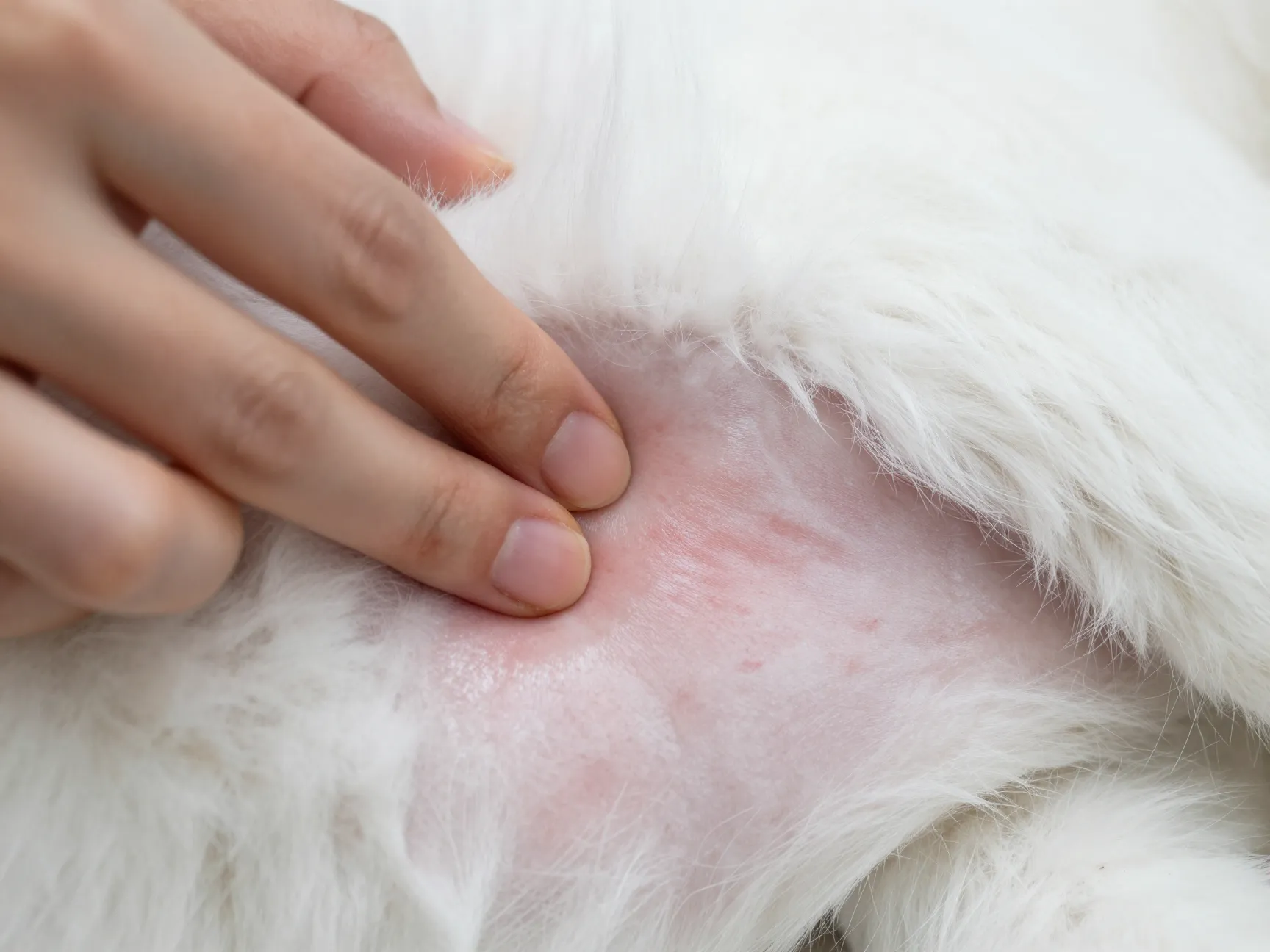
Grooming is not only about appearance; it is also a health check performed with a comb in hand. While brushing, part the fur regularly and look at the skin underneath for redness, flaking, scabs, or tiny moving specks that could indicate fleas or other parasites. White fur makes many of these issues easier to spot early, which is a genuine advantage for owners willing to look closely during each session.
Massaging against the direction of hair growth with fingertips first loosens dead hair and reveals the skin more clearly, and it also feels pleasant for most cats, which builds cooperation for the rest of the grooming session. Take particular care in thin-skinned areas such as the armpits, inner thighs, and belly, where irritation shows up faster and skin is more easily nicked by grooming tools if handled carelessly.
Any redness, persistent scratching, hair loss in patches, or unusual odor should prompt a call to the veterinarian rather than a wait-and-see approach. Skin issues that go unaddressed often lead to excessive licking or scratching, which in turn causes localized staining and matting that undoes weeks of careful grooming in a matter of days.
Building this check into the regular brushing routine means it takes almost no extra time. It simply requires attention while already performing a necessary task, making it one of the most efficient of the 6 Grooming Tips To Keep Your Pretty White Cat Looking Pristine covered in this guide.
Bringing The Six Tips Together
Each of these tips works best in combination rather than isolation. A cat that is brushed consistently but never has its sanitary area trimmed will still develop stains. A cat that is bathed regularly but lives in a dusty home with an unclean litter box will still look dingy within days. The real secret to a pristine white coat is a layered routine: frequent brushing, occasional careful bathing, safe tear-stain management, sanitary trims, daily wipe-downs, and regular skin checks, all reinforced by a clean living environment.
Suggested weekly grooming rhythm:
- Monday and Thursday: full brushing session, five to ten minutes.
- Daily: quick wipe-down of paws, face, and belly.
- Daily: litter box scoop and check for cleanliness.
- Weekly: brief skin check during brushing for redness or parasites.
- As needed: eye area cleaning with a damp cloth, following veterinary guidance if staining is heavy.
- Monthly or as needed: full bath with cat-specific, whitening-safe shampoo.
- Every few weeks: sanitary area trim, at home or with a professional groomer.
Owners who are new to white cat care should not expect perfection overnight. Coats respond to consistent routines over several weeks, not single grooming sessions. Tracking small wins, such as fewer visible paw stains or less frequent matting, helps confirm the routine is working before expecting a dramatic before-and-after transformation.
Conclusion
A white cat’s stunning coat is not a fragile accident that requires constant panic and expensive products. It responds predictably to consistent, gentle care. The 6 Grooming Tips To Keep Your Pretty White Cat Looking Pristine outlined here, regular brushing, careful and infrequent bathing, safe tear-stain management, sanitary trims, daily wipe-downs, and routine skin checks, form a realistic system that fits into normal life rather than demanding a professional-level time commitment.
The next step is simple: pick one tip that is currently missing from the current routine, whether that is a daily wipe-down or a long-overdue veterinary check for tear staining, and add it this week. Small, consistent changes compound quickly in coat care. Within a month, most owners notice a visibly brighter, cleaner coat and a cat that is more comfortable being handled, which makes every future grooming session easier than the last.