Cozy Animals Illustration Ideas For A Peaceful Sketchbook
A single sleepy cat doodle can rack up thousands of saves on art platforms within a week. That is not a fluke. Across stock illustration marketplaces and portfolio communities, searches for warm, soft, “cozy animal” artwork have climbed steadily since 2024, and the trend shows no sign of slowing into 2026. Illustrators are discovering that a blanket-wrapped bunny or a sweater-clad bear does more than look cute on a page. It slows the hand down, quiets the mind, and turns a sketchbook into a small retreat.
Disclosure: This post contains affiliate links. As an Amazon Associate, we earn from qualifying purchases, and at no extra cost to you.
This guide breaks down 6 Cozy Animals Illustration Ideas For A Peaceful Sketchbook that any artist, from weekend doodler to working illustrator, can use to build a calming, consistent body of work. Each idea includes practical drawing notes, mood-setting tips, and reasons the concept keeps resonating with audiences online. Whether the goal is a personal sketchbook habit or a portfolio piece aimed at today’s cozy-aesthetic market, these six concepts offer a reliable, low-stress starting point.
Key Takeaways
- Cozy animal illustrations remain one of the fastest-growing niches on stock and portfolio platforms heading into 2026, driven by demand for calming, low-stimulation art.
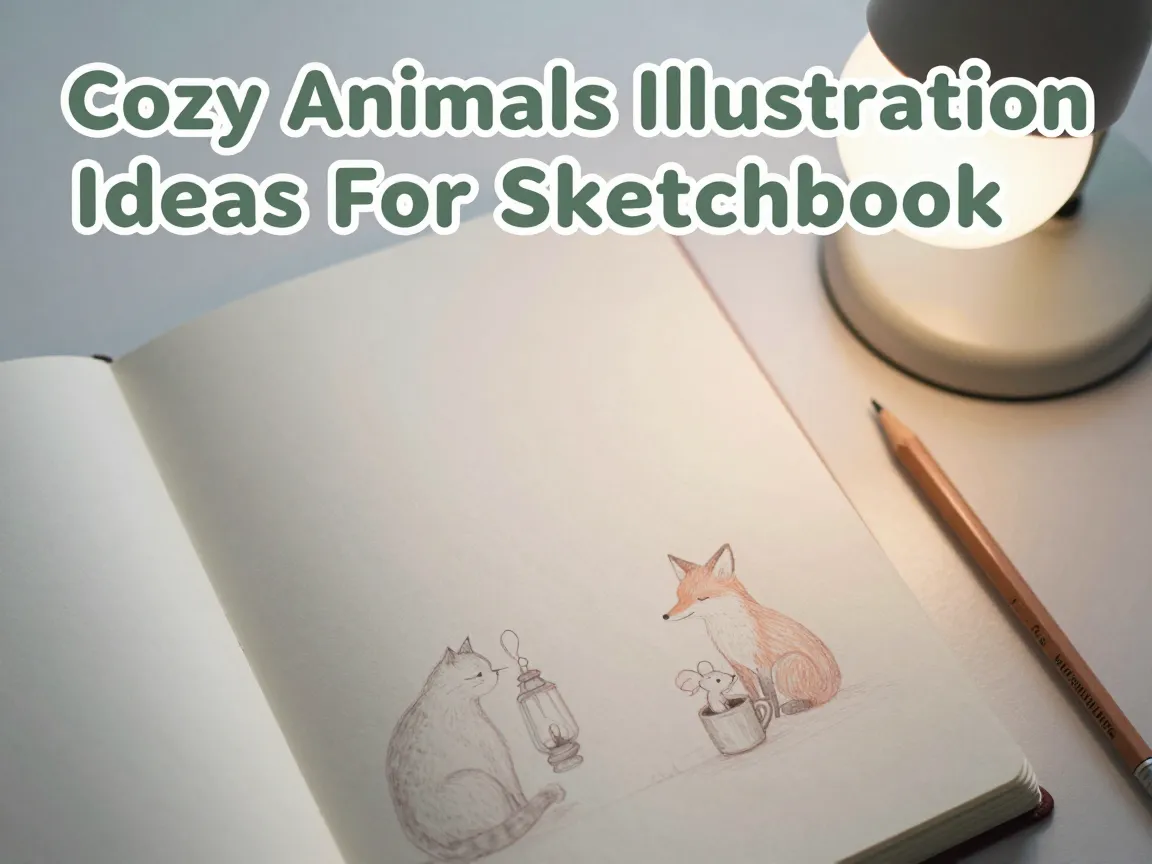
- The strongest cozy animal sketches rely on narrative mini-scenes, a sleeping cat in a cushion, a fox beside a lantern, rather than busy, detailed compositions.
- Texture choices like soft pencil shading, warm color palettes, and knitted or fabric details do most of the emotional work in these drawings.
- All six ideas in this list can be sketched in under 30 minutes, making them ideal for a regular, pressure-free sketchbook practice.
- Consistency across a sketchbook series, same color palette, same line weight, builds a recognizable cozy style that translates well into a shareable portfolio.
Why Cozy Animal Illustrations Are Trending in 2026
The appeal of gentle, slow-paced art is not new, but it has intensified. Lists of cozy animal drawing ideas get refreshed year after year on illustration blogs and creative platforms, a sign that this is an evolving category rather than a one-time fad. Stock image libraries report strong and rising search volume for terms tied to “cozy animals,” “cute pets,” and “warm illustration,” which tells artists something important: audiences are actively seeking this mood, not just stumbling onto it.
Community and portfolio sites reinforce the same pattern. Cute, character-driven animal art consistently outperforms more realistic or complex styles in engagement, especially when the subject is shown resting, wrapped in fabric, or paired with a warm drink. There is a simple psychological reason for this. Soft textures, round shapes, and muted lighting all signal safety and rest to the viewer’s brain. A sketchbook filled with 6 Cozy Animals Illustration Ideas For A Peaceful Sketchbook taps directly into that comfort response, which is part of why the aesthetic keeps spreading across journals, greeting cards, and digital stickers alike.
Another factor driving the trend is simplicity of execution. Unlike hyper-detailed fantasy or anatomy-heavy illustration, cozy animal scenes reward loose, expressive linework. That makes the style accessible to beginners while still giving experienced illustrators room to refine mood through color and composition. The result is a niche that welcomes a wide range of skill levels without sacrificing visual polish.
6 Cozy Animals Illustration Ideas For A Peaceful Sketchbook
Each of the following ideas works as a standalone sketchbook page or as part of a themed series. They are ordered loosely from simplest to slightly more involved, so artists can warm up with the first few before tackling the rest.
1. Sleepy Cat Bundled in a Blanket or Cushion
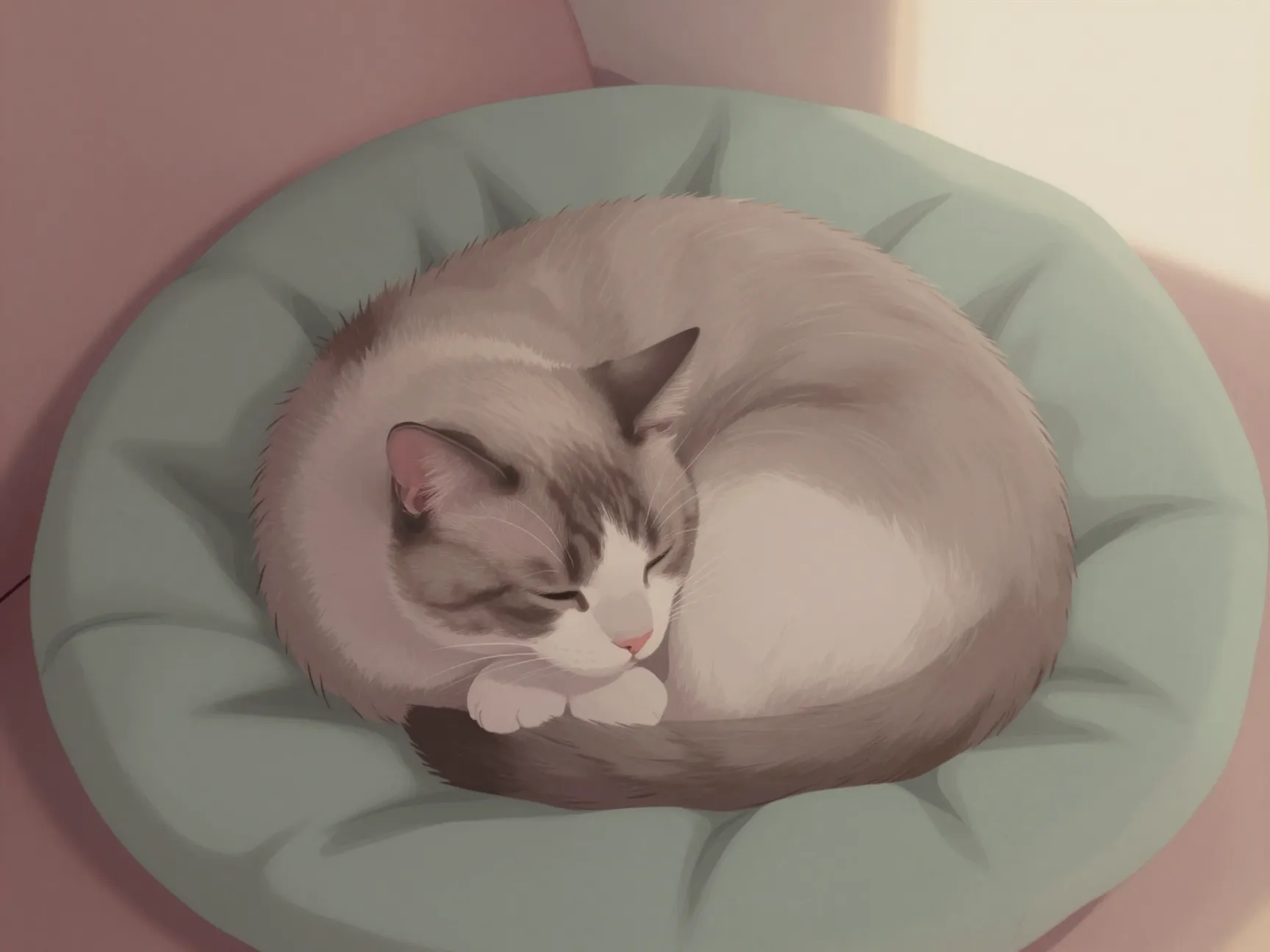
A cat curled into a tight loop on a cushion is one of the most forgiving subjects for cozy illustration. Cats naturally fold into round, compact shapes when resting, which means the drawing can rely almost entirely on soft curves rather than complex anatomy.
Start with a simple oval for the body, then nestle it into a blanket shape drawn with loose, wavy lines to suggest fabric folds. Add a small peeking face, half-closed eyes, and one paw tucked under the chin for extra warmth. Shade the blanket in muted tones like dusty rose, sage green, or warm gray, and let a single light source (a nearby window or lamp) create soft gradients rather than hard shadows.
This idea works especially well as a first page in a cozy sketchbook series because it teaches the core skill used across the rest of the list: letting fabric and fur texture carry the emotional weight of the piece.
2. Bunny Tucked Under a Comforter or Wrapped in a Scarf
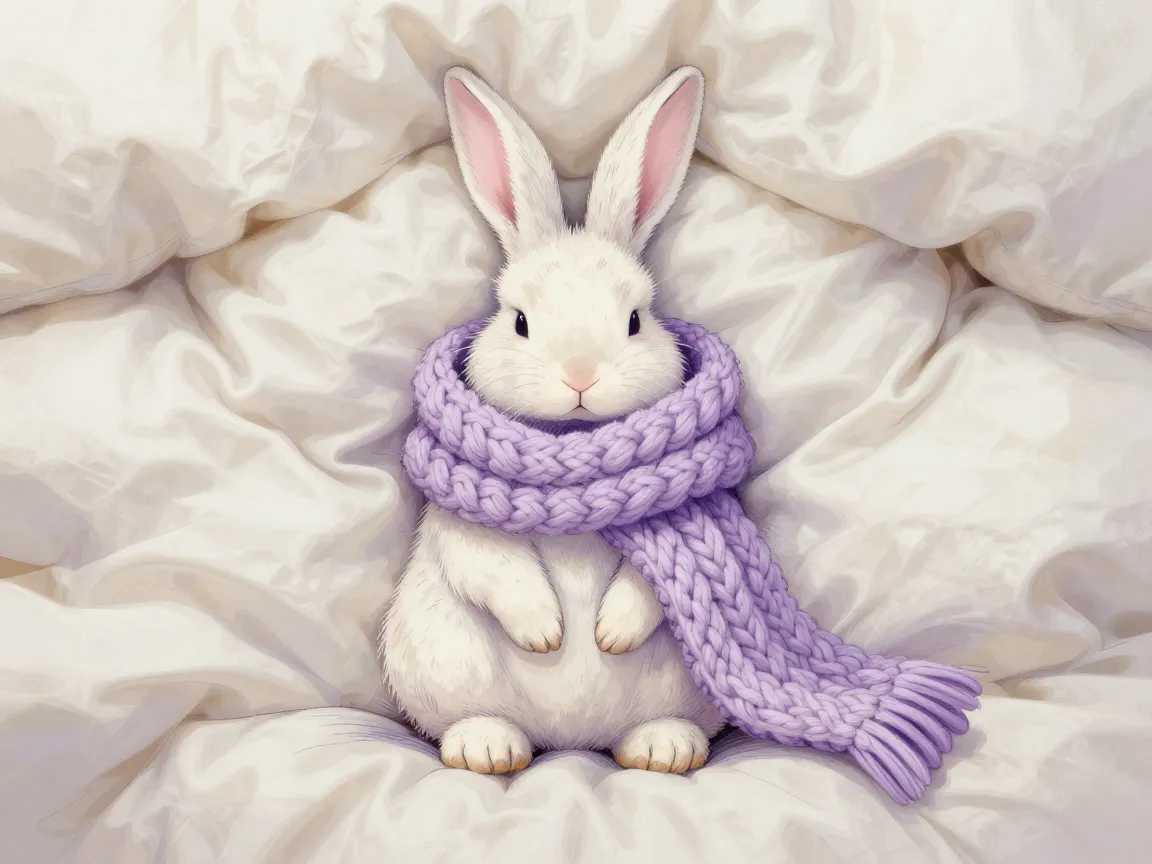
Bunnies bring a slightly different energy than cats, more delicate, more alert, but just as suited to cozy themes. Two strong variations work well here. The first shows a bunny almost fully hidden under a thick comforter, with only its ears and the tip of its nose visible. The second shows the bunny sitting upright, wrapped snugly in an oversized knitted scarf that trails off to one side.
For the comforter version, focus on the lump-and-fold shape of the blanket first, then add the bunny’s features last so they feel tucked in rather than pasted on top. For the scarf version, use overlapping curved strokes to suggest the chunky texture of hand-knit wool, and keep the bunny’s expression soft, slightly sleepy eyes work better than wide, alert ones.
Color palettes of cream, lavender, and soft pink tend to perform well for this idea, both in personal sketchbooks and in illustrations intended for greeting cards or stationery design.
3. Fox Curled Around a Lantern or Its Own Fluffy Tail
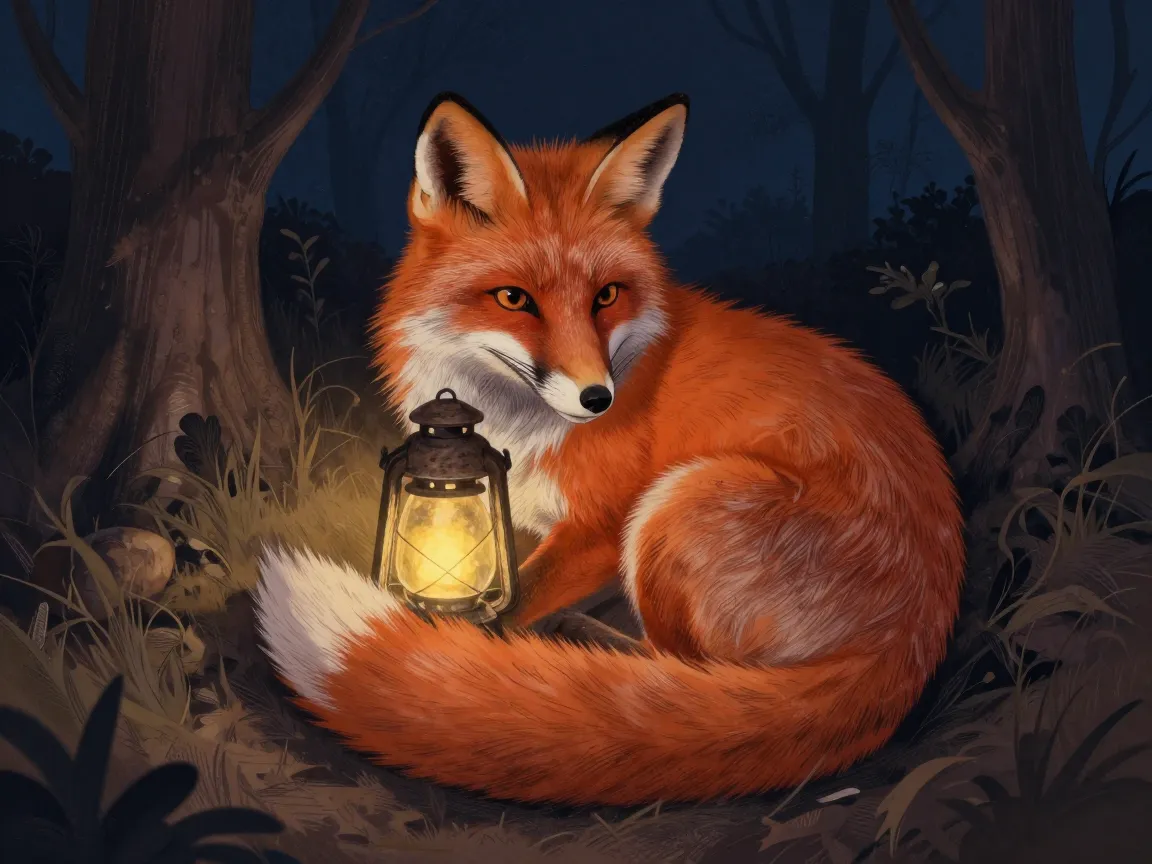
The fox brings a storybook quality that the first two ideas do not. A fox curled protectively around a small glowing lantern, or simply wrapped around its own bushy tail, instantly reads as a quiet woodland scene rather than a domestic one.
To draw this, block in the fox’s body as a C-shape or spiral, then decide on the focal point. If using a lantern, place it near the chest or paws and add a warm yellow glow radiating outward with soft, feathered pencil strokes. If using the tail-as-blanket approach, exaggerate the tail’s fluffiness slightly beyond realistic proportions; a slightly oversized tail reads as more comforting to the eye.
Orange, rust, and deep brown tones dominate most successful fox illustrations in this style, often set against a cooler background (deep blue or charcoal night sky) to make the fox’s warmth pop visually.
4. Bear in Oversized Sweater or Sleeping Bear Illustration
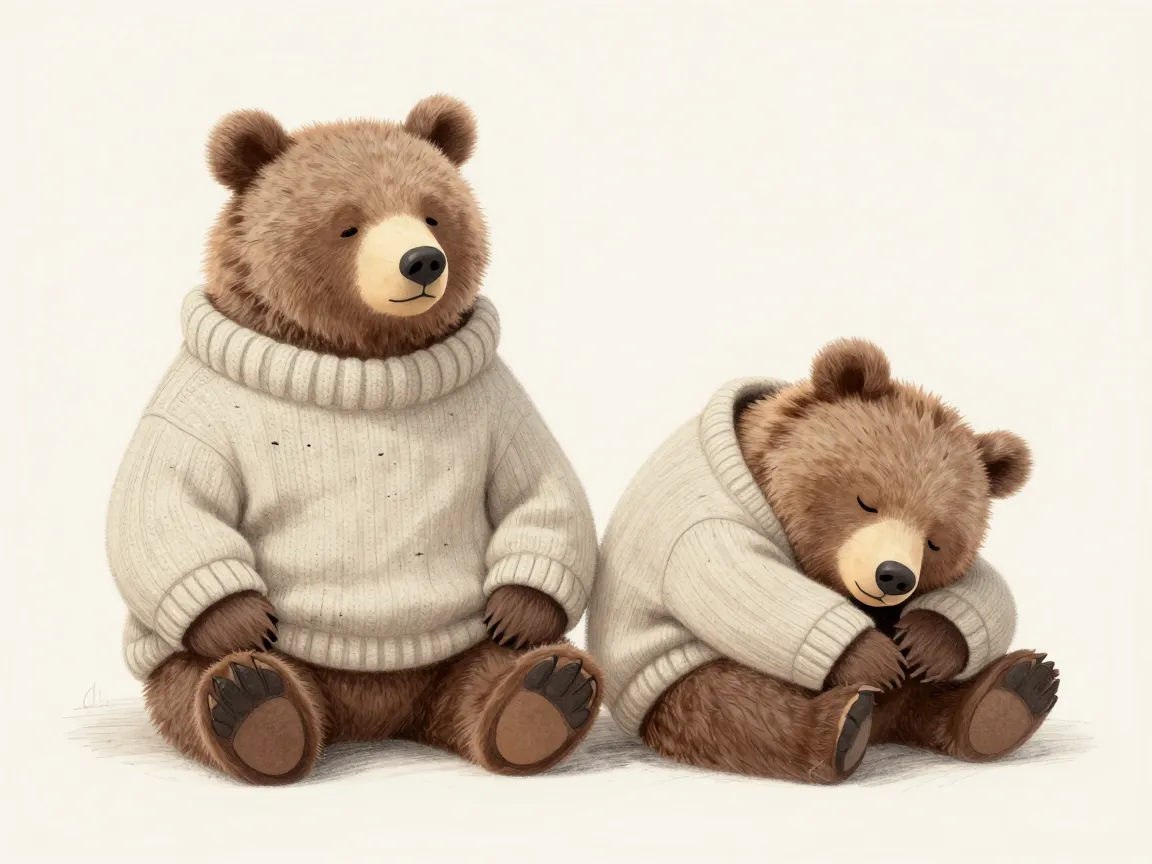
Bears offer two reliable paths for a cozy sketchbook page. The first is a bear wearing a deliberately oversized, slightly baggy sweater, sleeves pushed up or hanging past the paws, which creates an instantly endearing, clumsy charm. The second is a simpler sleeping bear illustration, shown curled on its side or sitting slumped with eyes closed.
When drawing the sweater version, loosen the line work around the arms and torso so the fabric looks soft and oversized rather than fitted. Knit texture can be suggested with short horizontal dash marks rather than fully rendered stitches, which keeps the drawing from feeling overworked. For the sleeping bear version, focus on rounded, heavy-looking limbs and a relaxed, slightly open mouth to sell the sense of deep rest.
A cozy illustration does not need more detail. It needs the right amount of softness in the right places.
This idea pairs especially well with autumn or winter color schemes, since bears are strongly associated culturally with hibernation and seasonal rest.
5. Tiny Pets in Mugs, Teacups, or on Knitted Rugs
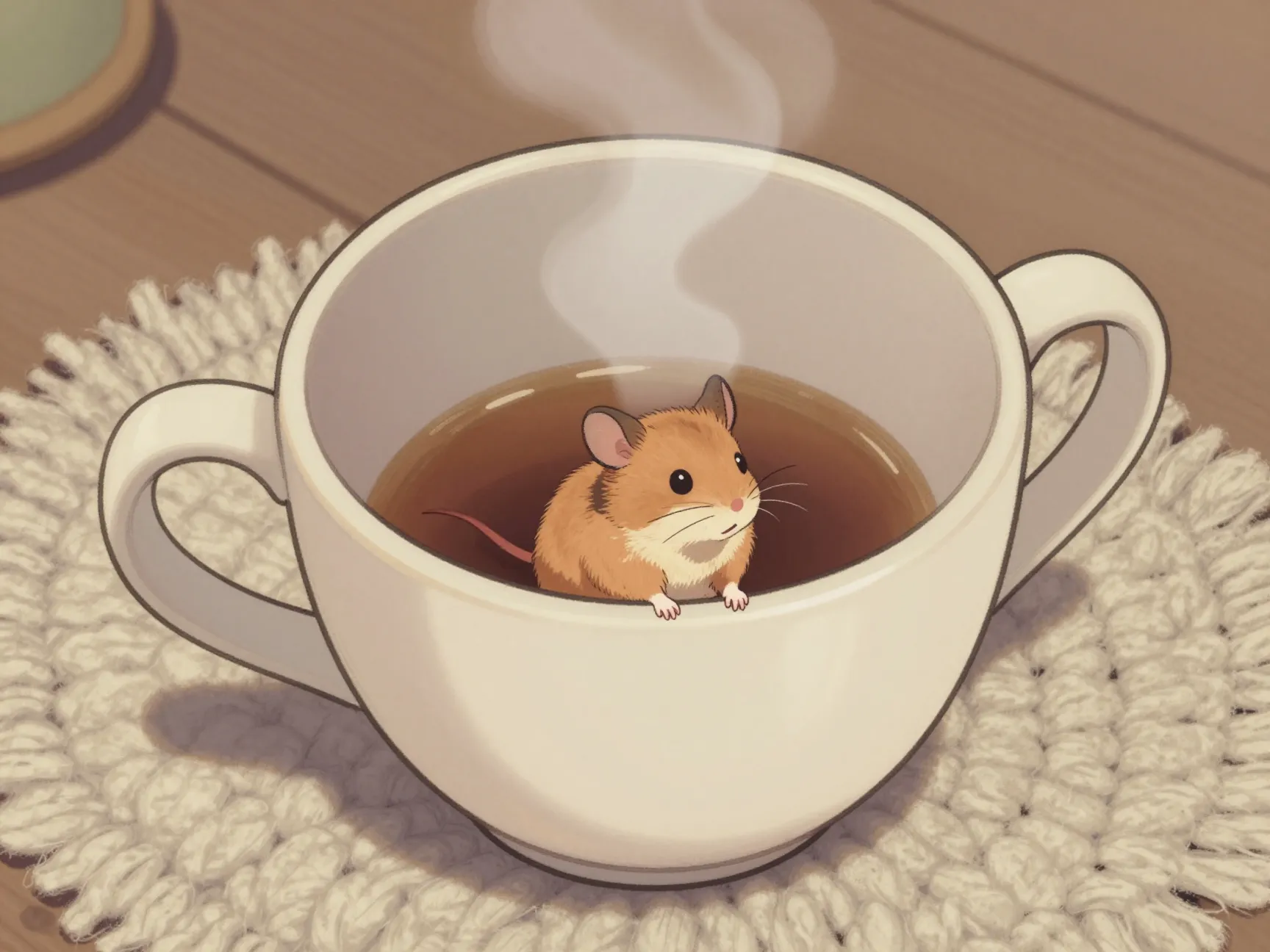
Scale play is one of the most effective tricks in cozy animal illustration, and this idea leans into it directly. A small pet, a mouse, hamster, chick, or kitten, sitting inside an oversized mug or teacup instantly creates a warm, whimsical contrast. Alternatively, placing the same small animal on a thick knitted rug adds texture without needing a container at all.
The key technical challenge here is proportion. The mug or teacup should feel believably large compared to the animal, which usually means drawing the container first and then fitting the animal’s pose to its interior curve. Steam lines rising from a nearby drink, drawn as a few soft, wavy strokes, add atmosphere and suggest warmth even in a black-and-white sketch.
Because this idea compresses so easily into a small sketchbook frame, it works well for quick five-minute warm-up drawings, making it one of the most practical entries among these 6 Cozy Animals Illustration Ideas For A Peaceful Sketchbook.
6. Woodland Critters in Sweaters, Reading, or Drinking Hot Drinks
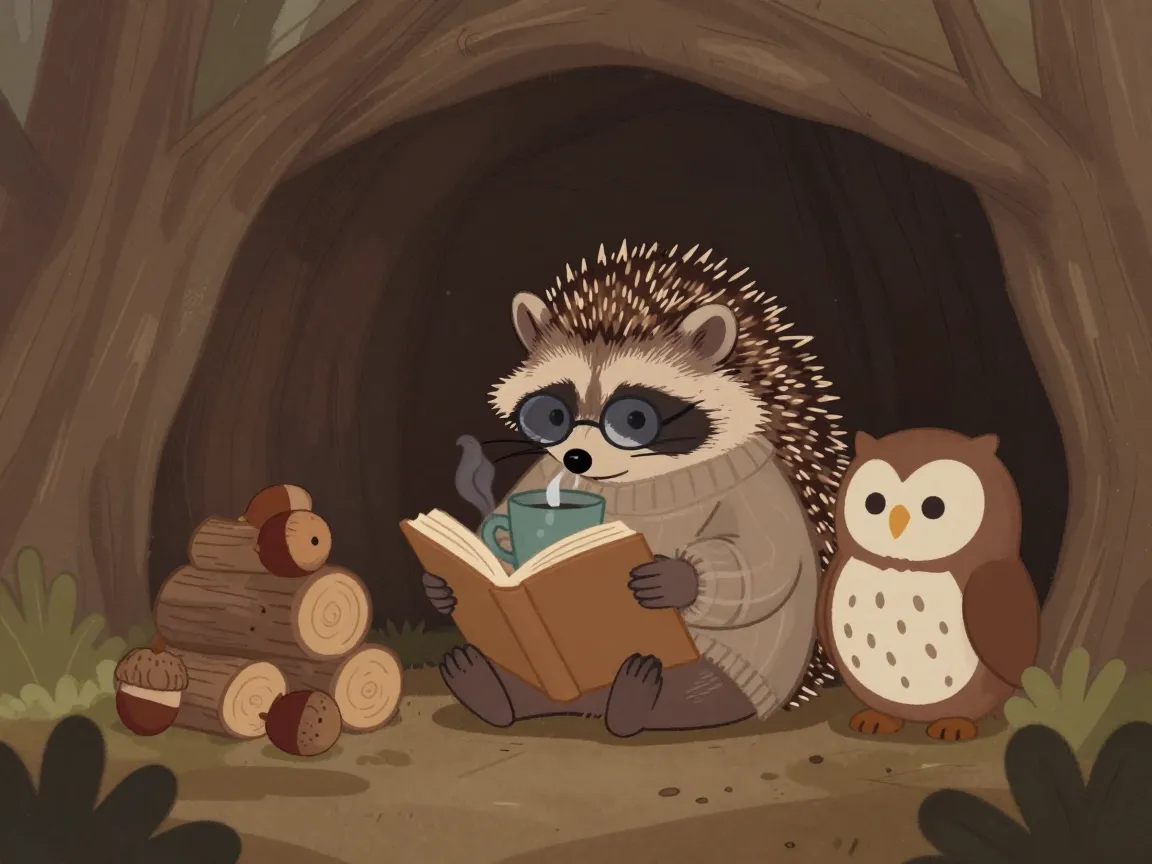
The final idea combines several cozy motifs into one flexible concept. Any woodland animal, hedgehog, raccoon, squirrel, owl, can be dressed in a small sweater and posed with a simple activity: reading a tiny book, holding a steaming mug, or sitting beside a stack of acorns like miniature firewood.
This idea rewards a bit of storytelling. Rather than a static pose, think of it as a one-panel scene. A hedgehog with reading glasses and an open book suggests a quiet evening. A raccoon holding a mug with both paws suggests a pause from the day. These small narrative choices are what separate a flat cute drawing from one that genuinely feels peaceful.
Because this idea covers multiple species and poses, it also works well as a closing page for a themed sketchbook, tying together the textures, palettes, and moods established across the previous five ideas.
Stylistic Tips for Peaceful Sketchbook Pages
Executing these 6 Cozy Animals Illustration Ideas For A Peaceful Sketchbook well depends less on technical drawing skill and more on a handful of consistent style choices. The following table summarizes the habits that separate a calm, cohesive sketchbook from a cluttered one.
| Style Element | What Works Well | What to Avoid |
|---|---|---|
| Line weight | Soft, slightly varied lines | Hard, uniform outlines |
| Color palette | Three to five muted, warm tones per page | Bright, high-saturation colors |
| Composition | One animal, one small prop or scene detail | Busy backgrounds or multiple focal points |
| Texture | Loose fabric folds, soft fur strokes | Over-rendered, photorealistic detail |
| Lighting | Single soft light source, gentle gradients | Harsh contrast or multiple light sources |
| Pose | Curled, resting, or seated positions | Mid-action or dynamic poses |
Beyond the table, a few broader habits consistently improve cozy animal sketches. First, favor narrative mini-scenes over complex compositions. A single animal paired with one meaningful detail, a lantern, a mug, a blanket, communicates more warmth than a fully rendered background ever could. This is one of the clearest patterns across current cozy animal drawing trends heading into 2026: restraint reads as peaceful, while detail often reads as busy.
Second, commit to a limited color palette before starting a page. Choosing three to five colors in advance, rather than reaching for new ones mid-sketch, keeps the mood consistent and prevents a page from feeling chaotic. Warm neutrals (cream, tan, rust) paired with one muted accent (sage, dusty blue, soft lavender) tend to produce the calmest results.
Third, slow down the line work deliberately. Cozy illustration is one of the rare styles where a slightly imperfect, hand-drawn wobble in the line actually improves the piece. Overly precise, ruler-straight lines can make a resting animal look stiff rather than relaxed.
Finally, treat the sketchbook itself as part of the practice. Artists who return to the same handful of cozy animal concepts repeatedly, rotating through variations of the six ideas above, tend to develop a recognizable personal style faster than those who jump between unrelated subjects. This repetition is also what tends to translate most successfully into portfolio work, since buyers on stock and licensing platforms consistently favor artists with a clear, identifiable cozy aesthetic over one-off pieces.
Frequently Asked Questions
What materials work best for cozy animal illustrations?
Soft pencils, light watercolor washes, or digital brushes with slight texture (grain, chalk, or soft round brushes) all suit this style well. The material matters less than keeping edges soft and avoiding harsh, high-contrast tools like fine-line pens for the base sketch.
How long should each sketchbook page take?
Most of these ideas can be completed in fifteen to thirty minutes once the basic shapes are familiar. The goal is a relaxed, low-pressure session, not a finished portfolio piece, so setting a loose time limit helps keep the practice enjoyable.
Can these ideas work for a digital portfolio, not just a personal sketchbook?
Yes. Many illustrators adapt these same six concepts for licensing on stock platforms or for print products like greeting cards and stickers, since demand for cozy animal themes remains strong across those markets.
Do these ideas require advanced drawing skills?
No. Each idea relies on simple, rounded shapes and soft shading rather than complex anatomy, which makes them accessible to beginners while still offering room for more experienced artists to refine detail and texture.
How can an artist keep a cozy sketchbook series feeling consistent?
Repeating a limited color palette, similar line weight, and similar pose energy (curled, resting, seated) across pages is the most reliable way to build a cohesive, recognizable series.
Conclusion
Cozy animal illustration succeeds because it asks for less, less detail, less contrast, less complexity, while delivering more emotional warmth per page than almost any other sketchbook theme. The six concepts covered here, a sleepy cat in a blanket, a bunny under a comforter, a fox by lantern light, a bear in an oversized sweater, tiny pets in mugs, and woodland critters in sweaters, give artists a complete, flexible starting toolkit rather than a single rigid formula.
The next step is simple: pick one idea from this list, limit the color palette to three or four warm tones, and sketch it in under thirty minutes without aiming for perfection. Repeat with a different idea the next session. Over a handful of pages, these 6 Cozy Animals Illustration Ideas For A Peaceful Sketchbook can grow from isolated doodles into a cohesive, calming body of work, one that reflects both a personal creative practice and the broader, ongoing demand for gentle, comforting illustration in 2026 and beyond.