Chocolate British Shorthair Cats That Are As Sweet As They Look
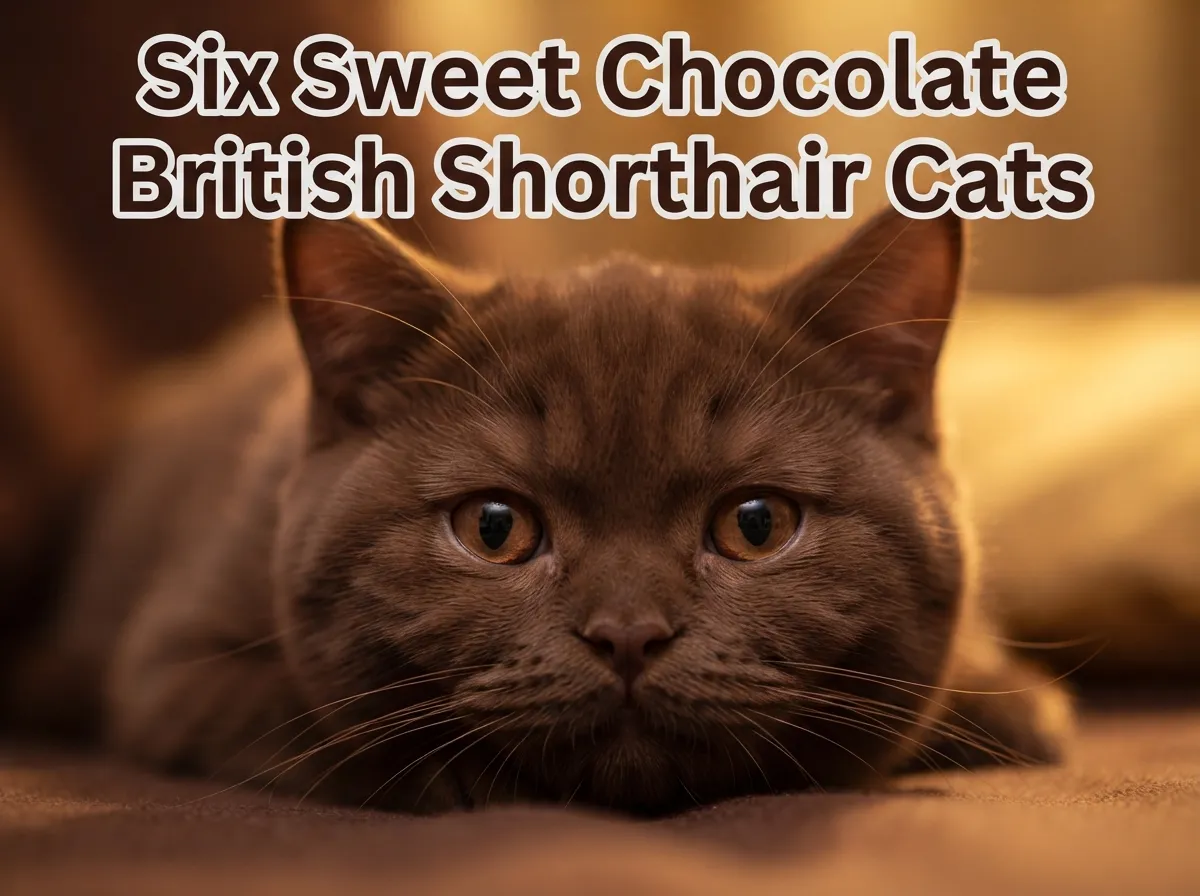
Only two copies of a single recessive gene stand between an ordinary blue or black British Shorthair and one of the rarest coat colors in the breed. That genetic bottleneck is exactly why chocolate British Shorthairs remain a prized find among breeders and cat lovers alike, and why so few households ever get to meet one in person. This article explores 6 Chocolate British Shorthair Cats That Are As Sweet As They Look, breaking down the coat patterns, genetics, and personalities that make this color family so distinctive.
Disclosure: This post contains affiliate links. As an Amazon Associate, we earn from qualifying purchases, and at no extra cost to you.
British Shorthairs are already known for their round faces, dense plush coats, and calm temperament. Add a warm cocoa-brown coloring into the mix, and the result is a cat that looks almost too soft to be real. Yet chocolate is not just one look. Registries recognize several coat patterns within the chocolate family, from solid cocoa coats to tabby markings and tortoiseshell mixes. Each variation carries its own charm, and each one is backed by decades of breed standard documentation from major cat registries.
Key Takeaways
- Chocolate is a recessive color produced by the b/b allele, meaning both parents must carry the gene, which is why chocolate British Shorthairs are rarer than blue or black ones.
- Major registries including CFA, TICA, GCCF, ACFA, and FIFe all formally recognize solid chocolate and several chocolate pattern variations in the British Shorthair breed.
- The ideal chocolate coat is described as rich, warm, and even from root to tip, typically paired with copper or gold eyes and chocolate or pink nose leather and paw pads.
- The six main chocolate variations covered here are solid chocolate, chocolate tabby, chocolate ticked, chocolate bicolor, chocolate tortoiseshell, and chocolate smoke.
- Personality traits remain consistent across chocolate colorings since British Shorthairs are bred primarily for temperament, not coat color, meaning all six types tend to be gentle, easygoing companions.
What Makes the Chocolate Coat So Rare
Coat color in cats is governed by specific genes, and chocolate sits at what geneticists call the B locus. Black is the dominant form of this gene, while chocolate is one of its recessive variants. For a British Shorthair kitten to be born chocolate, it must inherit the recessive b allele from both its mother and father. If only one parent carries the gene, the kitten will typically appear black or another color instead, simply carrying the chocolate gene silently for a future generation.
This inheritance pattern explains why chocolate British Shorthairs show up far less often than their blue or black relatives, especially in the United States. Breeders have to intentionally pair two chocolate carriers, or two chocolate cats themselves, to reliably produce chocolate litters. According to breed standard documents from the Cat Fanciers’ Association, the solid chocolate coat should read as “rich, warm chocolate-brown, sound from roots to tip of fur.” That phrase, “sound from roots to tip,” matters because a coat with pale roots or uneven pigment is considered a fault in the show ring, not a true chocolate expression.
The UK’s Governing Council of the Cat Fancy takes a slightly broader view, accepting any shade of rich chocolate as valid, along with either chocolate or pink nose leather and paw pads. This flexibility across registries is part of why chocolate British Shorthairs can look subtly different depending on where they were bred and shown. Eye color is one area of strong agreement, though. Nearly every major standard calls for copper or gold eyes in chocolate cats, a warm tone that complements the cocoa-brown coat and gives these cats their signature soulful expression.
Because chocolate first entered the British Shorthair gene pool through historical crosses with chocolate Persians, the color carries a slightly different texture legacy than the breed’s original blues and blacks. Modern breeding has refined this so that today’s chocolate British Shorthairs keep the breed’s classic dense, plush double coat while displaying that deep cocoa hue throughout.
6 Chocolate British Shorthair Cats That Are As Sweet As They Look
Not every chocolate British Shorthair looks the same. Registries recognize multiple coat expressions within the chocolate color family, and each one has its own visual signature. The following list walks through the six most notable variations that make up 6 Chocolate British Shorthair Cats That Are As Sweet As They Look, based on current breed standards and color genetics.
1. The Solid Chocolate Classic
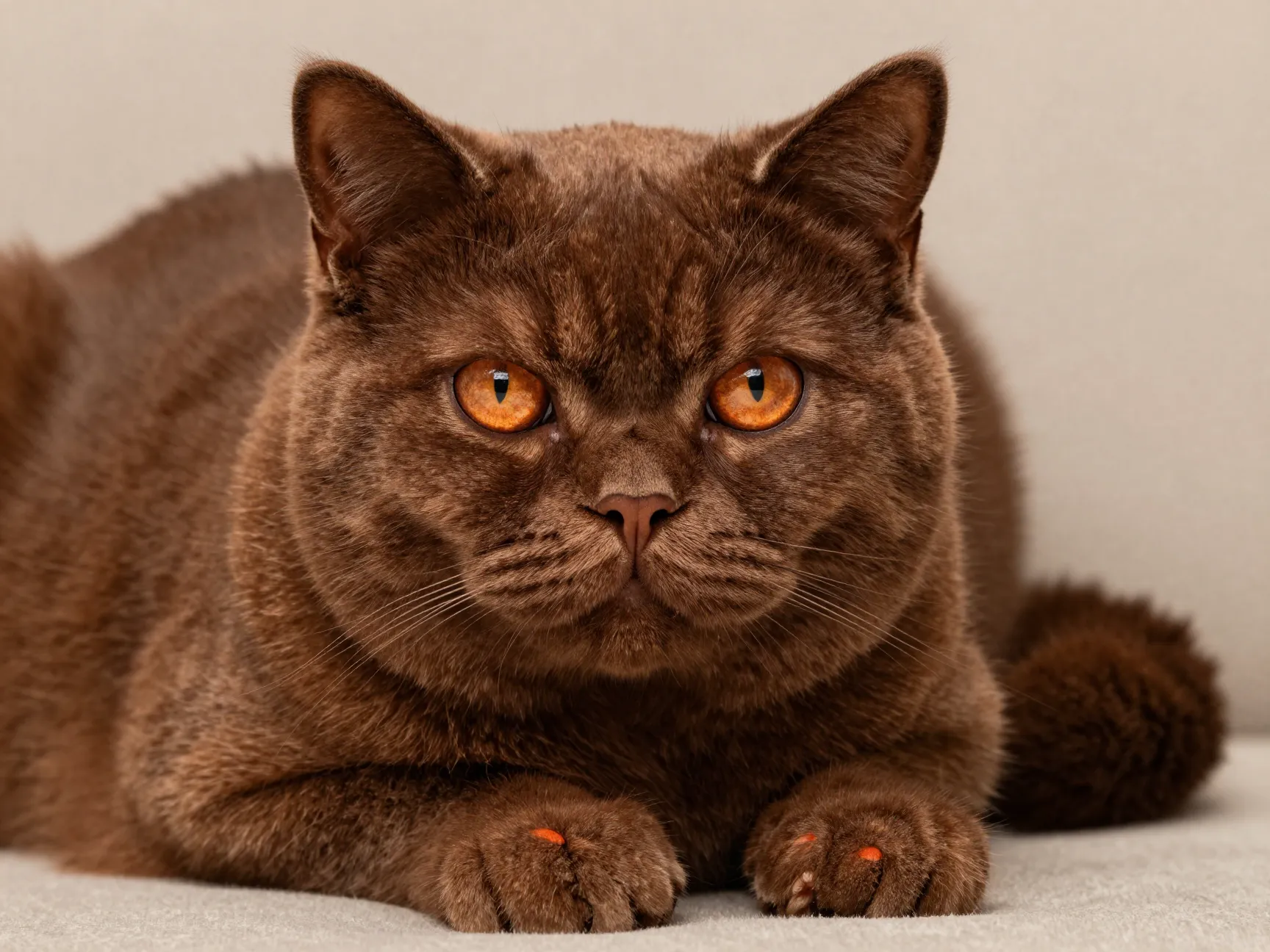
The solid chocolate British Shorthair is the color’s purest expression and the benchmark against which every other chocolate variation is measured. Its coat should be a rich, warm chocolate-brown that stays consistent from the roots all the way to the tips, with no shading, no tabby ghost markings, and no patches of a different tone. Breed standards published by CFA describe this ideal coat alongside brown nose leather, cinnamon-pink paw pads, and gold or copper eyes that seem to glow against the dark fur.
What makes this cat especially sought after is how difficult it is to produce a truly even coat. Because chocolate is recessive, breeders need two chocolate-carrying parents, and even then, kittens can be born with subtle tabby shadowing that fades as they mature. A show-quality solid chocolate cat, with its uniform cocoa tone and warm copper gaze, represents years of careful breeding decisions. Temperamentally, this variation is textbook British Shorthair: calm, affectionate without being clingy, and content to observe household life from a favorite perch before ambling over for a slow blink and a head bump.
2. The Chocolate Tabby
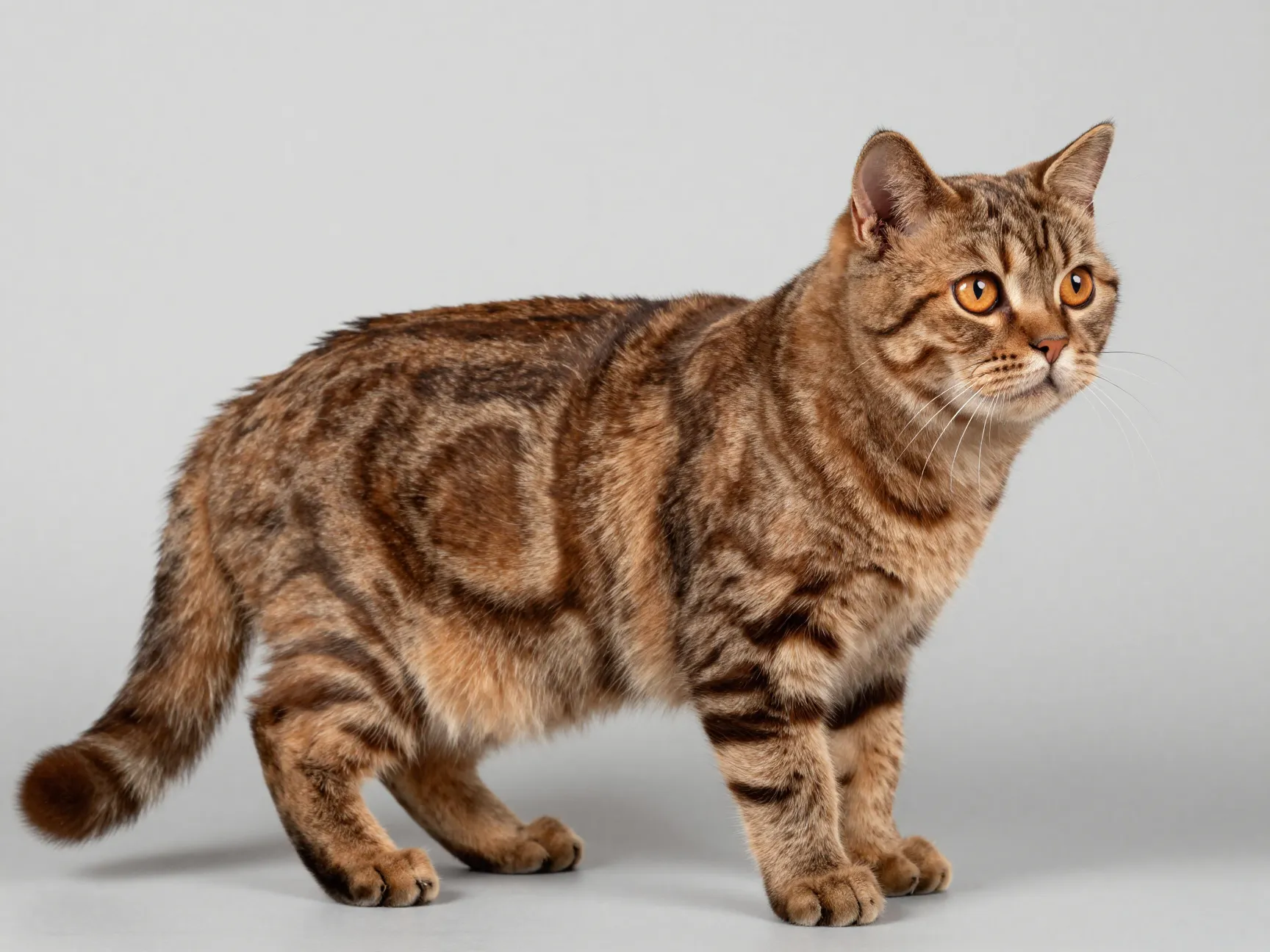
Chocolate tabby British Shorthairs bring pattern into the mix, layering distinct markings over a warm milk-chocolate ground color. According to CFA’s breed documentation, the chocolate tabby pattern should show a lighter chocolate base coat with deep, dark chocolate markings that contrast clearly rather than blending softly into the background. This contrast is what separates a well-marked chocolate tabby from a poorly pigmented solid chocolate cat with faint shadowing.
Tabby patterns themselves come in several styles recognized within the breed, including classic (bullseye swirls on the sides), mackerel (narrow parallel stripes), and spotted (rounded spots instead of stripes). Any of these patterns can appear in chocolate coloring, giving chocolate tabby cats a striking, almost painted look. Eye color follows the same copper or gold expectation as solid chocolate cats. Personality-wise, chocolate tabbies tend to be just as easygoing as their solid counterparts, though many owners report a slightly more playful streak, possibly because tabby-patterned cats are often praised for being alert and curious about their surroundings.
3. The Chocolate Ticked
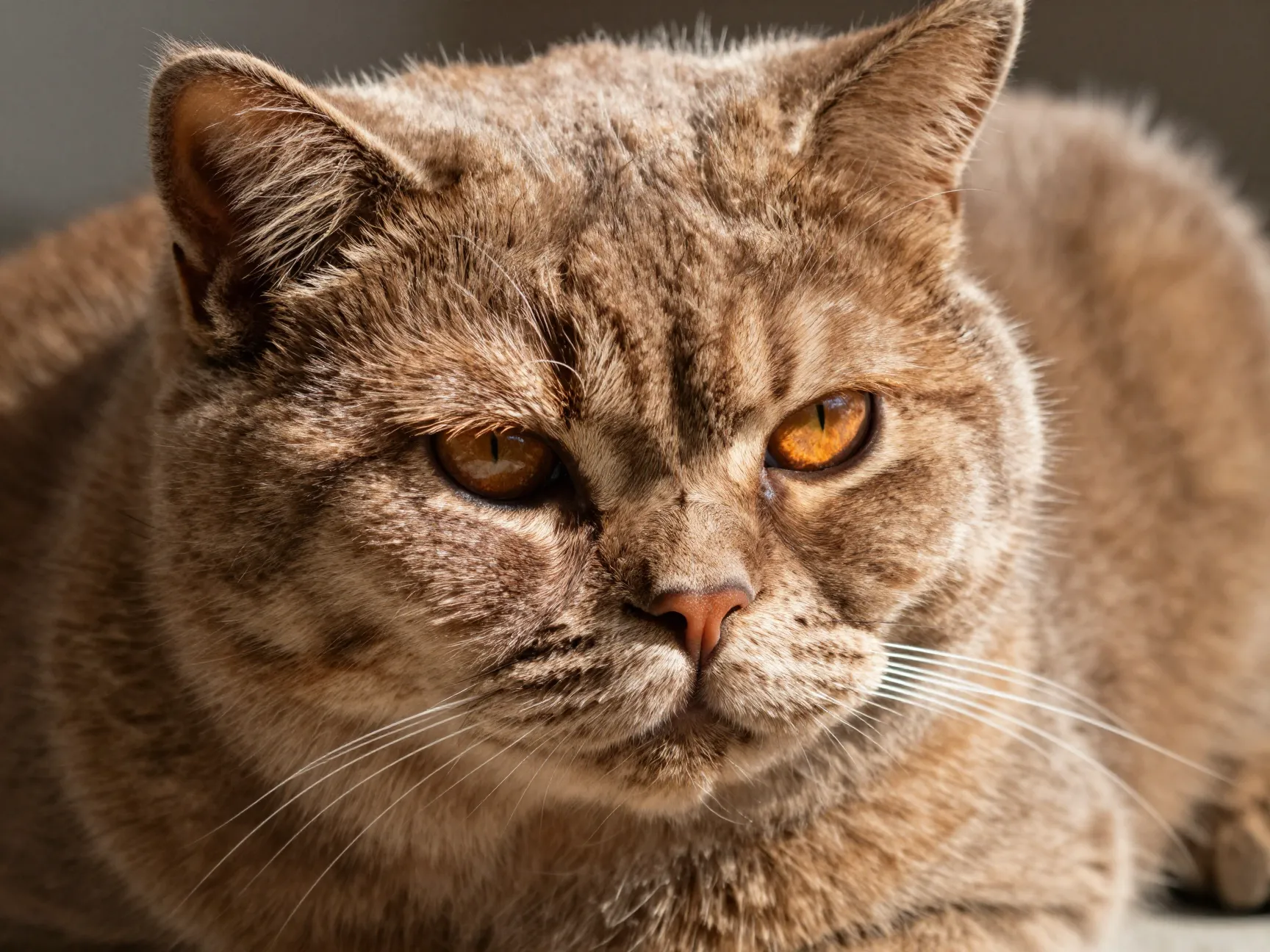
The chocolate ticked variety is one of the more understated members of this color family, and arguably one of the most elegant. Rather than showing bold stripes or spots, each individual hair shaft displays bands of color, creating a shimmering, almost iridescent effect across a warm-toned bronze base coat. The GCCF standard specifically calls out chocolate ticking as an accepted variant, describing rich chocolate ticking laid over that bronze undertone.
This pattern is subtle enough that a chocolate ticked British Shorthair can be mistaken for a solid-colored cat from a distance, only revealing its banded hair structure up close or in direct sunlight. Breeders who specialize in this pattern often note that it requires an especially trained eye to judge in the show ring, since the ticking must be even and the base tone warm rather than cool or grayish. Owners of chocolate ticked cats frequently describe them as quietly confident, the type of cat that watches a room fully before deciding whether to join in, then settles in for long, undisturbed naps in sunny spots.
4. The Chocolate Bicolor
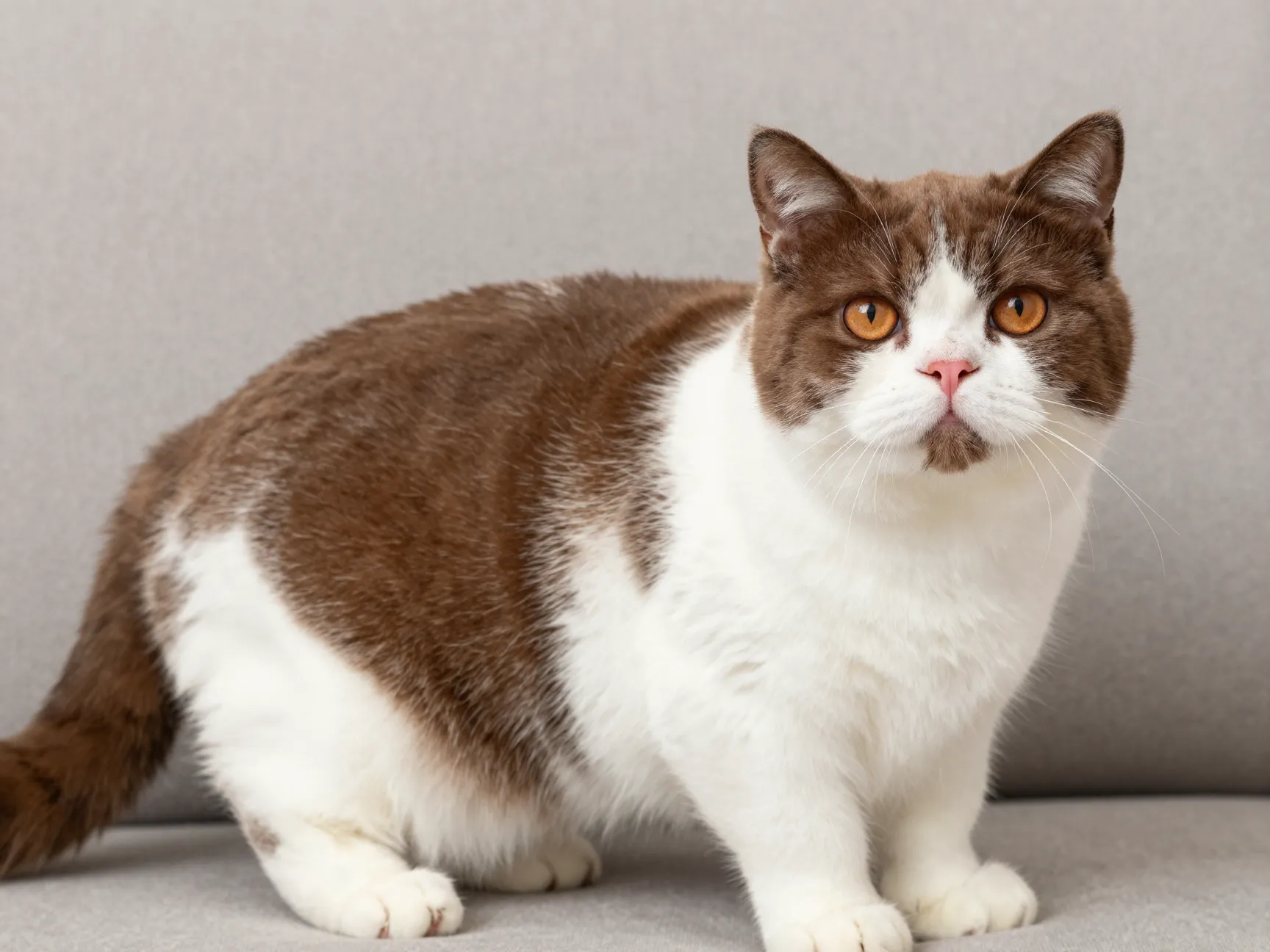
Chocolate and white British Shorthairs, often called chocolate bicolors, combine patches of that rich cocoa-brown coloring with crisp white fur, typically across the chest, belly, paws, and sometimes the face. This combination softens the overall look of the cat, giving chocolate bicolors a slightly more playful, patchwork appearance compared to their solid or tabby relatives.
The white patches are governed by an entirely separate gene from the chocolate color itself, meaning breeders must manage two genetic factors simultaneously to produce a well-marked chocolate bicolor kitten. Show standards generally look for clean, well-defined patches rather than muddy or overly mottled patterning. Nose leather and paw pad color in bicolors often follows the pink or two-toned pattern common in white-patched cats, distinguishing them visually from solid chocolate cats even before considering the coat pattern itself. In terms of temperament, chocolate bicolors are reported to be every bit as affectionate as other British Shorthairs, often gravitating toward a single favorite family member while remaining friendly toward everyone in the household.
5. The Chocolate Tortoiseshell
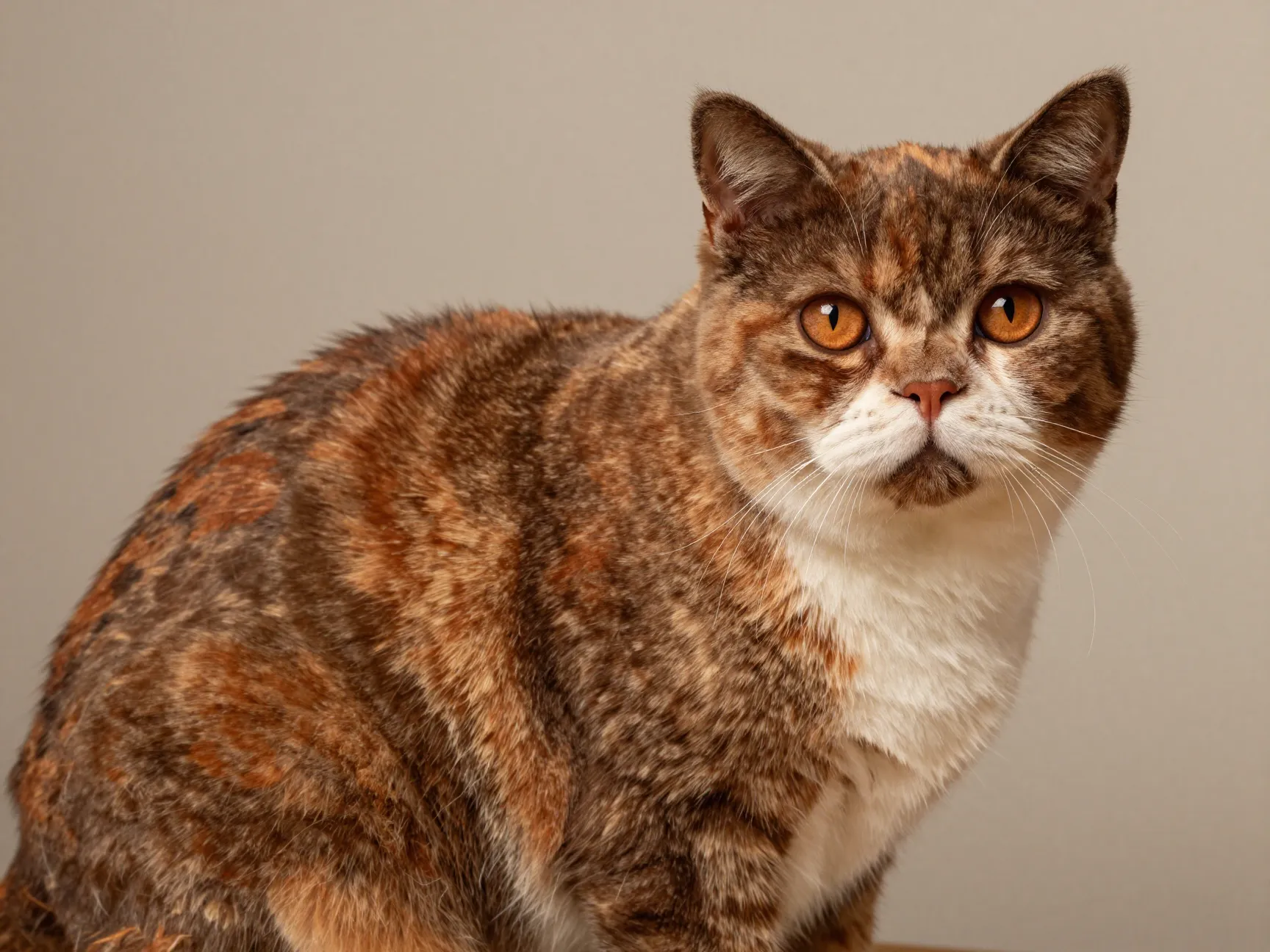
The chocolate tortoiseshell, sometimes shortened to chocolate tortie, is a color pattern that appears almost exclusively in female cats due to the way tortoiseshell coloring is linked to the X chromosome. This pattern mixes chocolate-brown patches with red or cream patches across the coat, creating a mottled, almost marbled appearance that is unique to each individual cat, much like a fingerprint.
Because tortoiseshell patterning depends on having two different X chromosomes actively expressing different colors, male cats with this pattern are exceptionally rare and are typically the result of a chromosomal anomaly rather than standard genetics. This makes the chocolate tortoiseshell female one of the more genetically fascinating entries among 6 Chocolate British Shorthair Cats That Are As Sweet As They Look, since her coat is essentially a genetic mosaic. Breed standards accept a wide range of patch sizes and placements for tortoiseshell cats, meaning no two chocolate torties look exactly alike. Anecdotally, many tortoiseshell cats, regardless of base color, are described by owners as having strong personalities paired with deep loyalty, a combination sometimes nicknamed “tortitude” in casual cat-owner circles.
6. The Chocolate Smoke
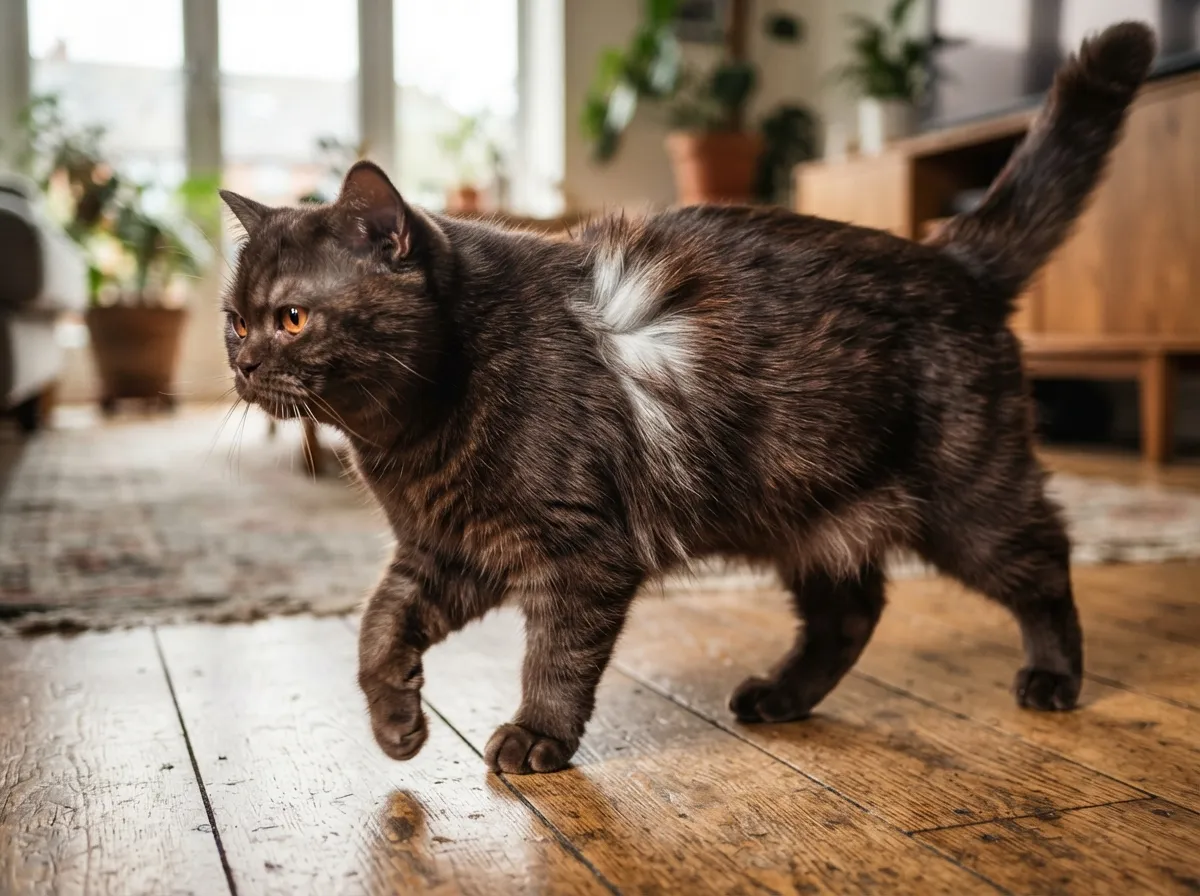
The chocolate smoke variation delivers one of the most dramatic visual effects in the entire British Shorthair color range. At rest, a chocolate smoke cat can appear almost solid chocolate-brown. But the moment the cat moves, or the fur is parted, a pale silvery-white undercoat is revealed near the roots, creating a smoky, shifting appearance that seems to change with the light and the cat’s movement.
This effect comes from a separate gene that suppresses pigment near the hair root while allowing full chocolate color to develop toward the tip. The result is a coat with genuine depth, prized by breeders for its dramatic contrast and by owners for how differently the cat can look depending on lighting and the angle it’s viewed from. Chocolate smoke British Shorthairs typically carry the same copper or gold eye standard as other chocolate variations, and temperamentally they fit the same gentle, low-drama mold the breed is known for. Many owners describe the experience of petting a chocolate smoke cat and watching that silvery undercoat peek through as one of the most visually satisfying parts of living with this particular color variation.
Comparing the Six Chocolate Coat Variations
The table below summarizes the defining traits of each entry among 6 Chocolate British Shorthair Cats That Are As Sweet As They Look, making it easier to spot the differences at a glance.
| Variation | Coat Description | Typical Eye Color | Notable Trait |
|---|---|---|---|
| Solid Chocolate | Even cocoa-brown, root to tip | Copper or gold | Considered the breed standard benchmark |
| Chocolate Tabby | Milk-chocolate base with dark markings | Copper or gold | Bold pattern contrast |
| Chocolate Ticked | Bronze base with banded ticking | Copper or gold | Subtle, shimmering effect |
| Chocolate Bicolor | Chocolate patches with white | Copper, gold, or mixed | Requires two separate genes |
| Chocolate Tortoiseshell | Chocolate and red or cream patches | Copper or gold | Almost always female |
| Chocolate Smoke | Chocolate tips over pale roots | Copper or gold | Undercoat revealed in motion |
How Chocolate Compares to Other British Shorthair Colors
It helps to understand where chocolate sits within the wider color spectrum of the British Shorthair breed. Many first-time buyers use the informal term “brown British Shorthair” without realizing that this label actually covers two genetically distinct colors: chocolate and cinnamon. Chocolate is the deeper, richer of the two, often described as a milk-chocolate or dark-cocoa tone, while cinnamon reads noticeably lighter and warmer, closer to a reddish tan.
Both colors are registered separately by organizations like TICA, and knowing the difference matters if a buyer specifically wants a chocolate British Shorthair rather than a cinnamon one. Blue and black remain the most commonly seen British Shorthair colors, largely because the genes producing them are dominant or more frequently carried in breeding lines. Chocolate, by contrast, stays uncommon precisely because of its recessive nature. A breeder cannot simply pair any two British Shorthairs and expect chocolate kittens; both parents must carry that b allele, whether they display it outwardly or not.
This rarity has a direct effect on availability and, often, on price. Prospective owners searching for a chocolate British Shorthair should expect longer waitlists and should ask breeders directly about genetic testing or known lineage confirming the chocolate gene, rather than relying on coat appearance in very young kittens, whose true adult coloring can take weeks to fully settle.
Caring for a Chocolate British Shorthair Cat
Coat color has no meaningful effect on a British Shorthair’s care requirements, but the breed’s dense double coat does call for some consistent attention regardless of whether a cat is chocolate, blue, or any other recognized color. Weekly brushing helps manage shedding and keeps the plush undercoat from matting, especially during seasonal coat changes when shedding increases noticeably.
British Shorthairs, including chocolate individuals, tend toward a stocky, muscular build and can be prone to weight gain if overfed or under-exercised. Since the breed is naturally calm and not especially athletic compared to more active breeds, owners should build in deliberate play sessions rather than assuming the cat will self-exercise. Interactive toys, climbing perches, and short daily play sessions help maintain healthy weight and joint function over the cat’s lifespan.
Routine veterinary checkups remain just as important for chocolate British Shorthairs as for any other color variation. No credible research links chocolate coat coloring itself to increased health risk, so owners can focus on the same general wellness priorities common to the breed: dental care, weight management, and monitoring for the heart condition hypertrophic cardiomyopathy, which has a somewhat elevated prevalence in British Shorthairs as a breed overall, independent of color.
Frequently Asked Questions About the 6 Chocolate British Shorthair Cats That Are As Sweet As They Look
Are chocolate British Shorthairs a separate breed?
No. Chocolate is simply a coat color variation within the standard British Shorthair breed. All six variations described in this article belong to the same breed and share the same body type, temperament tendencies, and grooming needs.
Why are chocolate British Shorthairs so expensive or hard to find?
Chocolate is a recessive color, meaning both parent cats must carry the gene for kittens to be born chocolate. This genetic requirement limits how many breeders can reliably produce chocolate litters, which drives up demand relative to supply.
Do all chocolate British Shorthairs have copper eyes?
Copper or gold eyes are the standard expectation across most chocolate variations and are specified in breed standards from major registries. However, individual cats can occasionally show slight variation in eye tone, and some pattern types like bicolor may show more varied eye coloring due to the influence of white patching.
Can a chocolate British Shorthair kitten change color as it grows?
Yes, to some degree. Kittens, especially chocolate tabbies and chocolate smokes, can look different at a few weeks old than they will as adults. Coat tone and pattern contrast often become clearer and more settled by the time a cat reaches full maturity.
Is chocolate the same as the color sometimes called Havana or chestnut?
These terms generally refer to the same deep chocolate hue, just using different naming conventions across various veterinary and breed-related sources. All describe the same rich, warm cocoa-brown coloring produced by the recessive chocolate gene.
Conclusion
Chocolate British Shorthairs prove that rarity and warmth are not mutually exclusive. Whether it appears as a flawless solid coat, a contrast-rich tabby pattern, a shimmering ticked coat, a playful bicolor combination, a one-of-a-kind tortoiseshell mosaic, or a dramatic smoke effect, chocolate coloring adds genuine visual depth to an already beloved breed. Each of the 6 Chocolate British Shorthair Cats That Are As Sweet As They Look covered here shares the same underlying recessive gene, the same breed-standard expectations for warmth and evenness of color, and the same gentle, home-loving temperament the British Shorthair is famous for.
Anyone considering a chocolate British Shorthair should start by connecting with breeders registered through recognized organizations such as TICA, CFA, GCCF, ACFA, or FIFe, and should ask directly about the genetic background confirming true chocolate coloring rather than judging solely by a kitten’s early coat appearance. Patience matters here: because of the recessive inheritance pattern behind this color, waitlists can run long. For those willing to wait, the reward is a cat whose rich cocoa coat is matched, sweetly, by an equally warm and easygoing personality.