Surprising Facts About The Domestic Shorthair Cat You Didn’t Know
Nearly 95 percent of pet cats in the United States are not a recognized breed at all. They are Domestic Shorthairs, a catch-all category built from centuries of mixed ancestry rather than a carefully bred pedigree. That single statistic reshapes how most people should think about the cat curled up on millions of American couches right now. This article covers 6 surprising facts about the Domestic Shorthair cat you didn’t know, drawing on updated 2026 feline health and history data to separate myth from fact about the most common cat type in the country.
Disclosure: This post contains affiliate links. As an Amazon Associate, we earn from qualifying purchases, and at no extra cost to you.
Despite their popularity, Domestic Shorthairs are often misunderstood. People assume they are a breed like the Siamese or Maine Coon, but that assumption is incorrect. Understanding what a Domestic Shorthair actually is changes how owners approach everything from feeding schedules to health screenings. The sections below break down the history, biology, and quirky trivia behind this feline population, offering a clear and practical guide for current owners and future adopters alike.
Key Takeaways
- Domestic Shorthair refers to a cat type, not a standardized breed, and includes any short-haired cat of mixed or unknown ancestry.
- These cats make up roughly 80 million pets in the United States, representing close to 95 percent of the country’s cat population.
- Typical adults weigh between 6 and 16 pounds and live an average of 12 to 15 years, with some reaching their early 20s under good care.
- Genetic diversity gives Domestic Shorthairs fewer breed-specific disorders, but obesity remains the top modern health risk due to strong appetites and indoor lifestyles.
- Despite lacking pedigree status, Domestic Shorthairs can still compete and win awards in official household-pet divisions at cat shows.
The Domestic Shorthair at a Glance
Before diving into the list of surprising facts, it helps to understand what actually defines a Domestic Shorthair. Unlike breeds such as the Persian or Bengal, which are shaped by generations of selective breeding toward a fixed standard, the Domestic Shorthair label describes a broad category. It applies to any short-haired cat whose lineage cannot be traced to a specific pedigree line. Official breed guides classify them as household pets rather than a formal breed, which is one reason their appearance varies so widely from one cat to the next.
This lack of a fixed standard is not a flaw. It is the defining feature of the type. Because Domestic Shorthairs descend from generations of cats that bred freely rather than under human-controlled pairings, they carry a wide genetic pool. That diversity shows up in body shape, coat pattern, and personality. Adult weights typically range from 6 to 16 pounds, with males often landing between 8 and 12 pounds and females between 6 and 10 pounds. Height at the shoulder usually falls between 8 and 12 inches. These numbers make the Domestic Shorthair a mid-sized cat by most standards, sturdy enough for active households but manageable for apartment living.
Lifespan is another area where this type performs well. Current estimates place average life expectancy at 12 to 15 years, though many sources report a broader range of 10 to 20 years. Indoor living, portion-controlled feeding, and routine veterinary checkups are the three factors most consistently linked to cats reaching the upper end of that range, with some well-cared-for individuals living into their early 20s.
6 Surprising Facts About The Domestic Shorthair Cat You Didn’t Know
With the basics established, it is time to explore the specific details that make this cat type more interesting than its plain name suggests. These 6 surprising facts about the Domestic Shorthair cat you didn’t know reveal a history and biology far richer than most owners realize.
1. It Is a Type, Not a Breed
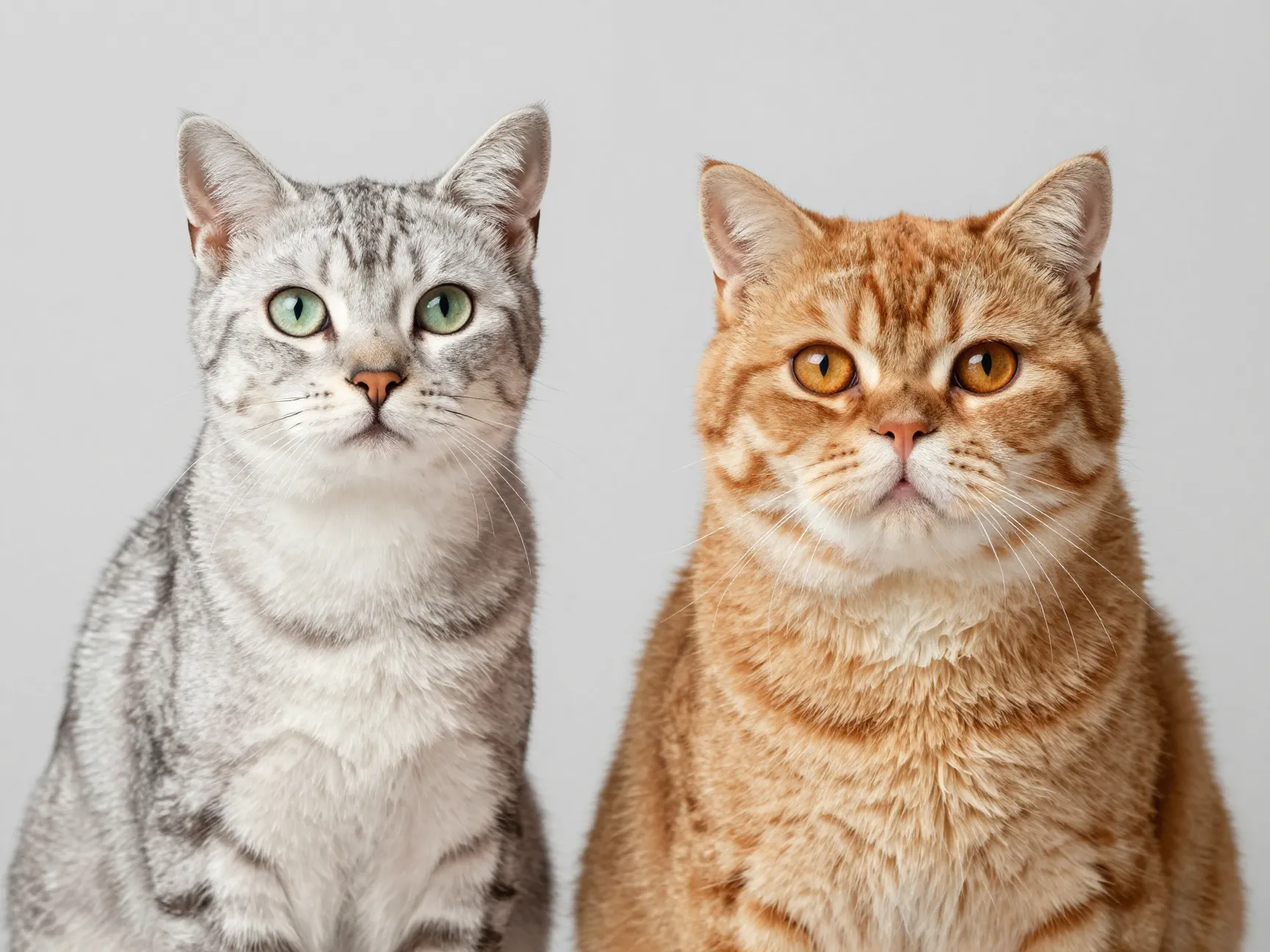
The single most misunderstood fact about the Domestic Shorthair is right in its own classification. Cat fancy organizations and veterinary guides consistently describe it as a type rather than a breed. A breed implies a documented lineage and a written standard covering things like head shape, coat texture, and body proportions. The Domestic Shorthair has none of that. It is simply a short-haired cat of mixed or unknown ancestry.
This distinction matters practically. It means two Domestic Shorthairs from different households can look almost nothing alike and still belong to the same category. One might have a lean, athletic build reminiscent of a street cat’s survival-honed physique. Another might carry the stockier frame more common in cats descended from generations of well-fed household pets. Neither is more “correct” than the other, because there is no standard to measure against.
2. They Dominate the American Cat Population

Few people realize just how outnumbered pedigreed cats are by comparison. Domestic Shorthairs are now described as the most common pet cat type in the United States, with estimates placing their numbers around 80 million individuals across homes and shelters. Some recent analyses go further, suggesting that close to 95 percent of cats in the country can be considered Domestic Shorthairs.
That level of dominance means the “average American cat” is, statistically speaking, almost certainly a Domestic Shorthair. Pedigreed breeds capture more attention in media and marketing, but they represent a small fraction of the actual pet cat population. This fact alone reframes how shelters, veterinarians, and pet food companies should think about their primary customer base.
3. Their Ancestry Traces Back to Ancient Egypt
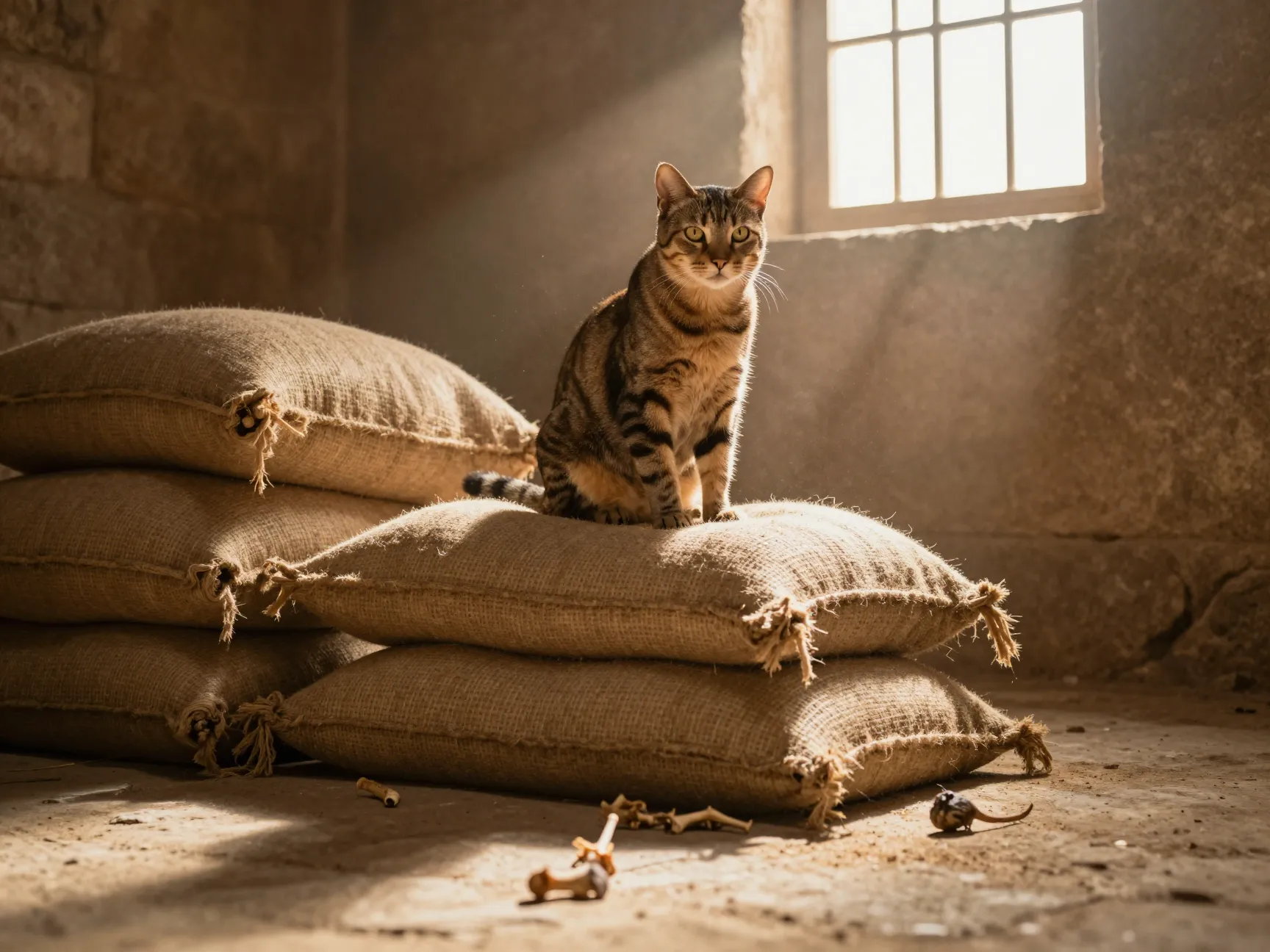
The history behind this common cat type is anything but ordinary. Historical accounts trace Domestic Shorthairs back to early domestication events in the Middle East and ancient Egypt, where cats became valued for controlling rodents around early agricultural settlements. Grain stores attracted mice and rats, and the cats that hunted them earned a protected place near human communities.
From that starting point, these cats spread through Europe, Asia, and Africa over centuries, often traveling on trade ships where their pest-control skills made them welcome passengers. Eventually, European explorers carried them to the Americas and Australia. This means many modern Domestic Shorthairs sitting on windowsills today are direct descendants of some of the very first cats ever domesticated by humans, a lineage stretching back thousands of years.
4. They Can Still Win Cat Show Awards
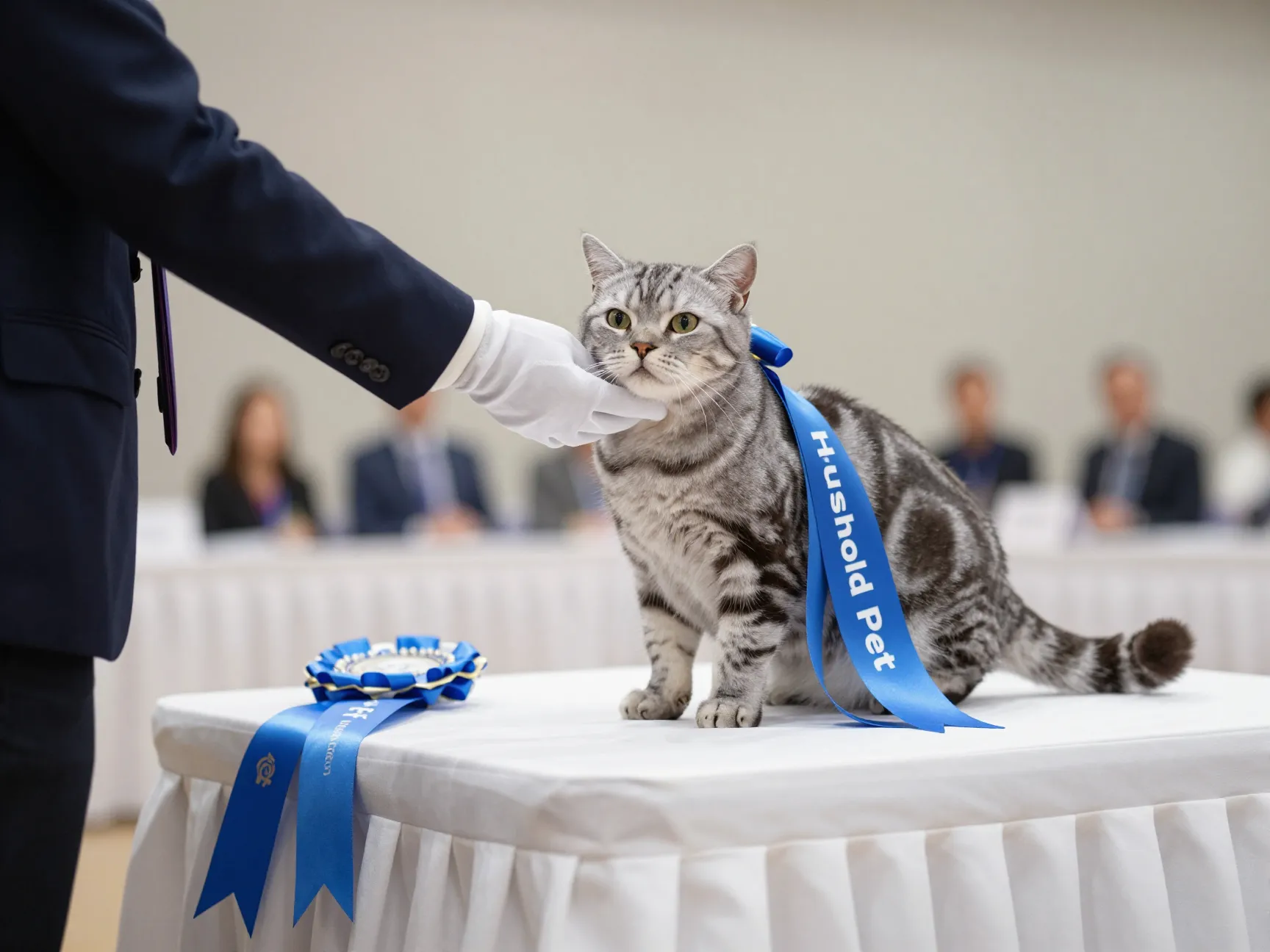
It seems contradictory that a cat with no formal breed standard could compete in a cat show, but it happens regularly. Major cat fancy organizations recognize Domestic Shorthairs specifically as household pets, and while they are not eligible for traditional breed titles, they can compete in dedicated household-pet divisions. Judges in these divisions evaluate cats on cleanliness, health, temperament, and overall presentation rather than adherence to a breed standard.
This detail surprises many casual observers. A cat that might look “ordinary” on the street can still walk away with a competitive award, proving that show quality is not limited to pedigreed animals. It also gives everyday owners a legitimate way to participate in the cat show world without needing papers or a breeder’s certificate.
5. Their Coats Come in Nearly Unlimited Variety
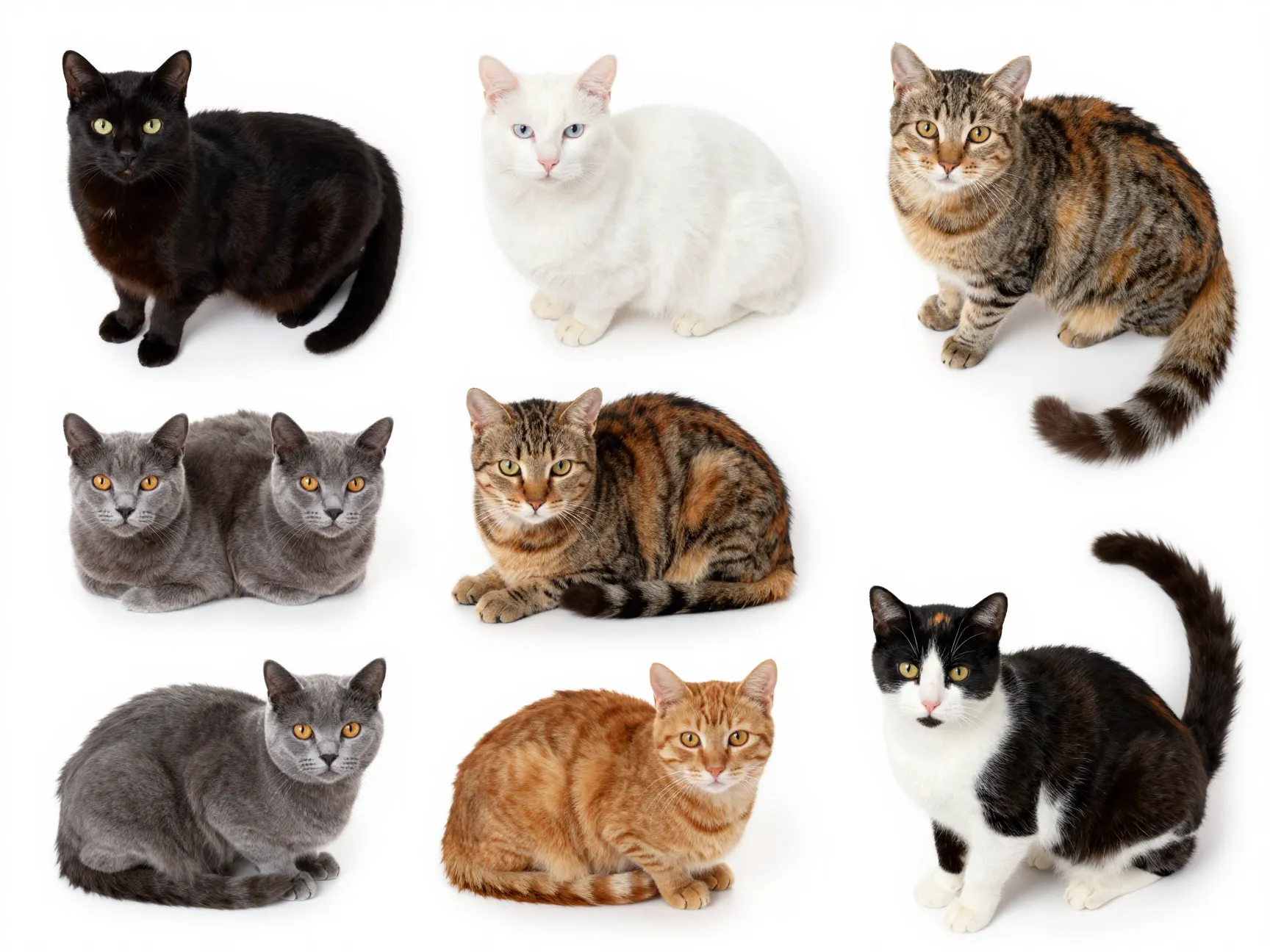
Because Domestic Shorthairs draw from such a broad genetic pool, their coat colors and patterns cover almost the entire feline spectrum. Common colors include solid white, black, gray, orange, and brown, alongside rarer shades like cinnamon and fawn. Patterns are just as varied, ranging from classic tabby stripes to calico patches, tortoiseshell mosaics, and bicolor combinations.
| Coat Category | Examples |
|---|---|
| Solid colors | White, black, gray, orange, brown |
| Rare solids | Cinnamon, fawn |
| Patterned | Tabby, calico, tortoiseshell, bicolor |
This visual diversity is a direct reflection of their mixed ancestry rather than any fixed breed standard. No two litters look guaranteed to match, which is part of the appeal for adopters who want a cat with a truly one-of-a-kind appearance.
6. Many Retain Strong Hunting Instincts
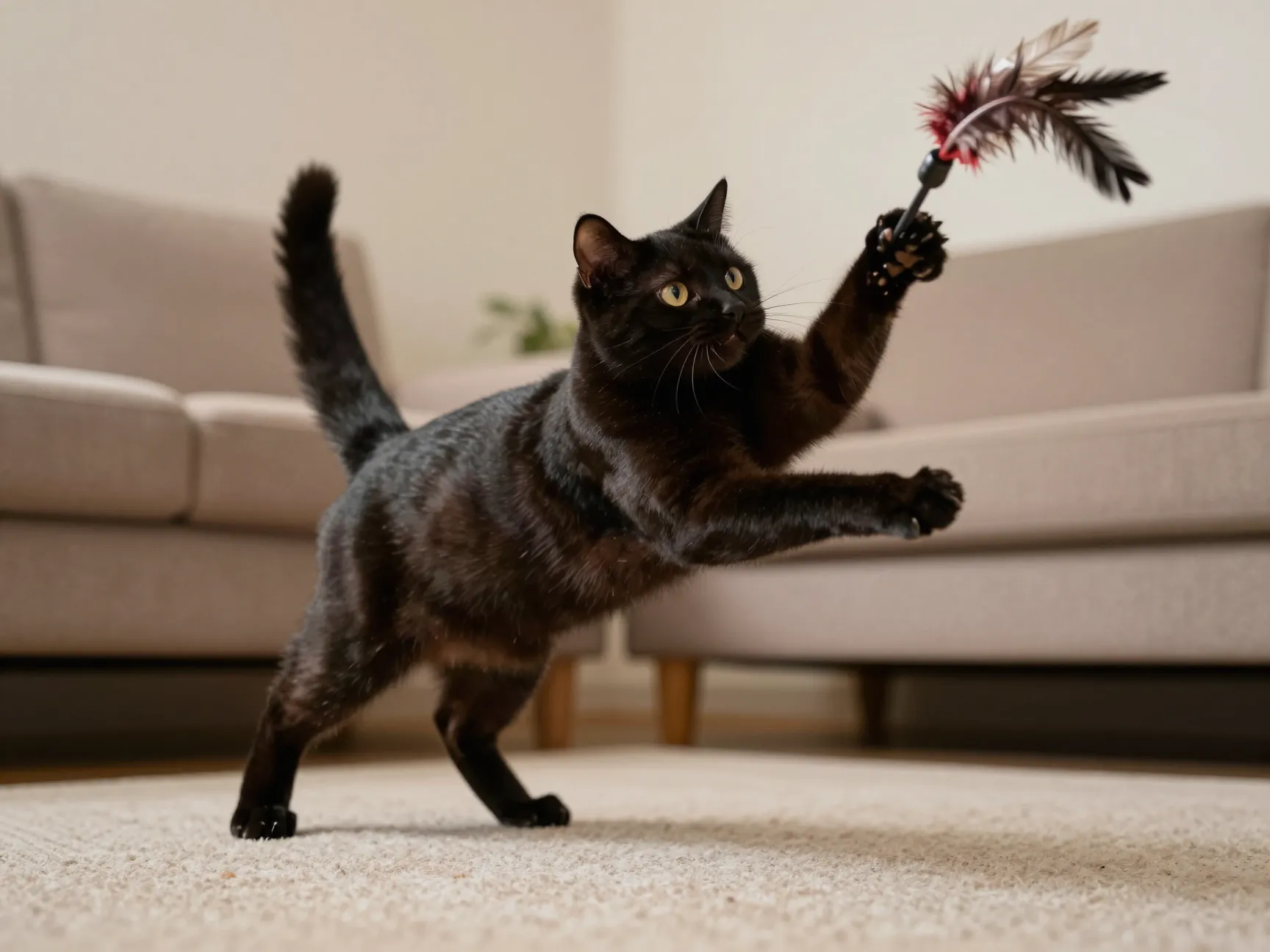
Despite generations of domestication, a large number of Domestic Shorthairs still carry pronounced predatory drives. Outdoor individuals may spend hours each day stalking, chasing, and pouncing on prey, behavior inherited from their working ancestors who earned their place beside humans through pest control.
Even fully indoor cats often display these instincts through play. A dangling toy or a laser pointer can trigger the same stalk-and-pounce sequence a wild ancestor would use on a real target. Veterinary behaviorists increasingly recommend structured play sessions specifically to satisfy this instinct, since bottling it up without an outlet can contribute to stress, boredom, and unwanted household destruction.
Health and Lifespan: What Every Domestic Shorthair Owner Should Know
Understanding these 6 surprising facts about the Domestic Shorthair cat you didn’t know naturally leads to a practical question: how healthy are these cats compared to pedigreed breeds? The answer is largely reassuring, though not without caveats.
Because Domestic Shorthairs descend from such a wide genetic pool, they generally face fewer breed-specific hereditary disorders than many purebred cats. Conditions tied to narrow gene pools, such as certain heart or kidney diseases common in specific pedigreed lines, appear less frequently in this diverse population. That said, genetic diversity does not make them immune to common feline diseases. Dental disease, kidney issues in older age, and infectious illnesses can still affect any cat regardless of ancestry.
The most consistently cited modern health concern for Domestic Shorthairs is obesity. Their strong appetites, combined with a largely indoor lifestyle in most American households, create a recipe for weight gain if feeding is not carefully managed. Excess weight raises the risk of diabetes, joint strain, and reduced lifespan. Nutrition-focused guides estimate that an average adult Domestic Shorthair requires roughly 150 to 350 calories per day, depending on size, age, and activity level.
“Free-feeding is discouraged for this cat type. Their tendency to overeat, paired with mostly indoor routines, makes portion control one of the most important habits an owner can build.”
Veterinary nutritionists recommend measured meals rather than leaving a bowl full all day. Two or three scheduled feedings, paired with regular weigh-ins, help keep body condition in a healthy range throughout adulthood and into the senior years.
Caring for a Domestic Shorthair: Food, Play, and Grooming
Daily care for a Domestic Shorthair is refreshingly simple compared to many long-haired or high-maintenance breeds. Their short coat requires minimal grooming, usually just a weekly brush to reduce shedding and prevent hairballs. Most individuals tolerate brushing well, and the process doubles as a bonding opportunity between cat and owner.
Feeding should be tailored to the individual cat’s size, age, and activity level rather than following a generic feeding chart. A younger, more active cat will burn through calories faster than an older, sedentary one, so calorie needs can shift significantly across a cat’s lifetime. Splitting daily food into two or three measured portions, rather than free-feeding, supports healthy weight management.
Play remains essential even for indoor-only cats. Because many Domestic Shorthairs retain strong hunting instincts, interactive toys that mimic prey movement, such as feather wands or small motorized toys, provide an outlet for natural behavior. Ten to fifteen minutes of active play twice a day can meaningfully reduce boredom-related issues like excessive scratching or nighttime zoomies.
Temperament varies widely across this population, which is part of what makes them so adaptable to different households. Some individuals are affectionate lap cats content to nap for hours. Others are playful and curious, always investigating new objects or spaces. Still others are quieter and more independent, preferring their own routines. This flexibility is a major reason adoption resources consistently promote Domestic Shorthairs as ideal cats for first-time owners, families with children, and multi-pet households.
Shelters and rescue organizations report that Domestic Shorthairs are by far the most common cats available for adoption. This means prospective adopters are highly likely to encounter this type when searching for a new pet. Benefits commonly cited by adoption platforms include lower adoption costs compared to pedigreed breeds, a wide selection of colors and personalities to choose from, and generally solid baseline health. Many advocates describe them as “hidden gems” of the cat adoption world, overlooked simply because they lack a fancy breed name.
Frequently Asked Questions About the Domestic Shorthair Cat
Is a Domestic Shorthair the same as a house cat?
Essentially, yes. The term describes any short-haired cat without a documented pedigree, which covers the vast majority of pet cats living in typical households across the country.
How big do Domestic Shorthairs get?
Most adults weigh between 6 and 16 pounds and stand roughly 8 to 12 inches tall at the shoulder. Males tend to run larger, often between 8 and 12 pounds, while females typically weigh 6 to 10 pounds.
How long do Domestic Shorthairs live?
Average life expectancy falls between 12 and 15 years, though a broader range of 10 to 20 years is commonly cited. Indoor living, weight management, and consistent veterinary care all contribute to longer lifespans.
Do Domestic Shorthairs have health problems?
They tend to have fewer breed-specific hereditary conditions thanks to their genetic diversity, but they are still susceptible to common feline diseases. Obesity is the most frequently cited modern health risk for this cat type.
Can a Domestic Shorthair compete in cat shows?
Yes. While they cannot compete for traditional breed titles, major cat fancy organizations offer household-pet divisions where Domestic Shorthairs can compete and win awards based on health, grooming, and temperament.
What colors can Domestic Shorthairs be?
Nearly any color or pattern, including solid white, black, gray, orange, brown, cinnamon, and fawn, as well as tabby, calico, tortoiseshell, and bicolor combinations. This variety reflects their mixed ancestry rather than a fixed breed standard.
Conclusion
The Domestic Shorthair may lack the polished pedigree and marketing spotlight given to breeds like the Ragdoll or Sphynx, but the facts tell a far more compelling story. This is a cat type built on thousands of years of history, genetic diversity broad enough to produce nearly any color combination, and a population so large it defines what most Americans picture when they think of a house cat. These 6 surprising facts about the Domestic Shorthair cat you didn’t know show that “common” does not mean “ordinary.”
For current owners, the practical takeaway is clear: focus on portion-controlled feeding, regular play that satisfies natural hunting instincts, and consistent veterinary checkups to support a long, healthy life. For anyone considering a new pet, visiting a local shelter is the most direct way to meet this remarkably varied and adaptable cat type in person. Given how many are waiting for homes, adopting a Domestic Shorthair is one of the simplest ways to give a deserving cat a place on the couch it has, in some form, occupied for thousands of years.