Breathtaking Black Bengal Cat Variations & How To Find One
A truly solid black Bengal cat cannot win a single ribbon at a major cat show anywhere in the world. Not one. Yet demand for these shadow-coated cats has quietly outpaced supply at some of the most respected catteries in the country. That contradiction sits at the heart of understanding 6 Breathtaking Black Bengal Cat Variations & How To Find One, a breed category so visually striking that owners overlook its lack of championship status entirely.
Disclosure: This post contains affiliate links. As an Amazon Associate, we earn from qualifying purchases, and at no extra cost to you.
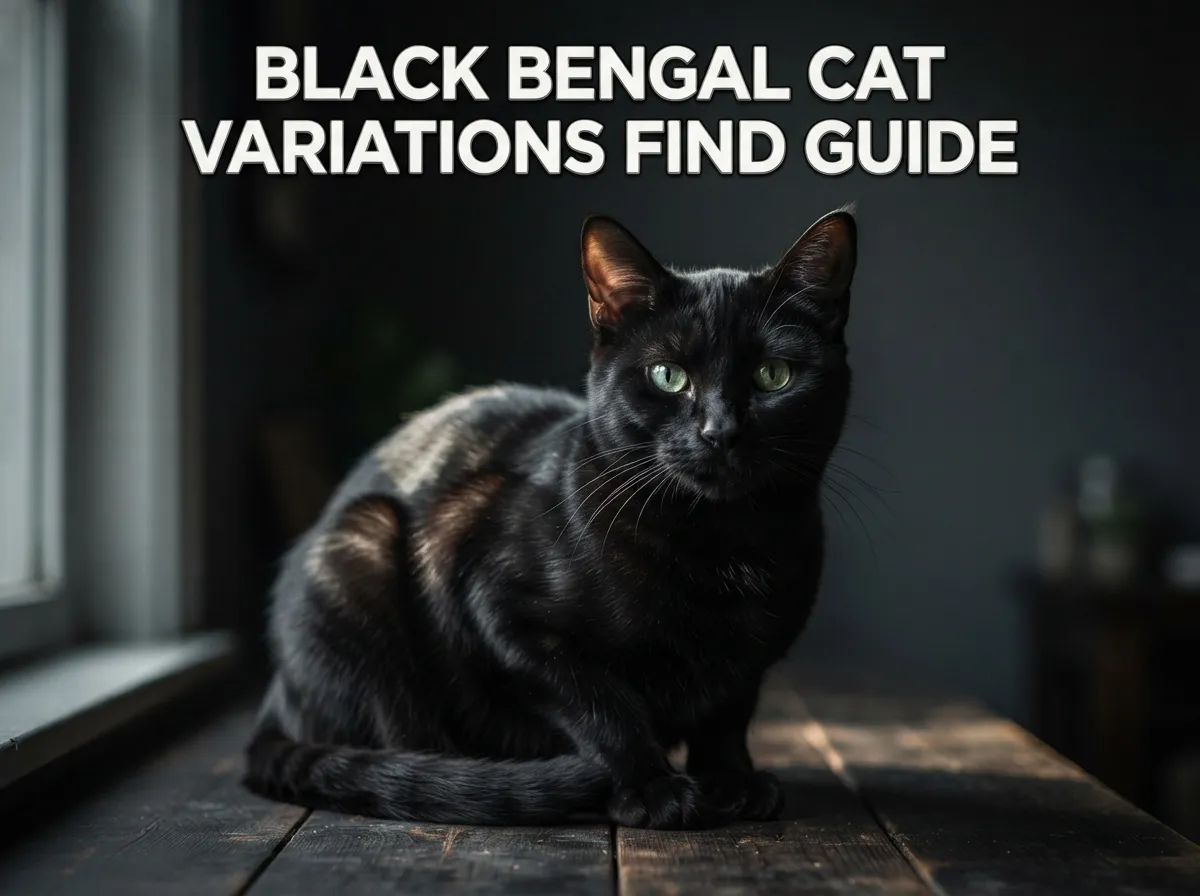
Bengal cats are famous for wild-looking rosettes and marbled coats that echo their leopard cat ancestry. But a smaller, more mysterious subset of Bengals wears darkness instead of contrast. These cats carry genetic quirks that mute their spotted patterns into near-invisible “ghost markings,” creating an effect closer to a miniature black panther than a typical spotted house cat. This guide walks through the six major dark-coated Bengal variations, explains the science behind each one, and offers a practical roadmap for locating a reputable breeder or rescue if one of these cats has caught your eye.
Key Takeaways
- Solid black (melanistic), charcoal, and smoke are the three core “black” Bengal categories, each shaped by different genetic mechanisms and pattern visibility.
- None of these darker variations are currently recognized by The International Cat Association (TICA) for championship competition, though they remain legal, healthy, and highly sought-after as companion cats.
- Ghost markings, faint tabby patterns barely visible except in bright light, are the defining visual signature across most black Bengal types.
- Reputable breeders in states like Pennsylvania and Washington maintain dedicated melanistic and charcoal lines, and Bengal-specific rescues occasionally place these cats too.
- Temperament varies slightly by color family, with melanistic Bengals often described as more reserved initially but deeply loyal once bonded.
Understanding the Genetics Behind Black Bengal Cat Variations
Before exploring individual types, it helps to understand why some Bengals appear almost entirely black while others retain their signature spots. Coat color and pattern in Bengals are controlled by separate but interacting genes. The agouti gene determines whether a pattern (like spots or marbling) is visible against the background coat. Cats with two copies of the recessive non-agouti allele (written as aa) suppress pattern visibility almost entirely, producing the solid, dark appearance associated with melanistic Bengals.
Separately, the base color of the coat is influenced by the dominant B allele, which produces the classic black-based brown tabby look most people associate with Bengals. Rarer recessive mutations at the same gene location, labeled b and b1, soften that black pigment into chocolate or cinnamon tones instead. When breeders combine agouti suppression with different base-color genetics, they produce the range of “black” Bengal variations described below, from true melanistic cats to charcoal and smoke variants.
It is worth repeating that none of these darker coats currently qualify for TICA championship classes. The organization’s accepted color and pattern list focuses on brown tabby, silver tabby, seal lynx point, seal sepia, seal mink, and their spotted, marble, or charcoal spotted/marble combinations. Solid black and smoke Bengals remain what breeders call “off-roster”, beautiful, healthy, and fully registrable as pets, just not eligible for ribbons.
6 Breathtaking Black Bengal Cat Variations & How To Find One
The following six categories represent the most commonly discussed dark and black-influenced Bengal types in current breeder and feline genetics resources. Some are officially recognized colors that simply appear very dark; others are considered non-standard variations prized specifically for their shadowy, panther-like look.
1. Melanistic Black Bengal
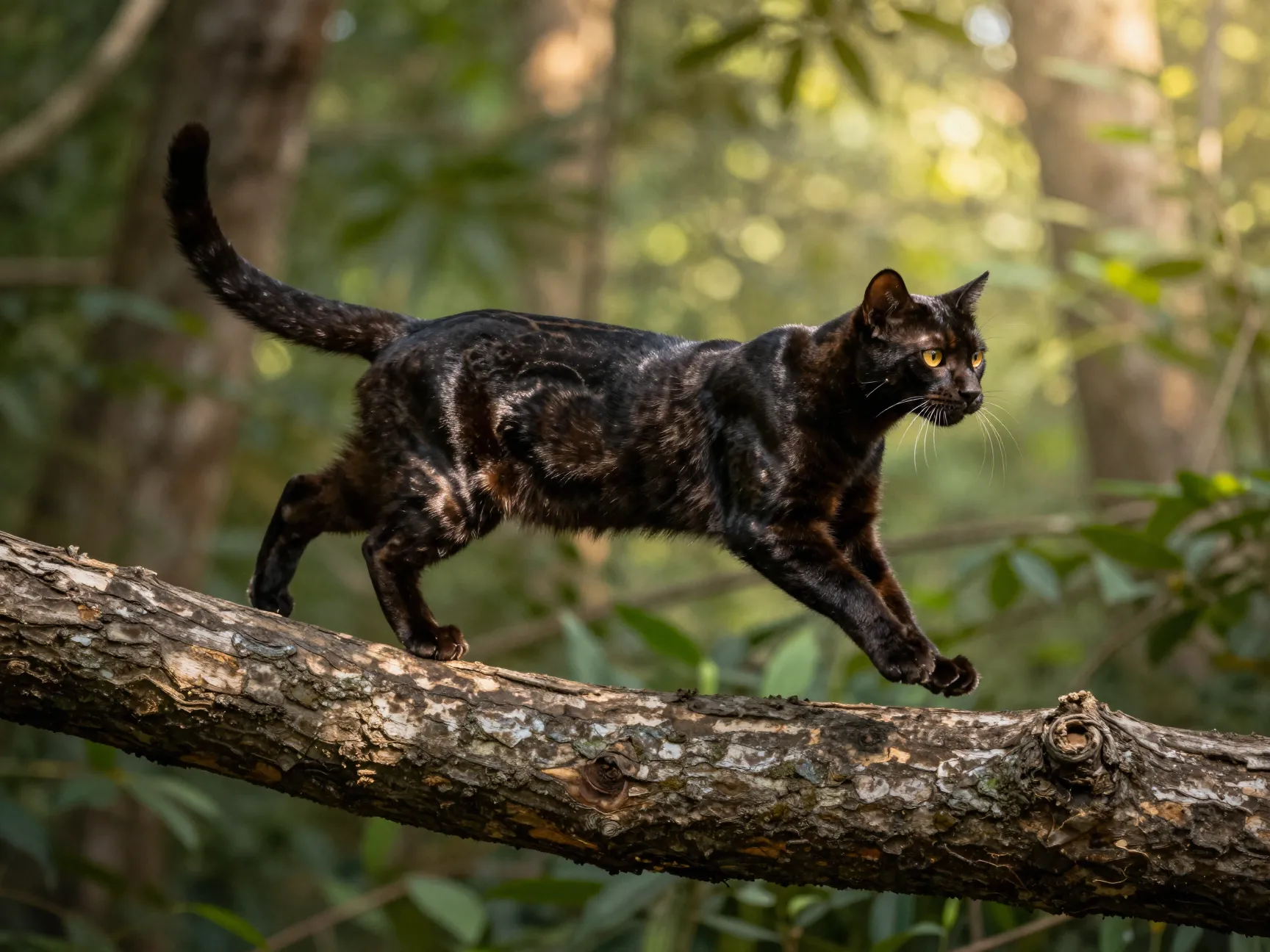
The melanistic Bengal is the closest thing to a true “black cat” within the breed. These cats carry the aa non-agouti genotype, which suppresses almost all visible pattern, leaving a coat that appears solid black under normal indoor lighting. Look closely in direct sunlight, however, and faint rosette or spotted markings, often called ghost markings, become visible as a slightly different sheen or shading within the black coat itself.
Melanistic Bengals retain the muscular, athletic build and wedge-shaped head typical of the breed, which is part of why they are so often compared to miniature black panthers. Because this color is not accepted in TICA’s championship ring, breeders who produce melanistic kittens typically do so for the pet market rather than the show circuit, and litters are relatively uncommon.
2. Charcoal Bengal
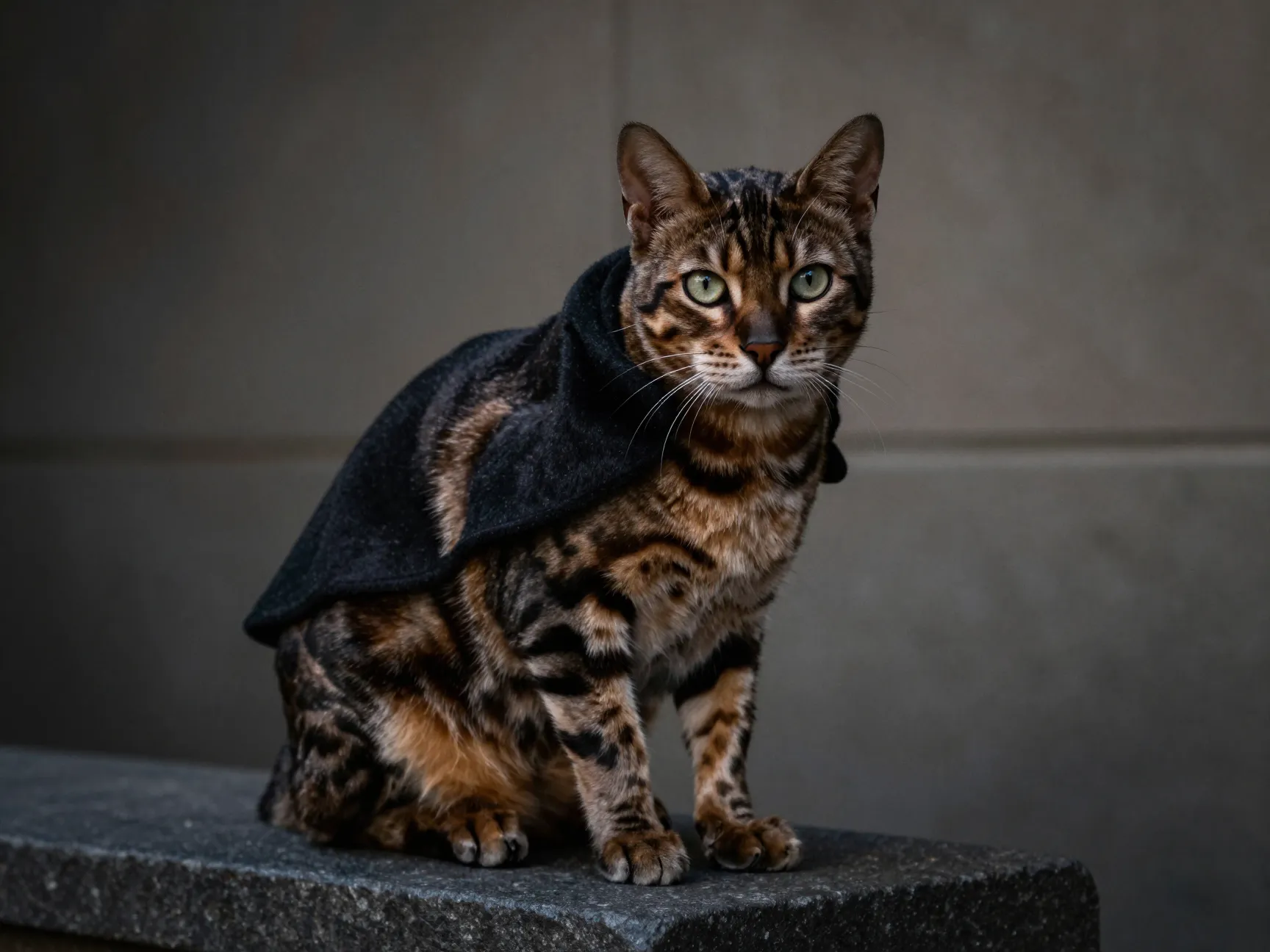
Charcoal Bengals are one of the more genetically fascinating entries on this list because they are not solid black at all. Instead, a charcoal cat carries a modifying gene that darkens the mask across the face and lays a heavy, dark “cape” of color over the shoulders and back, while the base coat underneath can be brown or silver. The result is a dramatic contrast between a very dark upper body and a lighter, more visibly patterned lower body and legs.
This two-toned effect gives charcoal Bengals an intense, almost brooding expression, especially around the eyes, which tend to look outlined in dark pigment. Charcoal spotted and charcoal marble variations are actually acknowledged within some registry pattern descriptions as darker expressions of otherwise standard colors, which sets this variation slightly apart from the fully non-standard melanistic and smoke cats.
3. Smoke Black Bengal
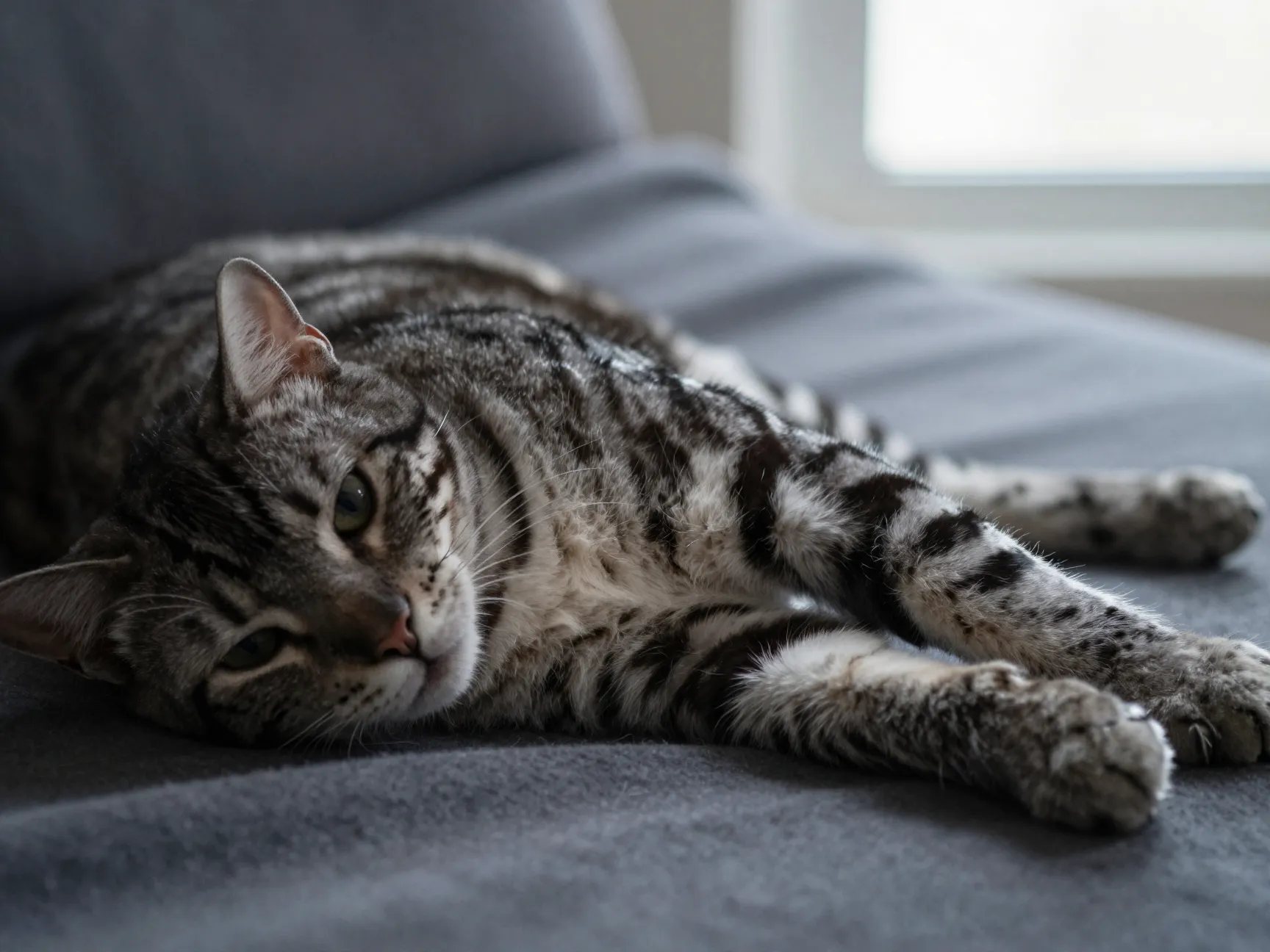
Smoke Bengals are essentially the silver-based cousin of the melanistic cat. The underlying hair shaft carries a lighter, almost white base near the skin, while the visible tips of the fur carry heavy black pigmentation. From a short distance, a smoke Bengal can look almost as dark as a melanistic cat, but movement or parting the fur reveals that pale undercoat, creating a subtle silvery halo effect around the cat’s silhouette, particularly noticeable around the neck and flanks.
Because smoke Bengals combine the non-agouti pattern suppression with the silver gene, ghost markings can appear even fainter than on a standard melanistic cat, sometimes only visible in very specific lighting conditions. Breeders who specialize in silver Bengal lines occasionally produce smoke kittens as a byproduct of pairing two silver carriers that also happen to carry the non-agouti trait.
4. Brown (Black) Tabby Bengal
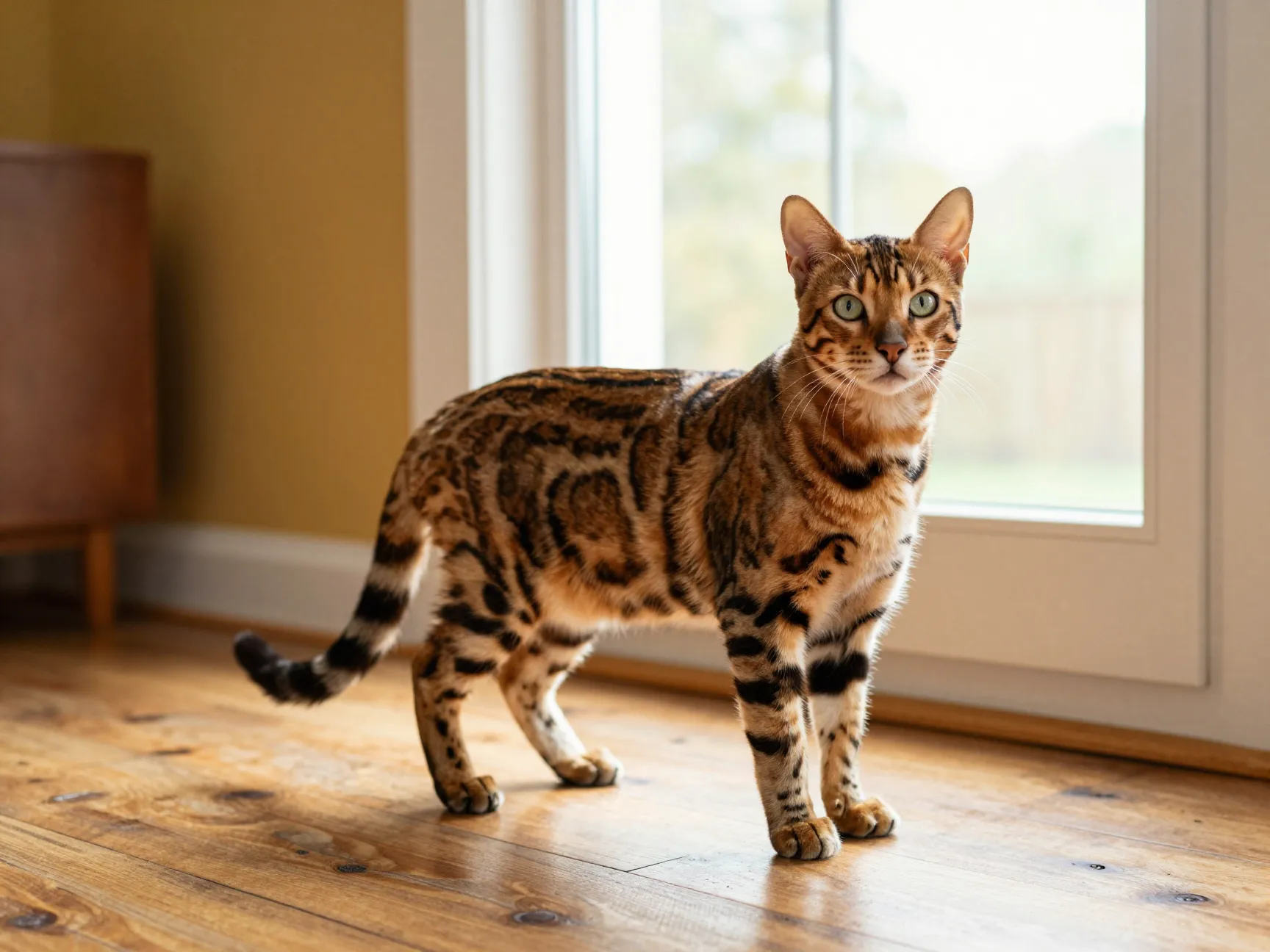
Not every dark Bengal is a non-standard color. The brown tabby Bengal, sometimes informally called the “black Bengal” by new owners because of its deep pigmentation, is actually the most common and fully recognized color in the breed. These cats carry the dominant B allele, producing rich black or dark brown rosettes and spots against a warm golden, tan, or mahogany background.
The confusion between true melanistic cats and very dark brown tabby Bengals is common enough that several breed education resources now include side-by-side comparison photos to help buyers tell them apart. A brown tabby Bengal’s pattern remains clearly visible in normal lighting, while a melanistic cat’s pattern nearly disappears except in bright sun. If a breeder advertises a “black Bengal kitten” without clarifying which type it is, asking for daylight photos is a simple way to confirm.
5. Snow-Based Dark Variants
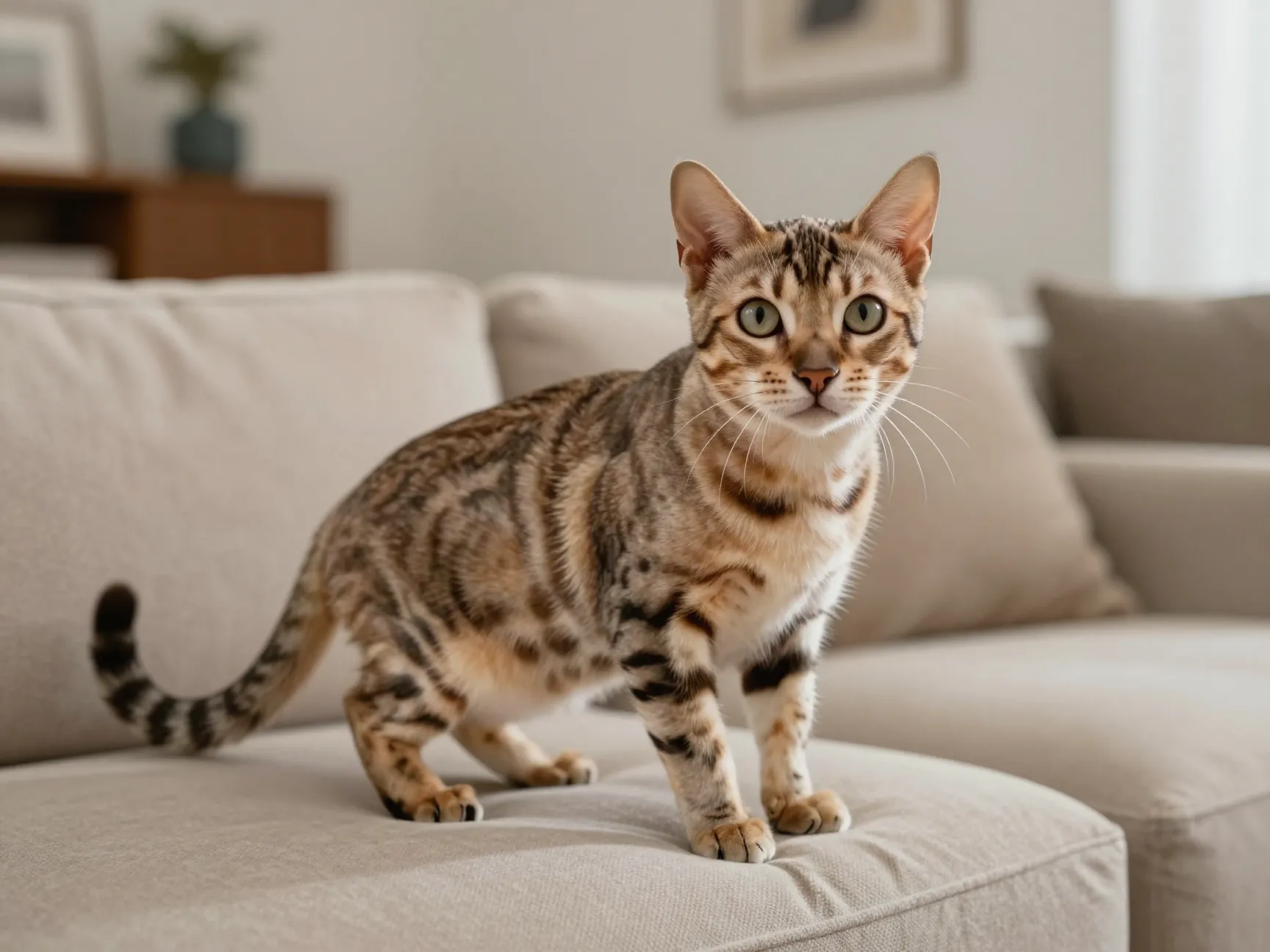
Snow Bengals, which include lynx point, sepia, and mink patterns, are typically associated with pale, creamy coats rather than black ones. However, within certain sepia and mink lines, deeper charcoal-toned modifiers can produce unusually dark snow cats that carry much richer pigmentation than the typical ivory or cream snow Bengal. These darker snow variants are still officially part of the recognized snow color family, but they represent a striking departure from the pale coats most people expect.
Temperament observations from Bengal-focused retailers suggest snow Bengals in general tend to be more outgoing and vocal companions compared to their darker-coated relatives, which is a useful data point for buyers weighing color against personality preferences.
6. Blue-Based Dark Bengal
The blue Bengal carries a dilution gene that softens black pigment into a cool gray-blue tone rather than true black. While not black in the strictest sense, blue Bengals are frequently grouped alongside melanistic and charcoal cats in broader “dark Bengal” overviews because of their moody, muted coloring and the way their ghost-like patterns can appear almost as subtle as those on a smoke or melanistic cat. Blue Bengals round out the six major color families that breeders use to organize the full spectrum of Bengal coat genetics: brown (black), silver, snow, charcoal, melanistic, and blue.
Comparing the Six Variations at a Glance
The table below summarizes the core differences among these six Bengal cat variations to make side-by-side comparison easier.
| Variation | Base Genetics | Pattern Visibility | Show Status |
|---|---|---|---|
| Melanistic Black | aa non-agouti | Nearly invisible, visible in sun | Non-standard |
| Charcoal | Modifier gene over brown or silver | Dark mask and cape, visible legs | Partially recognized |
| Smoke Black | Non-agouti with silver base | Very faint, silvery undertone | Non-standard |
| Brown (Black) Tabby | Dominant B allele | Clearly visible rosettes | Fully recognized |
| Snow-Based Dark Variant | Sepia or mink modifiers | Moderate, deeper than typical snow | Fully recognized |
| Blue-Based Dark | Dilution gene | Subtle, muted ghost pattern | Fully recognized |
How To Find One: A Buyer’s Guide to Black Bengal Cat Variations
Locating a genuine melanistic, charcoal, or smoke Bengal takes more effort than finding a standard brown tabby kitten, simply because these colors are produced less frequently and are not bred for show goals. The following numbered steps outline a practical approach for anyone serious about bringing home one of these six breathtaking black Bengal cat variations.
- Identify Specialized Breeders. Search specifically for catteries that list melanistic, charcoal, or smoke Bengals in their current or planned litters rather than general Bengal breeders. Long-established catteries in Pennsylvania and Washington have been noted in recent breed resources as maintaining dedicated dark-color lines, and a quick email inquiry about upcoming litters is a reasonable first step.
- Request Genetic and Health Documentation. Any breeder producing melanistic or smoke kittens should be able to explain the genetic background of the parent cats, including agouti status. Ask for proof of health testing on the breeding pair, since responsible catteries screen for hereditary conditions common in Bengals regardless of coat color.
- Ask for Daylight Photographs. Because ghost markings only become visible in bright, direct light, request photos or video of the kitten outdoors or near a sunny window. This single step helps confirm whether a cat advertised as “black” is truly melanistic or is actually a very dark brown tabby.
- Check Bengal-Specific Rescue Organizations. Purebred Bengal rescues and hybrid cat rescue networks occasionally take in melanistic or charcoal cats, often at a lower cost than breeder kittens. Filtering general rescue platforms by breed can also surface Bengal and Bengal-mix cats that display these dark coat traits.
- Join Breed-Specific Communities. Online forums and social media groups dedicated to Bengal cats frequently share waitlist openings for rare colors before they are publicly advertised. Active participation in these communities can provide earlier access to melanistic or smoke litters.
- Clarify Registration and Pet-Only Status Before Purchase. Since these colors are not eligible for championship showing, confirm in writing whether the kitten will be sold on a pet-only contract, which typically includes a spay or neuter agreement. This protects both the buyer’s expectations and the breeder’s line integrity.
Temperament Differences Worth Considering
Coat color does not determine personality on its own, but breeder and retailer observations do point to some general tendencies worth factoring into a decision. Snow Bengals are frequently described as the most outgoing and social of the color families, often greeting visitors readily. Silver Bengals tend to fall into a balanced middle ground, described as attentive and adaptable companions. Melanistic and other black-coated Bengals are more often characterized as reserved or cautious with new people at first, taking longer to warm up, but forming unusually strong, focused bonds with their primary owner once trust is established.
Prospective owners drawn to the dramatic look of a melanistic or charcoal Bengal should be prepared for a cat that may take weeks rather than days to fully settle into a new home, and should plan initial introductions accordingly, using quiet spaces and gradual exposure to household routines.
Why These Six Breathtaking Black Bengal Cat Variations Remain Rare
Several factors converge to keep melanistic, charcoal, and smoke Bengals uncommon compared to standard brown or silver tabby lines. First, the non-agouti gene responsible for the darkest coats is recessive, meaning both parent cats must carry it for kittens to display the trait consistently, which limits how many breeding pairs can reliably produce these colors. Second, because these colors cannot compete in TICA’s championship classes, many breeders focused on show success deliberately avoid pairing cats likely to produce melanistic offspring, further shrinking the available gene pool for pet-focused buyers.
“These cats are bred for love, not for ribbons, and that is exactly why so many owners find them irresistible.”
Industry commentary through 2025 and 2026 has not indicated any pending changes to registry standards, meaning solid black and smoke Bengals are likely to remain “off-roster” companion cats for the foreseeable future rather than future show contenders. For buyers, this simply reframes the decision: choosing one of these six breathtaking black Bengal cat variations means prioritizing a unique, striking companion over show ring eligibility.
Frequently Asked Questions
Is a melanistic Bengal cat the same as a black cat breed like a Bombay?
No. Melanistic Bengals are a color variation within the Bengal breed itself, carrying the same wild-derived athletic build and energy level as standard Bengals, whereas breeds like the Bombay were developed specifically around a solid black coat as their standard.
Can charcoal Bengals be shown in TICA competitions?
Charcoal spotted and charcoal marble patterns are acknowledged within some pattern descriptions, but the deep, non-standard charcoal look most buyers associate with “black Bengals” generally falls outside championship eligibility. Confirm current standards directly with TICA before entering any show.
Do black Bengal cats cost more than standard-colored Bengals?
Pricing varies widely by breeder, region, and lineage, but rarity often puts melanistic, charcoal, and smoke kittens toward the higher end of typical Bengal pricing due to limited litter availability.
Are ghost markings a sign of poor breeding?
No. Ghost markings are a normal genetic feature of the non-agouti trait and appear consistently across healthy, well-bred melanistic and charcoal Bengals. Their visibility depends on lighting rather than the cat’s health or breeding quality.
Will a melanistic Bengal’s ghost markings become more visible with age?
Some owners report markings becoming slightly more noticeable as a cat matures and coat texture changes, though this varies by individual cat and is not guaranteed.
Conclusion
Solid black, charcoal, and smoke Bengals occupy a fascinating corner of the cat world: visually dramatic, genetically distinct, and officially excluded from the show ring, yet increasingly desired by owners who simply want a striking, loyal companion. Understanding 6 Breathtaking Black Bengal Cat Variations & How To Find One means recognizing the difference between a true melanistic cat and a very dark brown tabby, appreciating the two-toned intensity of a charcoal coat, and knowing where reputable breeders and rescues are most likely to place these rare kittens.
Anyone ready to pursue one of these cats should start by contacting catteries that explicitly advertise melanistic or charcoal litters, request daylight photos to verify true coloring, and confirm health testing and pet-only registration terms in writing before committing. For those open to rescue, monitoring Bengal-specific rescue networks remains a worthwhile parallel strategy. With patience and the right questions, bringing home one of these six breathtaking black Bengal cat variations is an achievable goal for the right owner.