Beautiful Facts About The Rare And Diluted Calico Cat
A single cat can carry three colors, a chromosome quirk that almost never touches males, and a rarity ratio steeper than winning a coin flip ten times in a row. That is the reality behind the dilute calico, a coat pattern that turns the bold black-and-orange calico look into something closer to a watercolor painting. This article breaks down 6 Beautiful Facts About The Rare And Diluted Calico Cat, explaining the genetics, the odds, and the myths that surround one of the most photographed cats on the internet.
Disclosure: This post contains affiliate links. As an Amazon Associate, we earn from qualifying purchases, and at no extra cost to you.
Dilute calicos are not a breed. They are a pattern that shows up across many breeds and mixed-breed cats, and their soft blue-gray, cream, and white coats come from a rare double dose of genetics working together. Understanding these six facts helps current and future cat owners separate real science from social media exaggeration.
Key Takeaways
- Dilute calicos get their soft blue-gray and cream coloring from a recessive dilution gene layered on top of the standard calico pattern.
- Dilute calico is a coat pattern, not a breed, so these cats can be domestic shorthairs, domestic longhairs, or purebred cats from several recognized breeds.
- Almost all dilute calicos are female because the pattern requires two X chromosomes, one carrying orange and one carrying black or its diluted form.
- Male dilute calicos are true genetic rarities, often carrying an extra X chromosome, and most are sterile.
- Coat color does not determine health or personality; dilute calicos live the same 12 to 16 year average lifespan as other well-cared-for domestic cats.
The Genetics Behind The 6 Beautiful Facts About The Rare And Diluted Calico Cat
Every calico cat, dilute or not, owes its patchy coat to a phenomenon called X-linked mosaicism. Female cats carry two X chromosomes, and early in development, one X chromosome in each cell gets randomly switched off. If one X chromosome carries the instruction for orange fur and the other carries the instruction for black fur, the result is a coat made of random patches, some cells expressing orange, others expressing black, plus white patches from a separate gene that blocks color entirely.
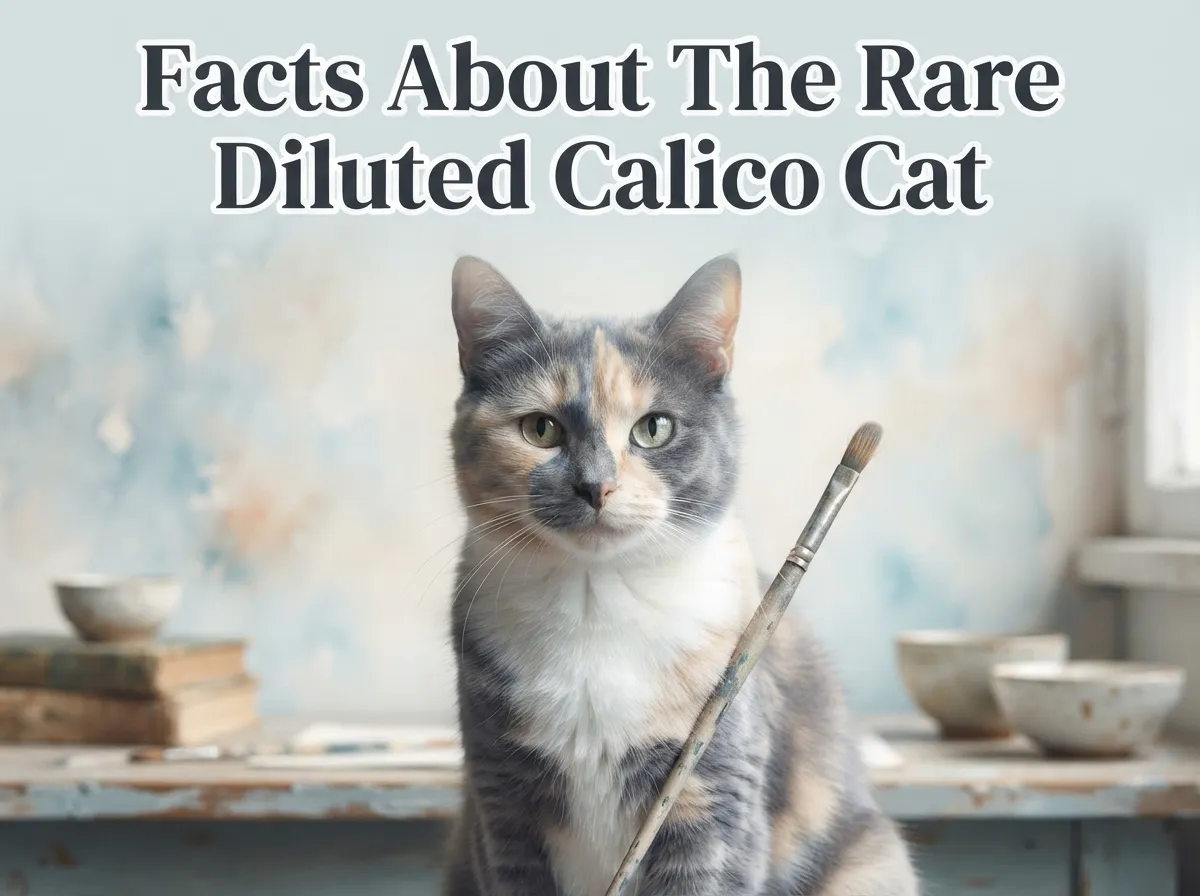
Dilute calicos add one more layer to this process. They inherit a recessive dilution gene from both parents. This gene interferes with how pigment granules clump together in the hair shaft, spreading the color out and softening it. Black becomes a smoky blue-gray. Orange becomes a warm cream. White stays white, since there is no pigment to dilute in those patches. The result is the same tri-color pattern as a standard calico, but rendered in muted, pastel tones instead of high-contrast black and orange.
Because the dilution gene is recessive, a kitten needs a copy from each parent to show the diluted look. This double requirement is the main reason dilute calicos are noticeably less common than standard calicos, even though both patterns follow the same basic genetic rulebook. Cat registries and genetics educators increasingly use dilute calicos as a teaching example because the pattern demonstrates, in a single animal, two distinct genetic principles at once: X-inactivation and recessive dilution.
The 6 Beautiful Facts About The Rare And Diluted Calico Cat You Need To Know
The following facts cover appearance, biology, rarity, and the myths that tend to follow dilute calicos around online. Each one is grounded in current veterinary and genetic understanding rather than folklore.
1. Their Coat Looks Like A Watercolor Painting
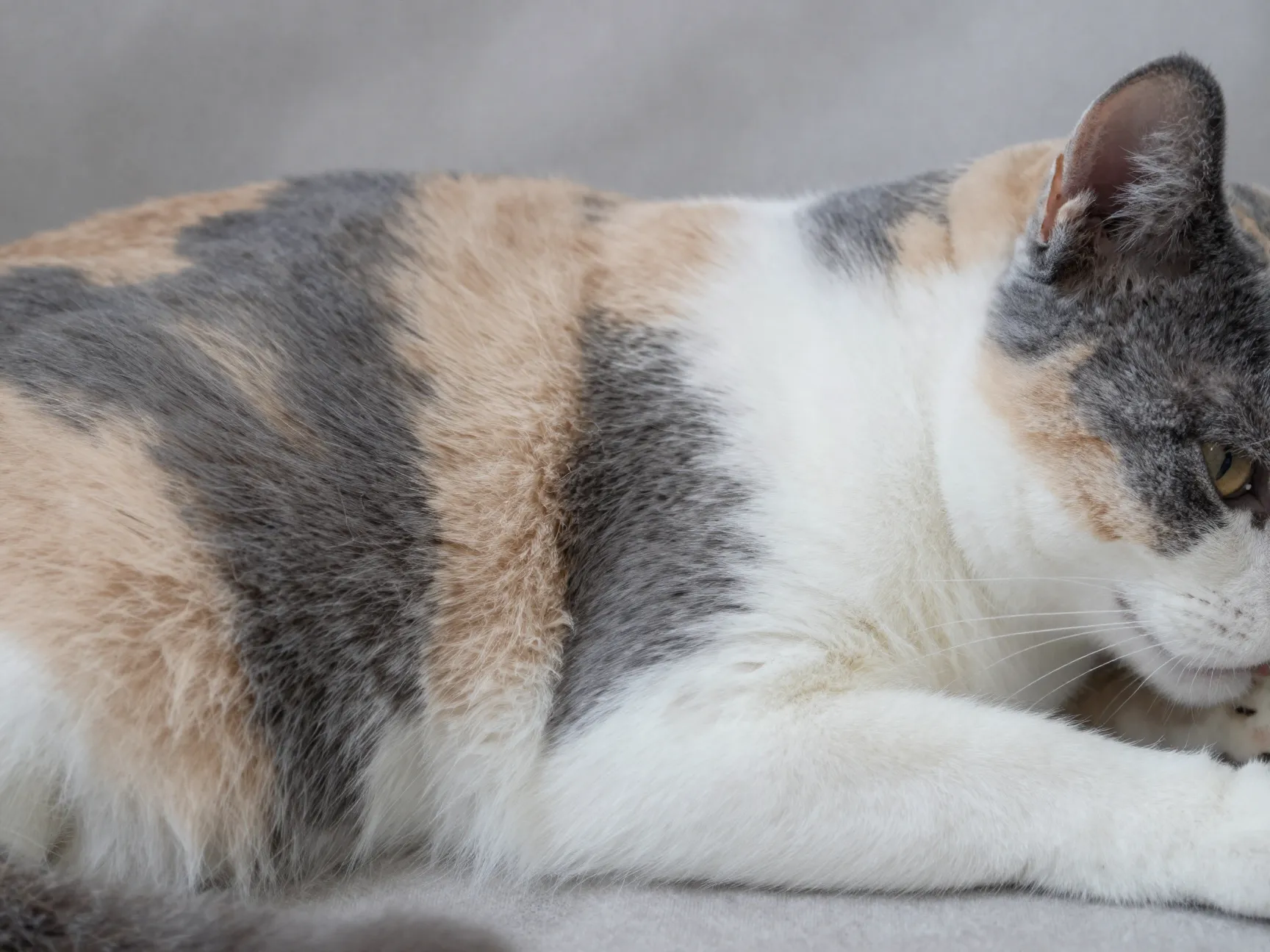
Standard calicos wear bold, high-contrast patches of black, orange, and white. Dilute calicos wear the same three-color layout, but every patch is softened. Black shifts to a smoky blue-gray. Orange shifts to a pale cream, sometimes described as apricot or buff. White areas remain crisp and bright, creating a gentle contrast against the muted patches around them.
This softened look is why many owners describe dilute calicos as looking “painted” rather than “patched.” No two dilute calicos share the exact same pattern, because the random X-inactivation process that creates the patches happens independently in every embryo. Even kittens from the same litter, with the same parents and the same genes, will display unique patch shapes, sizes, and placements. This uniqueness is part of what makes the dilute calico visually striking and endlessly shareable on social media.
2. Dilute Calico Is A Pattern, Not A Breed
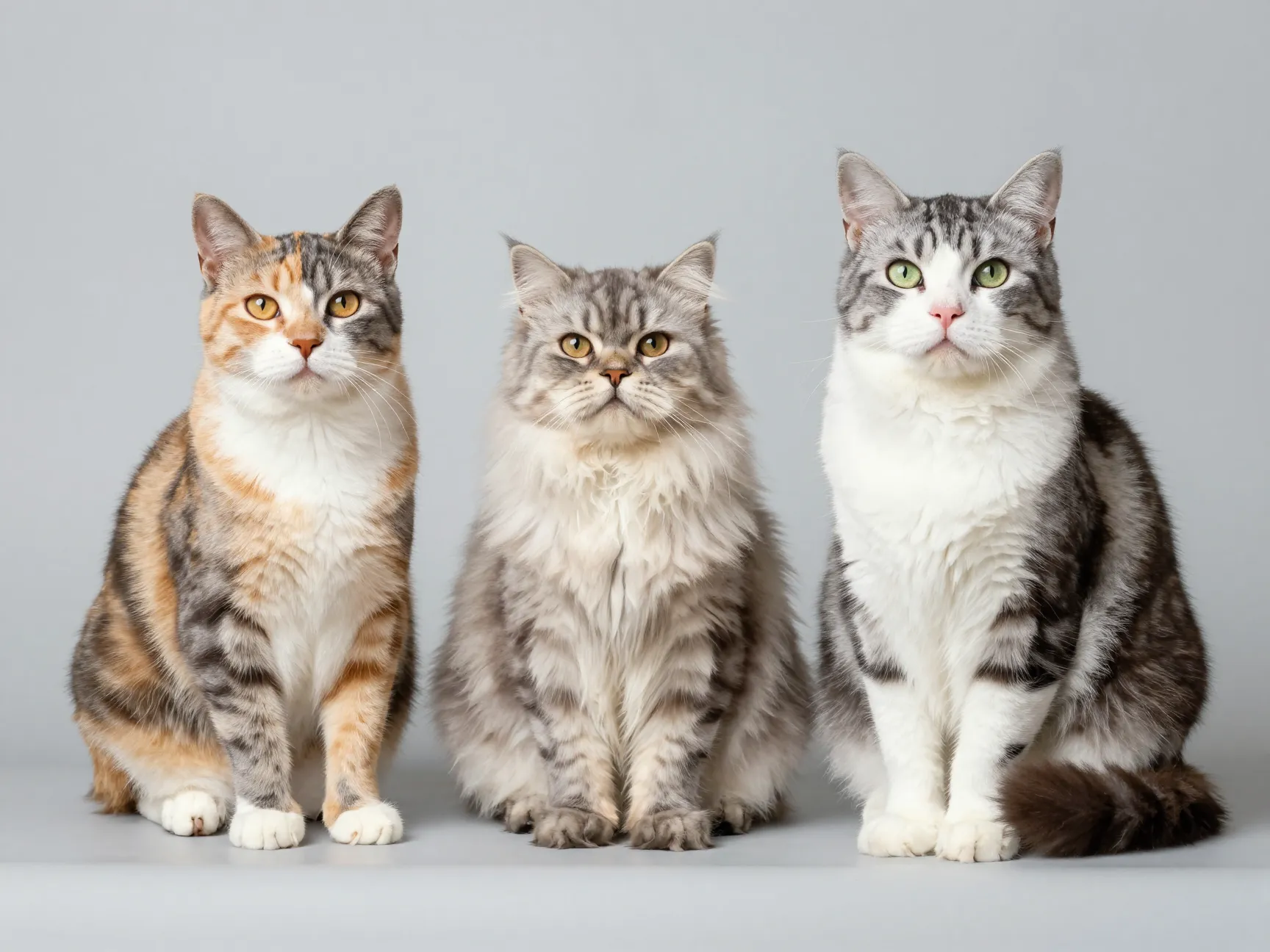
One of the most persistent misunderstandings is treating “dilute calico” as if it names a specific breed of cat. It does not. Dilute calico describes a coat coloring and patterning combination that can appear in domestic shorthairs, domestic longhairs, and in several recognized pedigree breeds, including American Shorthairs, Persians, Maine Coons, and Japanese Bobtails, among others.
Because the pattern depends on genetics that exist broadly across the domestic cat population, a dilute calico could have almost any body type, coat length, or personality baseline associated with its underlying breed or breed mix. Shelters and rescue groups frequently list dilute calicos simply as domestic shorthair or domestic longhair, with the coat pattern noted separately. This distinction matters for anyone researching care needs, since grooming, exercise, and health considerations depend far more on breed and body type than on coat color.
3. They Are Uncommon, But Not Vanishingly Rare

Calico cats overall, including both standard and dilute versions, appear in roughly 1 out of every 1,000 cats in general pet populations, according to current adoption and pet-care estimates. Dilute calicos represent a smaller slice of that already limited group, since the recessive dilution gene must appear in double copy for the muted coloring to show.
This makes dilute calicos genuinely uncommon compared to solid-colored or simply patched cats, but it does not make them nonexistent or impossible to find. Shelters and rescues do see them with some regularity, and prospective owners searching adoption listings can reasonably expect to encounter one eventually, especially in areas with active foster and rescue networks. The rarity is real, but it falls short of the “one in a million” framing that sometimes circulates online.
4. Nearly All Dilute Calicos Are Female
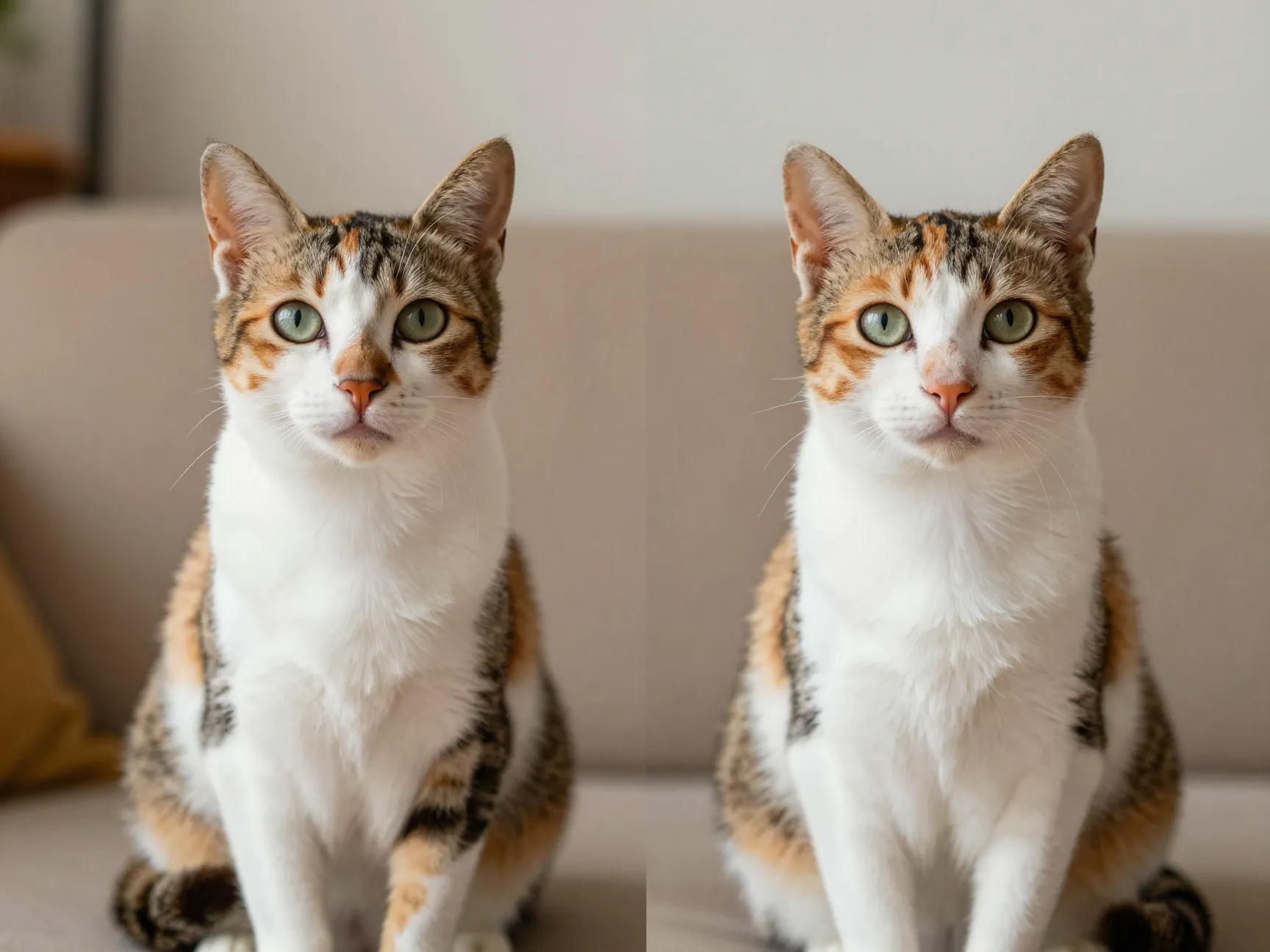
The calico pattern, dilute or standard, depends on a cat having two different color instructions on two separate X chromosomes. Female cats have two X chromosomes, so they can carry one X with the orange instruction and another X with the black or dilute-black instruction, producing the mosaic tri-color coat.
Male cats typically have one X and one Y chromosome, which means they can carry either the orange instruction or the black instruction, but not both at once. As a result, current veterinary genetics sources estimate that approximately 99.9 to 99.97 percent of calico-patterned cats, including dilutes, are female. This is one of the clearest examples in mammalian biology of a visible trait tied directly to chromosome count, and it explains why “male calico” carries such a specific reputation among cat lovers and geneticists alike.
A dilute calico’s coat is not just decoration. It is a visible map of which X chromosome switched off in each patch of skin, making every cat’s pattern a one-of-a-kind biological record.
5. Male Dilute Calicos Are Genuine Genetic Rarities
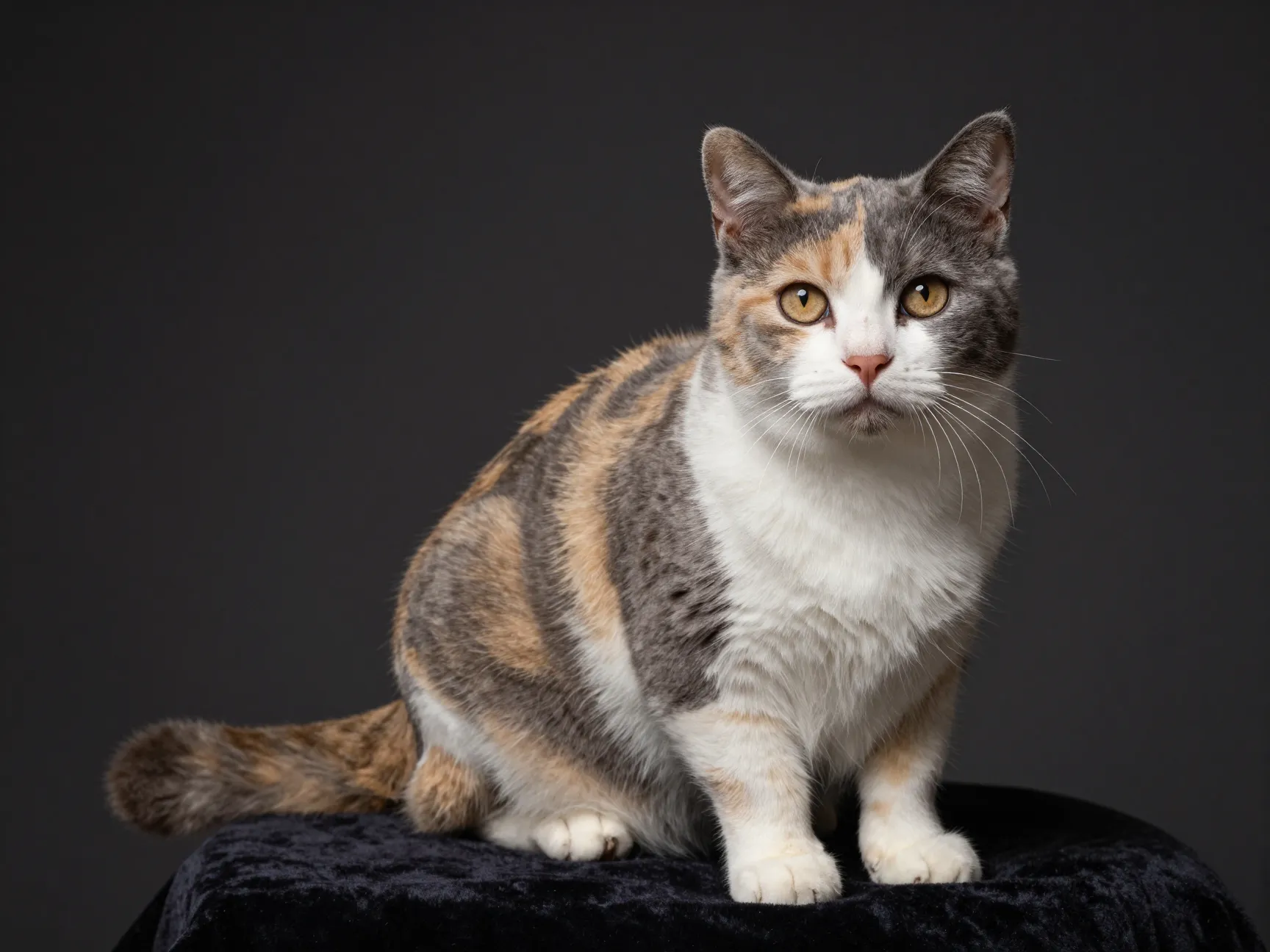
While female dilute calicos are uncommon, male dilute calicos sit in a different category entirely. Current estimates place the frequency of male calicos, standard or dilute, at roughly 1 in 3,000 calico cats, or about 0.03 percent. Most of these males carry an extra X chromosome, a condition known as Klinefelter syndrome, written as XXY instead of the typical XY.
This extra chromosome gives them the two X chromosomes needed to express both orange and black or dilute-black pigment, producing the tri-color coat despite being genetically male. However, this chromosomal arrangement usually comes with a significant tradeoff: the vast majority of male dilute calicos are sterile and cannot reproduce. Some sources estimate that fertile male dilute calicos occur at a rate closer to 1 in 10,000 male calicos, making them among the rarest verified genetic combinations in the domestic cat world. Owners of male calicos, whether dilute or standard, are often encouraged to have their cat evaluated by a veterinarian familiar with feline chromosomal conditions, both to confirm the genetic pattern and to watch for any related health considerations.
6. Their Coat Color Does Not Predict Health Or Personality
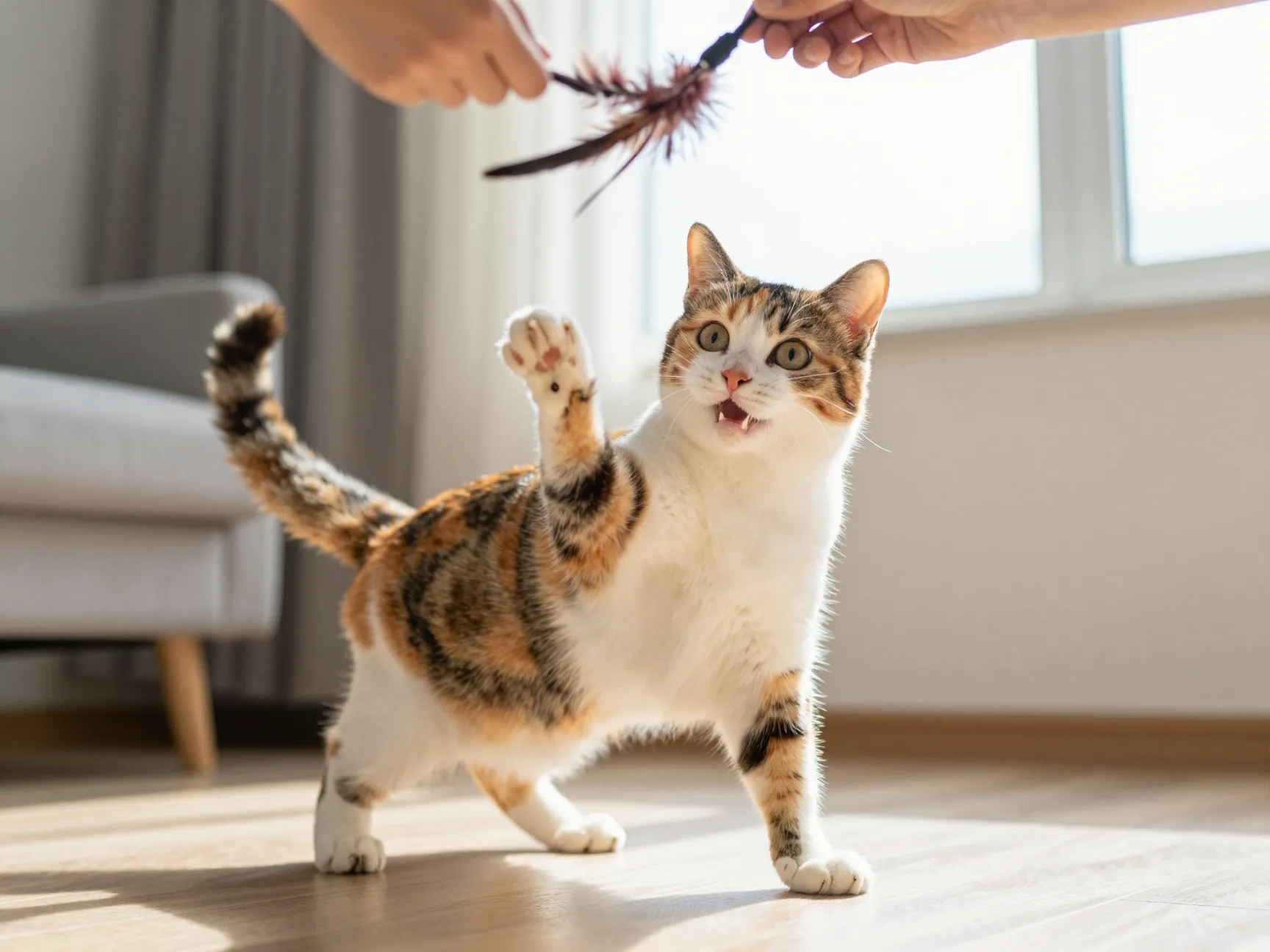
A persistent myth suggests that dilute calicos are luckier, healthier, or more emotionally distinct than other cats. Current feline health guidance does not support this. Aside from the specific chromosomal considerations affecting XXY male calicos, dilute calicos share the same general life expectancy as other domestic cats, typically averaging 12 to 16 years, with many mixed-breed cats living toward the 10 to 15 year range when kept indoors and given routine veterinary care.
Personality claims follow a similar pattern. Owners and shelter staff often describe dilute calicos as affectionate, playful, and occasionally strong-willed, but veterinarians and animal behaviorists consistently note that coat color does not carry a fixed genetic link to temperament. Individual personality is shaped far more by early socialization, environment, and breed background than by fur pattern. Cats described as “calico attitude” likely earn that reputation from confirmation bias and the simple fact that calicos, being mostly female, tend toward behavioral tendencies more associated with sex than with coat color.
Common Myths Worth Retiring
Understanding the 6 Beautiful Facts About The Rare And Diluted Calico Cat also means recognizing what is not true. A few claims circulate widely enough to deserve direct correction.
| Common Claim | What Current Evidence Shows |
|---|---|
| Dilute calicos are their own breed | It is a coat pattern found across many breeds and mixed-breed cats |
| Dilute calicos are extinct-level rare | Females are uncommon but regularly found; only fertile males approach extreme rarity |
| Coat color guarantees a specific temperament | No confirmed genetic link between coat pattern and personality |
| Dilute calicos live longer or healthier lives | Lifespan matches typical domestic cats at 12 to 16 years with good care |
Caring For A Dilute Calico Cat
Because dilute calico describes a pattern rather than a breed, care requirements track closely with whatever underlying breed or mix a particular cat belongs to. That said, a few practical points apply broadly.
- Routine veterinary checkups matter more than coat color. Annual exams, vaccinations, and dental care support the same 12 to 16 year lifespan expected of most domestic cats.
- Indoor living extends life expectancy significantly. Cats kept indoors avoid many of the traffic, predator, and disease risks that shorten outdoor cats’ lives.
- Male calico cats deserve extra genetic screening. Given the XXY pattern common in male dilute calicos, a veterinarian can check for related health considerations and confirm reproductive status.
- Adoption fees and care costs mirror those for any domestic cat of similar age and health status. Rarity of pattern does not translate into higher baseline care needs or costs.
- Grooming depends on coat length, not color. Longhaired dilute calicos need more frequent brushing than shorthaired ones, regardless of how muted or bold their coat pattern looks.
Frequently Asked Questions
Is a dilute calico cat a specific breed?
No. Dilute calico describes a coat color and pattern combination, not a breed. It can appear in domestic shorthairs, domestic longhairs, and several pedigree breeds.
Why are almost all dilute calicos female?
The pattern requires two X chromosomes carrying different color instructions. Since female cats have two X chromosomes and most male cats have only one, the pattern shows up almost exclusively in females.
Can a male cat be a dilute calico?
Yes, but it is rare. Most male calicos carry an extra X chromosome (XXY), and the majority are sterile. Fertile male dilute calicos are considered one of the rarest genetic combinations in domestic cats.
Do dilute calicos have more health problems than other cats?
No, aside from chromosome-related considerations in XXY males. Standard dilute calicos share the same general life expectancy and health profile as other domestic cats.
Are dilute calicos friendlier or luckier than other cats?
There is no genetic evidence linking coat color to luck or personality. Reported traits like affection or sassiness reflect individual cats and their environment, not their coat pattern.
Conclusion
The dilute calico earns its reputation honestly. Its soft, watercolor-like coat comes from a genuinely rare genetic combination: the same X-linked mosaicism that produces standard calicos, layered with a recessive dilution gene that must be inherited from both parents. These 6 Beautiful Facts About The Rare And Diluted Calico Cat show a pattern that is uncommon without being mythical, biologically fascinating without being magical, and visually unique without predicting health or personality in any fixed way.
Anyone drawn to a dilute calico’s gentle coloring should treat the decision like adopting any other cat. Ask about age, health history, and behavior rather than relying on coat color as a shortcut to compatibility. For those specifically interested in the genetics, a conversation with a veterinarian familiar with feline chromosomal patterns can clarify what a particular cat’s coloring does and does not indicate. The beauty of the dilute calico lies in its science as much as its looks, and understanding that science leads to better, more informed care.