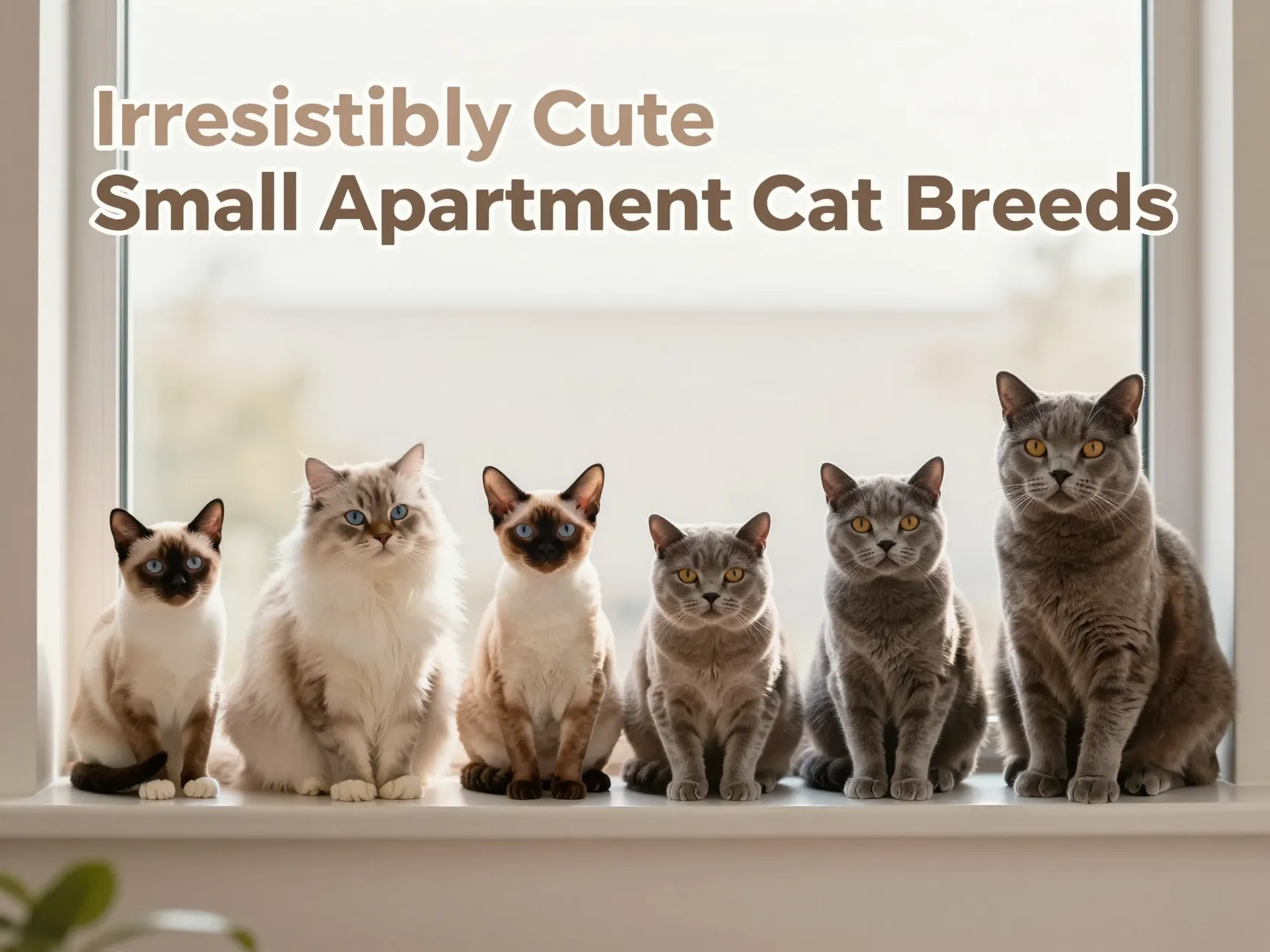
Irresistibly Cute Small Cat Breeds That Fit In Any Apartment
A cat that weighs under six pounds and rarely makes a sound might be the single best-kept secret in modern apartment living. While dog owners wrestle with breed size charts and noise complaints from downstairs neighbors, cat lovers in small spaces have a quieter, easier path, if they pick the right breed. Choosing among the 6 Irresistibly Cute Small Cat Breeds That Fit In Any Apartment isn’t just about square footage. It’s about matching temperament, vocal habits, and energy level to the realities of shared walls, tight hallways, and lease agreements that don’t tolerate midnight zoomies.
Disclosure: This post contains affiliate links. As an Amazon Associate, we earn from qualifying purchases, and at no extra cost to you.
This guide breaks down the small cat breeds that consistently show up on vet-recommended and shelter-endorsed lists for apartment dwellers, plus a few larger outliers that defy expectations. Every recommendation reflects the most current thinking from feline behaviorists and rescue organizations, current as of late 2026.
Key Takeaways
- Temperament and noise level matter more than pure body size when picking apartment-friendly cats.
- The Singapura, the smallest recognized domestic cat breed, is considered a model apartment companion.
- The Chartreux and British Shorthair are prized for their near-silent, low-maintenance personalities.
- Some larger breeds, including the Ragdoll and Persian, adapt beautifully to small spaces despite their size.
- Noise sensitivity and neighbor impact have become a bigger factor in 2026 apartment pet policies than ever before.
What Makes a Cat Breed Perfect for Apartment Living
Apartment life comes with unwritten rules. Thin walls carry sound. Elevators and hallways mean less private outdoor access. Lease agreements often cap pet weight or breed type. Against that backdrop, picking from the 6 Irresistibly Cute Small Cat Breeds That Fit In Any Apartment requires a checklist that goes beyond “small and cute.”
Veterinary behaviorists point to four core traits when evaluating whether a cat breed suits compact living:
- Body size and space needs, smaller cats generally need less territory, fewer litter boxes, and less climbing infrastructure.
- Vocal tendencies, some breeds chatter constantly; others stay nearly silent, a critical difference when neighbors share a wall.
- Energy level, high-energy cats without outdoor access can become destructive or anxious in cramped quarters.
- Independence, cats that tolerate solo time well suit owners with unpredictable work schedules or frequent travel.
Notice that “small” appears only once on that list. Size still matters, especially in micro-studios or shared housing with strict weight limits, but it’s rarely the deciding factor anymore. A 12-pound British Shorthair with a calm, quiet disposition often makes a better apartment resident than a 6-pound cat that yowls at 3 a.m. or shreds furniture out of boredom. This shift in thinking, temperament over raw size, is the single most important update to apartment pet advice heading into 2026.
That said, smaller breeds do offer real, measurable advantages: lower food costs, easier handling during vet visits, smaller litter box footprints, and generally lower physical impact on furniture and floors. The six breeds below balance both criteria, genuinely compact bodies paired with personalities built for close quarters.
The 6 Irresistibly Cute Small Cat Breeds That Fit In Any Apartment
Each of these breeds appears repeatedly across shelter recommendations, veterinary apartment-living guides, and breed club literature as ideal for small homes. They range from the tiniest domestic cat on record to sturdier, medium-small breeds known for their composure.
1. Singapura
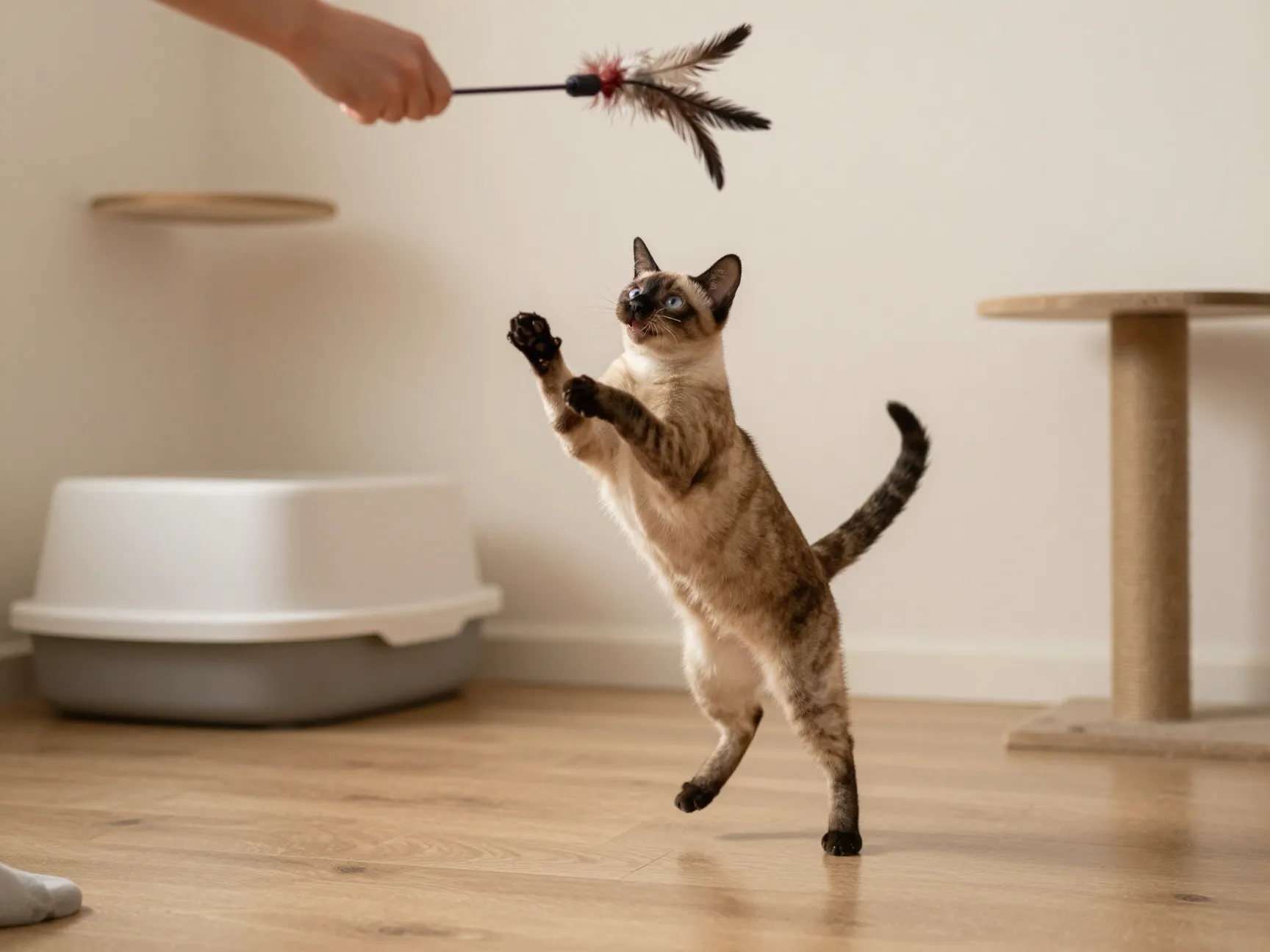
The Singapura holds the title of smallest recognized domestic cat breed, typically weighing between four and eight pounds fully grown. Originating from the street cats of Singapore, this breed combines a petite frame with enormous personality. Singapuras are playful without being destructive, curious without being demanding, and famously affectionate toward their humans.
Their small size makes them the clearest example of what “small cat breeds that fit in any apartment” actually means in practice. A Singapura needs minimal floor space, a single litter box, and one or two vertical perches to feel completely at home. They do crave interaction, so owners working long hours should pair them with puzzle feeders or a second cat for company.
Pull quote: “The Singapura proves that apartment-friendly doesn’t mean low-energy, it means efficiently energetic.”
2. Chartreux
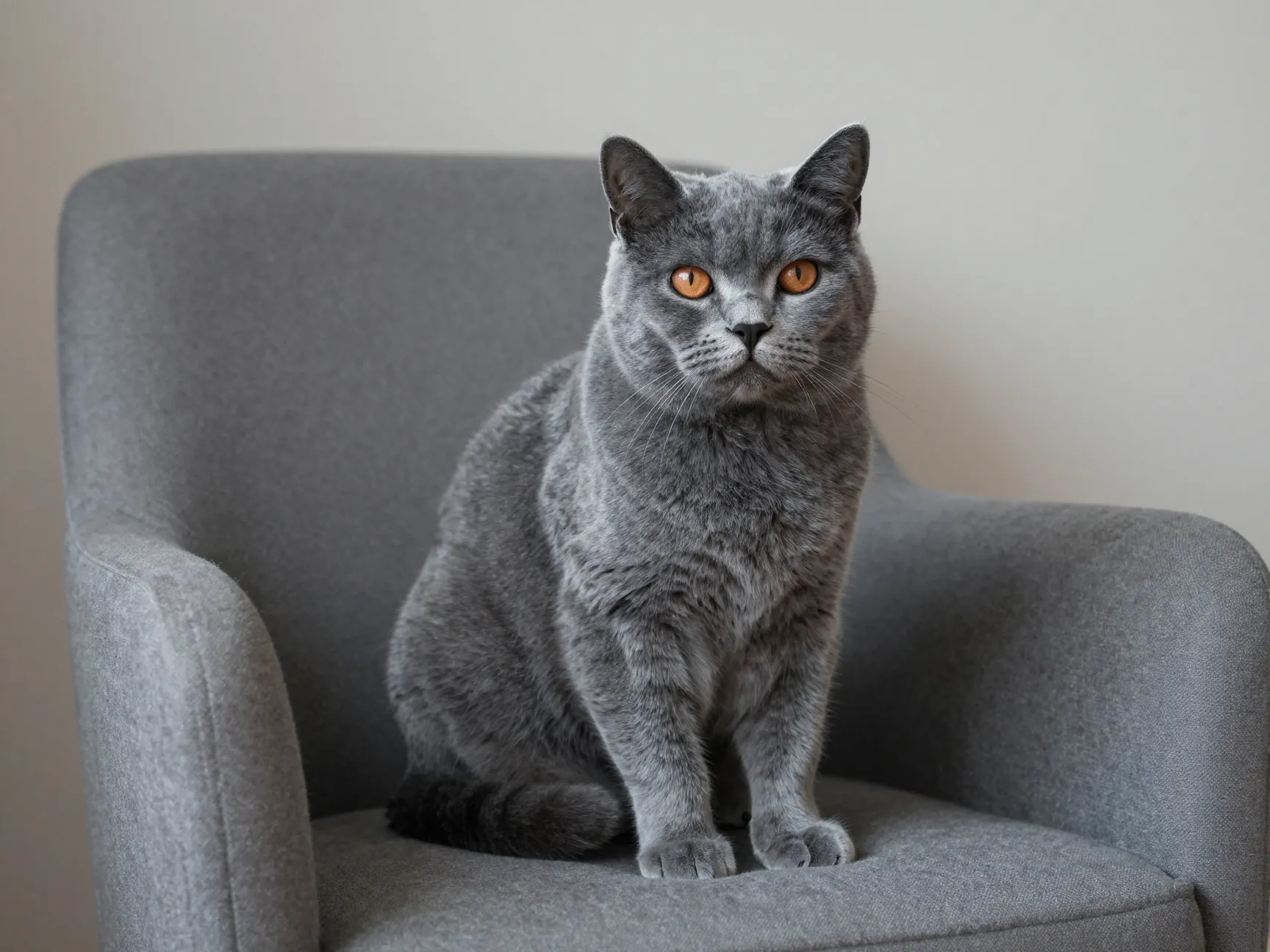
The Chartreux is often described by owners as the closest thing to a silent roommate. This French breed, with its dense blue-grey coat and quiet demeanor, rarely vocalizes even when hungry or seeking attention. Instead, Chartreux cats communicate through gentle body language, making them a near-perfect fit for studio apartments with sound-sensitive neighbors.
Weighing between seven and twelve pounds, the Chartreux isn’t the smallest breed on this list, but its low-maintenance grooming needs, calm indoor behavior, and minimal noise output place it firmly among the top choices for renters. It adapts well to being left alone for a workday and shows little interest in destructive scratching when given a single sturdy post.
3. Cornish Rex
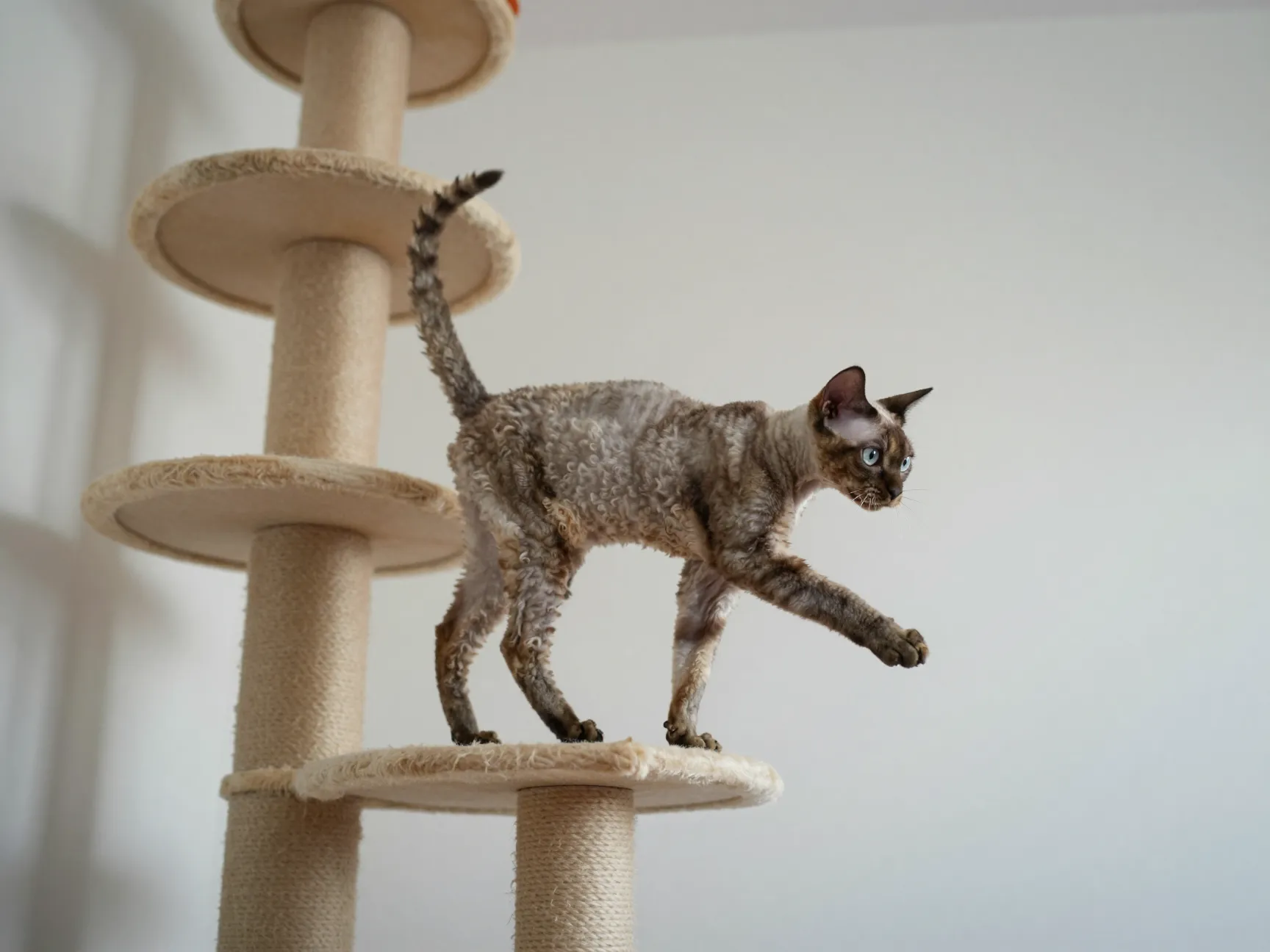
The Cornish Rex brings a different energy to this list. Slim, athletic, and famous for its curly, ultra-short coat, this breed is small in body mass, often under nine pounds, but big on activity. Cornish Rex cats are agile climbers and enthusiastic players, which means apartment owners need to provide vertical enrichment like cat trees or wall shelves to satisfy their need to move.
Despite the higher energy level, the Cornish Rex adapts remarkably well to small spaces because it channels activity into short, intense bursts rather than constant motion. A few daily play sessions with a wand toy typically exhausts its exercise needs for hours. Its short coat also means less shed hair accumulating in tight living areas, a practical bonus for small-space cleaning routines.
4. British Shorthair
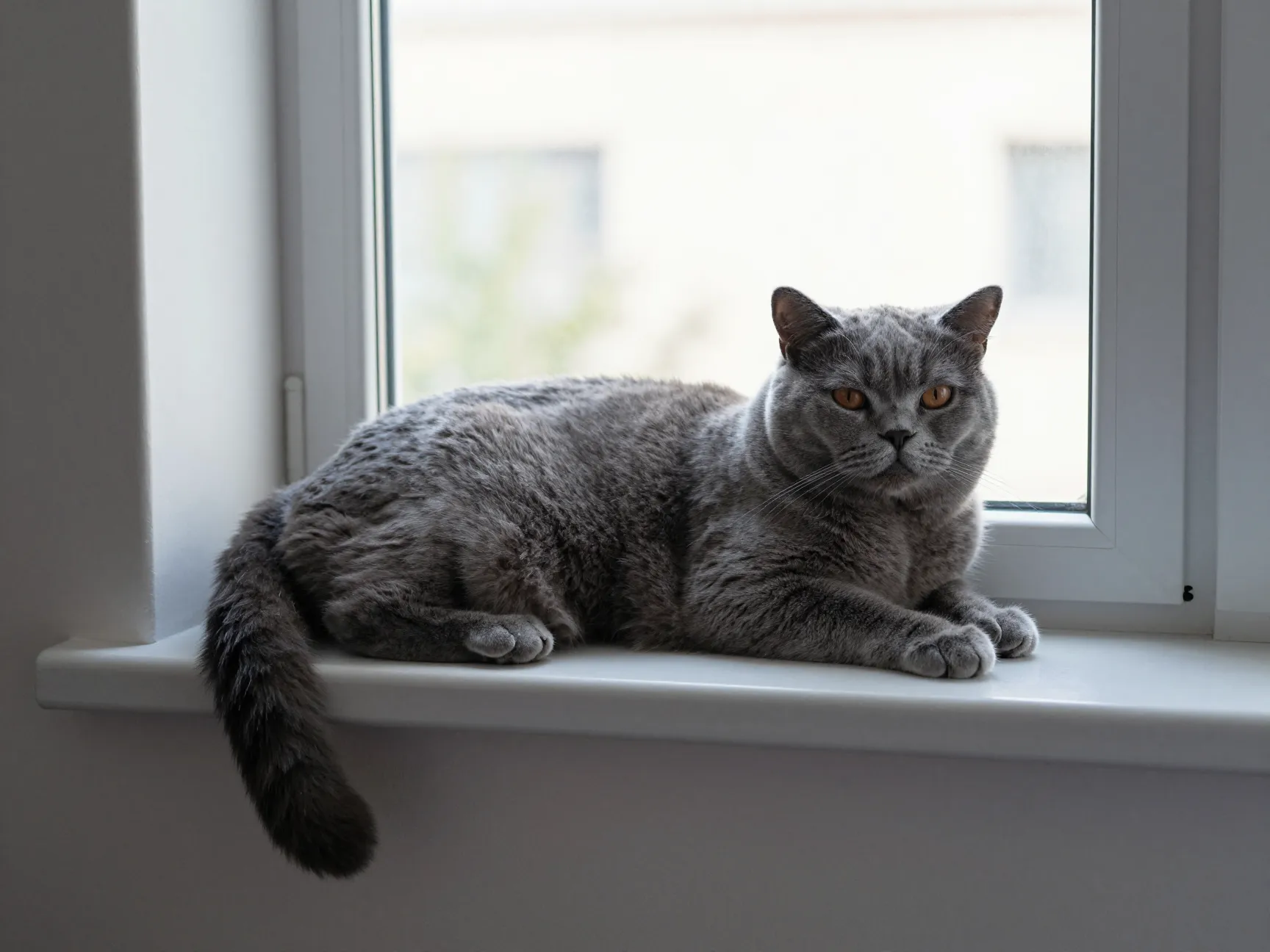
The British Shorthair is arguably the most widely recommended cat for apartment living across veterinary and shelter sources alike. Round-faced, dense-coated, and famously easygoing, this breed carries a reputation for near-unshakable calm. British Shorthairs are content to watch the world from a windowsill for hours, rarely demand constant attention, and adjust easily to quiet, low-stimulation environments.
Adult British Shorthairs typically weigh between nine and eighteen pounds, making them a slightly larger presence than a Singapura or Cornish Rex, but their compact, stocky build and minimal need for running space keep them firmly apartment-appropriate. Their low vocal output and tolerance for alone time make them a favorite among first-time renters choosing a cat.
5. Russian Blue
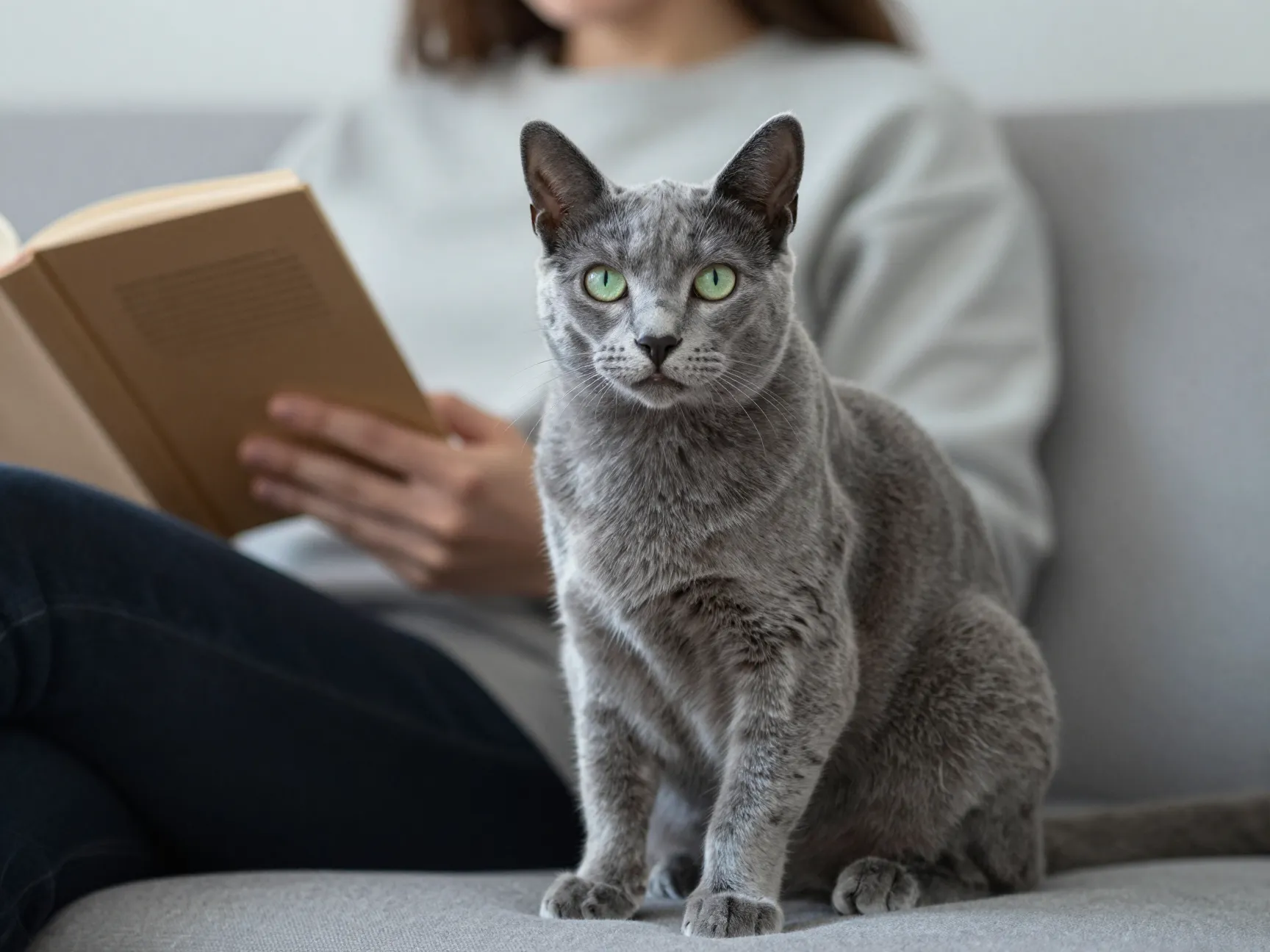
Russian Blues bring a reserved, almost dignified presence to small living spaces. Known for a plush silver-blue coat and striking green eyes, this breed tends to bond deeply with one or two people while remaining polite and undemanding around visitors. Russian Blues are quiet by nature, rarely meowing unless genuinely seeking something specific, which makes them an excellent match for shared-wall living.
Weighing between seven and twelve pounds, Russian Blues are naturally cautious around loud noise or sudden change, so they thrive in the relatively controlled environment of an apartment more than in a chaotic multi-pet household. Their independence also means they tolerate longer stretches alone without becoming anxious or vocal about it.
6. American Shorthair
Rounding out the list, the American Shorthair offers a sturdy, adaptable temperament that suits almost any indoor setup. This breed is famous for being unfussy, about food, about routine, about strangers, which translates into a low-stress presence in compact homes. American Shorthairs typically weigh between eight and fifteen pounds and carry a short, easy-care coat that handles small-space shedding with minimal owner effort.
What sets the American Shorthair apart on this list is its balance: moderate energy that doesn’t require elaborate enrichment setups, moderate vocalization that won’t disturb neighbors, and a moderate size that fits comfortably even in micro-apartments. It’s often recommended to renters who want a “no surprises” cat.
Small Cat Breed Comparison at a Glance
| Breed | Typical Weight | Noise Level | Energy Level | Best For |
|---|---|---|---|---|
| Singapura | 4-8 lbs | Low | Moderate-High | Playful owners in tiny studios |
| Chartreux | 7-12 lbs | Very Low | Low | Sound-sensitive shared walls |
| Cornish Rex | 6-9 lbs | Low-Moderate | High | Owners who provide vertical play |
| British Shorthair | 9-18 lbs | Low | Low | First-time renters wanting calm |
| Russian Blue | 7-12 lbs | Very Low | Low-Moderate | Single-person quiet households |
| American Shorthair | 8-15 lbs | Moderate | Moderate | Anyone wanting a balanced, easy cat |
Larger Breeds That Still Work in Small Spaces
Size charts don’t always tell the full story. Two of the most apartment-recommended cats in the country, the Ragdoll and the Persian, are notably larger than every breed on the primary list above, yet they consistently appear in apartment living guides for one simple reason: temperament trumps mass.
The Ragdoll can weigh between ten and twenty pounds, sometimes more, but it earns its “puddle cat” nickname by going limp and relaxed when picked up, showing almost no resistance to handling and minimal interest in jumping onto high, hard-to-reach surfaces. Ragdolls tend to follow their owners from room to room rather than demanding independent territory, which suits the layout of a one-bedroom apartment surprisingly well.
The Persian, similarly, carries a stocky, low-slung body that discourages the kind of climbing and jumping that stresses small-space furniture. Persians are famously sedentary indoor cats, content with a soft bed, a window view, and predictable daily grooming. Their main apartment challenge isn’t behavior, it’s coat maintenance, since their long fur mats easily in dry, climate-controlled indoor air.
Both breeds reinforce the central theme running through any serious discussion of 6 Irresistibly Cute Small Cat Breeds That Fit In Any Apartment: a calm, low-demand personality can outweigh several extra pounds of body weight when it comes to real-world apartment compatibility.
Noise and Neighbor Impact: The 2026 Apartment Concern
Noise complaints have become one of the fastest-growing sources of tension between renters and property managers, and cats are increasingly part of that conversation. Thin modern construction, open-concept layouts, and shared HVAC systems all carry sound more efficiently than older buildings, which means a chatty, demanding cat can create friction even without a single incident of property damage.
This is why breed selection now carries real practical weight for renters. A cat that vocalizes frequently, through loud meowing, yowling at night, or vocal demands for attention, can trigger noise complaints just as easily as a barking dog, particularly in buildings with strict quiet-hours policies. Breeds like the Chartreux and Russian Blue, both known for near-silent communication styles, sidestep this issue almost entirely.
Property managers surveyed in recent apartment living guides increasingly ask prospective tenants about pet temperament rather than just breed or weight, reflecting this shift. Some buildings now request a brief behavioral reference for pets with a history of excessive vocalization. For renters weighing which of the small cat breeds that fit in any apartment to bring home, this trend makes quiet temperament a genuinely practical selling point, not just a personal preference.
Beyond vocalization, foot traffic noise matters too. Larger, more active cats that sprint across hardwood floors or leap from high perches can create audible thumping in units below. This is another reason calm, low-energy breeds like the British Shorthair and Persian consistently outperform more athletic breeds in dense apartment buildings, regardless of body size.
How to Choose the Right Small Cat Breed for Your Apartment
Selecting a breed from this list is only half the equation. The other half involves an honest assessment of the living space and the owner’s daily routine. A few practical questions can guide the decision:
- How many hours per day will the cat be alone. Independent breeds like the Russian Blue and Chartreux tolerate solitude better than highly social breeds like the Singapura.
- How thin are the walls and floors. Sound-sensitive buildings favor the quietest breeds, Chartreux, Russian Blue, and British Shorthair top that list.
- How much vertical space is available. Cornish Rex and Singapura cats benefit enormously from wall shelves or a floor-to-ceiling cat tree, while Persians and Ragdolls are content closer to ground level.
- What is the grooming commitment. Short-coated breeds like the American Shorthair and Cornish Rex require far less upkeep than the long-haired Persian.
- Does the lease include a weight limit. Buildings with strict caps often favor the Singapura, Cornish Rex, or Chartreux over larger-bodied breeds like the Ragdoll.
Matching these factors to a breed’s known traits dramatically increases the odds of a smooth transition, fewer behavioral issues, and a happier cat overall. Shelters and breed rescues increasingly ask these same questions during adoption interviews specifically because apartment mismatches remain one of the leading causes of returned cats in urban areas.
Frequently Asked Questions
Is a smaller cat automatically better for apartment living.
Not necessarily. Size affects space and litter needs, but temperament, noise level, and energy management matter more for long-term apartment success.
Which breed on this list is best for a first-time cat owner in a studio apartment.
The British Shorthair and Chartreux are frequently recommended for first-time owners because of their calm temperament and minimal noise output.
Can high-energy breeds like the Cornish Rex really thrive in a small apartment.
Yes, provided owners offer vertical enrichment and structured daily play sessions to satisfy their activity needs in a limited footprint.
Do larger breeds like Ragdolls and Persians cause more noise complaints in apartments.
Generally no. Both breeds are known for low activity and gentle temperaments, which often makes them quieter than smaller but more excitable breeds.
How many litter boxes does a small apartment cat need.
Most single-cat apartment households do well with one to two boxes, though multi-cat homes should add one box per cat plus one extra.
Conclusion
Choosing among the 6 Irresistibly Cute Small Cat Breeds That Fit In Any Apartment ultimately comes down to matching personality to lifestyle, not just picking the smallest available breed. The Singapura offers unmatched compactness with playful charm. The Chartreux and Russian Blue bring near-silent companionship ideal for thin-walled buildings. The Cornish Rex rewards owners willing to provide vertical enrichment. The British Shorthair and American Shorthair deliver dependable, low-drama companionship that suits almost any schedule. And larger breeds like the Ragdoll and Persian prove that calm temperament can outweigh extra pounds when space is tight.
Before bringing a new cat home, walk through the practical checklist above: alone time, wall thickness, vertical space, grooming commitment, and lease restrictions. Visiting a local shelter or breed-specific rescue to meet a cat in person remains the single best way to confirm temperament before making a long-term commitment. A little research now prevents noise complaints, stressed pets, and difficult rehoming decisions later, and sets both cat and owner up for a genuinely comfortable life together in even the smallest apartment.