Funny Animal Drawings That Are Awkwardly, Adorably Perfect
A cartoon T-Rex fumbling with his shoelaces has no business being this relatable. Yet across sketchbooks, stock illustration libraries, and meme accounts, drawings like this one rack up millions of views precisely because they look like they shouldn’t work. The lines wobble. The proportions are wrong. The expressions are a little too honest. And somehow, that combination is exactly what makes them impossible to scroll past.
Disclosure: This post contains affiliate links. As an Amazon Associate, we earn from qualifying purchases, and at no extra cost to you.
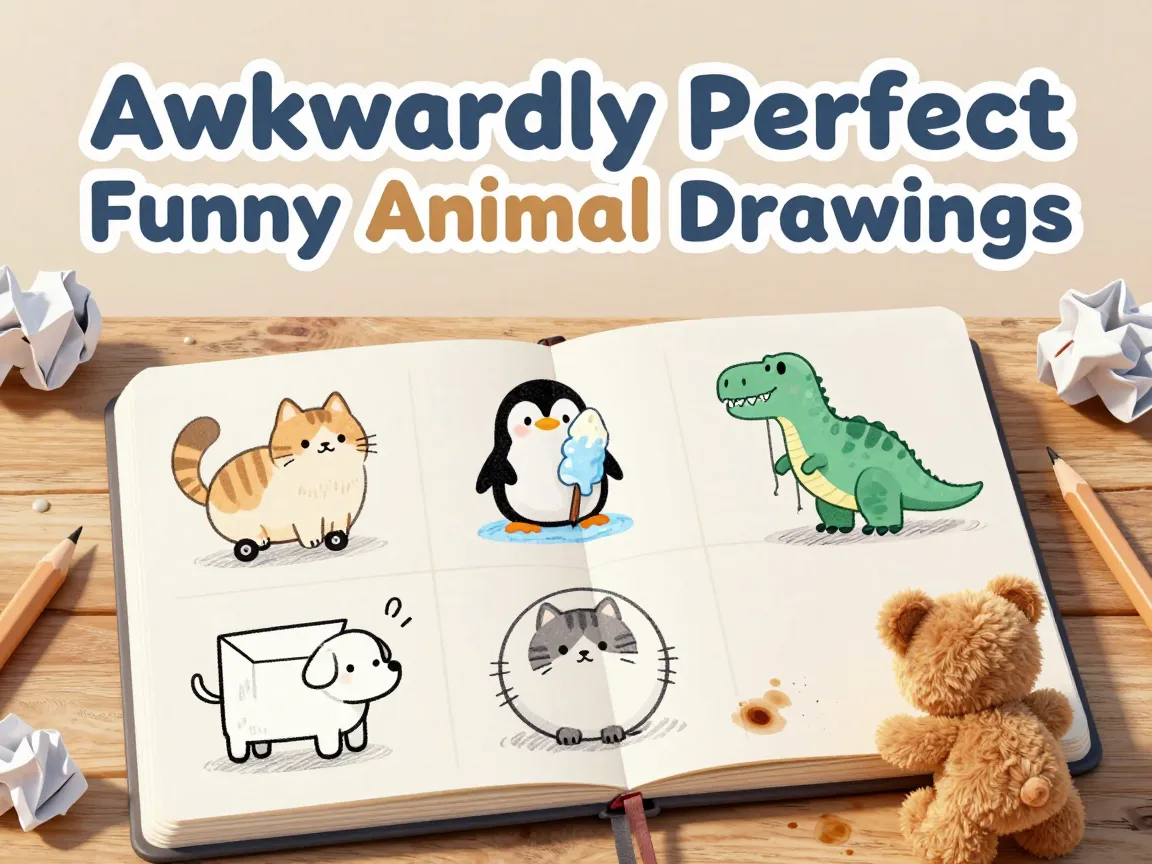
This piece breaks down 6 funny animal drawings that are awkwardly, adorably perfect, the design logic behind why clumsy-looking art charms so many people, and how artists intentionally build in the “mistakes” that make these characters so lovable. Whether a reader is browsing for a laugh, hunting for drawing inspiration, or trying to understand why badly drawn animals keep dominating social feeds, this guide covers the full picture.
Key Takeaways
- Awkward proportions, oversized eyes, and simplified shapes are deliberate techniques, not accidents, used to make animal drawings feel funnier and more endearing.
- The six examples featured here, including a wheeled cat, a shoelace-struggling T-Rex, and a perfectly circular cat, represent a recognizable style found across drawing prompt generators, kids’ art guides, and stock illustration platforms.
- Socially awkward animal characters handling everyday human situations, a style popularized by artists like Liz Climo, remain a dominant trend in comic and illustration circles.
- The “so bad it’s good” niche, including terrible pet portraits and poorly drawn cat memes, proves that crude linework can increase comedic and emotional impact rather than diminish it.
- Anyone can recreate this look by following a few core rules: rounded bodies, exaggerated features, and loose, forgiving line quality.
Why These 6 Funny Animal Drawings That Are Awkwardly, Adorably Perfect Keep Going Viral
There is a reason awkward animal art spreads faster than polished, technically perfect illustration. Perfect drawings are impressive, but they rarely make anyone laugh out loud. Awkward drawings do both at once: they are funny and strangely endearing, often within the same two seconds of looking at them. That double reaction is what keeps this style trending across drawing idea generators, stock illustration marketplaces, and comic accounts built entirely around lovable, bumbling animal characters.
Design research into this trend points to a few consistent patterns. Large drawing-prompt collections built for casual artists consistently feature ideas like a chubby cat zooming around on tiny wheels or a penguin frantically trying to rescue a melting ice cream cone. These prompts are not accidents; they are built specifically to look chaotic and silly while staying unmistakably cute. The goal is never anatomical accuracy. The goal is an emotional reaction.
Comic artists working in this space have also shown that the humor does not need outlandish scenarios to land. Liz Climo’s widely shared animal comics, for example, lean on quiet, socially awkward moments, like a terrible dinner date or a rough Monday, played out by foxes, bears, and other soft-bodied creatures. The comedy comes from relatability layered onto a visual style that is intentionally simple and round. That combination, awkward situation plus adorable rendering, is the engine behind this entire genre.
Stock illustration platforms have noticed the same pattern and built entire catalogs around it. Searches for “funny animal portraits” or “funny animal meme illustrations” turn up sets of deliberately exaggerated cats and badly drawn comic panels, evidence that demand for imperfect, characterful animal art has moved well past internet jokes and into commercial design work. Brands, greeting card companies, and social media managers now actively seek out this aesthetic because it performs better with audiences than sleek, realistic alternatives.
The humor in awkward animal drawings rarely comes from the joke itself. It comes from how confidently the artist commits to the wrong proportions.
Even the deliberately “terrible” end of the spectrum has found a dedicated audience. Accounts built around crude, badly proportioned pet portraits and poorly drawn animal comics have built loyal followings precisely because the crude linework reads as more honest and more funny than a technically skilled sketch ever could. Awkward execution, in this niche, is not a flaw to fix. It is the entire point.
The 6 Funny Animal Drawings That Are Awkwardly, Adorably Perfect
Below is a curated breakdown of six standout examples that capture this style at its best. Each one pulls from recurring themes found across drawing prompt generators, kids’ art tutorials, and viral illustration trends, and each demonstrates a slightly different technique for turning an animal into something funny, clumsy, and completely charming.
1. The Chubby Cat on Tiny Wheels
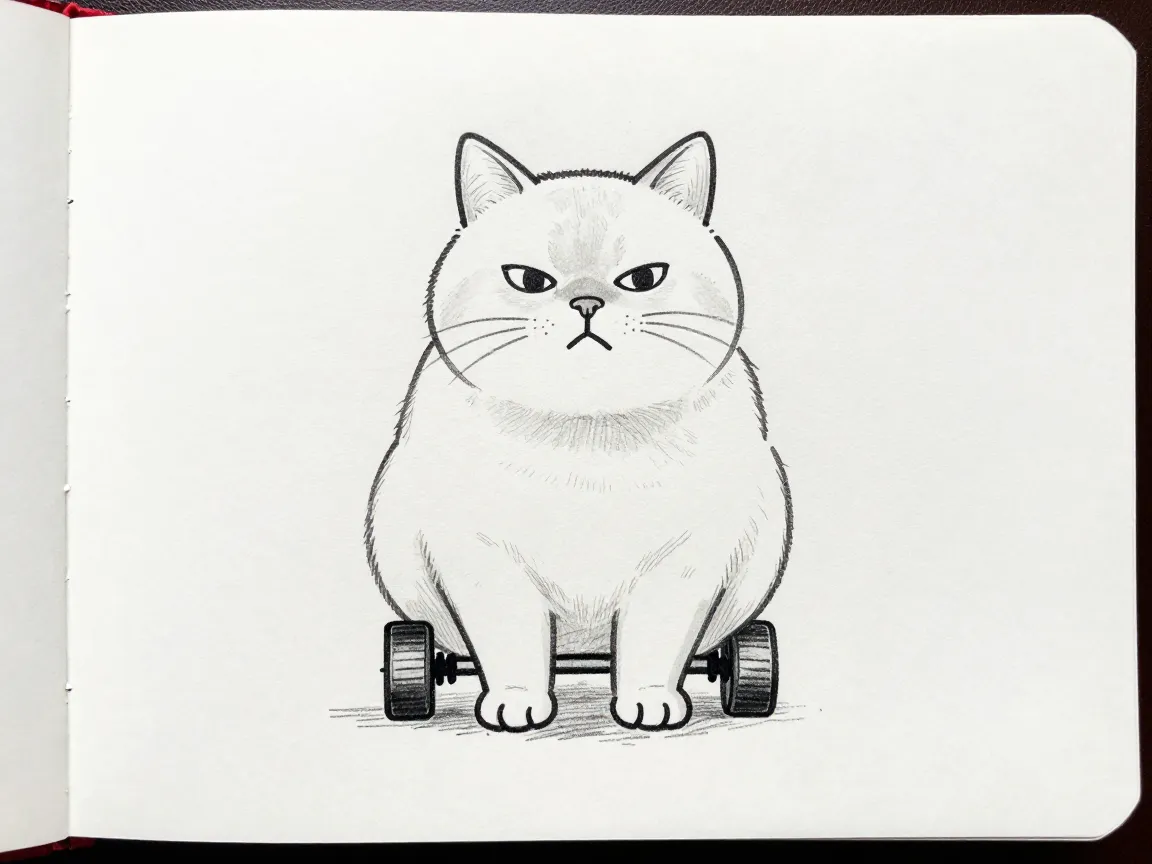
This drawing takes a classic round, overweight cat silhouette and bolts on a set of comically undersized wheels, as if the cat has decided walking is no longer an option. The humor comes from the mismatch in scale: a heavy, soft body balanced on wheels clearly too small to support it. Artists following this prompt typically draw the cat’s belly as one giant circle, barely leaving room for stubby legs, which only makes the wheels look more absurd by comparison.
What makes it “adorably perfect” rather than just silly is the cat’s expression. Most versions give the character a blank, mildly smug look, as though zooming nowhere in particular is a perfectly reasonable life choice. That deadpan confidence against a physically ridiculous setup is a reliable formula for this entire art style.
2. The Penguin Saving a Melting Ice Cream Cone
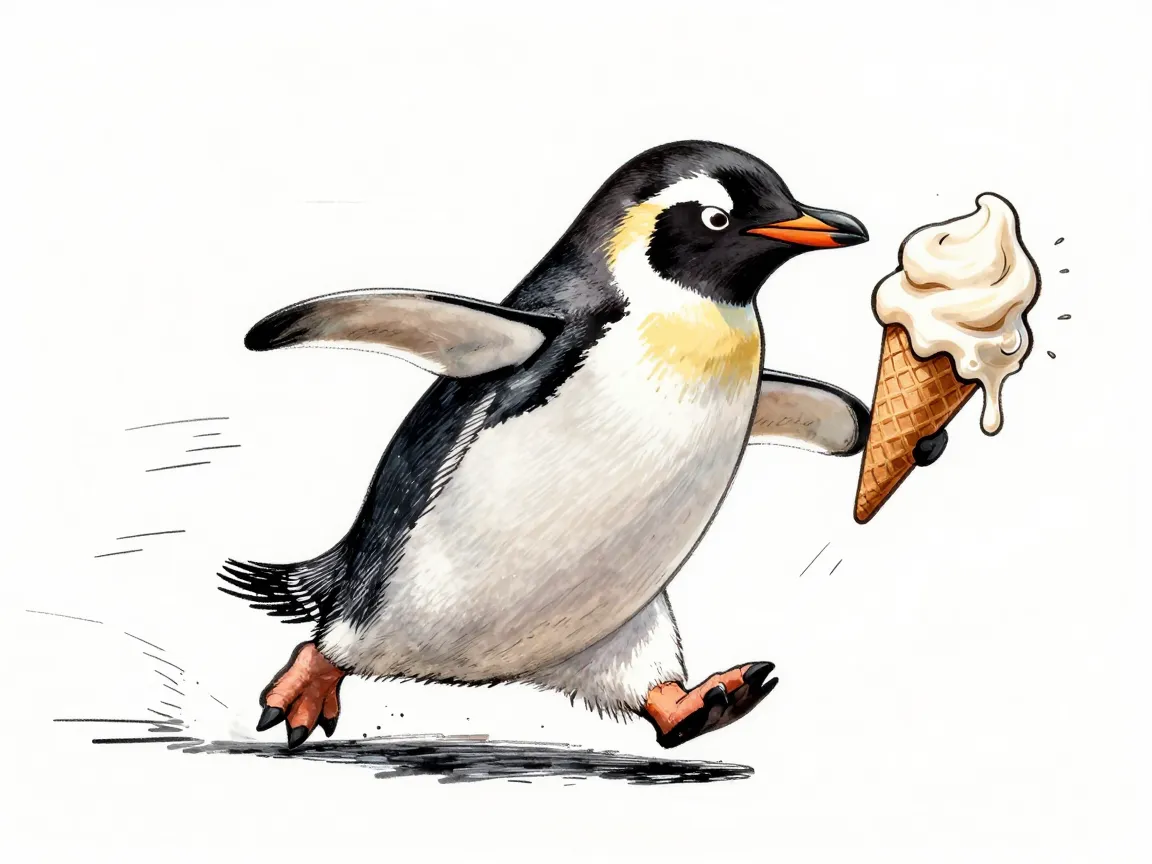
Few scenarios capture frantic, lovable panic better than a penguin racing against a melting ice cream cone. The drawing typically shows the penguin mid-sprint, flippers flailing, with drips of ice cream rendered as oversized, exaggerated blobs to heighten the stakes. Because penguins already have a naturally round, waddling body shape, the “running in a panic” pose reads as both urgent and clumsy at the same time.
This example works because the stakes are low but the reaction is high. Nobody is in real danger here, which is exactly why the exaggerated panic is funny instead of stressful. It is a small, low-pressure scenario rendered with big, dramatic energy, a contrast that shows up again and again in this genre of animal art.
3. The T-Rex Who Cannot Tie His Shoelaces
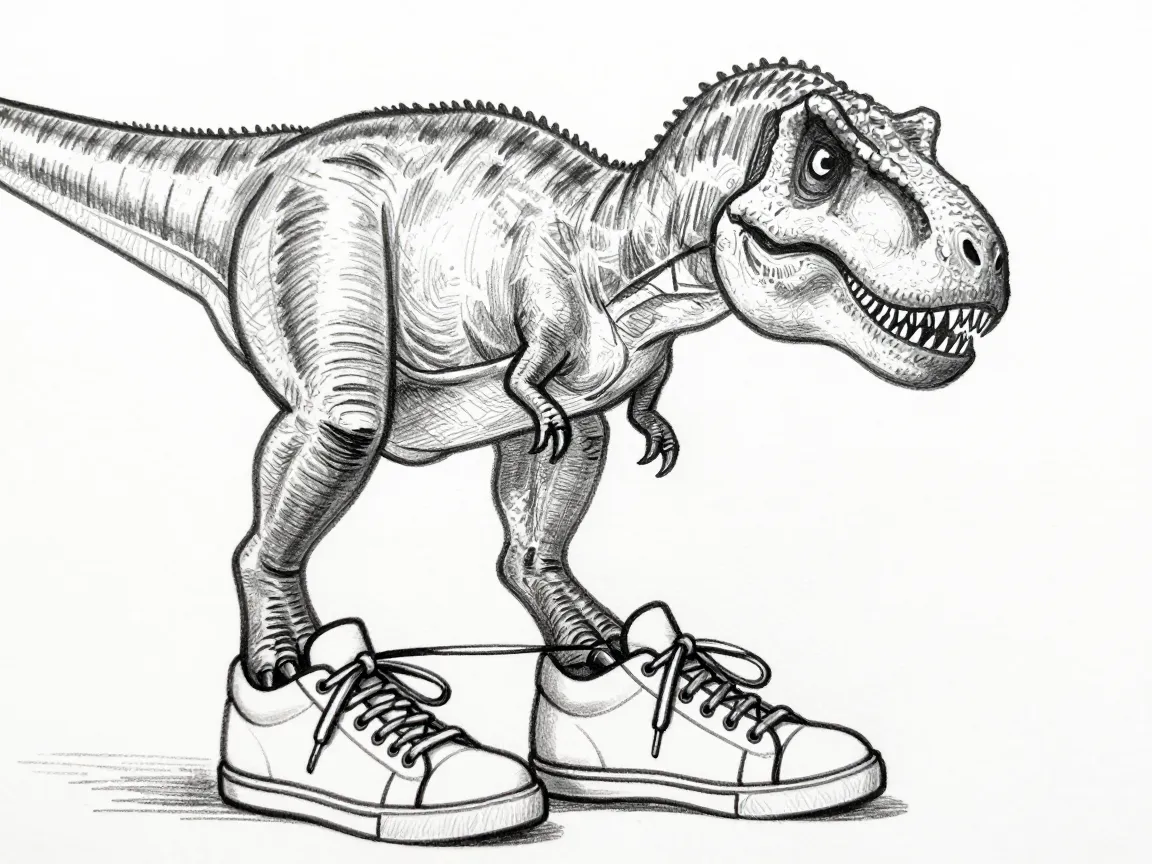
A T-Rex with tiny arms attempting to tie shoelaces is one of the most quietly brilliant setups in awkward animal art because the joke writes itself anatomically. Tyrannosaurus rex is famous for having arms too short to reach much of anything, so giving the character a simple, everyday task like tying shoes instantly creates built-in physical comedy.
Artists drawing this scene usually lean into the frustration, showing the dinosaur’s tiny claws straining uselessly toward oversized sneaker laces, often with a slightly annoyed or determined facial expression. The humor sits in the gap between effort and ability. The drawing does not need bold colors or wild backgrounds to land; the concept alone carries the laugh.
4. The Cube-Shaped Dog
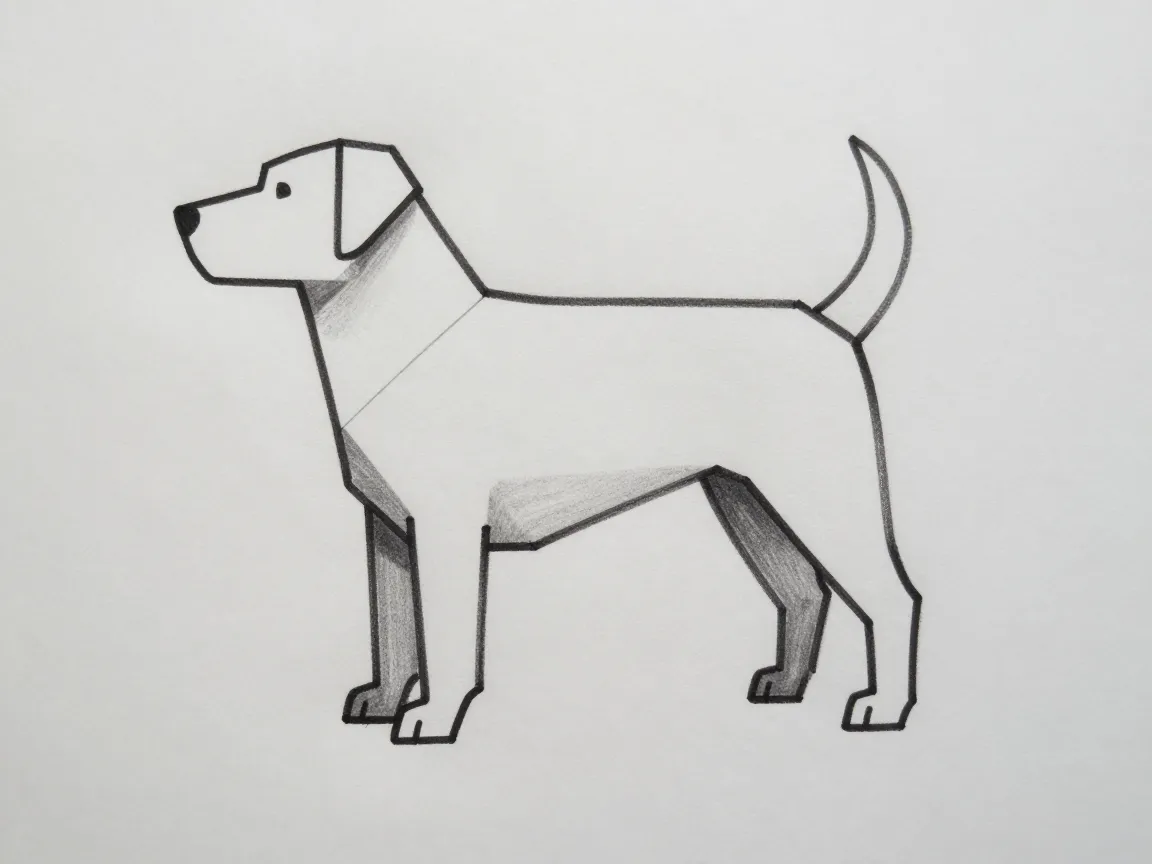
Of all the entries on this list, the cube-shaped dog is the clearest example of pure geometric absurdity used for comedic effect. Instead of a rounded, organic dog body, the artist draws the torso as a near-perfect square or cube, then attaches a recognizable dog head, legs, and tail directly to it. The result looks structurally impossible and strangely charming at the same time.
This idea frequently appears in random drawing idea generators precisely because it is so simple to execute but produces an instantly funny result. There is no advanced shading or complex anatomy required, just a willingness to replace a natural curve with a hard, blocky edge. That small decision is enough to turn a familiar animal into something unexpectedly funny.
5. The Circular Cat With No Edges
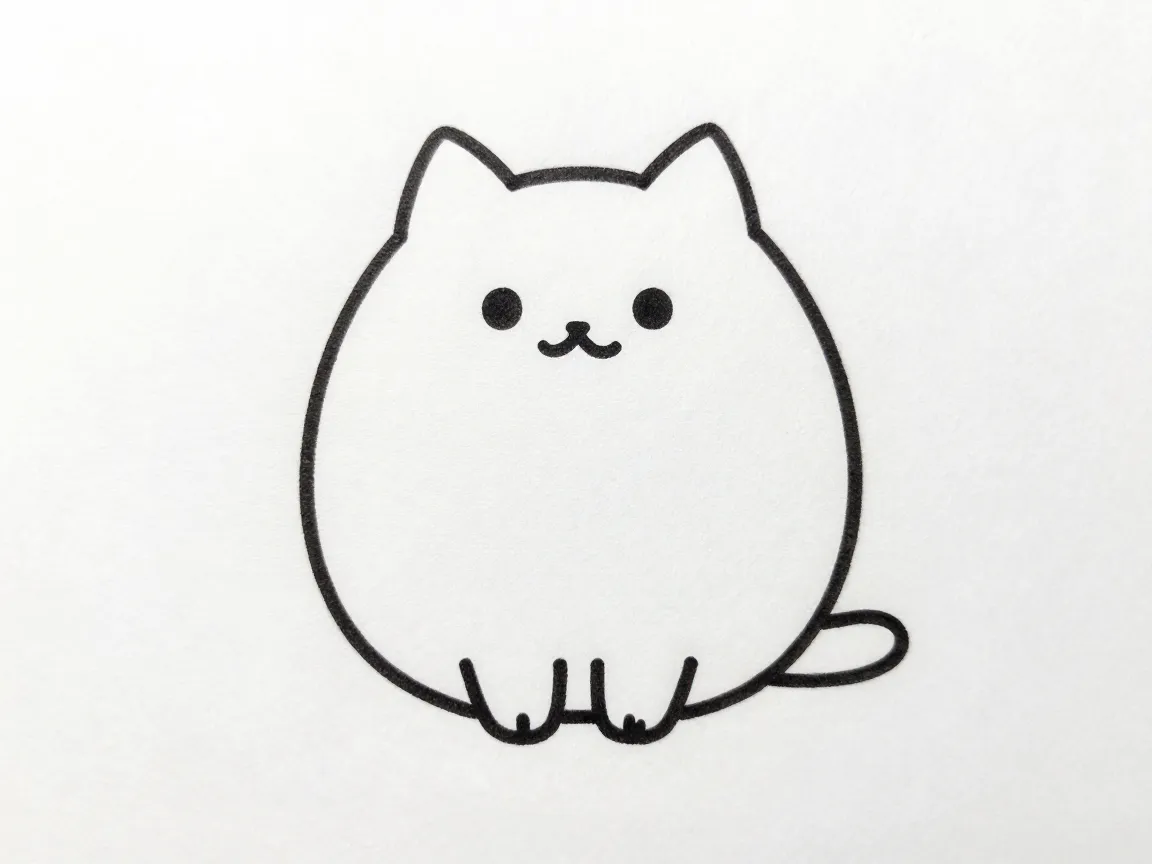
Taking roundness to its logical extreme, this drawing renders a cat as a nearly perfect circle, with ears, a tail, and a tiny face barely peeking out from the edges. There are no visible legs in most versions, just a solid, doughy shape that looks like it could roll away at any moment. The cat’s face is usually squished into the upper third of the circle, giving it a permanently startled or unbothered expression depending on how the eyes are drawn.
This example captures a broader design principle seen throughout cute animal drawing tutorials: oversimplification, not detail, is what reads as adorable. A perfectly round body with minimal features removes any sense of realism and replaces it with pure, squishy charm.
6. The Teddy Bear Viewed From Behind
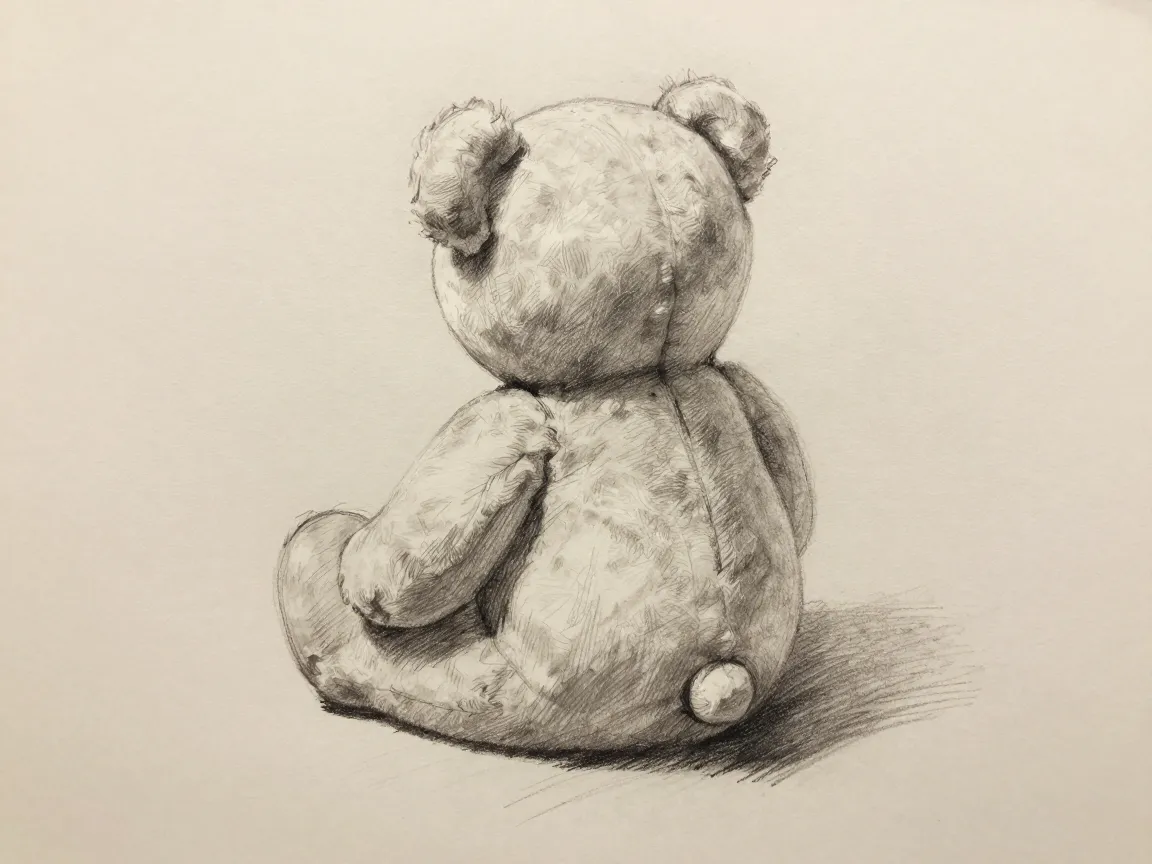
Not every entry on this list needs an outlandish scenario to work. A teddy bear drawn from behind, sitting quietly with its round ears and stubby arms visible, proves that viewpoint alone can create gentle, understated humor. Because the viewer cannot see the bear’s face, the drawing invites a bit of mystery about what it might be thinking or looking at, which adds personality without requiring any complex expression work.
This approach shows up frequently in goofy drawing idea lists aimed at beginners because it strips away the hardest part of character art, facial expression, while still producing a result that feels warm and a little funny. The awkwardness here is subtle: a slightly hunched posture or a tilted head is often all it takes to make the pose feel endearing rather than static.
Quick Comparison of the 6 Funny Animal Drawings
| Drawing | Main Humor Source | Key Visual Trick | Difficulty Level |
|---|---|---|---|
| 1. Chubby Cat on Wheels | Scale mismatch | Oversized body, undersized wheels | Easy |
| 2. Penguin Saving Ice Cream | Exaggerated urgency | Dramatic motion lines | Moderate |
| 3. T-Rex with Shoelaces | Physical limitation | Tiny arms, everyday task | Easy |
| 4. Cube-Shaped Dog | Geometric absurdity | Square torso, round limbs | Easy |
| 5. Circular Cat | Extreme simplification | No visible legs, solid circle body | Easy |
| 6. Teddy Bear from Behind | Subtle posture and mystery | Hidden face, hunched pose | Beginner friendly |
How Artists Create Awkwardly Adorable Animal Drawings
Behind every item on this list of 6 funny animal drawings that are awkwardly, adorably perfect sits a small set of repeatable techniques. None of them require advanced training, which is part of why this style has become so popular with beginner artists, meme creators, and professional illustrators alike.
The most consistent rule across instructional guides for this style is exaggeration over accuracy. Step-by-step tutorials aimed at both kids and adult hobbyists recommend starting with a single large rounded shape for the body, then adding oversized features like big eyes, stubby limbs, or an oddly long trunk. A guide focused on teaching children to draw elephants, for instance, suggests one big rounded body shape paired with exaggerated ears and a long curved trunk rather than anatomically correct proportions. That single decision, choosing simplicity over realism, is what makes the animal look goofy and approachable instead of lifelike and neutral.
A second technique involves intentional imperfection in the linework itself. Crude, wobbly lines read as more charming than crisp, ruler-straight ones in this genre. The “terrible pet portraits” trend and various poorly drawn animal meme accounts lean on this directly, using rough proportions and loose strokes to generate a sense of warmth and humor that a technically polished drawing would lose. The lines are not a failure of skill; they are a stylistic choice that signals playfulness.
A third technique focuses on viewpoint and body language rather than facial detail. The teddy bear drawn from behind is a strong example: a simple shift in viewpoint, paired with a slightly hunched posture, creates a sense of personality and gentle comedy without requiring any complex expression work. This matters for beginner artists especially, since facial expressions are often the hardest part of character drawing to get right.
Here is a simple checklist that summarizes the core building blocks used across nearly every successful example of this style:
- Start with one dominant rounded shape for the body rather than multiple complex forms.
- Exaggerate one or two features dramatically, such as the eyes, ears, or limbs, while keeping everything else simple.
- Choose a pose or viewpoint that implies a feeling, such as panic, boredom, or determination.
- Let the linework stay loose and slightly imperfect instead of aiming for clean, ruler-precise edges.
- Pair the visual with a relatable, low-stakes scenario, since familiar situations make the humor land faster than exotic or complicated ones.
Drawing idea generators built around this exact formula consistently produce prompts like “dog shaped like a cube,” “penguin pirate,” or “really fat cat, circular,” each one built from the same underlying principle: take a recognizable animal, strip away realism, and replace it with one or two exaggerated, funny traits. The simplicity is deliberate, and it is precisely what makes the results so easy to replicate.
Frequently Asked Questions
What makes an animal drawing “awkwardly adorable” instead of just badly drawn?
The difference comes down to intent and consistency. Awkwardly adorable drawings use exaggeration and simplified shapes on purpose, following a clear internal logic, such as always rounding bodies or always oversizing eyes. A genuinely bad drawing lacks that consistency, while an intentionally awkward one commits fully to its chosen distortions.
Why do people find poorly drawn animal memes funnier than polished illustrations?
Crude linework often feels more honest and spontaneous, which lowers the emotional distance between the viewer and the joke. Polished illustrations can feel distant or overly produced, while rough, imperfect drawings feel closer to something a friend might doodle, which makes the humor land more personally.
Do these drawing techniques work for beginners with no art training?
Yes. Most of the techniques behind this style, large rounded shapes, exaggerated features, and loose linework, are specifically recommended in beginner and kids’ drawing guides because they do not require precise technical skill. The style rewards confident simplicity rather than detailed rendering.
Are there specific tools or materials needed to recreate this style?
No special tools are required. Many examples in this genre start as simple pencil or marker sketches, and some of the most popular viral examples, including terrible pet portraits, were created with basic materials and minimal technical polish.
Where do most of these funny animal drawing ideas originate?
They tend to come from a mix of sources: casual drawing prompt generators, comic artists who specialize in relatable animal characters, kids’ art education guides, and stock illustration platforms that commercialize the style for broader design use. The overlap between these sources is what has turned this into a recognizable, repeatable aesthetic.
Conclusion
The six examples covered here, the wheeled cat, the panicked penguin, the shoelace-struggling T-Rex, the cube-shaped dog, the perfectly circular cat, and the quietly funny teddy bear, show that awkward does not mean careless. Each drawing uses a specific, repeatable technique: exaggerated proportions, loose linework, or an unexpected viewpoint, to turn a simple animal sketch into something genuinely funny and strangely lovable.
For anyone inspired to try this style, the next step is straightforward. Pick one familiar animal, choose a single feature to exaggerate dramatically, and resist the urge to clean up the lines too much. The goal is not technical perfection; it is personality. Start with one of the six ideas above, adapt it with a personal twist, and remember that in this particular corner of art, the wobbles and the mismatched proportions are not mistakes to fix. They are the whole point.