Cute Pictures Of Funny Animals That Are Ridiculously Photogenic
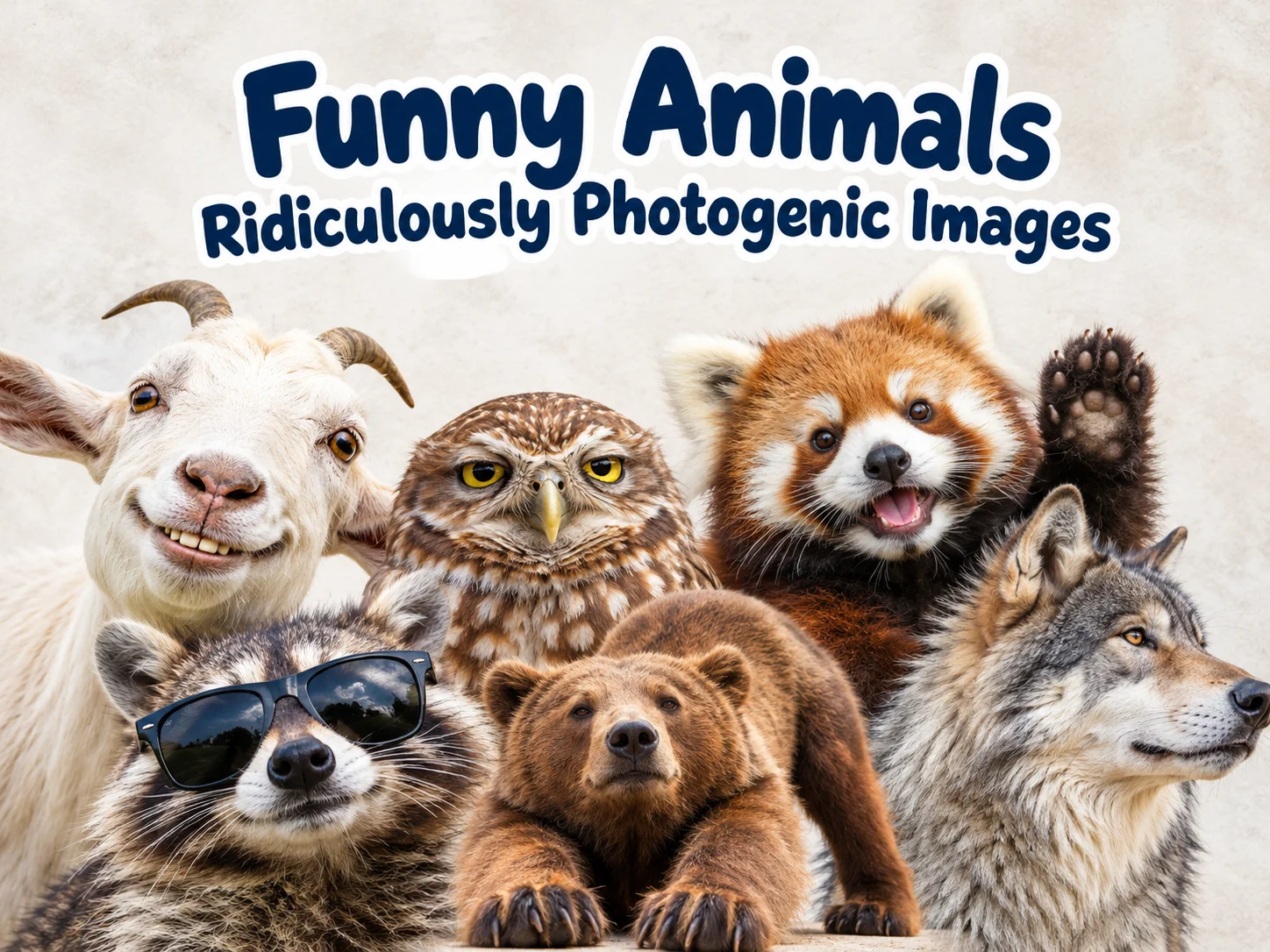
A goat with a grin wide enough to sell toothpaste. An owl whose face looks permanently done with everyone’s nonsense. A red panda that waves like it is running for office. These are not exaggerations, they are real, documented moments that photographers have captured and the internet has turned into cultural touchstones. Search interest in “funny animal photos” has grown so large that Shutterstock alone lists more than six million images under a single funny-animal query, and major outlets like BBC Future now publish annual roundups of the year’s funniest wildlife shots. This article breaks down 6 Cute Pictures Of Funny Animals That Are Ridiculously Photogenic, explains why they work so well on camera, and shows readers exactly what to look for the next time they want to capture (or simply enjoy) a genuinely photogenic animal moment.
Disclosure: This post contains affiliate links. As an Amazon Associate, we earn from qualifying purchases, and at no extra cost to you.
The phrase “ridiculously photogenic” has become shorthand across galleries, stock libraries, and humor sites for animals that seem to understand the camera better than most humans do. This piece pulls together the most compelling, well-documented examples and the patterns behind them, so readers walk away with both entertainment and a practical understanding of what separates a forgettable pet photo from one that goes viral.
Key Takeaways
- Photogenic animal content has moved from scattered viral posts to structured, regularly updated galleries on sites like Bored Panda, BBC Future, and major stock platforms.
- The six standout examples in this list span goats, bears, owls, red pandas, raccoons, and wolves, each illustrating a different reason animals photograph so well.
- Good lighting, sharp expression timing, and tight framing are the three technical ingredients that separate an average pet snapshot from a genuinely photogenic one.
- Stock photo demand for this niche is enormous, with millions of funny animal images indexed on platforms like Shutterstock and iStock as of 2026.
- Readers can apply the same principles photographers use professionally to get better, more shareable photos of their own pets or wildlife encounters.
Why Photogenic Animal Photos Are Taking Over the Internet
Funny animal photography is not a niche hobby anymore. It is a measurable content category with its own supply chain of photographers, curators, and platforms. Bored Panda’s long-running gallery of photogenic animals, first published in 2023 and still updated through 2025, aggregates the most popular community-submitted shots into a single authoritative reference point. BBC Future followed suit in October 2026 with a professionally curated list of the year’s funniest animal photographs, featuring a yoga-posed bear and an owl with a famously unimpressed “resting face.” These are not isolated internet jokes, they are examples of a recognized visual genre.
Stock photography confirms the scale of this trend. A single French-language search for “animal drôle” on Shutterstock returns more than 6.2 million results as of September 2026. iStock maintains entire dedicated collections for “Funny Wild Animal Pictures” and “Funny Animal Faces,” featuring recurring archetypes like smiling owls, waving red pandas, and sunglasses-wearing raccoons. Humor-focused sites such as Defused and TVOvermind continue publishing fresh galleries well into 2026, each reinforcing the same idea: certain animals are simply built for the camera.
“Photogenic” has quietly become one of the most searched descriptors for animal content online, outpacing even “cute” in many humor-site headlines.
What ties all of this together is a shared visual language. Photogenic animal photos tend to share three traits: an expressive face caught at exactly the right instant, lighting that flatters fur or feathers, and a composition tight enough to make the animal feel like the main character. The six examples below each demonstrate one of these traits in a particularly striking way.
The 6 Cute Pictures Of Funny Animals That Are Ridiculously Photogenic
These six examples were chosen because each represents a distinct category of photogenic animal content that editors and curators consistently return to. Together they form a practical cross-section of what makes 6 Cute Pictures Of Funny Animals That Are Ridiculously Photogenic such an enduring online obsession.
1. The Ridiculously Photogenic Goat With a Million-Dollar Smile
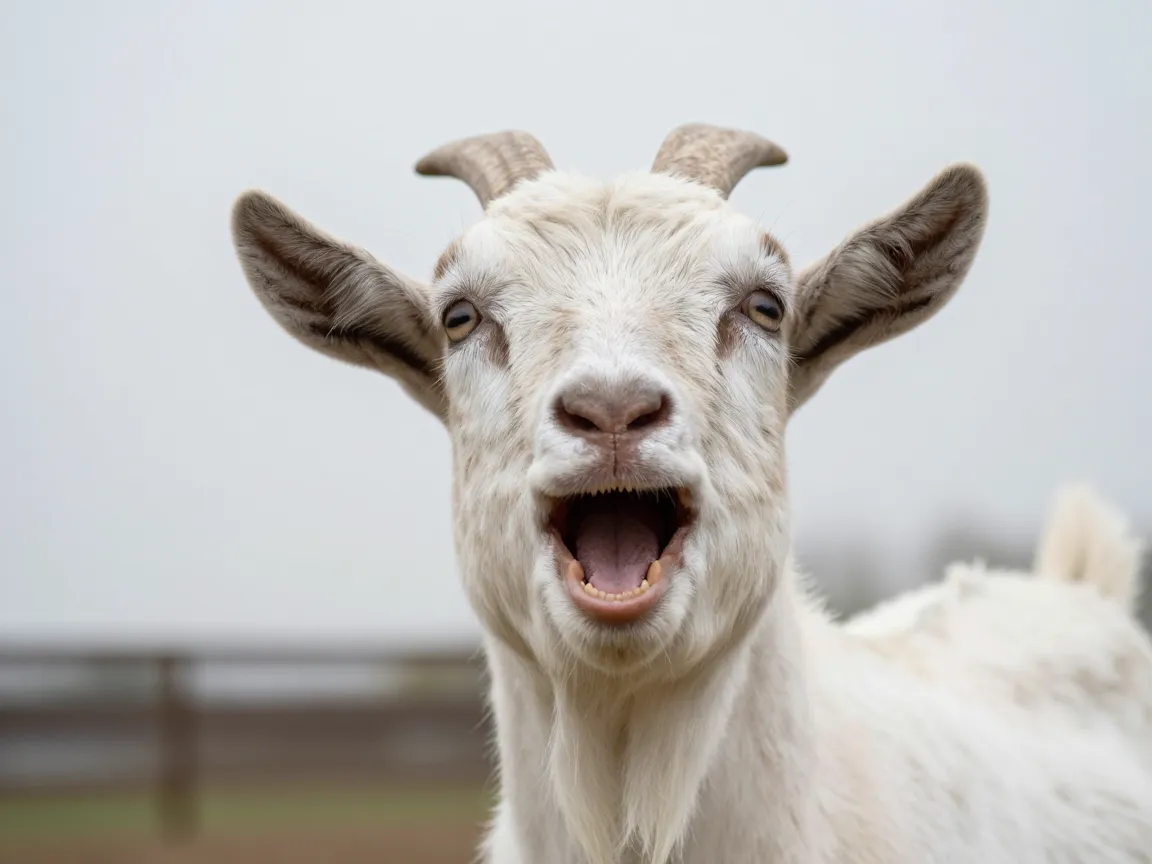
Goats have earned a permanent spot in photogenic animal galleries, and one particular goat image, highlighted in Bored Panda’s roundup of funny animal expressions, shows exactly why. Caught mid-bleat with its lips pulled back, the goat appears to be grinning directly at the camera. The effect is almost human, which is precisely what makes it so shareable. Editors label this type of shot “ridiculously photogenic goat” because the expression looks intentional, even though it is almost certainly an accident of timing.
What makes this photo work technically is the angle. The photographer shot slightly below eye level, which exaggerates the goat’s open mouth and gives the image a sense of personality rather than just documentation. Goats are naturally expressive animals, with flexible lips and alert eyes, making them reliable subjects for anyone hoping to capture a genuinely funny portrait.
2. The Yoga Bear Who Nailed Its Pose for BBC’s Camera
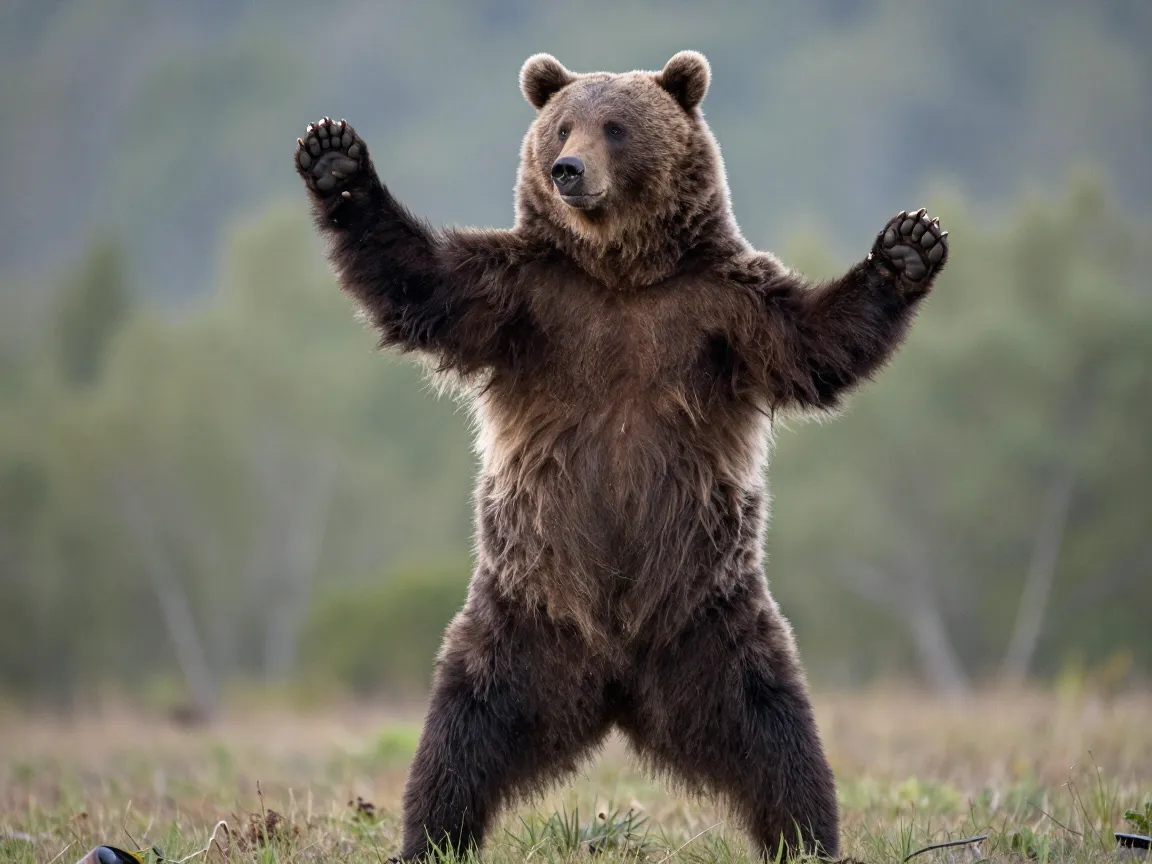
Among the ten funniest animal photographs BBC Future highlighted in its October 2026 feature, one stands out for pure comic timing: a bear caught in a stretch that looks remarkably like a yoga pose. The image, taken by a competition photographer, shows the bear balanced on its hind legs with front paws extended in a stance that mimics a human warrior pose.
This photo earned its spot because it captures an animal doing something completely natural, stretching, but framed in a way that reads as deliberate and almost performative. Photographers who specialize in wildlife humor often wait for these fleeting behavioral windows, since a bear mid-stretch for even half a second can produce an image that looks staged without any staging at all.
3. The Resting Owl Face That Looks Permanently Unimpressed
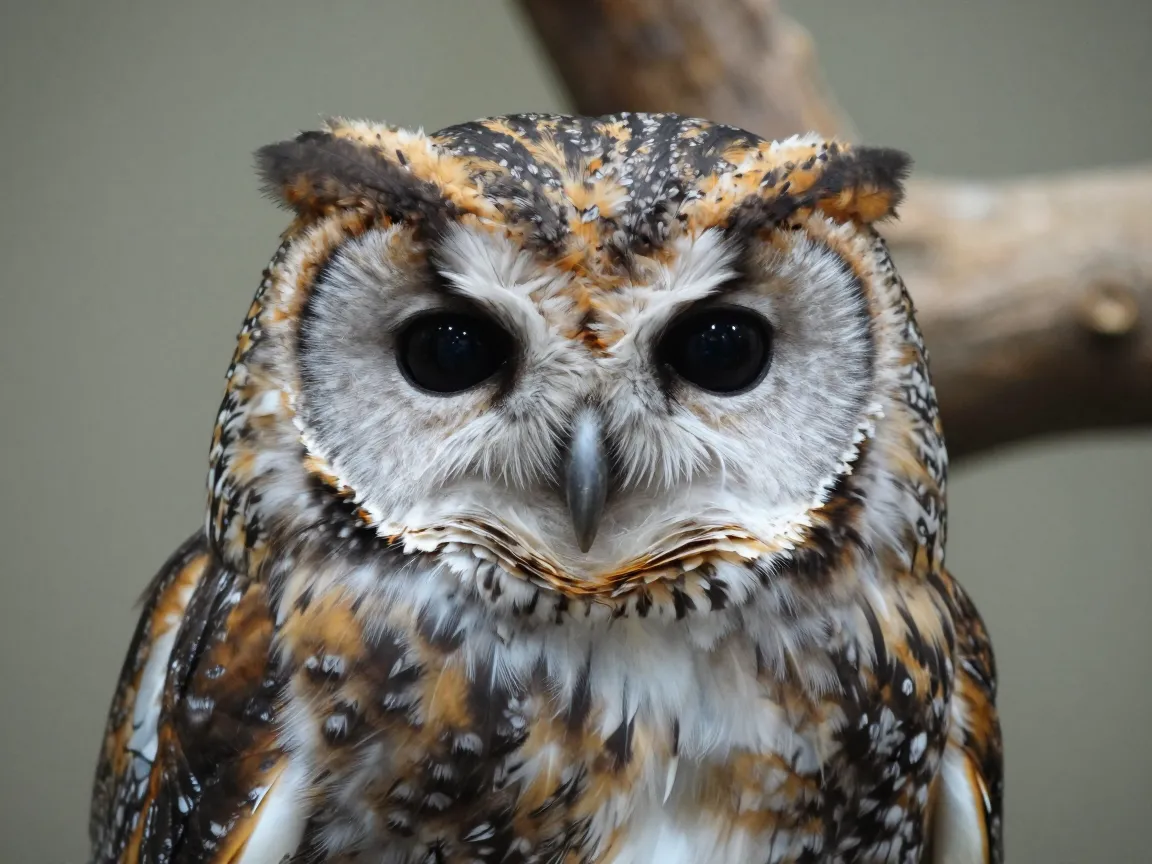
Owls have a biological advantage when it comes to photogenic expressions: their facial feathers create the illusion of eyebrows and a mouth, even though owls have neither in the way mammals do. BBC Future’s 2026 roundup specifically called out a “resting owl face” shot, where the bird’s flat, slightly judgmental expression became an instant favorite among readers.
The humor here comes from projection. Viewers read human emotions, boredom, disapproval, sass, onto a face that is simply an owl’s natural resting structure. iStock’s dedicated collection of funny animal faces includes multiple smiling or deadpan owl images for this exact reason: the species photographs with built-in comedic timing, requiring very little from the photographer beyond patience and a well-timed shutter press.
4. The Waving Red Panda That Broke the Internet
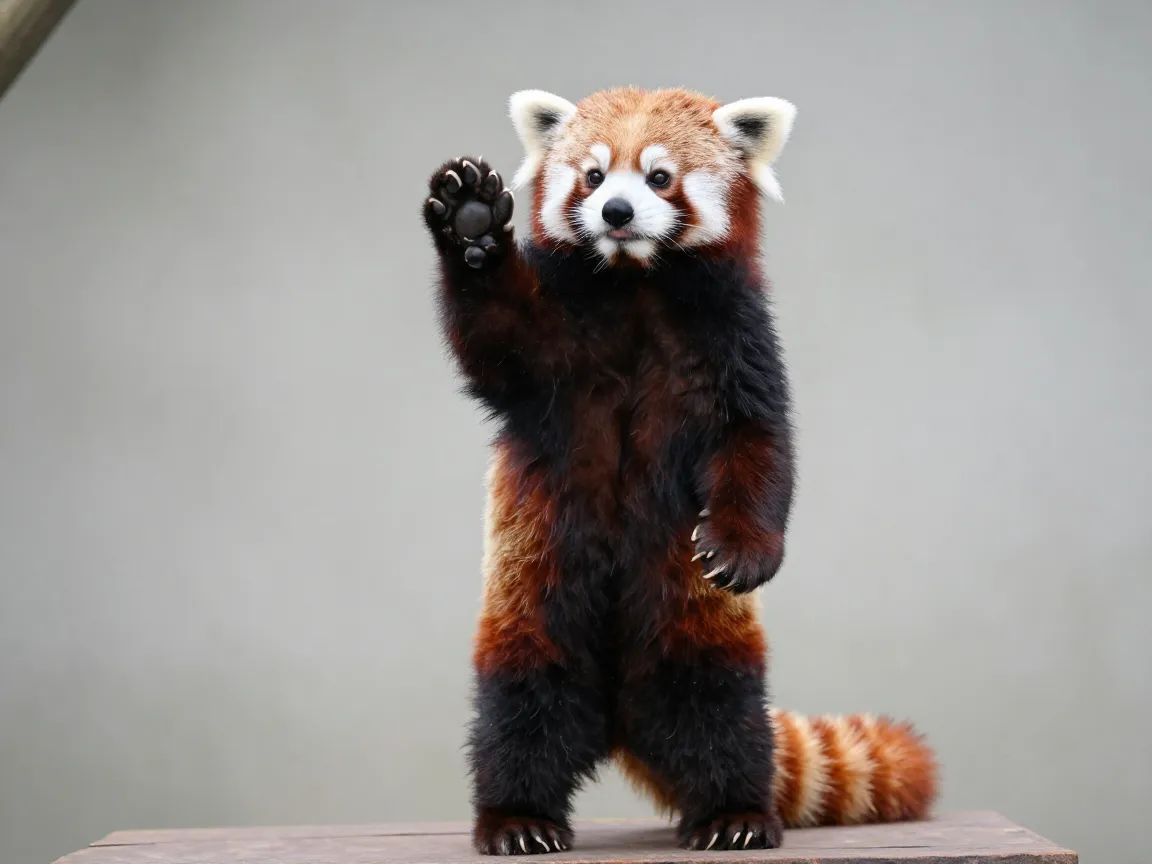
Red pandas frequently appear in iStock’s “Funny Animal Faces” collection, and one recurring image shows a red panda standing on its hind legs with a single paw raised, as though waving hello. The pose is a genuine behavior red pandas use to balance or investigate their surroundings, but on camera it reads as an unmistakable greeting.
This type of image performs exceptionally well across social platforms because it pairs a cute, approachable animal with a gesture humans immediately recognize. Photographers capturing red pandas in sanctuaries or zoos often report that this waving behavior happens in brief bursts, making it one of the more difficult but rewarding photogenic moments to catch on camera.
5. The Sunglasses-Wearing Raccoon With Main Character Energy
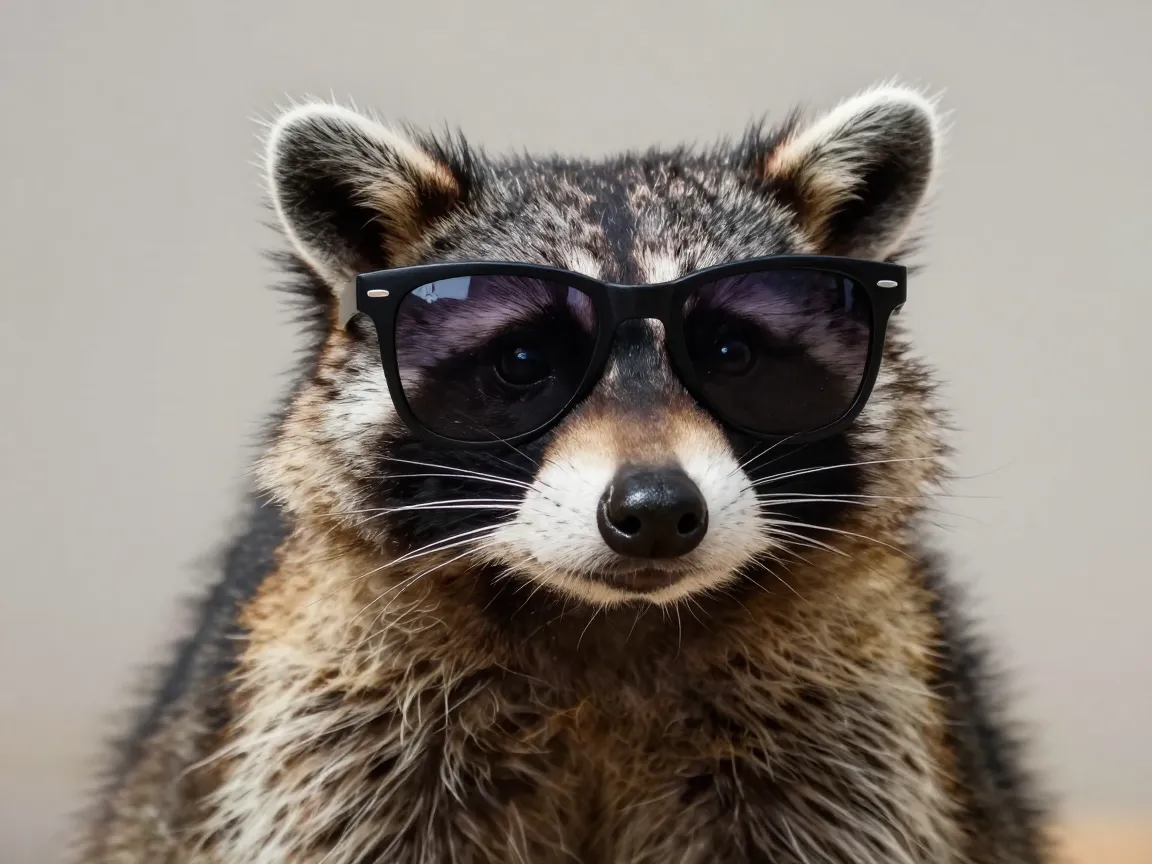
Stylized raccoon photography, particularly images featuring raccoons in sunglasses or other props, has become a staple of iStock’s funny animal catalog. While some of these shots involve light staging, the appeal is identical to naturally photogenic photos: an animal appears to have personality, attitude, and awareness of the camera.
Raccoons are naturally suited to this kind of imagery because of their distinctive facial markings, which already resemble a mask. Adding a simple prop like sunglasses amplifies the “character” effect without requiring elaborate production. This is part of why raccoon content performs so consistently well across humor sites and stock platforms alike, the baseline animal already looks like it is in on the joke.
6. The Majestic Wolf Who Out-Modeled a Professional Shoot
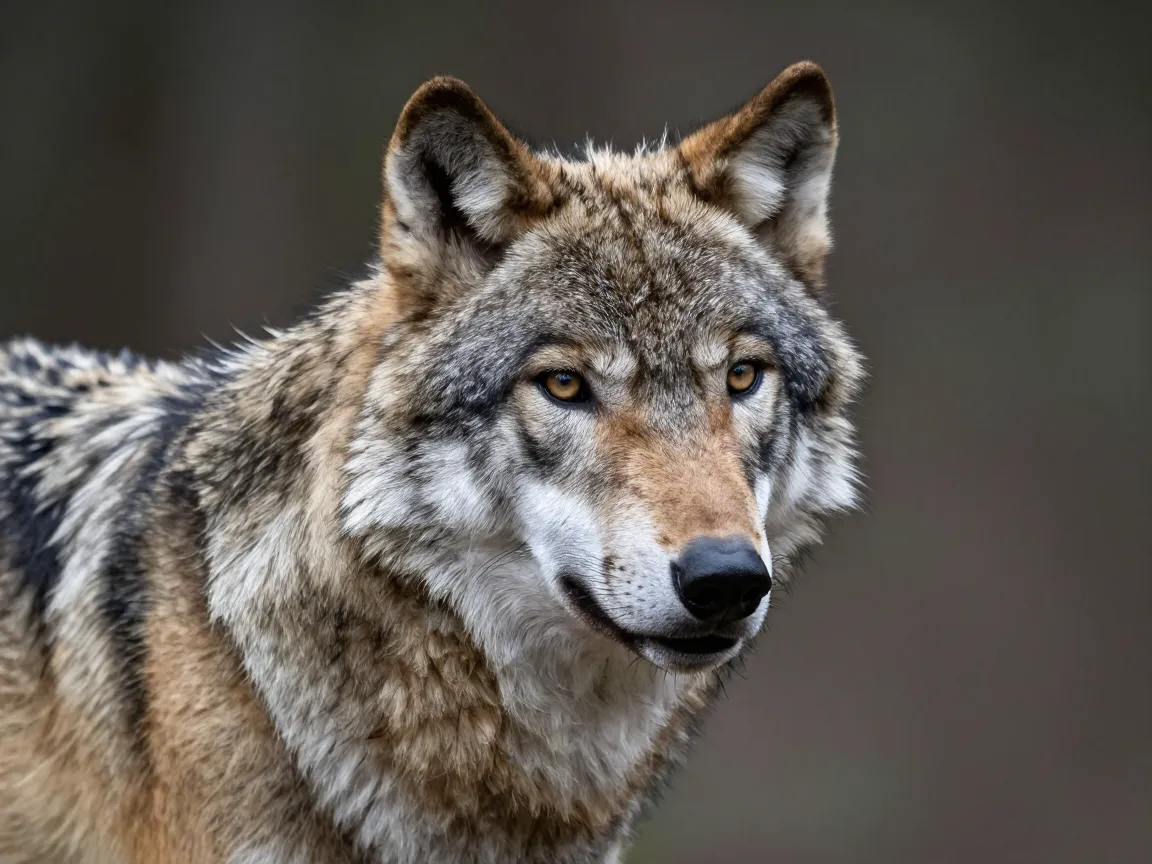
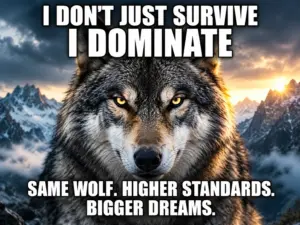
Not every photogenic animal photo relies on humor. Defused’s September 2026 roundup of goofy dog images included a segment specifically praising a wolf for being “majestic” rather than silly, proving that photogenic does not always mean comedic. The wolf in question was photographed in profile, with sharp lighting highlighting its fur texture and a steady, direct gaze into the lens.
This example matters because it shows the range of the category. A photogenic animal photo can be funny, like the goat or the owl, or striking and almost regal, like this wolf. Both extremes rely on the same underlying technical ingredients: strong lighting, a clear subject, and an expression that feels intentional rather than accidental.
| Animal | Photogenic Trait | Why It Works |
|---|---|---|
| Goat | Human-like grin | Low camera angle exaggerates expression |
| Bear | Yoga-like stretch | Natural behavior reads as performance |
| Owl | Resting deadpan face | Facial structure mimics human expressions |
| Red Panda | Waving gesture | Familiar human-like greeting pose |
| Raccoon | Mask-like markings | Natural features amplify “character” look |
| Wolf | Sharp, direct gaze | Lighting and profile create regal impression |
How to Spot a Truly Photogenic Animal Photo
Curators and photographers who regularly produce galleries like these rely on a consistent checklist, even if they never write it down. Understanding these principles helps explain why some animal photos go viral while thousands of others, taken in similar settings, never get noticed.
- Expression timing: The single biggest factor separating a flat animal photo from a photogenic one is capturing an expression at its peak, whether that is a yawn mid-stretch or eyes widening in alertness.
- Lighting quality: Soft, even natural light flatters fur, feathers, and skin texture far better than harsh midday sun or indoor flash, which is why most professional wildlife photographers shoot during early morning or late afternoon.
- Framing and eye contact: Photos where the animal appears to look directly at the camera, or close to it, consistently outperform photos where the animal is looking away or partially obscured.
- Context and background: A clean, uncluttered background keeps attention on the animal’s expression rather than competing visual noise, which is part of why many viral shots use a simple outdoor or neutral setting.
Pleated Jeans’ 2025 gallery of animals “making faces worthy of an award” reinforces this same idea from an editorial perspective: the images chosen for these lists are not random. They are selected specifically because the expression looks almost competition-ready, meaning it has clarity, timing, and emotional readability all in one frame.
Redbook’s broader roundup of perfectly timed nature photography adds one more layer: comedic or charming animal photos often depend on a split-second alignment between animal behavior and camera shutter speed. A fast burst mode, paired with patience, remains one of the most reliable tools photographers use to catch these fleeting photogenic windows.
What Makes an Animal Naturally More Photogenic
Some species simply have a biological head start. Owls have facial feather patterns that mimic human expressions. Goats have highly mobile lips and expressive eyes. Red pandas have body language, like standing upright, that closely parallels human gestures. Raccoons have natural facial markings that already resemble a mask or disguise. Recognizing these built-in advantages helps photographers choose better subjects and helps casual pet owners understand why certain angles or moments with their own animals tend to produce better results.
Common Mistakes That Ruin a Potentially Photogenic Shot
Even with a naturally expressive animal, a few technical errors consistently ruin otherwise promising photos. Shooting from too far above the animal tends to flatten and shrink the expression. Using flash directly in low light often produces harsh red-eye or washed-out fur texture. Shooting through glass, such as at a zoo enclosure, frequently introduces reflections that distract from the subject. Avoiding these three issues alone dramatically increases the odds of capturing something genuinely photogenic.
Frequently Asked Questions
What does “ridiculously photogenic” mean when applied to animals?
It describes animals whose facial expressions, body language, or natural features photograph in a way that feels intentional, charming, or humorous, even though the animal is simply behaving naturally.
Are these six examples staged or candid?
Most are candid moments captured by photographers waiting for natural behavior, such as a bear stretching or an owl resting its face. A small number of viral raccoon and prop-based images involve light staging, but the underlying appeal still relies on the animal’s natural features.
Why do goats and owls appear so often in these lists?
Both species have facial structures that closely mimic human expressions, goats through mobile lips and owls through feather patterning around the eyes, which makes their photos easier for viewers to read emotionally.
How can someone take better photos of their own pets using these principles?
Shoot at the animal’s eye level, use soft natural light during early morning or late afternoon, and be ready to capture brief moments like yawns, stretches, or head tilts rather than posed, static shots.
Is there a single official source that defines “photogenic” animal content?
No single authority exists, but major outlets including BBC Future, Bored Panda, Shutterstock, and iStock collectively function as a de facto standard through their consistently updated, high-volume galleries and stock collections.
Conclusion
The six photogenic animals covered here, the grinning goat, the yoga bear, the deadpan owl, the waving red panda, the sunglasses-ready raccoon, and the majestic wolf, represent far more than a passing internet trend. They reflect a mature, well-documented content category with millions of indexed images, dedicated stock collections, and regular curation from outlets as established as BBC Future. Understanding why these particular photos work, through timing, lighting, and natural expressiveness, gives readers a practical framework rather than just a few minutes of entertainment.
Anyone looking to apply these lessons should start small: pick one pet or local animal, shoot at eye level during soft natural light, and wait for a genuine moment of expression rather than forcing a pose. The next viral entry in a future list of 6 Cute Pictures Of Funny Animals That Are Ridiculously Photogenic is often just one well-timed shutter press away.