Hilariously Weird Animal Pictures That Defy All Explanation
A two-headed snake slithering through a backyard in Ohio. A spider that looks bigger than a dinner plate because of a desk lamp. A lion caught mid-yawn, teeth bared, looking like it just heard terrible news. These are not hoaxes, and they are not supernatural. Yet every year, millions of people share photos like these under headlines promising something that “defies explanation.” The truth is messier and more interesting: biology, lighting, and timing can make ordinary animals look like they walked out of a fever dream.
Disclosure: This post contains affiliate links. As an Amazon Associate, we earn from qualifying purchases, and at no extra cost to you.
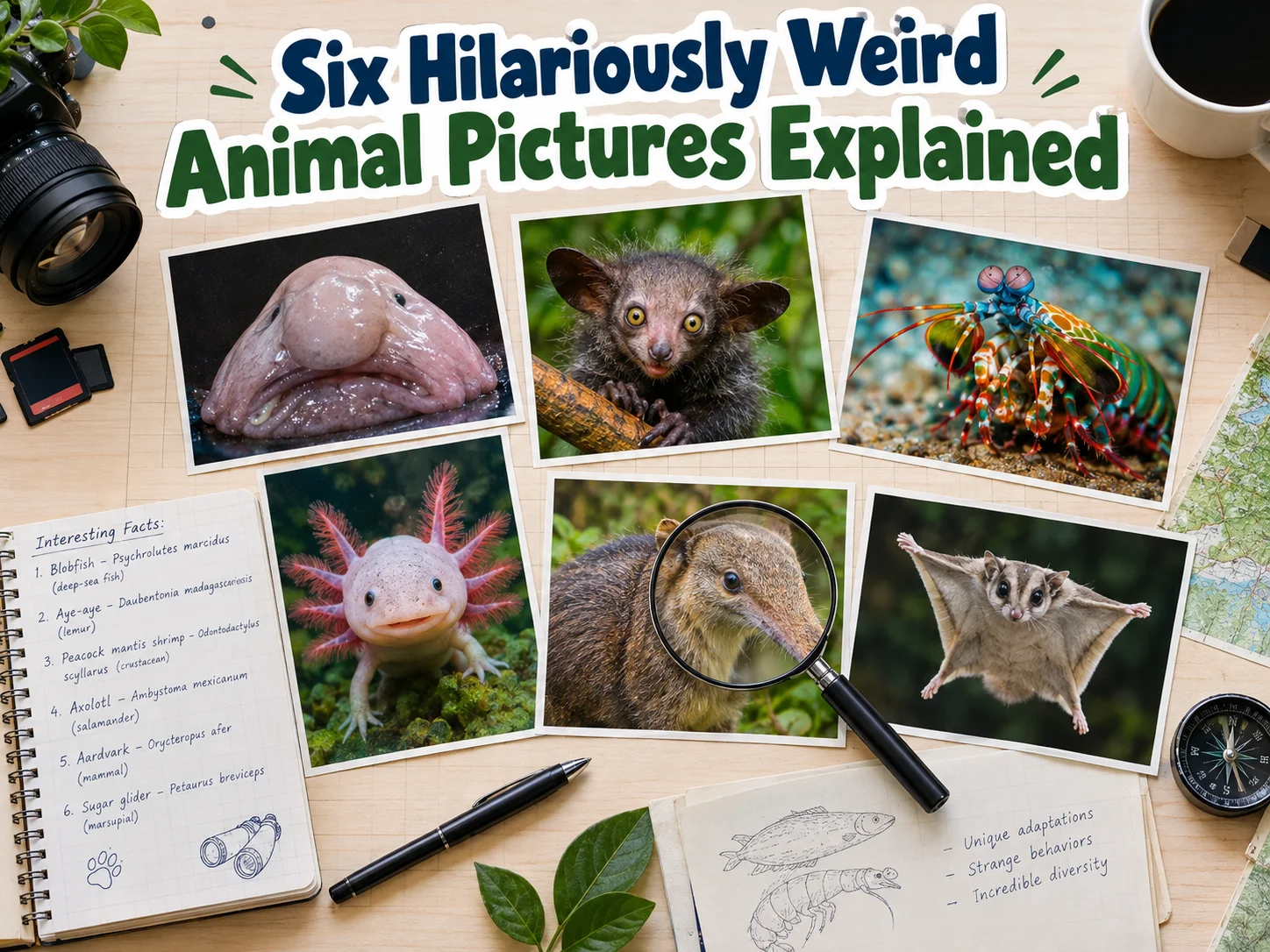
This article breaks down 6 hilariously weird animal pictures that defy all explanation, examining what actually happened in each shot, why the images spread so fast online, and what separates a genuinely strange biological event from a clever camera trick. Along the way, the goal is to replace guesswork with facts, because even the strangest animal photo usually has a logical, often fascinating, story behind it.
Key Takeaways
- Most “unexplainable” animal photos are explained by natural behavior, lighting tricks, camera angles, or rare but documented medical conditions like polycephaly.
- Major outlets such as BBC Future and A-Z Animals now regularly publish curated galleries of funny wildlife photos, often pairing humor with scientific context rather than mystery.
- Viral animal images frequently rely on forced perspective, meaning a small creature photographed close to the lens can appear enormous or distorted.
- Skepticism matters because some viral “weird animal” photos circulating online are doctored or staged, not genuine wildlife captures.
- The Comedy Wildlife Photography Awards and similar competitions have turned humorous animal imagery into a respected creative niche tied to conservation messaging.
The Science Behind 6 Hilariously Weird Animal Pictures That Defy All Explanation
Calling something “unexplainable” makes a great headline, but it rarely holds up to scrutiny. According to wildlife information sites like Active Wild and InterestingAnimals.net, the vast majority of bizarre-looking animal photos trace back to one of three causes: an unusual but documented natural behavior, a photographic artifact like lighting or lens distortion, or a rare biological condition that has a medical name and a known cause.
Take the praying mantis photo that BBC Future highlighted in its October 2026 roundup of the year’s funniest animal images. The insect appeared to be lounging on a leaf, soaking up sun like a tourist on vacation. In reality, the mantis was simply resting in a normal thermoregulation posture, and the camera angle exaggerated the “lazy” look. Similarly, the sparring brown bears featured in the same gallery were not performing a comedy routine. They were engaged in standard dominance behavior common during salmon runs in Alaska, caught at a split second that made the interaction look almost theatrical.
A-Z Animals reached a similar conclusion in its updated feature on hilarious wildlife photos. The site pointed out that loons crash-landing awkwardly on lakes are not clumsy by accident. Their leg placement, built for swimming rather than walking, makes landings look chaotic even though the behavior is a completely normal part of their life cycle. Lions caught yawning with jaws stretched wide are not expressing boredom or shock. They spend up to 20 hours a day resting, and a wide yawn is simply part of that extended downtime.
This pattern matters because it reframes the entire category of “weird animal pictures.” Instead of treating these images as unsolved mysteries, experts increasingly treat them as teachable moments. A photo that looks absurd at first glance often becomes more interesting, not less, once the biological or photographic explanation is revealed.
6 Hilariously Weird Animal Pictures That Defy All Explanation Ranked
The following six examples represent the types of images that repeatedly go viral under the “defies explanation” label. Each one is drawn from patterns documented across major wildlife photography outlets, humor sites, and animal information resources throughout 2026. They are presented here with context, because understanding the “why” behind each photo makes it even funnier, not less so.
1. The Sunbathing Praying Mantis
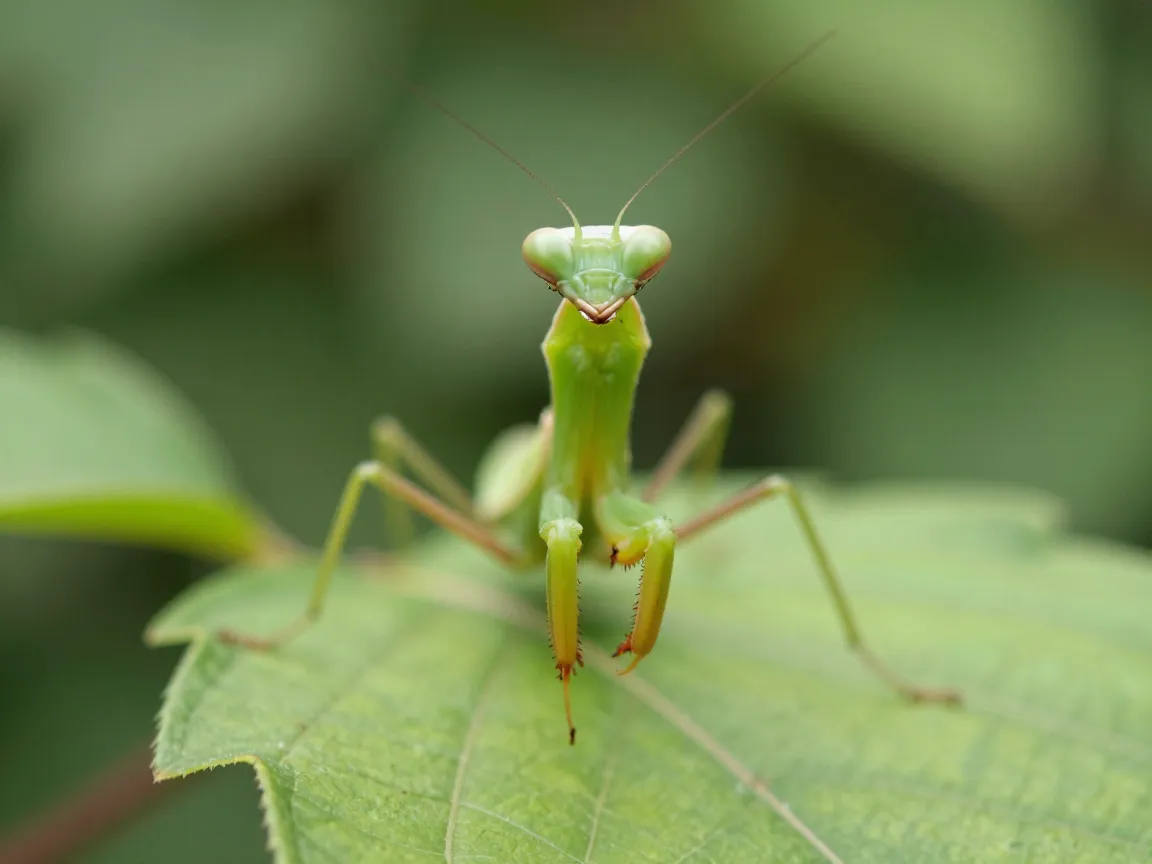
This image shows a praying mantis stretched out on a leaf with its limbs splayed in a way that looks exactly like a person relaxing on a beach towel. BBC Future included this shot in its 2026 roundup of the year’s funniest animal photos precisely because the resemblance to human lounging is so uncanny. The explanation is straightforward: mantises regulate body temperature by positioning themselves toward light sources, and the particular angle of this shot happened to align with a human-recognizable “resting” pose. No trick photography was involved, just a fortunate combination of insect behavior and camera timing.
2. Sparring Brown Bears Mid-Splash
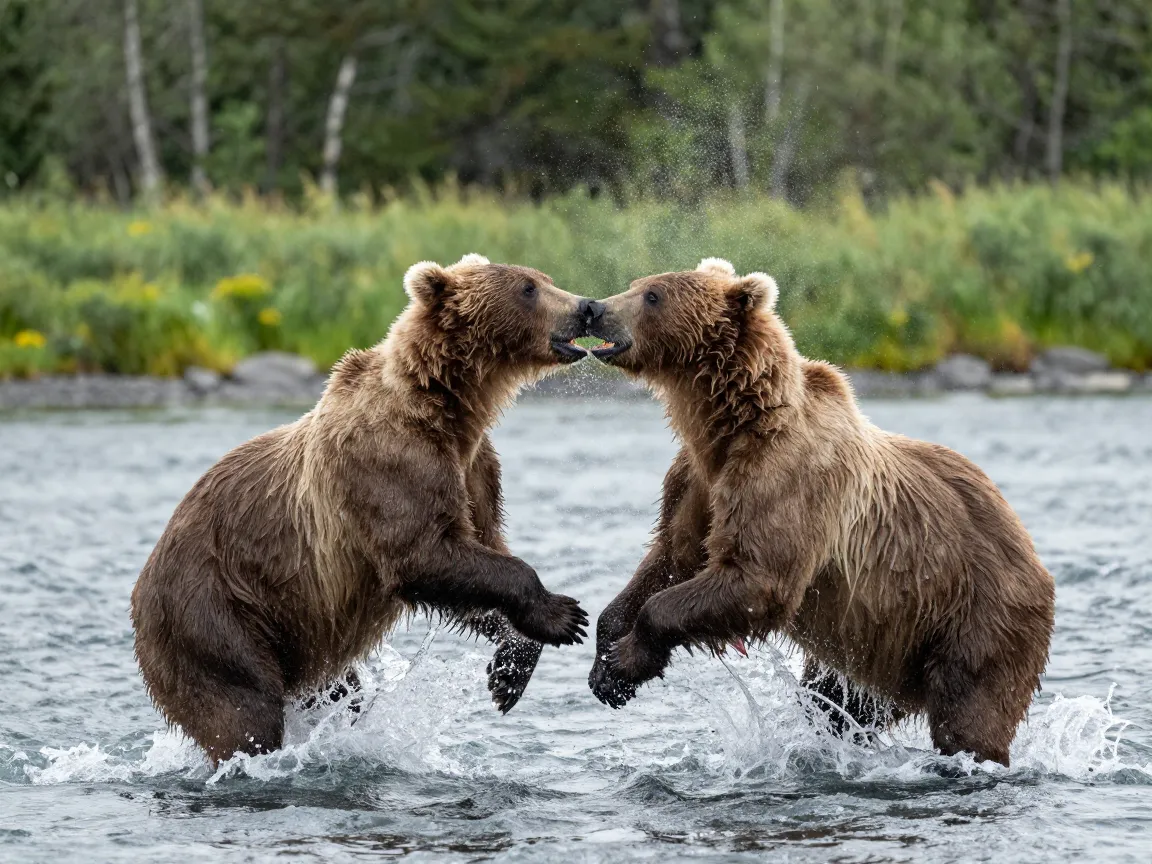
Also featured in the BBC Future gallery, this photo captures two brown bears in Alaska locked in what looks like a chaotic, almost comedic wrestling match, water flying in every direction. The bears were not fighting for survival. They were engaging in ritualized sparring, a common behavior during salmon season that helps establish social hierarchy without serious injury. The photographer simply captured the peak moment of motion, when both animals were airborne and spray surrounded them, creating an image that looks like a scene from an action movie.
3. The Crash-Landing Loon
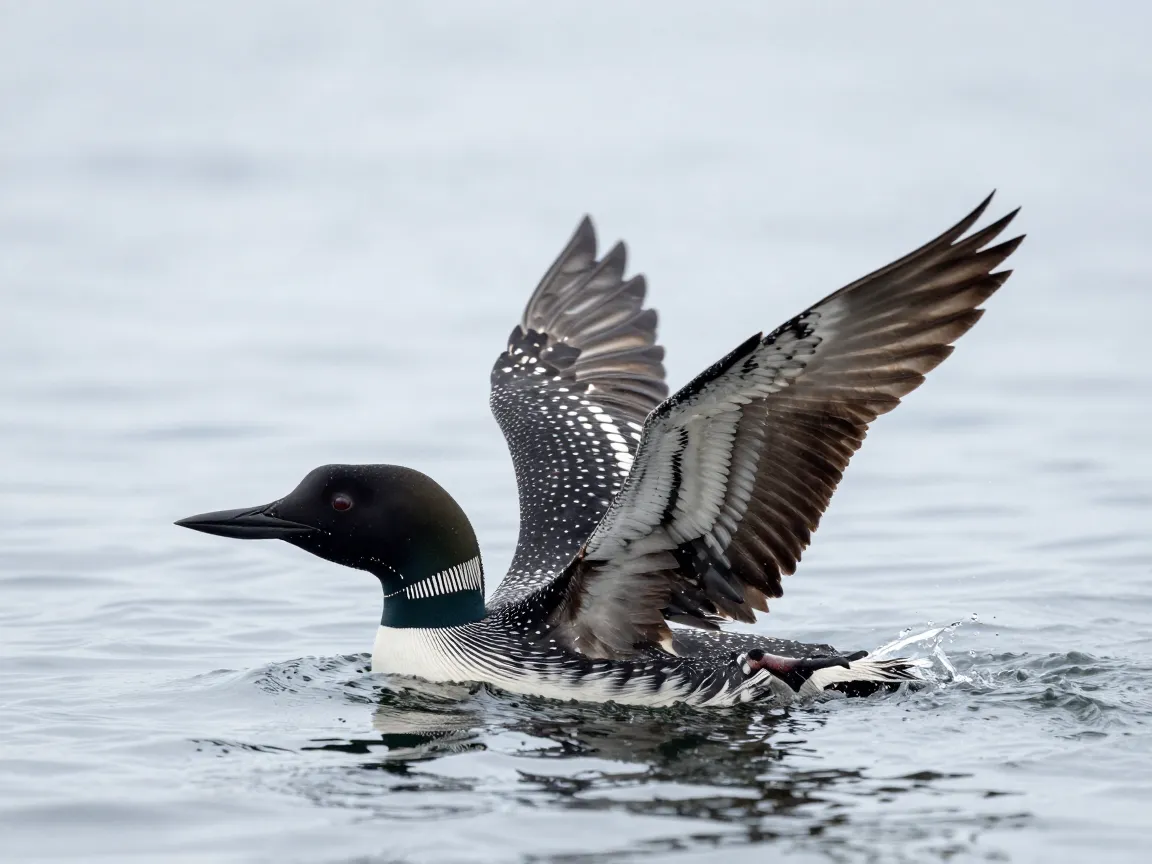
A-Z Animals highlighted this example as one of its 16 hilarious wildlife photos captured at the perfect moment. The bird appears to be tumbling out of control as it hits the water, wings askew and body at an awkward angle. Loons are built for diving and swimming, with legs positioned far back on their bodies. That same adaptation that makes them excellent underwater hunters makes landings look like controlled chaos. The photo is not evidence of an injured or confused bird. It is simply what a perfectly normal loon landing looks like when frozen in a single frame.
4. The Yawning Lion With a “Shocked” Expression
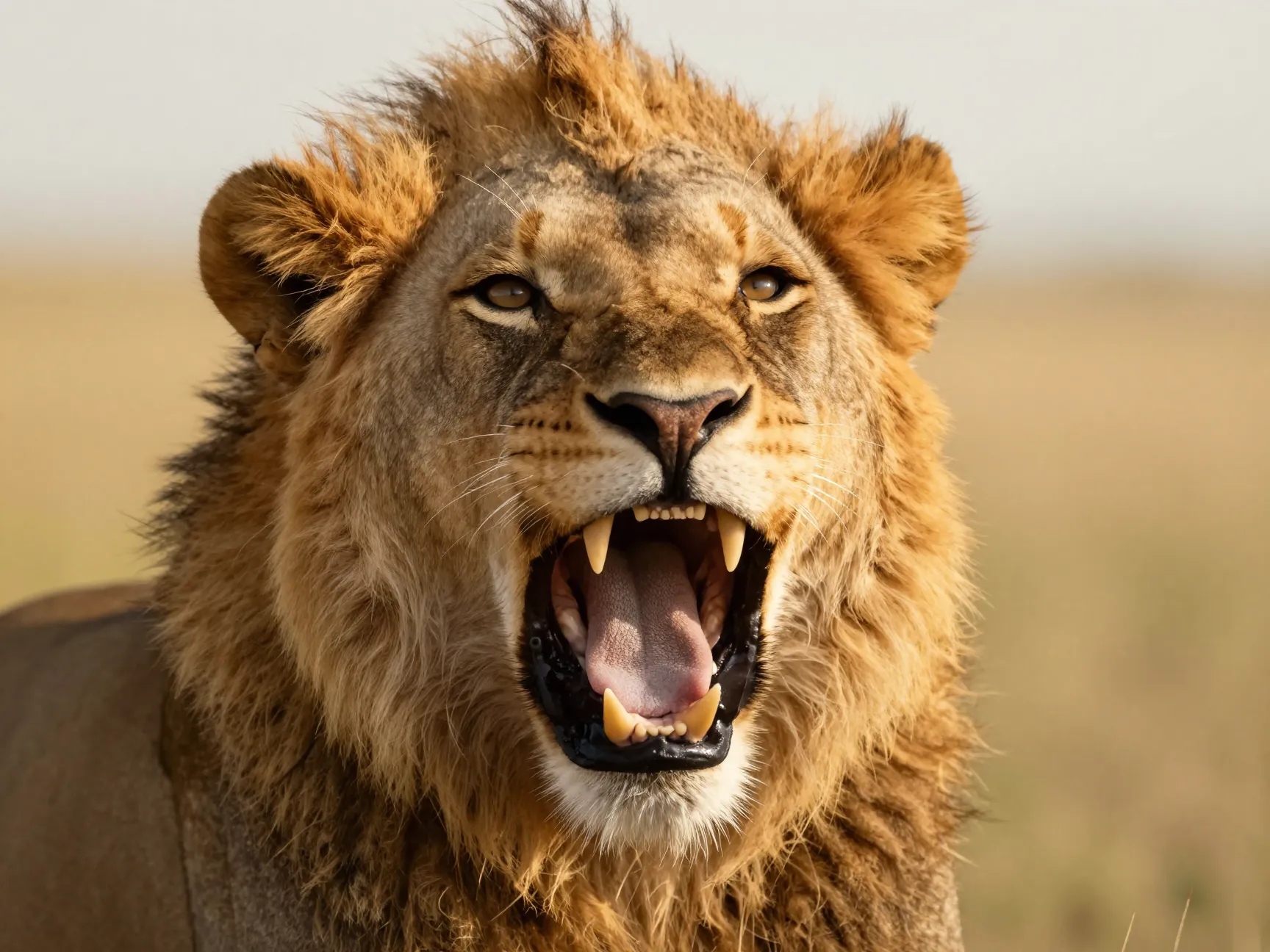
Also drawn from the A-Z Animals feature, this image shows a lion with its mouth open to an almost comical width, teeth fully visible, giving the impression of a dramatic gasp or scream. Lions spend the majority of their day resting, and a wide yawn is a routine part of that downtime. The timing of the shutter click, right at the peak of the yawn, is what transforms an ordinary moment into something that looks like a caption contest waiting to happen.
5. The Giant Spider That Was Actually Tiny
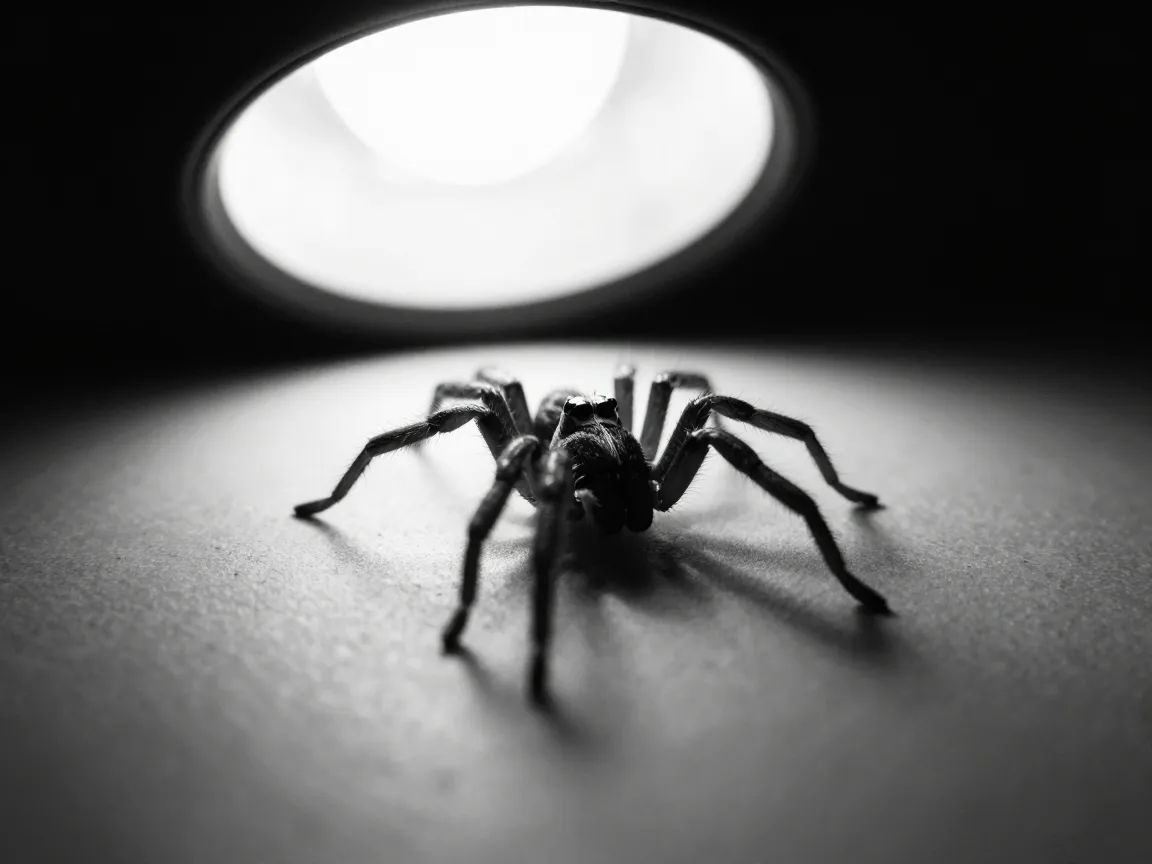
Picture Power’s collection of odd but fully explained wildlife shots includes an example that perfectly illustrates how lighting and lens placement can distort scale. A small spider photographed close to a desk lamp appears enormous, with shadow and backlighting making its legs look like they span the entire frame. The spider itself was ordinary sized. The illusion came entirely from camera distance and light source placement, a classic example of forced perspective that fools even experienced viewers.
6. The Two-Headed Reptile
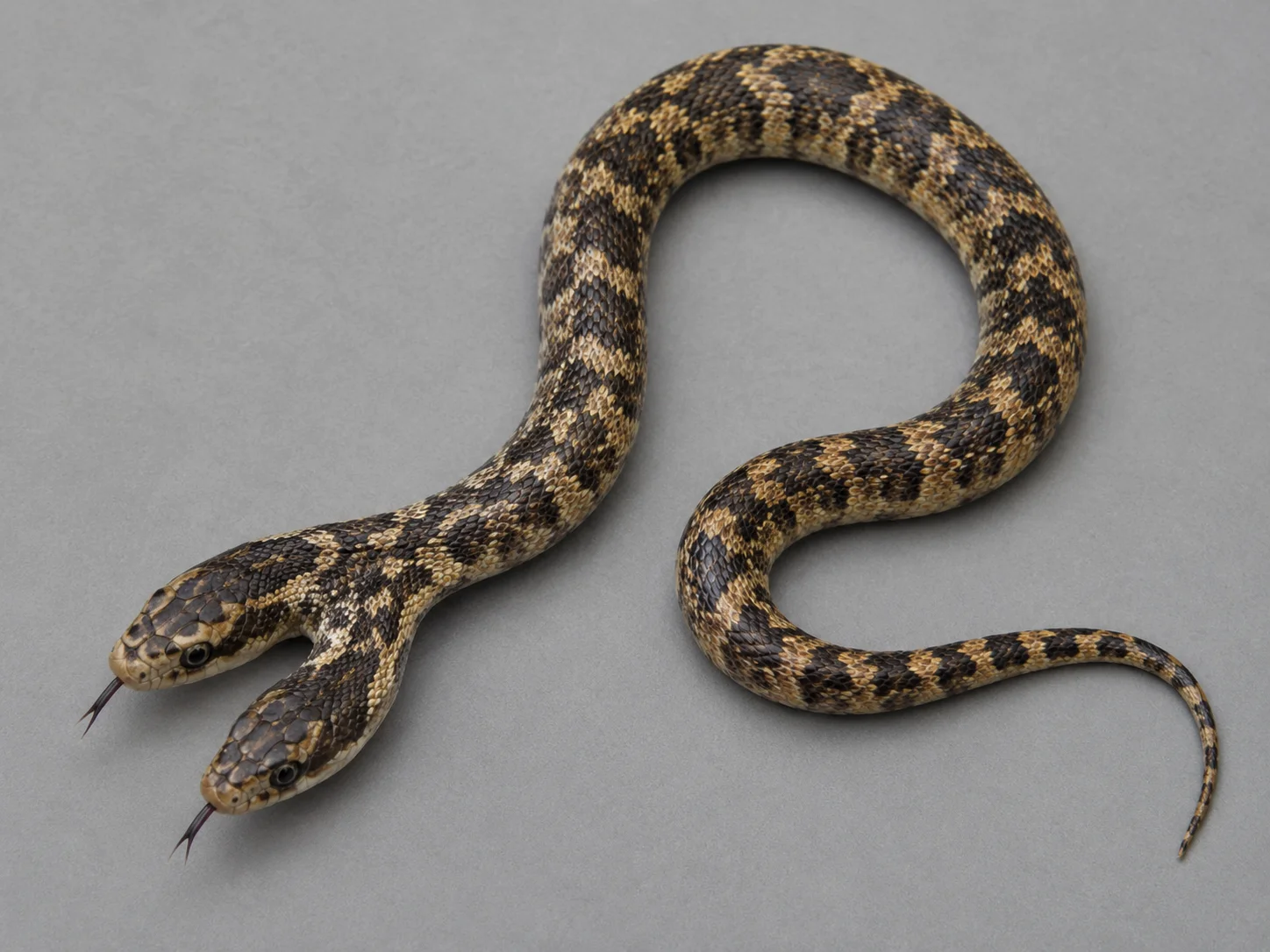
InterestingAnimals.net’s feature on weird animal photos that “defy explanation” includes documented cases of polycephaly, a rare but medically understood condition in which an animal develops two heads due to incomplete separation during embryonic development. While images like this look like something out of science fiction, herpetologists and veterinarians have studied polycephalic snakes and lizards for decades. The condition is uncommon but not mysterious, and many two-headed reptiles survive for years in captivity under specialized care.
Why These Photos Spread So Fast Online
Humor plays a huge role in how quickly animal images circulate, but the mechanics behind that virality are worth understanding. Several overlapping trends explain why galleries of “weird” or “funny” animal photos keep appearing across major outlets and social platforms.
First, timing is everything. A camera that captures an animal mid-motion, whether mid-yawn, mid-sneeze, or mid-stumble, freezes a moment that the human eye would never naturally process as “funny” in real time. Slowing that motion down into a single still image creates comedy out of ordinary behavior.
Second, pattern recognition drives sharing. Humans are wired to find faces and familiar poses in unexpected places, a phenomenon called pareidolia. A mantis that looks like it is sunbathing, or a seal that looks like it is “judging” the photographer, taps into this instinct and makes the image instantly relatable.
Third, platforms reward short, punchy content. Bored Panda’s late-September 2026 gallery of intentionally “failed” wildlife shots, including distorted close-ups of frogs pressed against glass, shows how even technically “bad” photography can become beloved content when framed as chaotic art rather than a mistake. Demilked’s 2026 roundup of chaotic animal pictures follows the same formula, proving that themed, numbered lists, whether six images or sixty, perform consistently well because they are easy to scroll, easy to caption, and easy to share.
The table below summarizes the core explanation categories behind most viral “weird animal” photos.
| Explanation Category | What Causes It | Example From This List |
|---|---|---|
| Natural Behavior | Normal species-specific actions caught at an odd moment | Sparring bears, yawning lion |
| Anatomical Adaptation | Body structure built for one task looking awkward during another | Crash-landing loon |
| Photographic Artifact | Lighting, lens distance, or angle distorting apparent size or posture | Giant-looking spider, sunbathing mantis |
| Medical Condition | Rare but documented developmental anomaly | Two-headed reptile (polycephaly) |
How to Tell a Real Weird Animal Photo From a Fake One
Not every viral “unexplainable” animal photo is genuine. Archives like WeirdPictureArchive have long cataloged animal oddities ranging from multi-limbed livestock to clearly staged or digitally altered images, and the site explicitly warns that some entries are real while others are fabricated. This is an important reminder for anyone sharing or reporting on 6 hilariously weird animal pictures that defy all explanation: verification matters, even when the content is meant to be lighthearted.
A few practical steps can help separate authentic wildlife photography from manipulated content.
- Check the original source and photographer credit, since legitimate wildlife photos are almost always traceable to a named photographer, a competition entry, or a news outlet.
- Look for consistent lighting and shadows across the entire image, since mismatched shadows are one of the most common signs of digital editing.
- Search for the same image across multiple reputable outlets, because genuinely notable wildlife photos tend to appear in several established galleries, not just one obscure page.
- Consider the biological plausibility of what is shown, since conditions like polycephaly are documented and explainable, while anatomically impossible combinations are red flags for fabrication.
- Watch for over-processed color or unnatural proportions, since forced perspective tricks, like the giant spider example, usually still follow natural lighting physics, while fake images often do not.
The rise of recognized competitions has also helped legitimize this entire genre. Forbes and other mainstream outlets have covered the Comedy Wildlife Photography Awards as a professionally judged event with conservation messaging built into its mission, not just a clickbait farm. That distinction matters. A photo entered into a juried competition has typically been reviewed for authenticity, while a random image circulating on social media with no attribution has not.
What Makes an Animal Photo Truly Unforgettable
Beyond the question of authenticity, there is a reason certain images stick in public memory longer than others. Across the galleries referenced in this article, from BBC Future’s curated picks to A-Z Animals’ behavior-based features, a few shared traits consistently separate forgettable snapshots from genuinely iconic ones.
Timing tends to matter more than equipment. Many of the most celebrated images in these collections were not captured with the most expensive cameras available. They were captured by photographers who waited patiently for a specific behavior, whether a yawn, a landing, or a splash, and pressed the shutter at exactly the right fraction of a second.
Context adds staying power. An image becomes more memorable once viewers understand what is actually happening. A yawning lion is funny on its own, but it becomes more interesting once paired with the fact that lions rest for up to 20 hours a day. A two-headed snake is startling at first glance, but it becomes more compelling once framed within the broader, decades-long study of polycephaly in reptiles.
Finally, relatability drives longevity. Photos that mirror recognizable human poses, like a mantis appearing to sunbathe, tend to outperform purely dramatic wildlife shots because viewers see a flicker of themselves in the animal’s expression or posture. This single factor explains much of why themed lists, including the format used in 6 hilariously weird animal pictures that defy all explanation, continue to perform well across news sites, blogs, and social platforms year after year.
Conclusion
The phrase “defies all explanation” works as a headline, but it rarely survives closer inspection. Every example explored here, from the sunbathing-looking mantis to the two-headed reptile, has a grounded explanation rooted in biology, behavior, or basic photography physics. That does not make these images any less entertaining. If anything, understanding the science behind a strange photo adds a second layer of enjoyment on top of the initial laugh.
Anyone encountering a viral animal photo that seems impossible should take three simple actions: trace the image back to its original source, consider whether a natural behavior or lighting effect could explain what is shown, and stay skeptical of images with no attribution or inconsistent lighting. Doing so protects against misinformation while still allowing full appreciation of nature’s genuinely odd, occasionally hilarious, and always fascinating range of appearances and behaviors.
Frequently Asked Questions
Are the animal photos in viral “weird” galleries ever faked?
Yes, some are. Archives that track animal oddities note that while many images are authentic, others are digitally altered or staged, which is why checking the original source matters before sharing.
What is polycephaly and how common is it?
Polycephaly is a rare developmental condition where an animal, often a reptile, is born with two heads due to incomplete separation of embryonic tissue. It is well documented by veterinarians and herpetologists, though it remains uncommon in the wild.
Why do some animal photos look so much bigger or smaller than reality?
This usually comes down to forced perspective, where camera distance, lens choice, and lighting make a subject appear larger or smaller than its actual size, as seen in close-up shots of small spiders near light sources.
Is the Comedy Wildlife Photography Awards a legitimate competition?
Yes. It is widely covered by mainstream outlets and includes professional judging along with conservation-focused messaging, distinguishing it from informal social media compilations.
Why do outlets keep publishing new lists of funny or weird animal photos?
These galleries consistently generate high engagement at low production cost, which is why outlets like BBC Future, A-Z Animals, and Bored Panda continue releasing updated collections throughout each year.