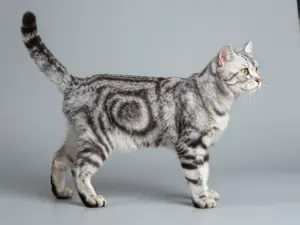
Reasons The American Shorthair Cat Is The Perfect Family Pet
Only five cat breeds existed when the Cat Fanciers Association created its very first registry in 1906. More than a century later, one of those original breeds still ranks among the most recommended cats for households with children, seniors, dogs, and even other cats. That breed is the American Shorthair, and its staying power is not an accident. Veterinary organizations, breed registries, and pet adoption platforms consistently point to the same conclusion when families ask which cat will fit smoothly into daily life. This article breaks down 6 Reasons The American Shorthair Cat Is The Perfect Family Pet, drawing on current breed data, veterinary guidance, and adoption resources to show why this steady, all-American companion continues to earn its reputation as a top choice for busy households.
Disclosure: This post contains affiliate links. As an Amazon Associate, we earn from qualifying purchases, and at no extra cost to you.
Families researching new pets often face conflicting advice about temperament, grooming, and long-term costs. The American Shorthair simplifies that decision. Its combination of even temperament, manageable care needs, and long-term health makes it one of the least complicated purebred cats to bring into a home with children or multiple pets.
Key Takeaways
- American Shorthairs are consistently described by breed registries and veterinary sources as good-natured, adaptable, and gentle around children, seniors, dogs, and other cats.
- Their short, dense coat requires only weekly brushing, making grooming manageable for busy parents and first-time pet owners.
- Typical lifespans range from 15 to 17 years, with some cats living up to 20 years when given proper veterinary care and nutrition.
- The breed traces its history to the earliest days of American pet ownership, having worked alongside settlers before becoming one of the first five breeds registered by CFA in 1906.
- Purchase and adoption costs are moderate compared to other purebred cats, and the breed is widely available through both breeders and shelters such as those listed on Petfinder.
Why 6 Reasons The American Shorthair Cat Is The Perfect Family Pet Matter for Modern Households
Families today juggle work schedules, school activities, and often more than one pet under the same roof. A cat that demands constant attention, elaborate grooming routines, or delicate handling can quickly become a source of stress rather than comfort. The American Shorthair avoids nearly all of those pitfalls. Breed profiles from The International Cat Association (TICA) and the Cat Fanciers Association describe the same core traits again and again: steady temperament, moderate activity, and genuine enjoyment of family interaction without becoming demanding or clingy.
Understanding the specific reasons behind this reputation helps prospective owners set realistic expectations and make an informed decision. The sections below examine each factor in detail, starting with the trait most families notice first: personality.
1. Even-Tempered Personality Built for Real Family Life
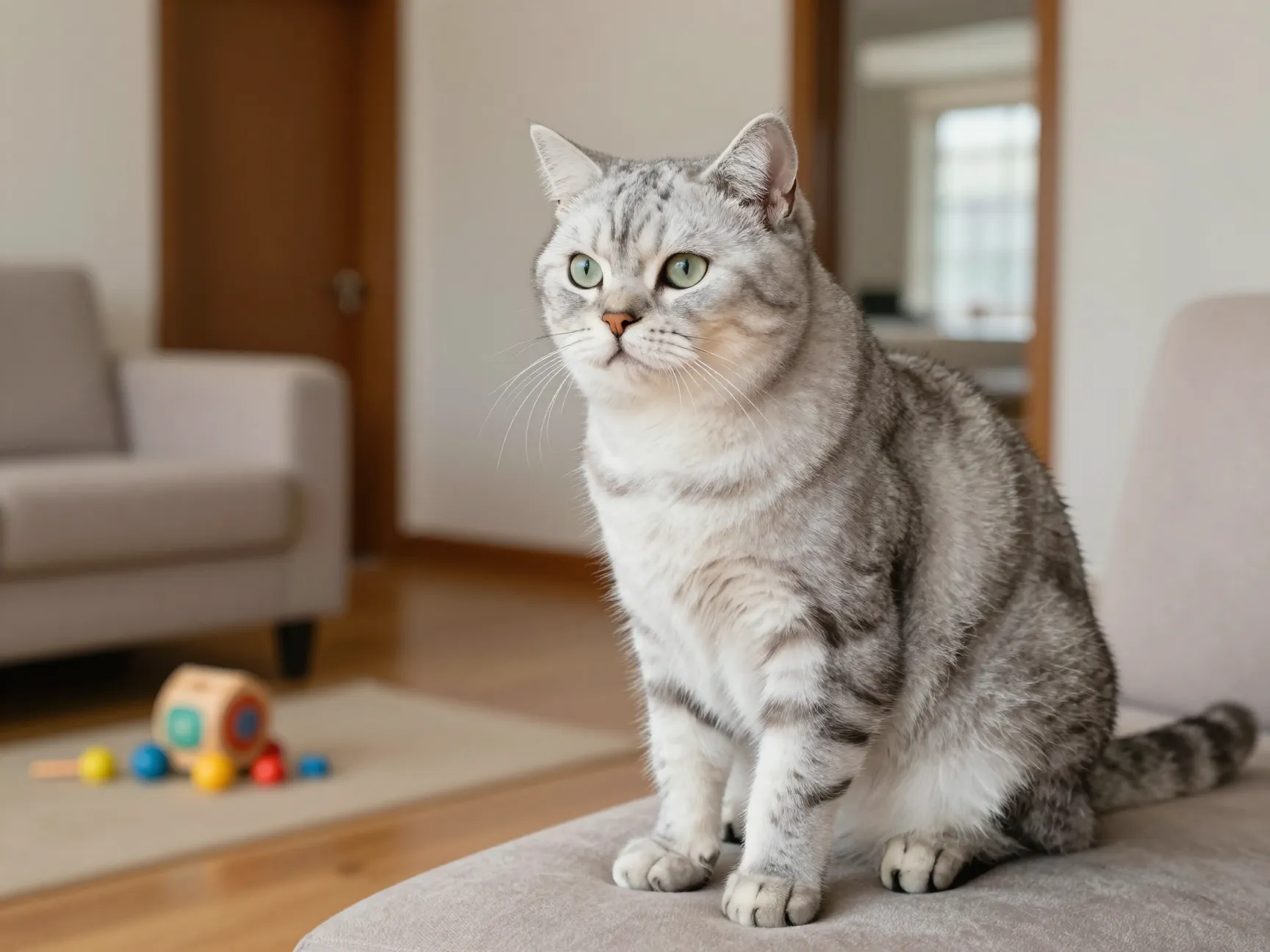
American Shorthairs are frequently described in breed literature as good-natured, easygoing, and remarkably steady under pressure. TICA’s updated breed profile notes that these cats love cuddling with their families and enjoy interactive play, yet they rarely display the high-strung or hyperactive tendencies seen in more excitable breeds. The Cat Fanciers Association echoes this, highlighting their affectionate nature and genuine enjoyment of playtime with human family members.
This balanced personality matters because family homes are rarely quiet or predictable. Doorbells ring, children run through hallways, and schedules shift constantly. A cat that startles easily or reacts anxiously to noise and activity can struggle in that environment. American Shorthairs, by contrast, tend to observe household chaos calmly and often choose to participate rather than hide. Royal Canin’s breed facts describe the personality as gentle, playful, and easygoing, which explains why the breed shows up so often in homes with children and multiple pets.
Importantly, affection does not translate into neediness. VCA’s veterinary overview notes that American Shorthairs are independent enough to prefer walking on their own rather than being carried everywhere, yet they still enjoy following favorite people from room to room. This balance of warmth and independence is precisely what makes them so compatible with the unpredictable rhythm of family life.
2. Effortless Adaptability to Nearly Any Household Type
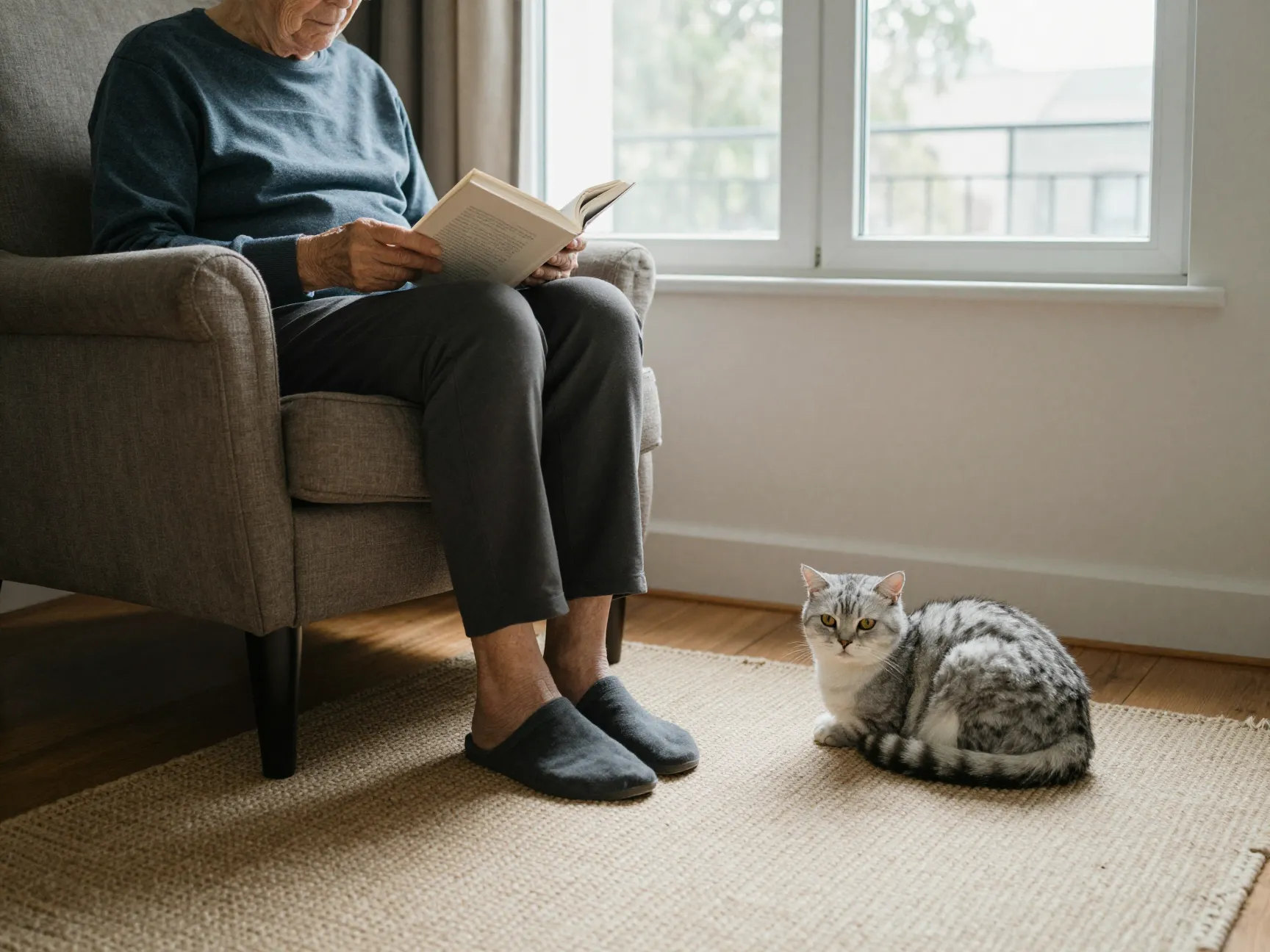
Few cat breeds adjust as smoothly to different living situations as the American Shorthair. Pet Breed Guides describes the breed as the “ultimate low-maintenance, high-reward companion,” a label earned through its consistent performance across busy families, first-time owners, seniors, and multipet homes. Getapet’s breed profile calls it a “classic American family cat” precisely because it thrives in ordinary indoor family settings without requiring special accommodations.
This adaptability extends to schedule flexibility as well. Multiple family-focused profiles note that American Shorthairs can be left alone for a few hours without becoming distressed or destructive, a critical consideration for households where parents work outside the home or children attend school during the day. Unlike breeds that demand constant companionship, the American Shorthair maintains its calm disposition whether the house is full of activity or quiet during the workday.
The table below summarizes how this adaptability compares across common household scenarios.
| Household Type | American Shorthair Fit | Key Supporting Trait |
|---|---|---|
| Busy working families | Excellent | Tolerates short alone periods calmly |
| First-time cat owners | Excellent | Low grooming and training demands |
| Seniors | Very good | Low activity intensity, affectionate nature |
| Multipet homes | Very good | Generally accepting of dogs and other cats |
| Homes with young children | Very good | Gentle, patient temperament |
This flexibility is one of the clearest reasons the breed keeps appearing on recommended lists for new pet owners across different life stages.
3. Strong Compatibility With Kids, Seniors, Dogs, and Other Cats
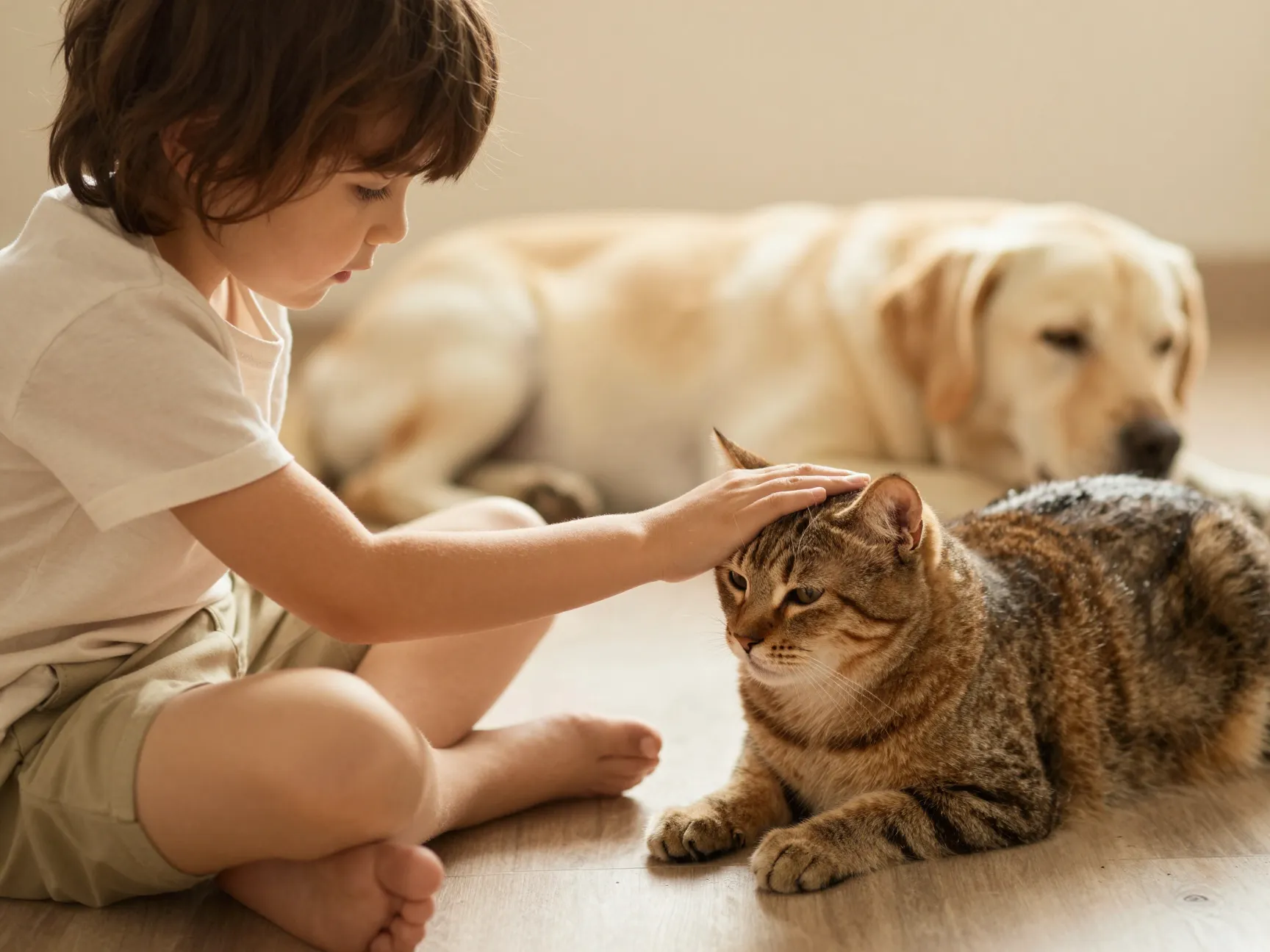
A cat’s tolerance for other household members often determines whether a family adoption succeeds long term. American Shorthairs consistently score well on this measure. Chewy’s guide describes them as smart, sweet, and fun, explicitly calling them “the perfect family cat” for homes with kids, dogs, or other felines. Petfinder’s adoption resources use similarly direct language, labeling the breed a “great family cat” in its listing descriptions.
This compatibility is not accidental. The breed’s moderate energy level and patient disposition allow it to tolerate the unpredictable movements and noise levels common in homes with young children, without becoming defensive or anxious. Around seniors, the same calm energy translates into a low-maintenance companion that does not require vigorous daily exercise or constant supervision.
“American Shorthairs get along well with children, seniors, dogs, and other cats, and they can be left alone for a few hours without distress.”
That combination of social flexibility is rare among purebred cats, many of which show strong preferences for either solitude or constant attention. The American Shorthair instead occupies a comfortable middle ground, making introductions to existing pets and family members considerably smoother than with more particular breeds.
4. Low-Maintenance Grooming That Fits Busy Schedules
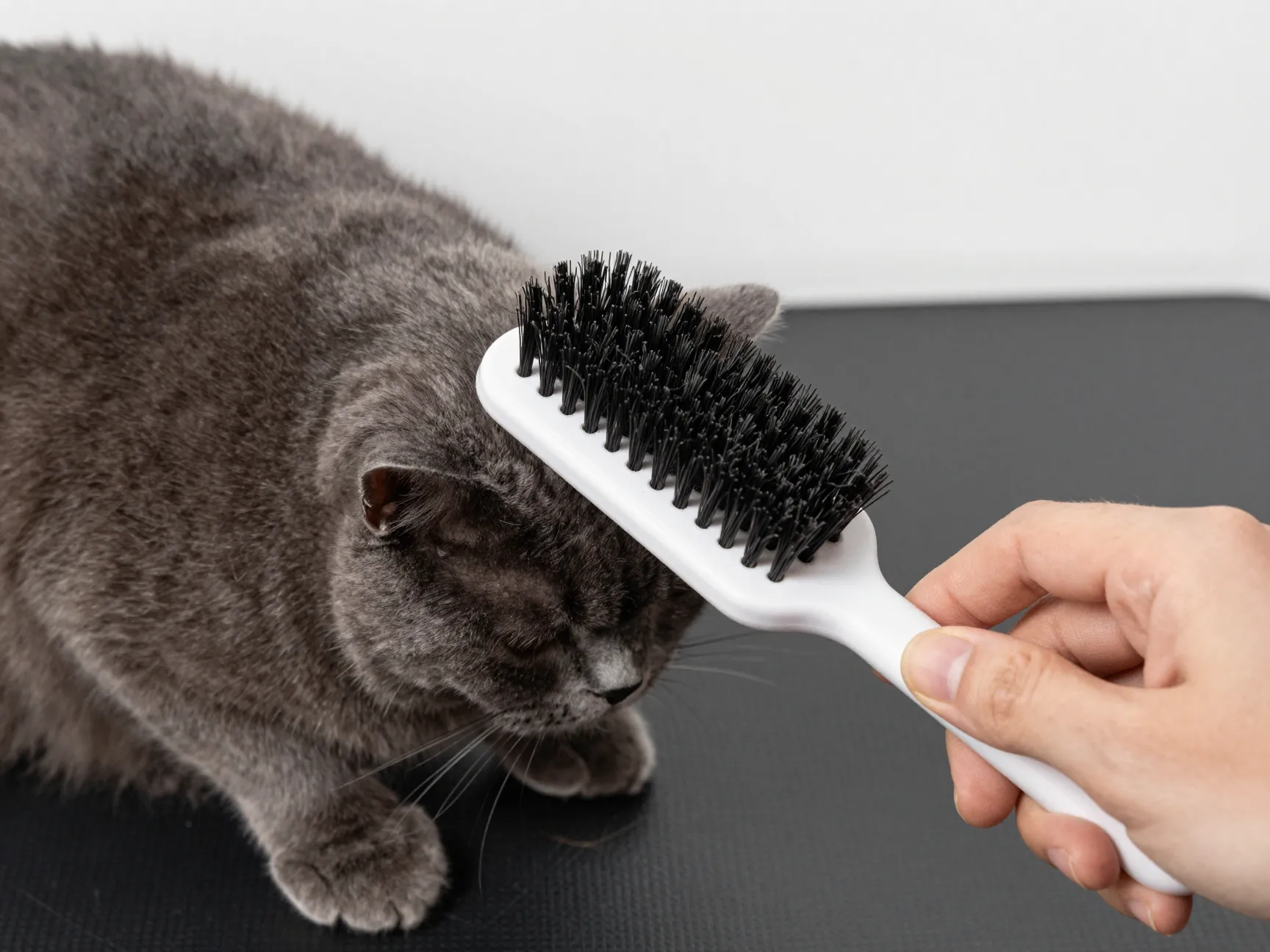
Between school runs, work deadlines, and everyday household management, few families have time for labor-intensive pet grooming routines. This is another area where the American Shorthair excels. VCA’s care guidance describes the coat as short but thick, requiring only weekly combing and brushing to stay healthy and free of loose hair. There is no need for daily brushing sessions, professional grooming appointments, or specialized coat treatments.
Getapet and Pet Breed Guides both emphasize this same point, noting that the breed’s short coat and general hardiness make it comparatively low-maintenance next to longer-haired or more delicate breeds. This matters practically: less time spent on grooming means more time for the interactive play and cuddling the breed genuinely enjoys.
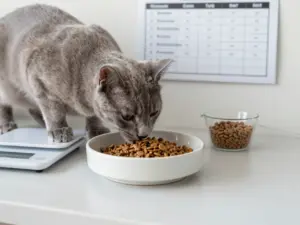
That said, low-maintenance does not mean zero-maintenance. Veterinary guidance recommends that families monitor food portions carefully, since American Shorthairs have a moderate activity level and can gain weight if overfed. Rather than requiring intense daily exercise, they benefit from portion control and occasional interactive play sessions such as fetch, an activity TICA notes many American Shorthairs genuinely enjoy.
Basic care checklist for families:
- Brush the coat weekly to reduce shedding and prevent matting.
- Monitor daily food portions to prevent weight gain given the breed’s moderate activity level.
- Schedule routine veterinary checkups to catch any health issues early.
- Provide occasional interactive play, such as fetch or wand toys, to support mental stimulation.
- Keep the litter box clean and easily accessible, particularly in multipet households.
5. Robust Health and an Impressively Long Lifespan
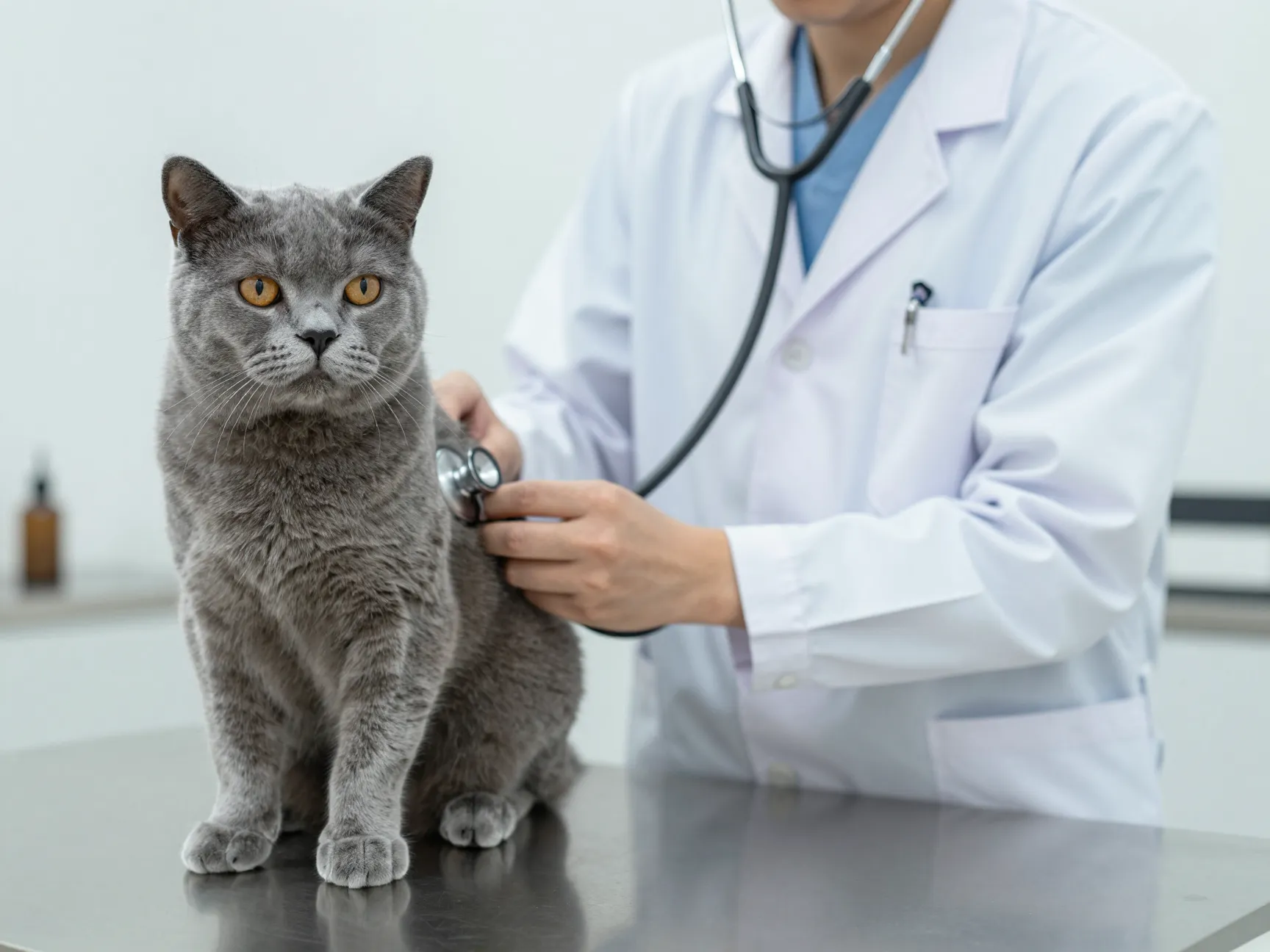
Longevity is a major consideration for any family choosing a long-term pet, and the American Shorthair delivers strong results on this front. Catster’s breed profile lists a typical lifespan of 15 to 17 years, while Getapet notes the breed often reaches 15 or more years with proper care. Vetstreet goes further, reporting that friendly, adaptable American Shorthairs can live up to 20 years under favorable conditions.
This extended lifespan reflects the breed’s overall genetic hardiness. Unlike some purebred cats that carry a higher risk of inherited health conditions, the American Shorthair is broadly recognized as a robust, generally healthy breed. PetMD’s health and care resources highlight this same point, tracing the breed’s resilience back to its working history as an effective mouser, a role that favored sturdy, adaptable cats over more fragile lineages.
For families, this translates into fewer unexpected veterinary expenses and a longer window of companionship. A cat adopted as a kitten alongside young children may realistically remain part of the household well into those children’s teenage years, a timeline few other pets can match with comparable reliability.
Consistent veterinary care still plays an essential role in reaching the upper end of this lifespan range. Routine checkups, dental care, and weight management remain important even for a naturally hardy breed like the American Shorthair.
6. Sturdy Build and a Legacy as America’s Original Family Cat
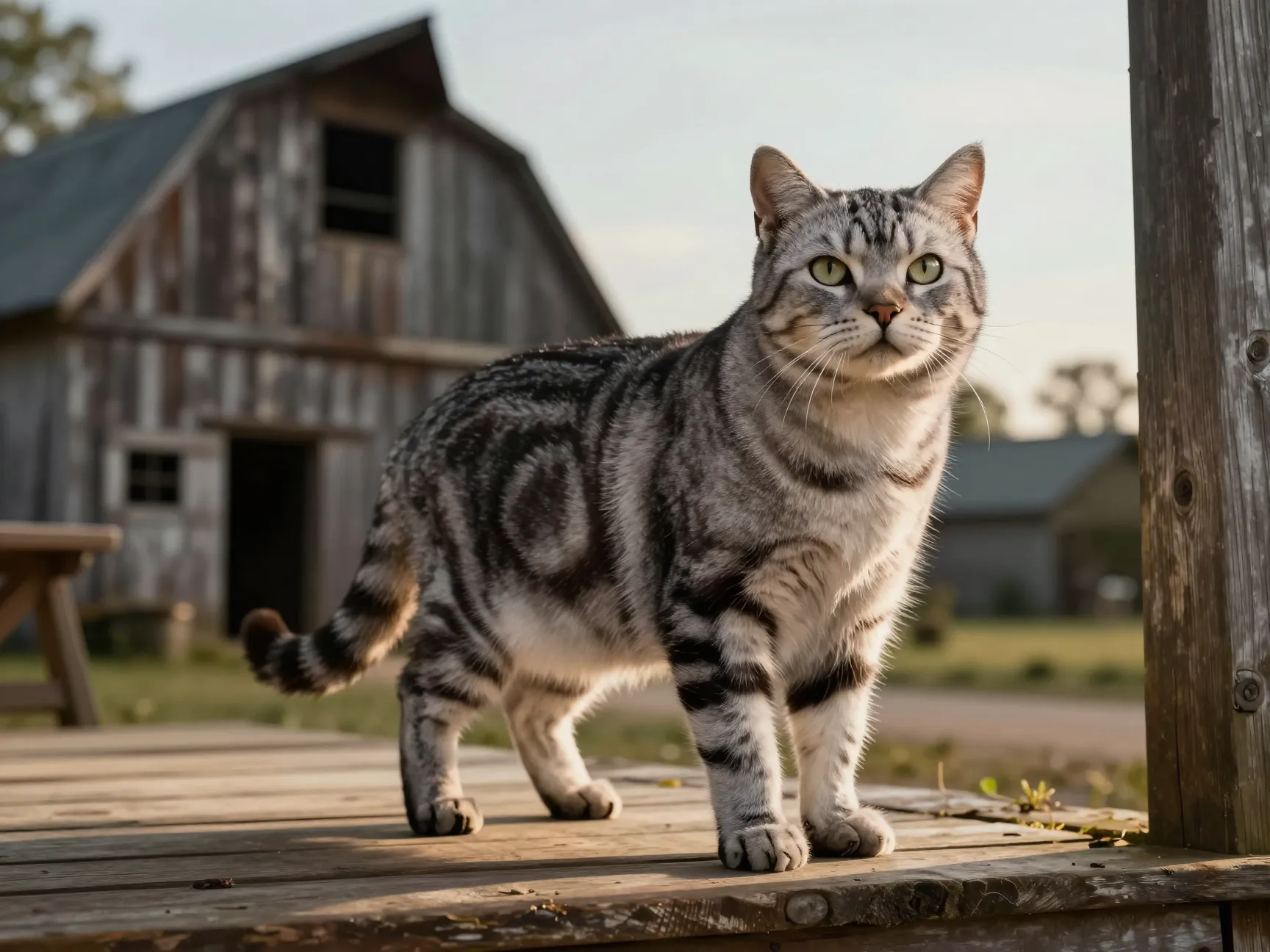
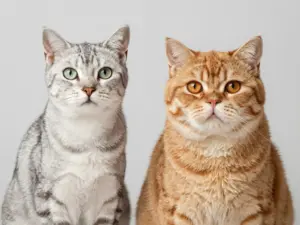
Physical resilience adds another layer to the breed’s family-friendly reputation. American Shorthairs are classified as medium-to-large cats, typically weighing between 10 and 15 pounds, or roughly 3.5 to 7 kilograms, giving them a solid, hardy build that tolerates gentle handling from children better than more delicate breeds. TopCat and VCA both describe the breed’s dense, protective short coat and full cheeks, along with an impressive range of more than 60 to 80 possible colors and patterns, including the iconic silver tabby.
This variety means families can choose a cat that matches their aesthetic preferences while still getting the same dependable temperament, since coat color and pattern do not meaningfully affect personality in this breed.
The breed’s history reinforces its family-oriented identity. American Shorthairs descend from European cats brought to North America by early settlers specifically to protect food stores and cargo from rodents. That practical, working-class origin story is part of why the breed was among the first five recognized by CFA in 1906. It carried the name “Domestic Shorthair” for decades before being officially renamed “American Shorthair” in 1966, a change that better reflected its distinct identity as a purpose-bred American companion rather than a generic mixed-breed cat.
VCA’s overview captures this legacy well, describing the breed as extremely smart, even-tempered, and athletic, with a working history that shaped its current preference for following favorite people around the house rather than displaying restless or hyperactive behavior. That inherited steadiness, refined over more than a century of American household life, is part of what makes the modern American Shorthair such a reliable fit for today’s families.
Cost, Accessibility, and Finding the Right American Shorthair
Beyond temperament and health, practical accessibility plays a role in why so many families choose this breed. Market data from recent cost analyses places typical purchase prices for American Shorthairs in the range of roughly $360 to $1,080, depending on the breeder and lineage. That range positions the breed as neither the cheapest nor the most expensive purebred cat on the market, making it a realistic option for many household budgets.
Families who prefer adoption over purchasing from a breeder have strong options as well. Petfinder regularly lists American Shorthairs available through shelters and rescue organizations, often alongside detailed guidance on the breed’s needs and temperament. This dual availability, through both breeders and adoption platforms, keeps the breed broadly accessible compared to rarer or more specialized cat breeds.
Prospective owners should still budget for ongoing costs beyond the initial purchase or adoption fee, including routine veterinary visits, quality food appropriate for weight management, litter, and occasional grooming supplies. While the American Shorthair is comparatively low-maintenance, responsible ownership still requires consistent investment in health and wellness over its long lifespan.
Frequently Asked Questions
Are American Shorthairs good with young children?
Yes. Veterinary and breed sources consistently describe American Shorthairs as gentle and patient around children, largely due to their sturdy build and even temperament. They tolerate the noise and unpredictability common in households with kids better than many more sensitive breeds.
Do American Shorthairs get along with dogs and other cats?
Generally, yes. Multiple current breed profiles note that American Shorthairs adapt well to multipet households, showing tolerance toward both dogs and other cats when introductions are handled gradually and appropriately.
How much grooming does an American Shorthair need?
Very little compared to longer-haired breeds. A weekly brushing session is typically sufficient to manage shedding and keep the coat healthy, according to veterinary care guidance.
What is the typical lifespan of an American Shorthair?
Most sources report a lifespan of 15 to 17 years, with some cats living as long as 20 years when given proper nutrition, weight management, and routine veterinary care.
Are American Shorthairs expensive to purchase or adopt?
Purchase prices typically range from about $360 to $1,080 depending on breeder and lineage, while adoption through shelters or platforms like Petfinder is often more affordable and widely available.
Do American Shorthairs need a lot of exercise?
They have a moderate activity level rather than a high one. Interactive play sessions, such as fetch, are enjoyed by many American Shorthairs, but portion control is more important than intense daily exercise for maintaining a healthy weight.
Final Thoughts on 6 Reasons The American Shorthair Cat Is The Perfect Family Pet
Choosing a family pet involves balancing personality, practicality, health, and long-term commitment. Across every one of those categories, the American Shorthair consistently performs well. Its even temperament and genuine enjoyment of family interaction make daily life smoother. Its adaptability allows it to thrive in busy households, quiet senior homes, and multipet environments alike. Its compatibility with children, dogs, and other cats reduces the friction often associated with introducing a new pet. Its manageable grooming needs respect the limited time most families have available. Its robust health and long lifespan offer years of stable companionship. And its deep-rooted history as one of America’s original working cats gives modern families confidence in a breed shaped by more than a century of proven reliability.
For families weighing their next pet decision, the practical next step is straightforward: contact local shelters or reputable breeders to ask specifically about available American Shorthairs, and request a temperament assessment or meet-and-greet before finalizing an adoption or purchase. Reviewing veterinary health records, confirming vaccination history, and discussing weight management strategies with a veterinarian early on will help any new American Shorthair settle into its family role smoothly and stay healthy for years to come.