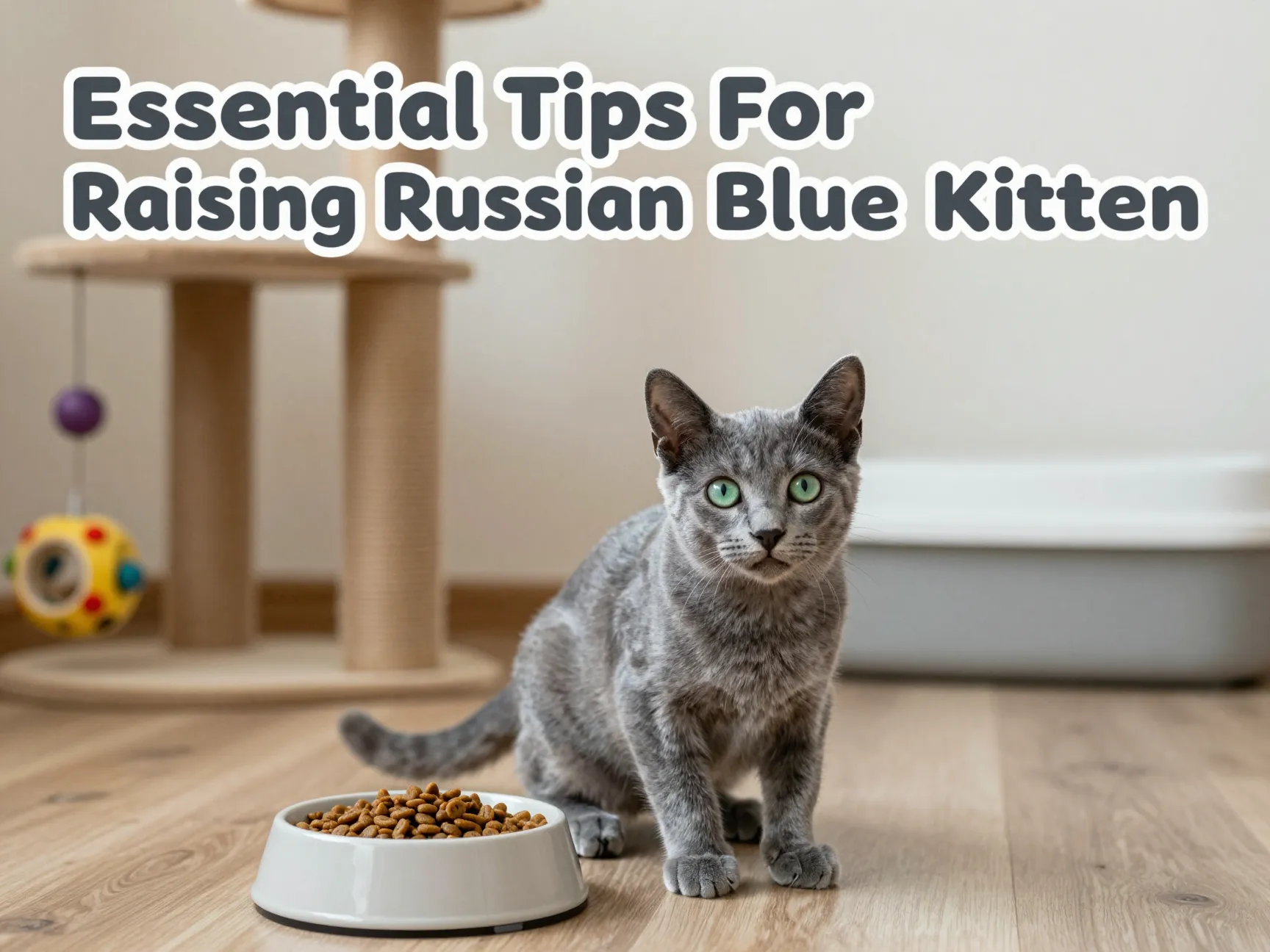
Essential Tips For Raising A Happy & Healthy Russian Blue Kitten
A Russian Blue kitten gains roughly 20 times its birth weight in the first year of life, and most of that growth happens in just the first six months. That single fact explains why the earliest weeks matter so much. Small mistakes in feeding, handling, or veterinary timing during this window can echo for a decade or more, since the breed commonly lives 15 to 20 years. Getting the fundamentals right early is not optional polish, it is the foundation for a healthy, confident cat. This guide walks through 6 Essential Tips For Raising A Happy & Healthy Russian Blue Kitten, drawn from veterinary nutrition standards and feline behavior science, so new owners can skip the guesswork.
Disclosure: This post contains affiliate links. As an Amazon Associate, we earn from qualifying purchases, and at no extra cost to you.
Russian Blues are known for being quiet, loyal, and slightly reserved with strangers, but deeply affectionate with their chosen people. They are also a breed with a reputation for packing on weight quietly, since their dense double coat can hide a thickening waistline. Combine that tendency with a naturally food-motivated personality, and it becomes clear why intentional, informed care matters more for this breed than for many others.
Key Takeaways
- Feed a kitten-specific or “all life stages” formula in small, scheduled meals rather than leaving food out all day.
- Schedule the first veterinary exam within the initial week home, then follow through on the full vaccine series and parasite prevention.
- Build an indoor environment with vertical space, puzzle feeders, and daily play to satisfy this breed’s intelligent, sometimes shy temperament.
- Keep litter boxes spotless and establish a grooming routine covering brushing, nail trims, and ear and eye checks.
- Monitor body condition and dental health monthly, since Russian Blues are prone to quiet, hard-to-notice weight gain.
The 6 Essential Tips For Raising A Happy & Healthy Russian Blue Kitten Explained
Every one of the following tips addresses a specific, documented vulnerability of the breed, from its tendency toward over-conditioning to its sensitivity to loud or chaotic households. Applying all 6 Essential Tips For Raising A Happy & Healthy Russian Blue Kitten together, rather than picking one or two, gives the best odds of raising a kitten that grows into a calm, trusting, physically sound adult cat.
1. Feed a Nutrient-Dense, Kitten-Specific Diet in Small, Frequent Meals
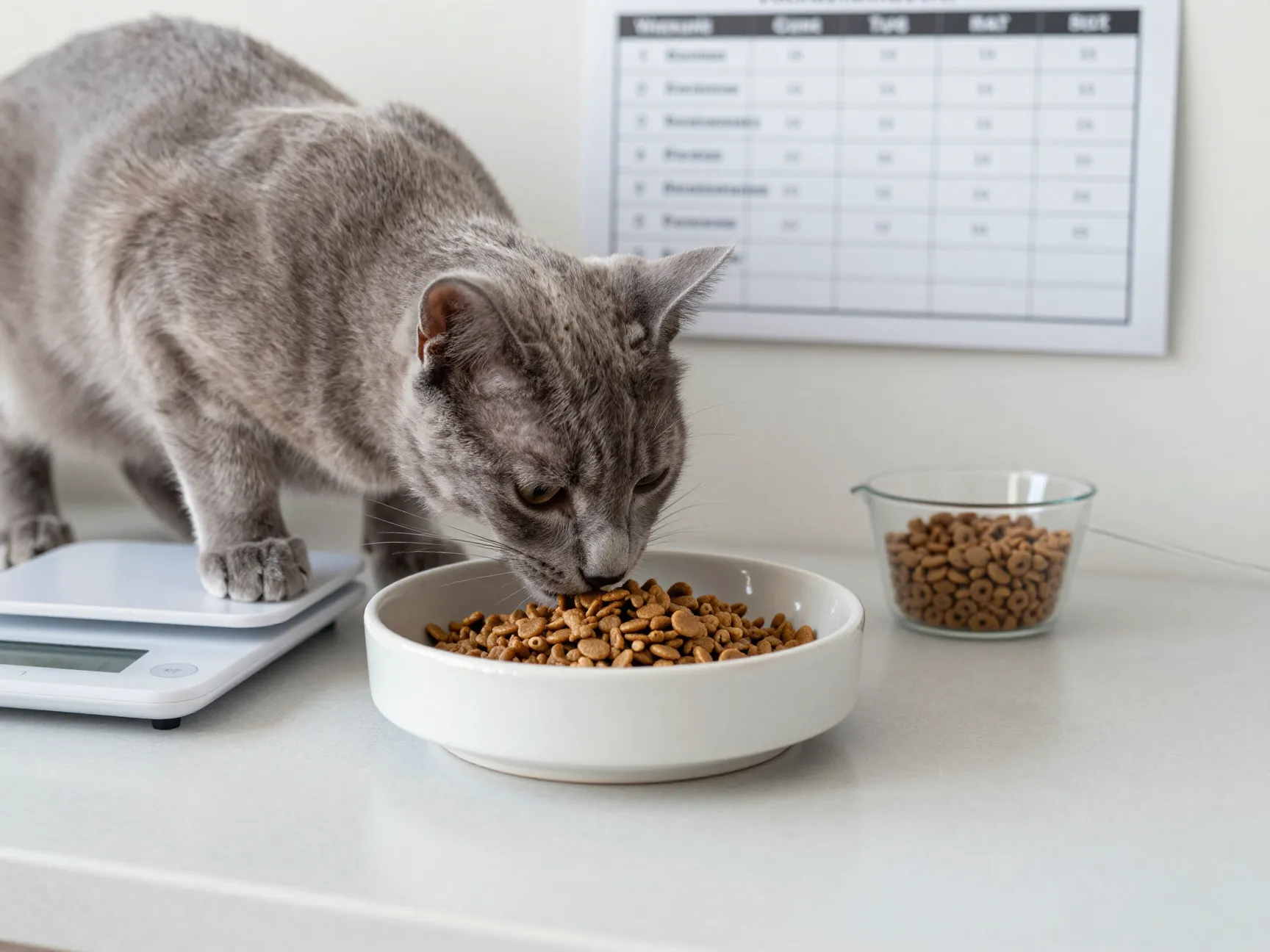
Kittens have small stomachs and fast metabolisms, which means a single large meal cannot supply what a growing body needs. Veterinary nutrition guidance consistently recommends kitten-formulated food, or a diet labeled for “all life stages,” because these formulas contain higher protein and calorie density than adult maintenance diets. Russian Blue kittens in particular benefit from a structured feeding schedule rather than free-choice grazing, since the breed’s food-focused personality can quickly turn constant access into constant snacking.
A practical approach is three to four measured meals per day for kittens under six months, tapering to two to three meals as the cat approaches its first birthday. Always follow the portion guidance on the food packaging as a starting point, then adjust based on body condition rather than the bowl looking empty. The table below offers a general reference, though individual kittens vary.
| Age | Meals Per Day | Feeding Style |
|---|---|---|
| 8 to 12 weeks | 4 | Small measured portions, kitten formula |
| 3 to 6 months | 3 to 4 | Measured portions, monitor weight gain |
| 6 to 12 months | 2 to 3 | Transition toward adult schedule |
| 12 months and older | 2 | Adult or all life stages formula |
Fresh water should be available at all times, refreshed daily, and placed away from the litter box to encourage drinking.
2. Choose Foods With Omega Fatty Acids to Support Brain and Eye Development

Not all kitten food is created equal. Look specifically for formulas that list omega-3 and omega-6 fatty acids, often sourced from fish oil or flaxseed, among the first several ingredients. These fats play a documented role in neurological development and vision sharpness during the critical growth window before six months of age. Russian Blues, with their striking emerald eyes and famously alert temperament, benefit noticeably from diets that prioritize this kind of nutrient density rather than relying on generic filler-heavy formulas.
When comparing bags or cans, check that a named animal protein, chicken, turkey, or fish, appears as the first ingredient, and that the food meets nutritional standards for growth and reproduction, not just adult maintenance. A veterinarian or veterinary nutritionist can help translate a specific kitten’s needs into a shortlist of appropriate brands, especially if there is any history of sensitive digestion in the litter.
“The right kitten food does more than fill a stomach, it builds the eyes, brain, and coat the cat will carry for the next fifteen years.”
3. Schedule Early Veterinary Care, Complete the Vaccine Series, and Control Parasites
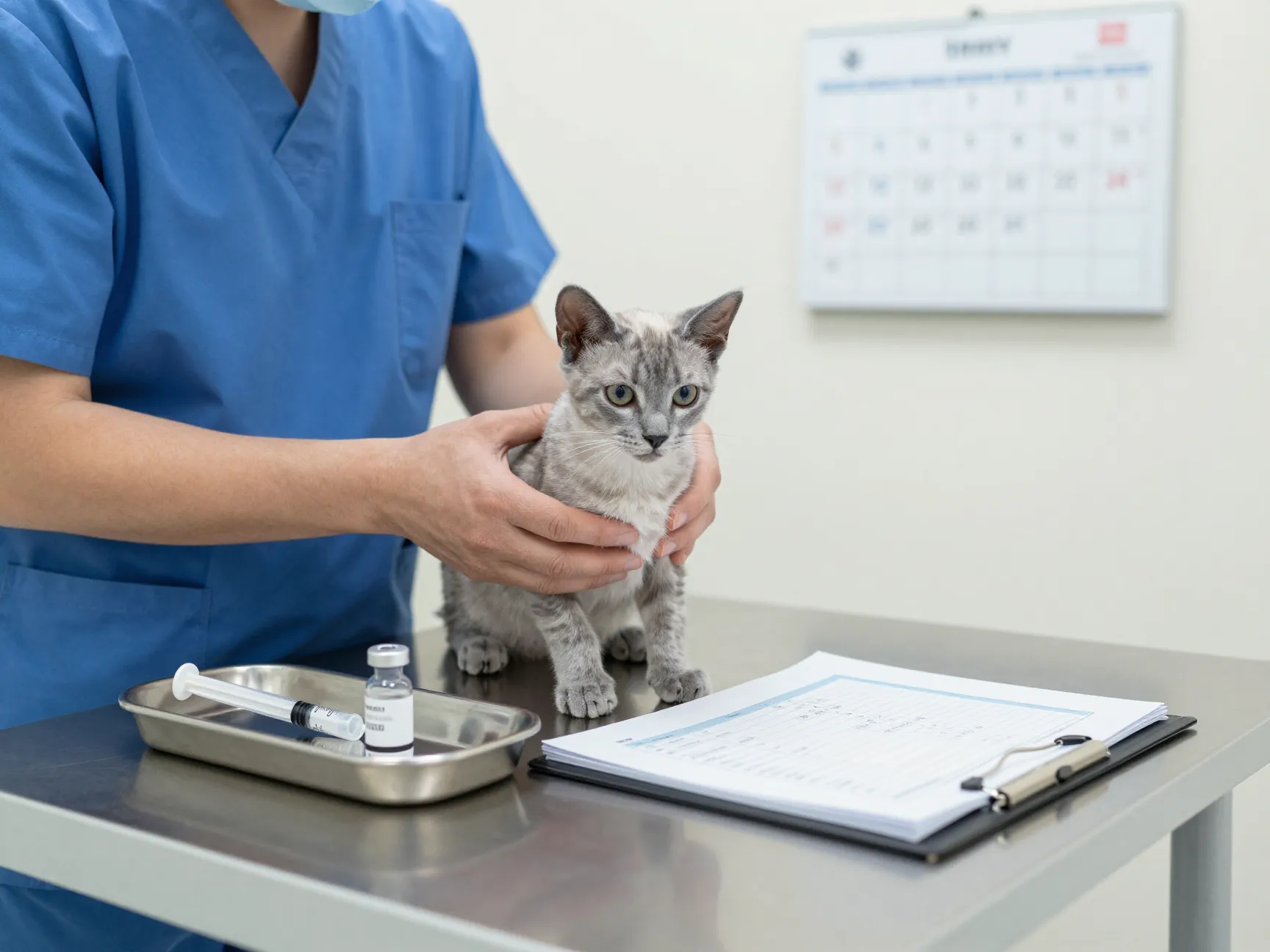
The single most important administrative step in the first weeks of ownership is booking a veterinary exam, ideally within the first few days to a week after bringing the kitten home. This visit establishes a baseline weight and health record, screens for common congenital issues, and starts the countdown on the vaccine schedule. Core kitten vaccinations typically begin around six to eight weeks of age and continue in a series of boosters through roughly sixteen weeks, protecting against diseases such as feline panleukopenia, calicivirus, and herpesvirus.
Parasite control runs in parallel with vaccination. Kittens commonly carry intestinal parasites even without visible symptoms, so a veterinarian will usually recommend deworming on a set schedule along with flea and, where relevant, heartworm prevention. Because Russian Blues are indoor cats almost exclusively, exposure risk is lower than for outdoor breeds, but it is not zero, parasites can arrive via shoes, other pets, or even insects that get indoors.
Set calendar reminders for each booster and annual wellness visit. Consistency here, more than any single treatment, is what keeps a Russian Blue kitten’s long-term health on track.
4. Provide a Calm, Enriched Indoor Environment
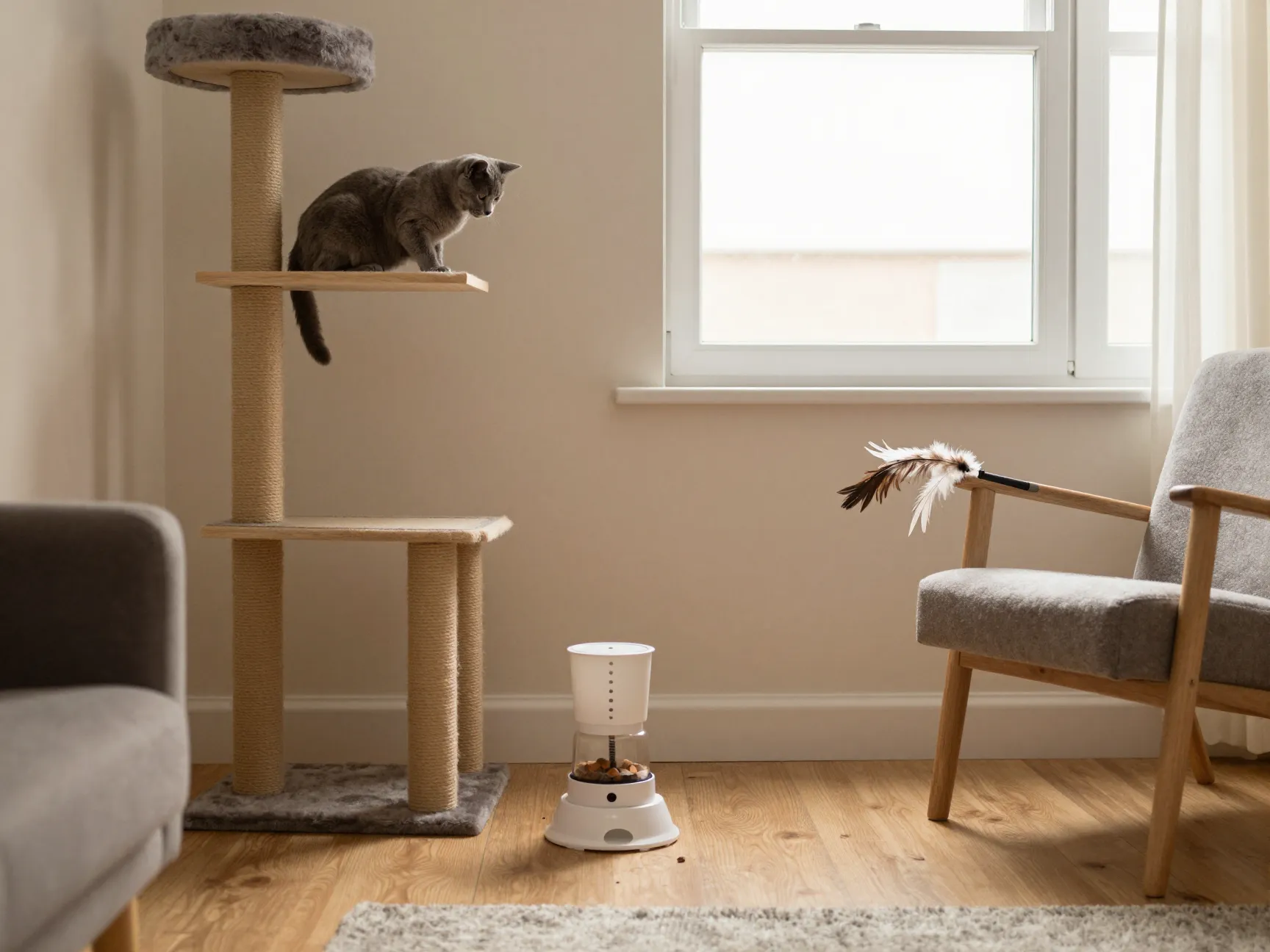
Russian Blues tend toward shyness with unfamiliar people and situations, which makes their home environment disproportionately important to their overall temperament. A chaotic, understimulating space can leave this breed anxious or withdrawn, while a calm space rich in enrichment tends to produce a confident, playful adult cat.
Three elements make the biggest difference:
- Vertical space. Cat trees, wall-mounted shelves, or a simple window perch let a kitten survey its territory from above, which reduces stress in multi-pet or high-traffic households.
- Puzzle feeders. Rotating a portion of daily meals through a treat-dispensing puzzle taps into natural foraging instincts and slows down fast eaters, addressing overeating risk at the same time as boredom.
- Daily interactive play. Ten to fifteen minutes of wand-toy or chase play, split across two or three short sessions, satisfies the breed’s above-average intelligence and prevents the kind of destructive boredom behavior that shows up as furniture scratching or excessive vocalizing.
Because Russian Blues are best kept as indoor-only cats, this enrichment is not optional decoration, it is the primary substitute for the exploration a cat would otherwise get outdoors.
5. Maintain Excellent Litter Box Hygiene and a Consistent Grooming Routine
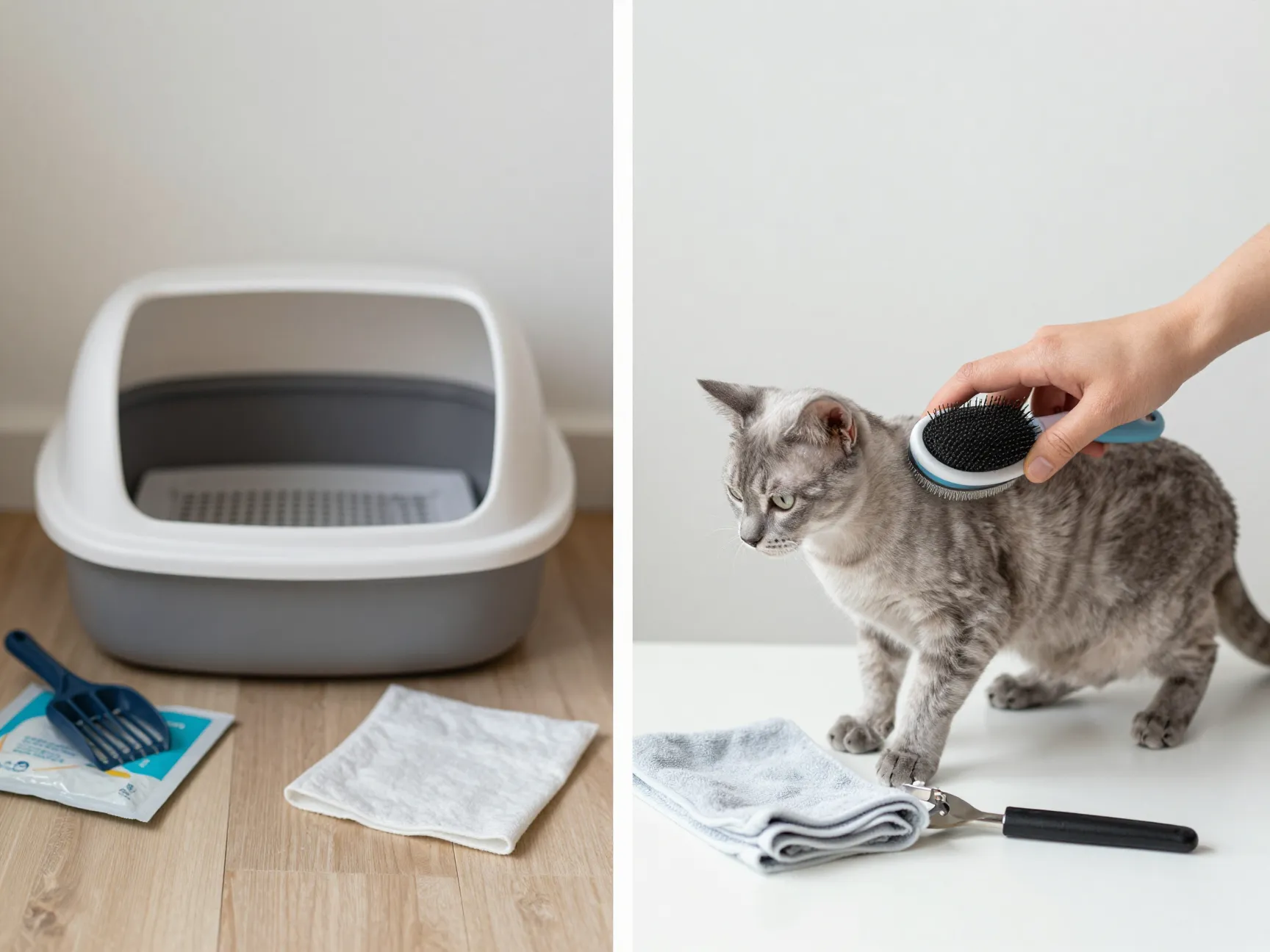
Russian Blues are famously fastidious, and a dirty litter box is one of the fastest ways to trigger house-soiling problems in this breed. The general guideline is one litter box per cat plus one extra, scooped at least once daily and fully washed with mild soap every one to two weeks. Placement matters too, boxes belong in quiet, low-traffic spots, never next to noisy appliances that might startle a kitten mid-use.
Grooming is the second pillar of physical care. The dense double coat of a Russian Blue does not mat easily, but it does shed, so a weekly brushing session with a rubber curry brush or soft-bristle brush keeps loose fur under control and doubles as a bonding ritual. Alongside brushing, build in:
- Nail trims every two to four weeks, using a proper cat nail clipper and rewarding calm behavior afterward.
- Gentle ear checks weekly, looking for excess wax, redness, or odor that might signal infection.
- Eye checks weekly, wiping away any discharge with a damp, soft cloth and noting any persistent tearing for the veterinarian.
Introducing these routines early, while the kitten is small and easy to handle, makes lifelong cooperation far more likely than trying to start nail trims on an adult cat that has never experienced them.
6. Monitor Weight and Dental Health, and Socialize With Gentle, Positive Methods
Russian Blues carry a well-documented tendency toward over-conditioning, meaning they gain weight more easily than many other breeds and often hide it well under a thick coat. A monthly body-condition check, feeling for ribs under a thin layer of fat, and glancing at the waist from above for a visible tuck, catches creeping weight gain long before it becomes a clinical problem. Pair this with a hands-off approach to free feeding; scheduled meals, discussed in Tip 1, remain the single best defense against silent obesity.
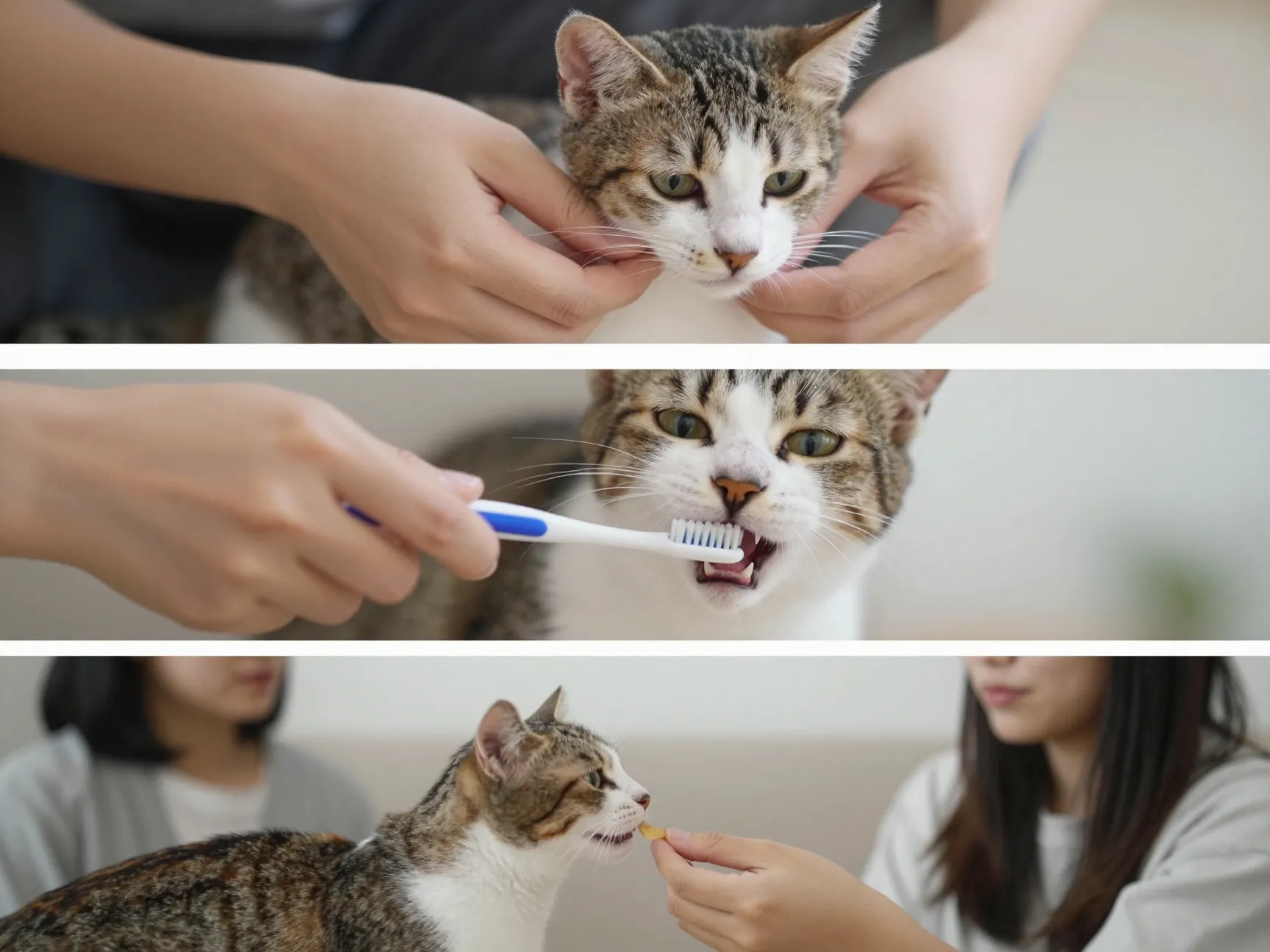
Dental disease is the other frequently overlooked issue. Daily or several-times-weekly tooth brushing with a feline-formulated toothpaste, started young, dramatically reduces plaque buildup. Dental treats and a veterinary dental check at annual visits round out a preventive routine that avoids painful extractions later in life.
Socialization ties everything together. Russian Blue kittens respond best to gentle handling, predictable daily routines, and reward-based correction rather than loud scolding or physical punishment, which tends to make this sensitive breed withdrawn rather than obedient. Short, positive exposure to new people, sounds, and handling, always paired with treats or praise, builds the confident, affectionate adult temperament the breed is known for.
Common Mistakes to Avoid When Raising a Russian Blue Kitten
Even attentive owners fall into a few predictable traps. Watch for these:
Leaving food out all day “just in case.” This undoes the portion control established through scheduled meals and is one of the fastest paths to feline obesity.
Skipping booster vaccines because the kitten “seems fine.” Immunity from early doses fades without the full series, leaving real exposure gaps.
Assuming a quiet kitten is a happy kitten. Withdrawal and hiding are more often signs of stress or illness than contentment, especially in a naturally reserved breed.
Delaying grooming habits until adulthood. Nail trims and brushing become far harder to introduce once a cat is fully grown and has developed an aversion.
Relying on generic online advice instead of veterinary or breed-organization guidance. Standards for vaccination timing, nutrition, and weight benchmarks are periodically updated by veterinary bodies and breed associations, and following outdated advice can mean missing current best practices.
Frequently Asked Questions About the 6 Essential Tips For Raising A Happy & Healthy Russian Blue Kitten
How much should a Russian Blue kitten weigh at different ages?
Growth varies by individual, but most Russian Blue kittens weigh close to one pound at birth and gain steadily, reaching roughly 6 to 8 pounds by their first birthday for females and slightly more for males. A veterinarian tracking weight at each visit is the most reliable way to confirm healthy growth rather than comparing against generic charts alone.
Are Russian Blue kittens prone to any specific health issues?
The breed is generally considered robust, but over-conditioning, or quiet weight gain hidden by the dense coat, is the most commonly flagged concern. Routine monthly body-condition checks and scheduled feeding, rather than free-choice access, are the most effective preventive steps.
How often should a Russian Blue kitten see the veterinarian in the first year?
Expect an initial exam within the first week home, followed by a vaccine booster series roughly every three to four weeks until around sixteen weeks of age, then a spay or neuter consultation and a wellness exam around the one-year mark.
Do Russian Blue kittens need a lot of playtime?
Yes. This breed is intelligent and can become anxious or destructive without regular mental and physical stimulation. Two to three short interactive play sessions daily, combined with puzzle feeders and vertical climbing space, typically meets their needs.
Is it normal for a Russian Blue kitten to be shy around guests?
It is common and consistent with the breed’s typical temperament. Gentle, positive socialization and predictable routines help reduce shyness over time, though most Russian Blues remain more reserved with strangers than with their core household.
Conclusion
Raising a Russian Blue kitten well comes down to consistency far more than complexity. None of the 6 Essential Tips For Raising A Happy & Healthy Russian Blue Kitten covered here require exotic equipment or specialist expertise, they call for a kitten-appropriate diet fed on a schedule, timely veterinary care, an enriched but calm home, disciplined hygiene and grooming habits, ongoing weight and dental monitoring, and patient, positive socialization.
The payoff for that consistency is significant. Given the breed’s typical 15 to 20 year lifespan, decisions made in the first year set the trajectory for well over a decade of companionship. Start with a veterinary appointment in the first week, set a measured feeding schedule immediately, and build grooming and enrichment routines before bad habits have a chance to form. Owners who treat these six areas as non-negotiable groundwork, rather than optional extras, consistently raise Russian Blue cats that are calmer, healthier, and more securely bonded to their households for life.