Tips For Caring For Your Old Golden Retriever
Roughly 60 percent of Golden Retrievers will develop cancer at some point in their lives, and hemangiosarcoma, an aggressive tumor of the blood vessels, is one of the leading causes of death in the breed. That single statistic changes how senior care should be approached. Waiting for obvious symptoms is no longer good enough. This guide on 6 Tips For Caring For Your Old Golden Retriever walks through the practical, evidence-based habits that veterinary professionals and 2026 breed-specific guides now recommend for dogs entering their golden years, from wellness exam frequency to home safety upgrades.

Disclosure: This post contains affiliate links. As an Amazon Associate, we earn from qualifying purchases, and at no extra cost to you.
Caring for an aging Golden Retriever is not about a single dramatic change. It is about layering small, consistent habits that add up to more comfortable, longer years. The six strategies below reflect the latest consensus from veterinary and breed-health sources updated throughout 2026.
Key Takeaways
- Senior Goldens, generally age 7 and older, benefit from twice-yearly veterinary exams instead of the traditional annual checkup, largely to catch cancers like hemangiosarcoma earlier.
- Keeping an old Golden Retriever lean is one of the single most effective ways to extend both lifespan and quality of life.
- A senior-specific diet with easily digestible protein, omega-3 fatty acids, and antioxidants supports joints, immunity, and possible cancer risk reduction.
- Dogs need 30 to 50 minutes of low-impact exercise daily, broken into 2 to 3 shorter sessions rather than one long walk.
- Small home modifications, non-slip flooring, ramps, raised bowls, meaningfully reduce injury risk and joint strain.
- Dental care, grooming, and cognitive enrichment are now considered core pillars of senior dog care, not optional extras.
When Does a Golden Retriever Become a Senior Dog?
Most Golden Retrievers are considered senior by age 7 to 8, though large-breed dogs like Goldens tend to show age-related changes earlier than smaller breeds. Mid-2026 breed-specific care guides consistently mark this window as the point where preventive care should shift gears. Physically, this often shows up as slower rises from lying down, a grayer muzzle, reduced stamina on walks, and more frequent naps.
This transition is gradual, not a switch that flips on a single birthday. Some Goldens show meaningful slowdown by age 6, especially larger males, while others remain fairly active into age 9 or 10. What matters most is tracking individual changes rather than relying strictly on a number. Once those changes appear, the six-part framework below becomes especially valuable.
1. Schedule Twice-Yearly Veterinary Wellness Exams
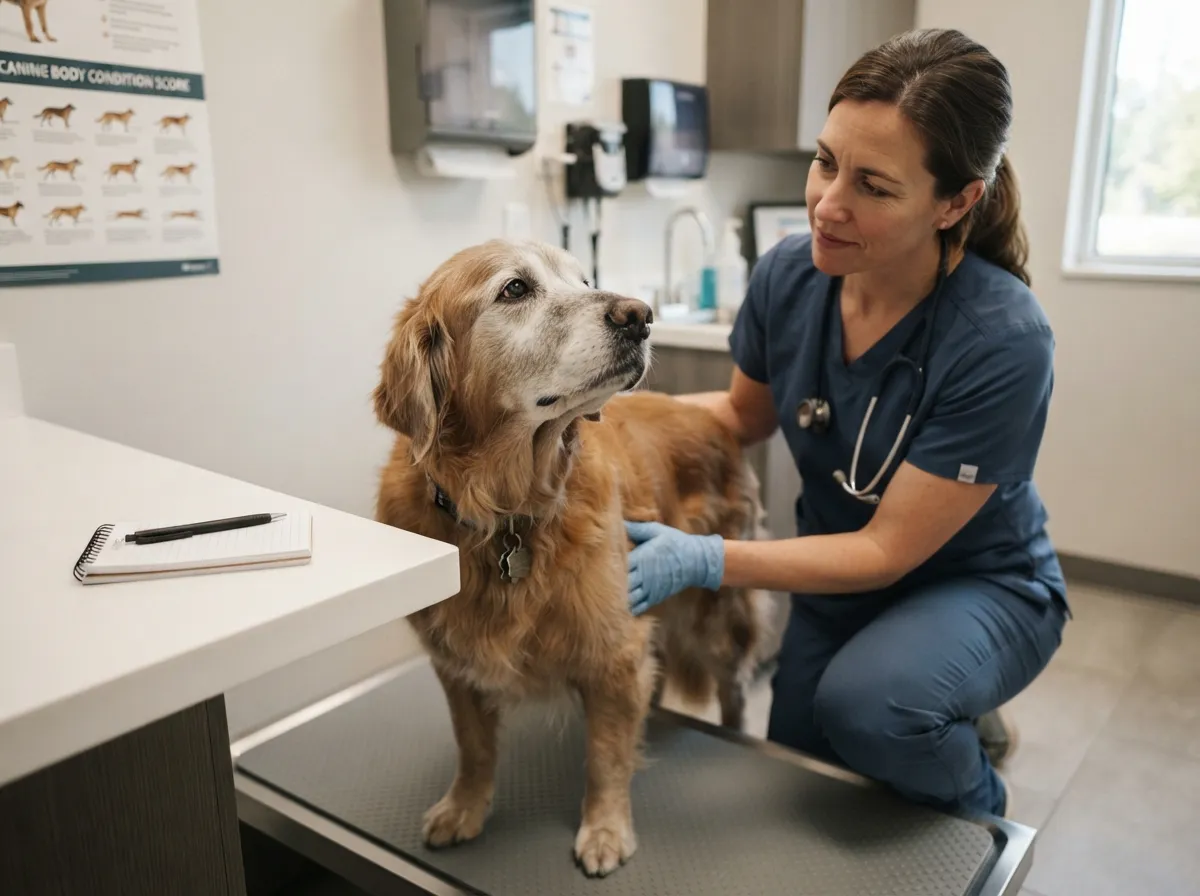
The single biggest shift in senior Golden Retriever care over the past few years is the move from annual to twice-yearly wellness exams once a dog reaches roughly age 7 or 8. Updated 2026 guides are explicit about this change, and the reasoning is straightforward: dogs age faster than humans, and diseases like cancer can progress significantly in just six months.
Early detection of hemangiosarcoma and other cancers common in the breed depends heavily on catching subtle changes before they become emergencies. A twice-yearly visit typically includes:
| Exam Component | Why It Matters for Senior Goldens |
|---|---|
| Full-body palpation | Detects new lumps, masses, or lymph node changes |
| Bloodwork panel | Flags early organ function decline or anemia |
| Abdominal ultrasound (as needed) | Screens for internal tumors, including splenic masses |
| Body condition scoring | Tracks weight trends before they become a problem |
| Joint and mobility assessment | Identifies arthritis pain early for intervention |
| Dental evaluation | Catches infection before it affects overall health |
“The dogs that do best in their senior years are almost always the ones whose owners caught small changes early, not the ones who waited for a crisis,” is a sentiment echoed across nearly every updated 2026 veterinary breed guide.
Bring a simple log of any changes noticed at home, appetite shifts, new stiffness, changes in drinking habits, to each visit. This turns a routine exam into a genuinely useful early-warning system.
2. Keep Your Senior Golden at a Lean, Healthy Body Weight
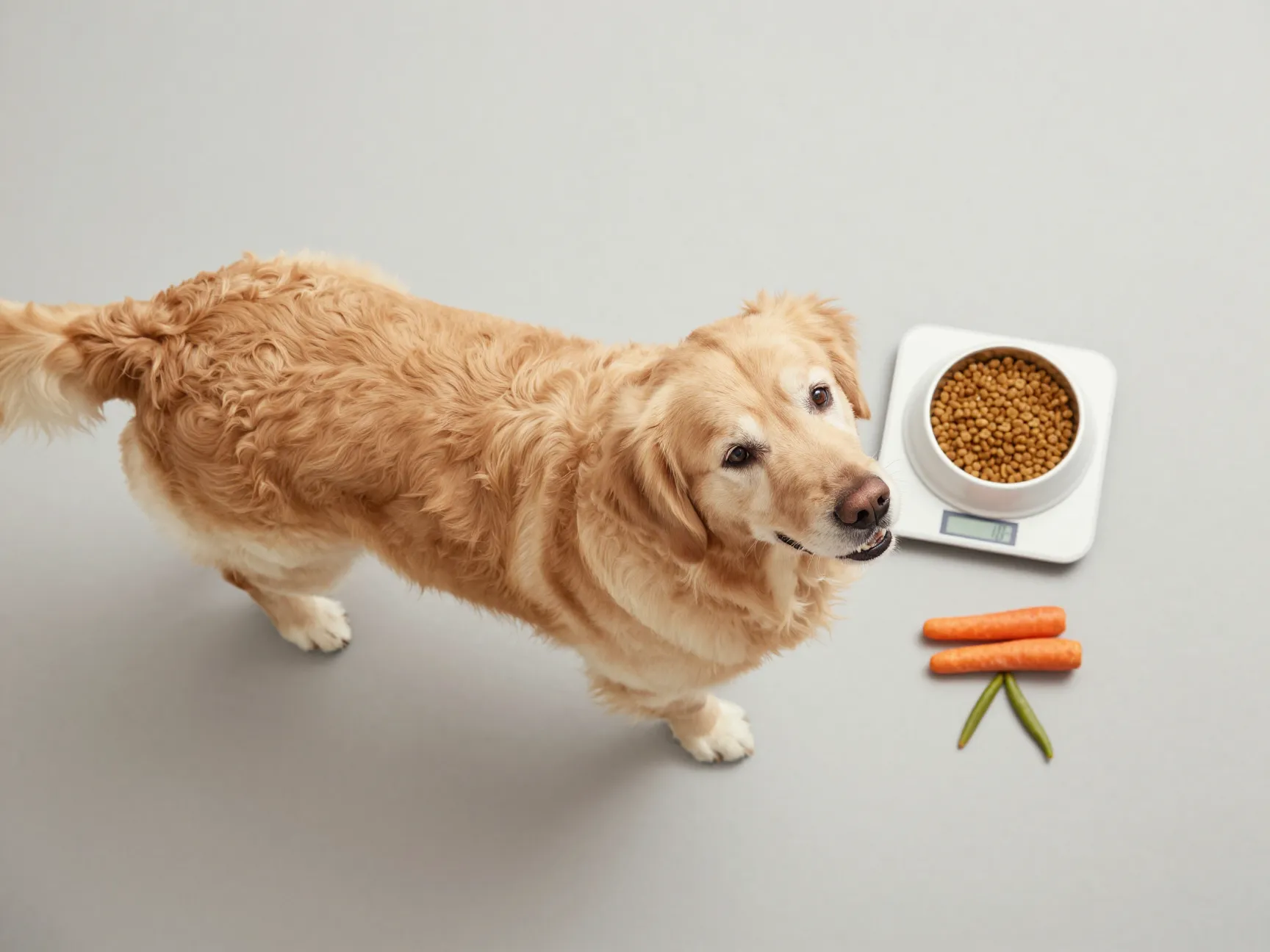
Of all the strategies covered under 6 Tips For Caring For Your Old Golden Retriever, maintaining a lean body condition is repeatedly cited as one of the most powerful lifespan-extending habits available. Excess weight accelerates joint degeneration, worsens arthritis pain, strains the heart, and has been linked to shorter lifespans across multiple large-breed studies.
A lean senior Golden should have a visible waist when viewed from above and ribs that can be felt easily without a thick layer of fat covering them. Many owners unintentionally let weight creep up in older dogs because activity naturally decreases, but calorie intake stays the same.
Practical steps to manage weight in an aging Golden include:
- Measuring food precisely with a kitchen scale rather than eyeballing scoops, since even small daily overages compound over months.
- Switching treats to low-calorie options like small pieces of carrot, green beans, or commercial low-fat training treats.
- Weighing the dog monthly at home or during vet visits and adjusting portions before a trend becomes a problem.
- Avoiding free-feeding, which makes portion control nearly impossible to track.
- Even a five to ten percent reduction in body weight can noticeably ease joint pain and improve mobility in dogs with early arthritis.
3. Switch to a Senior-Appropriate, Nutrient-Dense Diet
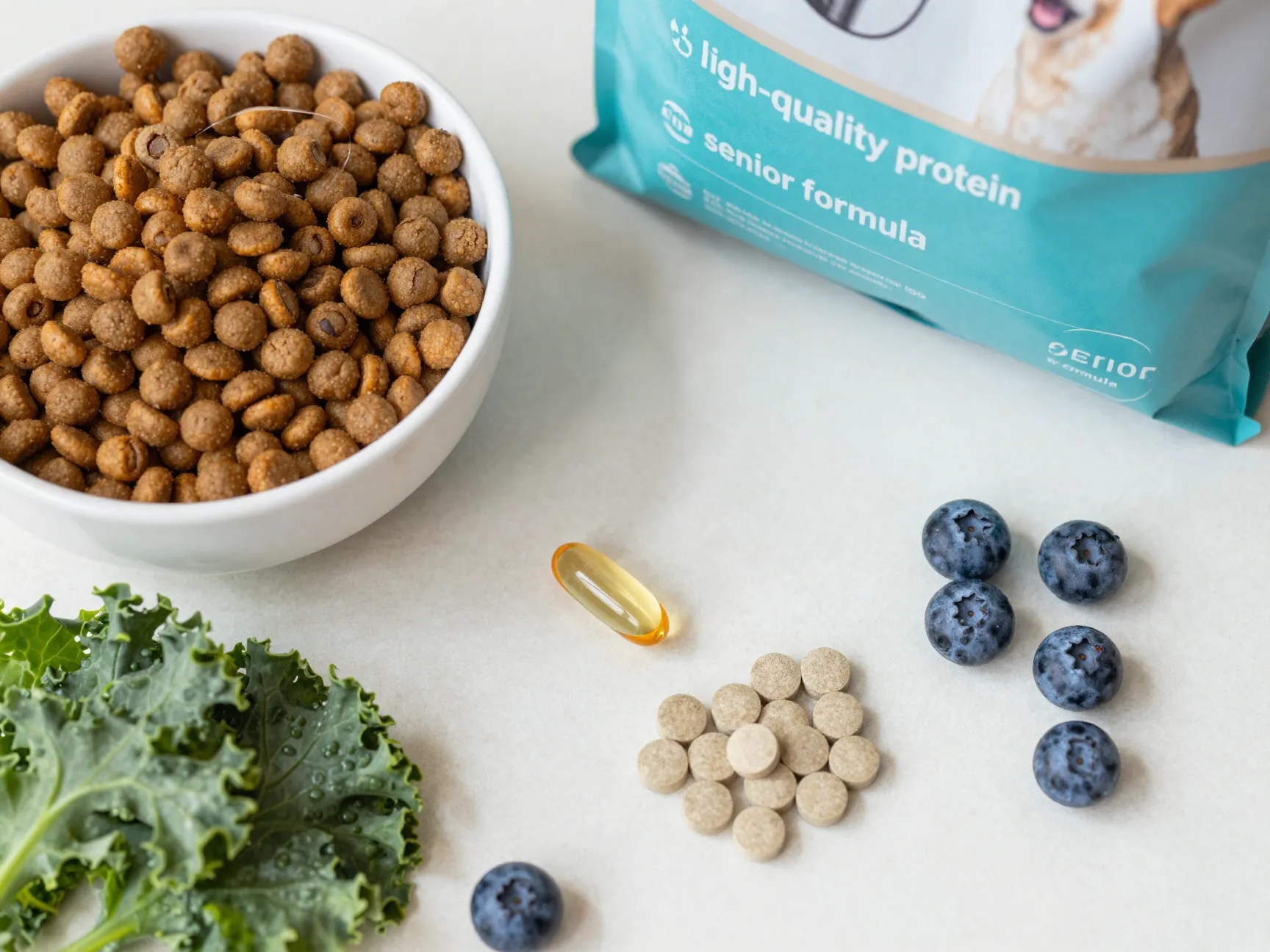
Nutrition guidance updated as recently as August 2026 recommends a deliberate shift toward reduced-calorie, senior-formulated diets built around three pillars: high-quality easily digestible protein, omega-3 fatty acids (EPA and DHA), and antioxidant support.
Protein needs do not disappear with age, they actually remain critical for maintaining muscle mass, but the source matters. Highly digestible animal proteins put less strain on aging kidneys and digestive systems while still supporting lean muscle.
Omega-3 fatty acids, most commonly sourced from fish oil, support joint comfort by reducing inflammation and may also play a role in cognitive support and skin and coat health. Antioxidants, including vitamin E, vitamin C, and certain plant-based compounds, support immune function and are increasingly discussed in connection with reducing oxidative stress linked to cancer risk.
Key dietary features to look for in a senior Golden Retriever food:
- Moderate to high-quality protein rather than a blanket low-protein approach.
- Added EPA and DHA omega-3 fatty acids, ideally from fish oil sources.
- Antioxidant blends supporting immune health.
- Controlled calorie density to support the lean body condition goal from Tip 2.
- Joint-supportive additions such as glucosamine and chondroitin where appropriate.
Any diet change should happen gradually over seven to ten days, mixing increasing amounts of the new food with the old to avoid digestive upset. A veterinarian or veterinary nutritionist can help tailor the exact formulation to a dog’s specific health picture, especially if kidney disease, heart disease, or cancer is already present.
4. Provide 30 to 50 Minutes of Low-Impact Exercise Daily
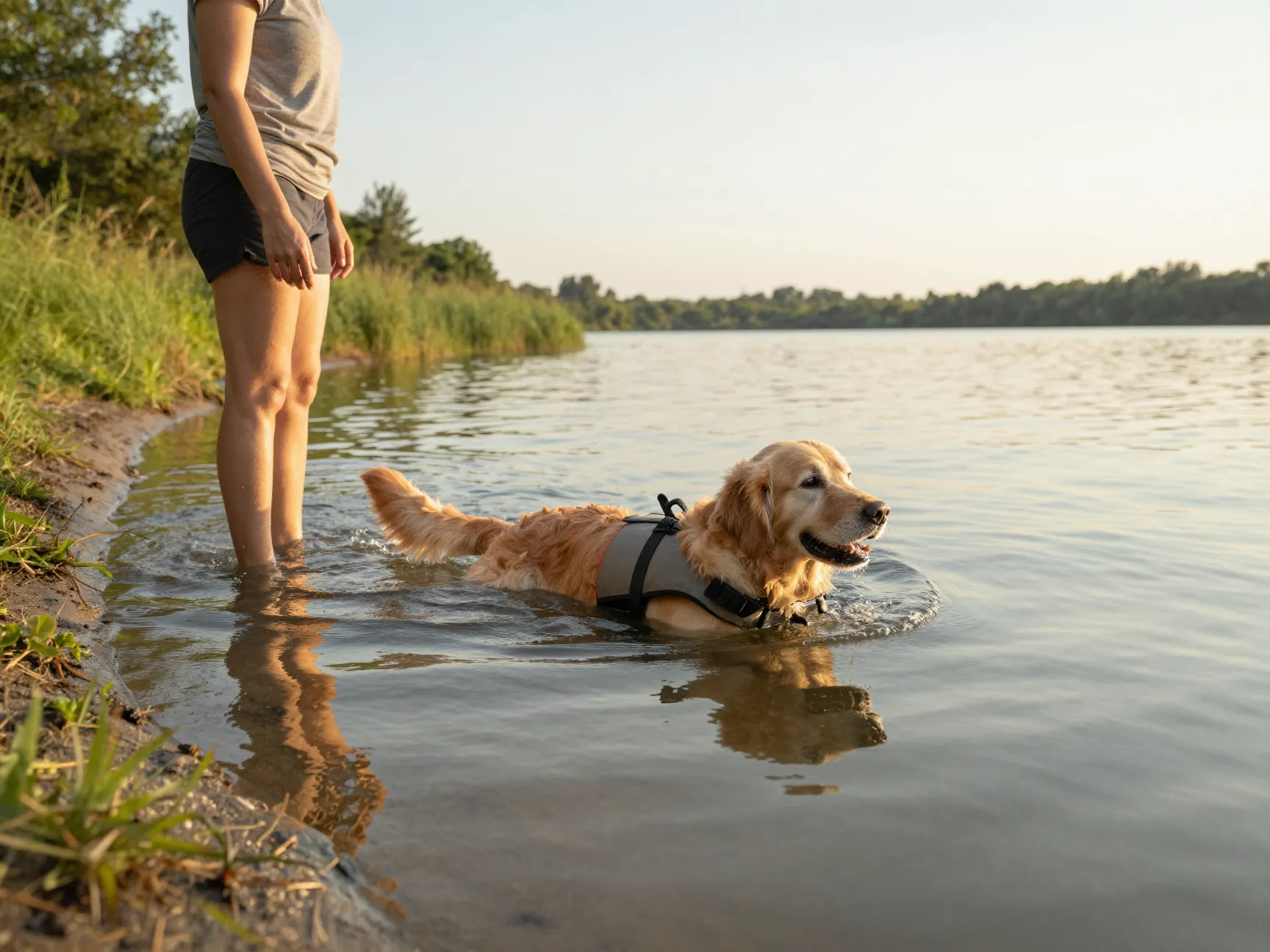
Exercise recommendations for senior Golden Retrievers have become more precise in recent evidence-based guidance. The current consensus points to 30 to 50 minutes of low-impact activity per day, ideally split into two or three shorter sessions rather than one long outing.
This matters because a single long walk can overtax stiff joints, while short, frequent movement keeps muscles engaged without triggering flare-ups of arthritis pain. Low-impact does not mean inactive; it means choosing activities that minimize jarring stress on aging joints.
Good low-impact options for senior Goldens include:
- Short leash walks on flat, even surfaces, avoiding steep hills or rough terrain.
- Swimming, which many older Goldens genuinely enjoy and which provides resistance without joint impact.
- Gentle fetch with soft tosses rather than high-speed sprinting retrieves.
- Slow-paced sniff walks that provide mental stimulation with minimal physical strain.
A sample daily structure might look like a 15-minute morning walk, a 10 to 15 minute midday sniff-and-stroll session, and a short 10-minute evening walk. This spread keeps the dog engaged throughout the day rather than exhausted after one session. Always watch for limping, excessive panting, or reluctance to continue, which signal it is time to scale back and consult a veterinarian about possible arthritis management.
5. Modify the Home Environment to Prevent Slips and Joint Strain
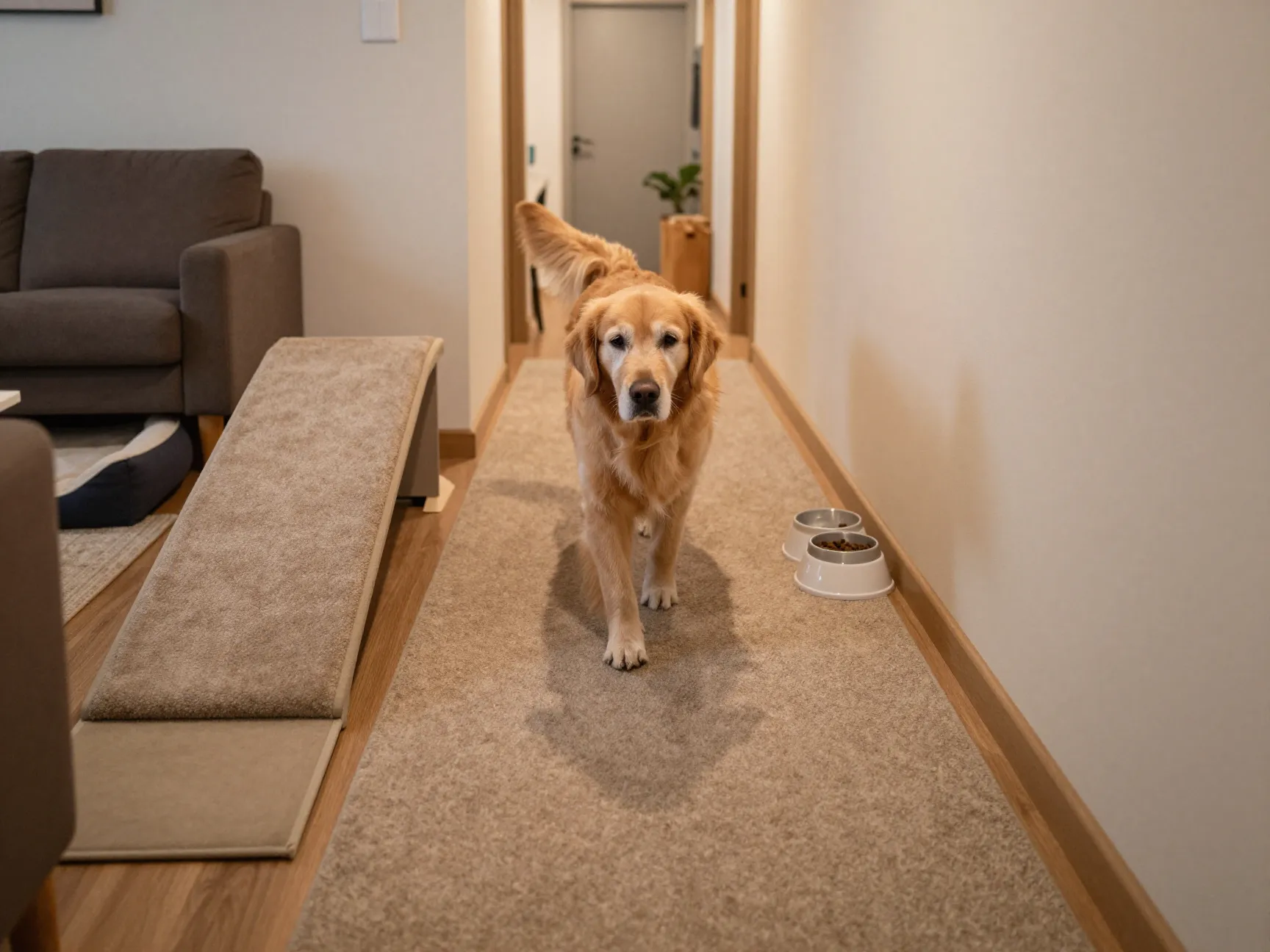
Home and environmental adjustments are consistently emphasized across multiple 2026 senior dog care resources, and for good reason. Hardwood and tile floors that were never an issue for a younger, more agile Golden become genuine hazards for a dog with weakening hips and reduced muscle mass.
A slip on a slick floor can cause anything from a minor strain to a serious ligament injury, and repeated micro-slips contribute to chronic joint stress over time. The good news is that most fixes are inexpensive and simple to implement.
Practical home modifications to prioritize:
- Non-slip rugs or runners placed along frequently traveled paths, especially near food bowls, doorways, and favorite resting spots.
- A ramp or set of low, wide steps for accessing furniture, vehicles, or raised entryways, replacing steep stairs where possible.
- An orthopedic memory-foam bed that cushions pressure points and supports aging joints during rest.
- Raised food and water bowls, which reduce neck and shoulder strain during eating and drinking.
- Nightlights near stairs or hallways to help dogs with declining vision navigate safely after dark.
These changes cost far less than treating a fall-related injury and meaningfully improve daily comfort. Walking through the home from the dog’s-eye view, literally getting down to floor level, often reveals hazards that are easy to miss standing up.
6. Prioritize Dental Care, Grooming, and Cognitive Health
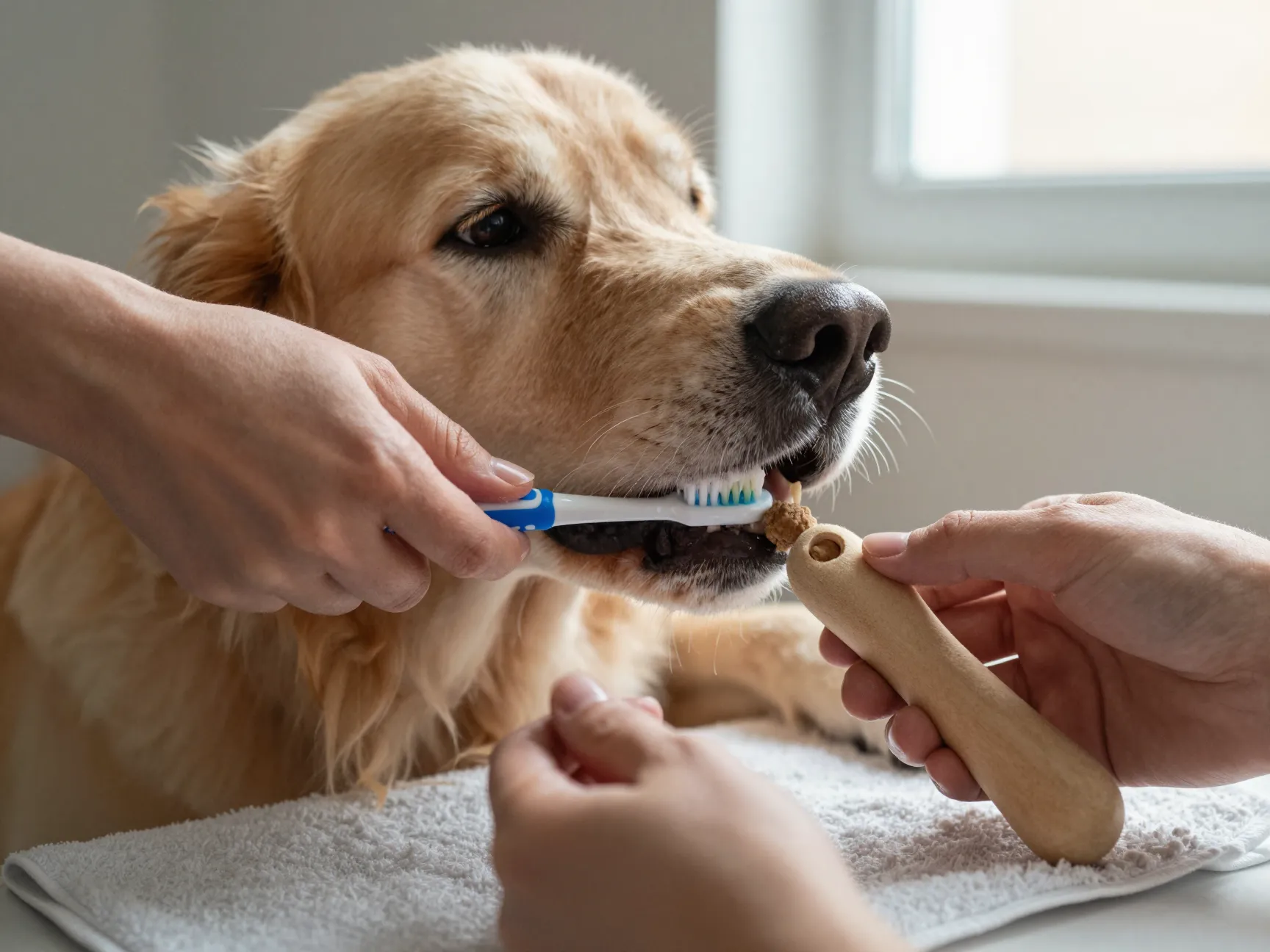
The final pillar in 6 Tips For Caring For Your Old Golden Retriever ties together three areas that are frequently underestimated: dental health, grooming, and mental sharpness. Updated grooming and dental recommendations highlight frequent brushing and proactive oral care as genuine longevity factors, not cosmetic extras.
Dental disease left untreated allows bacteria to enter the bloodstream, potentially affecting the heart, liver, and kidneys. Brushing a senior Golden’s teeth two to three times per week, combined with dental chews and regular veterinary cleanings, meaningfully reduces this risk.
Grooming needs also shift with age. Senior Goldens often develop drier skin, thinning coats, and reduced ability to self-groom due to joint stiffness. A gentle brushing routine two to three times weekly helps distribute natural oils, catch skin lumps early, and prevent painful matting, particularly around the ears, armpits, and hindquarters.
Cognitive function has become a core component of senior care guidelines, and for good reason. Canine cognitive dysfunction, sometimes described as doggy dementia, affects a meaningful percentage of dogs over age 10. Warning signs include:
- Increased disorientation, such as staring at walls or getting stuck in corners.
- Changes in sleep-wake cycles, including nighttime restlessness or pacing.
- Reduced interest in previously enjoyed activities or people.
- House-training accidents in a previously reliable dog.
Simple enrichment activities help slow cognitive decline: short training refreshers, food puzzle toys, gentle scent games, and consistent daily routines that reduce anxiety and confusion. Omega-3 fatty acids from the diet discussed in Tip 3 also appear to offer some cognitive benefit, reinforcing how these six pillars work together rather than in isolation.
Building a Home Monitoring Schedule for Your Senior Golden
Structured home monitoring is increasingly recommended alongside twice-yearly vet visits, giving owners a way to catch problems in the gaps between professional exams. A simple weekly and monthly rhythm works well for most households.
| Frequency | What to Check |
|---|---|
| Weekly | Run hands over the entire body feeling for new lumps or swelling |
| Weekly | Check gum color and breath for signs of dental disease |
| Weekly | Observe walking gait for new stiffness or limping |
| Monthly | Weigh the dog and log the result |
| Monthly | Check ears for odor, redness, or discharge |
| Monthly | Note any changes in appetite, water intake, or bathroom habits |
Keeping a simple written or phone-based log makes it far easier to describe patterns accurately to a veterinarian, rather than relying on memory during a rushed appointment. Owners who track weight, appetite, and mobility over time consistently catch problems earlier than those who only observe in the moment.
The Future of Senior Golden Retriever Care
Analyses of Golden Retriever aging trends point toward continued growth in proactive screening and individualized senior care plans rather than one-size-fits-all approaches. Genetic testing for cancer risk markers, more widespread use of senior-specific bloodwork panels, and increasingly tailored nutrition plans are becoming more accessible and more commonly recommended by veterinarians.
This shift matters because Golden Retrievers, more than many breeds, benefit disproportionately from early intervention given their elevated cancer risk. The trend line suggests that owners who adopt structured, proactive habits now are aligning with where veterinary care for the breed is headed, not just following outdated advice.
Frequently Asked Questions
At what age should I start following these six tips?
Most guidance points to age 7 or 8 as the starting line for senior-specific care, though larger and more active Goldens may benefit from starting some habits, like weight monitoring and joint-friendly exercise, slightly earlier.
How much weight loss actually helps an arthritic senior Golden?
Even a modest five to ten percent reduction in body weight can noticeably reduce joint stress and improve comfort in dogs already showing signs of arthritis.
Is it too late to start dental care in an older dog?
No. While existing disease may require professional treatment first, starting a consistent home dental routine at any age helps prevent further deterioration and reduces bacterial load affecting overall health.
How do I know if my Golden’s slower pace is normal aging or a health problem?
Gradual, mild slowing is common with age, but sudden changes, significant limping, reluctance to move at all, or noticeable weight loss alongside slower movement warrant a veterinary visit rather than assuming it is simply old age.
Can diet alone prevent cancer in Golden Retrievers?
No single dietary change eliminates cancer risk, but antioxidant-rich, anti-inflammatory nutrition combined with regular veterinary screening represents the most evidence-supported approach to supporting the immune system and catching disease early.
Conclusion
Caring well for an aging Golden Retriever comes down to consistency across a handful of key areas rather than any single dramatic intervention. The six pillars outlined in this guide to 6 Tips For Caring For Your Old Golden Retriever, twice-yearly veterinary exams, lean body weight, senior-appropriate nutrition, daily low-impact exercise, home safety modifications, and proactive dental, grooming, and cognitive care, work together as a system. Each one reinforces the others.
The next step is practical: book that twice-yearly wellness exam if it has not already become the routine, walk through the home to identify one or two slip hazards to fix this week, and start a simple weekly check-in habit to track weight, appetite, and mobility. Small, consistent actions taken now translate directly into more comfortable, higher-quality years for a beloved senior Golden Retriever.