8 Key Differences Between an Australian Shepherd Puppy Miniature and Standard
Only 7% of dog owners research breed size variations before bringing a puppy home — and for Australian Shepherd fans, that gap in knowledge can lead to some very big surprises. Whether you’re drawn to the classic Standard Aussie or the compact Mini, understanding the 8 key differences between an Australian Shepherd puppy miniature and standard could save you years of mismatched expectations, unexpected vet bills, and lifestyle friction.
Disclosure: This post contains affiliate links. As an Amazon Associate, we earn from qualifying purchases, and at no extra cost to you.
This guide breaks down every major distinction between these two beloved dogs — from height and weight to health, temperament, and grooming needs — so you can make the smartest choice for your home, your schedule, and your family.
Key Takeaways
- 📏 Size is the most obvious difference: Standard Aussies stand 18–23 inches tall; Minis stand 13–18 inches tall [1]
- 🐾 The Mini is officially a separate breed: The AKC recognizes it as the “Miniature American Shepherd” since 2015 [1]
- 💪 Both are high-energy dogs, but Standards require significantly more vigorous daily exercise [2]
- 🏥 Minis tend to have fewer genetic health issues, which may lower lifetime healthcare costs [2]
- 🏠 Your living space matters: Standards thrive with more room; Minis adapt better to smaller homes
Understanding the Two Breeds: A Quick Background
Before diving into the 8 key differences between an Australian Shepherd puppy miniature and standard, it helps to understand where each dog comes from.
The Standard Australian Shepherd is a medium-to-large herding dog with roots in the American West, despite its misleading name. Ranchers bred them for intelligence, endurance, and the ability to work long days on rugged terrain.
The Miniature Australian Shepherd — now officially called the Miniature American Shepherd — was developed in the late 1960s by selectively breeding smaller Standard Aussies. In 2015, the American Kennel Club (AKC) officially recognized it as its own distinct breed [1]. Today, most people still use “Miniature Australian Shepherd” and “Miniature American Shepherd” interchangeably, even though they are technically different names for the same dog [1].
💡 Pull Quote: “The Mini Aussie isn’t just a smaller Standard — it’s a recognized breed with its own standards, traits, and community.”
Both dogs share the same striking merle coats, piercing eyes, and sharp minds. But the differences between them go far beyond size.
The 8 Key Differences Between an Australian Shepherd Puppy Miniature and Standard
1. Height and Overall Size
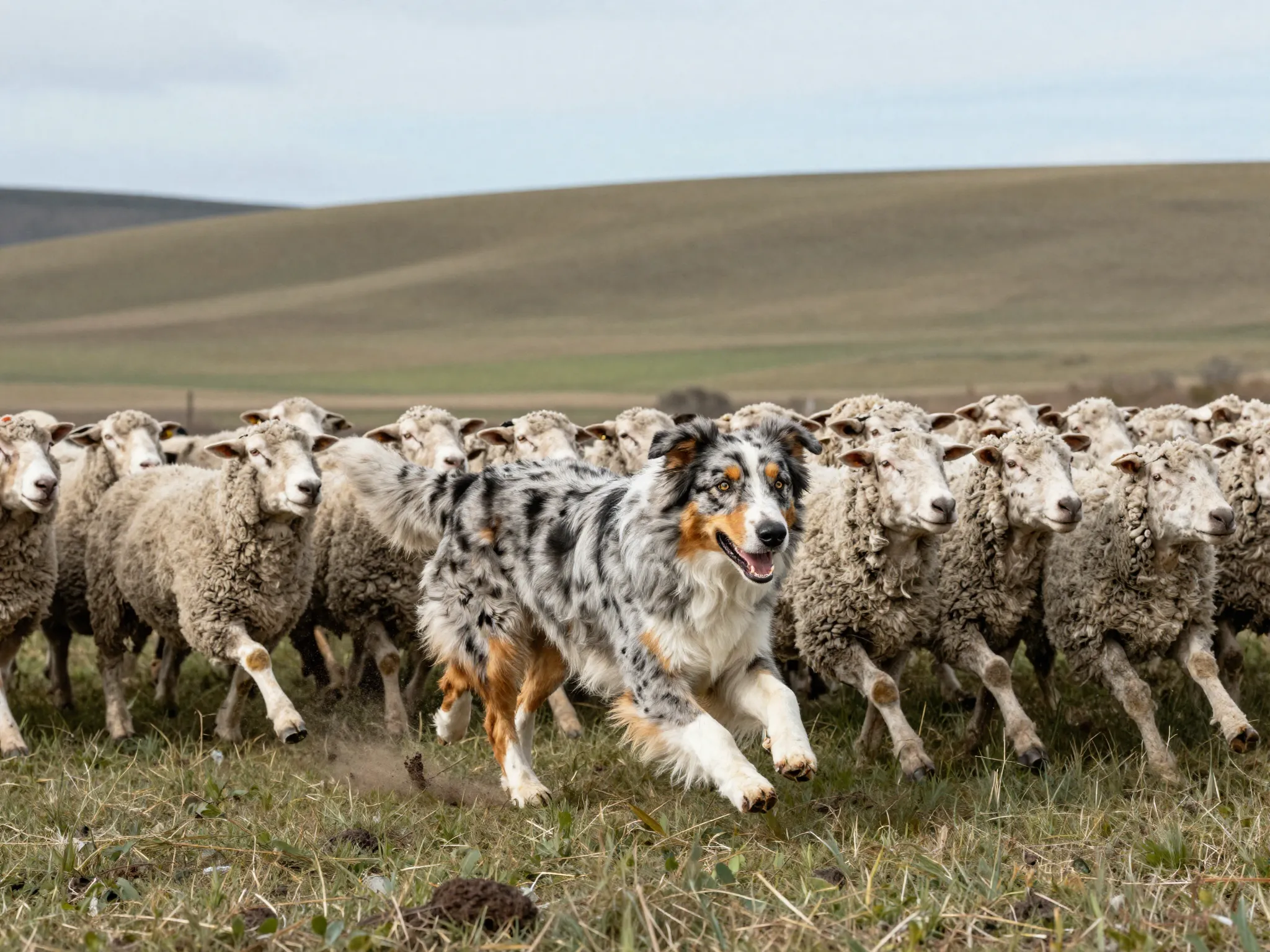
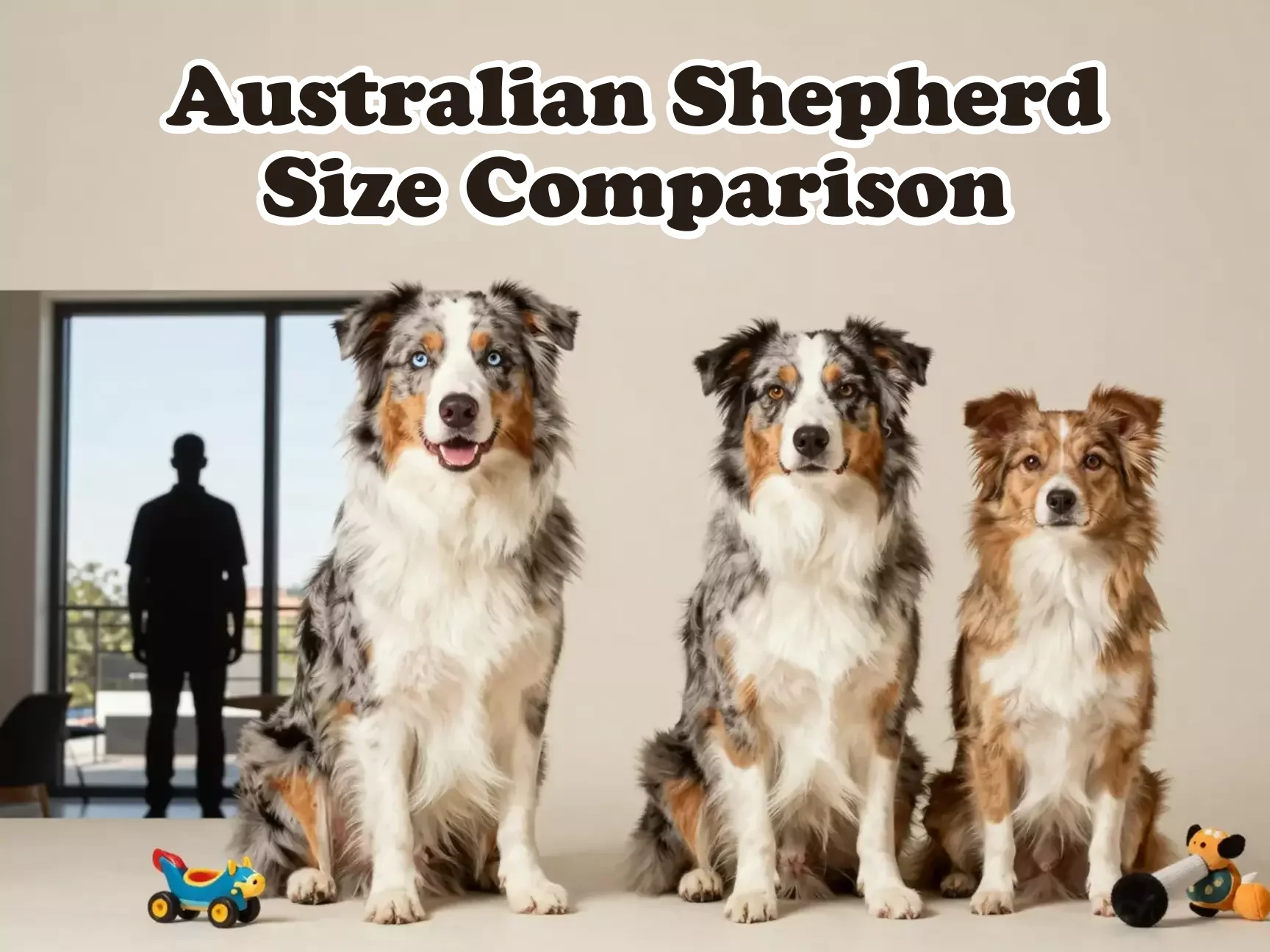
The most immediate difference you’ll notice is height.
| Measurement | Standard Australian Shepherd | Miniature Australian Shepherd |
|---|---|---|
| Male Height | 20–23 inches | 14–18 inches |
| Female Height | 18–21 inches | 13–17 inches |
Size is measured at the shoulder (withers), not from the top of the head [4]. This is the official standard used by breed registries and veterinarians alike.
A Standard male stands nearly two feet tall at the shoulder. A Mini female can be as short as 13 inches — closer in height to a Beagle than a traditional Aussie [1].
Why it matters: If you live in a small apartment or have young children who might be knocked over by a larger dog, this difference alone could determine which breed suits you best.
2. Weight Differences
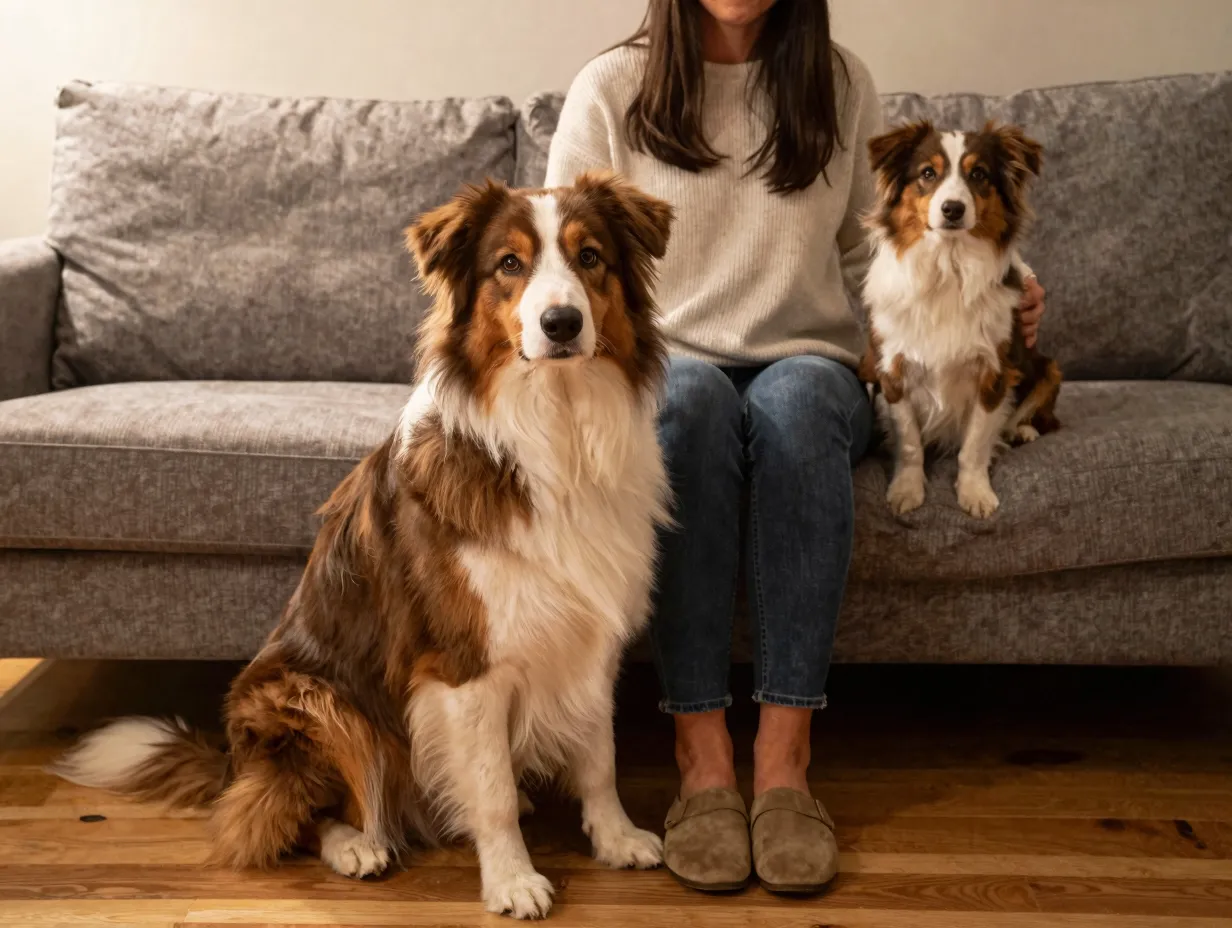
Height and weight don’t always scale together, but in this case, they do dramatically.
| Weight | Standard Australian Shepherd | Miniature Australian Shepherd |
|---|---|---|
| Males | 50–65 lbs | 20–40 lbs |
| Females | 40–55 lbs | 20–35 lbs |
| Overall Range | 40–65 lbs | 20–40 lbs |
A Standard Aussie can weigh more than twice as much as a Mini [1][2]. That weight difference affects everything — from how much food they eat, to how easy they are to lift into a car, to how much wear and tear they put on your furniture.
Practical tip: If you travel frequently or need to carry your dog (e.g., to the vet), a Mini is significantly easier to manage physically.
3. Breed Recognition and Official Status
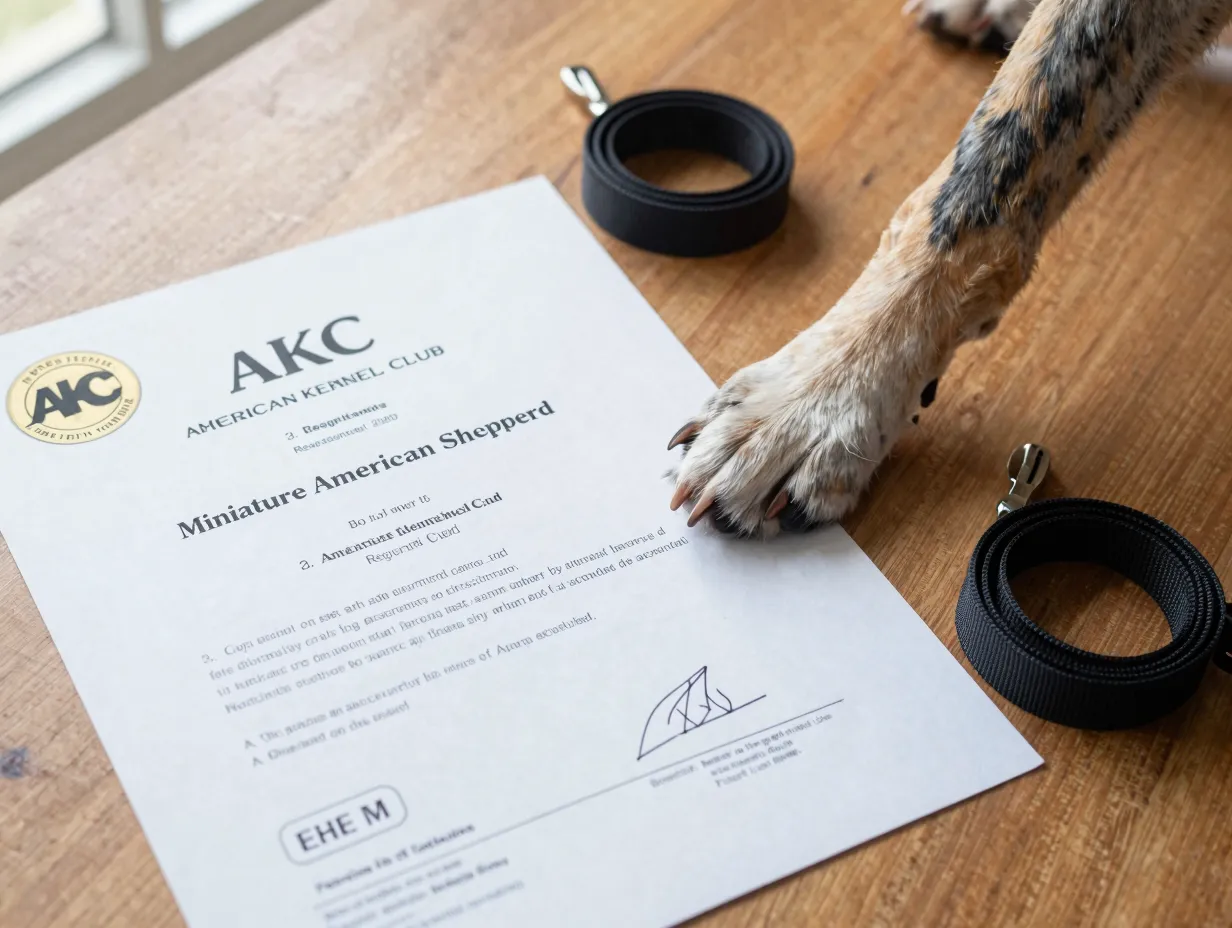
Here’s something that surprises many new owners: the Miniature Australian Shepherd is not recognized by the AKC under that name.
The AKC officially recognized the Mini in 2015 — but as the Miniature American Shepherd, not the Miniature Australian Shepherd [1]. The name change was intentional, partly to distinguish it as its own breed rather than just a smaller version of the Standard.
Meanwhile, the Standard Australian Shepherd has been AKC-recognized since 1991 under the Herding Group.
What this means for you:
- If you want AKC registration papers, your Mini will be registered as a Miniature American Shepherd
- Breed-specific competitions, health databases, and pedigree records use the official names
- Breeders who still market dogs as “Miniature Australian Shepherds” may be using a popular name, not the AKC-recognized one [1]
4. Coat Length and Grooming Requirements
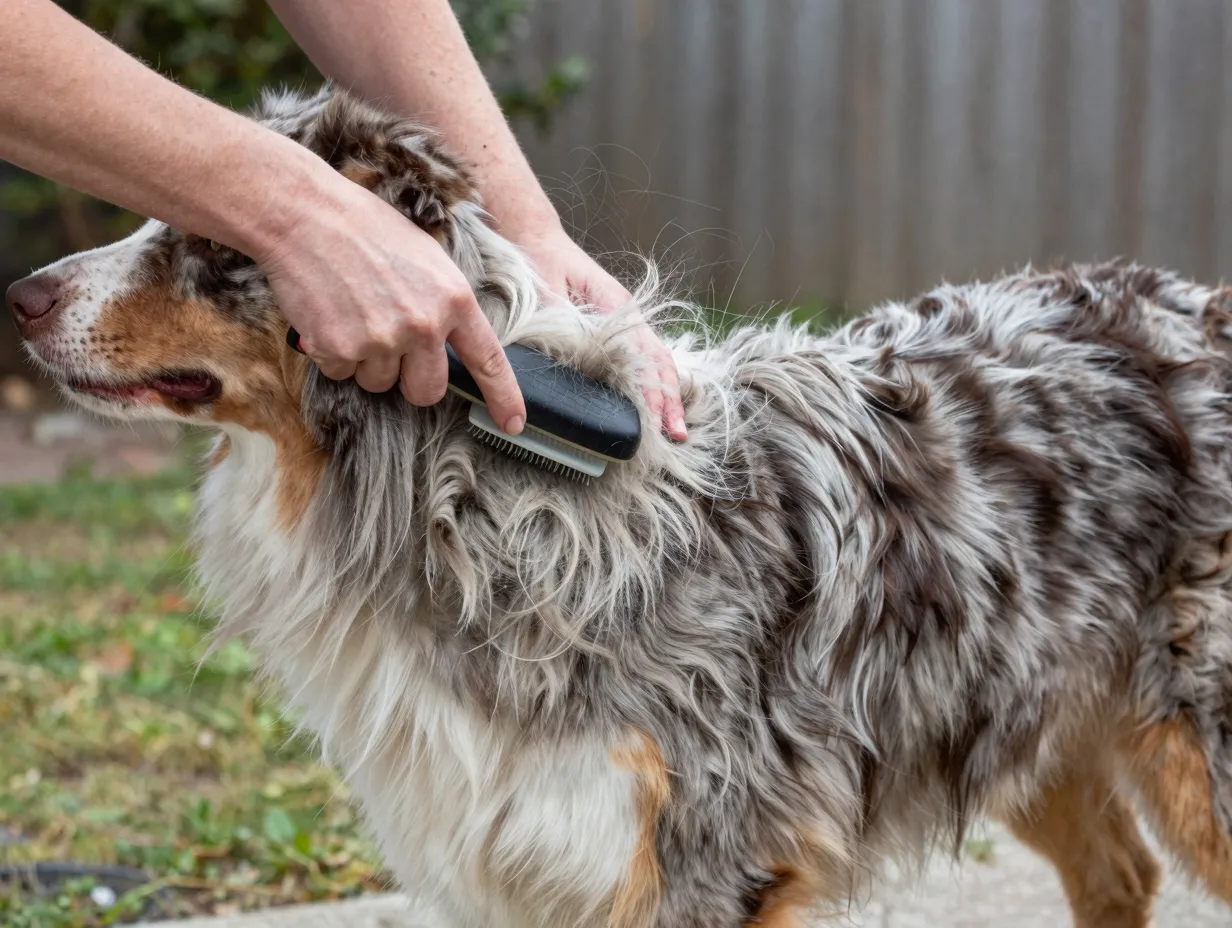
Both breeds have a double coat — a soft undercoat beneath a longer outer coat. But there are real grooming differences between the two.
Standard Australian Shepherd coat:
- Longer, weather-resistant double coat
- Designed to handle harsh outdoor conditions
- Requires more frequent brushing — typically 3–4 times per week
- Heavier seasonal shedding (“blowing coat” twice a year) [2]
Miniature Australian Shepherd coat:
- Moderate-length double coat
- Easier to maintain overall
- Still requires regular brushing, but less intensive than the Standard [2]
🐕 Pro tip: Neither breed is hypoallergenic. Both shed year-round, with heavier shedding in spring and fall. Invest in a good deshedding brush regardless of which size you choose.
If grooming time is a concern, the Mini has a slight edge — but don’t expect a low-maintenance coat from either dog.
5. Exercise Needs and Energy Levels
This is where many new owners get caught off guard.
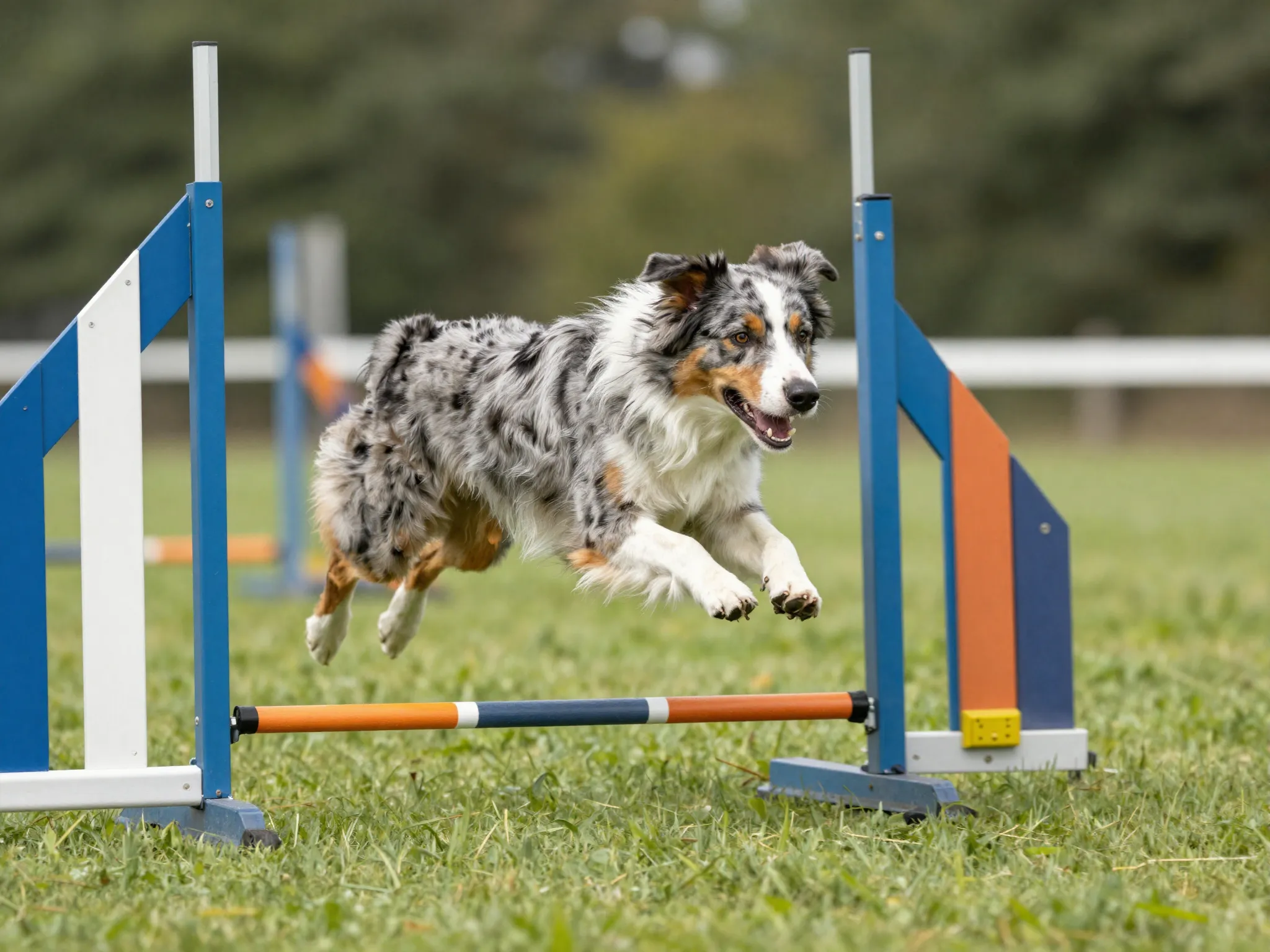
Standard Australian Shepherds are renowned for their exceptionally high energy. These dogs were bred to work all day on a ranch — herding livestock, running miles, and solving problems. They need vigorous, regular exercise including activities like:
- Hiking and trail running
- Agility training
- Frisbee and fetch
- Swimming [2]
A Standard Aussie that doesn’t get enough exercise will find its own entertainment — and you probably won’t like what it chooses.
Miniature Australian Shepherds are also energetic — make no mistake. But their exercise needs are somewhat more manageable. A brisk 45–60 minute walk or play session can satisfy a Mini, whereas a Standard may need 90 minutes or more of active exercise daily.
| Activity Level | Standard Aussie | Mini Aussie |
|---|---|---|
| Daily Exercise Needed | 90–120 minutes | 45–60 minutes |
| Best Activities | Hiking, agility, herding | Fetch, agility, walks |
| Apartment Friendly? | ❌ Not ideal | ✅ Possible with effort |
Bottom line: Both breeds need active owners. But if you’re a casual exerciser rather than a trail runner, the Mini is a better fit.
6. Living Space Requirements
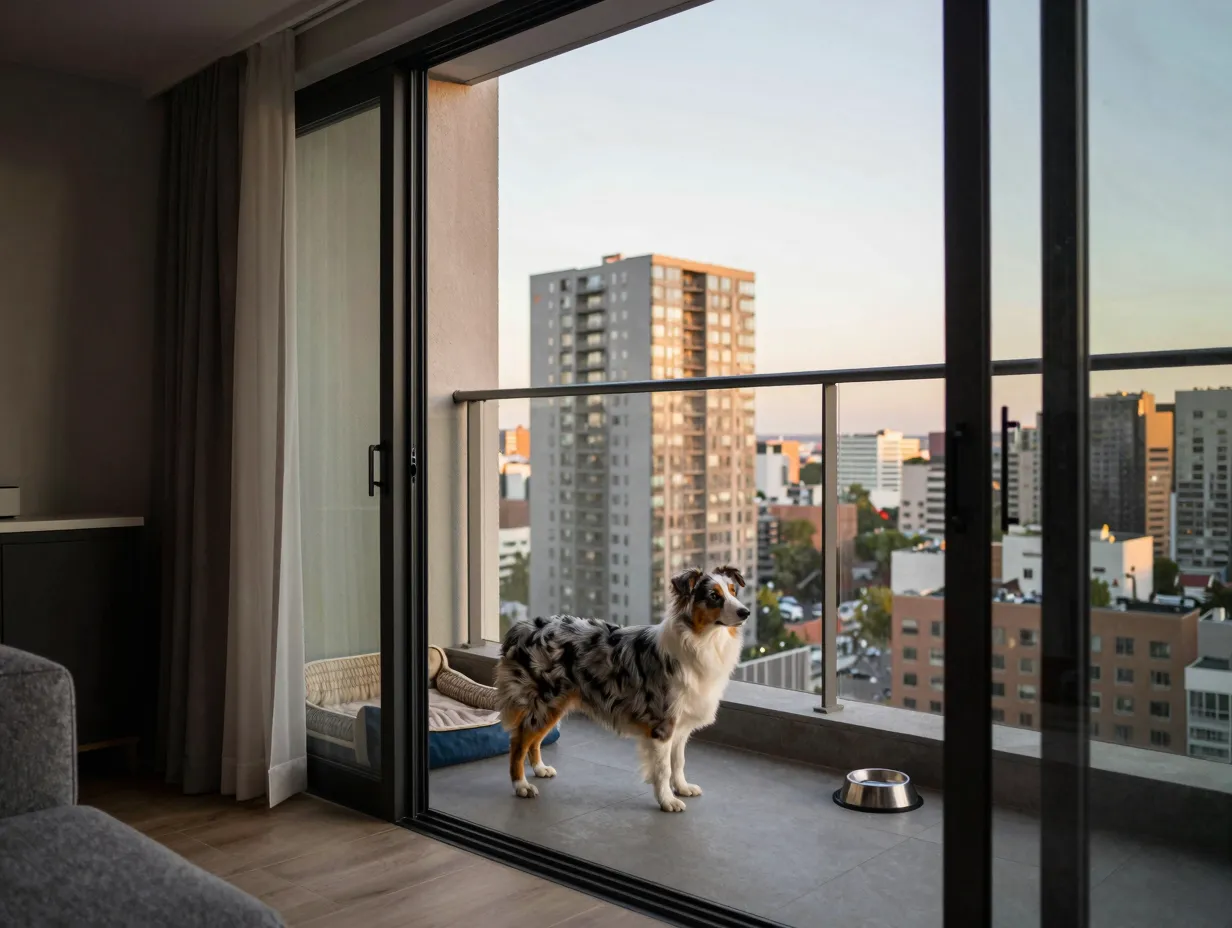
Closely tied to exercise needs is the question of where these dogs live best.
Standard Australian Shepherds thrive in homes with:
- Large, fenced backyards
- Access to open land or parks
- Active families who spend time outdoors [3]
Keeping a Standard Aussie in a small apartment without daily vigorous exercise is a recipe for destructive behavior, anxiety, and an unhappy dog.
Miniature Australian Shepherds are more adaptable. While they still prefer space to run, many Mini owners successfully keep them in apartments or townhomes — provided they commit to daily walks and mental stimulation [3].
💡 Pull Quote: “Space isn’t just about square footage — it’s about how much time and energy you dedicate to your dog’s daily needs.”
If you rent or live in an urban area, the Mini is the more practical choice. But don’t mistake “more adaptable” for “low maintenance.”
7. Health Considerations and Lifespan

Both breeds share a similar lifespan, but there are important health differences to understand.
Lifespan:
- Standard Australian Shepherd: 12–15 years [1]
- Miniature Australian Shepherd: 12–15 years (some sources cite 13 years as average) [1][2]
Common health concerns for Standard Australian Shepherds:
- Hip dysplasia
- Progressive Retinal Atrophy (PRA)
- Epilepsy
- MDR1 gene mutation (drug sensitivity)
- Collie Eye Anomaly (CEA)
Common health concerns for Miniature Australian Shepherds:
- Similar genetic conditions (MDR1, CEA, PRA) due to shared ancestry
- Generally considered to have fewer genetic health issues overall [2]
- Potentially lower lifetime healthcare costs [2]
Why Minis may be healthier: Selective breeding for the Mini has, in some lines, reduced the prevalence of certain conditions. However, responsible breeding practices matter enormously for both sizes.
✅ Always ask breeders for OFA (Orthopedic Foundation for Animals) health clearances and genetic testing results, regardless of which size you choose.
8. Cost: Purchase Price and Lifetime Expenses
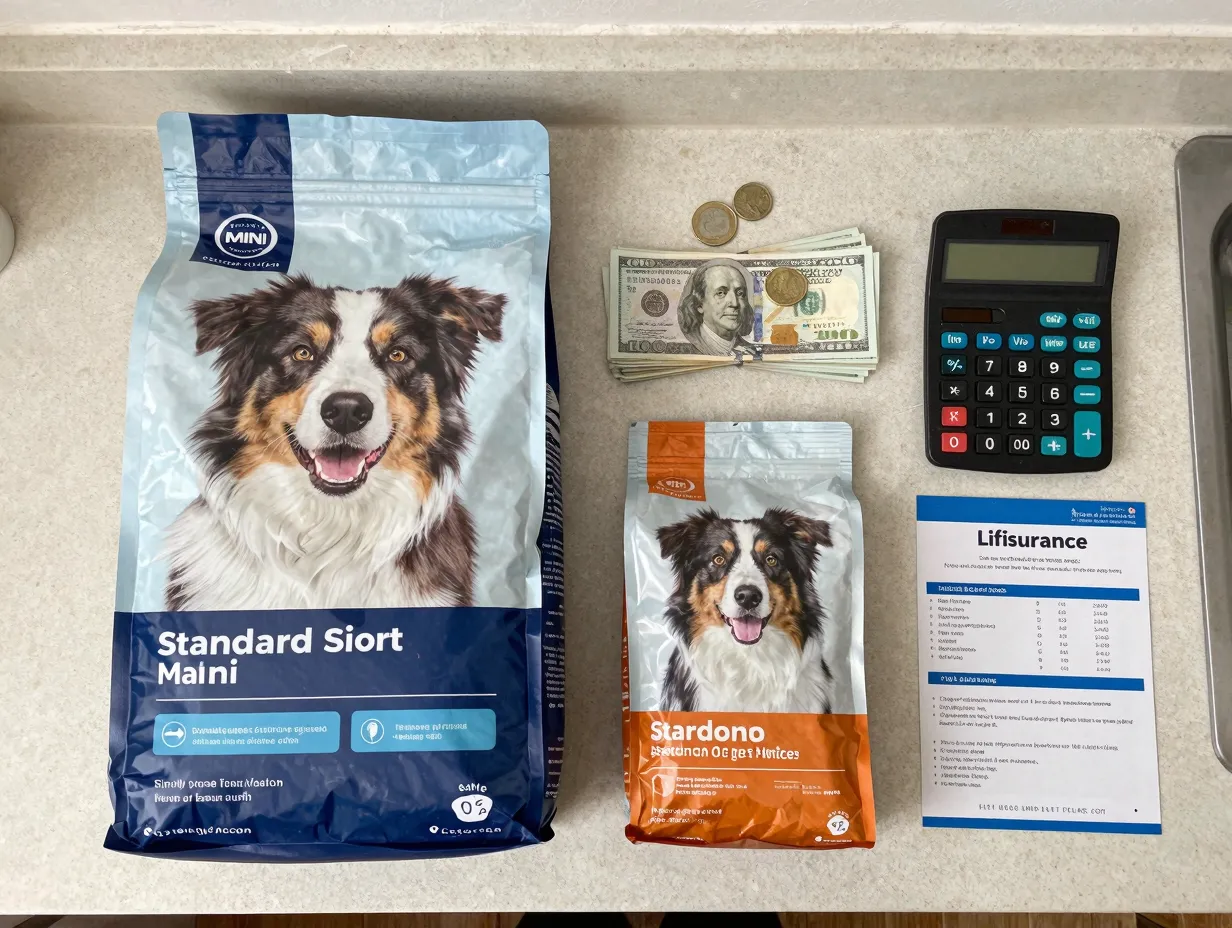
The 8th of the 8 key differences between an Australian Shepherd puppy miniature and standard is often the most surprising: cost.
Puppy purchase price (2026 estimates):
- Standard Australian Shepherd puppy: $800–$1,800 from a reputable breeder
- Miniature Australian Shepherd puppy: $1,000–$2,500 from a reputable breeder
Interestingly, Minis often cost more upfront because they are trendier and harder to find from quality breeders.
Lifetime cost considerations:
| Expense Category | Standard Aussie | Mini Aussie |
|---|---|---|
| Food (annual) | $600–$900 | $400–$600 |
| Vet care (annual avg.) | Higher (more genetic risk) | Potentially lower [2] |
| Grooming (annual) | Higher (more coat) | Moderate |
| Boarding/Travel | Higher (size fees) | Lower |
Over a 12–15 year lifespan, the Standard Aussie typically costs more to maintain — not just because of size, but because of potentially higher healthcare expenses [2].
Budget tip: Factor in pet insurance for either breed, especially given the MDR1 gene mutation risk common to both. Drug sensitivity can make routine procedures unexpectedly expensive without coverage.
Side-by-Side Comparison: Mini vs. Standard Australian Shepherd
Here’s a quick reference table summarizing all 8 key differences between an Australian Shepherd puppy miniature and standard:
| Feature | Standard Australian Shepherd | Miniature Australian Shepherd |
|---|---|---|
| Height (Male) | 20–23 inches | 14–18 inches |
| Height (Female) | 18–21 inches | 13–17 inches |
| Weight | 40–65 lbs | 20–40 lbs |
| AKC Recognition | Since 1991 | Since 2015 (as Mini American Shepherd) |
| Coat Grooming | High maintenance | Moderate maintenance |
| Exercise Needs | 90–120 min/day | 45–60 min/day |
| Best Living Space | House with yard | Adaptable; apartment possible |
| Lifespan | 12–15 years | 12–15 years |
| Health Issues | More genetic risk | Fewer genetic issues [2] |
| Upfront Cost | $800–$1,800 | $1,000–$2,500 |
Which Breed Is Right for You?
Choosing between a Mini and a Standard Aussie comes down to honest self-assessment. Ask yourself:
- How much space do I have? → Large yard = Standard is fine; apartment = Mini is better
- How active am I? → Trail runner = Standard; casual walker = Mini
- Do I have time for grooming? → Both need brushing; Standard needs more
- What’s my budget? → Minis cost more upfront; Standards may cost more long-term
- Do I have young children or elderly family members? → Mini’s smaller size is often safer and easier to manage
🐾 Remember: Both dogs are brilliant, loyal, and deeply bonded to their families. The “right” choice isn’t about which dog is better — it’s about which dog fits your life.
Conclusion
The 8 key differences between an Australian Shepherd puppy miniature and standard go well beyond just size. From AKC breed recognition and coat grooming demands to exercise needs, living space requirements, health profiles, and lifetime costs — these two dogs, while closely related, serve very different lifestyles.
Here are your actionable next steps:
- Visit both breeds in person before committing — meet adult dogs, not just puppies, to understand the full-grown reality
- Research reputable breeders who provide genetic health testing and OFA clearances for both Standard and Mini lines
- Audit your lifestyle honestly — daily exercise time, living space, and budget are the three most important factors
- Connect with breed clubs — the Australian Shepherd Club of America (ASCA) and the Miniature American Shepherd Club of the USA both offer breeder referrals and educational resources
- Consider adoption — both sizes appear regularly in breed-specific rescues, often at lower cost than purchasing from a breeder
Whether you go Standard or Mini, you’re choosing one of the most intelligent, loyal, and energetic dog breeds in the world. Make sure your life is ready for the adventure. 🐕
References
[1] Should I Get A Mini Australian Shepherd Or A Regular Standard Australian Shepherd What Are The Differences – https://karenshanley.com/should-i-get-a-mini-australian-shepherd-or-a-regular-standard-australian-shepherd-what-are-the-differences/
[2] Difference Between Miniature American Shepherds Amp Australian Shepherds – https://www.wisconsindesignerdoodles.com/stokeshire-doodle-puppy-blog/difference-between-miniature-american-shepherds-amp-australian-shepherds
[3] Choosing Aussie Size – https://www.paintedblueaussies.com/blog/choosing-aussie-size
[4] Watch – https://www.youtube.com/watch?v=xRNnjCJ266s