8 Unique Traits of the Red Merle Australian Shepherd Dog
Only about one in four Australian Shepherd puppies is born with the striking red merle pattern — making this coat variation one of the most visually captivating and genetically fascinating in the entire dog world. If you’ve ever locked eyes with a red merle Aussie and felt immediately drawn in, you’re not alone. These dogs don’t just turn heads with their looks; they come packed with a personality and set of abilities that set them apart from almost every other breed.
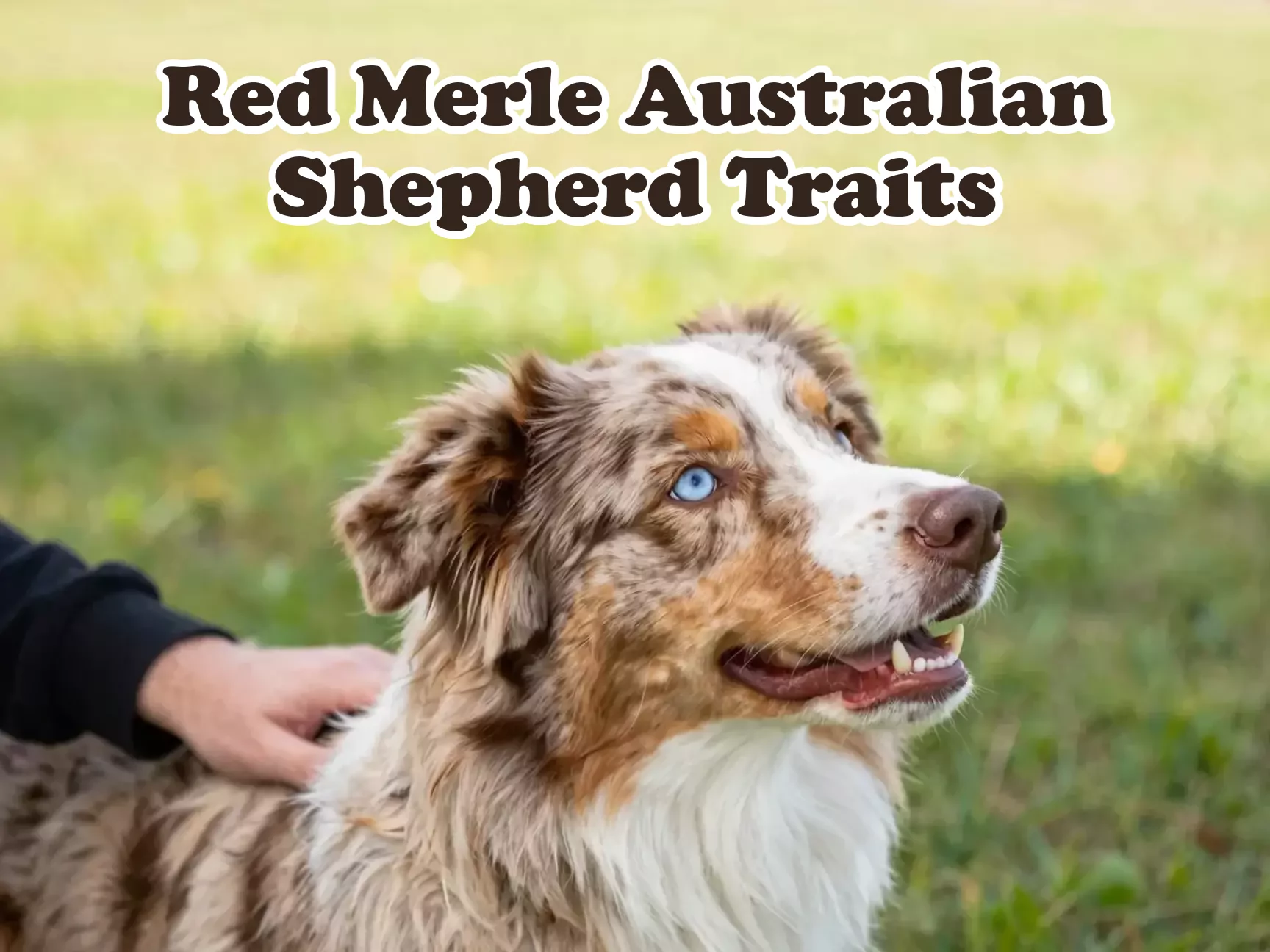
In this article, I’m breaking down the 8 unique traits of the Red Merle Australian Shepherd dog — from their one-of-a-kind coat genetics to their extraordinary intelligence, loyalty, and energy. Whether you’re considering bringing one home or you’re already a proud owner, understanding what makes this dog truly special will help you build a stronger, happier bond.
Key Takeaways
- 🎨 The red merle coat is the result of a specific combination of inherited red and merle genes, producing a truly unique pattern every time.
- 👁️ Heterochromia (two different colored eyes) is a common and celebrated trait in red merle Aussies.
- 🧠 These dogs are exceptionally intelligent and highly trainable, with a history of performing complex tricks in rodeos.
- ⚡ Red merle Aussies need one to two hours of daily exercise — they are not couch dogs.
- ⚠️ Double merle genetics can cause serious health issues, including vision and hearing problems, making responsible breeding critical.
What Makes the Red Merle Australian Shepherd So Special?
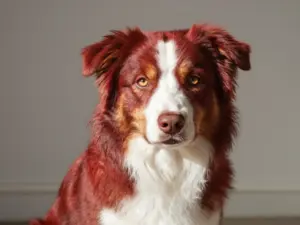
Before diving into the 8 unique traits of the Red Merle Australian Shepherd dog, it helps to understand what “red merle” actually means. The word merle refers to a specific genetic pattern that creates irregular patches of diluted pigment against a darker base color. In the red merle variety, this produces a stunning mosaic of light cinnamon, deep liver, and silvery-buff tones — all swirled together in a pattern that is never exactly the same twice [2].
Australian Shepherds as a breed are already known for their intelligence and work ethic. The red merle variation adds a layer of visual drama that makes these dogs instantly recognizable. But looks are just the beginning. Let’s get into what truly defines them.
The 8 Unique Traits of the Red Merle Australian Shepherd Dog
1. A Coat Pattern That Is Never the Same Twice
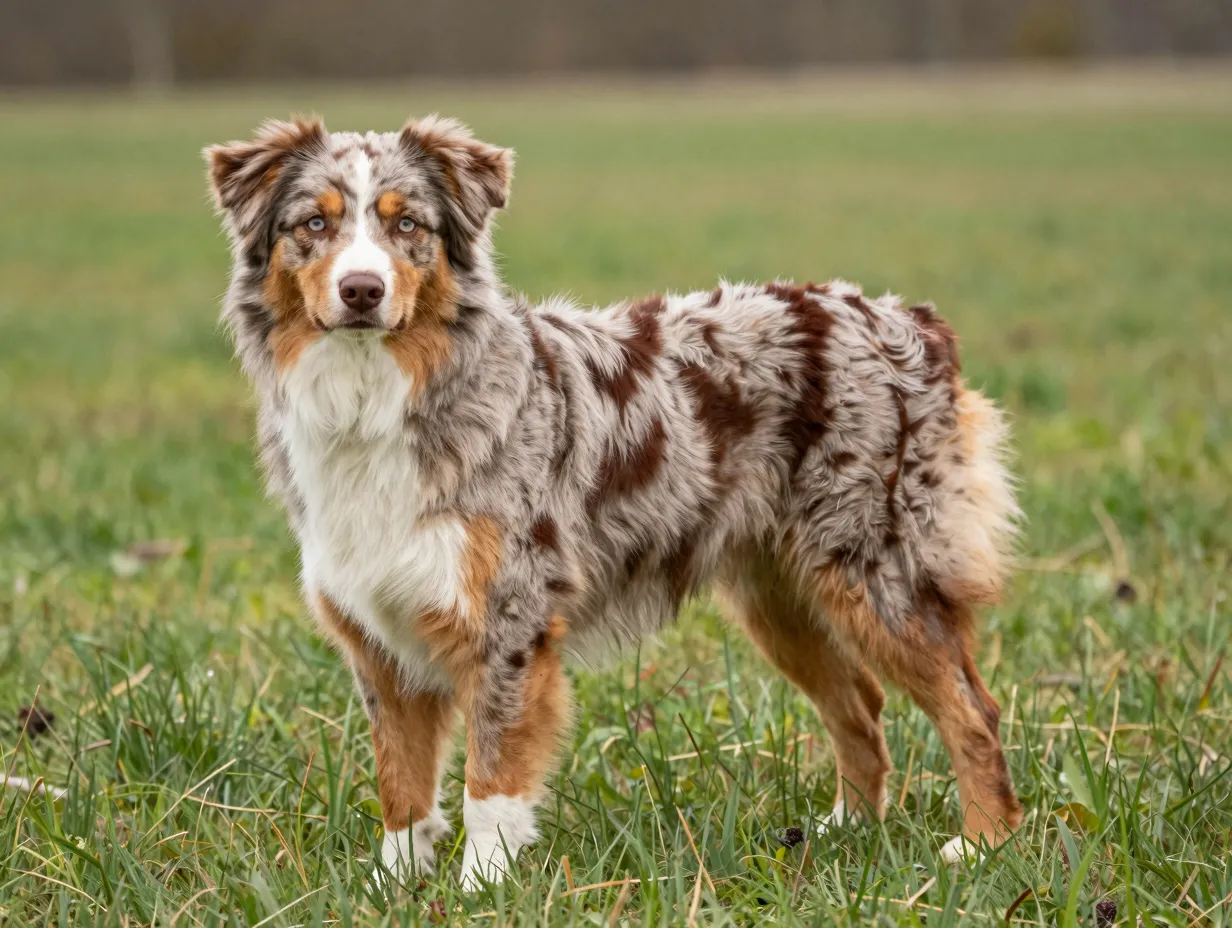
The red merle coat is arguably the most distinctive feature of this dog. The pattern combines red patches or spots ranging from light cinnamon to dark liver on a buff or silver background. Many red merle Aussies also have white markings and copper points on the face and legs, adding even more visual complexity [4].
What makes this coat truly unique is that no two red merle dogs look identical. The merle gene causes random dilution of pigment in certain areas of the coat, meaning each puppy is essentially a one-of-a-kind work of art. This randomness is part of what makes the breed so visually captivating.
💡 Pull Quote: “The red merle coat is nature’s own abstract painting — every dog wears a pattern that has never existed before and will never exist again.”
Key coat facts at a glance:
| Feature | Detail |
|---|---|
| Base colors | Buff, silver, light gray |
| Patch colors | Light cinnamon to dark liver red |
| Common markings | White chest, copper points on face/legs |
| Pattern repeatability | Never identical between two dogs |
The coat is also double-layered — a dense undercoat beneath a medium-length outer coat — which provides protection in various weather conditions [6].
2. Heterochromia: Eyes That Stop People in Their Tracks
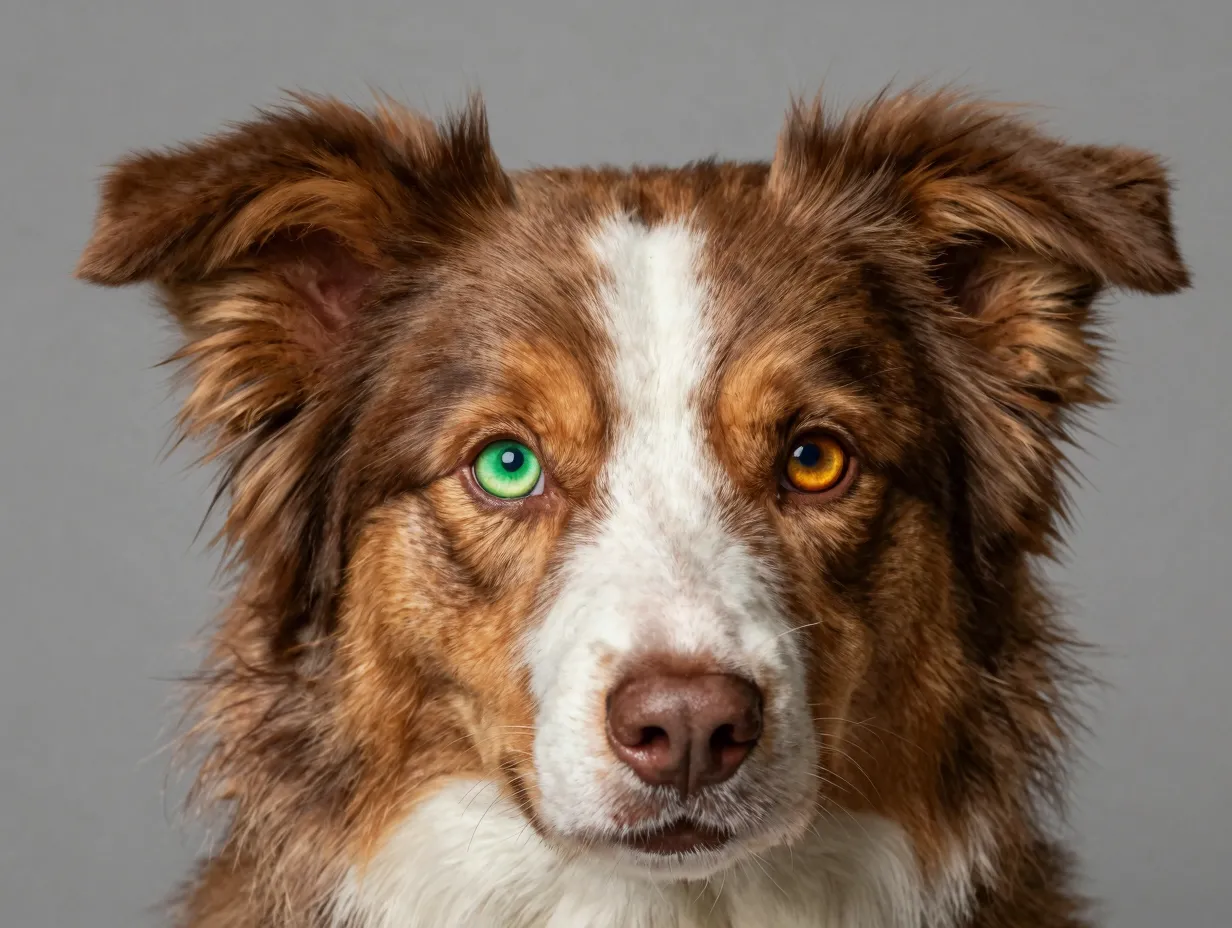
Ask any red merle Aussie owner what question strangers ask most often, and the answer is almost always: “Why does your dog have different colored eyes?”
Heterochromia — the condition of having two differently colored eyes — is extremely common in red merle Australian Shepherds. Eye colors can include green, brown, hazel, blue, or amber, and they can appear in any combination [2]. Some dogs even have “marbled” or flecked eyes, where a single eye contains multiple colors, making them look almost otherworldly [4].
This trait is directly linked to the merle gene. The same genetic mechanism that creates the patchy coat pattern also affects pigmentation in the iris. It’s not a health problem — in most cases, it’s simply a beautiful quirk of the breed’s genetics.
🔵 Common eye color combinations in red merle Aussies:
- Blue + brown
- Green + amber
- Hazel + blue
- Brown + marbled blue-green
- Two marbled eyes with different dominant colors
3. Exceptional Intelligence and Trainability
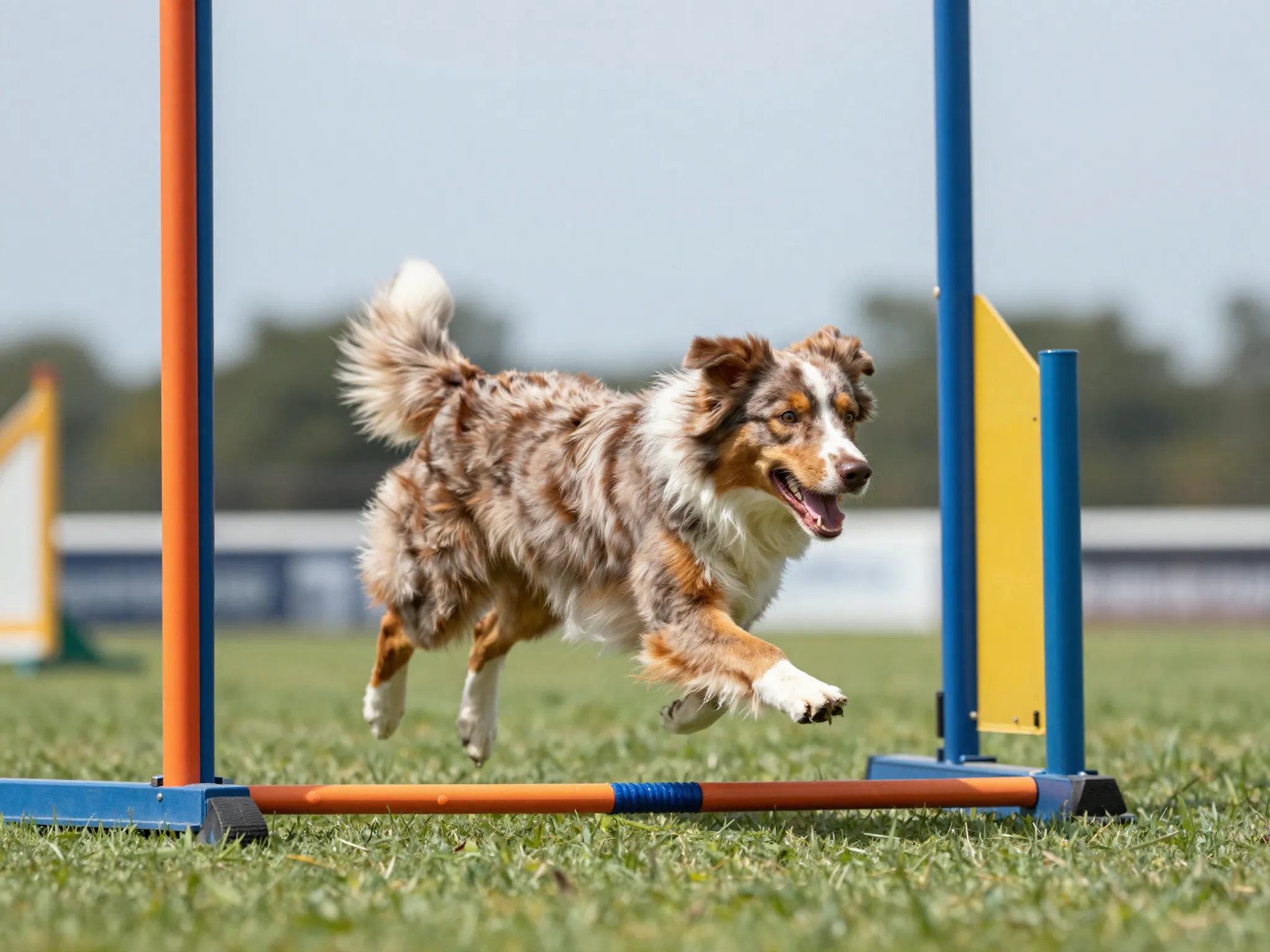
Red merle Australian Shepherds are not just smart — they are exceptionally intelligent, consistently ranked among the top working dog breeds in the world. They can quickly learn a wide variety of tricks and activities with consistent training and patience [1].
Historically, Australian Shepherds — including the red merle variety — were popular in rodeos precisely because they could perform complex, crowd-pleasing tricks that other breeds simply couldn’t master [2]. This wasn’t just about obedience; it was about problem-solving, adaptability, and a genuine eagerness to work with humans.
What does this mean for you as an owner? It means training a red merle Aussie can be a deeply rewarding experience — but it also means a bored red merle is a destructive red merle. These dogs need mental challenges just as much as physical ones.
Best training activities for red merle Aussies:
- Agility courses
- Obedience trials
- Frisbee and disc dog competitions
- Trick training and freestyle routines
- Herding trials
- Nose work and scent detection
4. A Herding Instinct That Never Fully Switches Off
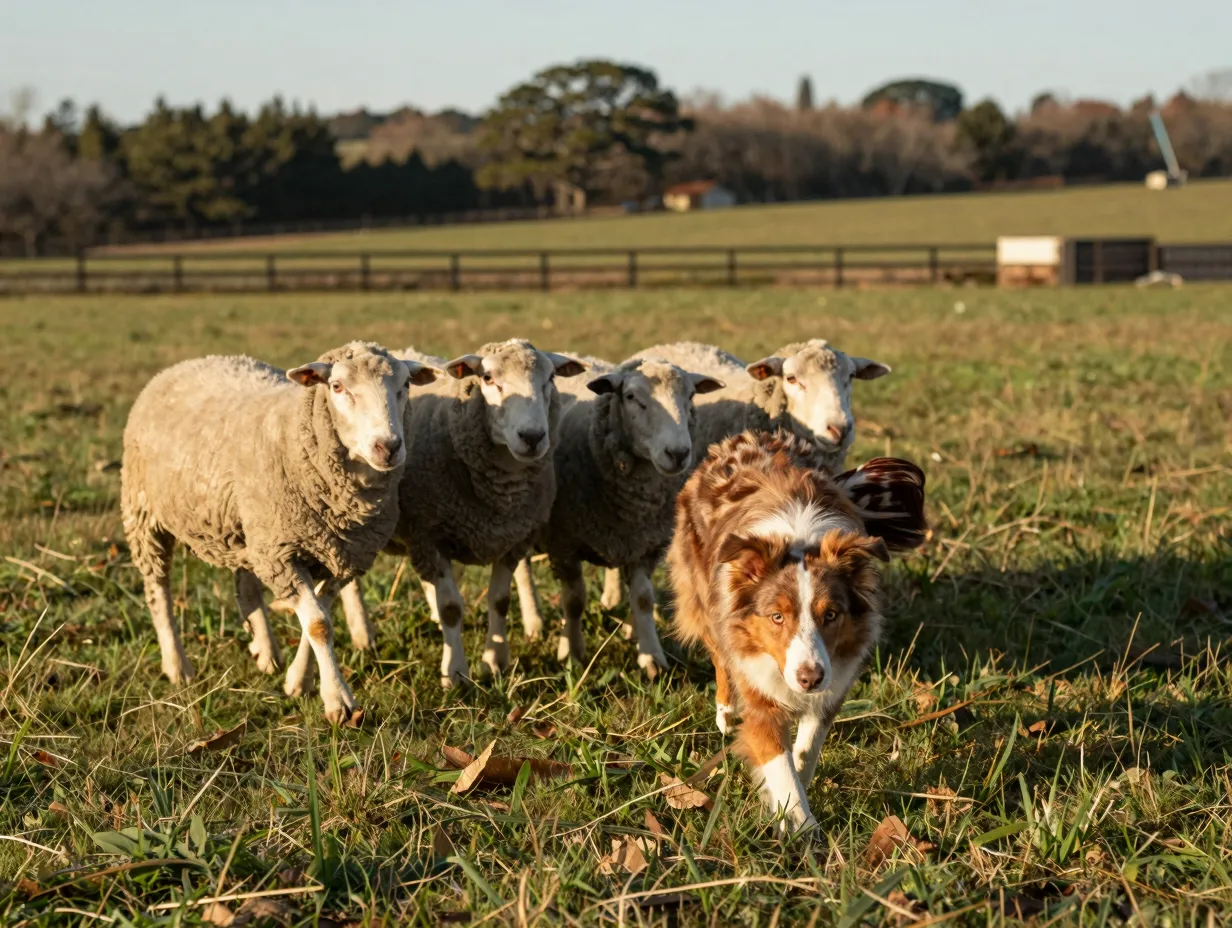
One of the most defining — and sometimes surprising — traits of the red merle Australian Shepherd is its powerful herding instinct. These dogs were bred to manage livestock across vast ranches, and that drive is deeply embedded in their DNA [3].
The practical reality for owners? Your red merle Aussie may try to herd children, other pets, or even cars by nipping at heels, circling, or using body pressure to move things in a direction it has decided is correct [3]. This is not aggression. It is instinct — and it can be managed effectively with proper training [2].
⚠️ Important Note: Never punish a red merle Aussie for herding behavior. Instead, redirect it toward appropriate outlets like herding trials, agility, or structured play.
Understanding herding behavior:
| Behavior | What It Looks Like | What It Means |
|---|---|---|
| Nipping at heels | Gentle biting at feet | Trying to move the “herd” |
| Circling | Running around people or animals | Gathering behavior |
| Eye contact + crouching | Intense stare, low body posture | Preparing to work |
| Barking at movement | Vocalizing at bikes, cars | Instinctive alert response |
5. High Energy That Demands a Real Commitment
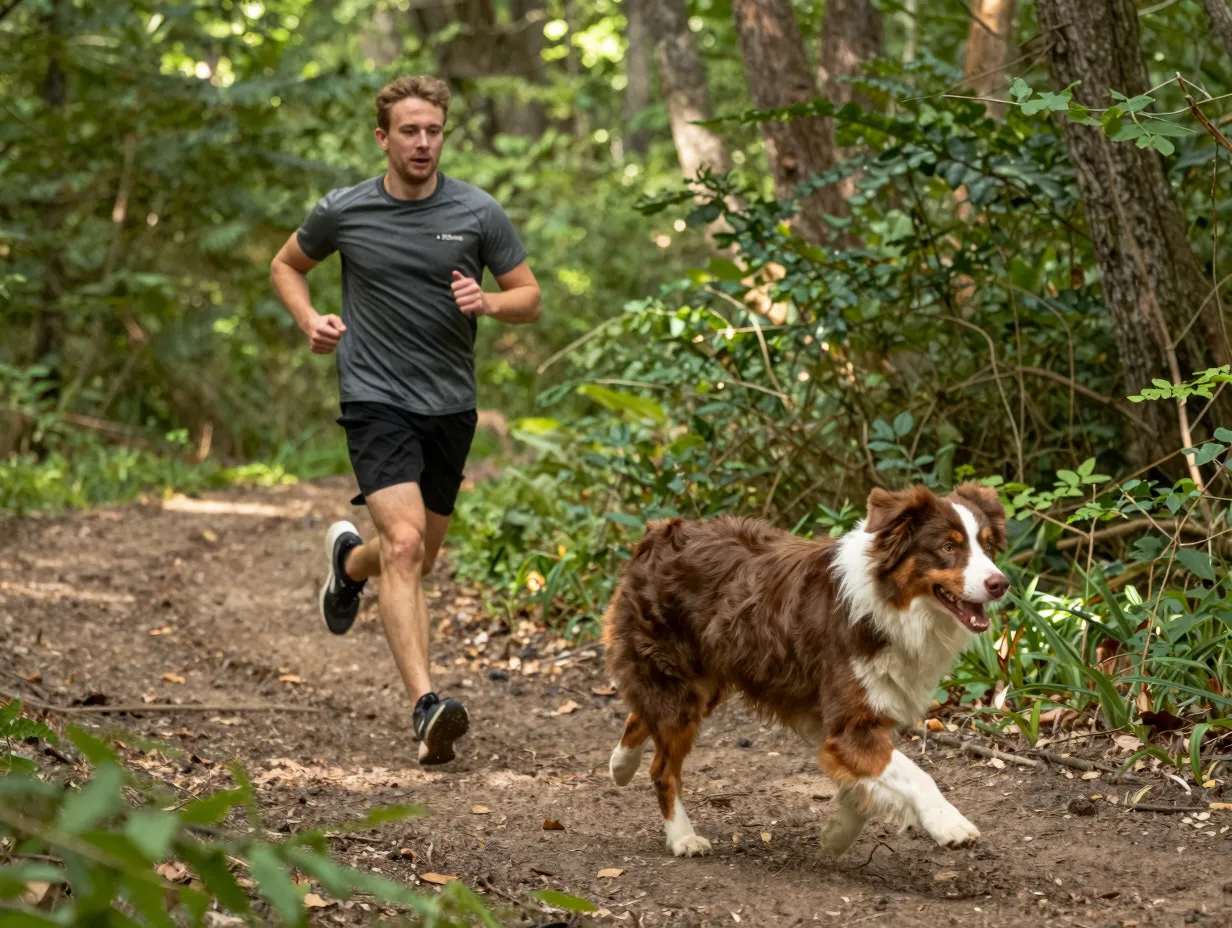
Let’s be honest: a red merle Australian Shepherd is not the right dog for someone who enjoys long evenings on the couch. These dogs need one to two hours of vigorous daily exercise to stay physically healthy and mentally balanced [3].
Without sufficient stimulation, red merle Aussies can develop destructive habits — chewing furniture, digging up yards, barking excessively, or becoming anxious [4]. This isn’t bad behavior for the sake of it; it’s a high-drive dog telling you it has unspent energy.
🏃 Daily exercise recommendations:
- Morning run or jog (30–45 minutes)
- Midday play session with fetch or tug (20–30 minutes)
- Evening training session or agility work (20–30 minutes)
- Mental enrichment: puzzle feeders, hide-and-seek games
The good news? If you’re an active person or family, a red merle Aussie will match your energy and then some. They make incredible hiking companions, running partners, and adventure dogs.
6. Loyal and Deeply Affectionate With Their People
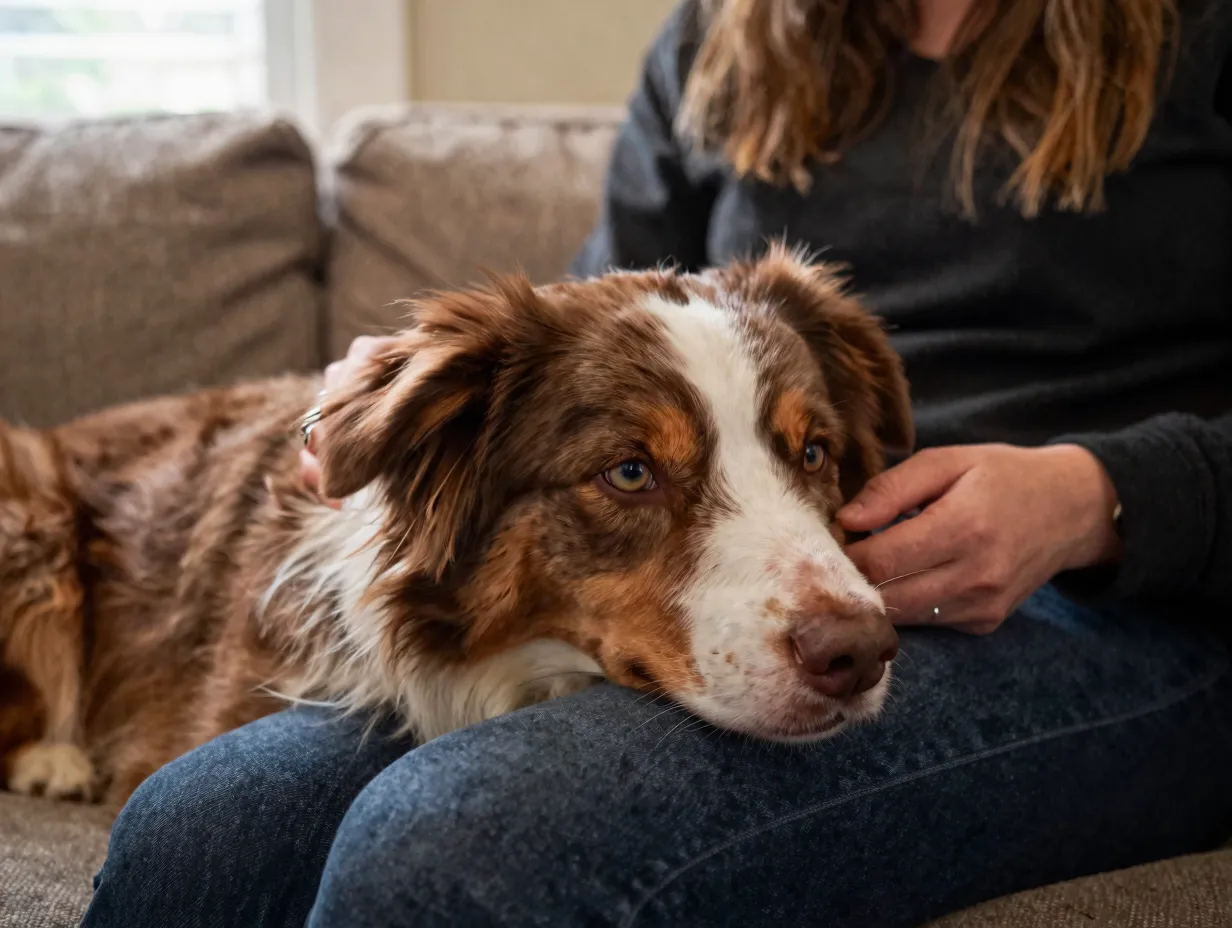
Behind the athletic build and intense work drive is a dog that is profoundly loyal and affectionate. Red merle Aussies form deep bonds with their families and want to be involved in everything their owners do [4].
Don’t be surprised if your red merle follows you from room to room, waits outside the bathroom door, or insists on joining you for car rides. This isn’t clinginess in a problematic sense — it’s the breed’s natural desire for closeness and connection [4].
💛 Pull Quote: “A red merle Aussie doesn’t just live in your home — it becomes part of your daily rhythm, your shadow, and your most enthusiastic supporter.”
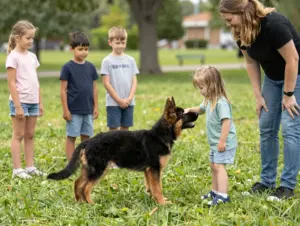
They are also playful and fun-loving, making them excellent companions for active families with children [2]. However, because of their herding instinct and high energy, they do best with older children who understand how to interact with dogs confidently.
Temperament snapshot:
- ✅ Deeply loyal to family
- ✅ Affectionate and loving
- ✅ Playful and energetic
- ✅ Good with children (especially older kids)
- ⚠️ Can be reserved with strangers initially
- ⚠️ May try to herd small children
7. Medium Size With a Powerful, Athletic Build
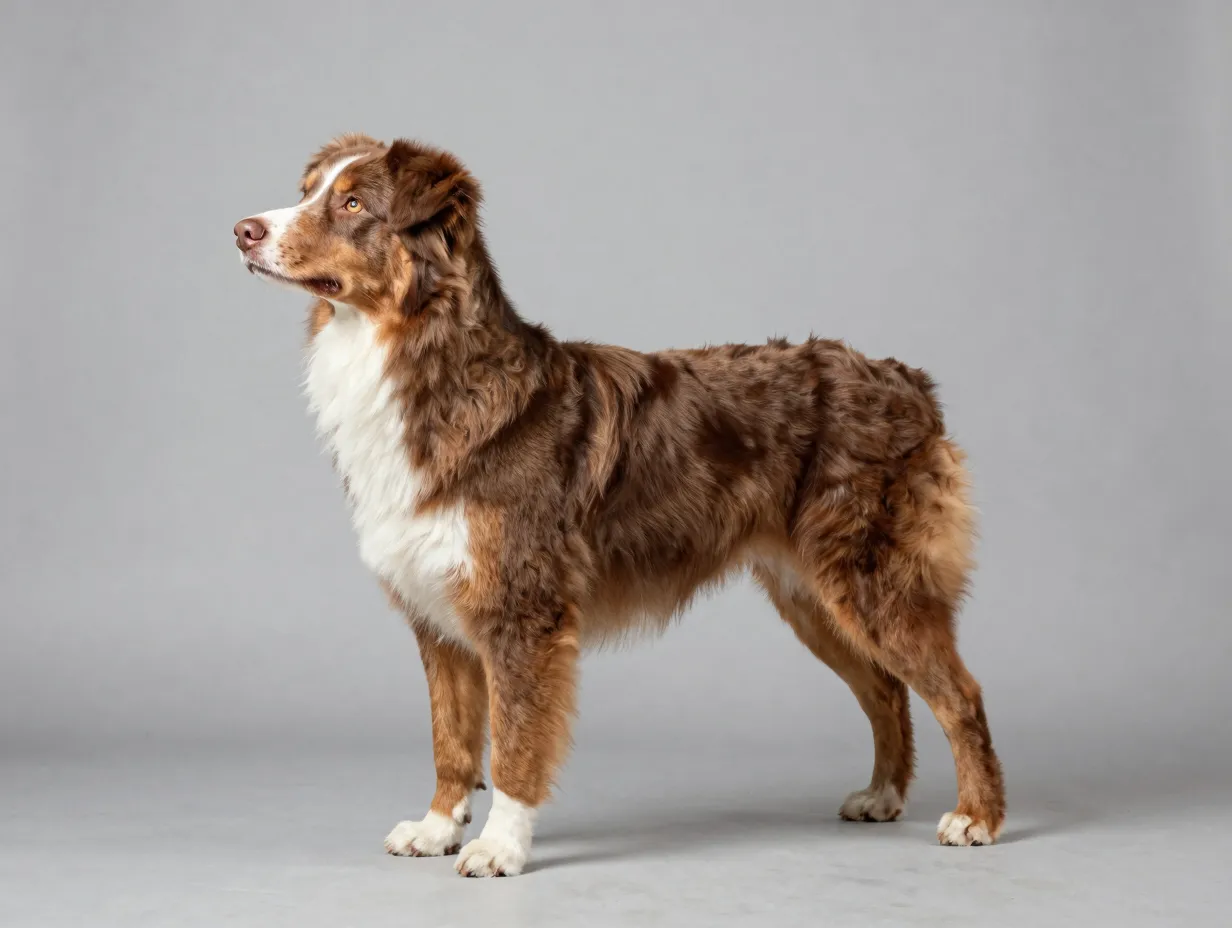
Red merle Australian Shepherds fall into the medium-sized dog category, but don’t let that fool you — they are built for endurance and power. According to AKC standards, these dogs weigh between 35 and 70 pounds and stand 18 to 23 inches tall [2].
More specifically:
- Males: 20–23 inches at the shoulder
- Females: 18–20 inches at the shoulder
This size range makes them versatile. They’re large enough to handle demanding physical work but compact enough to live comfortably in a home — provided they get enough exercise. Their build is lean and muscular, with a deep chest, strong hindquarters, and a natural bob tail in some individuals (a breed trait) [6].
Size comparison table:
| Measurement | Male | Female |
|---|---|---|
| Height | 20–23 inches | 18–20 inches |
| Weight | 50–70 lbs (typical) | 35–55 lbs (typical) |
| Body type | Lean, muscular | Lean, athletic |
| Tail | Natural bob or full | Natural bob or full |
This athletic build, combined with their intelligence and energy, is why red merle Aussies excel in virtually every canine sport ever invented.
8. A Long Lifespan With Important Genetic Considerations
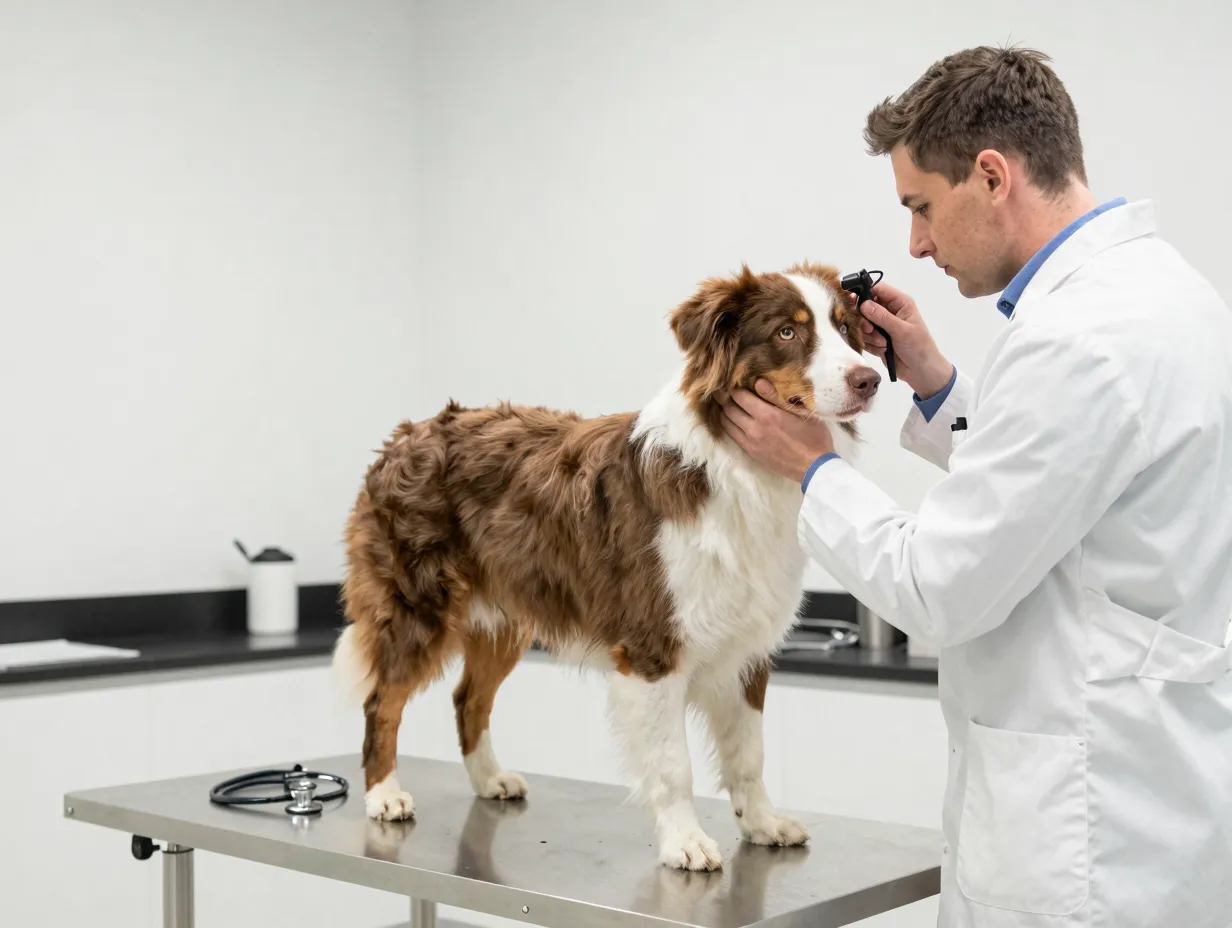
One of the most heartening traits of the red merle Australian Shepherd is its lifespan of 13 to 15 years — longer than many dogs of similar size [2]. With proper care, nutrition, and veterinary attention, these dogs can be your companion for well over a decade.
However, there is a critical genetic consideration that every potential owner and breeder must understand: double merle inheritance.
The merle gene is dominant, which means merle patterns appear very commonly in puppies when one or both parents carry the gene [3]. When two merle dogs are bred together, there is a 25% chance that a puppy will inherit two copies of the merle gene — making it a “double merle.” These dogs are often almost completely white and may suffer from serious eye defects or hearing loss [5].
🚨 Critical Warning: Always ask breeders about the genetic testing and breeding practices they use. Responsible breeders never breed two merle dogs together.
Merle genetics simplified:
| Breeding Pair | Possible Outcomes |
|---|---|
| Merle × Non-merle | 50% merle, 50% non-merle (safe) |
| Merle × Merle | 25% double merle (high health risk) |
| Non-merle × Non-merle | 0% merle puppies |
Health care essentials for a long, healthy life:
- Regular veterinary checkups (at least annually)
- Genetic testing before breeding
- Eye and hearing evaluations for merle dogs
- Balanced, high-quality diet appropriate for active breeds
- Consistent exercise to maintain healthy weight and joints
- Dental care and parasite prevention
A Quick Reference: The 8 Unique Traits at a Glance
Here’s a summary table of everything we’ve covered:
| # | Trait | Key Detail |
|---|---|---|
| 1 | Distinctive coat pattern | Red patches on buff/silver background; never identical |
| 2 | Heterochromia | Two different or multi-colored eyes |
| 3 | Exceptional intelligence | Highly trainable; rodeo history |
| 4 | Strong herding instinct | May herd children, pets, and vehicles |
| 5 | High energy needs | 1–2 hours of daily exercise required |
| 6 | Loyal and affectionate | Deeply bonded; follows owners everywhere |
| 7 | Medium athletic build | 35–70 lbs; 18–23 inches tall |
| 8 | Long lifespan + genetics | 13–15 years; double merle risks must be understood |
Is a Red Merle Australian Shepherd Right for You?
Understanding the 8 unique traits of the Red Merle Australian Shepherd dog is the first step — but the real question is whether this breed matches your lifestyle. Here’s a quick self-assessment:
You’re a great match if you:
- ✅ Lead an active lifestyle with time for daily exercise
- ✅ Enjoy training and mental engagement with your dog
- ✅ Have a yard or access to open spaces
- ✅ Want a deeply loyal, affectionate companion
- ✅ Are committed to responsible sourcing from health-tested breeders
You may want to reconsider if you:
- ❌ Work long hours and can’t provide daily stimulation
- ❌ Live in a small apartment with no outdoor access
- ❌ Prefer a low-energy, independent dog
- ❌ Have very young toddlers and no experience managing herding behavior
Conclusion
The red merle Australian Shepherd is, without question, one of the most remarkable dogs you can share your life with. From the swirling, one-of-a-kind coat to those mesmerizing heterochromatic eyes, from the razor-sharp intelligence to the unshakeable loyalty — every one of the 8 unique traits of the Red Merle Australian Shepherd dog tells the story of a breed that was built to work hard, love deeply, and never stop surprising you.
But owning one is a real commitment. These dogs need exercise, mental stimulation, consistent training, and a family that treats them as a true partner — not just a pet.
Your actionable next steps:
- Research reputable breeders who conduct genetic health testing, especially for the merle gene — ask specifically about double merle risks [5].
- Visit the AKC website to review official breed standards and find registered breeders [6].
- Connect with Australian Shepherd rescue organizations if adoption is an option — red merle Aussies do end up in rescue situations.
- Prepare your home and schedule for one to two hours of daily exercise before bringing a puppy home [3].
- Enroll in puppy training classes early to channel that intelligence and herding drive productively [1].
A red merle Australian Shepherd will give you everything it has — make sure you’re ready to give the same in return.
References
[1] Red Merle Aussie – https://sittersforcritters.com/red-merle-aussie/
[2] Red Merle Australian Shepherd – https://www.dogster.com/dog-breeds/red-merle-australian-shepherd
[3] Red Australian Shepherd Origin Colors And Characteristics – https://timberwolfpet.com/blogs/breed-info/red-australian-shepherd-origin-colors-and-characteristics
[4] The Australian Shepherd – https://australianshepherds.org/finding-an-aussie/the-australian-shepherd/
[5] Understanding Merle And The Science Behind It – https://www.ashgi.org/understanding-merle-and-the-science-behind-it
[6] Australian Shepherd – https://www.akc.org/dog-breeds/australian-shepherd/
[7] Merle Dog Breeds – https://www.purina.co.uk/find-a-pet/articles/dog-types/fur-type/merle-dog-breeds