8 Australian Sheep Dog Breeds Compared: Which is Right For You?
Australia produces some of the toughest, most capable herding dogs on earth — and the numbers back that up. The country manages over 60 million sheep across a landmass larger than Western Europe, and it was the relentless demands of that landscape that forged the breeds we’re comparing today. If you’re exploring 8 Australian Sheep Dog Breeds Compared: Which is Right For You?, you’re about to discover that choosing the wrong breed for your lifestyle can mean years of frustration for both you and your dog. Each of these breeds was shaped by a specific purpose, climate, and working style — and those traits don’t disappear just because the dog now lives in a suburban backyard.
Key Takeaways 📌
- Not all Australian herding breeds are the same — energy levels, trainability, and temperament vary dramatically between breeds.
- Working heritage matters: breeds like the Kelpie and Australian Cattle Dog need serious daily exercise and mental stimulation.
- Some breeds on this list are surprisingly compact — the Australian Terrier and Silky Terrier were originally working dogs, not lap dogs.
- Family compatibility differs widely — the Bull Arab can be a gentle family companion when properly socialised, while the Stumpy Tail Cattle Dog tends to bond closely with one person.
- Matching your lifestyle to a breed’s original purpose is the single most reliable predictor of a happy, well-adjusted dog.
What Makes a True Australian Sheep Dog?
Before we dive into the full 8 Australian Sheep Dog Breeds Compared: Which is Right For You? breakdown, it’s worth clarifying what we mean by “Australian sheep dog.” In the broadest sense, this includes any breed developed in Australia for herding, droving, or working livestock — as well as closely related working breeds that have become iconic to Australian rural culture. [6]
Australia’s unique geography — vast open plains, extreme heat, rough terrain — demanded dogs with extraordinary stamina, intelligence, and independence. Breeders crossed European working dogs with local genetics (and in some cases, native animals) to produce animals that could work all day without breaking down. [1]
💬 “The Australian outback didn’t just test these dogs — it built them. Every breed on this list carries that legacy in its DNA.”
The Full Comparison: 8 Australian Sheep Dog Breeds Compared: Which is Right For You?
Quick Comparison Table
| Breed | Size | Energy Level | Herding Style | Best For |
|---|---|---|---|---|
| Australian Cattle Dog | Medium | ⚡⚡⚡⚡⚡ | Heel nipping | Active owners, farm work |
| Australian Kelpie | Medium | ⚡⚡⚡⚡⚡ | Mustering | Working farms, sport |
| Australian Koolie | Medium | ⚡⚡⚡⚡ | Eye & force | Experienced handlers |
| Stumpy Tail Cattle Dog | Medium | ⚡⚡⚡⚡ | Heel nipping | Farm & watchdog |
| Border Collie (AU) | Medium | ⚡⚡⚡⚡⚡ | Eye herding | Sport, experienced owners |
| Australian Terrier | Small | ⚡⚡⚡ | Vermin control | Families, smaller homes |
| Australian Silky Terrier | Small | ⚡⚡ | Companion/alert | Apartments, seniors |
| Bull Arab | Large | ⚡⚡⚡⚡ | Hunting/guarding | Active families, rural |
1. Australian Cattle Dog (Blue Heeler / Red Heeler)
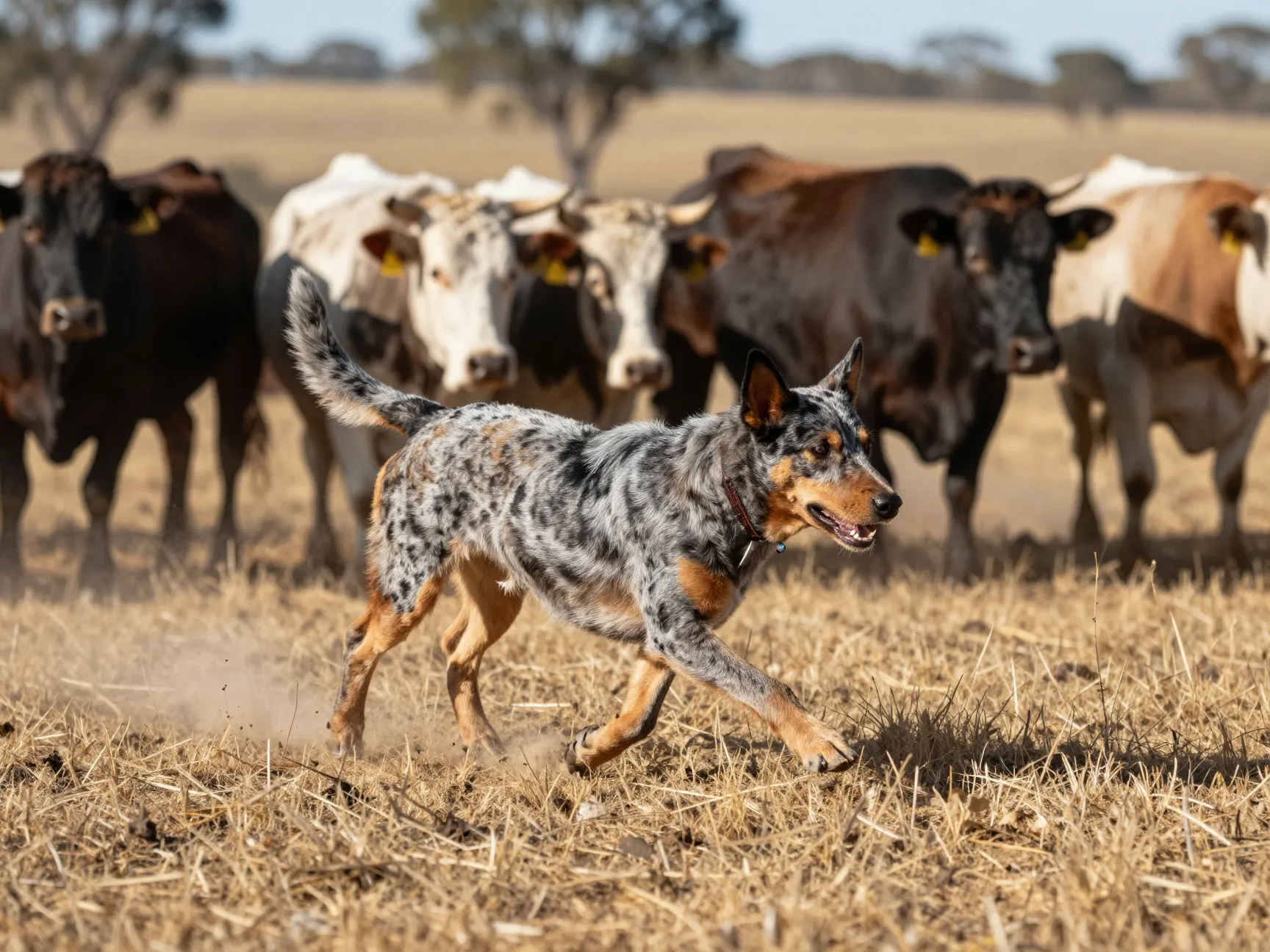
The Australian Cattle Dog is arguably the most iconic working dog to come out of Australia. Developed by crossing Dalmatians, Blue Merle Collies, and native Australian Dingoes, this breed was purpose-built for droving cattle across long distances in harsh conditions. [1][2]
What makes them unique:
- Puppies are born completely white — a trait inherited from their Dalmatian ancestry — and develop their distinctive blue or red speckled coats as they mature. [1]
- Their herding style involves nipping at cattle heels, which is how they earned the nickname “Heelers.” [2]
- Highly intelligent, intensely loyal, and sometimes stubborn.
Best for: Experienced dog owners with active lifestyles, farmers, or those who participate in dog sports like agility or obedience trials.
Watch out for: Their nipping instinct doesn’t switch off — they may try to herd children or other pets. Early socialisation is non-negotiable.
⭐ Energy Level: Extremely high | Trainability: High | Family Friendly: Moderate (with training)
2. Australian Kelpie
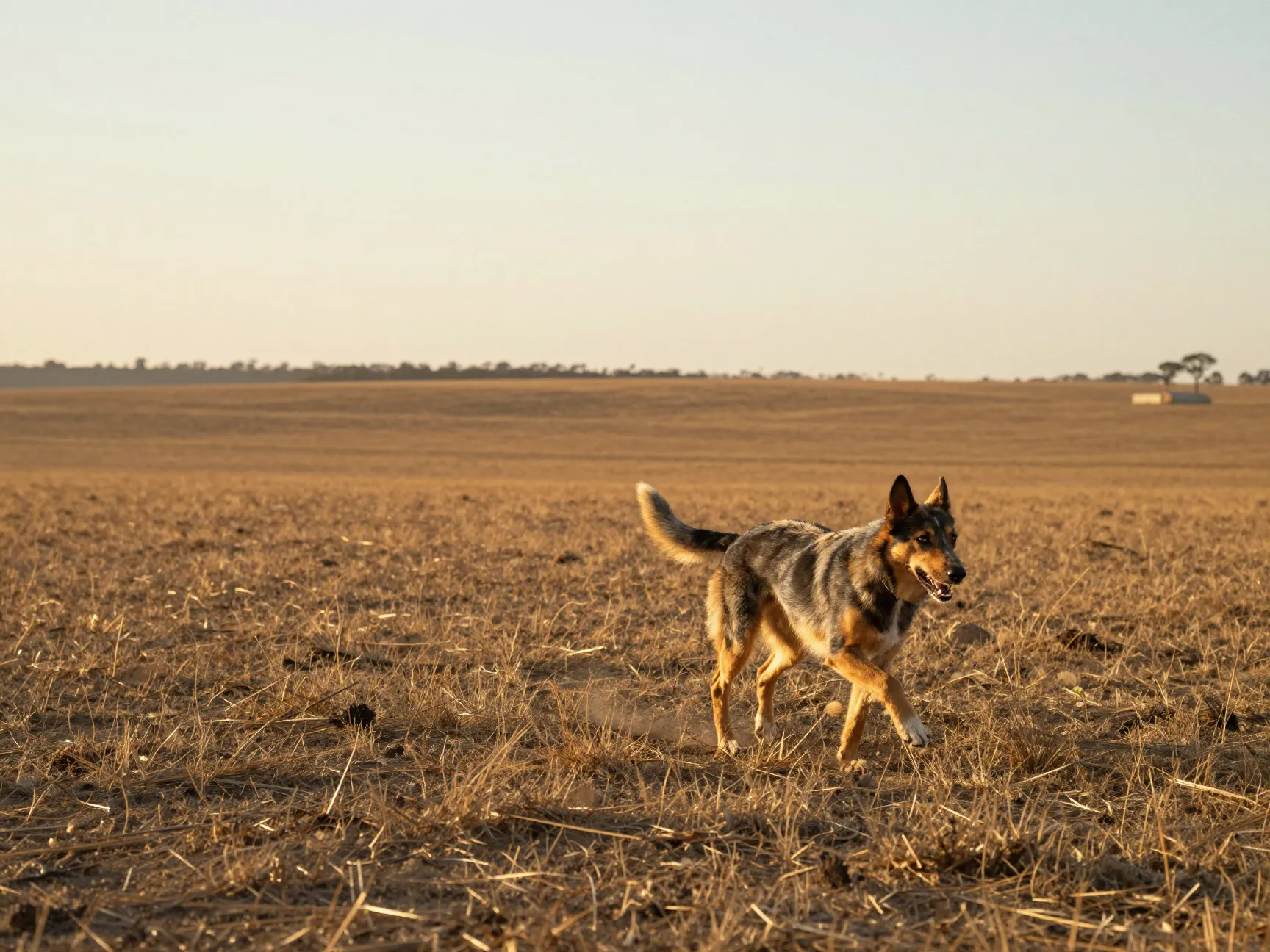
Few breeds on earth can match the Australian Kelpie for sheer working endurance. Bred specifically to handle Australia’s punishing climate, Kelpies can work continuously throughout the day while covering vast distances — a feat that leaves most other breeds exhausted within hours. [1][2]
What makes them unique:
- Natural herding instinct that requires almost no training to activate.
- Exceptional stamina — working Kelpies routinely cover 40–60 km per day on a farm.
- Lean, athletic build with a short, weather-resistant double coat.
Best for: Working farms, active rural families, and owners who participate in herding trials or dog sports.
Watch out for: A bored Kelpie is a destructive Kelpie. Without adequate physical and mental stimulation, they will find their own entertainment — usually at the expense of your garden or furniture.
⭐ Energy Level: Extremely high | Trainability: Very high | Family Friendly: Good with proper exercise
3. Australian Koolie (Australian Coolie)
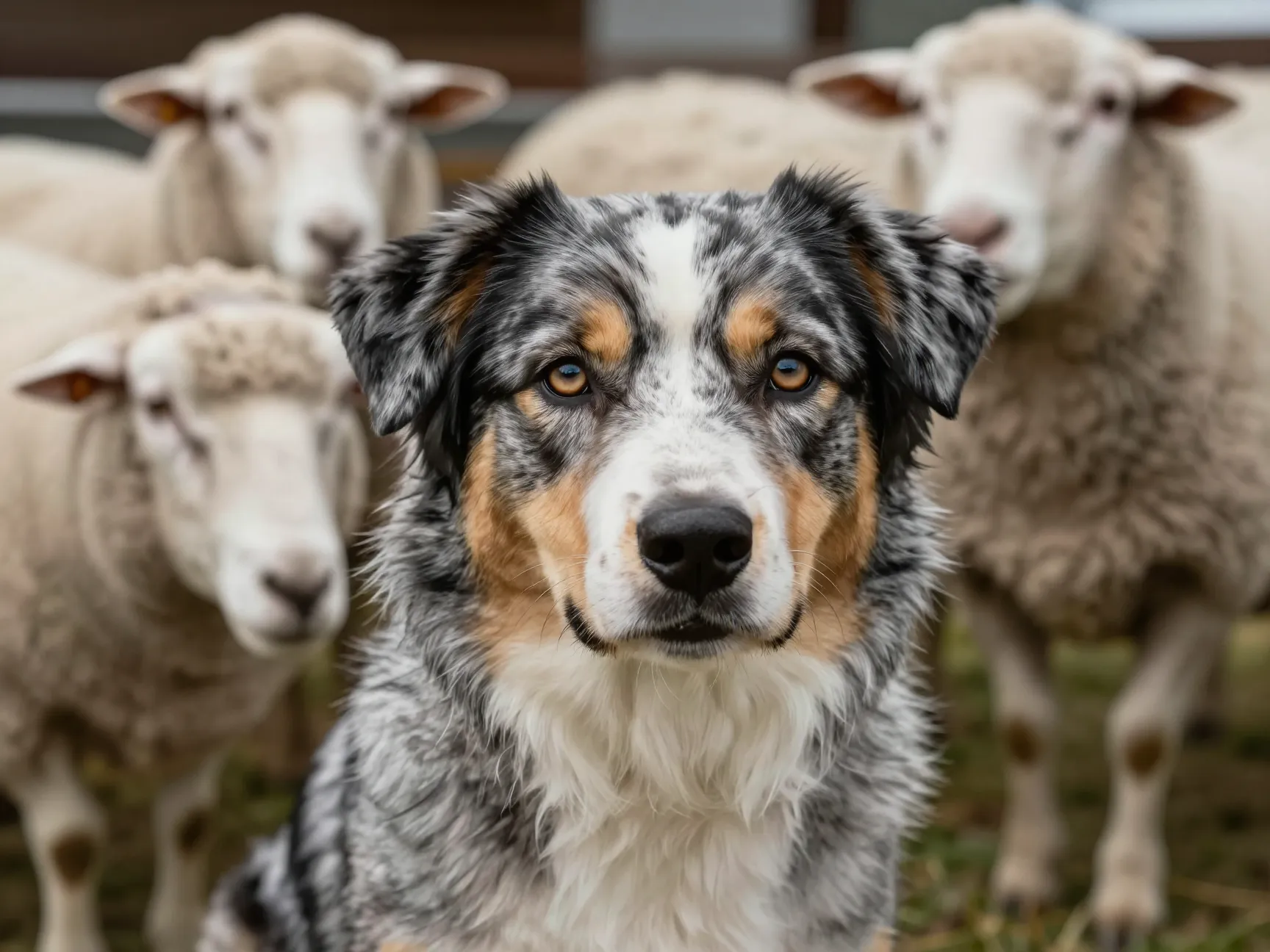
The Australian Koolie is one of the lesser-known gems in this 8 Australian Sheep Dog Breeds Compared guide, but it deserves serious attention. This versatile herding breed has existed since the early 19th century, resulting from crossbreeding smooth-coated blue merle Collies with black and tan Collies. [1]
What makes them unique:
- Highly adaptable — equally capable in farm work and competitive agility sports.
- Come in a wide variety of coat colours and lengths, including merle patterns.
- Known for using a combination of “eye” (intense stare) and physical force to move livestock. [1]
Best for: Experienced handlers, working farms, and competitive dog sport enthusiasts.
Watch out for: The Koolie’s intelligence means they can become wilful if not given clear, consistent leadership. They are not recommended for first-time dog owners.
⭐ Energy Level: High | Trainability: High | Family Friendly: Good with experienced owners
4. Australian Stumpy Tail Cattle Dog
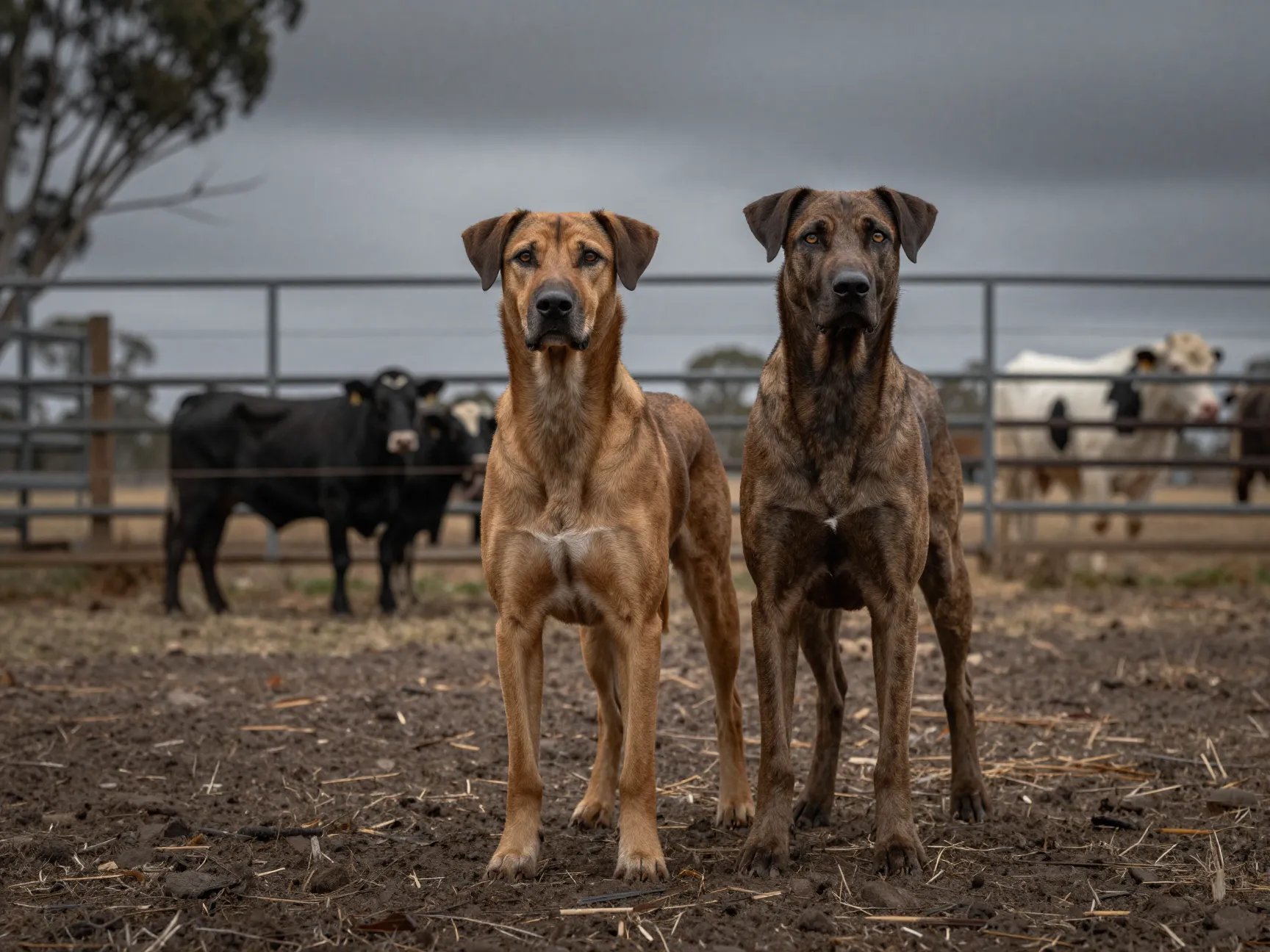
Closely related to the Australian Cattle Dog but officially recognised as a separate breed, the Stumpy Tail Cattle Dog is distinguished by its naturally short or absent tail — a trait that occurs without human intervention. [1]
What makes them unique:
- Straight, dense coat built to withstand harsh Australian weather conditions. [1]
- Excels in both herding and watchdog roles — alert, territorial, and fiercely loyal.
- Slightly more reserved than the standard Cattle Dog, often bonding deeply with one primary person.
Best for: Farmers who need a dual-purpose herding and guard dog, experienced single owners, or active rural families.
Watch out for: Their strong guarding instinct can tip into over-protectiveness if not properly socialised from puppyhood.
⭐ Energy Level: High | Trainability: High | Family Friendly: Moderate
5. Border Collie (Australian Working Lines)
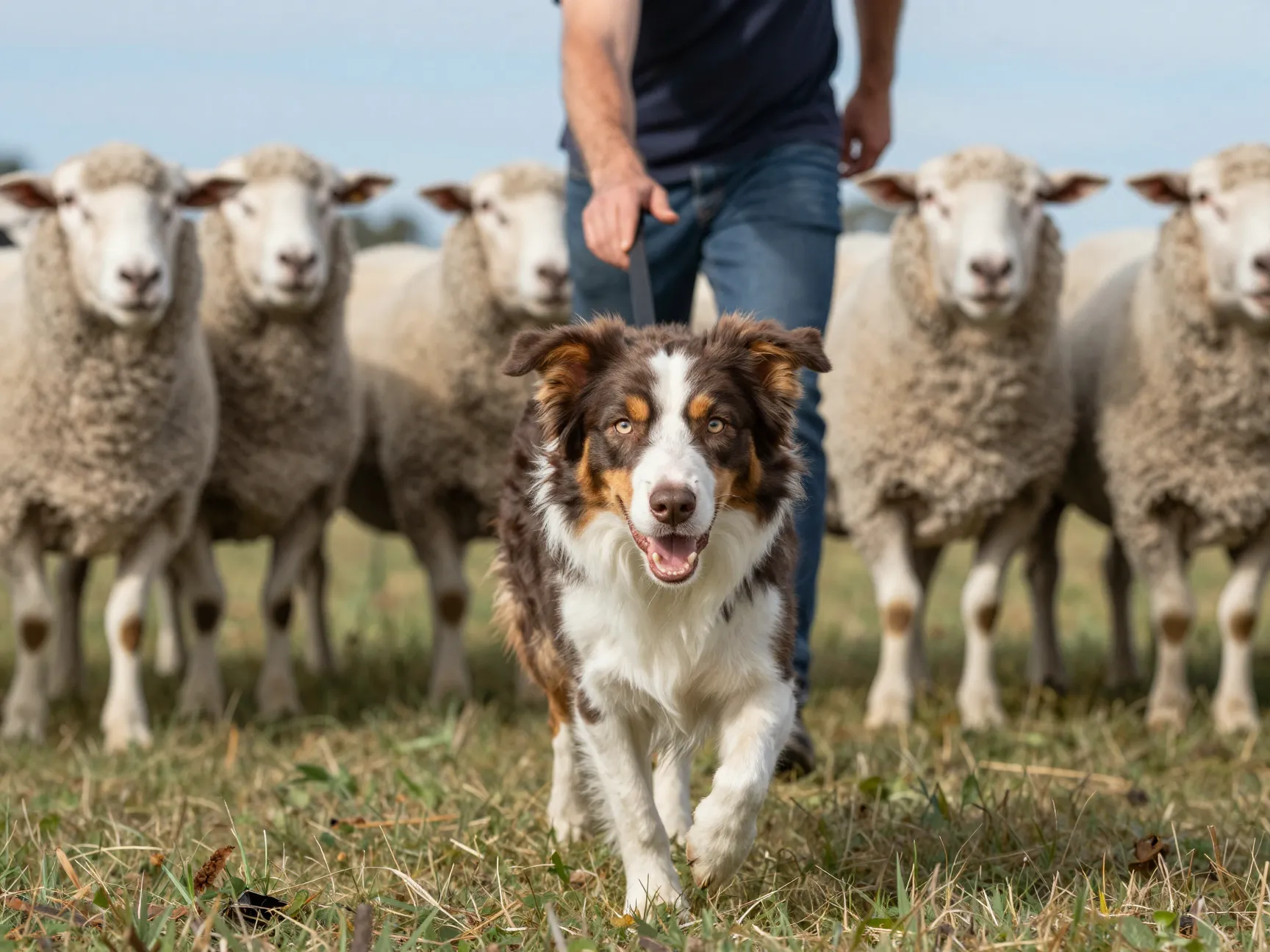
While the Border Collie originated in the UK, Australian working lines have been selectively bred for generations to suit local conditions, and they remain one of the most widely used herding dogs on Australian sheep stations. [4][6]
What makes them unique:
- Widely considered the most intelligent dog breed in the world.
- Use an intense, focused gaze — known as “the eye” — to control and direct sheep without physical contact. [4]
- Extremely responsive to handler commands; many working Border Collies learn dozens of distinct whistled signals.
Best for: Experienced handlers, competitive herding and agility, and farms running large sheep operations.
Watch out for: Their intelligence is a double-edged sword. Without constant mental engagement, Border Collies develop anxiety, obsessive behaviours, and destructive habits.
⭐ Energy Level: Extremely high | Trainability: Exceptional | Family Friendly: Good with active families
6. Australian Terrier
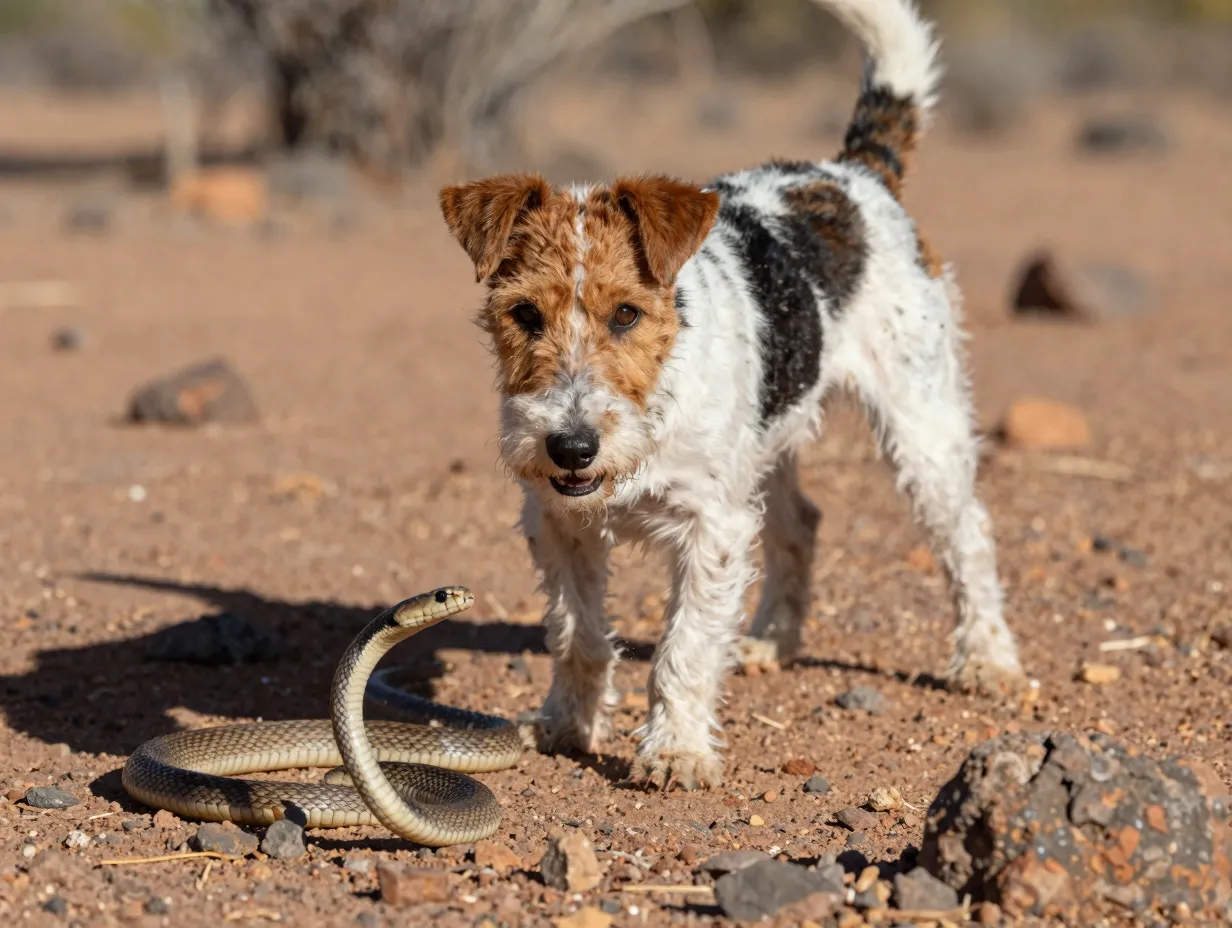
The Australian Terrier holds a proud distinction: it was the first Australian-bred dog to be officially recognised in competition. [1] Don’t let the small size fool you — this is a working dog through and through.
What makes them unique:
- Originally bred to control vermin including rats and snakes in harsh outback conditions. [1]
- Surprisingly bold and confident for their size — they will stand their ground against much larger animals.
- Low-shedding coat makes them a practical choice for indoor living.
Best for: Families in smaller homes or apartments, first-time dog owners who want an active but manageable breed, and older adults who want a spirited companion.
Watch out for: The prey drive is real — small animals like rabbits, guinea pigs, and even cats may trigger their hunting instinct.
⭐ Energy Level: Moderate | Trainability: Good | Family Friendly: Very good
7. Australian Silky Terrier
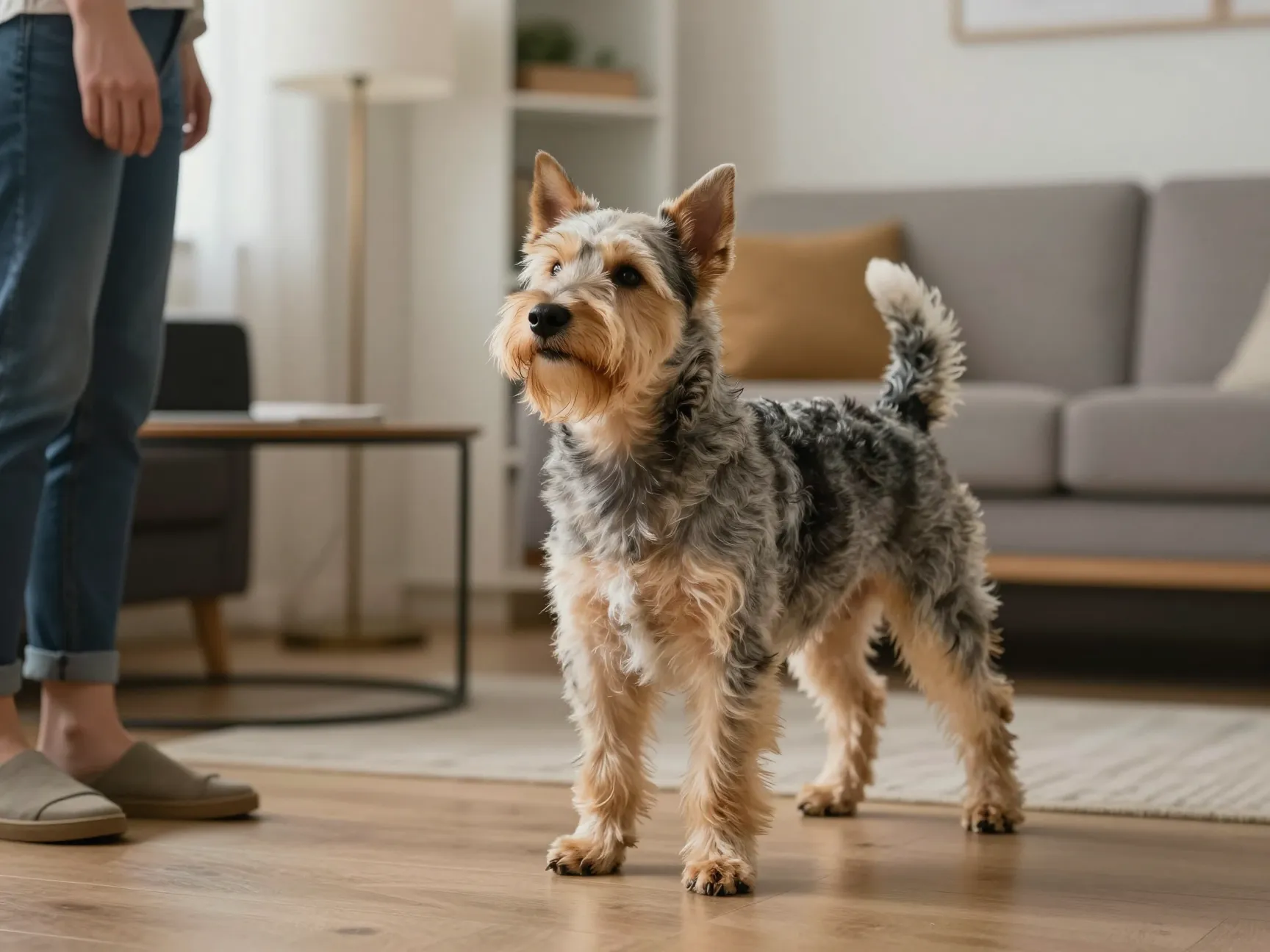
The Australian Silky Terrier is the result of crossing Yorkshire Terriers with Australian Terriers, blending British elegance with Australian toughness. [1] The result is a small dog with a surprisingly big personality.
What makes them unique:
- Fine, silky coat that is more similar to human hair than typical dog fur — low shedding, but requires regular grooming.
- Despite their glamorous appearance, they are brave and protective, often alerting their owners to strangers with impressive confidence. [1]
- Compact enough for apartment living but active enough to enjoy daily walks and play sessions.
Best for: Apartment dwellers, seniors, families with older children, and anyone who wants a low-shedding companion dog with personality.
Watch out for: Like all terriers, they can be stubborn. Consistent, positive reinforcement training works best.
⭐ Energy Level: Low to moderate | Trainability: Moderate | Family Friendly: Excellent
8. Bull Arab
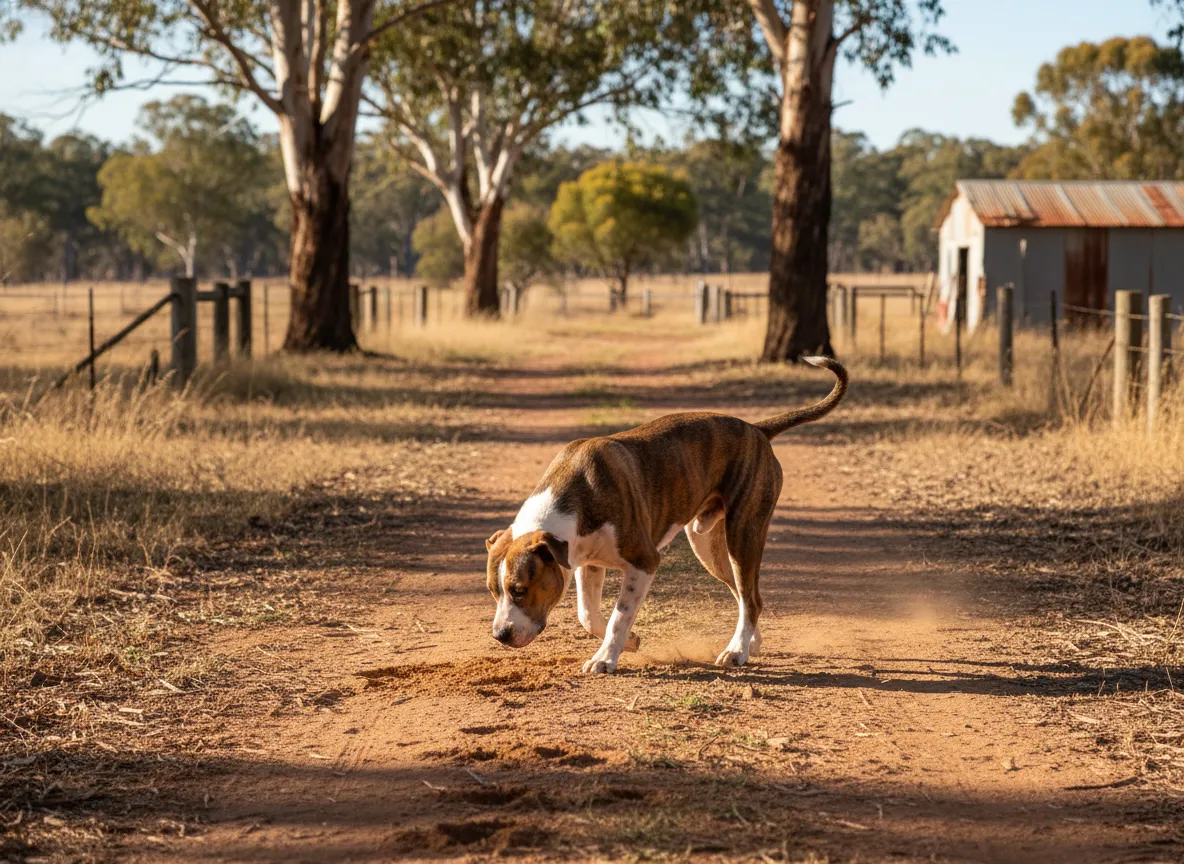
The Bull Arab is the newest breed on this list, developed in Australia during the 1970s. [1] This large, powerful dog was purpose-built for hunting feral pigs — a serious pest management task in rural Australia.
What makes them unique:
- A carefully engineered mix of Bull Terrier, Greyhound, and Pointer genetics, giving them strength, speed, and exceptional scenting ability. [1]
- Despite their formidable size and hunting background, well-socialised Bull Arabs are known to be gentle and affectionate with their families. [1]
- Highly versatile — used in hunting, property protection, and increasingly as family companions.
Best for: Active rural families, experienced large-dog owners, and those with properties where the dog has room to run.
Watch out for: Their strong prey drive means they are not suitable for homes with small pets. They need firm, experienced handling and extensive early socialisation.
⭐ Energy Level: High | Trainability: Moderate to high | Family Friendly: Good with socialisation
How to Choose the Right Breed for Your Lifestyle
Now that you’ve seen the full 8 Australian Sheep Dog Breeds Compared: Which is Right For You? breakdown, here’s a practical decision framework to help you narrow it down.
Ask Yourself These Questions First:
🏠 Where do you live?
- Apartment or small home → Australian Silky Terrier or Australian Terrier
- Suburban home with a yard → Australian Cattle Dog, Kelpie (with serious commitment to exercise)
- Rural property or farm → Kelpie, Koolie, Stumpy Tail, Bull Arab, Border Collie
⏰ How much time can you dedicate daily?
- 30–60 minutes → Australian Silky Terrier, Australian Terrier
- 1–2 hours → Australian Cattle Dog, Stumpy Tail
- 2+ hours or working role → Kelpie, Border Collie, Koolie
👨👩👧 Do you have children or other pets?
- Young children + other pets → Australian Terrier, Silky Terrier (with supervision)
- Older children, active family → Australian Cattle Dog, Kelpie (well-trained)
- Solo owner or couple → Stumpy Tail, Koolie, Bull Arab
🏆 Do you want to compete in dog sports?
- Yes → Border Collie, Kelpie, Koolie, Australian Cattle Dog
- No → Any breed on this list with appropriate exercise
Breed Suitability Summary
| Breed | First-Time Owner? | Apartment OK? | Good With Kids? | Working Farm? |
|---|---|---|---|---|
| Australian Cattle Dog | ❌ | ❌ | ⚠️ | ✅ |
| Australian Kelpie | ❌ | ❌ | ✅ | ✅ |
| Australian Koolie | ❌ | ❌ | ✅ | ✅ |
| Stumpy Tail Cattle Dog | ❌ | ❌ | ⚠️ | ✅ |
| Border Collie (AU) | ❌ | ❌ | ✅ | ✅ |
| Australian Terrier | ✅ | ✅ | ✅ | ❌ |
| Australian Silky Terrier | ✅ | ✅ | ✅ | ❌ |
| Bull Arab | ❌ | ❌ | ✅ | ✅ |
Common Mistakes People Make When Choosing an Australian Herding Dog
Even well-intentioned owners make avoidable errors. Here are the most common pitfalls I see when people choose from this group of breeds:
Underestimating energy requirements. A Kelpie or Border Collie adopted as a “family pet” without a plan for 2+ hours of daily vigorous activity will become anxious and destructive within weeks. [6]
Choosing based on appearance alone. The Australian Silky Terrier looks like a show dog — but it still has a terrier’s tenacity. The Bull Arab looks intimidating but can be a gentle giant. Looks are genuinely misleading with these breeds.
Skipping early socialisation. Breeds like the Stumpy Tail Cattle Dog and Bull Arab have strong protective instincts that need to be shaped through consistent, positive exposure to people, animals, and environments from puppyhood. [1]
Ignoring the herding instinct. Several breeds on this list — particularly the Cattle Dog, Kelpie, and Koolie — will attempt to herd children, cyclists, and other pets. This is not aggression; it’s instinct. But it requires management and training.
💬 “The best dog for you isn’t the one you find most beautiful — it’s the one whose daily needs you can genuinely meet, every single day, for 12–15 years.”
Health Considerations Across Australian Breeds
Each breed carries specific health considerations worth knowing before you commit:
- Australian Cattle Dog: Prone to progressive retinal atrophy (PRA) and hip dysplasia. DNA testing of breeding stock is strongly recommended. [2]
- Australian Kelpie: Generally a robust breed, but can be susceptible to Collie Eye Anomaly (CEA). [1]
- Border Collie: Hip dysplasia and epilepsy are known concerns in working lines. [4]
- Australian Terrier: Relatively healthy, but can develop diabetes and Legg-Calvé-Perthes disease.
- Bull Arab: As a large breed, watch for hip and elbow dysplasia as they age. [1]
- Stumpy Tail Cattle Dog: Similar health profile to the Australian Cattle Dog — eye and joint issues are the primary concerns. [1]
Always request health clearances from reputable breeders and consider pet insurance from day one, regardless of which breed you choose.
Conclusion: Making the Right Choice in 2026
The question at the heart of 8 Australian Sheep Dog Breeds Compared: Which is Right For You? isn’t really about the dogs — it’s about you. Every breed on this list is exceptional at what it was designed to do. The challenge is matching that design to your actual life, not the life you imagine you’ll have.
Here’s your action plan:
- Be brutally honest about your lifestyle. How many hours per day can you genuinely dedicate to exercise and training?
- Visit breeders and rescue organisations before committing. Spend time with adult dogs of your chosen breed, not just puppies.
- Research breed-specific rescue groups in Australia — many wonderful Kelpies, Cattle Dogs, and Koolies need rehoming because their previous owners underestimated their needs.
- Consult a professional trainer before bringing a high-drive breed home, especially if you have young children or other pets.
- Plan for the long term. These breeds live 12–15 years. Your commitment needs to match that timeline.
Whether you’re drawn to the tireless Kelpie, the loyal Cattle Dog, or the surprisingly bold Australian Terrier, the right Australian herding breed will reward your investment with intelligence, loyalty, and a working partnership unlike anything else in the dog world. 🐾
References
[1] Australian Dog Breeds – https://www.vetsupply.com.au/blog/australian-dog-breeds/
[2] 8 Unique Dog Breeds From Australia – https://petzpark.com.au/blogs/petz-park-blog/8-unique-dog-breeds-from-australia
[3] Breeds Similar To Australian Shepherds – https://aussie.home.blog/2018/10/08/breeds-smilar-to-australian-shepherds/
[4] Herding Dog Breeds – https://www.nylabone.com/dog101/herding-dog-breeds
[5] Watch – https://www.youtube.com/watch?v=OyB4J8H8cGc
[6] Herding Dog Breeds – https://bowwowinsurance.com.au/dogs/dogs-breeds/herding-dog-breeds/