Funny Bird Drawing Ideas To Add Humor To Your Art
A pigeon with a monocle sold for more views on illustration platforms last year than a technically perfect painting of a bald eagle. That is not a coincidence. Humor travels faster than realism, and birds, with their odd waddles, bulging eyes, and dramatic feather tufts, are some of the easiest animals to turn into comedy gold. This guide breaks down 6 Funny Bird Drawing Ideas To Add Humor To Your Art, pulling from the same techniques that cartoon bird tutorials, naturalist illustrators, and comic-making guides have been refining throughout 2026.
Disclosure: This post contains affiliate links. As an Amazon Associate, we earn from qualifying purchases, and at no extra cost to you.
Whether a sketchbook doodler or a digital illustrator building a portfolio, anyone can use these ideas to turn a stiff, realistic bird into a character with personality, timing, and a punchline. The goal is not to abandon drawing fundamentals but to bend them just enough to make viewers smile.
Key Takeaways
- Exaggerating proportions, such as long legs or oversized beaks, is the fastest way to make a bird read as funny rather than realistic.
- Placing birds in human situations, like playing sports or attending school, creates instant narrative humor through contrast.
- Gesture, posture, and mood should be planned before any feather or detail is added, according to recent cartoon bird tutorials.
- Props, costumes, and exaggerated facial expressions add personality without requiring advanced anatomy skills.
- Treating a funny bird sketch like a tiny comic, with a setup and a punchline, strengthens the humor and gives the drawing purpose.
Why Humor Works So Well in Bird Illustration
Birds are built for comedy in a way few other animals are. Their bodies already have exaggerated features: round bellies, thin legs, and beaks that can look either proud or ridiculous depending on the angle. Illustrators have noticed this for decades, but the demand for humorous bird art has grown sharply in recent years. Stock illustration libraries now carry more than 527,000 “funny animal bird” images, over 4,100 “funny fat birds” illustrations, and roughly 1,300 “weird birds” designs available for commercial use. That volume signals something important: humorous bird art is not a niche hobby. It is a genuine commercial category that brands, greeting card companies, and print-on-demand sellers rely on.
Part of the appeal comes from contrast. A bird drawn with scientific accuracy looks dignified. The same bird with stretched legs, a goofy grin, or a tiny hat suddenly feels relatable, almost human. That shift from “accurate” to “absurd” is the engine behind nearly every funny bird drawing idea, and it is why artists keep returning to the same handful of proven techniques rather than reinventing the wheel each time.
Understanding this contrast principle matters before jumping into the list below. Every one of the 6 Funny Bird Drawing Ideas To Add Humor To Your Art covered here works because it pushes a familiar bird shape just slightly outside normal expectations.
6 Funny Bird Drawing Ideas To Add Humor To Your Art
The following six approaches are drawn from tutorials, drawing idea roundups, and naturalist-informed construction methods that have circulated throughout 2026. Each one can be used alone or combined with another for even bigger laughs.
1. Exaggerate Proportions For Instant Comedy
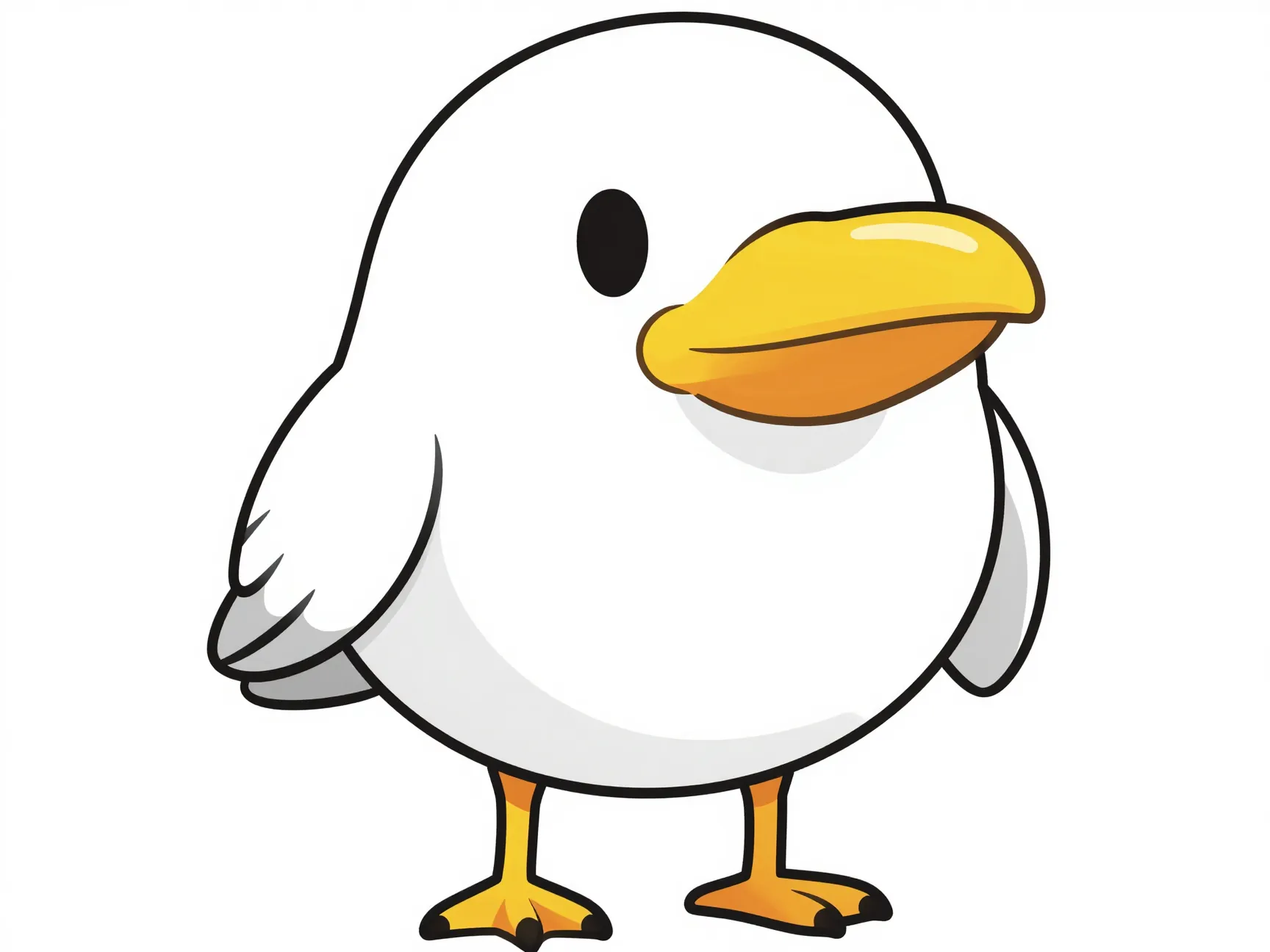
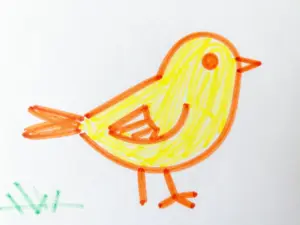
The simplest and most reliable method is distorting the bird’s natural shape. Recent cute bird idea collections highlight long-legged doodle birds and “funny little bird” sketches as go-to examples of this technique. Stretch the legs until they look impossibly thin and tall. Round out the belly until it looks like a balloon. Shrink the wings so they barely reach the sides of the body. Enlarge the beak until it dominates the face.
A quick way to practice this is to draw the same bird three times: once realistic, once with doubled leg length, and once with a tripled beak size. Compare the three. The exaggerated versions will almost always look funnier because they break the expected balance of the animal’s body.
Common proportion tweaks include:
- Doubling or tripling leg length while keeping feet small
- Rounding the body into a near-perfect circle or oval
- Shrinking the head dramatically compared to the body
- Enlarging the beak to comic proportions
- Reducing wing size so flight looks physically impossible
This technique requires almost no advanced skill, which is why it appears so often in beginner-friendly lessons and why “funny fat birds” remain one of the most searched illustration categories.
2. Put Birds Into Human Activities
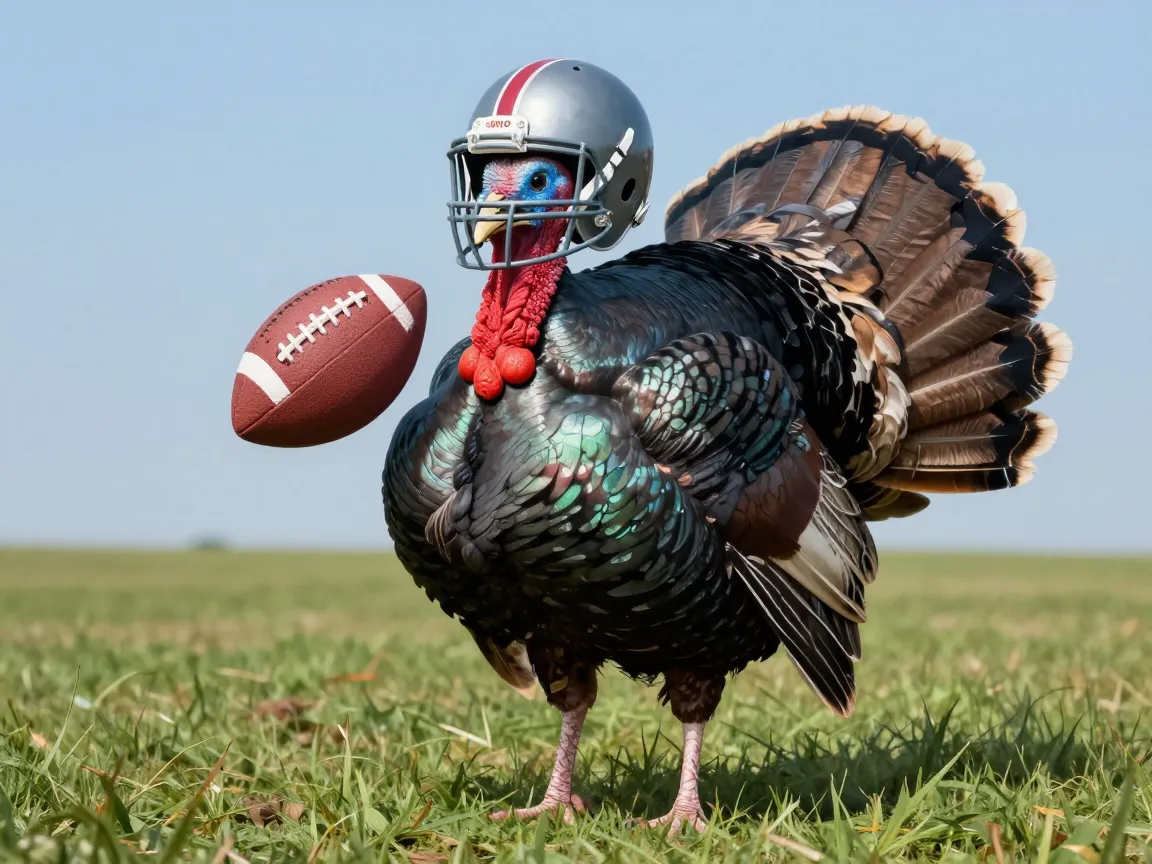
Nothing generates a laugh faster than a bird doing something only humans should do. A popular kids’ drawing lesson features a turkey playing football, complete with a helmet and a determined expression. Other prompts from 2026 silly drawing idea lists include a bird learning how to swim with floaties, or a bird teaching a school of fish to fly, flipping the natural order of things for comic effect.
This idea works because it builds a tiny story into a single image. Viewers do not just see a bird; they see a situation, and situations are inherently more memorable than static poses. A bird holding a tiny briefcase, waiting at a bus stop, or attempting to parallel park a car all rely on the same principle: take a human routine and swap in a bird as the main character.
To brainstorm ideas quickly, try this short exercise. List five everyday human activities, such as grocery shopping, yoga, or driving. Then picture a specific bird species attempting each one. A flamingo doing yoga. A penguin grocery shopping with a tiny cart. An owl stuck in traffic. These mashups almost write their own jokes.
3. Build Mood Through Gesture and Posture Before Details
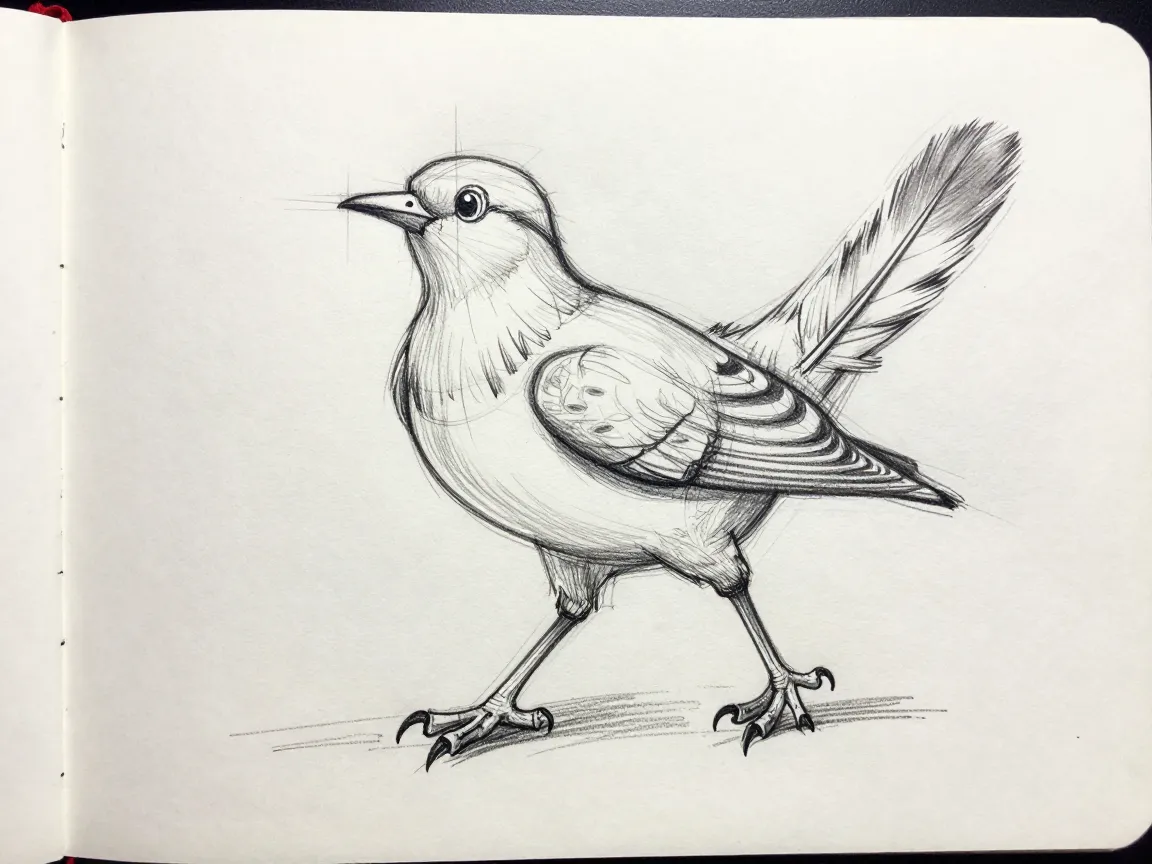
Cartoon bird tutorials published between July and September of 2026 consistently emphasize starting with a single flowing gesture line rather than jumping straight into feathers and detail. The gesture line captures the overall energy of the pose, whether the bird is strutting confidently, cowering shyly, or frozen in surprise.
After the gesture line, artists typically block in a head oval and body oval, then adjust the tilt of the head, the angle of the legs, and the placement of a stray feather or two. These small adjustments do enormous work. A bird with its head tilted sharply and one eyebrow feather raised instantly reads as skeptical. A bird with its chest puffed out and legs planted wide reads as overconfident, setting up an easy visual joke if that confidence is about to be undercut.
“Mood and pose should be planned before any detail is added, because a funny silhouette will still be funny even without a single feather drawn.”
This posture-first approach is also echoed in naturalist illustration guides, which recommend capturing posture and angles with light construction lines before refining details. While those guides are written for accurate wildlife art, comic artists have adapted the same framework, pushing silhouettes into comical extremes such as dramatic leaning or exaggerated chest puffing to heighten the humor.
4. Add Props, Costumes, and Accessories
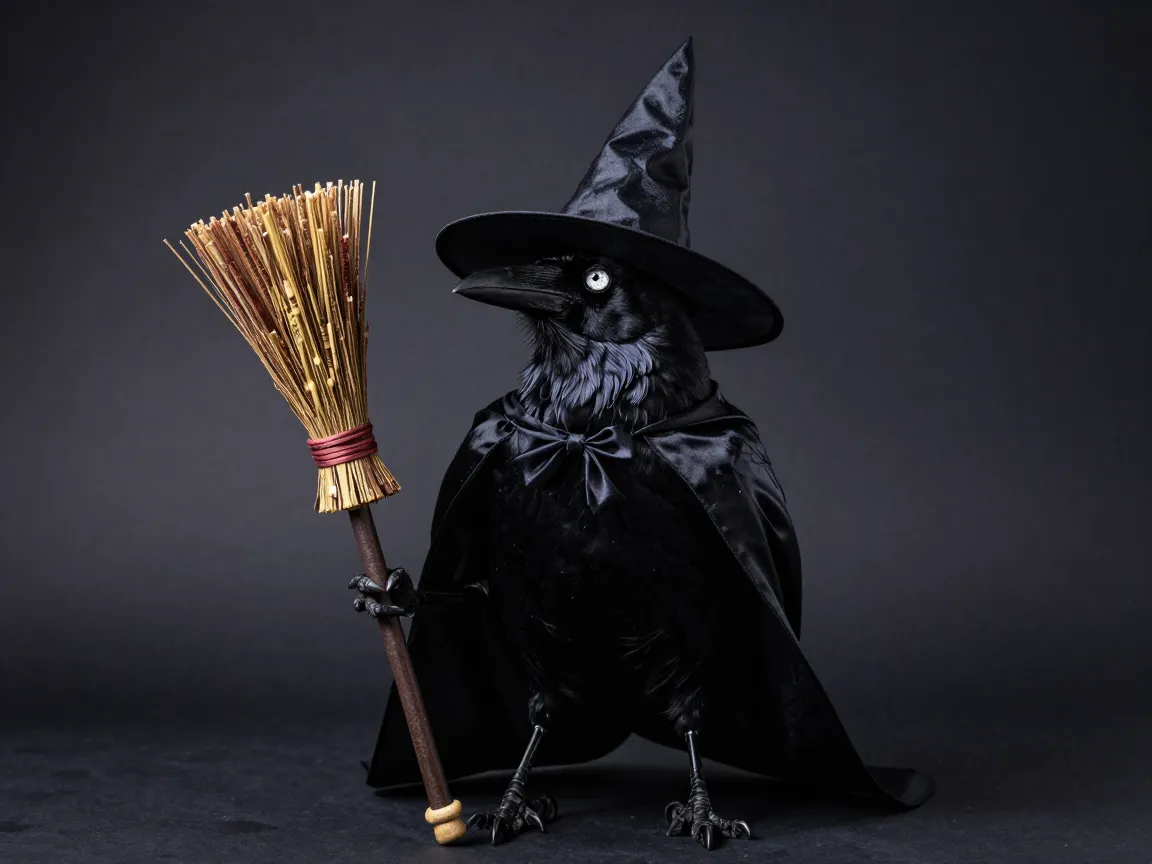
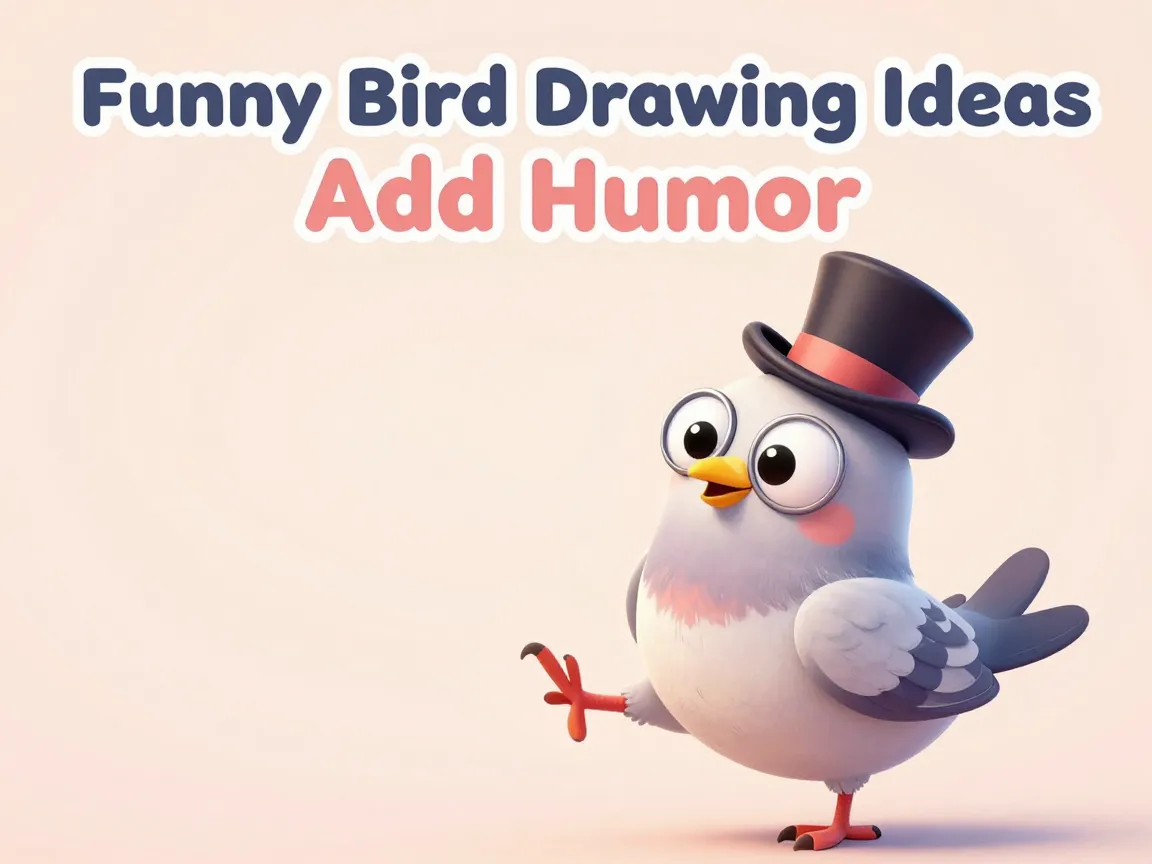
Sometimes the easiest way to add humor is to give a bird something to hold, wear, or sit on. Tiny sunglasses, a backwards baseball cap, a miniature briefcase, or oversized rain boots can transform an otherwise ordinary bird sketch into a character with a backstory. Costumes work particularly well for seasonal content, such as a pigeon in a Santa hat or a crow in a witch costume.
Props also solve a common beginner problem: not knowing what the bird should be doing. A prop suggests an activity automatically. A bird holding a fishing rod implies patience and mild frustration. A bird wearing boxing gloves implies a fight is about to happen, even if no opponent is shown.
Useful starter props and costumes include:
- Tiny hats, such as top hats, party hats, or baseball caps
- Oversized or undersized sunglasses
- Miniature tools, like a wrench, a paintbrush, or a fishing rod
- Everyday human clothing scaled down, such as a scarf or tiny shoes
- Sports equipment, including a football helmet or a tennis racket
5. Push Facial Expressions to the Extreme
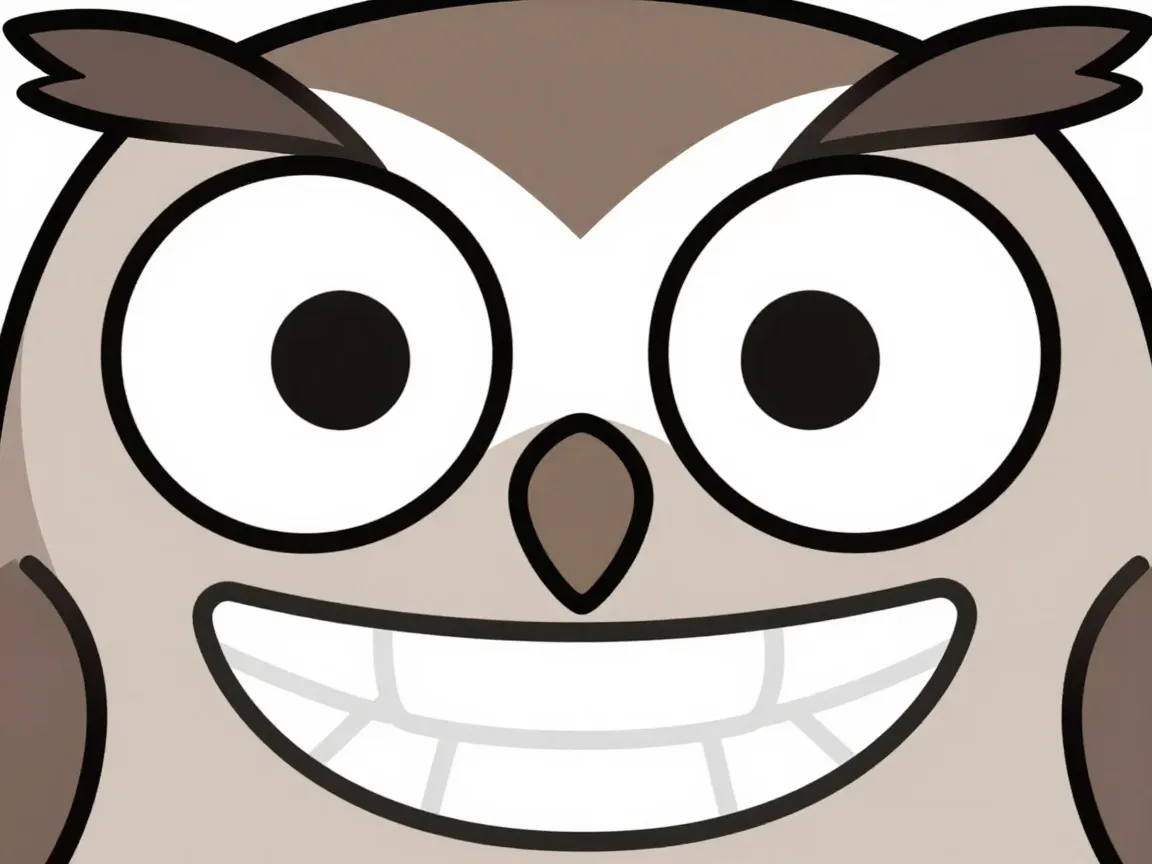
A bird’s face has limited features compared to a human face, which means small changes carry a lot of comedic weight. Widening the eyes until they look almost cartoonishly large, drawing one eye half-closed while the other stays wide open, or curving the beak into an exaggerated grin are all quick ways to inject personality.
Googly or cross eyes remain one of the most reliable tricks in funny animal illustration generally, and birds are no exception. A simple owl drawn using basic shapes becomes instantly funnier once the eyes are given a slightly dazed, unfocused look. Raised feather tufts above the eyes can mimic eyebrows, allowing a bird to appear surprised, annoyed, or smug without any additional linework.
A practical tip: draw the same bird face five times, each time changing only the eyes and beak curve. Keep a reference sheet of these five expressions nearby when working on future funny bird sketches, since reusing a proven expression saves time and keeps results consistent.
6. Place Birds in Silly or Surreal Environments
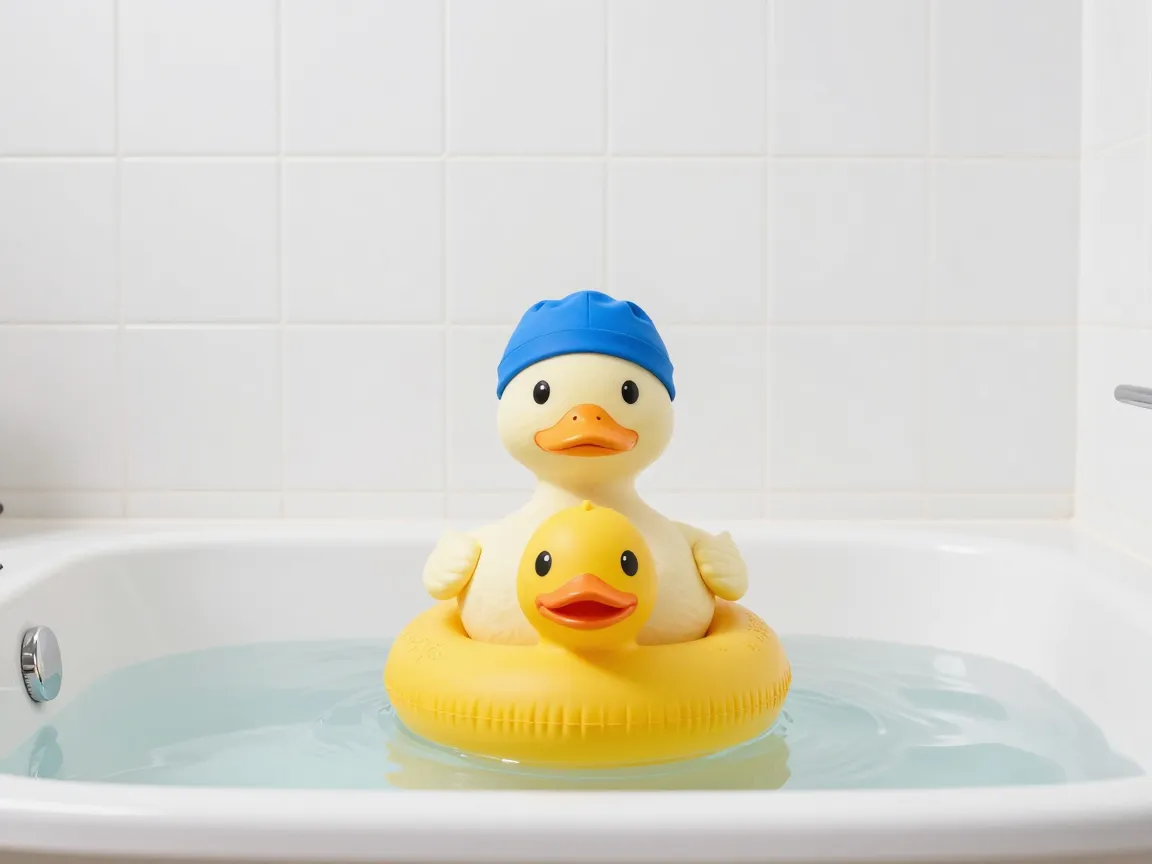
Context changes everything. A perfectly normal-looking bird becomes funny the moment it is placed somewhere unexpected. General “funny drawing ideas” roundups updated in October 2026 promote surreal mashups, such as a llama surfing, and the same whimsical mindset applies directly to birds. A duck floating in a bathtub on a tiny surfboard, a chicken operating a lemonade stand, or a sparrow stuck inside a vending machine all use environment as the primary joke.
This idea works especially well when paired with proportion exaggeration or props from earlier entries on this list. A plump, long-legged bird wearing a chef’s hat while surrounded by a kitchen fire is funnier than either the bird or the environment alone. Layering techniques from this list of 6 Funny Bird Drawing Ideas To Add Humor To Your Art tends to produce stronger results than relying on a single trick.
Applying Gesture and Posture Techniques to Strengthen Your Funny Bird Sketches
Once the six core ideas feel familiar, the next step is refining execution so jokes land clearly. Gesture and posture deserve extra attention because they form the backbone of every successful funny bird drawing, regardless of which specific idea is used.
Start every sketch with a loose, flowing line that captures the bird’s overall energy before worrying about species-specific details. This single line should answer a basic question: is this bird confident, startled, sneaky, or clumsy? Once that question is answered, block in the head and body using simple ovals. From there, small adjustments make a big difference:
- Tilting the head slightly increases perceived curiosity or confusion
- Angling the legs outward suggests clumsiness or a wobbly stance
- Adding a single stray feather implies disheveled or surprised energy
- Lowering the shoulders and puffing the chest implies mock confidence
- Rounding the shoulders inward implies shyness or embarrassment
Artists who skip this planning stage often end up with a technically clean bird that simply is not funny, because the pose itself carries no story. Spending an extra thirty seconds on gesture before adding feathers or props consistently produces stronger comedic results.
Turning Funny Bird Drawings Into Mini Comics
A single funny bird sketch can be amusing, but a structured comic multiplies the humor because it adds timing. The National Audubon Society’s own comic-making guidance, refreshed in September 2026, recommends a simple process that works just as well for a quick single-panel gag as it does for a full multi-frame cartoon.
The process generally follows these steps:
- Collect real or imagined funny things birds do, such as stealing food or tripping over their own feet
- Turn one of those observations into a short script with a clear setup and payoff
- Sketch rough thumbnails to test pacing before committing to final art
- Build the comic panel by panel, keeping backgrounds simple so the bird’s expression stays the focus
- Review the final sequence to confirm the joke lands within the first few panels
Even artists who prefer standalone drawings over full comics benefit from thinking in terms of setup and punchline. A bird mid-fall, captured just before it lands in a puddle, is funnier than a bird already sitting calmly in the puddle, because the moment chosen implies motion and consequence.
Common Mistakes That Weaken Funny Bird Drawings
Even strong ideas can fall flat if execution goes wrong. The table below outlines frequent mistakes alongside quick fixes that keep humor front and center.
| Mistake | Why It Hurts the Joke | Quick Fix |
|---|---|---|
| Overloading detail before planning pose | Buries the gesture that creates the humor | Sketch gesture and silhouette first |
| Using a neutral, flat expression | Removes personality from the bird | Push eyes, brows, or beak curve to an extreme |
| Choosing a static, mid-action pose | Loses the sense of motion or consequence | Capture the moment just before or after the peak action |
| Adding too many props at once | Confuses the focal point of the joke | Limit to one or two props per drawing |
| Ignoring environment entirely | Wastes an easy source of contrast-based humor | Place the bird somewhere unexpected |
Avoiding these pitfalls does not require advanced technical skill. Most fixes simply involve slowing down during the planning stage and asking whether the pose, expression, or setting actually supports the joke being told.
Bringing All Six Ideas Together
The real strength of these approaches shows up when they are combined rather than used in isolation. A bird with exaggerated proportions, caught in a confident gesture, wearing a single silly prop, making an extreme facial expression, and placed in an absurd environment will almost always outperform a drawing that relies on just one trick. Professional cartoonists rarely use a single technique alone; they layer several at once, then trim back anything that feels cluttered.
A useful practice routine is to pick one bird species and draw it six separate times, applying one idea from this list to each version. By the sixth drawing, most artists notice which combinations feel natural to their personal style, whether that leans toward prop-heavy scenes, extreme expressions, or absurd human activities.
Conclusion
Humorous bird art succeeds because it takes something familiar, a bird shape most people recognize instantly, and bends it just enough to surprise the viewer. The 6 Funny Bird Drawing Ideas To Add Humor To Your Art covered in this guide, exaggerated proportions, human activities, gesture-driven posture, props and costumes, extreme facial expressions, and silly environments, give artists a reliable toolkit rather than a one-time trick.
The next step is simple: pick one bird, pick one idea from this list, and sketch it today without worrying about perfection. Repeat the exercise with a different idea tomorrow. Within a week, most artists will have a small library of funny bird poses, expressions, and scenarios ready to drop into sketchbooks, comics, or finished illustrations whenever a project calls for a bit of lighthearted charm.