Things To Know About A Full-Grown Chocolate Cocker Spaniel
A full-grown chocolate Cocker Spaniel can weigh anywhere from 20 to 30 pounds, yet many new owners are shocked when their “puppy” stops growing at just seven months old while the coat keeps darkening for another year. That gap between physical maturity and coat development trips up even experienced dog owners. Understanding 6 Things To Know About A Full-Grown Chocolate Cocker Spaniel helps prevent confusion about size, health, and daily care once this popular breed reaches adulthood.

Disclosure: This post contains affiliate links. As an Amazon Associate, we earn from qualifying purchases, and at no extra cost to you.
The chocolate Cocker Spaniel is not a separate breed. It is a color variation of the American Cocker Spaniel, prized for its rich, glossy dark-brown coat. But color has nothing to do with structure, temperament, or growth rate. Whether liver, black, buff, or parti-color, every Cocker Spaniel follows the same developmental timeline and faces the same breed-specific health considerations. This guide breaks down exactly what to expect once the puppy fluff is gone and an adult dog has settled into its final size and shape.
Key Takeaways
- A full-grown chocolate Cocker Spaniel typically stands 13.5 to 15.5 inches tall and weighs 20 to 30 pounds, with males slightly larger than females.
- Most Cockers reach full height by 9 to 12 months, but muscle tone, chest depth, and coat maturity continue developing until around 18 to 24 months.
- “Chocolate” describes coat color only, not a distinct breed, size category, or temperament type; it is one of several accepted coat colors in the American Cocker Spaniel standard.
- English and American Cocker Spaniels differ in build, with English types running taller, leaner, and slightly heavier despite a similar height range.
- Chocolate ingestion poisoning remains a lifelong risk for adult Cockers, and owners should also watch for ear infections, obesity, and eye conditions common in the breed.
1. Full-Grown Size And Weight Ranges

Understanding adult size is the foundation of 6 Things To Know About A Full-Grown Chocolate Cocker Spaniel, because it shapes everything from crate selection to medication dosing. According to the American Kennel Club breed standard, a fully mature male American Cocker Spaniel stands about 14.5 to 15.5 inches at the shoulder, while adult females measure slightly shorter at roughly 13.5 to 14.5 inches. Weight generally falls between 20 and 30 pounds for both sexes, though body composition varies based on bone structure, muscle mass, and diet.
These numbers apply regardless of coat color. A chocolate-coated Cocker Spaniel will land within the same height and weight brackets as a black or buff littermate, assuming similar genetics and nutrition. Breed standards do not differentiate by color because pigment genes are unrelated to the genes controlling skeletal growth.
| Measurement | Male | Female |
| Height at Shoulder | 14.5 to 15.5 inches | 13.5 to 14.5 inches |
| Body Weight | 24 to 30 pounds | 20 to 27 pounds |
| Life Stage Reached | Adult by 12 to 18 months | Adult by 12 to 18 months |
Owners often notice that a chocolate Cocker Spaniel appears slightly stockier than expected because the dense double coat adds visual bulk without adding real weight. Running hands along the ribs and spine, rather than relying on eyesight alone, gives a more accurate read on whether an adult dog sits at a healthy weight.
Breeders and rescue groups frequently use growth charts to track whether a puppy is on pace to reach standard adult size. Updated growth-tracking resources published in 2026 by veterinary nutrition groups suggest weighing puppies every two weeks until six months, then monthly until the dog reaches its first birthday. This practice helps catch stunted growth or excessive weight gain early, both of which can signal underlying health issues.
2. When Is A Cocker Spaniel Considered Full-Grown

Timing matters when discussing 6 Things To Know About A Full-Grown Chocolate Cocker Spaniel, since owners frequently assume height and final maturity happen simultaneously. In reality, they do not.
Most Cocker Spaniels reach their adult height between 9 and 12 months of age. The growth plates in the long bones close around this window, meaning the dog will not get any taller after that point. However, “full-grown” in the fuller sense, including chest depth, muscle definition, and total body mass, typically is not complete until 18 to 24 months.
Coat development follows an even slower timeline. Puppy coats are soft, thin, and often lighter in shade. The signature glossy, dense adult coat of a chocolate Cocker Spaniel usually finishes coming in between 12 and 18 months, and the deep brown pigment can continue to darken slightly as the dog matures. This is why a nine-month-old chocolate Cocker might look noticeably lighter than the same dog at two years old.
Several factors influence exactly when a Cocker Spaniel finishes growing:
- Genetics01 play the largest role, since littermates from the same parents tend to mature on similar timelines even in different homes.
- Sex02 affects growth speed slightly, with males generally taking a bit longer to fill out chest and shoulder muscle than females.
- Neuter or spay timing03 can influence growth plate closure, as dogs sterilized very young sometimes show slightly altered bone development.
- Nutrition quality04 during the first year directly affects whether a puppy reaches its genetically programmed adult size on schedule.
- Activity level05 during adolescence builds the muscle tone that distinguishes a lean, athletic adult from a softer, less developed one.
For owners planning a two-year timeline, a simple rule works well: expect full height by the first birthday, and expect full body maturity, coat richness, and muscular definition by the second.
3. American Vs. English Cocker Spaniel Size Differences

Chocolate-coated dogs can come from either the American or English Cocker Spaniel lines, and the two are recognized as distinct breeds by most major kennel clubs. Confusing them is one of the most common mistakes new owners make, so this section is essential to any discussion of 6 Things To Know About A Full-Grown Chocolate Cocker Spaniel.
The American Cocker Spaniel, the more common type in the United States, has a shorter back, a rounder skull, a shorter muzzle, and a fuller, longer coat. Adult height runs 13.5 to 15.5 inches as noted above, with weight typically 20 to 30 pounds.
The English Cocker Spaniel is taller and leaner overall. Adult males typically stand 16 to 17 inches at the shoulder, and females measure 15 to 16 inches, both noticeably taller than their American counterparts. Weight for English Cockers often runs 26 to 34 pounds because of their longer frame, even though the breed generally appears less bulky due to a shorter, sleeker coat.
- Head shape: American type has a rounder, more domed skull; English type has a flatter, longer muzzle.
- Coat length: American Cockers carry longer, more profuse feathering on the legs, ears, and belly.
- Body proportion: English Cockers have a longer back and legs relative to body depth, giving a more athletic silhouette.
- Working history: English Cockers were bred more heavily for field work and retain a slightly higher energy drive on average.
Both varieties can carry the chocolate or liver coloring, so coat color alone never confirms which type a dog belongs to. Checking pedigree paperwork, or asking a breeder directly, is the only reliable way to know which standard applies to a particular dog’s expected adult size.
4. Health Conditions To Monitor In A Full-Grown Chocolate Cocker Spaniel
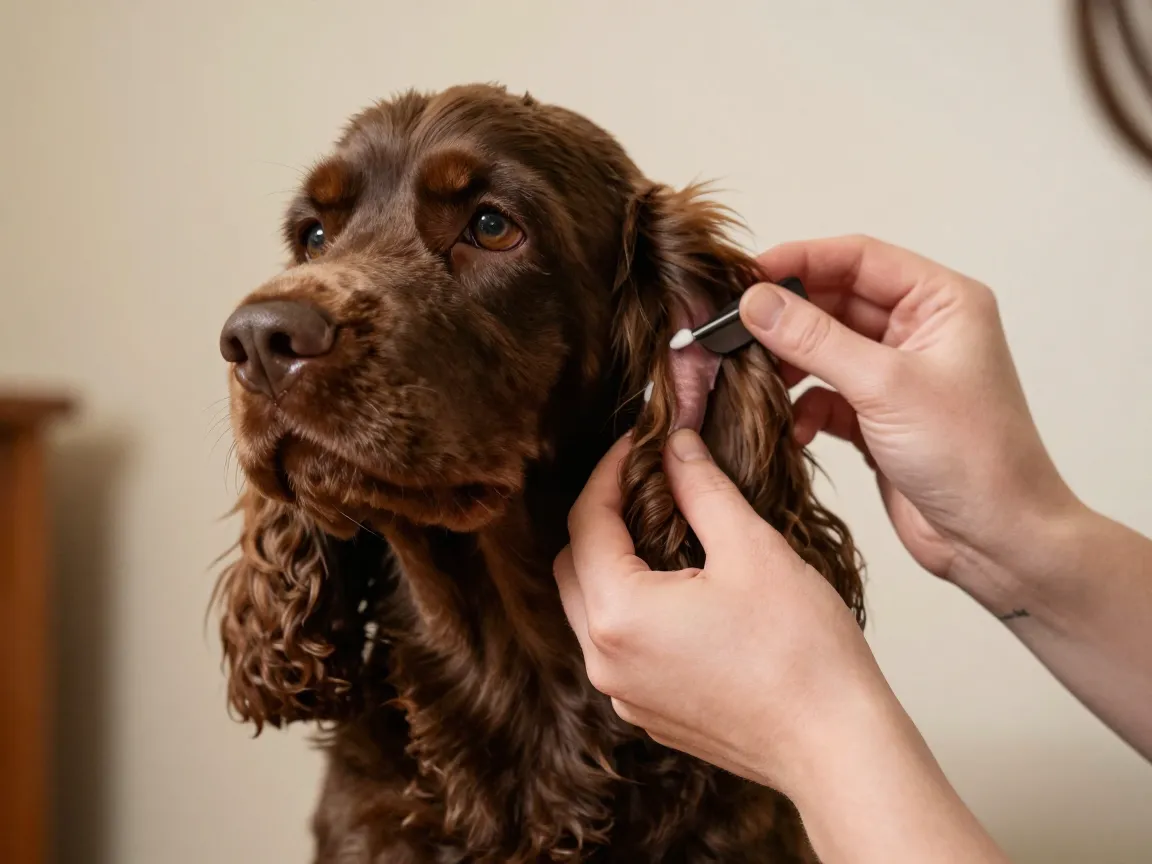
Once a Cocker Spaniel reaches adulthood, the health conversation shifts from growth tracking to long-term maintenance. This is arguably the most important of the 6 Things To Know About A Full-Grown Chocolate Cocker Spaniel, since early detection of breed-specific conditions can add years of comfortable life.
Cocker Spaniels, regardless of coat color, are predisposed to several recurring health issues:
- Ear infections rank among the most frequent problems in the breed. The long, heavy, low-hanging ears restrict airflow, trapping moisture and debris against the ear canal. Adult Cockers benefit from a weekly ear check and gentle cleaning routine to prevent chronic infections.
- Eye conditions, including progressive retinal atrophy, cataracts, and glaucoma, appear at higher rates in Cocker Spaniels than in many other breeds. Annual veterinary eye exams help catch these conditions before vision loss becomes severe.
- Hip dysplasia and patellar luxation can affect joint mobility in adult Cockers, particularly in dogs that were overfed or over-exercised during the rapid growth phase of puppyhood. Watching for limping, stiffness after rest, or reluctance to jump onto furniture can signal early joint trouble.
- Heart conditions, including dilated cardiomyopathy, occur at a somewhat elevated rate in the breed and typically surface in middle-aged to senior dogs. Routine wellness exams that include heart auscultation help catch murmurs early.
- Skin and coat issues, such as seborrhea and allergic dermatitis, are common given the dense double coat that traps moisture and allergens close to the skin.
A table of common conditions and their warning signs helps owners know what to watch for at home:
| Condition | Warning Signs | Recommended Action |
| Ear Infection | Odor, scratching, head tilting | Weekly cleaning, vet check if persistent |
| Progressive Retinal Atrophy | Night vision loss, bumping into objects | Annual eye exam by veterinary ophthalmologist |
| Hip Dysplasia | Limping, stiffness, reduced activity | X-ray evaluation, weight management |
| Dilated Cardiomyopathy | Lethargy, coughing, fainting | Cardiac screening at wellness visits |
Routine veterinary checkups, ideally twice a year for adult Cockers, remain the single best tool for catching these conditions in early, more treatable stages.
5. Chocolate Ingestion Poisoning Risk And Feeding Guidelines

Here is a critical point of confusion that deserves its own space within 6 Things To Know About A Full-Grown Chocolate Cocker Spaniel: the name “chocolate Cocker Spaniel” refers only to fur color. It has absolutely no connection to the food chocolate, and adult dogs of this coat color face the exact same toxicity risk from eating chocolate as any other dog.
Chocolate contains theobromine and caffeine, both of which dogs metabolize far more slowly than humans do. Even small amounts of dark or baking chocolate can cause vomiting, diarrhea, rapid heart rate, tremors, and in severe cases, seizures or death. Because adult Cockers weigh only 20 to 30 pounds, the toxic dose per pound of body weight is reached more easily than in larger breeds. A full-grown chocolate Cocker Spaniel eating a chocolate bar left on a counter is not a color-related irony; it is a genuine medical emergency requiring immediate veterinary attention.
Owners should keep chocolate, cocoa powder, and baking supplies stored well out of reach, especially during holidays when chocolate desserts are common in the home. Poison control hotlines for pets remain available around the clock, and having that number saved is a simple precaution every Cocker Spaniel owner should take.
Beyond the chocolate hazard, general feeding and weight management deserve close attention in adulthood. Cocker Spaniels have a genetic tendency toward weight gain, particularly after spaying or neutering slows metabolism. An adult Cocker’s daily caloric needs generally fall between 700 and 900 calories, depending on activity level, though this varies with individual metabolism.
Practical feeding guidelines for adult Cockers include:
- Measuring01 food portions with a standard measuring cup rather than estimating by eye, since visual estimation is the leading cause of accidental overfeeding.
- Splitting02 daily food into two meals rather than one large feeding, which supports better digestion and reduces begging behavior.
- Limiting03 treats to no more than 10 percent of total daily calories to prevent slow, creeping weight gain.
- Choosing04 a food formulated for medium-breed adults with moderate energy needs rather than a puppy or performance formula.
- Weighing05 the dog monthly and adjusting portions if weight trends upward for two consecutive checks.
Maintaining a lean body condition, where ribs are easily felt but not visibly protruding, reduces strain on joints and lowers the risk of several conditions discussed above, including hip dysplasia and heart disease.
6. Understanding Chocolate As A Coat Color, Not A Breed Or Size Type

The final piece of the puzzle in 6 Things To Know About A Full-Grown Chocolate Cocker Spaniel involves correcting a widespread misconception. Chocolate, sometimes called liver in official breed documentation, is a recessive coat color caused by a specific gene variant affecting pigment production. It produces the deep, warm brown seen across the entire coat, often paired with matching brown or hazel eyes and a brown nose rather than the black nose seen in most other color varieties.
The American Kennel Club breed standard for the Cocker Spaniel recognizes numerous accepted colors, including black, black and tan, various shades of buff, and parti-color combinations, alongside chocolate or liver solid coats and chocolate roan patterns. None of these color designations affect eligibility for conformation showing, working trials, or companion registration. A chocolate Cocker Spaniel is judged against the identical structural standard as a black one.
This distinction matters most in two practical contexts: adoption and breeding. Shelters and rescue organizations classify dogs by breed and mix, not by coat color, so a listing for a “chocolate Cocker Spaniel mix” simply means a dog with Cocker Spaniel ancestry and brown pigmentation, potentially mixed with another breed entirely. Prospective adopters should ask for a DNA test result or detailed history if breed purity matters for their purposes, since coat color alone cannot confirm purebred status.
In breeding contexts, chocolate coloring requires both parent dogs to carry the recessive gene, which is why chocolate puppies are somewhat less common than black or buff litters. This rarity sometimes leads to inflated pricing, but rarity of coat color has no bearing on health, temperament, or structural quality. Reputable breeders who screen for hip and eye health, and who provide health clearances for both parents, remain the better indicator of a healthy puppy than coat color ever will be.
“Chocolate describes the coat, never the breed. A full-grown chocolate Cocker Spaniel follows the exact same size standard, health risks, and care needs as any other color variety.”
Frequently Asked Questions
How much should a full-grown chocolate Cocker Spaniel weigh?
Most adults weigh between 20 and 30 pounds, with males typically at the higher end of the range and females at the lower end. Body weight should be assessed alongside a hands-on rib check rather than a number alone.
At what age does a Cocker Spaniel stop growing taller?
Height growth generally finishes between 9 and 12 months, though muscle mass and coat thickness continue developing until around 18 to 24 months.
Is a chocolate Cocker Spaniel more prone to health problems than other colors?
No. Coat color does not influence susceptibility to ear infections, eye conditions, hip dysplasia, or heart disease. These risks apply equally across all Cocker Spaniel coat colors.
Can a chocolate Cocker Spaniel safely eat chocolate treats made for dogs?
Only products specifically formulated as chocolate-free dog treats are safe. The name of the coat color has no connection to actual chocolate, and real chocolate remains toxic regardless of the dog’s fur color.
Are English and American Cocker Spaniels the same size?
No. English Cockers typically stand one to two inches taller and weigh a few pounds more due to a longer, leaner frame, while American Cockers are shorter with a fuller coat.
Conclusion
A full-grown chocolate Cocker Spaniel is, in nearly every meaningful way, identical to any other coat-color variety of the same breed. Adult size settles into a predictable 20-to-30-pound, 13.5-to-15.5-inch range for American types, with English types running slightly taller and leaner. Full height arrives around the first birthday, while true physical and coat maturity takes closer to two years. Owners should keep watching for the breed’s known health vulnerabilities, including ear infections, eye disease, and joint problems, through consistent veterinary checkups. The chocolate ingestion risk deserves permanent vigilance regardless of the dog’s own coat color, since the name is a coincidence of language, not a safety exemption.
Anyone currently raising a chocolate Cocker Spaniel puppy, or considering adopting an adult, should schedule a baseline veterinary wellness exam, request growth or health records from the breeder or shelter, and set up a simple monthly weigh-in routine at home. These small habits, more than coat color ever could, determine how healthy and comfortable a Cocker Spaniel’s adult years will be.