Essential Tips For Safe Golden Retriever Running
Forty-seven dogs had already died from heatstroke in the United States by mid-2026, and animal welfare groups logged 151 heat-related deaths the year before. Many of those dogs were active, healthy breeds taken on runs their owners assumed were harmless. Golden Retrievers, with their eagerness to please and seemingly boundless energy, are especially prone to pushing past safe limits without showing obvious distress until it is too late. That is exactly why understanding 6 Essential Tips For Safe Golden Retriever Running matters so much before lacing up and clipping on a leash.
Disclosure: This post contains affiliate links. As an Amazon Associate, we earn from qualifying purchases, and at no extra cost to you.
Running with a Golden Retriever can be one of the most rewarding parts of dog ownership. These dogs are athletic, loyal, and genuinely happy to match a human’s stride for miles. But their friendly, high-drive temperament can mask real physical risks: growth plates that have not closed, paws that overheat on hot pavement, and a breed-wide tendency to keep going even when their body is signaling exhaustion. Applying 6 Essential Tips For Safe Golden Retriever Running gives owners a practical framework to protect joints, prevent heat injury, and build a sustainable running habit that benefits both dog and handler for years.
Key Takeaways
- Real running should wait until growth plates close, typically between 18 and 24 months, and only after veterinary clearance.
- Distance and intensity should increase gradually, following roughly a 10 percent weekly increase to avoid joint stress.
- Soft surfaces like grass, dirt, and trails protect paws and joints far better than concrete or hot asphalt.
- Heat is now one of the top safety risks; runs should shift to early morning or late evening once temperatures approach 85°F.
- Hydration breaks, proper gear, leash control, and a proper cooldown round out a complete safe-running routine.
Why Golden Retriever Running Requires Special Care
Golden Retrievers were bred as working retrievers, not endurance athletes, which means their bodies are built for bursts of swimming and fetching rather than sustained road mileage. Their dense double coat, while great insulation in cold water, traps heat during warm-weather exercise. Combine that with a famously food-motivated, people-pleasing temperament, and Goldens will frequently keep running even when their body is overheating or their joints are under strain.
This combination of physical traits and personality is precisely why generic “dog running” advice does not fully apply to this breed. A structured approach built around 6 Essential Tips For Safe Golden Retriever Running accounts for the breed’s growth timeline, coat type, and tendency to mask fatigue, rather than treating every dog the same way.
Veterinarians increasingly stress that a single conversation before starting a running program can prevent months of orthopedic problems later. A quick exam can reveal hip or elbow concerns, confirm the dog’s growth plate status, and rule out heart or respiratory issues that might not be obvious in daily life but become dangerous under sustained exertion.
6 Essential Tips For Safe Golden Retriever Running
The following six tips reflect current veterinary guidance updated through 2025 and 2026, along with breed-specific recommendations from Golden Retriever running and fitness resources. Each one addresses a distinct risk factor, and together they form a complete safety checklist.
1. Confirm Veterinary Clearance and Respect Growth Plate Timelines
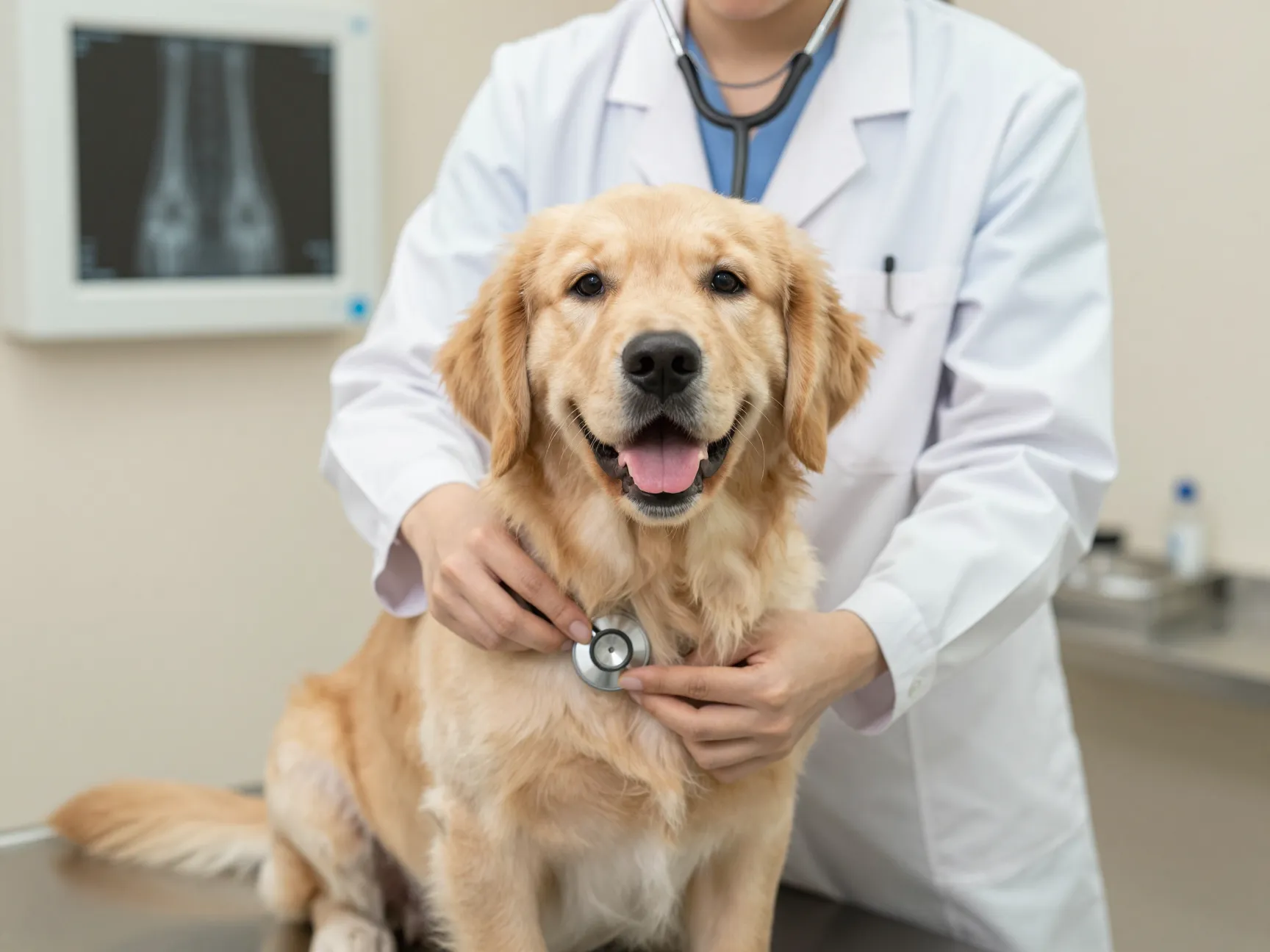
Puppies and young Goldens should not be treated as running partners until their skeletal system has finished developing. Growth plates, the soft areas of cartilage at the ends of long bones, typically close somewhere between 18 and 24 months in this breed. Running on plates that have not yet hardened increases the risk of permanent joint damage, including early-onset arthritis and hip or elbow dysplasia.
Before starting any structured running program, schedule a veterinary exam. A veterinarian can:
- Confirm approximate growth plate closure based on age, breed, and individual development.
- Screen for early signs of hip or elbow dysplasia, which is relatively common in the breed.
- Check heart and lung function to rule out conditions that make sustained exercise risky.
- Offer an individualized recommendation rather than a generic age cutoff.
Until that clearance is given, current 2026 breed-specific guidance recommends limiting exercise to brisk walks and very brief jogging intervals for dogs under 18 months, with no sustained running. This is not overly cautious; it is a direct response to how often orthopedic injuries in young large-breed dogs trace back to running programs started too early.
“The biggest mistake owners make is treating a twelve-month-old Golden Retriever like a fully grown adult simply because it looks big enough to keep up.”
2. Increase Distance and Intensity Gradually With the 10 Percent Rule
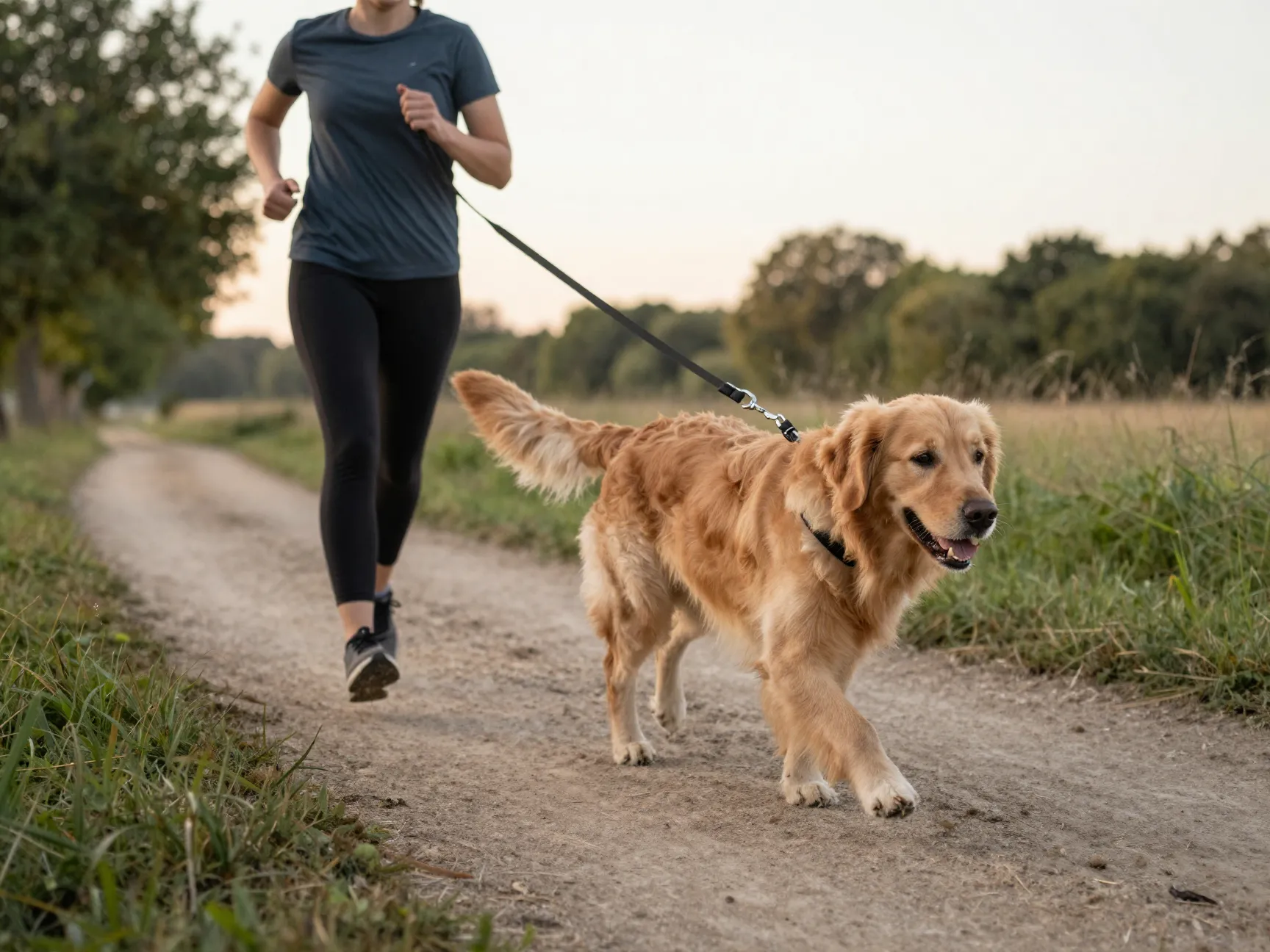
Once a dog is cleared to run, the instinct is often to jump straight into multi-mile outings. That approach ignores how connective tissue, cardiovascular conditioning, and paw toughness all need time to adapt. A safer, evidence-based approach starts small and builds slowly.
A practical guideline used by veterinary running programs is to begin with runs of about 1 to 2 miles and add no more than roughly 10 percent additional distance per week. This modest pace allows tendons, ligaments, and paw pads to strengthen without being overwhelmed.
Early sessions should also alternate walking and jogging rather than sustained running. This interval approach builds cardiovascular endurance first, so that when speed or distance eventually increases, the dog’s stamina base can support it. Only after a solid foundation of endurance is established should intensity or speed be increased.
Watch for these signs that the pace or distance has increased too quickly:
- Heavy, prolonged panting that does not settle during rest breaks.
- Visibly lagging behind rather than trotting or running alongside comfortably.
- Limping, favoring a leg, or a stiff gait after the run.
- Reluctance to continue or sudden stopping mid-route.
Any of these signals should trigger an immediate pause in the running plan and a step back to shorter, easier sessions.
3. Pick Safe Surfaces and Protect Your Dog’s Paws
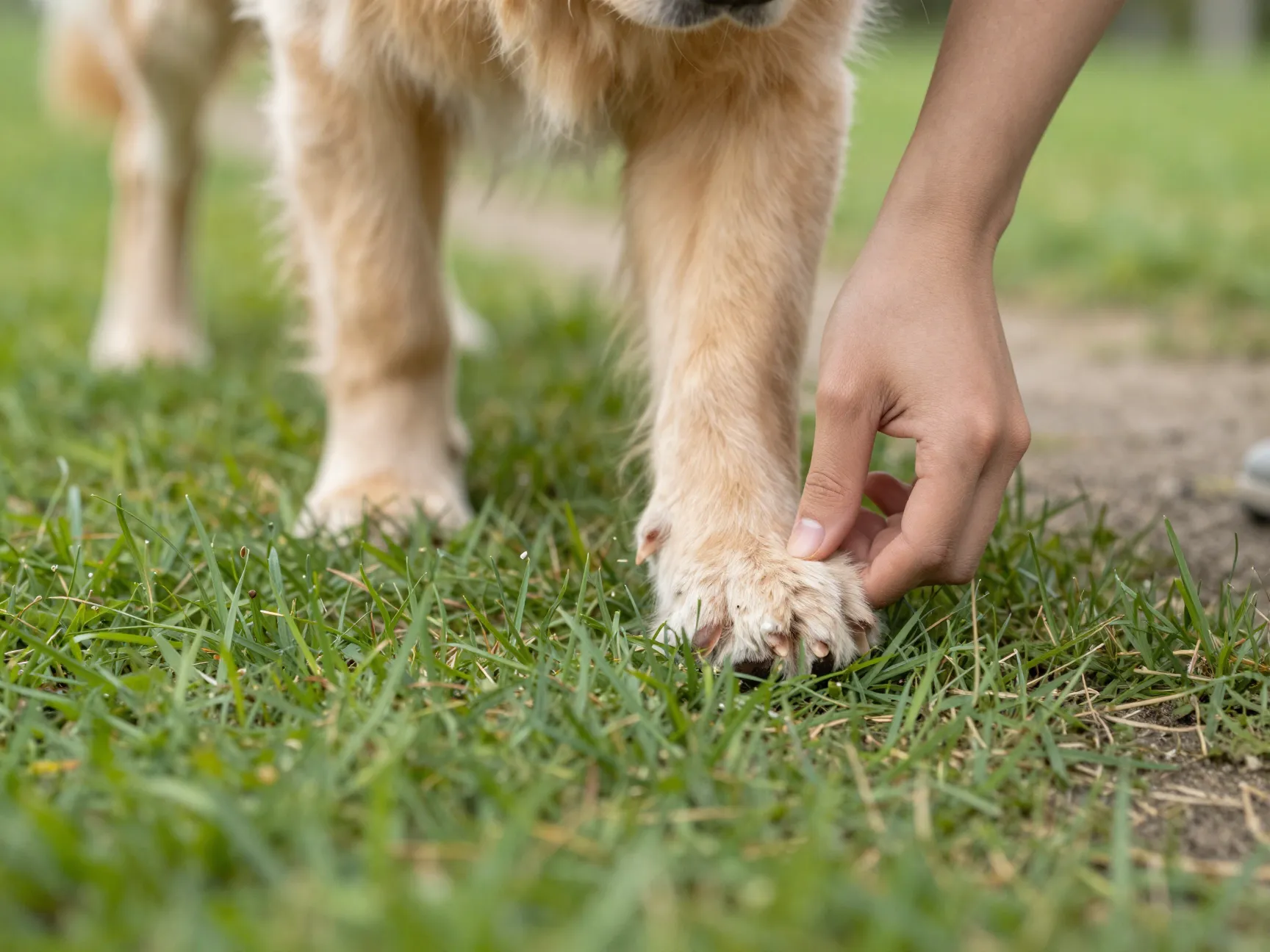
The ground beneath a Golden Retriever’s feet has a direct impact on both joint health and paw safety. Veterinarians consistently recommend soft, forgiving surfaces such as grass, dirt trails, and packed earth over harder options like concrete sidewalks or asphalt roads.
Here is a quick comparison of common running surfaces:
| Surface | Impact on Joints | Paw Safety | Overall Recommendation |
|---|---|---|---|
| Grass or dirt trail | Low impact, cushioned | Generally safe, watch for debris | Preferred choice |
| Packed dirt path | Low to moderate impact | Good, check for sharp objects | Good choice |
| Concrete sidewalk | High impact, hard on joints | Can abrade pads over time | Use sparingly |
| Hot asphalt | High impact | Risk of burns in warm weather | Avoid, especially midday |
Debris such as broken glass, sharp gravel, and hidden grass seeds can cause injuries that are not always obvious right away. After every run, check paw pads for cuts or abrasions and inspect between the toes for embedded seeds or thorns, which can work their way under the skin if missed. Dogs that run frequently on rough or hot terrain may benefit from protective boots, particularly during summer months when pavement temperatures climb well above what feels safe to bare human skin.
4. Manage Heat and Schedule Runs for Cooler Hours
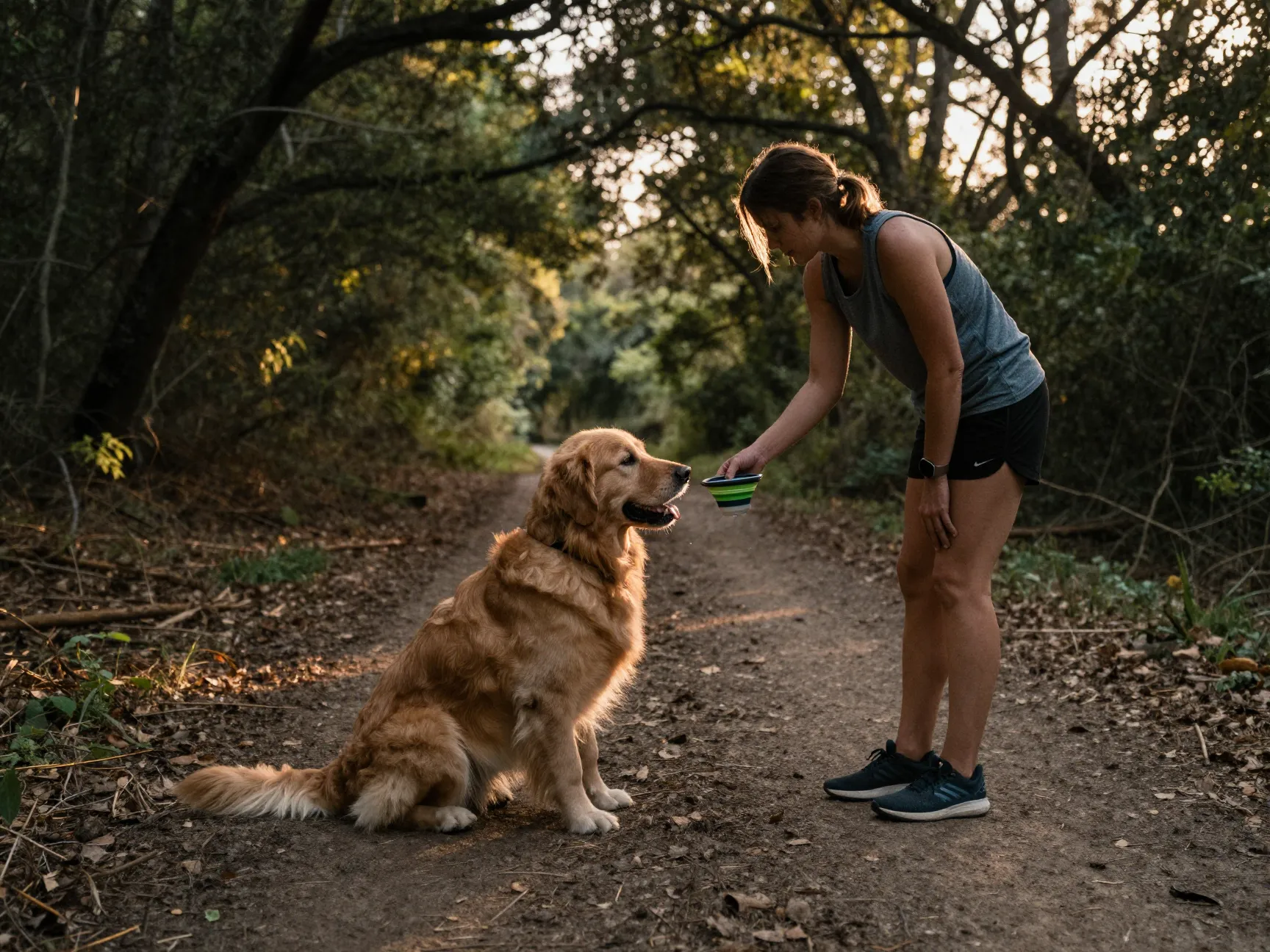
Heat has become one of the most urgent safety concerns in dog exercise, and the data backs that up. With dozens of confirmed heatstroke deaths already reported in a single recent year and well over a hundred heat-related animal deaths recorded the year before, veterinary hospitals and welfare organizations are no longer treating this as a minor seasonal warning. It is a core safety issue.
Golden Retrievers are particularly vulnerable because of their thick double coat, which traps body heat during exertion. Veterinary hospital guidance recommends restricting outdoor exercise on hot days and scheduling runs only during cooler parts of the day, generally early morning or late evening.
A simple rule many veterinarians now recommend: avoid long or vigorous runs altogether once temperatures climb above roughly 85°F, or about 29°C, especially when humidity is also high. Humidity matters because it limits a dog’s ability to cool down through panting, which is their primary heat-regulation method since they do not sweat the way humans do.
Practical heat-management steps include:
- Checking the forecast before heading out and shifting the run earlier or later if temperatures are climbing.
- Choosing shaded routes with tree cover over open, sun-exposed paths.
- Shortening the run significantly, or skipping it entirely, on days above the 85°F threshold.
- Watching for early heat stress signs like excessive drooling, bright red gums, or a wobbly gait.
Experts increasingly predict that as heatwaves become more frequent, guidance will keep shifting toward shorter, cooler-hour runs and broader use of cooling vests and paw protection during warm months.
5. Prioritize Hydration and Built-In Rest Breaks
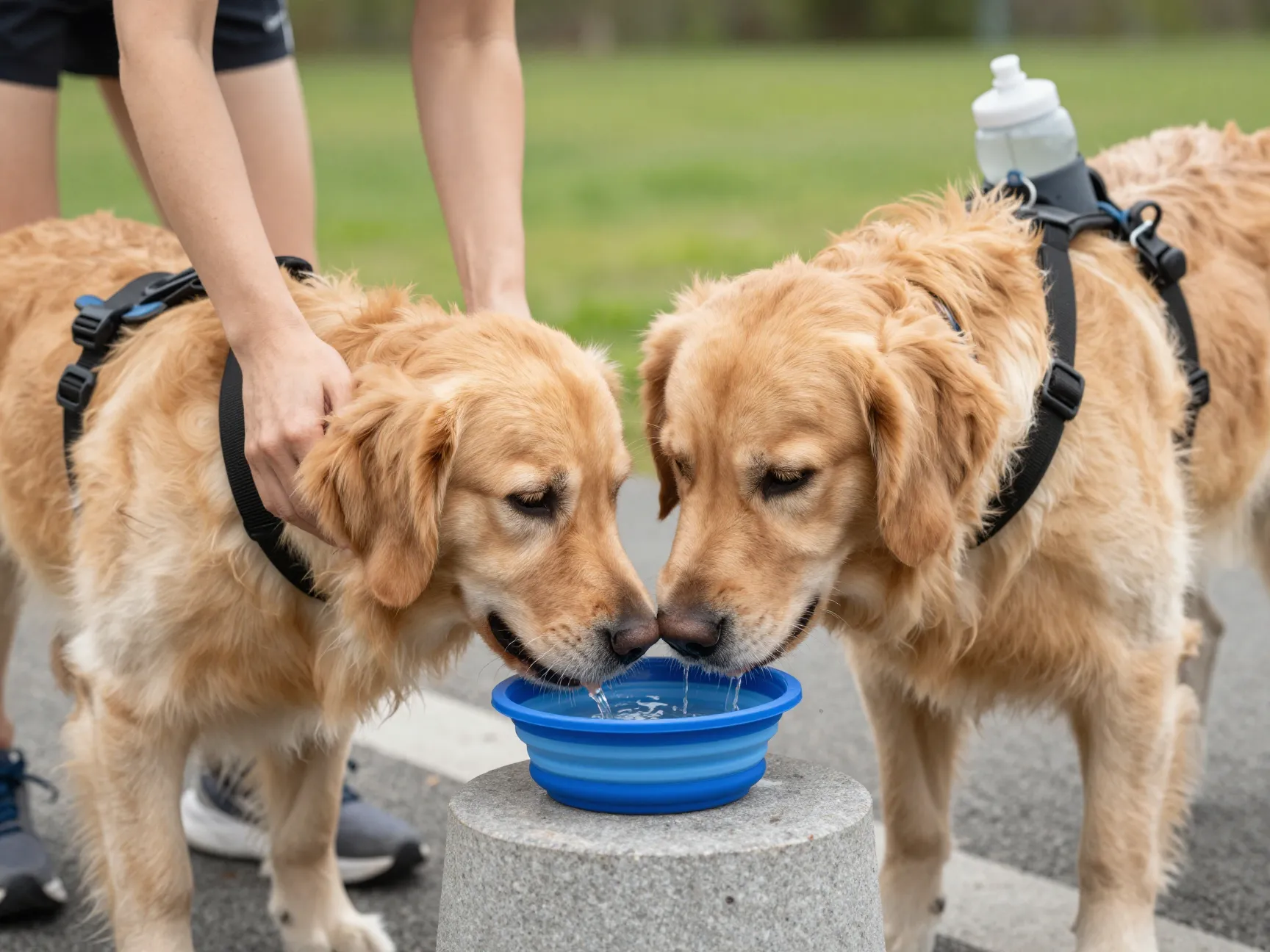
Water access during a run is not optional, particularly for a breed with a heavy coat that retains heat. Updated veterinary advice recommends regular water stops throughout a run rather than one large drink at the end, since steady hydration helps regulate body temperature more effectively than catching up after the fact.
At the same time, over-hydration is a real but less commonly discussed risk. Letting a dog gulp large amounts of water in one sitting immediately after intense exercise can occasionally contribute to stomach discomfort or bloat in large breeds. The safer approach is offering small amounts of water at multiple points during the run and again afterward, rather than one big bowl all at once.
Rest breaks matter just as much as water. Building short pauses into a route, especially on warmer days or longer distances, gives a dog’s cardiovascular system a chance to recover before continuing. Owners should plan routes with realistic access to water sources and, when running longer distances or in remote areas, a general awareness of the nearest veterinary clinic in case of injury or sudden illness.
Stopping immediately is warranted the moment a dog shows excessive panting or starts to lag noticeably behind. Pushing through those signs in hopes of finishing the route is one of the most common ways minor overexertion turns into a genuine medical emergency.
6. Use Proper Gear, Leash Control, Training, and a Proper Cooldown
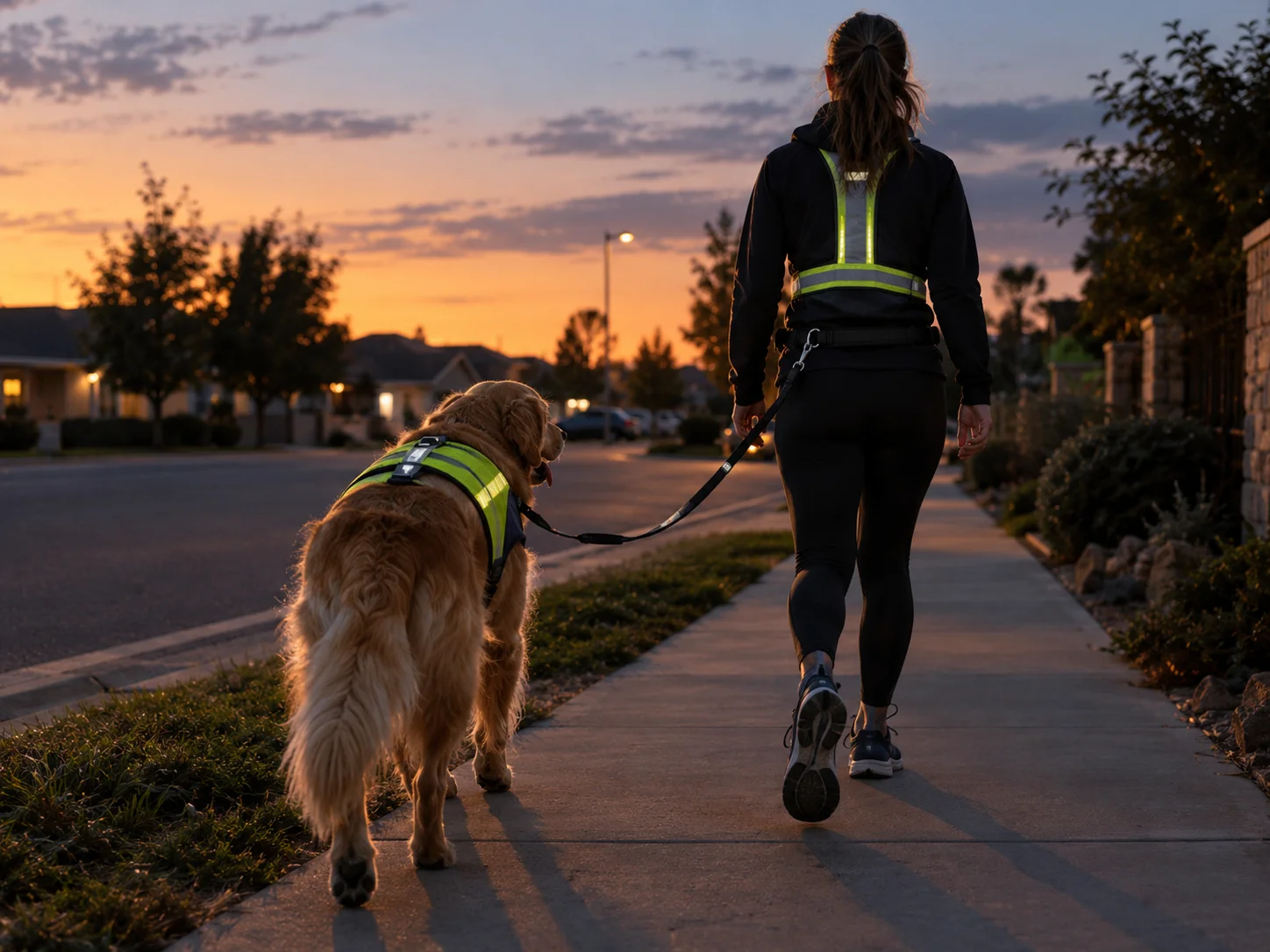
The final piece of a safe running routine covers everything that happens before, during, and immediately after the run itself.
Gear and visibility. General veterinary guidance suggests a leash between 4 and 6 feet long, long enough to give a dog some freedom of movement while still allowing quick control if needed. Golden-specific resources also recommend a well-fitted harness paired with a hands-free running leash system, which distributes pulling force more evenly than a collar. For dawn or dusk runs, reflective vests, collar lights, or reflective leash attachments significantly increase visibility to drivers and cyclists sharing the same paths.
Training before off-leash running. A dog should reliably respond to voice commands, especially recall, before any off-leash running is considered, and even then only in genuinely safe, enclosed, low-traffic areas. Running multiple Golden Retrievers together should always mean separate leashes for each dog to prevent tangling, tripping, or collisions during sudden direction changes.
Route selection. Choosing low-distraction paths away from busy streets, dense crowds, and unpredictable hazards like off-leash dogs or wildlife reduces the chance of a sudden pull, spook, or accident mid-run.
Cooldown and post-run checks. Ending every run with several minutes of walking allows muscles and heart rate to come down gradually rather than stopping abruptly. Immediately afterward, check paws for cuts, burns, or embedded debris, and take a moment to observe overall behavior.
Following all six of these steps consistently, rather than picking one or two favorites, is what separates a genuinely safe running routine from one that simply looks safe on the surface.
Warning Signs You Must Stop a Golden Retriever Run Immediately
Even with careful planning, situations can change mid-run. Recognizing warning signs early can prevent a routine outing from becoming a veterinary emergency.
| Warning Sign | What It May Indicate | Immediate Action |
|---|---|---|
| Inability to keep up or sudden stopping | Overexertion or joint pain | Stop, walk slowly, offer water |
| Excessive or labored panting | Overheating or cardiovascular stress | Move to shade, cool down, monitor closely |
| Foaming at the mouth | Heat stress or extreme exertion | Stop immediately, seek shade and water |
| Glazed or unfocused eyes | Possible heat illness | Stop, cool the dog, contact a veterinarian |
| Limping or favoring a leg | Muscle strain or paw injury | Stop, inspect paws, rest the dog |
| Bright red or pale gums | Heat stress or circulation issue | Treat as an emergency, contact a vet promptly |
Any combination of these signs, especially glazed eyes paired with heavy panting or foaming at the mouth, should be treated as a potential heatstroke emergency rather than simple tiredness. Clinics have reported a noticeable rise in heat and over-exertion cases in active dogs over the past two years, which underscores why quick recognition and response matter more than ever.
Building a Safe Weekly Running Routine
For owners starting fresh with a cleared, adult Golden Retriever, a gradual weekly structure helps translate these six tips into a repeatable habit rather than a one-time checklist.
- Week one: two or three short sessions of 1 to 1.5 miles, mostly walking with brief jogging intervals on soft trails.
- Week two: slightly longer sessions, increasing total distance by roughly 10 percent, still monitoring panting and gait closely.
- Week three: introduce slightly more continuous jogging while keeping overall weekly mileage increases modest.
- Week four and beyond: continue the 10 percent weekly increase only if the dog shows no signs of fatigue, limping, or reluctance from the previous week.
This slow build allows paw pads to toughen, cardiovascular fitness to improve, and joints to adapt without the injury risk that comes from jumping straight into ambitious mileage.
The Future of Safe Running Guidance for Golden Retrievers
Given the documented rise in pet heatstroke cases and increasingly frequent summer heatwaves, veterinary experts and pet safety writers expect running advice to keep evolving. More explicit heat-based exercise advisories, broader adoption of cooling vests and protective booties, and stricter recommendations about canceling runs on hot, humid days are all likely trends over the next several years. It is reasonable to expect that “safe running” guidance for Golden Retrievers will continue shifting toward shorter, cooler-hour sessions, conservative mileage increases, and a stronger emphasis on individualized veterinary assessments rather than one-size-fits-all age charts.
Frequently Asked Questions
At what age can a Golden Retriever start running safely?
Most veterinary guidance points to somewhere between 18 and 24 months, once growth plates have closed, and only after an individual veterinary exam confirms the dog is ready.
How hot is too hot for a run?
Many veterinary sources now recommend avoiding long or vigorous runs once temperatures climb above roughly 85°F, especially when humidity is also high.
How much distance is safe to add each week?
A commonly cited guideline is no more than about a 10 percent increase in distance per week, paired with close attention to panting, gait, and enthusiasm.
Do Golden Retrievers need boots for running?
Not always, but boots can help on hot pavement, rough trails, or icy winter surfaces where paw pads are at higher risk of burns or cuts.
What should be checked after every run?
Paw pads for cuts or abrasions, the spaces between toes for embedded grass seeds, and overall behavior for lingering heavy panting, limping, or unusual lethargy.
Conclusion
Running with a Golden Retriever can strengthen the bond between dog and owner while supporting long-term physical and mental health for both. But the breed’s eagerness to please, thick coat, and specific growth timeline mean that safety cannot be an afterthought. Applying these 6 Essential Tips For Safe Golden Retriever Running, waiting for growth plate closure and veterinary clearance, building mileage gradually, choosing joint-friendly surfaces, managing heat exposure, prioritizing hydration and rest, and using proper gear with a real cooldown, turns running from a potential risk into a genuinely rewarding shared activity.
The next step is straightforward: schedule a veterinary check before starting or restarting any running program, map out a few cooler-hour routes with soft footing, and commit to the slow, steady mileage increases that protect joints for the long run. A cautious start now is what keeps a Golden Retriever running comfortably for many years to come.