7 Cat Eye Specs That Prove Your Kitty Has 20/20 Cuteness
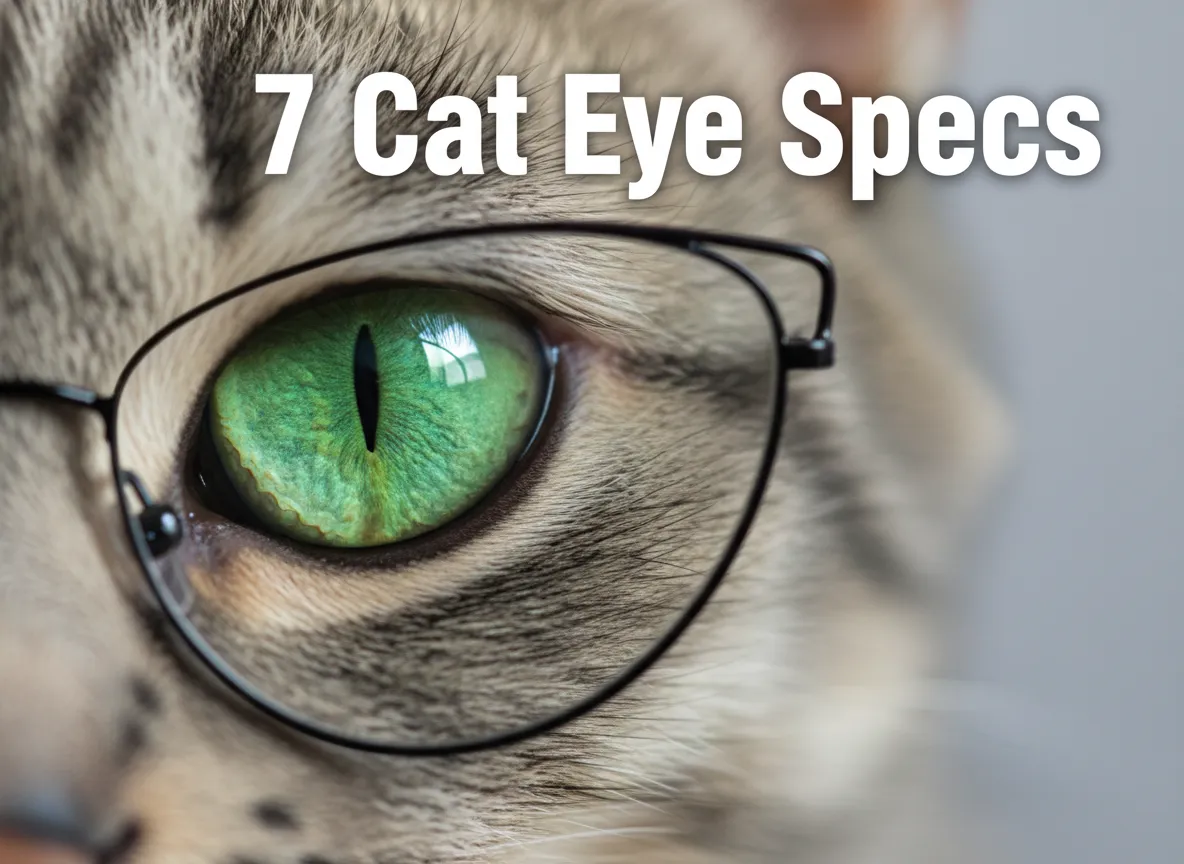
Have you ever gazed into your cat’s mesmerizing eyes and wondered what makes them so absolutely captivating? Those stunning orbs aren’t just windows to your feline’s soul—they’re genetic masterpieces that showcase nature’s incredible artistry. When it comes to 7 Cat Eye Specs That Prove Your Kitty Has 20/20 Cuteness, we’re diving deep into the fascinating world of feline eye colors that will leave you amazed by the science behind your pet’s irresistible charm.
Disclosure: This post contains affiliate links. As an Amazon Associate, we earn from qualifying purchases, and at no extra cost to you.
Key Takeaways
- Genetic complexity: Cat eye colors result from intricate genetic mechanisms involving melanin production, with blue eyes requiring decreased eumelanin pigment
- Developmental timeline: All kittens start with temporary blue eyes that transform into permanent colors by 16 weeks of age
- Dominant traits: The DBE gene can produce blue eyes or heterochromia in cats regardless of coat color with just one copy
- Color spectrum: Feline eyes range from deep sapphire blues to golden ambers, with gray serving as a genetic bridge between variations
- Cuteness factor: Each eye color variation contributes to your cat’s unique charm and irresistible appeal
The world of cat eye colors is far more complex and beautiful than most pet owners realize. From the genetic lottery that determines whether your kitten will have piercing blue eyes or warm amber ones, to the evolutionary advantages certain colors provide, every aspect tells a remarkable story. Let me guide you through the seven most enchanting eye specifications that make cats absolutely irresistible.
The Science Behind Feline Eye Color Magic
Understanding why cats have such diverse and stunning eye colors requires a peek into the fascinating world of feline genetics. The color of your cat’s eyes depends primarily on the amount and type of melanin present in the iris—the colored part of the eye that surrounds the pupil.
Melanin production in cats is controlled by multiple genes working together in complex ways. The primary pigment responsible for darker eye colors is eumelanin, a brown melanin that creates the foundation for most eye colors we see in our feline friends [2]. When eumelanin levels are high, cats develop deeper, warmer eye colors like copper and amber. When these levels decrease significantly, we get the stunning blue eyes that make many cat lovers weak in the knees.
But here’s where it gets really interesting: all newborn kittens have temporary blue eyes within the first 4-6 weeks after birth [3]. This happens because their iris development is incomplete, and light scattering (called Tyndall scattering) creates that beautiful blue appearance. Think of it as nature’s way of making every kitten absolutely adorable from day one!
The permanent eye color begins to emerge around 6-8 weeks and stabilizes by approximately 16 weeks of age [3]. This transformation period is like watching a slow-motion magic trick as your kitten’s true eye color gradually reveals itself.
The Role of Coat Color Genes
What makes feline eye genetics even more fascinating is how white coat genes significantly increase the likelihood of blue or odd eyes by reducing melanin production not just in the fur, but also in the iris [4]. This connection between coat color and eye color explains why many white cats sport those stunning blue eyes that seem to glow with an otherworldly beauty.
The relationship between genetics and eye color isn’t just about beauty—it’s about understanding the incredible diversity that makes each cat unique. Gray eyes serve as a genetic bridge between brown and blue eyes in wild cat populations, allowing for the diversification of eye colors including greens, yellows, and blues [2]. This genetic flexibility has given domestic cats an amazing range of eye colors that wild cats rarely display.
Discovering the 7 Cat Eye Specs That Prove Your Kitty Has 20/20 Cuteness
Now that we understand the science, let’s explore the seven most captivating eye color specifications that make cats absolutely irresistible. Each of these variations represents a unique genetic achievement and contributes to the overall charm that makes cats such beloved companions.
1. Sapphire Blue Eyes: The Crown Jewel of Feline Beauty
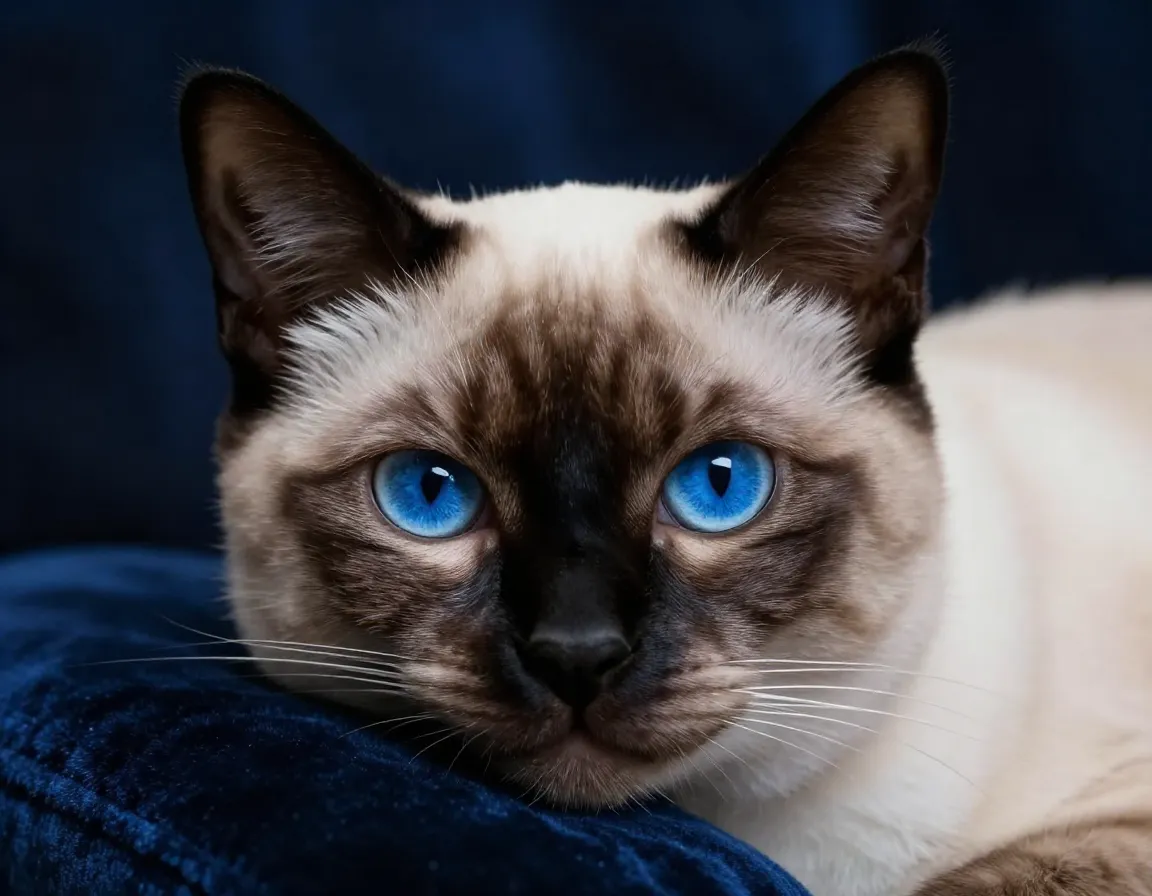
Blue eyes in cats are recessive and require a decrease in eumelanin (brown melanin) pigment [2], making them relatively rare and incredibly striking. When you look into a cat’s blue eyes, you’re seeing the result of minimal melanin production combined with light scattering that creates that mesmerizing azure appearance.
Siamese cats are perhaps the most famous blue-eyed breed, with their piercing sapphire gaze that seems to look straight into your soul. These eyes often appear almost translucent in certain lighting, creating an ethereal quality that’s simply breathtaking. The intensity of blue can vary from pale sky blue to deep ocean blue, with each variation offering its own unique charm.
What makes blue eyes extra special: The lack of melanin means these eyes are more sensitive to light, which is why blue-eyed cats often have that slightly squinty, mysterious expression that adds to their allure. This sensitivity isn’t harmful—it’s just another endearing trait that makes these cats even more captivating.
2. Emerald Green Eyes: Nature’s Perfect Gemstones
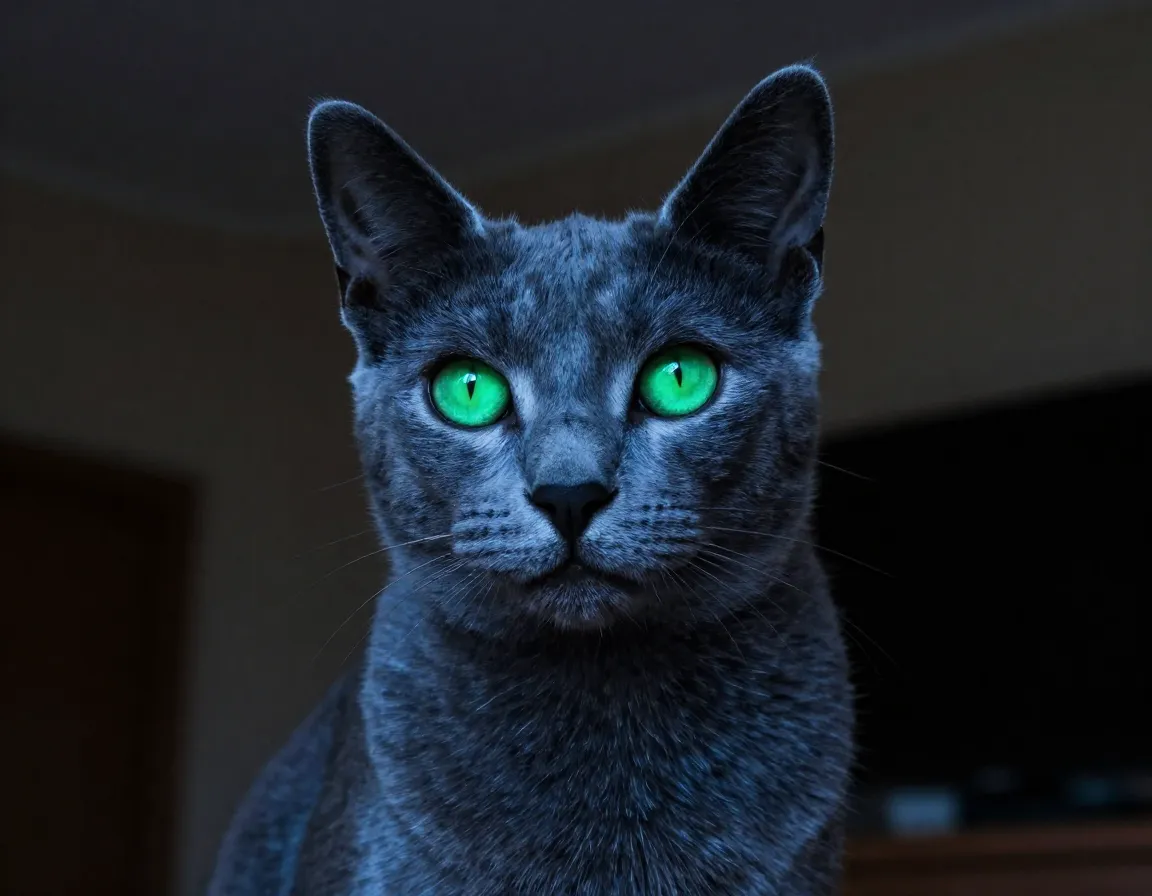
Green eyes in cats represent a perfect balance of melanin production that creates one of the most striking eye colors in the feline world. These eyes can range from pale jade to deep forest green, with many cats displaying a brilliant emerald shade that’s absolutely mesmerizing.
The Egyptian Mau and Russian Blue breeds are particularly known for their stunning green eyes, which often appear to glow in low light conditions. This luminous quality comes from a reflective layer behind the retina called the tapetum lucidum, which helps cats see better in darkness and creates that magical glow we associate with feline eyes.
Green-eyed cats often have a particularly intense gaze that seems both wise and playful. The color can shift subtly depending on lighting conditions and the cat’s mood, sometimes appearing more yellow-green in bright light and deeper emerald in softer lighting.
3. Golden Yellow Eyes: Liquid Sunshine in Feline Form
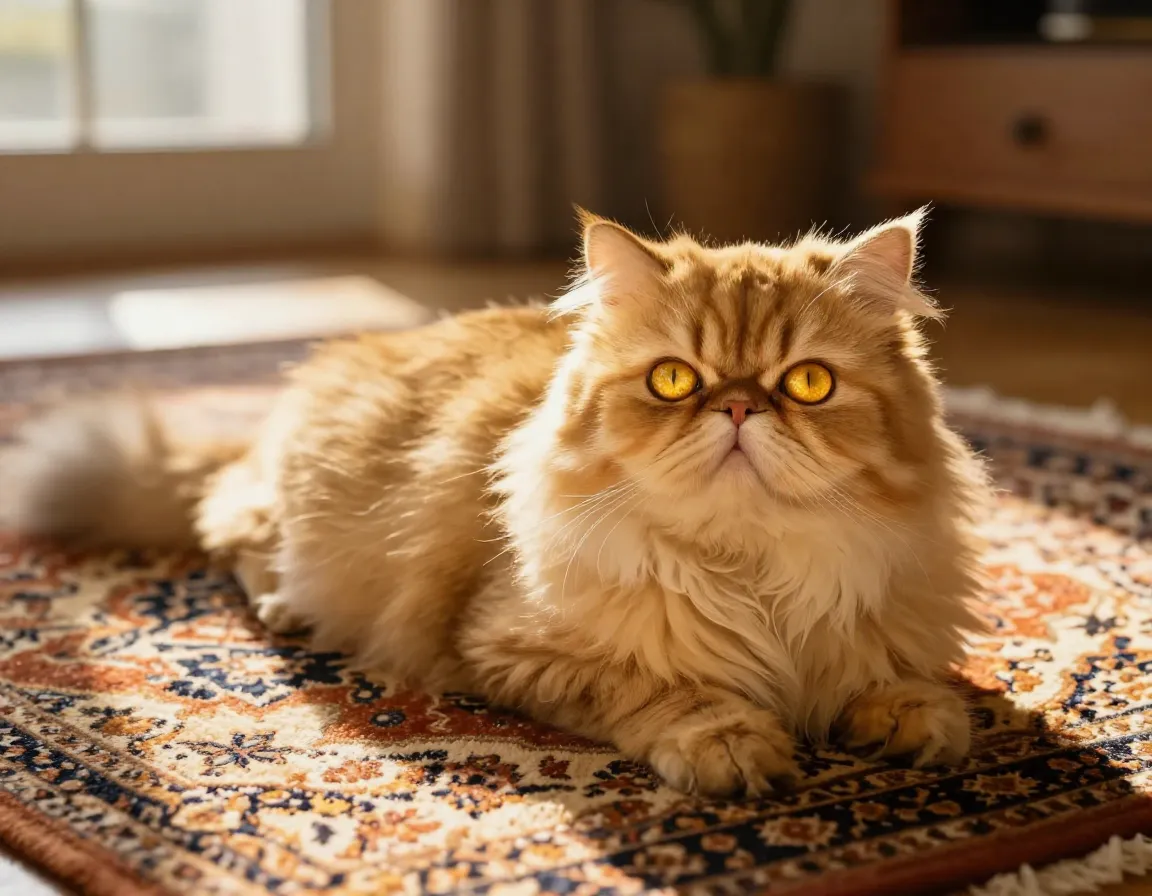
Golden yellow eyes are perhaps the most common eye color in domestic cats, but that doesn’t make them any less spectacular. These warm, honey-colored eyes create an immediate sense of comfort and friendliness that draws people in instantly.
The golden color comes from moderate levels of melanin that filter light to create those beautiful amber and yellow tones. Persian cats and many domestic shorthairs sport these gorgeous golden eyes that seem to radiate warmth and intelligence.
What’s particularly charming about golden eyes is how they complement almost any coat color, from sleek black to warm orange tabby patterns. The eyes often have subtle variations in shade, with some appearing more copper-toned while others lean toward pale yellow or bright amber.
4. Copper and Amber Eyes: The Warm Embrace of Autumn
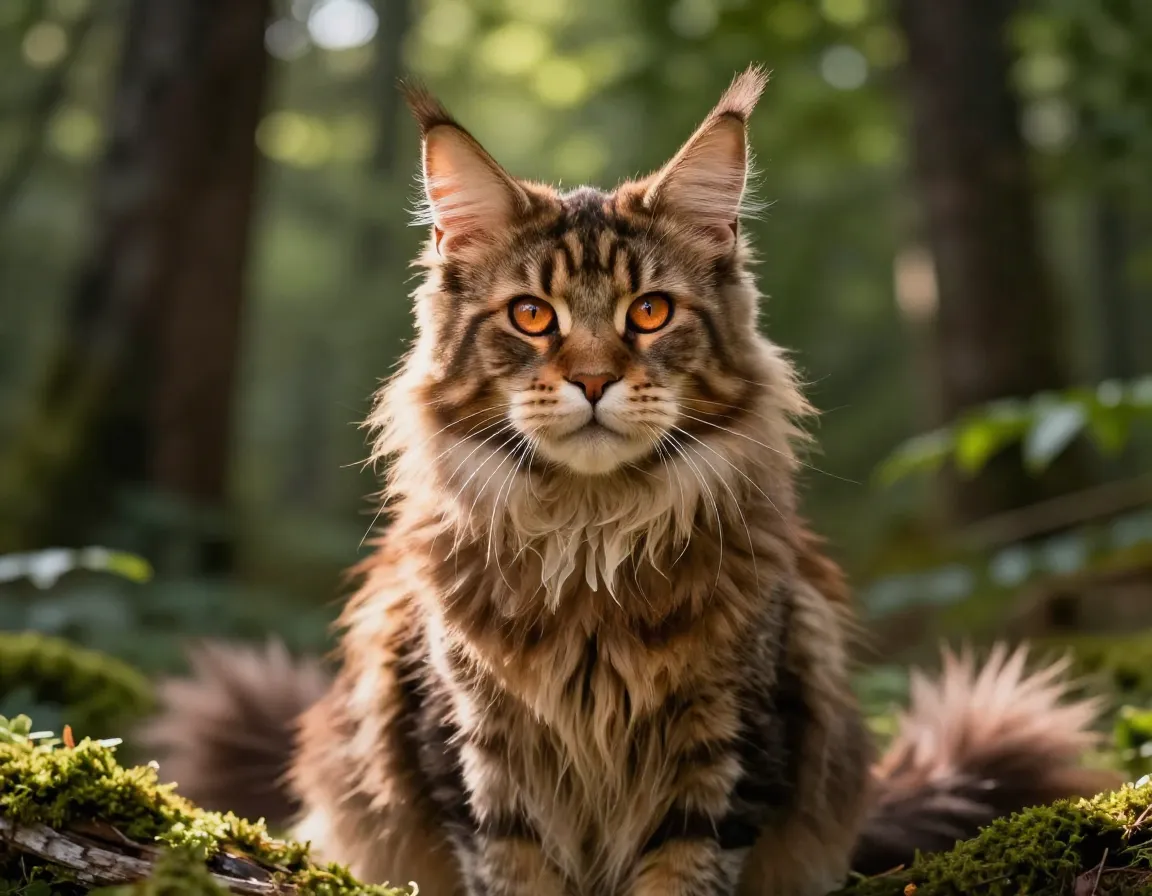
Copper and amber eyes represent the deeper end of the yellow eye spectrum, with higher melanin concentrations creating these rich, warm colors. These eyes often appear almost metallic in certain lighting, giving cats an regal, dignified appearance that’s absolutely captivating.
Maine Coon cats frequently display these beautiful copper eyes, which perfectly complement their large size and majestic bearing. The depth of color in copper eyes can be truly stunning, ranging from bright penny copper to deep bronze that seems to glow from within.
Amber eyes offer a slightly different appeal, with their honey-golden color that often includes flecks of yellow and orange. These eyes have a particularly warm, inviting quality that makes cats appear friendly and approachable—perfect for winning over even the most dedicated dog lovers.
5. Heterochromia: The Ultimate in Feline Uniqueness
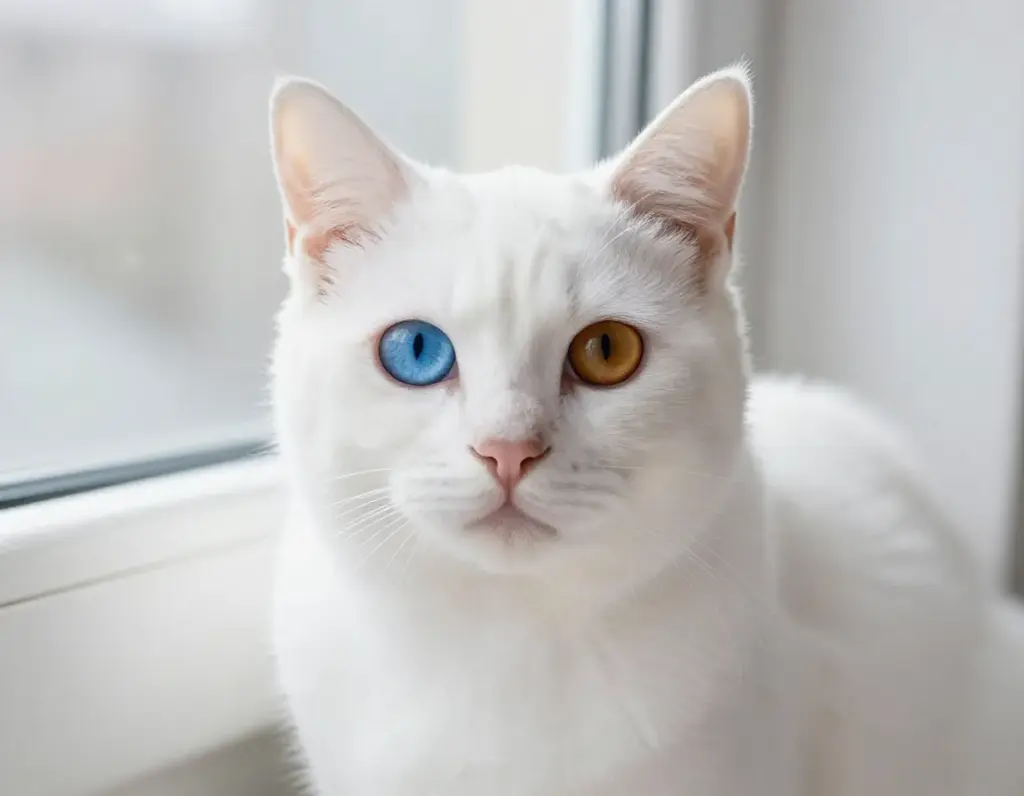
Perhaps no eye characteristic captures attention quite like heterochromia—when a cat has two different colored eyes. This stunning genetic variation occurs when melanin production differs between the two eyes, creating an absolutely unique and mesmerizing appearance.
The DBE (Dominant Blue Eyes) gene is a dominant genetic mutation that produces blue eyes or heterochromia (odd eyes) in cats regardless of coat color, requiring only one copy of the gene for expression [5]. This means that cats with heterochromia often have one blue eye and one eye of another color—typically green, yellow, or amber.
White cats are particularly prone to heterochromia, with the condition appearing in various breeds including Turkish Angora, Turkish Van, and many domestic longhairs. The contrast between a brilliant blue eye and a warm amber or green eye creates a striking appearance that’s impossible to ignore.
Fun fact: Cats with heterochromia are often considered lucky in many cultures, and it’s easy to see why—they’re absolutely enchanting and represent the beautiful diversity possible in feline genetics.
6. Silver-Gray Eyes: The Sophisticated Neutral
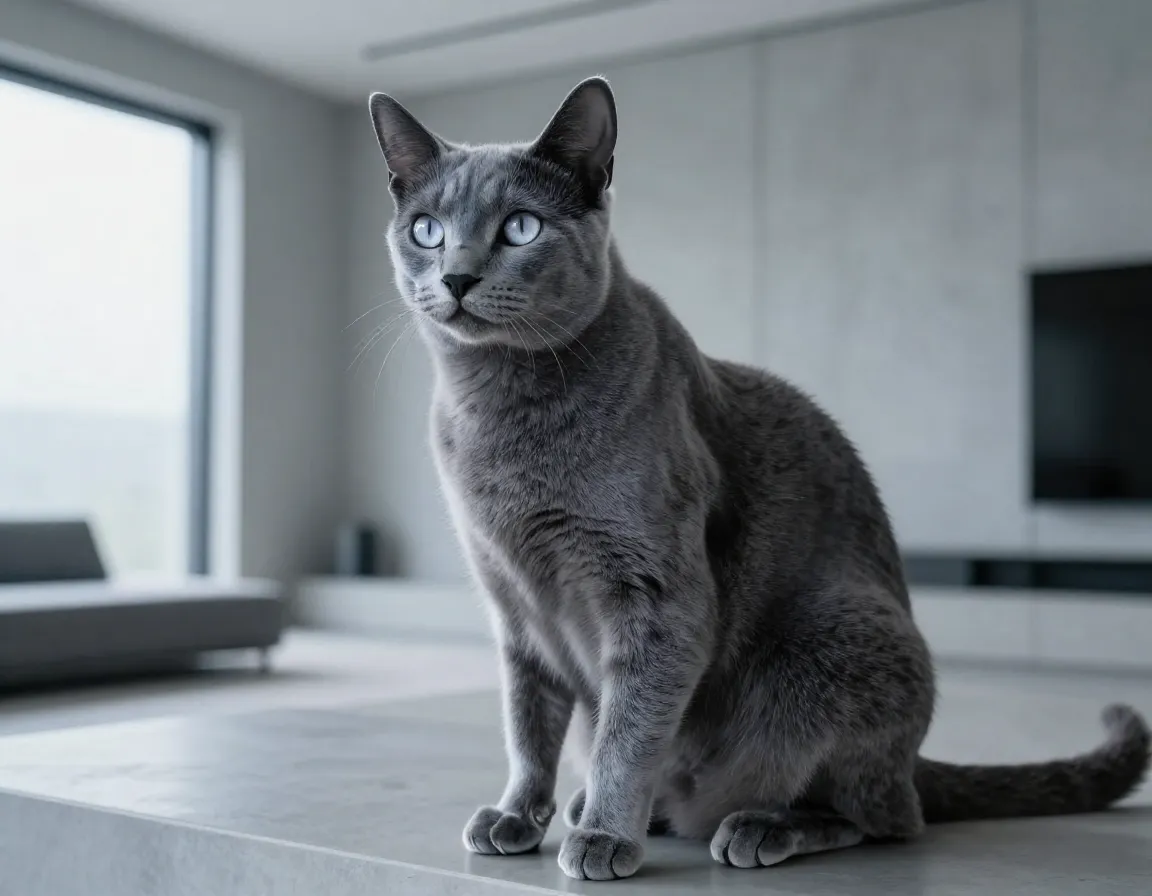
Silver-gray eyes are relatively uncommon but absolutely stunning when they occur. These eyes represent a unique balance of melanin that creates a sophisticated, almost metallic appearance that’s both subtle and striking.
Russian Blue cats sometimes display these beautiful silver-gray eyes that perfectly complement their blue-gray coats. The color can appear almost lavender in certain lighting conditions, creating an otherworldly beauty that’s simply captivating.
Gray eyes often have a particularly intense quality, with a depth that seems to reflect wisdom and intelligence. They can shift between silver and blue-gray depending on lighting and the cat’s emotional state, adding an element of mystery to their appeal.
7. Hazel Eyes: The Chameleon Colors
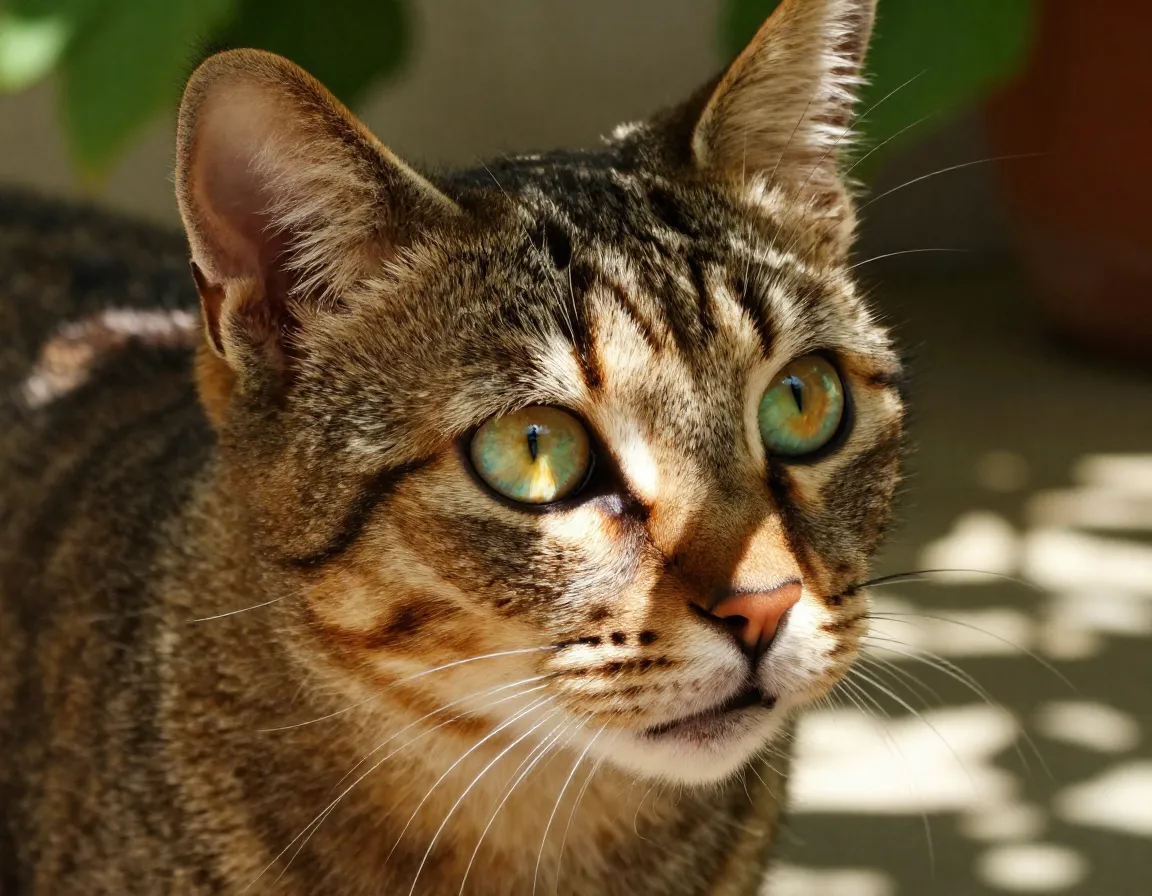
Hazel eyes in cats are perhaps the most complex and fascinating of all eye colors. These eyes contain multiple pigments that create a constantly changing appearance, shifting between green, yellow, and brown depending on lighting conditions and viewing angle.
The beauty of hazel eyes lies in their unpredictability—they might appear primarily green in morning light, shift to golden yellow in afternoon sun, and show brown flecks in evening illumination. This chameleon-like quality makes cats with hazel eyes endlessly fascinating to observe.
Many domestic shorthairs and mixed breed cats display these beautiful hazel eyes, which often include intricate patterns and color variations that make each eye unique. The complexity of hazel eyes reflects the rich genetic diversity that makes domestic cats so wonderfully varied and appealing.
The Cuteness Factor: Why These Eye Colors Melt Our Hearts
Understanding why certain eye colors make cats so irresistibly cute involves both science and psychology. The large size of cat eyes relative to their head, combined with the intense colors and reflective qualities, triggers our natural nurturing instincts.
Bright, clear eyes signal health and vitality in cats, which our brains interpret as positive traits worthy of protection and care. The direct gaze that cats often give us, combined with their stunning eye colors, creates an immediate emotional connection that’s hard to resist.
The contrast between eye color and fur also plays a crucial role in perceived cuteness. A white cat with brilliant blue eyes, or a black cat with golden eyes, creates visual drama that captures our attention and admiration instantly.
The Evolution of Feline Eye Appeal
From an evolutionary perspective, the diverse eye colors we see in domestic cats represent thousands of years of selective breeding and natural genetic variation. While wild cats typically have more limited eye color ranges, domestic cats have developed an incredible spectrum that enhances their appeal as companions.
The fact that gray eyes serve as a genetic bridge between brown and blue eyes in wild cat populations [2] shows how domestic cats have expanded on this natural foundation to create the stunning variety we see today. Each eye color represents a successful genetic combination that has been preserved and enhanced through generations of breeding.
Caring for Those Beautiful Eyes
Regardless of which of these 7 Cat Eye Specs That Prove Your Kitty Has 20/20 Cuteness your feline friend possesses, proper eye care is essential for maintaining their health and beauty. Here are some important considerations:
Regular observation is key to maintaining your cat’s eye health. Look for changes in color, clarity, or discharge that might indicate health issues. While some minor changes are normal as cats age, significant alterations warrant veterinary attention.
Gentle cleaning around the eyes can help maintain their sparkle and health. Use a soft, damp cloth to remove any discharge or debris, always wiping away from the eye toward the outer corner of the face.
Protection from injury is particularly important for cats with lighter-colored eyes, as they may be more sensitive to bright light and environmental irritants. Providing shaded areas and avoiding harsh chemicals near your cat’s face helps protect those beautiful eyes.
Special Considerations for Blue-Eyed Cats
Cats with blue eyes, particularly white cats with blue eyes, may have increased sensitivity to light and slightly higher risks for certain genetic conditions. However, this doesn’t diminish their beauty or make them less suitable as pets—it just means being aware of their special needs.
Sun protection can be beneficial for blue-eyed cats who spend time outdoors, as their lighter-colored eyes may be more susceptible to UV damage over time. Providing shaded areas and limiting exposure during peak sun hours helps protect their vision.
Conclusion
The 7 Cat Eye Specs That Prove Your Kitty Has 20/20 Cuteness represent far more than just beautiful colors—they’re windows into the fascinating world of feline genetics, evolution, and the special bond between cats and humans. From the recessive beauty of sapphire blue eyes to the complex charm of hazel eyes that shift with the light, each variation tells a story of genetic artistry millions of years in the making.
Whether your cat sports the mysterious allure of heterochromia, the warm invitation of golden eyes, or the sophisticated appeal of silver-gray orbs, you’re looking at a unique genetic masterpiece that contributes to your pet’s irresistible charm. The science behind these beautiful eyes—from the role of melanin production to the developmental timeline that transforms kitten blue to permanent adult colors—only enhances our appreciation for these remarkable creatures.
Take action today by spending a few extra moments really looking into your cat’s eyes. Notice the subtle variations in color, the way light plays across the iris, and the unique patterns that make your feline friend one-of-a-kind. Consider photographing those beautiful eyes to capture their current beauty, especially if you have a young cat whose colors are still developing.
Remember that regardless of color, your cat’s eyes are precious and deserve proper care. Schedule regular veterinary checkups, keep those eyes clean and healthy, and continue to marvel at the genetic lottery that gave your furry friend such stunning windows to their soul. After all, when it comes to feline beauty, those eyes truly do prove that your kitty has 20/20 cuteness—and the science to back it up.
References
[1] New Cat Color Discovered Genes Defying Expectations – https://www.popularmechanics.com/science/a69607251/new-cat-color-discovered-genes-defying-expectations/
[2] Unlocking Kaleidoscope Big Cat Eyes Surprising Evolution Felid Eye Color Diversity – https://www.oeb.harvard.edu/news/unlocking-kaleidoscope-big-cat-eyes-surprising-evolution-felid-eye-color-diversity
[3] Fd64d05b2d669c7e67965ce1c84e0148 – https://www.oreateai.com/blog/genetic-characteristics-of-cat-eye-color-and-its-value-in-pedigree-identification/fd64d05b2d669c7e67965ce1c84e0148
[4] Cat Eye Colors – https://www.kinship.com/cat-health/cat-eye-colors
[5] The Dbe Gene Dominant Blue Eyes In Cats What It Is How It Works And Responsible Use In Breeding – https://royalvelvets.com/the-dbe-gene-dominant-blue-eyes-in-cats-what-it-is-how-it-works-and-responsible-use-in-breeding/
[6] Uncovering The Secrets Of Charming Odd Eyed Cats – https://www.ipb.ac.id/news/index/2025/10/uncovering-the-secrets-of-charming-odd-eyed-cats/
[7] onlinelibrary.wiley – https://onlinelibrary.wiley.com/doi/10.1111/age.13433