8 Adorable Pics of Bunny Breeds That Will Make You Smile
Have you ever wondered why rabbit videos consistently break the internet? There’s something magical about these fluffy, twitching-nosed creatures that instantly melts our hearts and brightens even the gloomiest days. Whether you’re scrolling through social media during a stressful workday or looking for a dose of pure joy, 8 adorable pics of bunny breeds that will make you smile have become the ultimate mood booster in 2026.
Disclosure: This post contains affiliate links. As an Amazon Associate, we earn from qualifying purchases, and at no extra cost to you.
From the tiniest Netherland Dwarf to the majestic Flemish Giant, each rabbit breed brings its own unique charm and personality. These aren’t just pets – they’re living, breathing bundles of happiness that have captured the hearts of millions worldwide. With the American Rabbit Breeders Association recognizing 53 distinct breeds [1], there’s an incredible variety of adorable characteristics to explore and fall in love with.
Key Takeaways
- Small breeds like Netherland Dwarfs and Holland Lops offer maximum cuteness in compact packages, perfect for apartment living
- Medium breeds such as Lionheads and Mini Rex combine manageable size with distinctive, photogenic features
- Large breeds including Flemish Giants and English Lops provide impressive presence and gentle temperaments
- Each breed has unique physical traits and personality characteristics that make them special
- Proper research is essential before choosing a rabbit breed to ensure compatibility with your lifestyle
The Irresistible World of Small Bunny Breeds
When it comes to 8 adorable pics of bunny breeds that will make you smile, small breeds consistently steal the spotlight with their compact cuteness and expressive personalities. These pint-sized companions pack enormous charm into their tiny frames, making them perfect subjects for those heart-melting photos that flood our social media feeds.
1. Netherland Dwarf: The Pocket-Sized Perfection
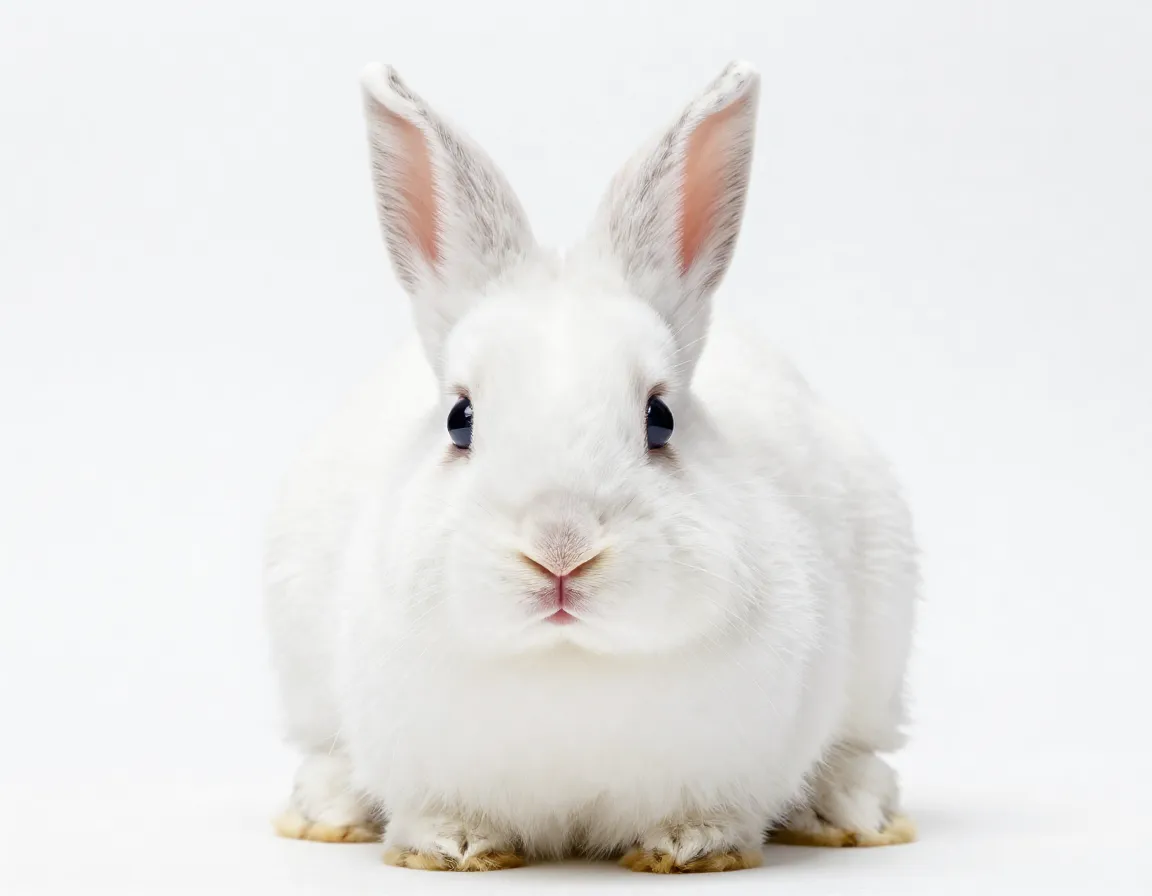
The Netherland Dwarf stands as the ultimate example of “good things come in small packages.” Weighing just 2-2.5 pounds when fully grown, these miniature marvels feature perfectly proportioned bodies with distinctively short, upright ears and large, bright eyes that seem to sparkle with mischief.
What makes Netherland Dwarfs particularly photogenic is their baby-like facial structure that triggers our natural nurturing instincts. Their compact, rounded heads and tiny noses create an eternally youthful appearance that translates beautifully in photographs. Available in over 25 color varieties, from classic white and black to exotic tortoiseshell patterns, each Netherland Dwarf is a unique work of art.
“The Netherland Dwarf’s perpetually youthful appearance and compact size make them natural social media stars – their photos consistently generate the highest engagement rates among rabbit content.”
2. Holland Lop: The Floppy-Eared Charmer
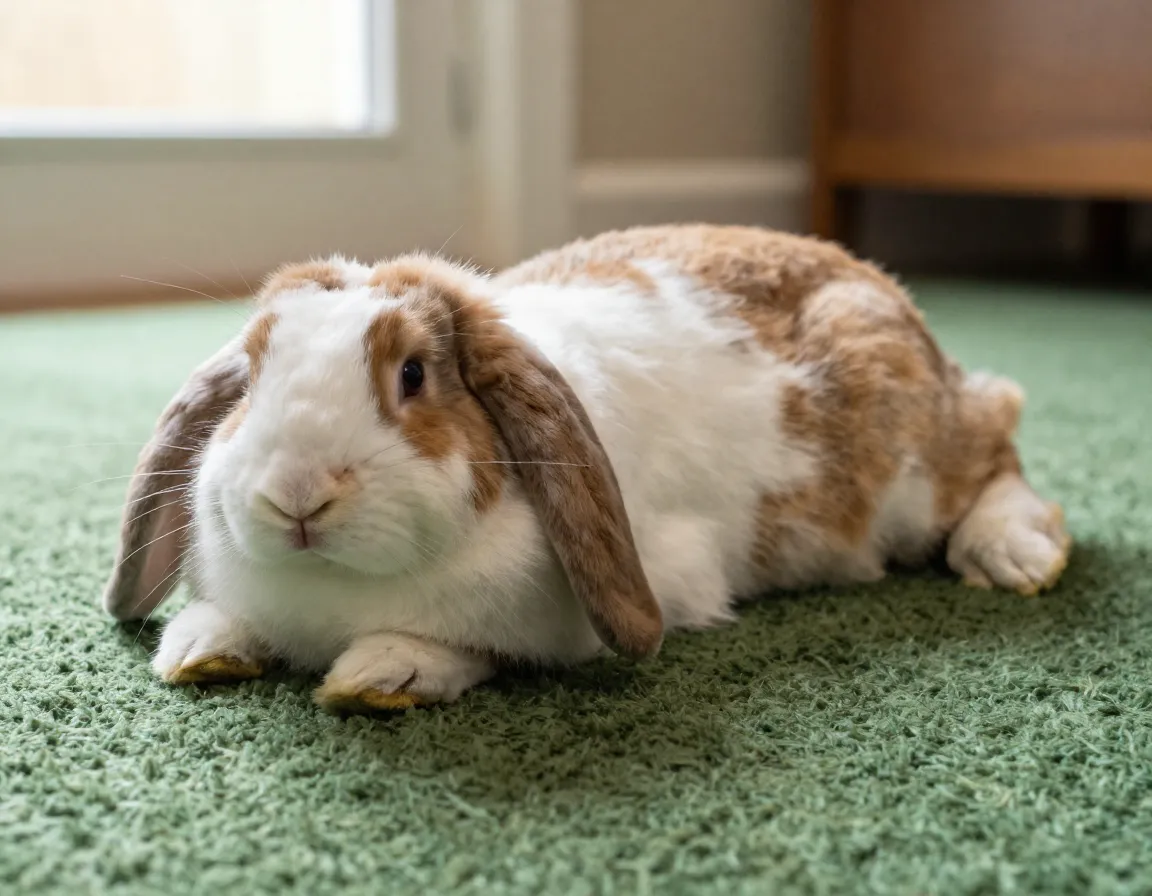
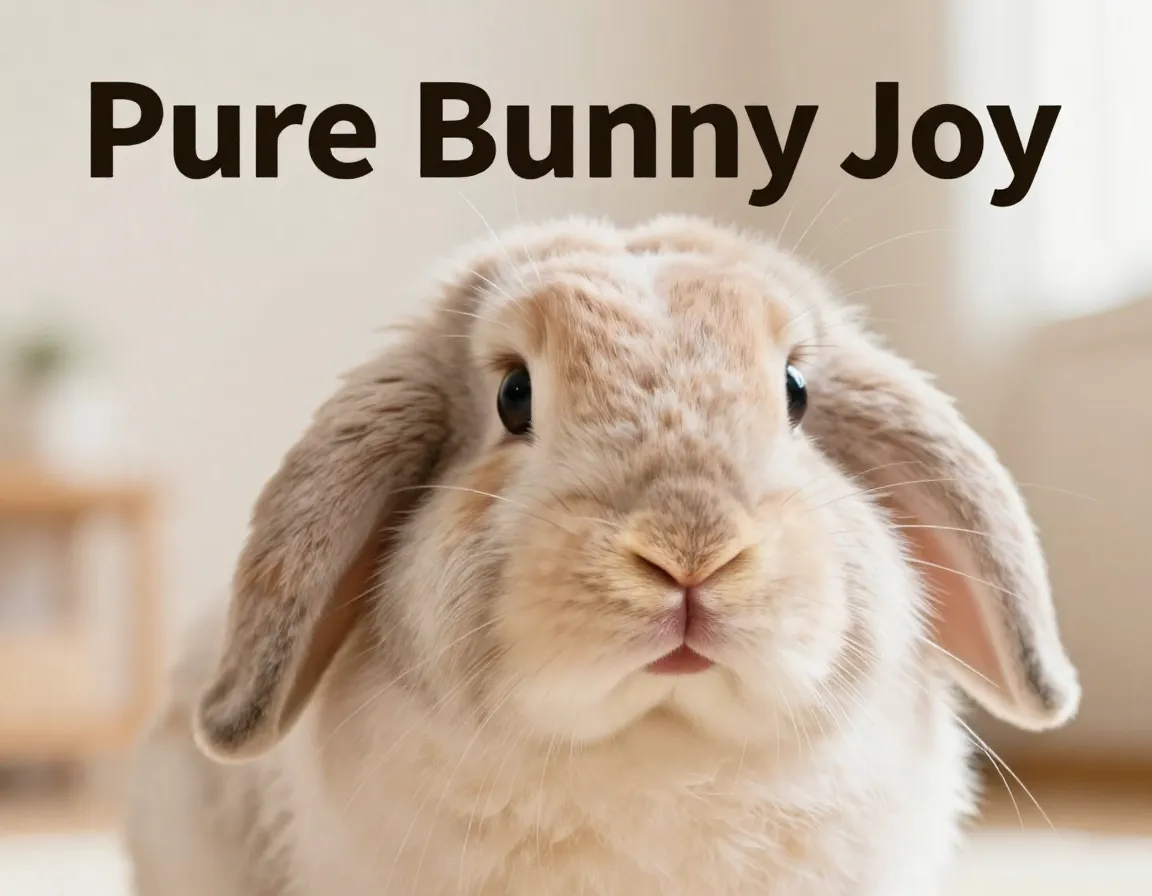
If there’s a breed that embodies the phrase “adorably irresistible,” it’s the Holland Lop. These compact rabbits, weighing 2-4 pounds, feature the most endearing characteristic imaginable: ears that hang down like soft, furry curtains framing their sweet faces.
The Holland Lop’s distinctive ear placement creates an expression of perpetual curiosity and gentleness. Their rounded bodies and short, dense coats come in numerous color combinations, making each individual rabbit a unique photographic subject. When captured mid-hop or during their famous “bunny flop” relaxation pose, Holland Lops create images that instantly evoke smiles and “aww” responses.
3. Mini Rex: The Velvet Touch
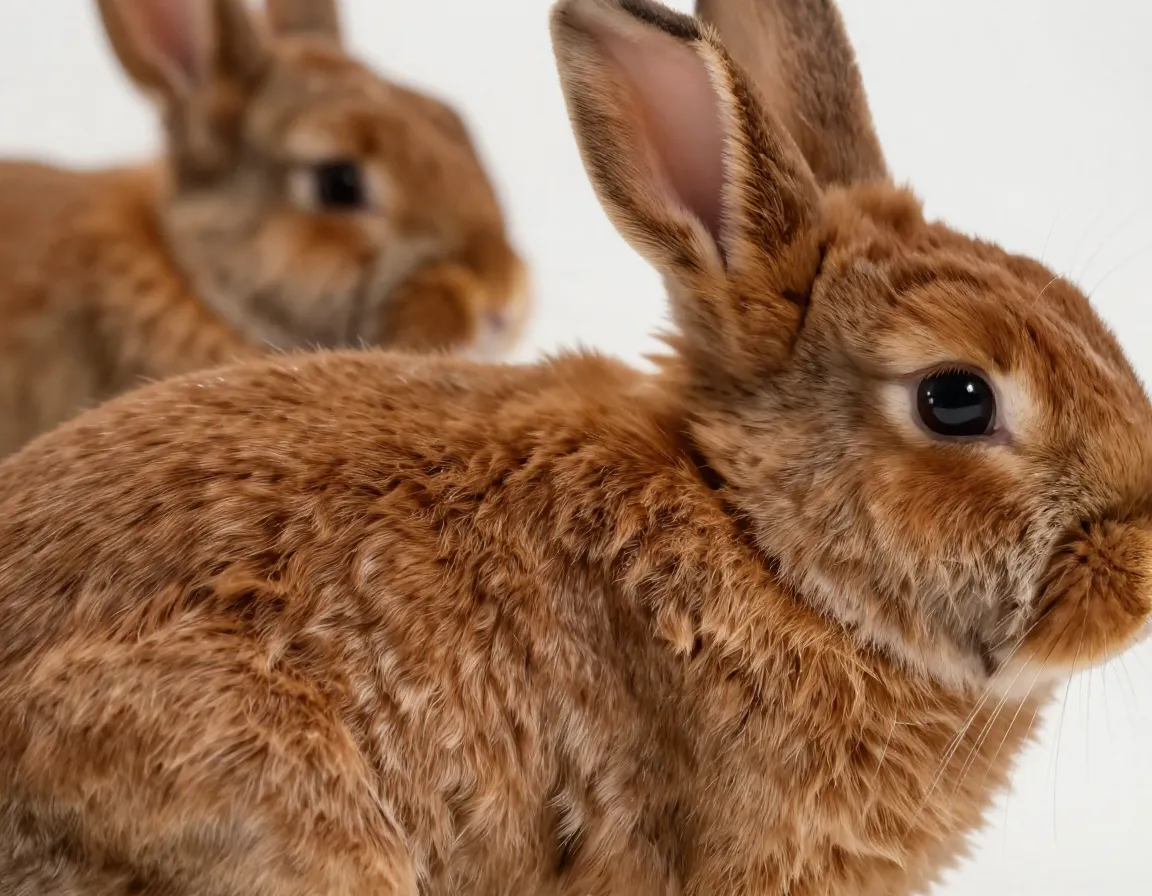
The Mini Rex brings luxury to the small breed category with their incredibly soft, plush coat that feels like touching velvet. Weighing 3-4.5 pounds, these rabbits feature a unique fur texture that stands upright, creating a stunning visual and tactile experience.
What sets Mini Rex apart in photographs is their exceptional coat quality that catches light beautifully, creating natural highlights and shadows that add depth to images. Their alert, upright ears and bright eyes complement their compact, well-proportioned bodies. Available in numerous color varieties including castor, chinchilla, and broken patterns, Mini Rex rabbits photograph exceptionally well in both natural and studio lighting.
4. Lionhead: The Maned Marvel
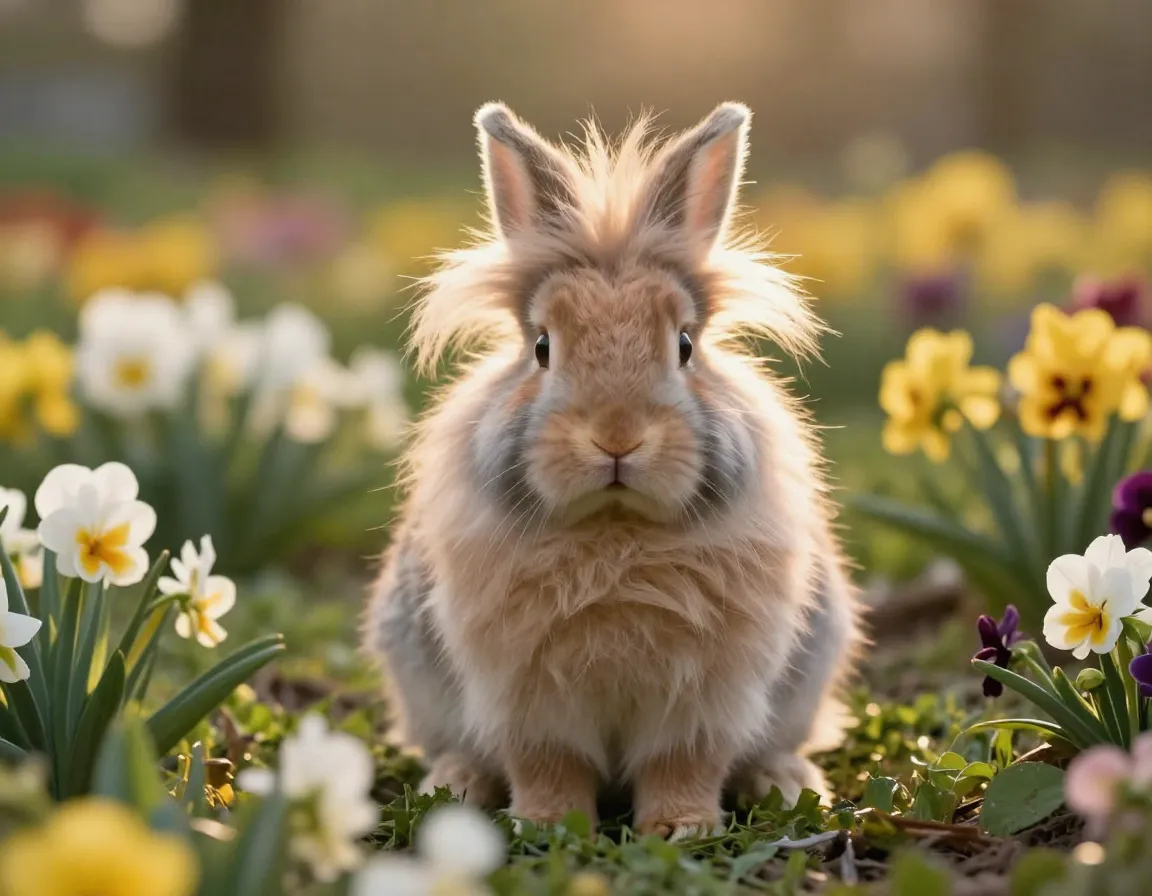
Perhaps no breed embodies whimsical charm quite like the Lionhead rabbit. These small rabbits, weighing 2.5-3.75 pounds, feature a distinctive “mane” of longer fur around their heads that creates an almost mythical appearance reminiscent of tiny lions.
The Lionhead’s signature mane varies in fullness and can be single or double, creating unique silhouettes that photograph beautifully from every angle. Their compact bodies and alert expressions, combined with the dramatic framing effect of their mane, make them natural subjects for artistic photography. The contrast between their fluffy head fur and shorter body coat creates visual interest that translates perfectly in both color and black-and-white images.
Magnificent Medium to Large Breeds in Our Collection
While small breeds capture hearts with their compact cuteness, 8 adorable pics of bunny breeds that will make you smile wouldn’t be complete without showcasing the magnificent presence and gentle giants of the rabbit world. These larger breeds bring their own special magic to the photography realm, offering impressive size, distinctive features, and surprisingly gentle temperaments.
5. English Angora: The Fluffy Cloud
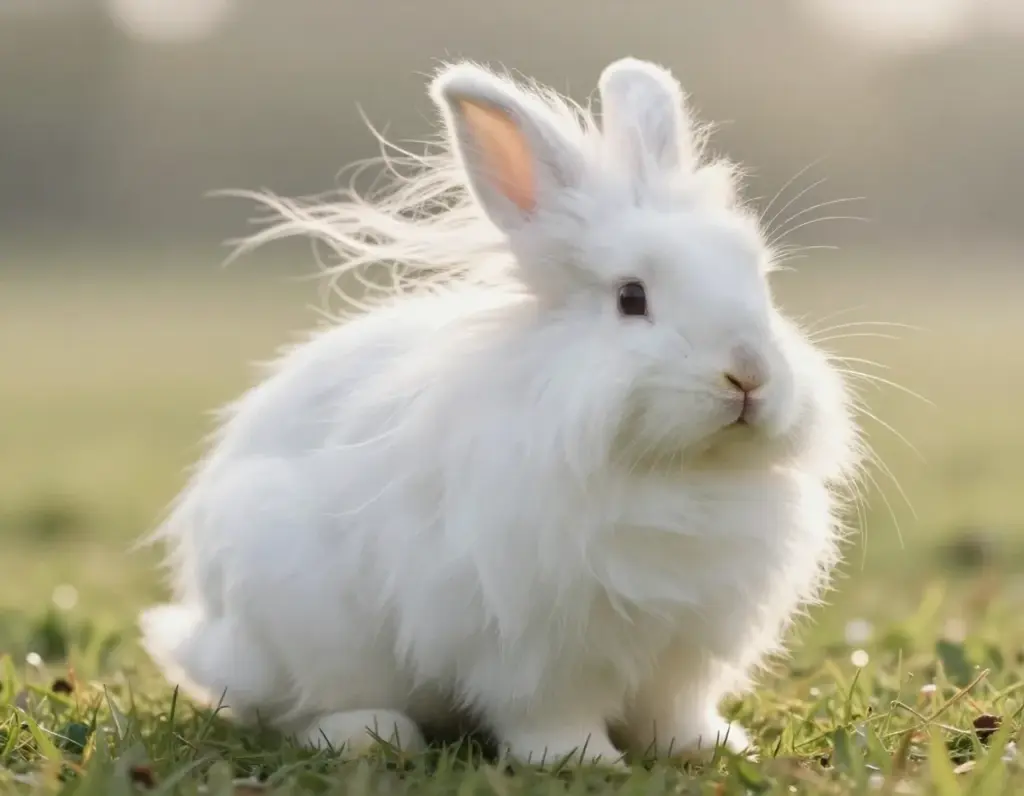
The English Angora represents the pinnacle of rabbit fluffiness, weighing 5-7.5 pounds and covered in incredibly long, silky fur that requires dedicated grooming. These living clouds of softness create some of the most striking and memorable rabbit photographs imaginable.
What makes English Angoras particularly photogenic is their dramatic fur texture that moves and flows like silk in the breeze. Their fur can grow 3-5 inches long, creating natural volume and movement that adds dynamic elements to photographs. When properly groomed, their coat catches light beautifully, creating an almost ethereal glow. The contrast between their hidden facial features and abundant fur creates an element of mystery and charm that’s impossible to resist.
Care considerations for English Angoras include daily grooming requirements and specialized diet needs to maintain their luxurious coats. Their wool is actually harvested and used in textile production, making them both beautiful pets and productive fiber animals [2].
6. Flemish Giant: The Gentle Giant
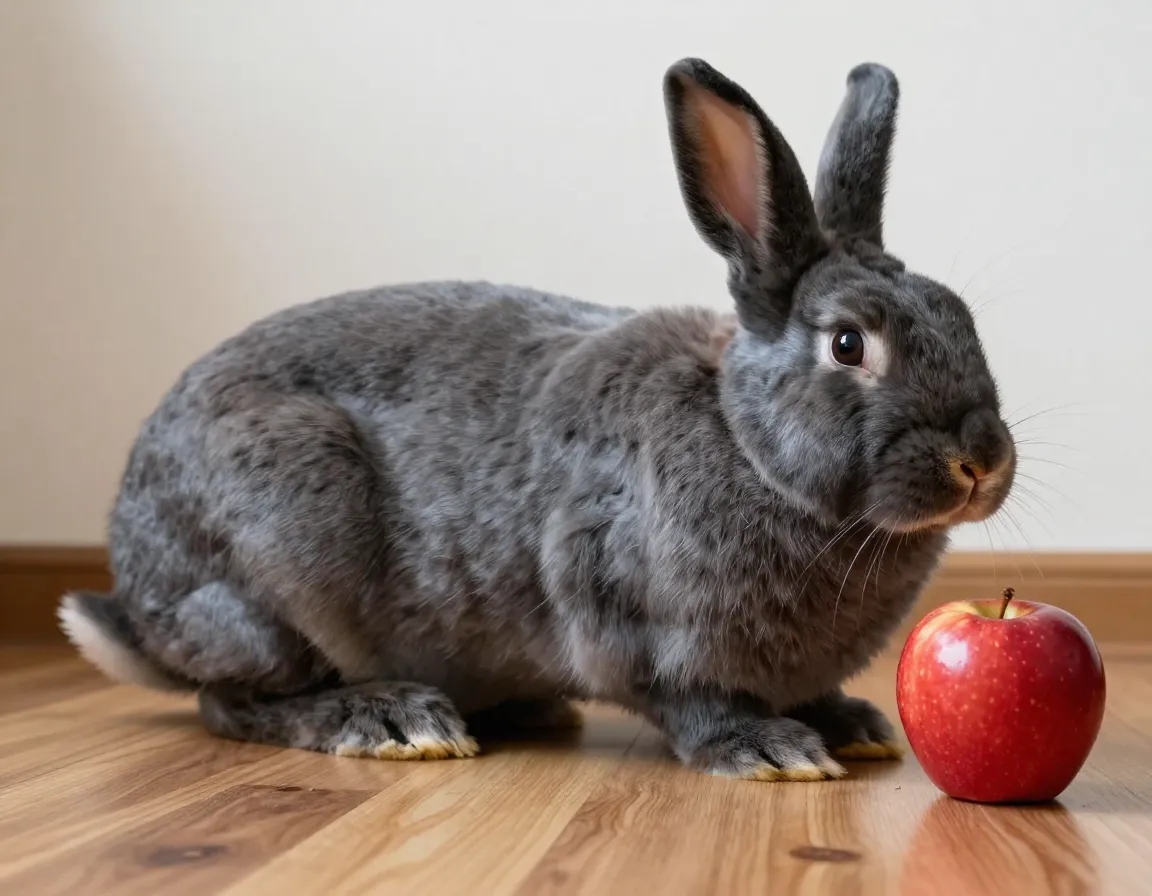
The Flemish Giant commands respect and admiration as one of the largest rabbit breeds, with adults weighing 13+ pounds and some individuals reaching over 20 pounds. Despite their impressive size, these gentle giants possess calm, docile temperaments that make them excellent subjects for family photography.
The Flemish Giant’s substantial presence creates dramatic scale in photographs, especially when pictured with smaller objects or people for size comparison. Their long, powerful bodies and alert, upright ears create elegant lines that photograph beautifully in profile shots. Available in seven standard colors including steel gray, fawn, and black, their short, dense coats showcase their impressive musculature and bone structure.
“Flemish Giants prove that size doesn’t diminish gentleness – their calm demeanor and impressive stature create some of the most memorable and heartwarming rabbit photographs.”
7. English Lop: The Ear-Resistible Beauty
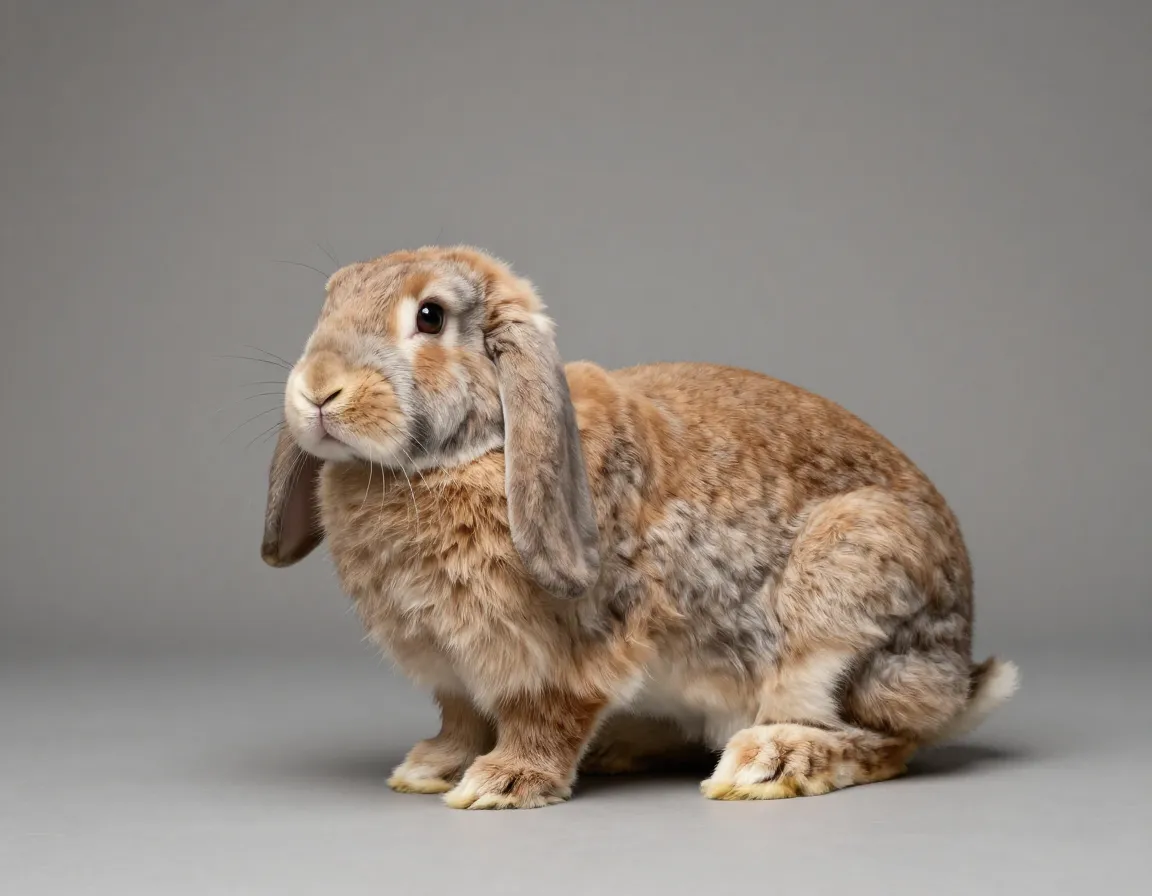
The English Lop holds the distinction of having the longest ears of any rabbit breed, with some individuals sporting ears that measure over 21 inches from tip to tip. Weighing 9+ pounds, these rabbits create some of the most distinctive and memorable photographs in the rabbit world.
The English Lop’s extraordinary ear length creates unique photographic opportunities and challenges. Their ears often extend well beyond their body length, creating dramatic lines and curves that add artistic elements to images. When captured in motion, their ears create beautiful flowing shapes that convey grace and elegance. Their gentle expressions and calm temperaments make them excellent subjects for portrait-style photography.
Special considerations for English Lops include protecting their ears from injury and providing appropriate housing that accommodates their unique proportions. Their ears require careful monitoring to prevent damage and maintain health [1].
8. French Lop: The Perfect Balance
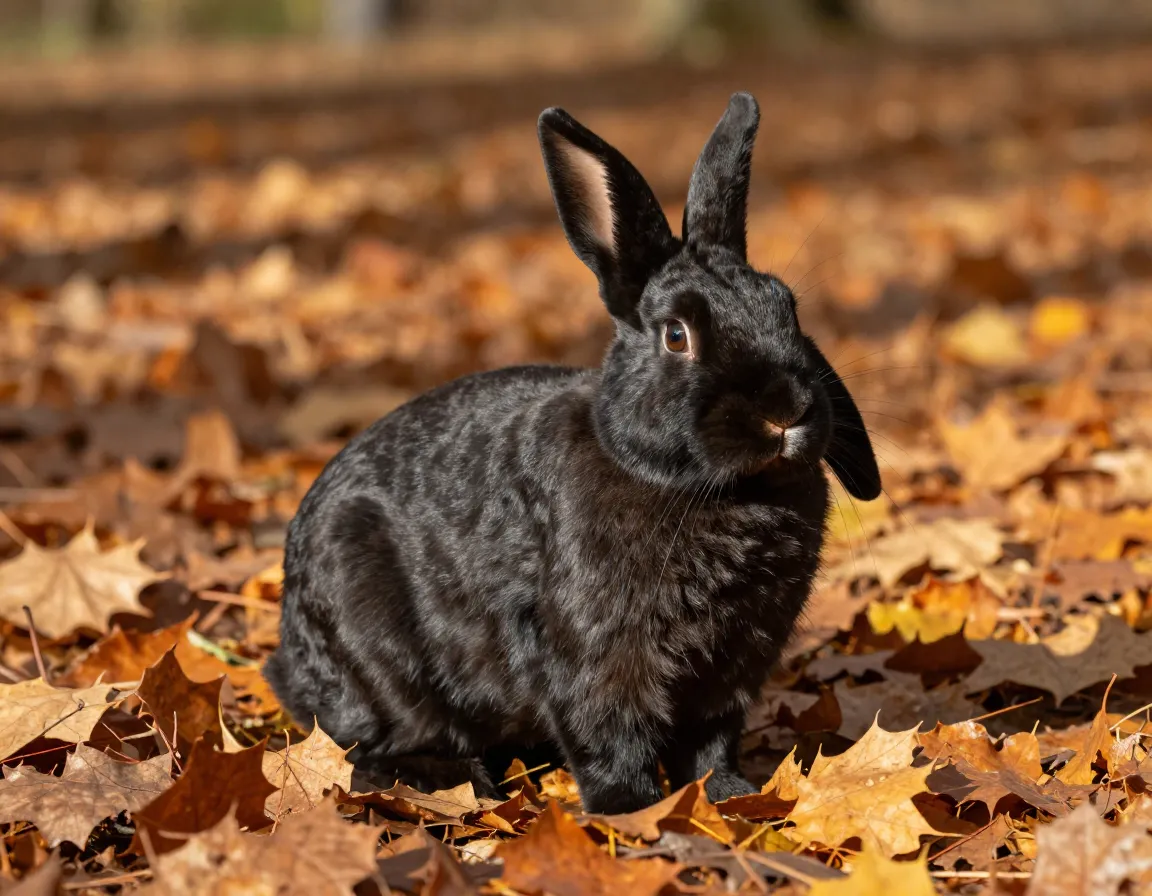
The French Lop represents the ideal balance between size and manageability, weighing 10+ pounds with moderately long, lopped ears that frame their faces beautifully. These substantial rabbits combine the impressive presence of larger breeds with the approachable charm of medium-sized companions.
French Lops feature well-proportioned bodies with thick, muscular builds and ears that hang close to their heads, creating a balanced, harmonious appearance. Their calm, friendly temperaments make them excellent subjects for interactive photography sessions. Available in numerous color varieties and patterns, French Lops offer versatility for different photographic styles and settings.
The French Lop’s sturdy build and confident demeanor translate well in outdoor photography settings, where their size allows them to maintain visual presence against natural backgrounds. Their thick, dense coats provide excellent color saturation and texture in photographs.
Understanding Rabbit Breed Characteristics for Better Photography
Creating truly captivating images requires understanding the unique characteristics that make each breed special. The most successful 8 adorable pics of bunny breeds that will make you smile leverage each breed’s distinctive features and natural behaviors to create authentic, engaging content.
Physical Features That Photograph Well
Ear placement and shape significantly impact photographic composition. Upright ears create alert, attentive expressions, while lopped ears provide soft, gentle framing for facial features. Understanding how different ear types catch light and create shadows helps photographers optimize their lighting setups.
Coat texture and color play crucial roles in image quality. Dense, plush coats like those of Mini Rex rabbits reflect light evenly, while longer coats of Angora breeds create texture and movement. Solid colors provide clean, classic looks, while broken patterns and unique markings add visual interest and personality to photographs.
Body proportions affect composition and framing decisions. Compact breeds work well in close-up shots that emphasize facial features, while larger breeds benefit from full-body shots that showcase their impressive size and elegant proportions.
Behavioral Traits for Natural Photography
Understanding rabbit behavior helps capture authentic moments that resonate with viewers. Natural poses like the classic “loaf” position, where rabbits tuck their legs under their bodies, create appealing silhouettes. The famous “bunny flop,” where rabbits dramatically throw themselves onto their sides to relax, provides dynamic action shots.
Feeding time offers excellent opportunities for natural expressions and poses. Rabbits’ focused attention while eating creates alert, engaged expressions that photograph beautifully. Their natural foraging behaviors, including standing on hind legs to reach treats, provide dynamic poses.
Social interactions between bonded rabbits create heartwarming images that showcase their gentle, affectionate nature. Grooming behaviors, shared resting positions, and playful interactions provide authentic moments that connect with viewers emotionally.
Seasonal and Setting Considerations
Outdoor photography during spring and summer months provides natural lighting and colorful backgrounds that complement rabbit subjects. However, safety considerations include temperature monitoring and secure containment to prevent escapes.
Indoor studio setups offer controlled lighting and backgrounds that highlight specific breed characteristics. Soft, diffused lighting works best for most rabbit photography, avoiding harsh shadows that can obscure facial features.
Seasonal themes provide creative opportunities for themed photography sessions. Spring garden settings complement natural rabbit behaviors, while cozy indoor winter scenes create warm, intimate atmospheres.
The Science Behind Why Rabbit Photos Make Us Smile
The phenomenon of 8 adorable pics of bunny breeds that will make you smile isn’t just coincidental – there’s actual science behind our positive emotional response to rabbit imagery. Understanding these psychological triggers helps explain why rabbit content consistently performs well across social media platforms and why these images have such powerful mood-boosting effects.
The “Baby Schema” Response
Rabbits naturally trigger what scientists call the “baby schema” or “kindchenschema” response in humans. This evolutionary adaptation causes us to respond positively to features commonly found in young animals: large eyes relative to head size, rounded faces, soft textures, and small, compact bodies.
Most rabbit breeds retain these juvenile characteristics throughout their adult lives, creating a permanent trigger for our nurturing instincts. The large, prominent eyes of breeds like Netherland Dwarfs and Holland Lops particularly activate this response, explaining why close-up facial shots of these breeds consistently generate high engagement rates.
Stress Reduction Through Visual Stimuli
Research demonstrates that viewing images of cute animals, including rabbits, triggers the release of dopamine and serotonin – neurotransmitters associated with pleasure and relaxation. The soft textures, gentle expressions, and peaceful demeanor typical of rabbit photography create visual cues that promote calmness and reduce stress hormones.
The rhythmic, gentle movements often captured in rabbit videos and sequential photography mimic the calming effects of meditation and deep breathing exercises. This explains why rabbit content has become popular in stress-relief and mindfulness applications.
Color Psychology in Rabbit Photography
The natural color palettes commonly found in rabbit photography – soft browns, creams, whites, and gentle grays – align with colors psychologically associated with comfort, warmth, and security. These earth tones create subconscious associations with safety and nurturing environments.
Contrast ratios in rabbit photography typically remain gentle and non-threatening, avoiding the high-contrast, dramatic lighting that might create tension or anxiety. This soft, even lighting contributes to the overall calming effect of rabbit imagery.
Caring for Photogenic Rabbit Breeds
While enjoying 8 adorable pics of bunny breeds that will make you smile is purely pleasurable, potential rabbit owners should understand the real responsibilities involved in caring for these beautiful animals. Each breed comes with specific care requirements that directly impact their health, happiness, and photogenic qualities.
Housing and Environment Requirements
Space requirements vary significantly between breeds. While Netherland Dwarfs can thrive in smaller spaces, Flemish Giants require substantial room to move and exercise. The general rule suggests minimum enclosure sizes of 4x the rabbit’s length when stretched out, with height accommodating full upright positioning.
Environmental enrichment plays a crucial role in maintaining the alert, healthy expressions that make rabbits so photogenic. Toys, hiding places, and climbing opportunities provide mental stimulation that keeps rabbits engaged and prevents the dull, listless expressions associated with boredom or depression.
Temperature control affects both health and coat quality. Most rabbit breeds thrive in temperatures between 60-68°F, with adequate ventilation to prevent respiratory issues. Extreme temperatures can cause stress that’s visible in photographs through tense body language and poor coat condition.
Grooming for Optimal Appearance
Daily brushing requirements vary dramatically between breeds. Short-coated breeds like Mini Rex need minimal grooming, while Angora breeds require daily attention to prevent matting and maintain their signature fluffy appearance.
Nail trimming every 4-6 weeks prevents overgrowth that can affect posture and movement. Proper nail length contributes to natural, comfortable positioning that translates to better photography poses.
Dental care remains crucial for all breeds, as overgrown teeth can cause pain that’s visible in facial expressions. Regular veterinary checkups ensure dental health that maintains the bright, alert expressions that make rabbit photos so appealing.
Nutrition for Healthy Coats and Energy
High-quality pellets should form the foundation of rabbit nutrition, with amounts varying by breed size and activity level. Adult rabbits typically require 1/4 to 1/2 cup of pellets per 5 pounds of body weight daily.
Fresh hay should be available constantly, providing essential fiber for digestive health and natural foraging behaviors that create engaging photo opportunities. Timothy hay works best for adult rabbits, while growing rabbits may benefit from alfalfa hay’s higher protein content.
Fresh vegetables add variety and nutrition while providing natural props for photography sessions. Safe options include leafy greens, carrots, and bell peppers, introduced gradually to prevent digestive upset.
Building Your Own Rabbit Photography Collection
Creating your own collection of 8 adorable pics of bunny breeds that will make you smile requires understanding both photography techniques and rabbit behavior. Whether you’re working with your own pets or visiting rabbit shows and sanctuaries, specific approaches will help you capture those magical moments that resonate with viewers.
Essential Photography Equipment
Camera selection doesn’t require professional equipment – modern smartphones can capture excellent rabbit photos with proper technique. However, DSLR or mirrorless cameras offer advantages in low-light situations and provide greater control over depth of field effects.
Lens considerations favor versatile zoom ranges that allow distance adjustment without disturbing subjects. A 24-70mm equivalent lens provides flexibility for both close-up portraits and full-body shots while maintaining safe distances that don’t stress the animals.
Lighting equipment should prioritize soft, diffused sources that avoid harsh shadows and bright flashes that can startle rabbits. Natural window light often provides the most flattering illumination, while LED panels with diffusion offer controlled indoor alternatives.
Timing and Patience Strategies
Golden hour photography during early morning or late afternoon provides warm, soft lighting that complements rabbit subjects beautifully. The lower light angles create gentle shadows that add dimension without harshness.
Activity patterns in rabbits typically peak during dawn and dusk hours, providing opportunities to capture natural behaviors and alert expressions. Midday sessions often result in sleepy, less engaged subjects.
Patience requirements cannot be overstated – rushing photography sessions typically produces stressed animals and poor results. Allow subjects time to acclimate to your presence and equipment before beginning serious photography work.
Composition and Technical Tips
Eye-level positioning creates more engaging connections between subjects and viewers. Getting down to rabbit height eliminates the “looking down” perspective that can diminish the subject’s presence and impact.
Focus priorities should emphasize the eyes, as sharp, clear eye focus creates immediate emotional connections with viewers. Even if other elements fall slightly out of focus, sharp eyes maintain image impact and engagement.
Background considerations should avoid distracting elements while providing context that enhances rather than competes with the subject. Simple, uncluttered backgrounds often work best, allowing the rabbit’s natural charm to dominate the composition.
Where to Find and Enjoy Rabbit Breed Photography
The popularity of 8 adorable pics of bunny breeds that will make you smile has created numerous opportunities to enjoy and participate in rabbit photography communities. From local events to online platforms, rabbit enthusiasts have multiple avenues to explore their passion for these photogenic creatures.
Rabbit Shows and Events
American Rabbit Breeders Association (ARBA) sanctioned shows provide excellent opportunities to see multiple breeds in optimal condition. These events showcase rabbits at their finest, with careful grooming and presentation that creates ideal photography subjects [1]. The 2026-2030 Standard of Perfection provides detailed breed specifications that help photographers understand ideal characteristics [2].
Local rabbit clubs often welcome photographers and provide educational opportunities about breed characteristics and care requirements. Many clubs organize photography contests and workshops that combine technical skill development with rabbit appreciation.
Agricultural fairs frequently feature rabbit competitions and educational displays that offer public access to various breeds. These family-friendly environments provide relaxed atmospheres for both photography and education.
Online Communities and Resources
Social media platforms have become primary venues for sharing and discovering rabbit photography. Instagram hashtags like #rabbitsofinstagram and #bunnylife create communities of enthusiasts sharing their favorite images and experiences.
Specialized rabbit forums provide deeper technical discussions about breed characteristics, care requirements, and photography techniques. These communities often share location-specific resources for finding reputable breeders and rescue organizations.
Educational websites including university extension programs offer research-based information about rabbit care and breed characteristics. The 2026 Rabbit ID Guide provides valuable reference material for identifying and understanding different breeds [6].
Rescue Organizations and Sanctuaries
Local rabbit rescues often welcome volunteers and visitors, providing opportunities to interact with various breeds while supporting important animal welfare work. Many rescues appreciate high-quality photography for their adoption marketing efforts.
Farm sanctuaries sometimes include rabbits among their rescued animals, offering educational programs that combine animal welfare awareness with hands-on experiences.
Pet therapy programs increasingly include rabbits as therapy animals, creating opportunities to witness the positive human-animal interactions that make rabbit photography so emotionally resonant.
The Future of Rabbit Breed Appreciation
As we move through 2026, the appreciation for 8 adorable pics of bunny breeds that will make you smile continues evolving with new technologies, changing social attitudes, and growing awareness of animal welfare considerations. Understanding these trends helps enthusiasts stay current with best practices and emerging opportunities.
Technology and Rabbit Photography
Smartphone camera improvements continue making high-quality rabbit photography more accessible to casual enthusiasts. Advanced features like portrait mode and improved low-light performance democratize the ability to create compelling rabbit images.
Social media algorithm changes increasingly favor authentic, high-engagement content, which naturally benefits well-executed rabbit photography. The emotional response generated by cute animal content aligns perfectly with platform goals of increasing user engagement and time spent.
Virtual reality applications are beginning to incorporate animal interactions, potentially creating new ways to experience and appreciate rabbit breeds without physical access to live animals.
Welfare and Ethical Considerations
Responsible breeding practices receive increased attention as public awareness of animal welfare grows. Photographers and enthusiasts increasingly support breeders who prioritize health and temperament over purely aesthetic considerations.
Rescue advocacy through photography helps highlight the many wonderful rabbits available for adoption, potentially reducing demand for commercially bred animals while supporting animal welfare organizations.
Educational content that combines beautiful photography with accurate care information helps potential owners make informed decisions about rabbit ownership, potentially reducing abandonment and surrender rates.
Conclusion
The enduring appeal of 8 adorable pics of bunny breeds that will make you smile reflects something deeper than simple aesthetic appreciation – it represents our fundamental connection to the natural world and our innate response to innocence and gentleness. From the tiny Netherland Dwarf with its perpetually youthful expression to the majestic Flemish Giant with its gentle giant demeanor, each breed offers unique characteristics that capture our hearts and brighten our days.
These remarkable animals provide more than just photogenic subjects; they offer opportunities for genuine connection, stress relief, and joy in our increasingly complex world. Whether you’re scrolling through social media for a quick mood boost or considering adding a rabbit companion to your family, understanding and appreciating breed diversity enriches the experience immeasurably.
Take action today by exploring local rabbit shows, visiting rescue organizations, or simply spending time appreciating the incredible variety and charm these breeds offer. Share your favorite rabbit photos responsibly, support ethical breeding and rescue practices, and help others discover the simple joy that comes from connecting with these remarkable creatures.
Remember that behind every adorable photo lies a living being with specific needs, personality traits, and care requirements. Let your appreciation for their beauty inspire responsible interaction and support for the dedicated breeders, rescuers, and enthusiasts who work tirelessly to preserve and protect these wonderful breeds for future generations to enjoy.
The magic of rabbit photography lies not just in capturing their physical beauty, but in preserving moments of pure joy, innocence, and connection that remind us of the simple pleasures that make life truly worth smiling about.
References
[1] Recognized Breeds – https://arba.net/recognized-breeds/
[2] Standard Of Perfection – https://arba.net/product/standard-of-perfection/
[6] 2026 Rabbit Id Guide.docx 1 – https://extension.purdue.edu/county/allen/_docs/4h/2026-rabbit-id-guide.docx-1.pdf