
8 Essential Questions to Ask Before You Buy a Golden Retriever Puppy for Sale
Bringing home a Golden Retriever puppy is one of life’s most joyful experiences, but it can quickly turn into heartbreak if you choose the wrong breeder. Every year, thousands of families fall victim to puppy mills and irresponsible breeders, resulting in sick puppies, astronomical veterinary bills, and emotional devastation. The difference between finding a healthy, well-socialized companion and a lifetime of problems often comes down to asking the right questions before you buy.

Disclosure: This post contains affiliate links. As an Amazon Associate, we earn from qualifying purchases, and at no extra cost to you.
When searching for 8 Essential Questions to Ask Before You Buy a Golden Retriever Puppy for Sale, prospective dog owners must become detectives, carefully vetting breeders to ensure they’re getting a healthy puppy from ethical sources. The Golden Retriever’s popularity makes them prime targets for commercial breeding operations that prioritize profit over puppy welfare.
Key Takeaways
- Verify breeder credentials and health clearances for both parents through official databases like OFA
- Confirm proper socialization and early puppy development in home environments
- Budget $2,000-$4,500 for the puppy plus $800-$1,500 for initial supplies in 2026
- Demand health guarantees and comprehensive veterinary records before purchase
- Avoid breeders who won’t let you meet the mother or visit their facilities
Understanding the Importance of Proper Golden Retriever Breeding
Golden Retrievers are among America’s most beloved dog breeds, known for their gentle temperament, intelligence, and stunning golden coats. However, their popularity has unfortunately made them targets for irresponsible breeding practices. Puppy mills and backyard breeders often exploit this demand, producing puppies without regard for health, temperament, or proper care standards.
The consequences of purchasing from questionable sources extend far beyond the initial transaction. Poorly bred Golden Retrievers may suffer from:
- Hip and elbow dysplasia causing lifelong mobility issues
- Progressive retinal atrophy leading to blindness
- Heart conditions requiring expensive treatments
- Behavioral problems from inadequate socialization
- Shortened lifespans due to genetic health issues
Responsible breeders invest significant time, money, and expertise into producing healthy puppies. They conduct extensive health testing, provide proper socialization, and maintain detailed records of their breeding programs [1].
The Financial Reality of Golden Retriever Ownership in 2026
Before diving into the essential questions, understanding the financial commitment is crucial. Golden Retriever puppies typically cost between $2,000-$4,500 in 2026, with show-quality or field prospects commanding higher prices [5]. Additionally, new owners should budget $800-$1,500 for initial supplies including crates, food, toys, and veterinary care [5].
This significant investment makes it even more important to choose the right breeder and puppy from the start.
8 Essential Questions to Ask Before You Buy a Golden Retriever Puppy for Sale: Breeder Credentials and Health Clearances
1. Can You Provide Documentation of Your Breeding Program’s Reputation and Experience?

The foundation of responsible Golden Retriever breeding starts with the breeder’s credentials and track record. Reputable breeders should have verifiable experience producing quality puppies over multiple years [1]. They typically belong to breed clubs, participate in dog shows or field trials, and have references from previous puppy buyers.
Red flags to watch for:
- Reluctance to provide references
- No involvement in breed organizations
- Multiple breeds available simultaneously
- Puppies always available year-round
Ask for contact information of previous puppy buyers and don’t hesitate to reach out. Satisfied customers are usually happy to share their experiences with responsible breeders.
2. Do Both Parents Have Complete Health Clearances for Breed-Specific Conditions?
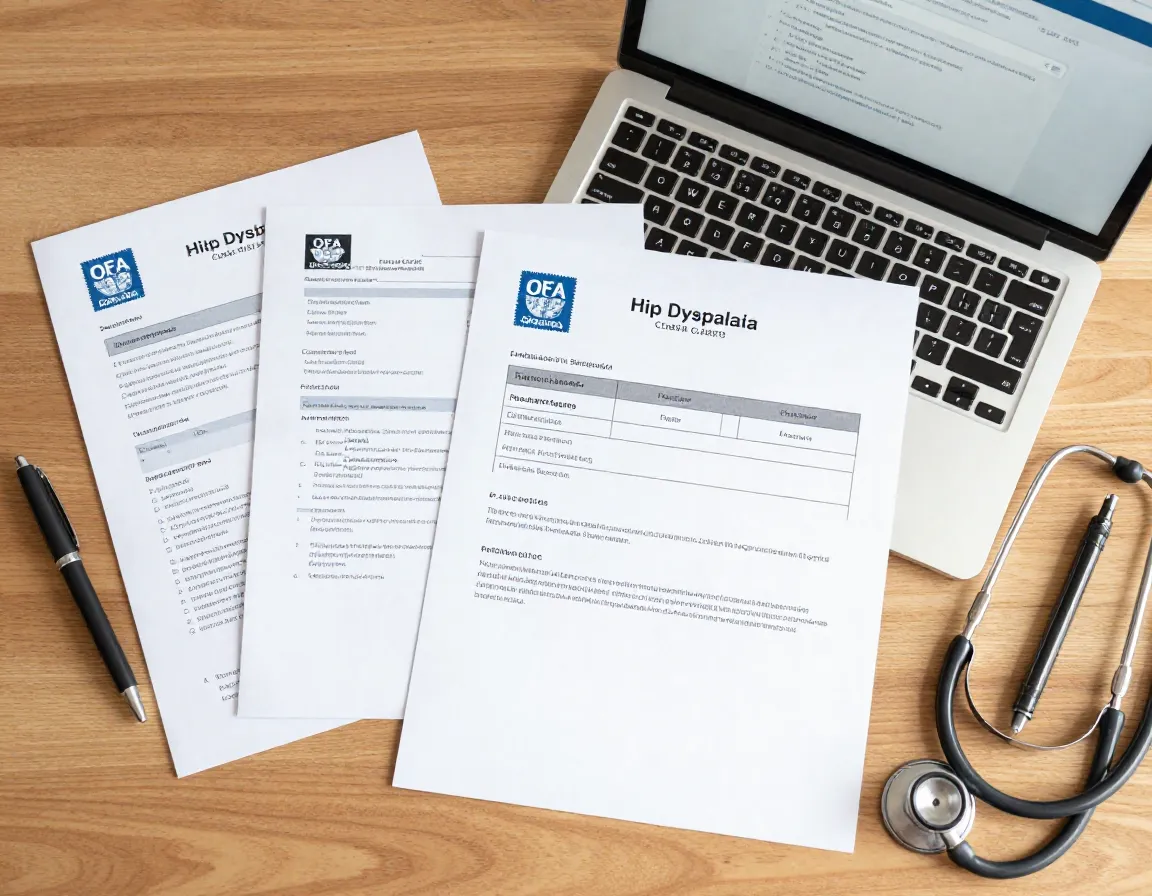
This question represents the most critical aspect of the 8 Essential Questions to Ask Before You Buy a Golden Retriever Puppy for Sale. Golden Retrievers are susceptible to several hereditary conditions that can be detected through proper health testing [2].
Required health clearances include:
| Condition | Test Required | Minimum Age |
|---|---|---|
| Hip Dysplasia | OFA or PennHIP | 24 months |
| Elbow Dysplasia | OFA evaluation | 24 months |
| Progressive Retinal Atrophy | DNA test | Any age |
| Heart Disease | Cardiac clearance | 12 months |
Both parents must be at least 24 months old for final hip and elbow clearances [2]. Younger dogs cannot receive official clearances, which is why responsible breeders don’t breed dogs under two years of age.
3. Can You Verify Health Certifications Through Official Databases?

Legitimate health clearances can be verified through the Orthopedic Foundation for Animals (OFA) website using the dog’s registered name or number [2]. Responsible breeders will provide this information willingly and encourage verification.
Verification steps:
- Request the registered names of both parents
- Visit the OFA website
- Search for each parent’s health clearances
- Confirm all required tests are current and passing
Be extremely wary of breeders who claim to have “vet checks” instead of official clearances or refuse to provide registration information for verification.
4. How Often Has the Mother Been Bred, and What Are Her Breeding Records?

Frequent breeding indicates puppy mill operations focused on profit rather than animal welfare [2]. Responsible breeders typically limit breeding females to one litter per year and retire them after 4-5 litters to ensure their health and well-being.
Questions to ask:
- How many litters has this mother produced?
- When was her last litter?
- At what age was she first bred?
- What is your retirement plan for breeding females?
Mothers bred too frequently often produce weaker puppies and suffer from health complications themselves.
8 Essential Questions to Ask Before You Buy a Golden Retriever Puppy for Sale: Puppy Care and Preparation
5. Can You Provide Complete Veterinary Records and Vaccination History?

Comprehensive veterinary documentation should be available for every puppy, including vaccination schedules, deworming records, and general health checkups [2]. This information helps your veterinarian continue appropriate care and identifies any early health concerns.
Essential records include:
- Initial veterinary examination (usually at 6-8 weeks)
- Vaccination schedule with specific vaccine types and dates
- Deworming treatments and parasite prevention
- Microchip information if applicable
- Any health concerns or treatments administered
Responsible breeders maintain detailed records and provide copies to new owners along with recommendations for continued veterinary care.
6. How Were the Puppies Raised and Socialized?

Early socialization dramatically impacts a puppy’s future temperament and adaptability [2]. Puppies raised in home environments with normal daily activities and human interaction typically develop into better-adjusted adult dogs.
Ideal socialization includes:
- Household sounds (vacuum cleaners, televisions, doorbells)
- Human interaction with adults and children
- Handling exercises for grooming and veterinary care
- Various surfaces and environments
- Appropriate play with littermates
Puppies raised in isolated kennels or commercial facilities often struggle with anxiety, fearfulness, and behavioral issues throughout their lives.
7. What Training and Life Skills Will My Puppy Need for Its Intended Purpose?

Different Golden Retrievers excel in various roles, from family companions to hunting partners to therapy dogs. Understanding your puppy’s intended life helps determine appropriate early training and socialization needs [1].
Consider your lifestyle:
- Family pet: Basic obedience, house training, social skills
- Hunting companion: Retrieving instincts, water introduction, field training
- Therapy work: Calm temperament, extensive socialization, specialized training
- Competition: Agility, obedience, or conformation training
Reputable breeders often match puppies to families based on temperament testing and the puppy’s intended role.
8. Do You Provide a Sales Contract and Health Guarantee?

Professional sales contracts and health guarantees protect both buyers and breeders while demonstrating the breeder’s confidence in their puppies [2]. These documents should clearly outline responsibilities, health guarantees, and return policies.
Contract elements should include:
- Health guarantee terms and duration
- Return policy if problems arise
- Spay/neuter requirements for pet-quality puppies
- Registration papers and transfer procedures
- Breeder support and lifetime guidance
Avoid breeders who refuse to provide written contracts or health guarantees, as this often indicates questionable breeding practices.
Red Flags: Warning Signs to Avoid When Buying Golden Retriever Puppies
While focusing on the 8 Essential Questions to Ask Before You Buy a Golden Retriever Puppy for Sale, also watch for these warning signs:
🚩 Puppy mill indicators:
- Multiple breeds available
- Puppies always in stock
- Won’t allow facility visits
- No health testing documentation
- Extremely low or high prices
- Meeting in parking lots or public places
🚩 Health concerns:
- Parents under 24 months old
- No OFA clearances
- Reluctance to provide veterinary records
- Sick or lethargic puppies
- Poor facility conditions
🚩 Behavioral red flags:
- Fearful or aggressive mother
- Puppies showing fear of humans
- Lack of socialization opportunities
- No handling or interaction protocols
Preparing for Your Golden Retriever Puppy’s Arrival
Once you’ve found a reputable breeder and selected your puppy using the 8 Essential Questions to Ask Before You Buy a Golden Retriever Puppy for Sale, preparation becomes essential. Golden Retrievers are active, intelligent dogs that require significant mental and physical stimulation [3].
Essential supplies for new puppies:
- High-quality puppy food recommended by the breeder
- Appropriately sized crate for house training and safety
- Puppy-proofed living space removing hazards and valuable items
- Toys and enrichment for mental stimulation
- Grooming supplies for their beautiful coats
- Training treats and basic obedience materials
Veterinary preparation:
- Schedule initial appointment within 48-72 hours
- Research local veterinarians specializing in large breeds
- Understand vaccination schedules and parasite prevention
- Discuss spay/neuter timing with your veterinarian
The Long-Term Commitment of Golden Retriever Ownership
Golden Retrievers typically live 10-12 years and require consistent care throughout their lives [4]. Understanding this commitment helps ensure you’re prepared for the responsibility of dog ownership.
Ongoing care requirements:
- Daily exercise (1-2 hours minimum for adult dogs)
- Regular grooming to manage shedding and coat health
- Consistent training and mental stimulation
- Annual veterinary care and preventive treatments
- Quality nutrition appropriate for life stage and activity level
Financial considerations beyond the initial purchase:
- Annual veterinary costs: $800-$1,500
- Food and treats: $500-$800 annually
- Grooming: $300-$600 annually
- Training and socialization: $200-$500
- Emergency veterinary fund: $2,000-$5,000 recommended
Building a Relationship with Your Breeder
Responsible breeders provide lifetime support and genuinely care about their puppies’ welfare throughout their lives [6]. This relationship extends far beyond the initial sale and can provide invaluable guidance as your puppy grows.
Ongoing breeder support includes:
- Training and behavioral guidance
- Health concern consultation
- Breeding advice if applicable
- Return policies if circumstances change
- Connection with other puppy families
Maintain regular contact with your breeder, sharing updates and photos. This feedback helps them improve their breeding program and provides satisfaction knowing their puppies are thriving.
Conclusion
The 8 Essential Questions to Ask Before You Buy a Golden Retriever Puppy for Sale serve as your roadmap to finding a healthy, well-bred companion that will bring joy to your family for years to come. By thoroughly vetting breeders, verifying health clearances, and understanding the commitment involved, you protect yourself from the heartbreak and expense of purchasing from irresponsible sources.
Remember that reputable breeders welcome questions and view educated buyers as ideal homes for their puppies. If a breeder seems evasive, rushes the process, or discourages thorough investigation, continue your search elsewhere.
Take these actionable steps today:
- Research local Golden Retriever breed clubs for breeder referrals
- Create a list of potential breeders and begin contacting them with your questions
- Visit facilities in person to meet breeding dogs and assess conditions
- Verify all health clearances through official databases
- Prepare your home and budget for your new family member
The time invested in finding the right breeder and puppy will pay dividends throughout your Golden Retriever’s lifetime. A well-bred, properly socialized Golden Retriever becomes not just a pet, but a beloved family member whose gentle nature, intelligence, and loyalty create memories that last forever.
Your future Golden Retriever is waiting – make sure you find them through responsible, ethical sources that prioritize health, temperament, and proper care above profit.
References
[1] Find Golden Retriever Puppy – https://www.akc.org/expert-advice/gazette/find-golden-retriever-puppy/
[2] How To Buy A Puppy – https://www.mygoldenretrieverpuppies.com/blog/how-to-buy-a-puppy
[3] Dog Breed Guide The Golden Retriever – https://vetericyn.com/blogs/vetericyn/dog-breed-guide-the-golden-retriever
[4] Owning Golden Retriever – https://www.grrmf.org/golden-retriever-care-adoption/owning-golden-retriever/
[5] Golden Retriever Puppies – https://secretlifepets.com/golden-retriever-puppies/
[6] B2cfcf4fbec2f3f9d829126e3b94b3e1 – https://www.oreateai.com/blog/finding-your-perfect-golden-retriever-a-guide-to-buying-and-caring-for-this-beloved-breed/b2cfcf4fbec2f3f9d829126e3b94b3e1