
9 Surprising Truths About the Labrador Retriever Mix Rottweiler
What if I told you that one of the most misunderstood dogs in America is also one of the most loyal, intelligent, and rewarding companions you could ever own? The Labrador Retriever mix Rottweiler — often called the Labrottie — is a powerful hybrid that surprises nearly everyone who meets one. Whether you’re a seasoned dog owner or simply curious about this striking breed, the 9 Surprising Truths About the Labrador Retriever Mix Rottweiler laid out in this article will change the way you think about this dog forever.

In 2026, hybrid breeds like the Labrottie are more popular than ever — and for good reason. But popularity doesn’t always mean people understand what they’re getting into. Let’s fix that right now.
Key Takeaways
- 🐾 The Labrottie is a relatively new hybrid, likely developed in the U.S. in the 1990s
- 💪 These dogs need at least 2 hours of exercise daily to stay healthy and well-behaved
- 🧠 They are not recommended for first-time dog owners due to their strength and stubborn streak
- 🏥 Labrotties are prone to bloat, requiring careful feeding habits
- ❤️ With proper training and socialization, they are loyal, protective, and deeply affectionate family dogs
What Exactly Is a Labrador Retriever Mix Rottweiler?
Before diving into the 9 surprising truths about the Labrador Retriever mix Rottweiler, it helps to understand what this hybrid actually is. The Labrottie is a cross between two of the world’s most popular dog breeds:
| Parent Breed | Origin | Primary Role |
|---|---|---|
| Labrador Retriever | Canada | Hunting, service, family companion |
| Rottweiler | Germany | Herding, guarding, police work |
The result? A dog that combines the Lab’s friendly, eager-to-please personality with the Rottweiler’s confidence, loyalty, and protective instincts. The mix can lean more toward either parent, which makes every Labrottie uniquely its own dog.
The 9 Surprising Truths About the Labrador Retriever Mix Rottweiler
1. The Labrottie Is a Much Newer Breed Than You Think

Most people assume that popular hybrid dogs have been around for centuries. That’s not the case here. The Labrottie is a relatively new hybrid, most likely developed in the United States during the 1990s [2]. Compare that to the Rottweiler, which dates back to ancient Roman times, or the Labrador Retriever, which was established in the 1800s.
This means breed standards, temperament predictability, and health data are still being gathered. If you adopt a Labrottie in 2026, you’re essentially working with a breed that’s still being defined by breeders and owners alike.
💡 “The Labrottie may be young as a recognized hybrid, but its parent breeds bring thousands of years of working dog heritage to the mix.”
2. Their Size Will Likely Surprise You
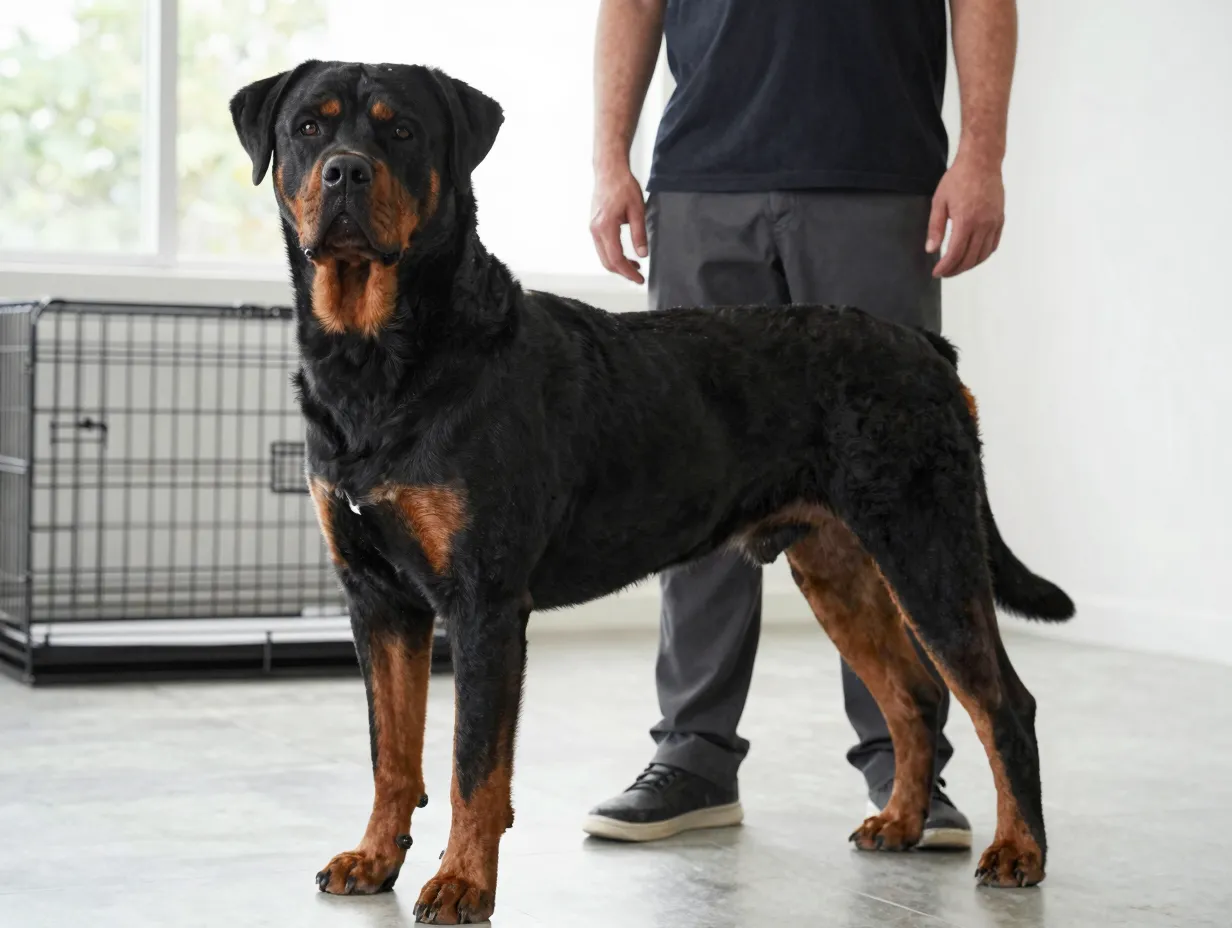
Many people picture a medium-sized dog when they hear “mix breed.” The Labrottie is anything but small. Fully grown Labrotties typically stand 24 to 27 inches tall and weigh between 70 and 115 pounds [2]. That’s a big dog by any standard.
What this means for owners:
- You’ll need a larger living space — apartment living is challenging
- Car travel requires planning (a large crate or cargo area)
- Vet bills and food costs scale with size
- Leash training is non-negotiable — a 100-pound dog that pulls is dangerous
The size also varies depending on which parent the puppy takes after more. A Labrottie that leans toward the Rottweiler side may be stockier and more muscular, while one that favors the Lab may be slightly leaner and taller.
3. You Cannot Fully Predict Their Temperament

This is one of the most important — and most surprising — truths about the Labrador Retriever mix Rottweiler. Because both parent breeds have distinct and sometimes contrasting personalities, it can be genuinely difficult to predict how an individual Labrottie will behave when fully grown [1].
Labs are known for being:
- Outgoing and friendly with strangers
- Highly food-motivated
- Eager to please and easy to train
Rottweilers are known for being:
- Reserved or cautious with strangers
- Deeply loyal to their family
- Confident and sometimes stubborn
Your Labrottie could be anywhere on that spectrum — or a blend of both. This unpredictability is why meeting the puppy’s parents (if possible) and working with a reputable breeder is so important.
4. They Are Protective — But Not Inherently Aggressive

There’s a big misconception that any dog with Rottweiler blood is automatically dangerous. The truth is more nuanced. Rottweiler-Lab mixes are protective by nature but not typically aggressive [1]. The key difference is intent.
A well-socialized Labrottie will:
- Alert you to strangers or unusual activity
- Stand between you and a perceived threat
- Remain calm unless genuinely provoked
An unsocialized Labrottie, however, may become overly wary, anxious, or reactive around strangers. This is why early socialization is critical — exposing puppies to different people, environments, sounds, and animals during the first few months of life shapes their adult behavior dramatically.
🐕 “Protective instinct, when properly channeled through training, is one of the Labrottie’s greatest strengths — not a liability.”
5. Their Exercise Needs Are Genuinely Demanding

If you’re looking for a low-energy couch companion, the Labrottie is not your dog. These are working dog descendants with high physical and mental energy needs. At a bare minimum, Labrotties require:
- At least 1 hour of walking daily
- Plus another hour of active playtime [1]
That’s a minimum of 2 hours of dedicated activity every single day. Skip this, and you’ll likely face:
- Destructive chewing and digging
- Excessive barking
- Anxiety and restlessness
- Potential aggression from pent-up energy
Great exercise options for Labrotties:
- Fetch and retrieve games (taps into the Lab side)
- Tug-of-war (engages their strength)
- Hiking and trail running
- Agility training
- Swimming (Labs are natural water dogs)
6. Grooming Is Easier Than Most People Expect

Given that one parent is a heavy-shedding Labrador and the other is a Rottweiler with a dense double coat, you might expect grooming to be a nightmare. Surprisingly, it’s not. Labrotties typically have short to medium-length coats that shed occasionally, with heavier shedding during seasonal changes [4].
Grooming routine at a glance:
| Task | Frequency |
|---|---|
| Brushing | 2-3 times per week |
| Bathing | Once a month (or as needed) |
| Nail trimming | Every 3-4 weeks |
| Ear cleaning | Weekly |
| Teeth brushing | 2-3 times per week |
Their shedding level falls between their two parent breeds — less than a full Lab, more than a short-coated Rottweiler [4]. A good deshedding brush during spring and fall goes a long way.
7. They Are Not Recommended for First-Time Dog Owners

This truth catches a lot of people off guard. The Labrottie looks like a big, lovable Lab — so how hard could it be? The answer: quite hard, if you’re not experienced.
Due to their stubborn nature and significant physical strength, these mixes require owners who are:
- Confident and consistent with commands
- Experienced in positive reinforcement training
- Able to establish clear boundaries from day one
- Physically capable of managing a large, powerful dog [1]
First-time owners who underestimate the Labrottie’s strength or allow bad habits to form early can quickly find themselves with an unmanageable dog. This isn’t a breed that will simply follow your lead because you ask nicely. Respect is earned through consistent, firm, and fair leadership.
⚠️ “The Labrottie’s combination of intelligence and stubbornness means training must begin on day one — and never really stop.”
8. Bloat Is a Serious and Underappreciated Health Risk
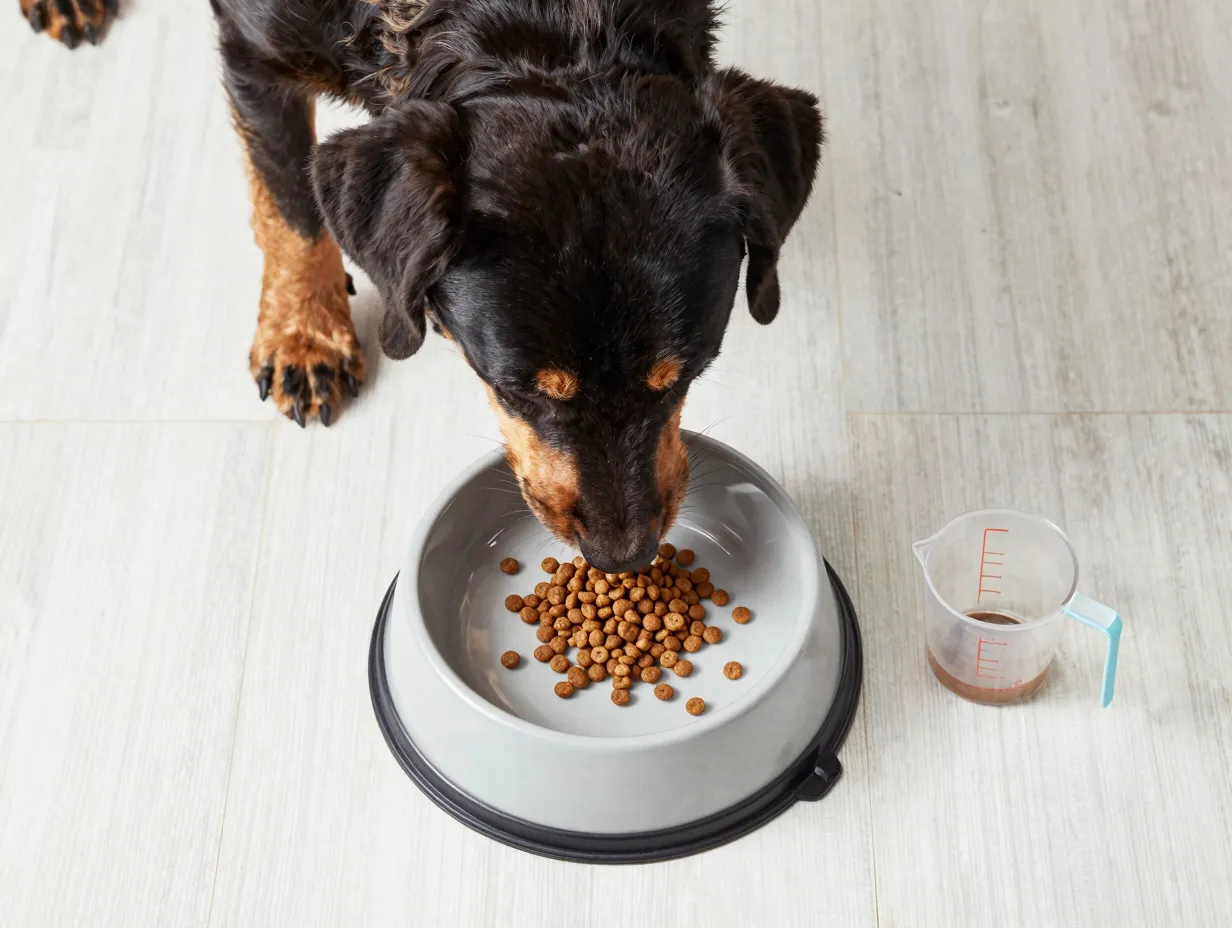
One of the most medically significant truths about the Labrador Retriever mix Rottweiler is their susceptibility to bloat (Gastric Dilatation-Volvulus, or GDV). This life-threatening condition occurs when the stomach fills with gas and twists on itself — and large, deep-chested breeds are especially vulnerable.
To reduce bloat risk, follow these feeding guidelines:
- Feed smaller portions — approximately one cup of food three times daily rather than one or two large meals [1]
- Never free-feed (leaving food out all day)
- Avoid vigorous exercise 1 hour before and 2 hours after eating
- Use a slow-feeder bowl to prevent gulping
- Elevate the food bowl slightly for large dogs
Bloat can become fatal within hours if untreated. Knowing the warning signs — a distended belly, unproductive retching, restlessness, and drooling — could save your dog’s life.
Other common health concerns in Labrotties include:
- Hip and elbow dysplasia
- Obesity (especially with the Lab’s food drive)
- Eye conditions
- Heart issues
9. With the Right Owner, They Are Exceptional Family Dogs

Here’s the truth that ties everything together: when a Labrottie is properly trained, socialized, and exercised, they are among the most loyal and devoted family companions you’ll ever find.
They tend to:
- Bond deeply with their primary family members
- Be gentle and patient with children they’ve been raised with
- Serve as a natural deterrent to intruders simply by their presence
- Thrive on human connection and do poorly when left alone for long periods
The Labrottie is not a dog for everyone. But for the right family — one with experience, space, time, and commitment — this hybrid offers an extraordinary partnership.
Is a Labrottie right for you? Ask yourself:
- Do I have at least 2 hours daily for exercise and play?
- Have I owned large or strong-willed dogs before?
- Do I have a yard or access to open space?
- Can I commit to ongoing training and socialization?
- Is my living situation stable enough for a dog that can live 9-12 years?
If you answered yes to most of these, you may have just found your perfect dog.
Frequently Asked Questions About the Labrador Retriever Mix Rottweiler
Q: How long do Labrotties typically live?
Most Labrotties live between 9 and 12 years, depending on genetics, diet, exercise, and veterinary care.
Q: Are Labrotties good with children?
Yes — when properly socialized and raised with children, they tend to be gentle and protective. Always supervise interactions between large dogs and young children.
Q: Can a Labrottie live in an apartment?
It’s possible but challenging. Their size and energy level make apartment living difficult unless you’re committed to multiple long daily walks and outdoor play sessions.
Q: How much does a Labrottie puppy cost?
Prices vary widely by breeder and location, but expect to pay anywhere from $300 to $1,000+ for a puppy from a reputable source. Adoption from a rescue is often more affordable.
Conclusion
The 9 surprising truths about the Labrador Retriever mix Rottweiler paint a picture of a dog that is powerful, loyal, complex, and deeply rewarding — but only in the right hands. From their surprisingly recent origins and unpredictable temperament blends to their serious exercise needs and bloat risk, the Labrottie demands an owner who is informed, committed, and experienced.
Here are your actionable next steps:
- Assess your lifestyle honestly using the quiz above
- Research reputable breeders or rescues in your area
- Consult a professional trainer before bringing a Labrottie home
- Set up a veterinary relationship and discuss bloat prevention protocols
- Connect with Labrottie owner communities online to get real-world insights
If you go in with eyes wide open, the Labrador Retriever mix Rottweiler may just be the most rewarding dog you’ll ever own. 🐾
References
[1] Watch – https://www.youtube.com/watch?v=1SQA255WUeU
[2] Labrottie – https://a-z-animals.com/animals/labrottie/
[3] Watch – https://www.youtube.com/watch?v=-PT4WGctdoY
[4] Labrottie – https://wagwalking.com/breed/labrottie
[5] Topic Show – https://forum.champdogs.co.uk/topic_show.pl?tid=104559