9 Red Flags to Avoid When Searching for Siberian Kittens for Sale
Nearly 30% of online pet listings are fraudulent, according to consumer protection reports — and Siberian cats, one of the most sought-after hypoallergenic breeds, are a prime target for scammers and unethical breeders alike. If you’re on the hunt for a healthy, well-socialized Siberian kitten, knowing the 9 red flags to avoid when searching for Siberian kittens for sale could save you thousands of dollars and a lot of heartbreak.
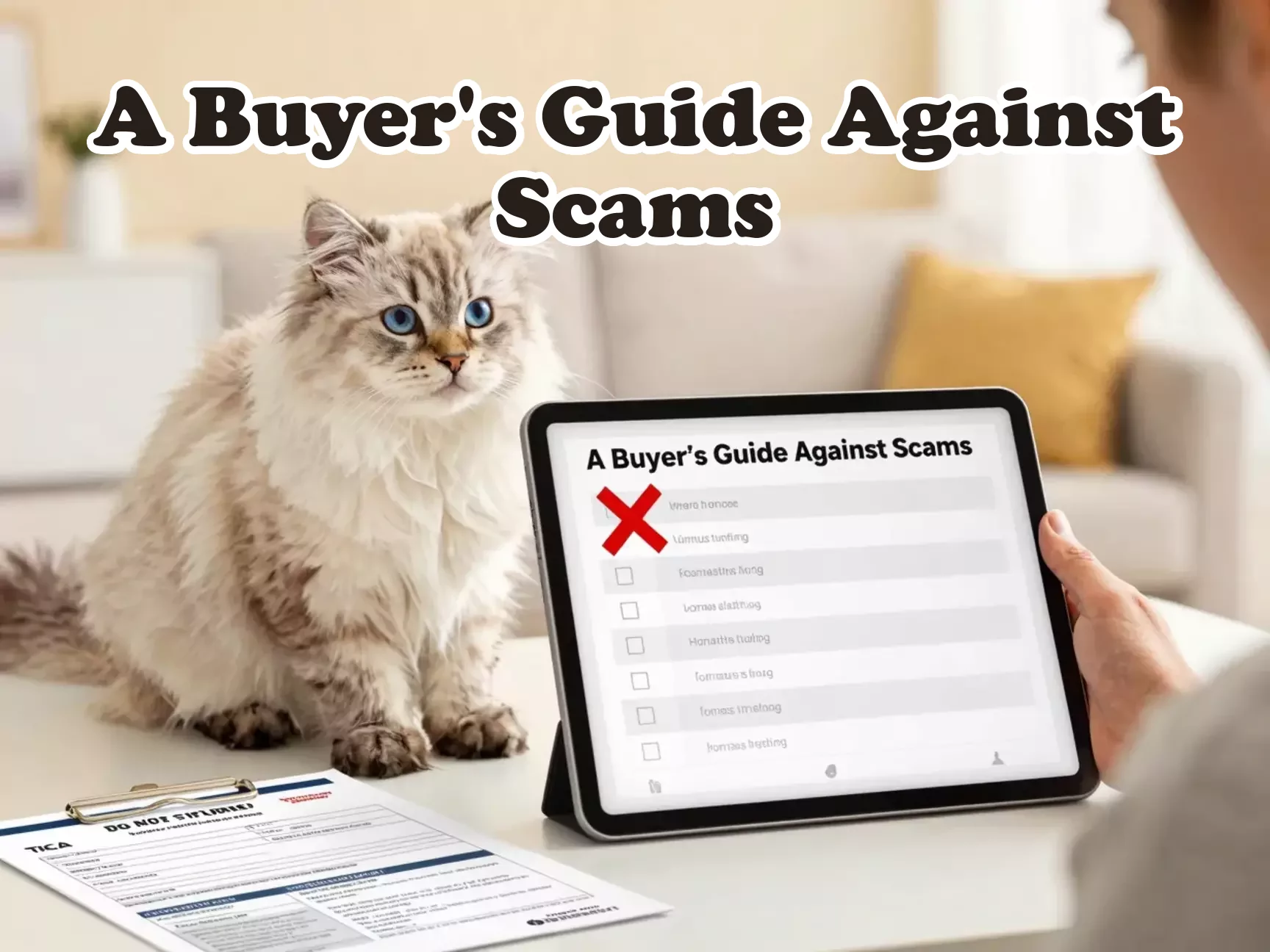
This guide breaks down every warning sign you need to watch for — from suspiciously low prices to breeders who refuse facility visits. Whether you’re a first-time cat owner or an experienced feline enthusiast, these insights will help you find a reputable source and bring home a kitten you can trust.
Key Takeaways
- 🚩 Always demand health testing documentation — reputable breeders test for HCM, PKD, and other genetic conditions before selling kittens.
- 🚩 Never send large deposits before meeting the kitten — this is one of the most common scam tactics in the pet industry.
- 🚩 Waitlists are a good sign — breeders with kittens always available may be overbreeding or running a scam operation.
- 🚩 No written contract = walk away — a health guarantee and written agreement protect both you and the kitten.
- 🚩 Transparency is non-negotiable — a trustworthy breeder will welcome your questions, references requests, and facility visits.
Understanding Why These Red Flags Matter for Siberian Kittens
Siberian cats are a naturally occurring breed from Russia with a dense, triple-layered coat and a reputation for being lower in the Fel d 1 allergen — the protein that triggers most cat allergies. Their growing popularity has unfortunately attracted a wave of irresponsible breeders and outright scammers looking to cash in on high demand.
The 9 red flags to avoid when searching for Siberian kittens for sale aren’t just about avoiding bad experiences — they’re about protecting animal welfare, your finances, and your family’s health. A kitten raised in poor conditions or without proper veterinary care can arrive with hidden genetic diseases, behavioral problems, and infections that cost far more to treat than the “bargain” price you paid.
Let’s go through each warning sign in detail.
The 9 Red Flags to Avoid When Searching for Siberian Kittens for Sale
1. Overcrowded or Unsanitary Cattery Conditions
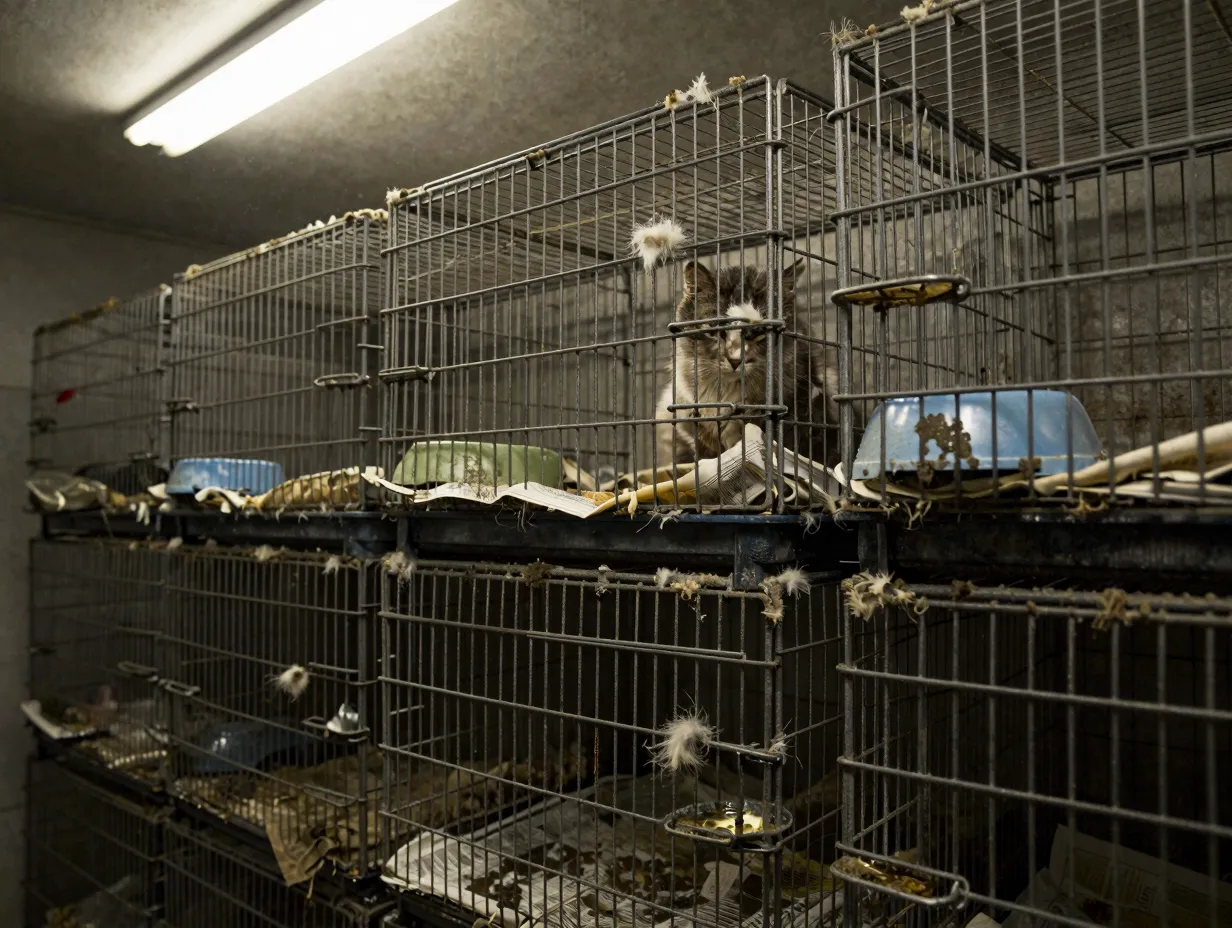
The physical environment where a kitten is raised tells you almost everything about a breeder’s priorities. Unethical breeders prioritize profit over animal welfare, keeping cats in cramped cages, poorly ventilated rooms, or spaces with visible filth [1].
When you visit — or request a virtual tour — look for:
- Clean litter boxes with no overwhelming odor
- Adequate space for cats to move, play, and rest
- Healthy-looking coats and bright, clear eyes on all animals
- No signs of respiratory illness, discharge, or lethargy
💬 “A cattery that smells clean and looks spacious isn’t a luxury — it’s the baseline standard for responsible breeding.”
If a breeder refuses to show you the space at all, that’s a red flag on its own (more on that in point 8).
2. No Health Testing Documentation

This is arguably the most critical red flag on this list. Reputable Siberian breeders provide documented proof of genetic health testing for conditions including:
| Health Condition | What It Affects | Testing Method |
|---|---|---|
| HCM (Hypertrophic Cardiomyopathy) | Heart muscle | Echocardiogram + genetic test |
| PKD (Polycystic Kidney Disease) | Kidneys | DNA test |
| PK Deficiency | Red blood cells | DNA test |
| FIV/FeLV | Immune system | Blood test |
Ask to see documentation for both parent cats, not just the kitten. A breeder who says “we don’t do that” or “our cats are naturally healthy” is not following responsible practices [2]. Siberian cats can carry genetic mutations for HCM, and without testing, there’s no way to know [5].
3. Unwillingness to Answer Questions or Provide References

A breeder who gets defensive, vague, or dismissive when you ask basic questions is waving a red flag in your face. Responsible breeders welcome questions — they want to know their kittens are going to good homes, and they’re proud of their practices [2].
Questions every reputable breeder should answer comfortably:
- What genetic tests have the parents undergone?
- How are kittens socialized before going home?
- Can you provide references from previous buyers?
- What is your policy if the kitten develops a genetic illness?
- Are you registered with TICA or CFA?
If a breeder dodges these questions, gives inconsistent answers, or refuses to provide references from past buyers — move on.
4. Prices That Are Suspiciously Low
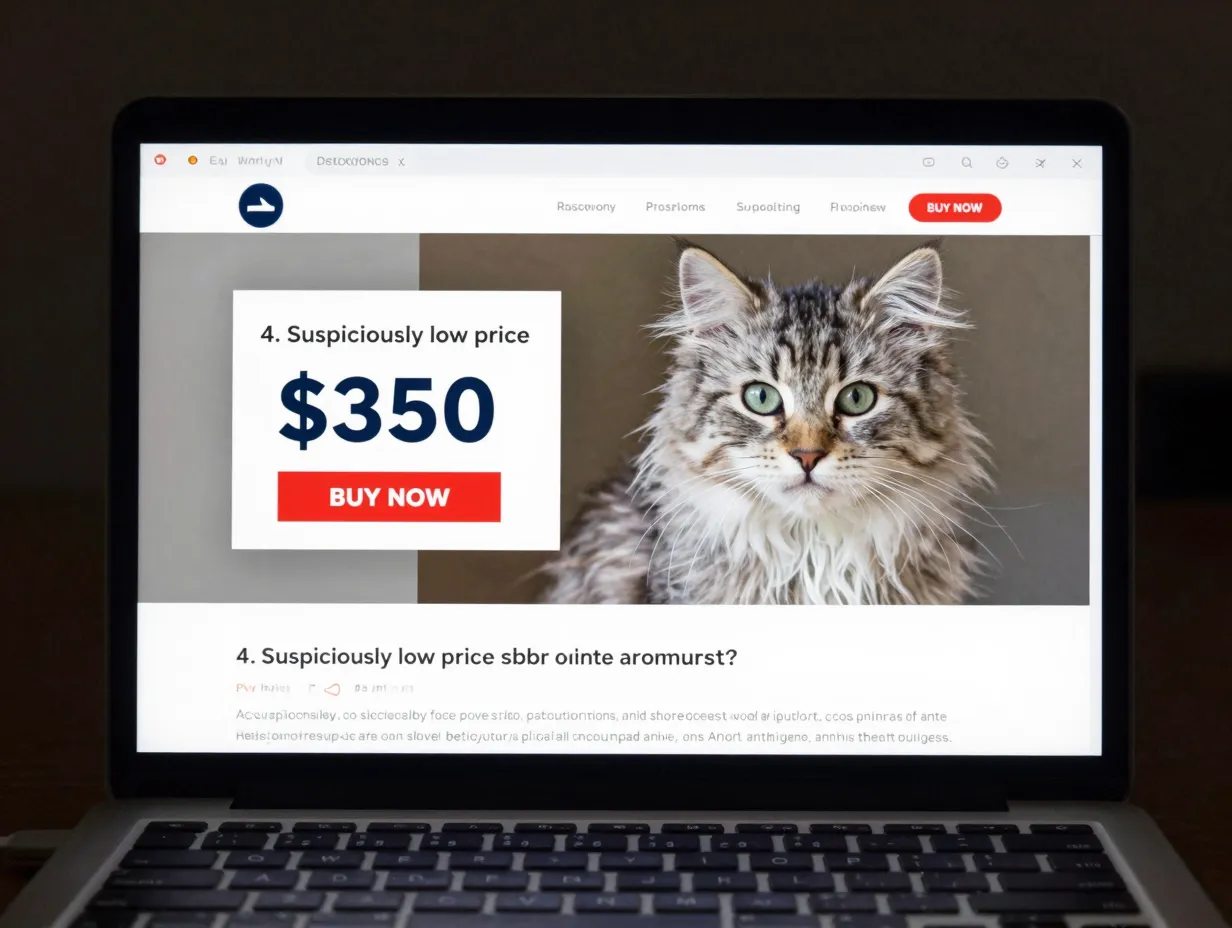
Siberian kittens from reputable breeders typically range from $1,200 to $2,500+, depending on lineage, coat color, and region. If you find a listing offering Siberian kittens for $300–$500, ask yourself: what corners are being cut?
Unusually low prices often indicate [1]:
- No genetic health testing performed
- Poor living conditions (lower overhead = lower price)
- Backyard breeding with no breed expertise
- Outright scam operations that take your money and disappear
This doesn’t mean the most expensive kitten is always the best. But a price dramatically below market value is a signal that something is wrong — either with the kitten’s health, the breeder’s practices, or the legitimacy of the listing itself.
5. No Purebred Registration Paperwork from TICA or CFA
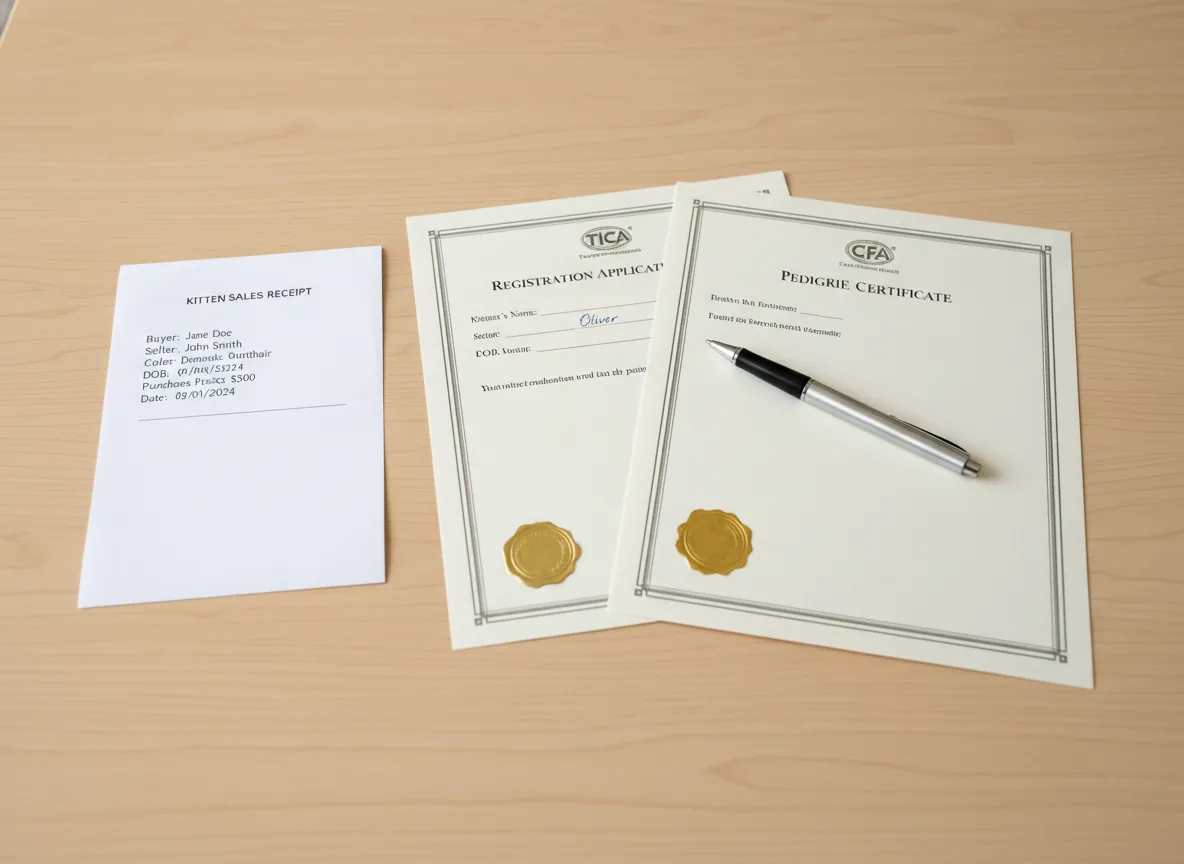
If you’re paying for a purebred Siberian kitten, you deserve proof. Legitimate breeders register their cats and kittens with recognized organizations like The International Cat Association (TICA) or the Cat Fanciers’ Association (CFA) [1].
Registration paperwork:
- Confirms the kitten’s lineage and breed authenticity
- Provides a paper trail for the breeding program
- Indicates the breeder is accountable to an established organization’s code of ethics
A breeder who says “I don’t bother with registration” or “papers aren’t necessary” may be selling mixed-breed cats as purebreds — or simply lacks the credentials to register their animals. Always ask for pedigree documentation before committing.
6. Requests for Large Sums of Money Before Meeting the Kitten
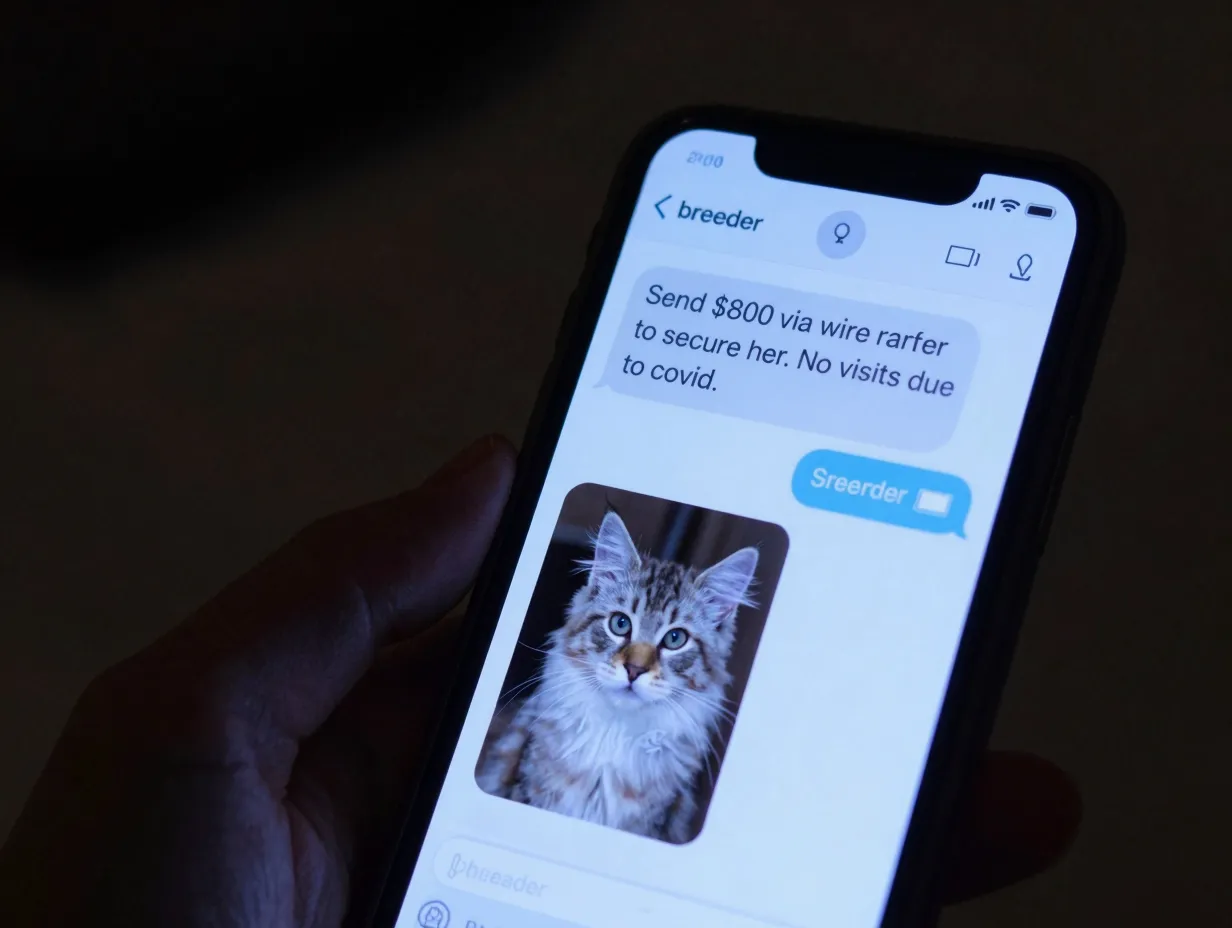
🚨 This is one of the most common online pet scam tactics. A fraudulent “breeder” posts beautiful photos of Siberian kittens (often stolen from legitimate breeders’ websites), asks for a large deposit or full payment upfront, then disappears with your money [1].
Warning signs of a financial scam:
- Pressure to pay immediately via wire transfer, Zelle, or cryptocurrency
- No option to visit or video call before paying
- Prices that seem too good to be true (see point 4)
- Seller claims to be overseas or unable to meet in person
- Stock photos that reverse-image search to other websites
A small, refundable deposit to hold a spot on a waitlist is normal. Paying hundreds or thousands of dollars before you’ve verified the kitten exists — and the breeder is real — is not.
7. Kittens Have Not Been Socialized or Seen a Veterinarian
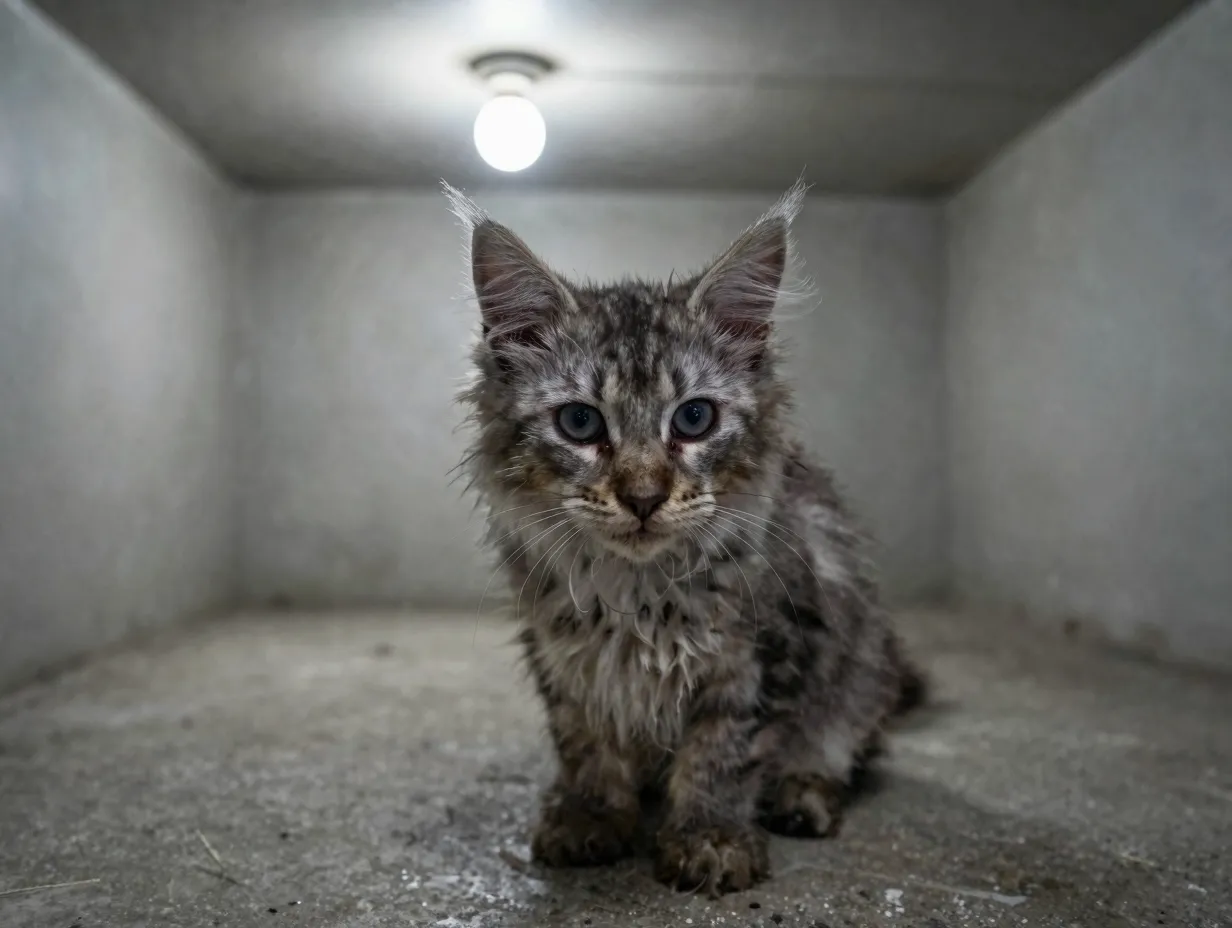
Proper socialization during the first 2–7 weeks of life is critical for a kitten’s long-term temperament. Siberian kittens raised without human interaction, environmental enrichment, or exposure to normal household sounds and activities can develop fear-based behavioral issues that are difficult to reverse [2].
Before a kitten leaves for its new home, a reputable breeder should ensure:
- At least one veterinary exam with documentation
- Core vaccinations appropriate for age (typically FVRCP)
- Deworming and flea treatment as needed
- Regular human handling from birth
- Exposure to household sounds, other pets, and children where appropriate
Ask for the kitten’s vet records. If the breeder can’t produce them — or claims the kitten “doesn’t need” a vet visit — that’s a serious welfare concern.
8. Breeder Won’t Allow Facility Visits or Virtual Tours
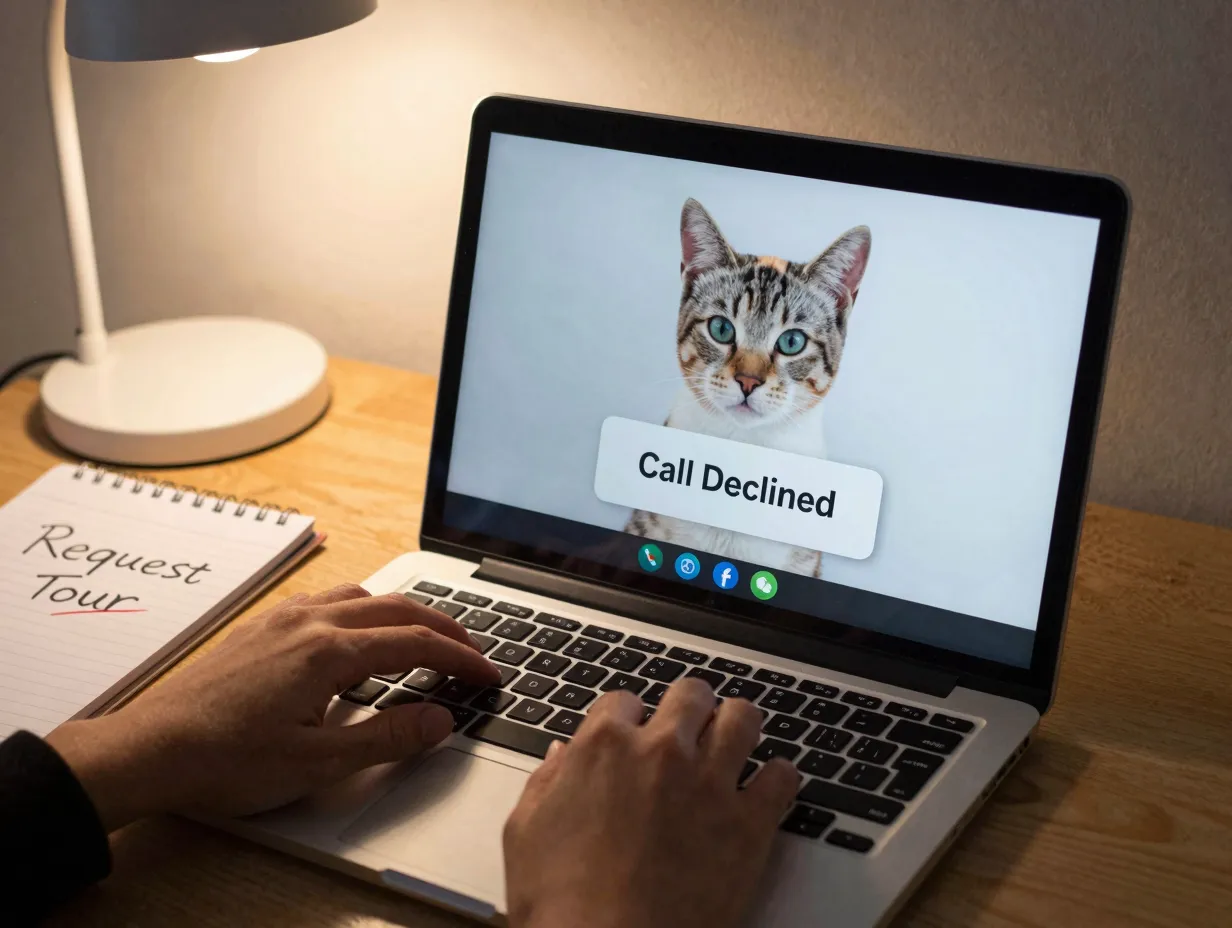
Transparency is the hallmark of a trustworthy breeder. If a breeder refuses to let you visit their cattery in person, or won’t even offer a live video call showing the space and the kittens, that refusal speaks volumes [1].
There are only a handful of legitimate reasons a breeder might limit in-person visits — biosecurity protocols to protect young kittens from outside pathogens, for example. But even in those cases, a responsible breeder will:
- Offer a scheduled virtual tour via FaceTime or Zoom
- Show you the parent cats and the kitten’s living space
- Introduce you to the kitten’s personality on camera
- Provide photos and videos regularly as the kitten grows
A flat refusal with no alternative offered? Walk away.
9. Kittens Are Always Available — No Waitlist Required
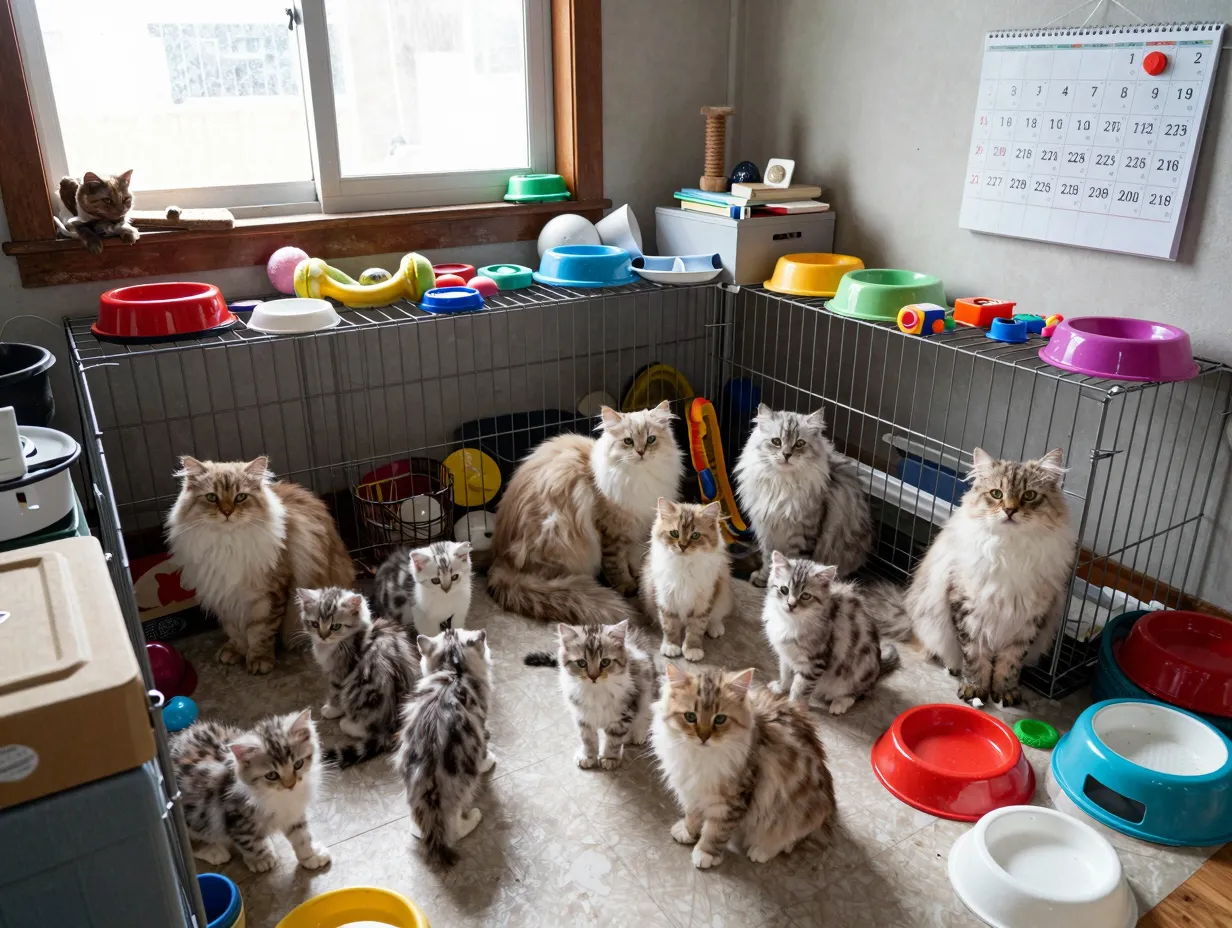
Here’s a counterintuitive red flag that many buyers miss: if a breeder always has kittens ready to go, that’s not a convenience — it’s a warning sign [3].
Responsible Siberian breeders:
- Plan litters carefully, often once or twice per year
- Maintain waitlists of pre-screened buyers
- Don’t rush kittens out the door before 12–14 weeks of age
- Screen buyers to ensure good matches
Constant availability suggests one of three things: the breeder is overbreeding their queens (a welfare concern), they’re having trouble placing kittens (which raises questions about quality), or it’s a scam operation using fake listings.
💬 “A waitlist isn’t an inconvenience — it’s a sign the breeder cares more about the right placement than a fast sale.”
Bonus Red Flags Worth Knowing
While the core list covers the most critical warning signs, a few additional issues deserve mention:
Males and females roaming freely together — Responsible breeders separate intact males from females to prevent unplanned pregnancies and reduce the risk of inbreeding. A breeder who allows uncontrolled access between breeding cats is not managing their program responsibly [3].
No written contract or health guarantee — Reputable breeders provide written contracts that outline both parties’ rights and responsibilities. Most offer 2–5 year health guarantees covering genetic defects. If a breeder won’t put anything in writing, you have no recourse if problems arise [3].
Breeding multiple cat breeds simultaneously — A breeder juggling five or six different breeds is spreading their expertise thin. Responsible Siberian breeding requires deep knowledge of the breed’s specific health concerns, genetics, and standards. Multi-breed operations often lack the focus needed for truly responsible single-breed development [2].
How to Find a Reputable Siberian Kitten Breeder in 2026
Now that you know what to avoid, here’s a quick roadmap for finding the right breeder:
- Start with TICA or CFA breeder directories — these organizations list registered breeders who have agreed to follow ethical codes of conduct.
- Join Siberian cat owner communities on Facebook or Reddit — real owners share honest recommendations and warn against bad breeders.
- Ask for a video call before committing — see the kitten, the space, and the parent cats live.
- Request health testing documentation upfront — a good breeder will have it ready without hesitation.
- Read the contract carefully — understand the health guarantee terms, return policy, and spay/neuter requirements.
- Be patient — a waitlist of 3–6 months for a quality Siberian kitten is completely normal and worth it.
Quick Reference: Red Flag Checklist
Use this checklist when evaluating any Siberian kitten listing:
- [ ] Cattery is clean, spacious, and well-maintained
- [ ] Health testing documentation provided for parent cats
- [ ] Breeder answers all questions openly and provides references
- [ ] Price is within the typical market range ($1,200–$2,500+)
- [ ] TICA or CFA registration paperwork available
- [ ] No large payments required before meeting the kitten
- [ ] Kitten has had vet exam and vaccinations
- [ ] Facility visit or virtual tour offered
- [ ] Waitlist exists — kittens not always immediately available
- [ ] Written contract and health guarantee provided
Conclusion
Finding a healthy, well-socialized Siberian kitten is absolutely worth the extra effort — but only if you go in with your eyes open. The 9 red flags to avoid when searching for Siberian kittens for sale outlined in this guide give you a clear, actionable framework for separating responsible breeders from those who cut corners, exploit animals, or outright scam buyers.
Your next steps:
- Save or print the red flag checklist above and use it for every breeder you contact.
- Visit TICA.org or CFA.org to find registered Siberian breeders in your region.
- Join a Siberian cat owner community to get real recommendations from real owners.
- Expect to wait — and know that the wait is a sign you’re working with someone reputable.
- Never send large sums of money before verifying the kitten and breeder are legitimate.
A Siberian cat can be a 15–20 year companion. Taking a few extra weeks to find the right breeder is one of the best investments you’ll ever make. 🐾
References
[1] Responsible Siberian Cat Breeding Practices 1 – https://www.sunovasiberians.com/post/responsible-siberian-cat-breeding-practices-1
[2] Tips On Red Flags When Looking At Cat Breeders – https://www.petplace.com/article/cats/pet-care/tips-on-red-flags-when-looking-at-cat-breeders
[3] Steps To Find Siberian Cats Breeder – https://siberiantale.com/steps-to-find-siberian-cats-breeder/
[5] Siberian Health – https://siberiancatbreederscentral.com/siberian-health/